Can Kansas City region’s hospitals handle the new COVID wave? Delta raises alarms
READ MORE
Missouri COVID-19 delta variant surge
Missouri is experiencing a rise in COVID-19 cases and hospitalizations due in part to the spread of the delta variant. Read our latest coverage.
Expand All
Hopes of a summer of returning to normal, a respite from the coronavirus that devastated much of the past year, are quickly going out the window.
Health care officials in the Kansas City region are bracing themselves for another wave of COVID-19 infections as the delta variant spreads and vaccine rates stagnate.
In St. Joseph, just north of Kansas City, Mosaic Life Care was treating 51 coronavirus patients as of Tuesday. Seven of those were on ventilators. The vast majority were unvaccinated, said hospital spokeswoman Joey Austin.
The worst surge hit their corner of northwest Missouri in fall 2020, when the St. Joseph medical center was caring for 98 coronavirus patients at once.
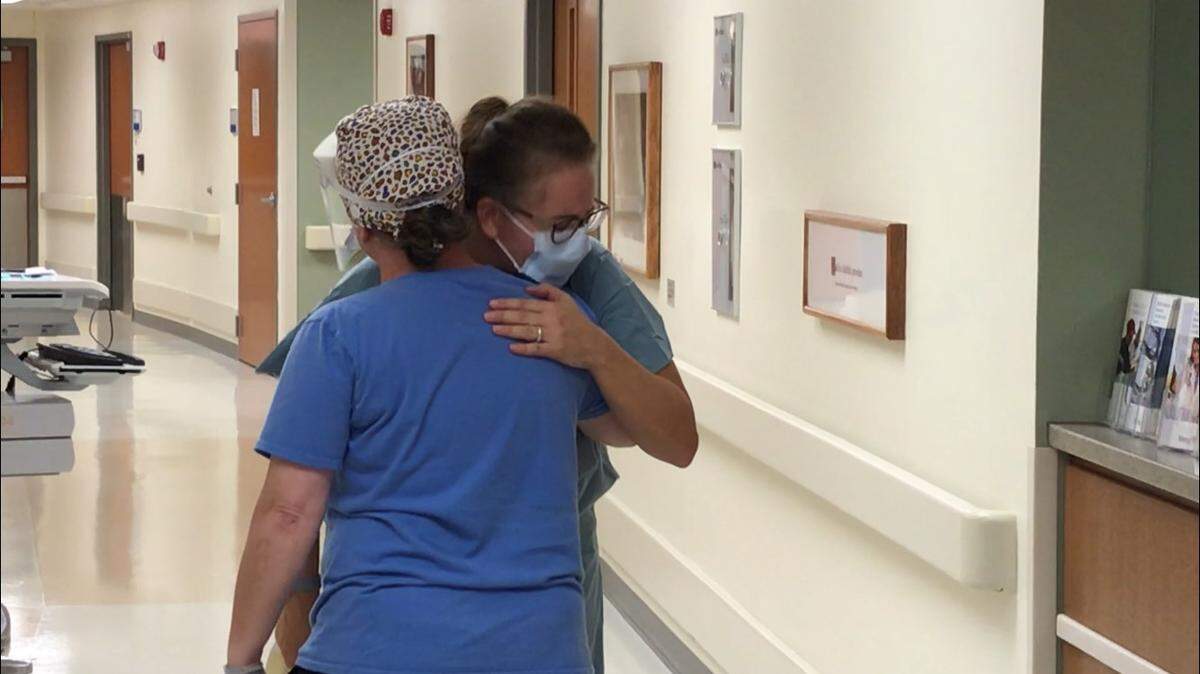
Taking the current positivity rate into account, Austin predicts that in the next week or so, they will be treating at least 70 coronavirus patients. They are prepared for the increase, but they hope it doesn’t come to that. Caregivers are tired. Health care workers need support, and a break.
“When we looked at this summer, we really had great expectation and hope that the worst was behind us,” Austin said. “And now that we have seen this spike, we’re kind of feeling that deja vu of ‘here we go again.’”
The spike in cases has been connected to the spread of the highly contagious delta variant, coupled with loosened restrictions and low vaccination rates.
Nationwide, 55.6% of the population has had at least one dose of the vaccine. In Missouri, however — where cases are surging — that figure sits at 45.5%, according to data from the state and the Centers for Disease Control and Prevention.
And in the past month, the number of people admitted to emergency departments across Kansas as a result of COVID-19 has increased from 140 admissions on June 14, to 223 admissions on July 12, said Kristi Zears, spokeswoman for the Kansas Department of Health and Environment.
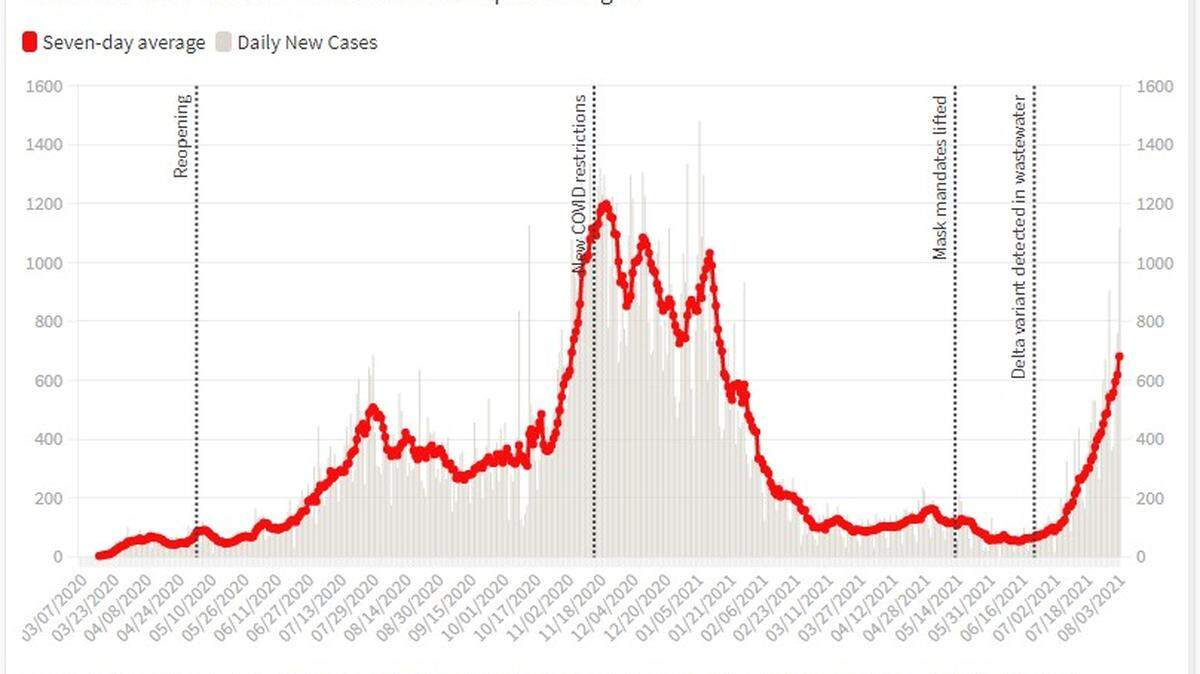
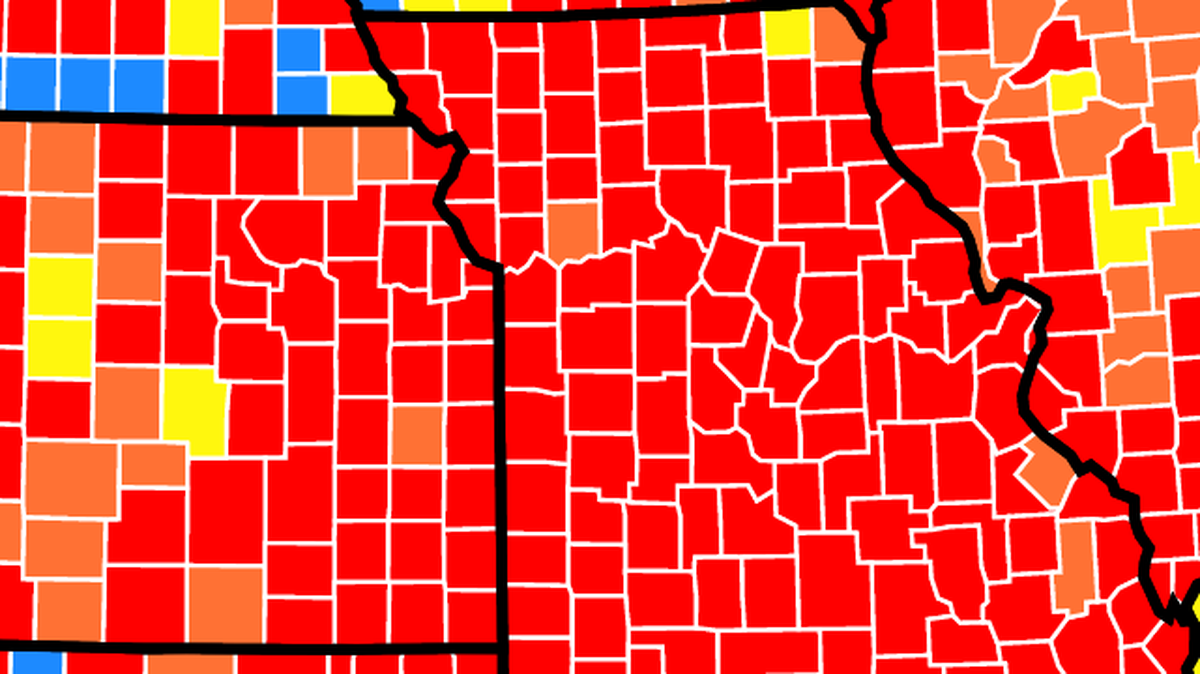
Missouri’s seven-day rolling average of new daily cases has risen from 372 a month ago to 904. As of Tuesday, Missouri had the fourth-highest rate of new cases per capita, according to data compiled by The New York Times, and among the lowest adult vaccination rates in the country.
Numbers have jumped in the Kansas City metro area which includes Johnson and Wyandotte counties on the Kansas side of the state line. On Tuesday, the metro added 396 new cases, the highest jump in daily cases since February 4.
Kansas City Health Department statistician Alex Francisco said the delta variant is more transmissible and has a higher rate of hospitalization.
“The case rate, it’s comparable now to what it was a year ago right before we had another big wave and that’s going to be a real issue, especially as the delta variant comes into Kansas City,” he said.
Rise in COVID, and hospitalizations
The story Austin tells of her hospital in St. Joseph is similar across the region.
A few weeks ago at The University of Kansas Health System, the hospital got down to five COVID-19 patients. As of Tuesday, it was 28.
The concern right now, according to Lawrence Memorial Hospital’s infectious diseases specialist Dr. Jennifer Schrimsher, is regarding spillover from other counties and states where vaccinations rates are lower.
The Lawrence hospital is seeing a rise in hospitalizations, but has not yet needed to make any changes to daily operations, Schrimsher, who also serves as deputy local health officer for Douglas County, said.
“We handled it well in the fall/winter, but as with all healthcare facilities, everyone has a breaking point,” she said in an email to The Star. “I’m hopeful folks will continue to get vaccinated so we’re not put in that position.”
A week ago, Stormont Vail Health in Topeka, Kansas, had just four COVID-19 patients. That number rose to 16 this week, said CEO Robert Kenagy, noting that the delta variant has become the dominant strain in Kansas.
“It is now causing increases in infection rates and hospitalizations almost exclusively among those who have not received the COVID-19 vaccination,” Kenagy said. “The delta variant is highly contagious with a much higher rate of transmissibility and is impacting younger age groups.”
The University of Kansas St. Francis Campus in Topeka also has seen an increase from two positive patients on July 1 to nine on Tuesday.
St. Luke’s Health System in Kansas City was treating 58 COVID-19 patients as of Tuesday, the majority of whom were unvaccinated, according to Marc Larsen, an emergency medicine physician at the hospital.
Some of those patients are transfers from rural areas that lack the capacity to treat them, including Springfield, Larsen said.
And in just the last couple of days, HCA Midwest Health hospitals have also seen an increase in COVID-19 admissions. As of Tuesday, they were treating more than 50 patients, said Kimberly Megow, chief medical officer at HCA Midwest Health. Last summer, at the height of the virus, the hospitals had admitted as many as 200 coronavirus patients at once.
A sign of what’s to come?
If anyone is teetering on the fence about whether or not to get the vaccine, Nathan Koffarnus, assistant bureau chief for the bureau of communicable disease control and prevention with the Missouri Department of Health and Senior Services, recommends getting a dose immediately “before the area they’re in gets hit really hard.”
His warning comes as officials in Springfield sound the alarms as a recent surge in cases marks the area a COVID-19 hotspot.
Hospitals in southwest Missouri have been overwhelmed. As of Tuesday, Mercy Hospital in Springfield had 130 COVID-19 patients. CoxHealth, Springfield’s other major hospital, had 125 as of Monday.
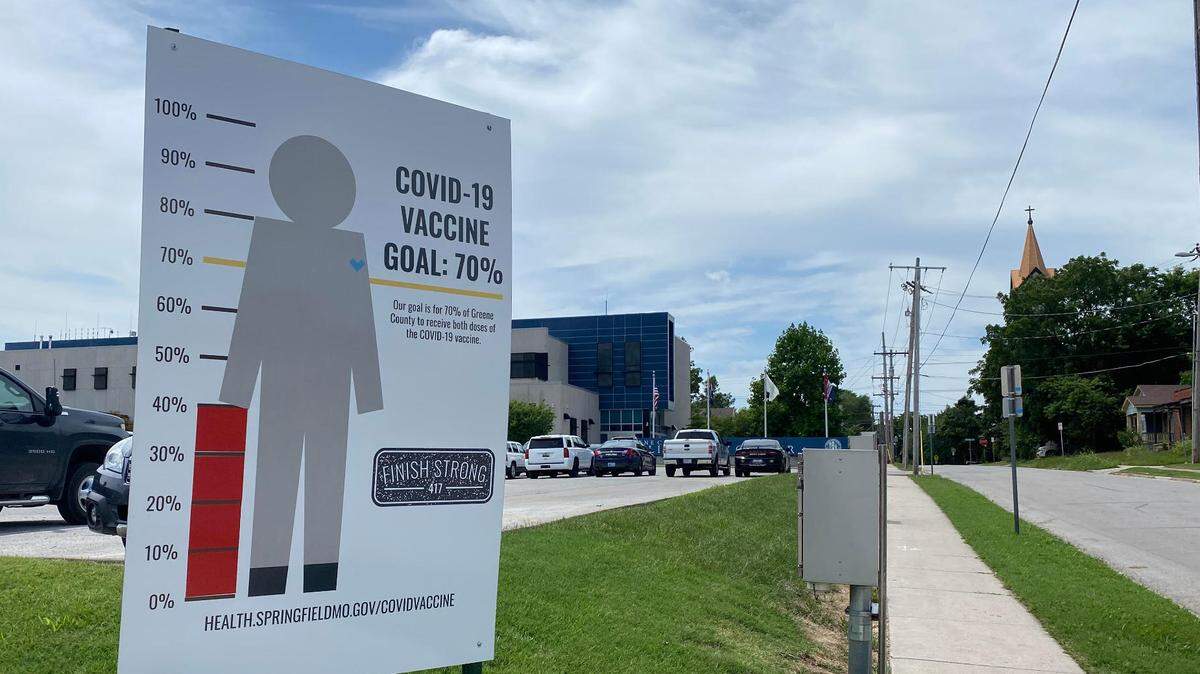
On Monday evening, the city of Springfield reported 59 people were on ventilators, the most seen since the pandemic began in early 2020. In Greene County, home to Springfield, 39.2% of the residents have initiated vaccination.
Last week, the hospital ran out of ventilators, so Mercy hospitals in St. Louis and Arkansas sent additional supplies.
Days later, the Springfield-Greene County Health Department reported 17 deaths between June 21 and July 4. Health officials said none were fully vaccinated. At least 15 of the patients had not received any vaccination.
Health officials have called it a warning sign of what could happen in other regions where vaccination rates are low.
Taking into consideration the relatively low vaccination rates and the presence of the delta variant, Kansas City “absolutely” could see the same trends in cases, hospitalizations and deaths that Springfield is seeing, Koffarnus said.
Kansas City has the sixth highest vaccination rate at 43.8% which is followed by Jackson County at 41.9%.
But surrounding areas in the metro are far lower: Platte County sits at 30.6% while Clay County is at 35.3% and Cass County is at 35.7%.
“Our experiences in Springfield are showing us that with delta, a vaccination rate of around 30% in the region is not enough to be protective, to prevent this kind of a flare-up,” he said.
Case rates are increasing across most of the state, even in St. Louis and Boone counties, the two jurisdictions with the highest vaccination rates in Missouri.
“If cases can increase there, then they can increase anywhere, and then the question is, ‘just how high can they go?’” Koffarnus said.
No extra hospital beds
Steve Hoeger, Missouri co-chair of the Mid-America Regional Council Health Care Coalition, is part of a team that monitors data from across the metro hospitals, tracking trends, resources and capacities.
He said though the metro area is still well below the peak cases seen during the worst of the pandemic, the past month has seen a steady upward trend in COVID patients across the region’s hospitals.
While it can be difficult to predict what happens next, Hoeger said metro hospitals are dusting off their “surge plans” from a year ago in preparation for another outbreak.
Unlike last year, he said, beds are already filled as hospitals see an influx of trauma patients (including victims or violence and vehicular accidents) as well as patients who got sick after delaying routine healthcare over the past year because of the pandemic.
“What really worries us with that — because we are so busy with everything right now — if we start to see a sharp spike in COVID cases like they have in Springfield, we have no reserve capabilities,” he said. “We don’t have any extra beds we could use.”
Though hospitals generally are at more of an advantage now than 16 months ago, thanks to added beds, additional ventilators and stockpiled PPE, hospitals want to avoid suspending non-emergency surgeries and clinical procedures like many did last year in an effort to divert resources to the COVID units.
“There’s no intention to go back to that unless we absolutely have to,” Hoeger said.
A continued push for vaccinations
Chip Cohlmia fields frequent calls about the vaccine ringing through to the Jackson County Health Department, working to answer questions and dispel fears about the vaccine.
Callers’ excuses for staying unvaccinated run the gambit, said Cohlmia, a communicable disease prevention and public health preparedness division manager with the department.
He’s had to correct false information that nanobots are in the vaccine. On Monday, a caller told him her father thought the vaccine was made of aborted fetuses.
“You hear everything under the sun,” Cohlmia said, though he largely hears from people worried about vaccine safety, or who don’t see a need to get the vaccine because most of the people in their inner circle are already vaccinated.
He works to dispel those fears, because if vaccination rates stay where they are, it gives the virus more opportunity to develop mutations, like the delta variant. When that happens, it resets the clock on COVID in a way, he said.
Case rates more than doubled in eastern Jackson County between the week of June 6 and the week of June 27, Cohlmia said.
He relayed a saying in the infectious diseases field that “any disease is one flight away.” Right now, he said, it remains a drive away. Maybe even a door away.
“Control of a pandemic isn’t an individual event,” Cohlmia urged. “A pandemic is a very unique experience where it relies on your capacity to care about the people around you, and the people you don’t know, and the people you’ve never met before.”
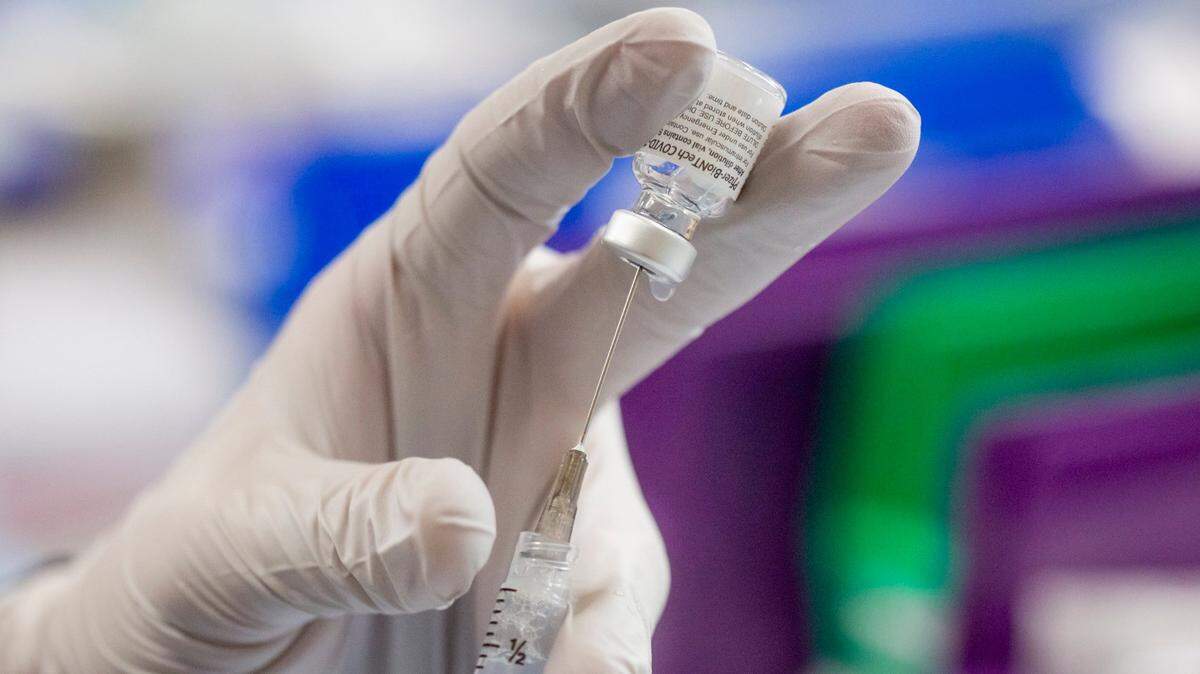
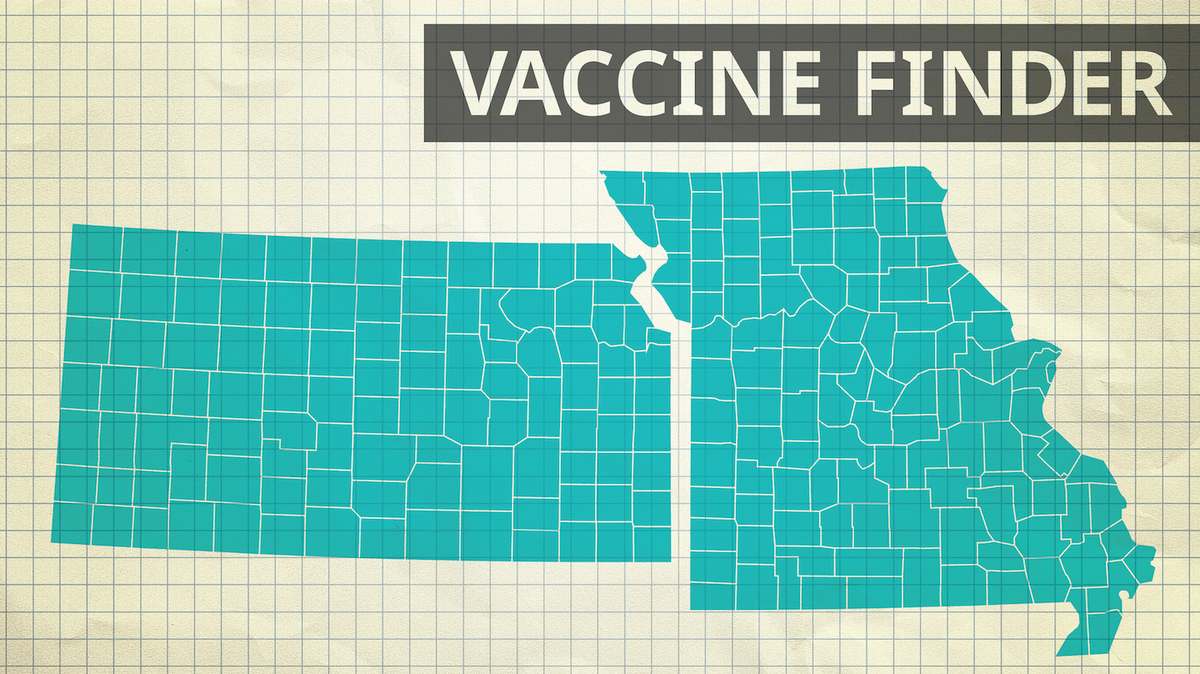
The COVID-19 vaccine is available for free at the Kansas City Health Department at 2400 Troost Ave. The health department is also hosting a vaccine clinic from 9 a.m. to 2 p.m. on Saturday at Smith Hale Middle School, 9010-A Old Santa Fe Road. Appointments are not required.
To find pharmacies or other vaccine providers, go to vaccines.gov.
This story was originally published July 14, 2021 at 11:29 AM.


.JPG)