100 days on a ventilator: Can Missouri COVID patient be one of the rare lucky ones?
READ MORE
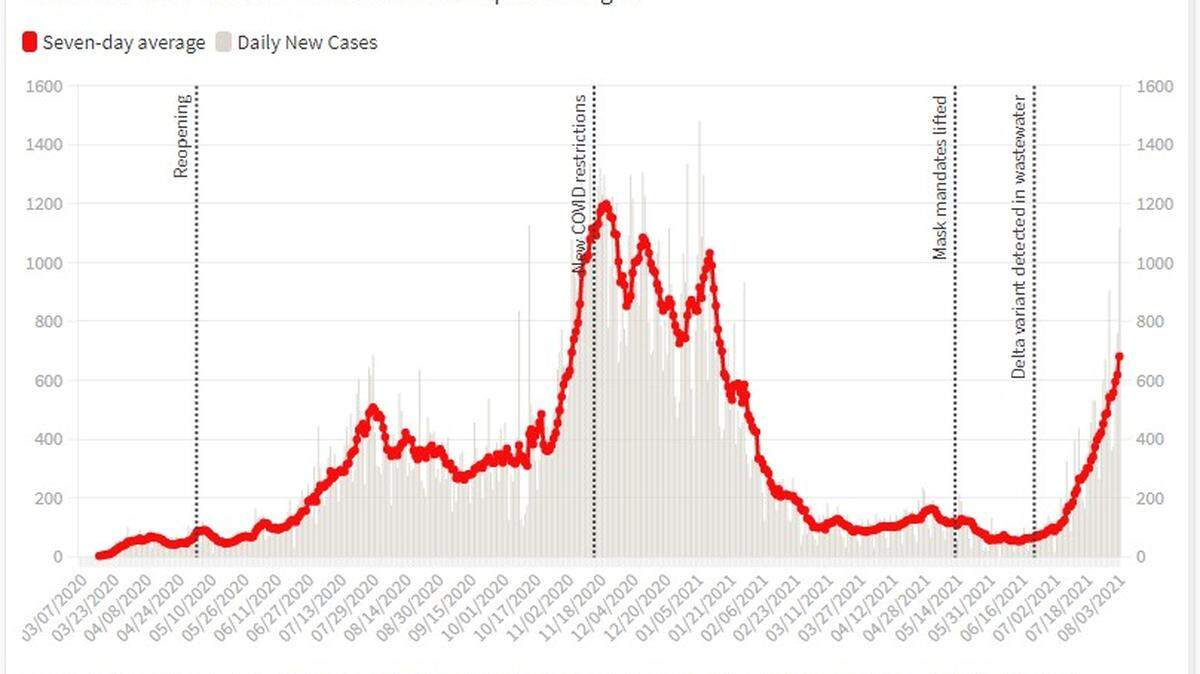
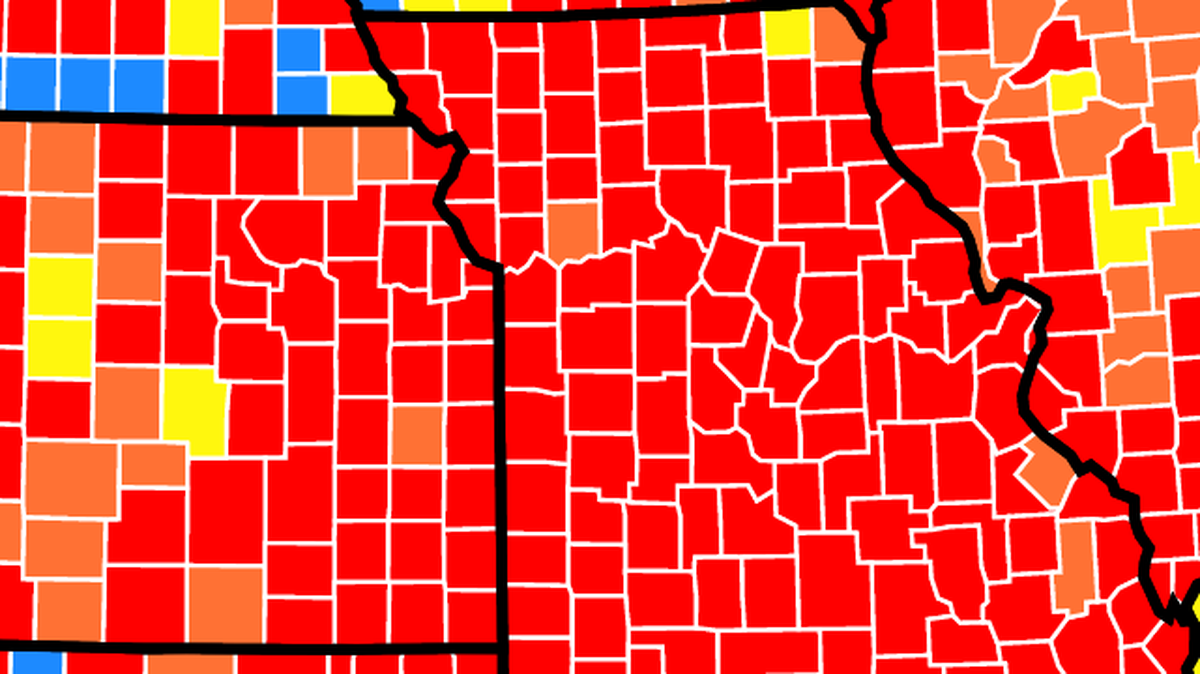
Missouri COVID-19 delta variant surge
Missouri is experiencing a rise in COVID-19 cases and hospitalizations due in part to the spread of the delta variant. Read our latest coverage.
Expand All
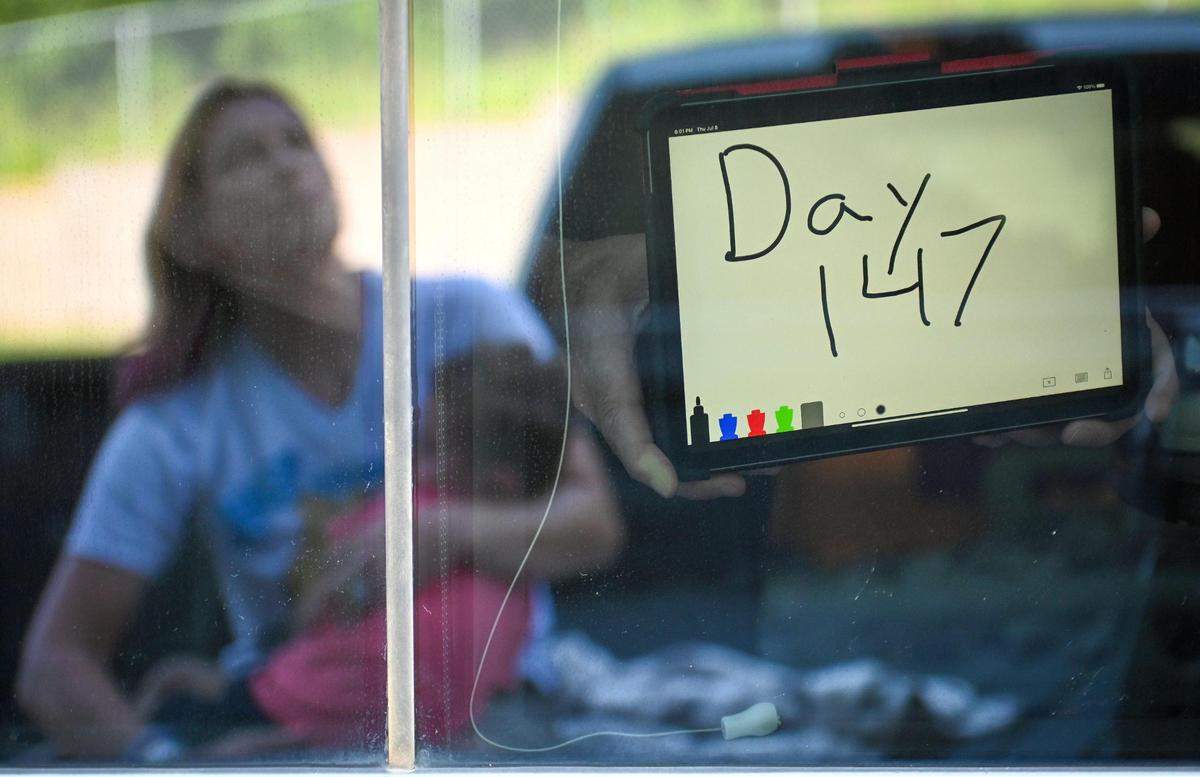
“We’re on day 146.”
April Shaver started counting back in February when her mother was admitted to Liberty Hospital, sick with COVID-19.
Gwen Starkey was just five months into retirement after 26 years at the Ford plant in Claycomo when she and several relatives got infected in what they thought was the safe bubble of a family gathering a few days before the Super Bowl.
The 59-year-old mother and grandmother, a healthy woman with no medical problems who babysat and gardened and went on float trips, got it the worst.
She has been tethered to a ventilator for more than 100 days.
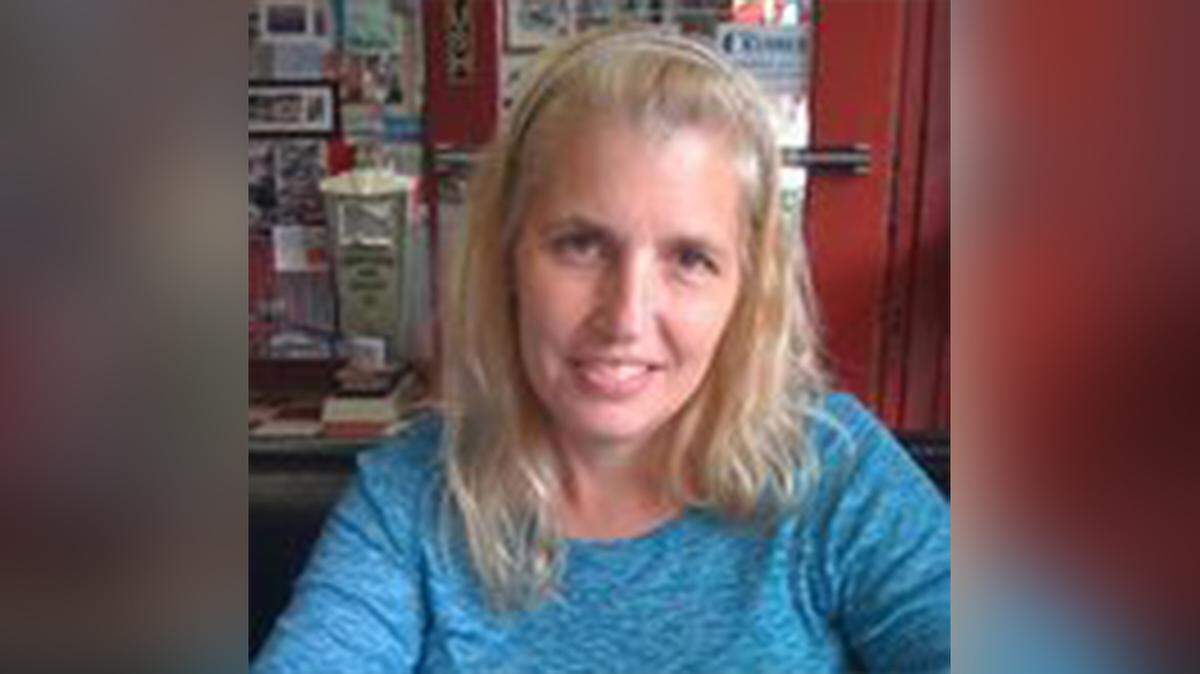
“It still doesn’t feel like this is real to me,” said Shaver. “It doesn’t feel like this is my family. And then I go in and hold my mom’s hand and she’s not even 60 years old yet and the hand that I’m holding is just a frail, gray, cold, lifeless hand.
“It’s just mind-blowing to me that this is happening. She’s a body in a bed.”
Starkey’s case is a reminder that COVID-19 doesn’t discriminate: Old, young, healthy and not-so-healthy can get the worst of it. For Starkey, COVID hit before the vaccine was available to her. As new variants strike, the latest victims don’t have that excuse.
The ventilator was the family’s nightmare come true.
They feared that if Starkey went to the hospital, doctors would put her on a ventilator — and she would die. They heard horror stories about COVID patients dying on the mechanical breathing machine.
So she stayed at home with her husband, Troy, in Polo, northeast of Kansas City, as COVID made her sicker and weaker, popping Tylenol to quell a fever that hit 105 at one point.
“That’s how we all felt because that’s what we all heard in the news and on social media. Don’t go to the emergency room, you go on a ventilator, they’re going to kill you,” said Shaver, 37, a stay-at-home mom in Kansas City. “If you go on a ventilator it’s a death wish.
“So that was the fear we all had. And then she just got to a point where she had to go. She couldn’t breathe.”
At the beginning of the pandemic, many patients were placed on ventilators, only to have medical experts rethink that strategy later.
Machines have kept Starkey alive, but her road to wellness has veered down several switchbacks. Internal bleeding. Collapsed lungs. Kidney failure. Hallucinations of birds building nests in her hospital room.
She’s taken several ambulance rides, too.
She began as a patient in Liberty, transferred to Saint Luke’s in Kansas City, moved to a transitional care hospital in the Northland, returned to Saint Luke’s when she faltered and is now back at Kindred Hospital Northland, where she is being weaned off the ventilator. Slowly.
Shaver is keeping Facebook friends informed and sometimes, frustration and grief seep into those posts. One of her high school friends recently died of COVID-19, someone in their 30s like her, and she can’t help but wonder if they were vaccinated.
On June 24 she posted a photo of her holding her mom’s hand in the hospital.
“This. Is. Covid. Please stop trying to say it’s not real,” Shaver wrote.
Invasive intubation
There is nothing natural about being on a ventilator.
It is invasive to have a breathing tube inserted in your mouth, gently eased past your teeth, snaked down your throat into the lower levels of your windpipe — a process called intubation — and then hooked up to a machine that pumps air, often with extra oxygen, into your lungs because you can’t breathe on your own.
Shaver has watched her mom’s chest heave and fall, heave and fall, from the pressure of the oxygen being forced into her body.
There is nothing comfortable about having a tube in your throat. It can make you cough, gag.
You can’t speak, swallow or chew while you’re on a ventilator.
You can’t brush your teeth.
“They put a sponge in her mouth to keep her mouth clean. She hasn’t brushed her teeth. Those things like that, you don’t think about,” said Shaver.
The machines in Starkey’s room make noise.
“Every minute there’s a beep or an alarm going off,” said Shaver. “And she’s got this feeding tube, a PEG tube (in her stomach), that’s constantly twisting and turning and makes this noise, this hum, as it’s pumping this formula into her little PEG tube.
“It’s never quiet. So she has a hard time sleeping because of all these noises and these alarms going off and the buzzing.”
Starkey was very sick and scared by the time she went to the hospital.
“April, I am dying. I am dying,” she told her daughter.
“And I kept telling my mom it’s going to get better because I went through it, too, but not knowing how severe she was,” said Shaver, who had a milder case of COVID.
When Starkey was admitted to Liberty Hospital on Feb. 12, she had pneumonia caused by the coronavirus, her daughter said. She was isolated for 21 days, something else she and her family had feared.
“That was another reason we said don’t go in there — you’re going to be alone for 21 days. Because this is what we were seeing with our friends on Facebook,” said Shaver. “It was scary. So no one wanted to take her to the hospital. She didn’t want to go either.”
On March 1, Starkey came off the ventilator and FaceTimed her family. Everyone thought the worst had passed.
Starkey cried and told her family it was the greatest day of her life, declaring March 1 her new birthday because she was healthy and happy.
She told her family that changes were coming. “We’re going to church, we’re doing this,” said Shaver. “And then, from there, it all just went downhill.”
Starkey went back on the ventilator.
Another machine — ECMO
The family got a phone call a few days later. Starkey needed to go to Saint Luke’s because the hospital has an ECMO machine.
“That’s for their patients that are dying, that’s basically how they put it,” said Shaver.
ECMO, extracorporeal membrane oxygenation, is an external bypass machine that assists hearts and lungs that aren’t working properly. The machine pulls blood from the body, oxygenates it and pumps it back in, giving the lungs a chance to heal and rest.
Now past the 21-day isolation period, Troy got to hold his wife’s hand before she was loaded into an ambulance and “went lights and sirens down to Saint Luke’s,” said Shaver.
At that point, Shaver started planning what to wear to her mother’s funeral. She prayed and spent “a lot of time thinking about the what ifs.”
Her mom doesn’t remember the three weeks she spent on the ECMO. She was sedated the entire time.
When Starkey came off the ECMO the tube down her throat was replaced with a tracheotomy, not unusual for patients who have to spend a long time on a ventilator.
A hole was cut in the front of her neck and a tube inserted below her vocal cords into her trachea and hooked up to the ventilator. The trach is still there.
She still can’t speak.
Hallucinations and COVID brain
Starkey was in ICU for so long she suffered “ICU delirium” and something the doctors called “COVID brain,” her daughter said.
She’s had hallucinations about those birds on the ceiling, and thought it was raining in her room.
At the beginning of the pandemic, when doctors thought COVID-19 was only a severe respiratory infection, they put many patients on ventilators.
But when COVID-19 patients began developing blood clots, heart problems, kidney failure and other issues, “clinicians quickly realized that fewer of these patients needed to go through the invasive process of being put on ventilators. Instead, simpler interventions could boost their oxygen levels sufficiently,” according to a report by the health news website Stat.
Today, COVID-19 patients aren’t intubated as quickly, or as often. Some might need to be on a ventilator “for a few hours, while others may require one, two, or three weeks,” according to Yale Medicine.
But 100 days? Starkey appears to be in rare company. COVID-19 patients who recover after spending that long on a ventilator make news.
The 31-year-old Nebraska cattle rancher who spent over 100 days on a ventilator suffering from damaged lungs.
The 87-year-old Minnesota man whose recovery after spending about 100 days on a ventilator was hailed as “miraculous” by the local newspaper.
“She’s had several things happen to her,” said Shaver. “She’s had internal bleeding, high blood pressure, the collapsed lungs. She’s had several valves put into each of the lobes in her lungs to fix the holes from the pressure of the ventilator. … they look like a little drink umbrella the size of your pinkie fingernail. They put them in and seal the holes shut so your lungs can heal.
“And she just kept having these random bruises on her stomach. They did go in and find where the blood was coming from. It was coming from her stomach. I believe she had three bleeds. They had to go in and seal those bleeds up.”
Oh, and COVID-19 ravaged Starkey’s kidneys, too. She’s on dialysis.
“I forgot to mention that,” said Shaver.
Weaning off the ventilator
After more than 100 days on a ventilator, Starkey doesn’t look anything like her old self, which is why her family didn’t want her photographed in her hospital bed.
“She’s lost all of her freedom. She doesn’t have the glow in her face and her eyes,” said Shaver. “Her eye color even changed. She has brown eyes, but when I’d go see her, her eyes would be gray.
“And she’s completely helpless. She can’t even lift her arms up. She can’t wiggle anything. She went from a completely active woman who would chase my 2-year-old up and down the driveway to someone who can’t even rotate their head.”
She was moved to Kindred, a long-term hospital, over the last few days. It’s a six-minute drive from Shaver’s house,
On the Fourth of July, her family stood outside the big windows of her first-floor room and lit sparklers.
They’ve decided that only Shaver’s father will go inside because they’re afraid of exposing her, given the rising variant cases in the area. He spends 12 hours a day with her.
Starkey got sick before COVID-19 vaccines were available, and even now, Shaver can’t say for sure if she would have gotten vaccinated if her mom hadn’t got sick.
You see, her family was “those people.”
They were afraid of the vaccine, though now everyone in the family who is eligible can be vaccinated has gotten the shots.
Shaver didn’t trust how quickly they were created.
“I vaccinate my pets, my kids, we’ve always done every single vaccination. Just this particular one scared me,” she said. “It’s because I listened to everybody else. I should have just gone with my gut.
“But if you don’t have it now, that’s your own fault. I have friends who still won’t get vaccinated.”
When Shaver spoke to The Star a few days ago, her mother was in the middle of “several good days.” She’s still on dialysis for her kidneys. But she’s doing physical therapy now and she’s in trials to test whether she’s ready yet to breathe on her own, though she’s still reliant on the ventilator.
“We’re in a very good place. We’re doing very well,” said Shaver. “We’re lucky that we have her.”
The family has already planned her post-COVID life, a breathless list of go, go, go.
Starkey’s going to get a new truck. She’s going to get a new bed because the old one reminds her of COVID.
And she’s going to travel, which was her plan after working more than two decades at the Ford Motor Co. Kansas City Assembly Plant, where she started on the assembly line and retired from an office job.
In March, when Starkey FaceTimed her family, she told them she didn’t work all those years just to lie in a bed and die of COVID.
This story was originally published July 12, 2021 at 5:00 AM.
.jpg)


.JPG)