Missouri urges vaccination, warns of ‘widespread infection’ of delta variant
READ MORE
Missouri COVID-19 delta variant surge
Missouri is experiencing a rise in COVID-19 cases and hospitalizations due in part to the spread of the delta variant. Read our latest coverage.
Expand All
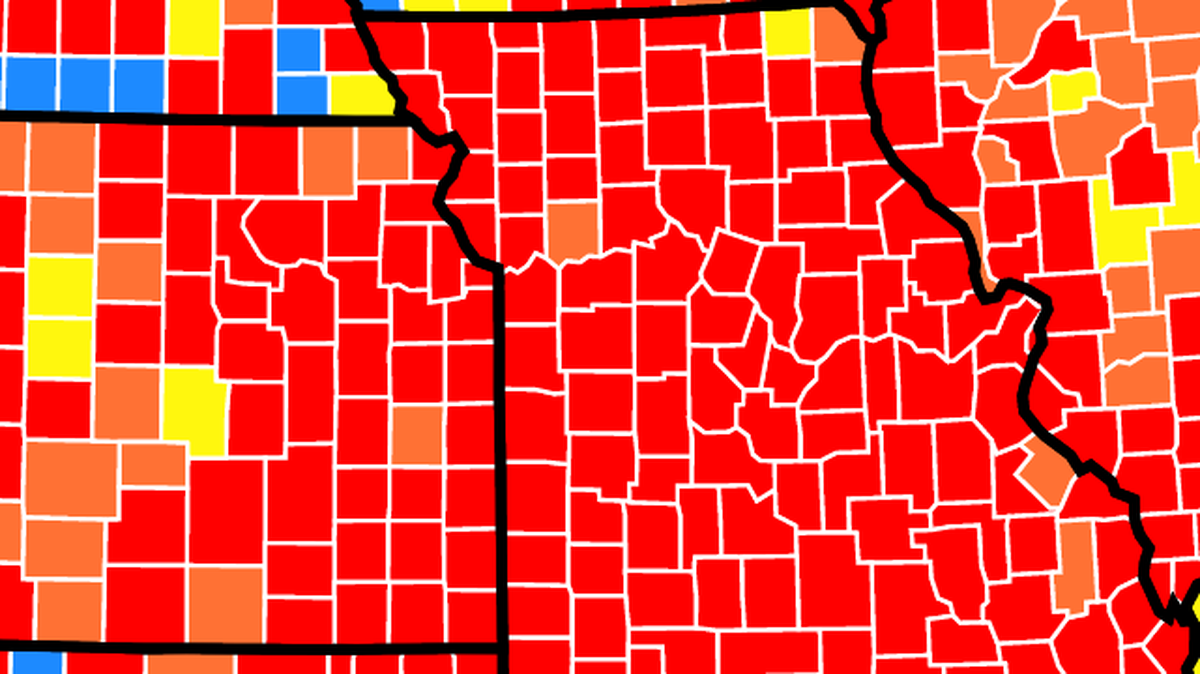
With steadily climbing COVID-19 case rates, Missouri is heading toward “widespread infection” of the more contagious and deadly delta variant, the state’s epidemiologist said Friday, with differences in vaccination rates likely to determine how hard cities will be hit.
Variants have driven a recent surge in COVID cases, particularly among the unvaccinated, in northern and southwest Missouri.
“Because we have communities with different levels of vaccinations, the impact of this infection spreading in the state will not be the same in all communities,” Dr. George Turabelidze told reporters.
He said both both testing and wastewater studies are now finding increasing case loads in the Kansas City and St. Louis metro areas, Columbia and the Bootheel region.
“We are seeing trends of infection moving from rural and small-town Missouri to more suburban and urban Missouri such as metro areas,” he said. “Because those metros also have parts that are better vaccinated than the rest of the state ... the impact of this growth of cases, we expect to be hopefully less severe.”
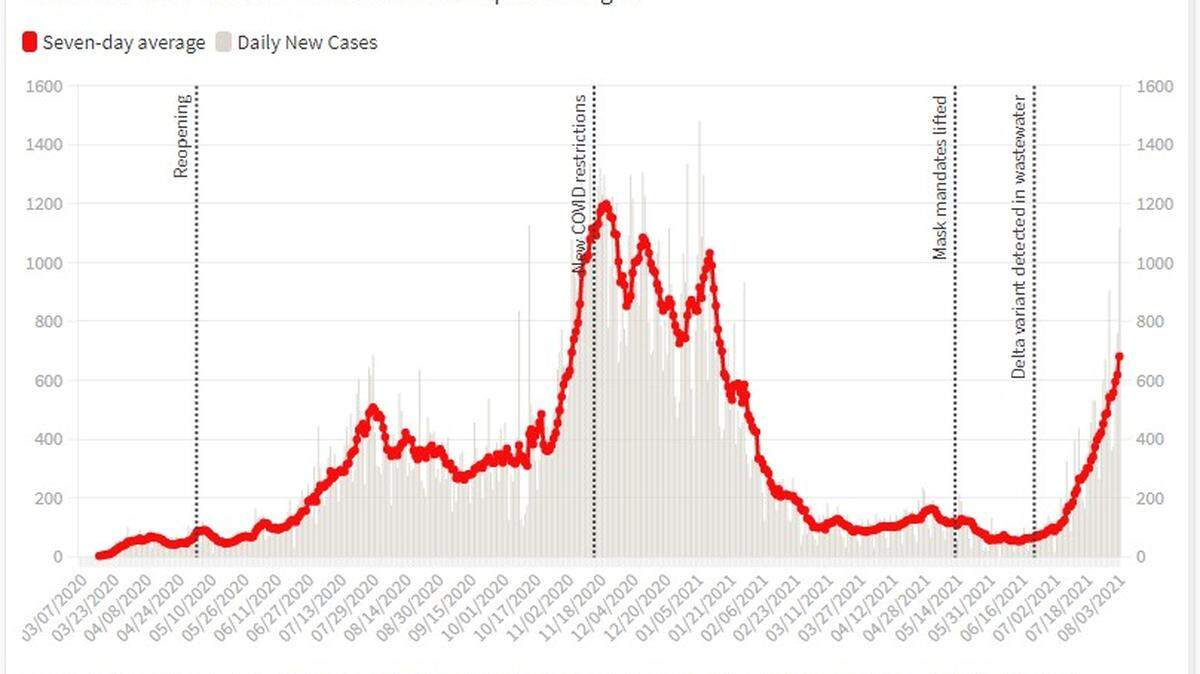
As of Tuesday, the state’s seven-day daily average of confirmed COVID cases was 781, the highest since Feb. 8, according to the Department of Health and Senior Services. Vaccinations have stagnated at just under 40% of the population fully vaccinated.
The state this week issued a first-of-its-kind “hot spot advisory” for three counties in the Lake of the Ozarks region, urging residents to get a shot. The advisory warns of the delta variant spreading from the southwest and said the COVID case rates in the three counties could triple or more in coming weeks. Vaccination rates are 32% in Camden County, 26% in Morgan County and just 21% in Miller County.
The state’s wastewater testing detected the delta variant’s presence in the Kansas City area beginning as early as June 7.
More recent testing, from June 21, shows the delta variant in 30 sewersheds across the state.
The area encompassing Kansas City and Jackson, Clay and Platte counties in Missouri and Johnson and Wyandotte counties in Kansas gained 326 new cases for a total of 152,109 to date. The metro hasn’t recorded over 300 daily cases since Feb. 9.
The seven-day rolling average for new cases rose to 155, according to data tracked by The Star. The average has not been this high in over two months. One week ago, the average sat at 99 and two weeks ago, it was 68.
Two more deaths were recorded, raising the metro’s total to 2,281 since the pandemic began.
The spread of the delta variant, which has inundated southwest Missouri hospitals, sets the region apart from the rest of the nation at a time when overall cases are close to their lowest levels since testing began.
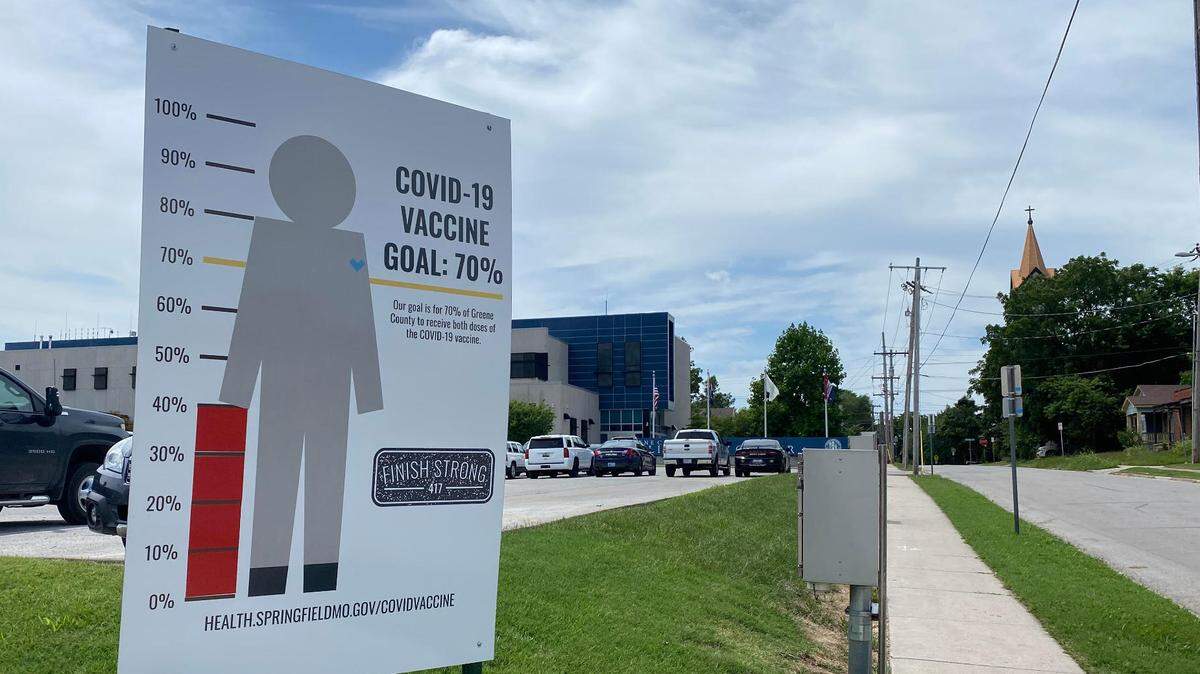
A Centers for Disease Control and Prevention epidemiologist arrived in Springfield this week at Gov. Mike Parson’s administration’s request to help combat the outbreak. The federal government will provide help with genetic sequencing of the virus, detection of the variant and addressing vaccine hesitancy.
In Springfield, health officials didn’t fully anticipate the speed and severity of the variant’s onset, and didn’t have enough information on the what has driven vaccine hesitancy, said Katie Towns, acting director of the Springfield-Greene County Health Department.
“I think we are going to be that canary in the coal mine that hopefully can offer some preparation and knowledge to other communities so that they don’t have to withstand the surge that we are going through,” Towns said.
Turabelidze said people in counties seeing higher infection rates should consider wearing masks again, but did not say any local governments should reinstate pandemic restrictions or orders. Missouri never had a statewide mask mandate.
“If you’re in a community that basically is entering the red level with high levels of infection new infection rates, then you should follow those countermeasures that may include the more aggressive masking, may include probably canceling some larger crowd gatherings and things like that,” he said. “Every individual community has to look at what their situation is.”
DHSS spokeswoman Lisa Cox said the state is still working on a potential vaccine incentive program, and focusing on a $5 million ad and information campaign about vaccines. That includes research in what messages will take hold in vaccine-hesitant communities.
“We highly encourage [vaccination] but more than anything we want them to have to make their choice based on facts and not the misinformation floating around,” she said. “We do have some insight to what might work better in one community and what might work better in another community as far as specific myths that are floating in that area.”
This story was originally published July 9, 2021 at 2:37 PM.

.JPG)