Amid the abortion debate, 11 women share why they chose to end their pregnancies
READ MORE
What does overturning Roe v. Wade mean for KS, MO?
Kansas and Missouri now have more control over abortion access in their state following the Roe v. Wade, a landmark 1973 court ruling that established abortion as a constitutional right. Here’s what that looks like.
Expand All
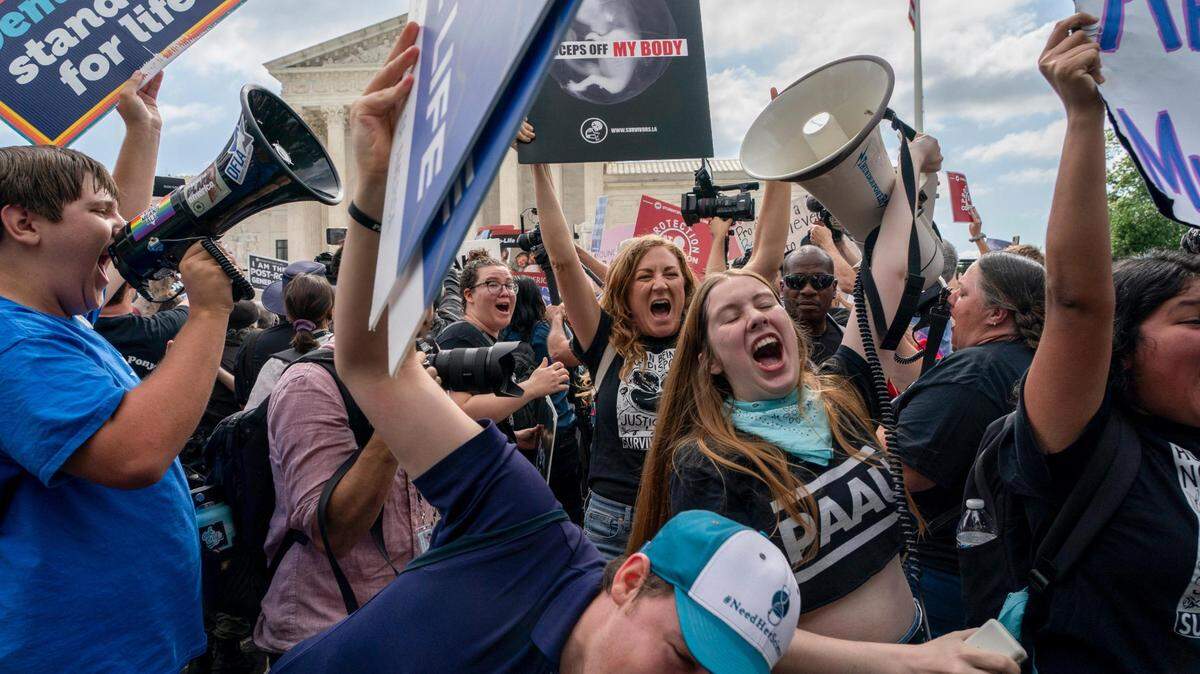
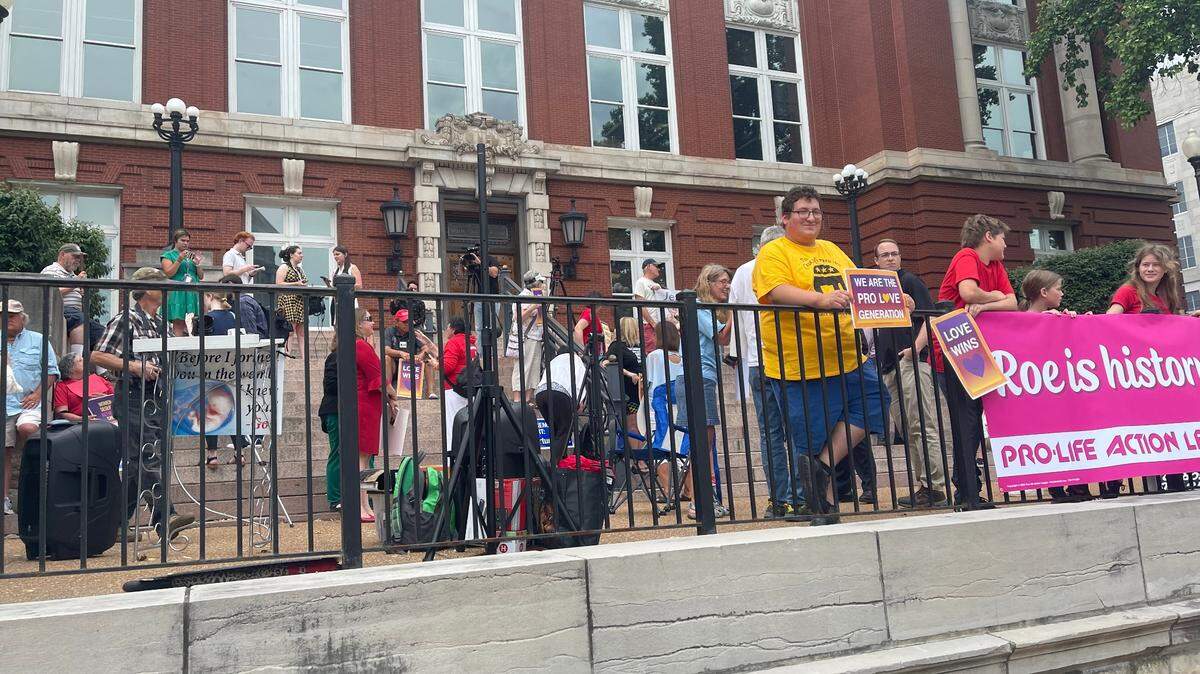
These are the politics of abortion. The U.S. Supreme Court flipped the script last month, overturning Roe v. Wade. Missouri on the same day banned abortion, while abortion remains a right in Kansas at least until a vote in August.
These are the people behind those politics.
The college student living off student loans when she found out she was pregnant.
The woman whose birth control failed her.
The wife and mother whose baby’s intestines were fused to the umbilical cord.
The recently divorced woman who was date-raped.
The majority of women in the United States who have abortions are young and single.
In 2019, women in their 20s accounted for the majority, nearly 57%, of abortions, according to Centers for Disease Control and Prevention data.
Non-Hispanic white women (33.4%) and non-Hispanic Black women (38.4%) accounted for the largest percentages.
Most, 85.5%, were unmarried and 60% already had children.
Many women do not share their abortion stories readily or easily. Or ever. Some stay silent out of shame or fear of being shamed, fear of being called a murderer or a baby killer, fear of being judged, even by loved ones.
Some keep their medical choice private. And some talk about their experience unapologetically to normalize a decision an estimated one in four women in the United States will make in their lifetimes.
As abortion and issues of reproductive health take center stage right now, The Star asked people who have had abortions to share their stories.
Their experiences illustrate that every abortion story is unique. Some women regret their decisions. Others say an abortion saved their life.
“If you think you know anything about abortion, you don’t. There are so many stories. So many women and mothers making brutal and beautiful and complicated and personal choices,” Rhea Muchalla LeGrande of Lenexa wrote on her Facebook page last year.
She is one of them.
‘Something’s wrong with my baby’
Her first child, a girl born in 2014, was one of those easy, “everybody loves them” kids that made Rhea Muchalla LeGrande wonder why people say parenting is hard.
So she and her husband, Stefano, were ecstatic when they found out around the holidays in 2017 she was pregnant again.
A few days shy of 20 weeks, she went in for the ultrasound that would reveal gender and size.
And immediately, LeGrande could tell something was wrong.
“The ultrasound technician was very quiet. Kept scanning over and over,” said LeGrande, 35, an executive for a local nonprofit.
Her husband and daughter were in the room with her. They had planned to celebrate at lunch.
The technician left and came back with an OB-GYN and more techs. They printed out some pictures, left the room, came back.
And these are the words that LeGrande remembers coming out of the doctor’s mouth before she slid off the exam table in shock.
“There’s something very, very wrong with your baby. You need to see a specialist now. I’m so sorry. I don’t think she’s compatible with life.”
LeGrande called her mother from the car in the parking lot.
“Something’s wrong with my baby,” she told her.
When she got home, LeGrande locked herself in the bathroom.
“I didn’t even cry. I just kind of wailed,” she said. “It was like I knew. I just knew.”
Incompatible with life.
The next couple of days were an emotional hurricane, more doctors, more ultrasounds, more blood draws, amniocentesis to remove amniotic fluid from her uterus.
Finally, a genetic counselor explained it was Trisomy 13, a genetic disorder caused by an extra 13th chromosome.
“None of her vital organs were developing functionally,” said LeGrande. “Her lungs were too small. Her eyes were almost on opposite sides of her head. The chambers of her heart, all four, were different sizes and the wrong size. Only half of her brain was growing.
“The worst part for me was her intestines were forming outside of her body.”
The geneticist spelled out two ugly options.
A late miscarriage was possible. LeGrande would have to be hospitalized immediately because she would hemorrhage during the miscarriage, and possibly die.
Or, if she somehow managed to carry to full-term and give birth, the baby would feel the excruciating pain of having its intestines rip open upon leaving the uterus, and would die.
“I said what the (bleep) are you talking about? I can’t. I have a child at home. I can’t die and I can’t be so mentally scarred that I can’t parent after this,” said LeGrande.
There was a third option. Terminate the pregnancy. But the health system providing her care didn’t do abortions.
So LeGrande called one of the two women’s health clinics that provide abortion services in the metro. Because she was up against a deadline — abortion in Kansas has strict limitations after 22 weeks — the Overland Park clinic saw her immediately.
There was another ultrasound. And paperwork. Abortion patients in Kansas must be given “right to know” information about abortion risks and other options.
But LeGrande already knew her options. She had made up her mind. She found the information “medically unnecessary,” bothersome and not helpful.
Then came the state-mandated 24-hour waiting period.
Her husband walked her into the clinic and neither was prepared for protesters shouting at them from across the parking lot.
“I was so emotional, so upset,” she said. “And those protesters were screaming at me, like they do. Think about what you’re doing! Save your baby! Think about Jesus! I walked into the clinic and I just burst into tears.
“And the secretary jumped up, ran around the counter, gave me a hug and said ‘it’s going to be OK. You’re doing the right thing for yourself, for your baby. Mothers don’t want their babies to feel pain.’”
The procedure was two-part. She went home for a couple of hours in between. Laid in the sun in the backyard. Wondered if the butterfly floating by — she’d seen a lot lately — was a sign from the universe.
“I don’t really remember the last part of the procedure. Thankfully,” she said. “And then that was it. You just move on to heal. You bleed a lot. You cramp a lot. You cry a lot.”
She returned to the clinic a few days later to pick up the tiny box that held her daughter’s ashes. For weeks she held that box at night and cried. Then she entrusted it to her mother.
Following their Hindu faith, her mother sprinkled the ashes in the Kansas River. LeGrande didn’t feel strong enough to do it herself.
“I think mothers get to mourn the loss of who they wanted and who they really were trying to make in a way that’s so personal and so private,” she said.
“And I don’t think it’s fun to break my heart open over and over again so that people understand that abortion is health care. That abortion is a right. That abortion is a fact of life.
“But I will do it because I cannot imagine my daughters having to go through what I went through and not having the choice to say, ‘I need to end this now so I can parent the children I have,’ or not birth a baby and hold her while she slowly dies in a bloody mess in my arms.
“So I think it’s disgusting that women have to relive their trauma over and over and over for people to just leave us alone and let us mother well.”
A few weeks after her mother spread the ashes, LeGrande found out she was pregnant again.
And rather than go back to the hospital that wouldn’t provide the abortion, she returned to the OB-GYN at the women’s health clinic to help her bring this new life into the world.
They did an ultrasound right away.
“Lucky girl,” the tech said. “You got twins.”
‘Focus on finding stability’
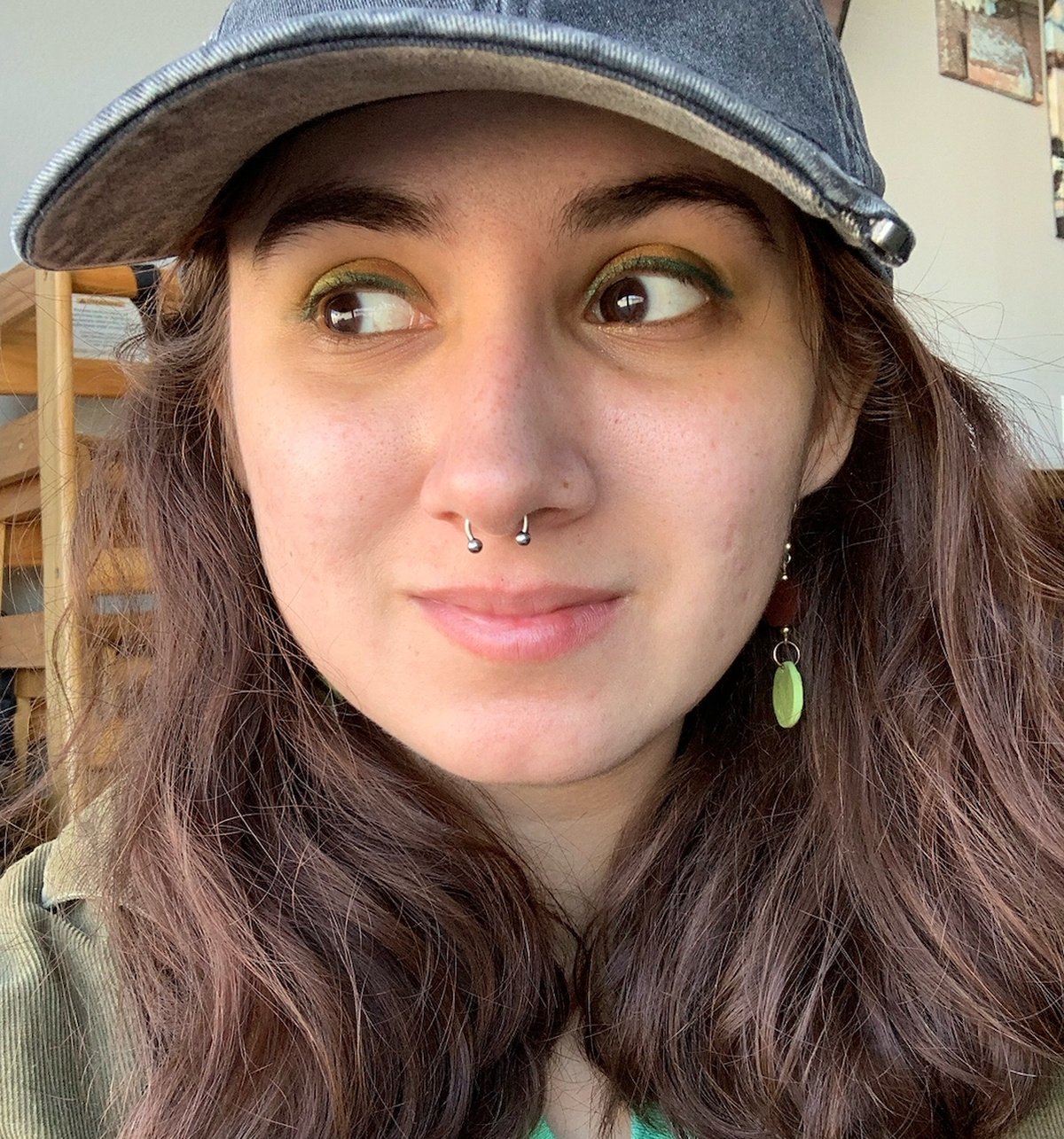
In her second spring semester of graduate school at the University of Kansas, Jazmin Burch found herself extremely fatigued.
She was doing classwork in bed, eating in bed and would have to force herself to go on walks.
When her period was late, she took a pregnancy test.
“I realized I had been five weeks pregnant,” Burch said. “Me and my boyfriend, we knew kind of immediately… we can’t keep it.”
So, in February 2021, she decided to have an abortion.
“We were able to obtain a medical abortion at Planned Parenthood in Overland Park, Kansas,” she said.
Burch had been experiencing housing instability, which in part affected her decision to have the abortion.
“My story, it kind of starts back in 2017,” Burch said.
Her family moved to San Antonio, Texas, but she stayed behind to pursue her education. In that endeavor, she stayed with friends, in basements, in shared rooms and even spent a few weeks living in her car.
When the pandemic hit, she was staying with her uncle but soon “realized he had been living in a food desert,” she said. “So, I ended up staying with my boyfriend, which was 45 minutes from campus, in Kansas City.”
When she found out she was pregnant, Burch was living off of her student loans and her boyfriend was making around $12 per hour.
“He didn’t have enough income, so we figured to go through with the abortion.”
The procedure itself did come with some temporary physical pain, she said.
“I remember cramping and I would have to put my full body weight against him in order to fall asleep,” Burch said. “It was a week’s worth of bleeding.”
For Burch, physical discomfort was not the only effect from the procedure.
“I did struggle a lot after as well with emotional intimacy, because the fear of having another pregnancy was extremely overwhelming,” she said. “I ended up ending my relationship and it’s been really hard to keep up with new ones because I seem to have a lot of anxiety.”
During the time following the procedure, she was unable to catch up on the schoolwork she missed.
“I ended up dropping from the University of Kansas,” she said. “But, I was able to kind of focus on finding stability.”
Now 23, Burch has moved into her own apartment and is a preschool teacher.
Something she often thinks about is that “the daycare fee is like $1,000 a month, and my normal income, like all my monthly expenses, are $1,000 a month,” she said. “I don’t think I could have financially been able to support that life.”
Burch has two younger sisters who live in Texas — one is 18 years old, the other is 21.
“It makes me really scared since they’ve (Texas) made abortion illegal after six weeks,” she said. “Mostly I tell them to try to be safe wherever they can, that their actions are entirely theirs, and they have a right to explore their relationship life and I have been encouraging them to get on birth control.”
She and her sisters were all nervous, at one point or another, about getting on birth control, she said.
“It was always something like ‘you don’t need it, but maybe you do.’ I’ve gotten the IUD and it’s helped a lot,” Burch said.
“If I were to get pregnant again, and I want to keep it, I feel comfortable going through Planned Parenthood to have a healthy pregnancy.”
‘It was the most painful thing that you can imagine’
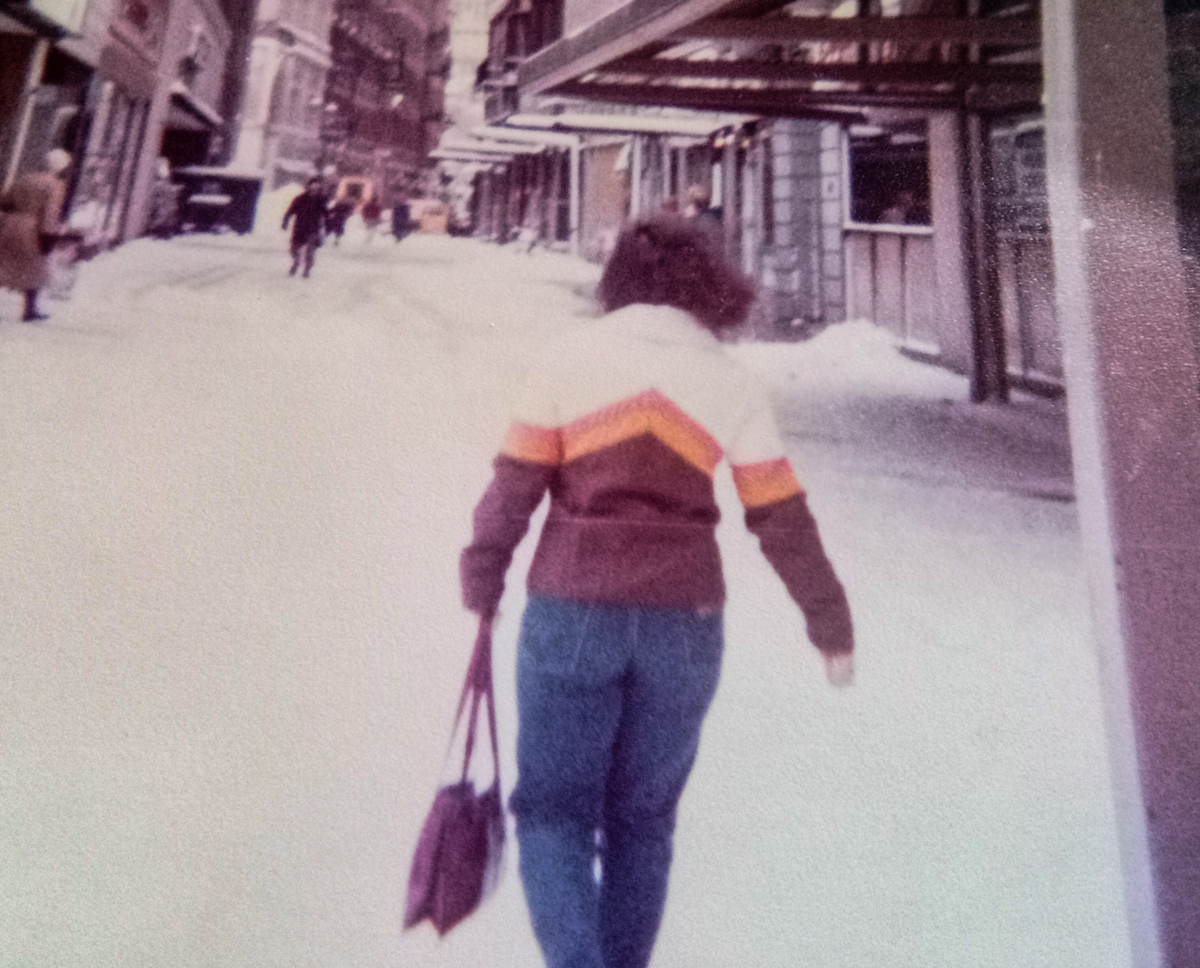
Marie McMahon, who has asked to be named by her middle name and her mother’s maiden name for safety reasons, had her first abortion in the winter of 1982.
She was 19, attending college in Providence, Rhode Island. Her boyfriend did not want her to go through with the pregnancy.
Years later in the 1990s, after going through a divorce, she was date-raped.
“He did not want to use any protection, and I told him no,” she said.
She went to a clinic in Wilmington, Delaware, shortly after and had her second abortion.
“If you have a miscarriage or a stillborn your family (is) there for you,” she said. “Abortion, you are all alone.”
McMahon, 59, now lives in the Kansas City area, on the Kansas side of the metro, and often works with Catholic organizations.
“I decided to help Project Rachel out because I don’t want any other women to go through this,” she said.
Project Rachel and Project Joseph Kansas City are ministries sponsored by the Catholic Archdiocese of Kansas City in Kansas, and The Diocese of Kansas City-St. Joseph in Missouri, which work with people affected by abortion, according to their website.
Though it has been decades, McMahon’s negative experiences in abortion clinics have stayed with her.
During the first procedure, “they gave me an anti-anxiety pill but it was so busy that day… by the time I got in there it wore off so I had nothing — no anesthesia, no nothing,” she said. “It was the most painful thing that you can imagine.”
The physical pain of the procedure was not the worst part for McMahon.
“Psychologically, that takes a lot out of you,” she said. “Whether you lose a baby at six weeks, or nine months, whenever, it takes a lot out of you physically and mentally.”
McMahon has had a total of four pregnancies — two abortions, one miscarriage, and one where she gave birth to her son.
While pregnant with her son, a doctor told her, “I don’t think you’re going to make this pregnancy, I would suggest that you terminate,” she said. “I did have a healthy son ... but if I would have listened to that doctor I would have never had a baby in my life.”
McMahon supports the recent U.S. Supreme Court ruling that overturned the landmark Roe v. Wade case.
“They did the right thing. ... They handed it over to states and let the people decide,” she said.
The Aug. 2 vote in Kansas on a state constitutional amendment that will remove the state-level right to an abortion is important “to protect babies and women,” McMahon said. “Never sell your faith for a vote.”
“Whether you are pro-choice or pro-life, you will always remember you lost your baby no matter what the circumstances are,” she said. “I know many who have had an abortion... and they always say the same thing, ‘I will never forget the day I had an abortion.’”
‘This can’t be right, I’m on the pill’
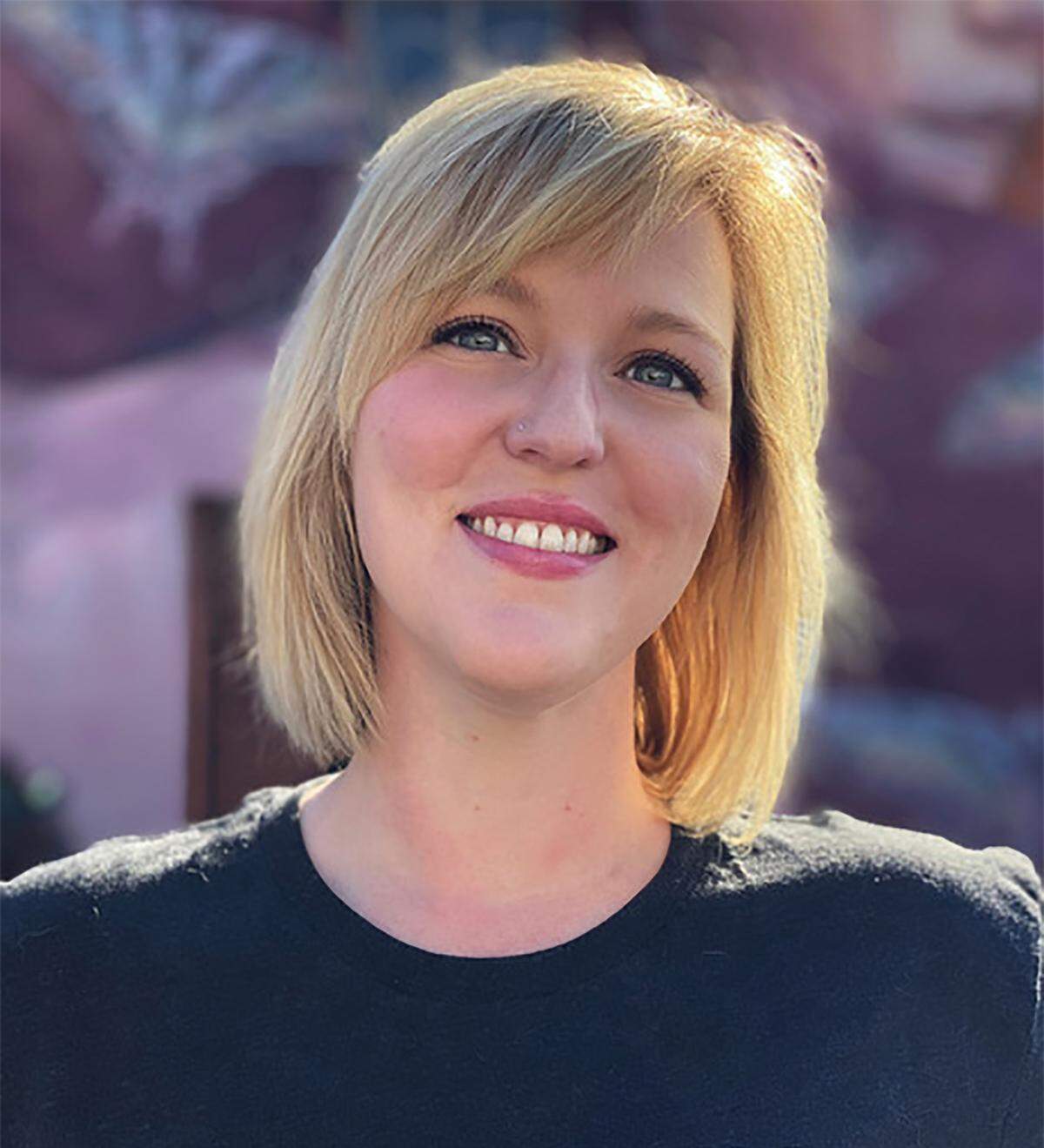
Lauren Conaway had recently left college, had no health insurance and didn’t have a clue what she wanted to do with her life.
When she found herself bed-ridden for a week due to an unknown illness, she decided to go to Planned Parenthood in St. Louis.
The doctor told her she was pregnant and she immediately protested.
“I took the (birth control) pill… I got it through Planned Parenthood every month, I took it as directed,” Conaway said. “I thought that I was taking necessary precautions.”
The doctor explained to her that she was a “fast metabolizer,” and that birth control pills did not work as well for such individuals.
“I was absolutely gobsmacked,” she said. “I was pregnant.”
She had an abortion in 2002 in St. Louis, where she was living at the time.
“I don’t think I killed a child; I think that I had some cells removed from my uterus,” she said.
Conaway is now the CEO of InnovateHER KC, a leadership organization for over 5,000 women and individuals from marginalized gender groups, which she founded.
After attending a rally in fall of 2021, Conaway “felt very hypocritical,” she said.
“Here I was, supporting being pro-choice and supporting all of these pro-choice organizations, … but I wasn’t sharing my own stake in the matter.”
So, she began sharing her 2002 abortion story.
“There were protesters outside the clinic,” she said. “It’s really overwhelming because they instruct you to stay in your car until someone comes and gets you, just for safety purposes.”
After being escorted inside she was taken to pre-procedure counseling.
“They had pamphlets about different resources that young mothers could avail themselves of,” she said. “They have to ask you to recommit, and I did.”
Then, she was taken to a room for the procedure.
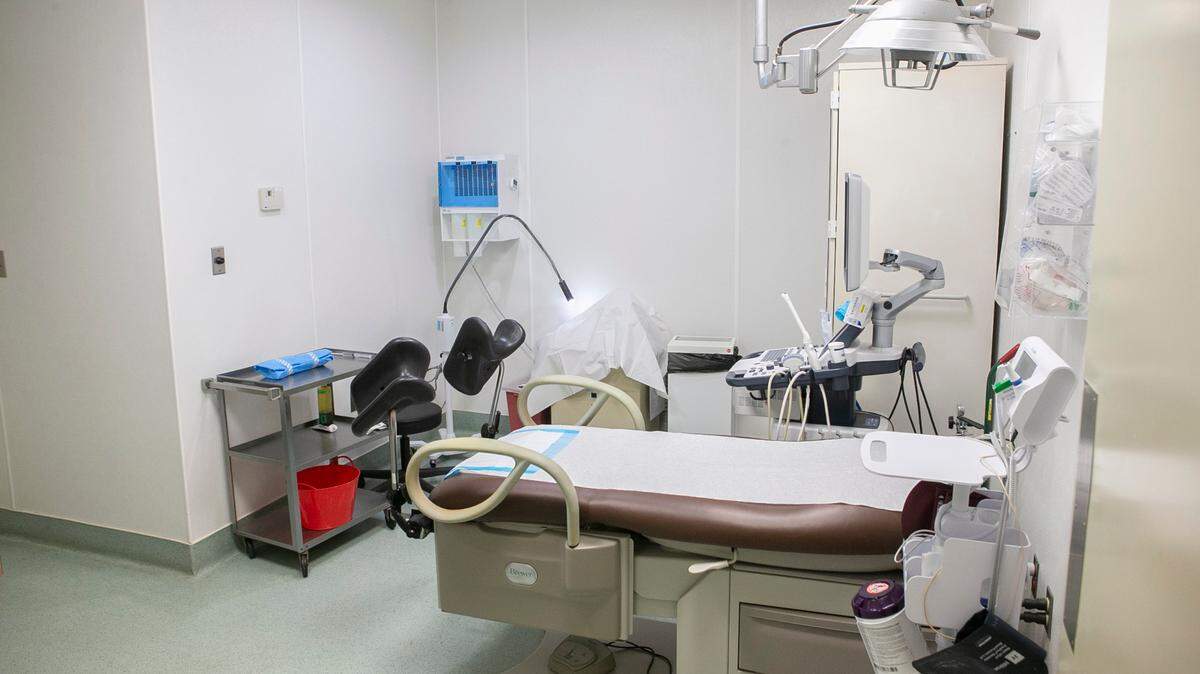
“It was actually very, very much like any other visit to an OBGYN,” she said. “It kind of feels like when someone takes a biopsy from your uterus or cervix. … it’s uncomfortable, for sure, you feel pressure, (but) it’s not extremely painful.”
And that was it, she said.
“I walked out the door and my friend was there, and she gave me a hug and we went and we got ice cream and she dropped me off at home,” she said. “I spotted for about three days.”
The hardest part of the experience was the “societally imposed strictures and structures around” the procedure, she said, in her case, going back as far as the eighth grade.
Conaway was asked to write a position paper for a class assignment.
After writing about how she was pro-choice and believed in people’s right to have an abortion, she was surprised when she was approached by her teacher.
“I was pulled out of my classroom by my teacher at the time, and she was very visibly pregnant,” Conaway said. “She said, ‘Lauren, I read your paper, and I want you to touch my belly, …. if you support abortion, you’re supporting the killing of my baby.’”
That experience stays with her to this day.
“You see the things that people say about you, and the way that they talk about you and it’s really disheartening,” she said. “To realize, this is what they think of me, and they don’t even know it, because I don’t have the courage and I don’t have the strength to tell them otherwise, … it’s really, really hard.”
Because of that, Conaway did not share her story for a long time. Now more than ever, though, she feels it is important.
“When I tell my story, I hope that it puts a face on what abortion can look like,” she said. “I hope that people realize that, … I’m a good person, I do work to support many people in our community, I’m very proud of what I do, and I like who I am.”
‘I wanted to help the baby’
Kelsey Walker wanted to have a second child.
She and her husband had told their 3-year-old son he was going to be a big brother.
But at 17 weeks, during a routine ultrasound, her doctor told the Salina couple there was something seriously wrong and referred them to a specialist in Wichita.
They were at the Wichita specialist, attempting to learn what was wrong, when they found out the baby was a girl.
But they also learned she had fetal brittle bone disease. Every bone in her body was broken, some at 90 degree angles.
“Her skull actually flexed underneath the pressure of the ultrasound wand,” Walker said.
If Walker carried the pregnancy to term the baby would survive 28 days at most. But if the broken bones perforated Walker’s body during delivery Walker would risk bleeding out.
The specialist recommended an abortion.
Ten days after Walker learned there was something wrong she was in an Overland Park clinic for a dilation and evacuation abortion.
By state law clinic staff had to ask her several times if she really wanted to go through with it and they had to perform an ultrasound, forcing her to once again view the broken body of the baby she had planned to name Hope.
“Deep in my heart did I want to be there to do that? No. I wanted to help the baby. We tried for Hope,” Walker said.
The experience, Walker said, left her with immense lingering grief and trauma but in 2021 as Texas’ six week abortion ban went into effect she began to write.
Walker wrote a book and started a nonprofit aimed at helping other women with similar experiences.
She’s also become a vocal advocate of abortion access.
Walker lives in Missouri but is advocating against Kansas’ anti-abortion constitutional amendment.
She appeared in an ad released last week by Kansans for Constitutional Freedom, the primary anti-amendment campaigners. The Value Them Both Association, which is campaigning for the amendment, attacked the ad as misleading because the amendment itself won’t directly ban abortion in Kansas.
When the U.S. Supreme Court decision overturning Roe came down, Walker traveled to D.C.
She brought a black sign that read in white letters “I came all the way from Kansas City to tell you our baby was suffering and dying and I would have died. Abortion saved my life.”
‘I’d been lied to’
Maria, who has asked to be named only by first name for safety reasons, had her first abortion in Overland Park in 1983.
She did not know what she was getting herself into.
“My spouse basically came home, and I said, ‘I’m pregnant with child number three’ and he said, ‘I don’t want another child’.”
Maria’s husband told her that she could get an abortion.
“I asked him what it was, and he said, ‘it’s legal and we can go do this’.”
Her second abortion was just a year later in 1984.
Despite reassurance from doctors at the clinic, “in my mind, I thought, I’m going to Hell, and I’m going to take my husband with me,” she said.
She has been dealing with anxiety and grief ever since.
“By a woman who has rights, I have every right and I exercise them, but deep inside, this is my secret,” she said. “It’s kind of like a black ooze that builds up inside of you and it takes time to get it out.”
It wasn’t until 13 years after the procedures that Maria had a moment of realization.
“I’d been lied to,” she said.
After seeking counseling, “I started seeing on the other side of it, how much it really did impact me emotionally,” she said. “We just don’t talk about it; we think that it will fix something, but the scars are inside of us.”
In Maria’s case, it affected her intimate relationships.
“My first marriage ended in divorce,” she said. “I brought those same issues into my second marriage.”
Maria and her current husband began attending marriage ministry retreats through a local nonprofit.
“Later, I started presenting in there, and when I acknowledged that I had had an abortion, … people would want to come up and talk about it in private,” she said. “I started seeing these other women come in from all walks of life, and they’re like, ‘I think this is a problem, but I don’t know’.”
Maria now shares her abortion story through Kansas City area ministries.
“Our stories were different, but the pain that we were feeling was all very similar,” she said. “We could share with each other because we all had been in the same boat.”
‘Mine is the one that they judge’
She was on vacation in 2004 with her parents the summer between her freshman and sophomore year at Kansas State University when she realized she’d missed her period.
Mandy Culbertson never considered carrying the pregnancy to term.
Her Jewish faith didn’t stigmatize abortion. And the man was not someone she wanted to be tied to for the rest of her life.
“I kind of felt like I was on a runaway train. I just didn’t know how to get control of my life again,” Culbertson said. “I would do anything to make it so nobody else has to feel that way.”
“If this could be a conversation that is truly just a medical decision made in the privacy of whoever you choose to consult with and there wasn’t any judgment or shame attached to it that would be outstanding.”
So Culbertson scheduled an abortion. She told no one — worried about how others would react and unsure how to talk to her parents about her sex life — she researched her options and went to the Women’s Health Center in Overland Park for a surgical abortion alone.
“I felt so cared for and so supported through that entire process with them. It was a really affirming experience,” she said.
Culbertson never once regretted her choice. The 36-year-old is married, owns a home, and has a career in marketing.
“Terminating the pregnancy was the absolute right answer for the continuity of my education, for my future career and for my dreams of what my life was gonna be,” Culbertson said.
“The only angst I have tied to it is how cruel people were.”
When Culbertson went back to college she confided in the wrong person. Her roommate told other women in her sorority about Culbertson’s abortion and another member made it her personal goal to ostracize her.
The bullying got bad enough that Culbertson studied abroad her senior year to escape.
In 2016, spurred by former President Donald Trump’s election, Culbertson began working as a spokeswoman for Planned Parenthood Great Plains. Though she’s since left the organization, Culbertson often tells her story.
“I feel like I’ve experienced the worst of the judgment already,” she said. “So many abortion stories are the ones that everyone relates to, mine is the one that they judge.”
“There’s so many people that have (abortions) and it’s just because their method of contraception failed and they don’t want to be pregnant. And that’s OK.”
‘I’m just endlessly grateful’
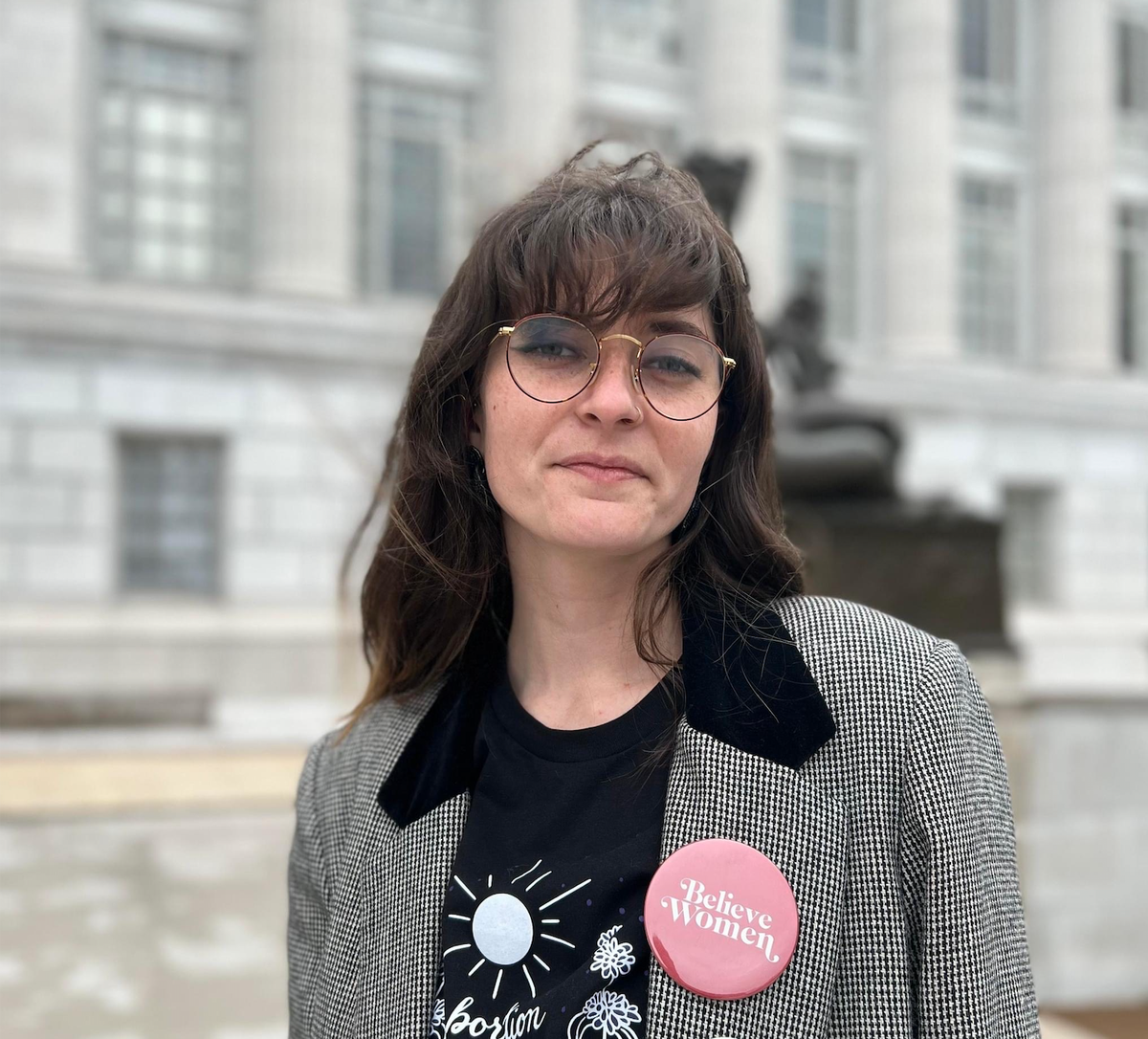
Having an abortion was one of the “best decisions” Maggie Olivia has ever made, she said.
After being on birth control for years, she was in shock when she found out she was nine weeks pregnant.
The doctors “come back in and immediately are like, ‘congratulations, mom,’,” she said. “I immediately burst into tears. … I literally thought there was zero percent chance that I could be pregnant.”
Olivia, who was living in the St. Louis area at the time, had an abortion a few days later at the Planned Parenthood in Fairview Heights, Illinois, in March 2020.
“I was forced to travel out of state to do so,” she said. “Because of the ridiculous and traumatizing laws on the books at the time in Missouri, restricting access to abortion, I would have been subjected to multiple invasive gynecological exams.”
As a survivor of sexual violence, Olivia has, “a hard time in any kind of doctors office, let alone any kind of gynecological setting,” she said. “Being able to have my appointment in one visit, … was really important to being in complete control of the experience for me.”
The procedure itself went smoothly, she said. Getting into the clinic, though, was a bit of a challenge.
“The first people you see are those protesters who are trying to confuse you and get you to stop,” she said. “There was a clinic escort out in the parking lot directing us on and off of the lot around the protesters.”
She made it a priority to stop and thank the clinic escorts after her procedure.
“I had heard of those programs before but never really spoken with anybody who did it themselves,” she said. “I got a little more information on the program, and they connected me with Pro-Choice Missouri.”
Olivia, now 26, works as policy manager for Pro-Choice Missouri, a nonprofit that advocates for abortion rights.
“My abortion really did change every aspect of my life and how I feel about myself and the work that I do now,” she said. “I’m just endlessly grateful for that access and eternally committed to ensuring that everybody who wants access to abortion can have that.”
BEHIND THE STORY
MOREYour quick guide to the Kansas abortion amendment
The Kansas state constitution currently protects the right to abortion, but the upcoming Aug. 2 vote will ask voters to decide on an amendment that would get rid of that right.
If Kansans vote yes on the ballot and the amendment passes, the legislature will have the opportunity to impose new restrictions on abortion, which could include banning the procedure. A ban would not go in place immediately, but legislators would be able to pass one. Earlier this year, a state legislator introduced a bill that would have banned and criminalized nearly all abortions, but it never got a hearing and died once the legislative session closed in May.
If Kansans vote no and the amendment does not pass, the legislature would continue to be barred from passing most legislation that impedes on an individual’s access to abortion. Any new abortion restrictions would need to clear an extremely high level of “strict scrutiny” from the court to become law. Current abortion restrictions could be challenged in court, but any actual changes to the current restrictions would depend on Kansas courts ruling that the regulation in question violates the state’s constitution.
All registered voters can participate in the vote, regardless of party affiliation.
The Star answered the most common reader questions we received about the abortion amendment here.
‘No politician was coming to save me’
Alina has known since she was 12 that she doesn’t want to have children.
The 17-year-old high school senior was a straight A student, held leadership positions in her school’s poetry and debate clubs and she dreamed of going to graduate school and earning a doctorate
But her birth control failed. She was pregnant. She wanted an abortion.
“It wasn’t the abortion that scared me it was everything surrounding it,” Alina said. She asked The Star to identify her by first name only to preserve her privacy.
Alina knew nothing about how to get an abortion in Kansas.
It took two weeks for Alina to walk through the Planned Parenthood doors in Overland Park for her medication abortion. It took 30 seconds for the clinician to hand her the pill.
She would need consent from both her divorced parents on a signed and notarized form. She wanted to petition in court to escape that requirement but ran out of time.
She had to attend state-required counseling that she felt was designed to talk her out of a decision she’d already made. She had to schedule an ultrasound and listen to the fetus’s heartbeat.
During the state-mandated ultrasound, she cried. The clinician, Alina said, began to try to bully her out of it, telling her it was evident that the decision was difficult.
“I was crying because I was 17 and pregnant and I wanted to go to my f—ing winter formal and I didn’t want to be pregnant,” she said.
As she walked into the clinic for her abortion she internalized the insults thrown at her by anti-abortion protesters. Alina was 17. She hadn’t voted for any of the lawmakers who passed these bills. She didn’t have a voice in the policies that defined her experience.
“When people say there’s no restrictions, the restrictions in government they’re there. And then there’s the stigma. And then there’s the women’s crisis centers. And then there’s when you go into Planned Parenthood and you’re 17-years-old and there’s grown-ass adults yelling in your face calling you selfish,” Alina said.
“No one was really there to advocate for me except for the people in my community,” she said. “No politician was coming to save me.”
Three years later, Alina is a student at the University of Kansas. She assistant coaches a high school debate team and is a fellow at Kansans for Constitutional Freedom, the lead group organizing against Kansas’ Aug. 2 vote on abortion.
At her lowest, Alina said, she felt she had two options: motherhood and suicide.
But now? “I have my whole life ahead of me.”
She’s begun telling her story at rallies and is gearing up for a long fight for reproductive rights and justice.
“You don’t need some personal tragedy in order to justify your abortion. You can have an abortion just because you want an abortion.”
‘I was always pro-choice’
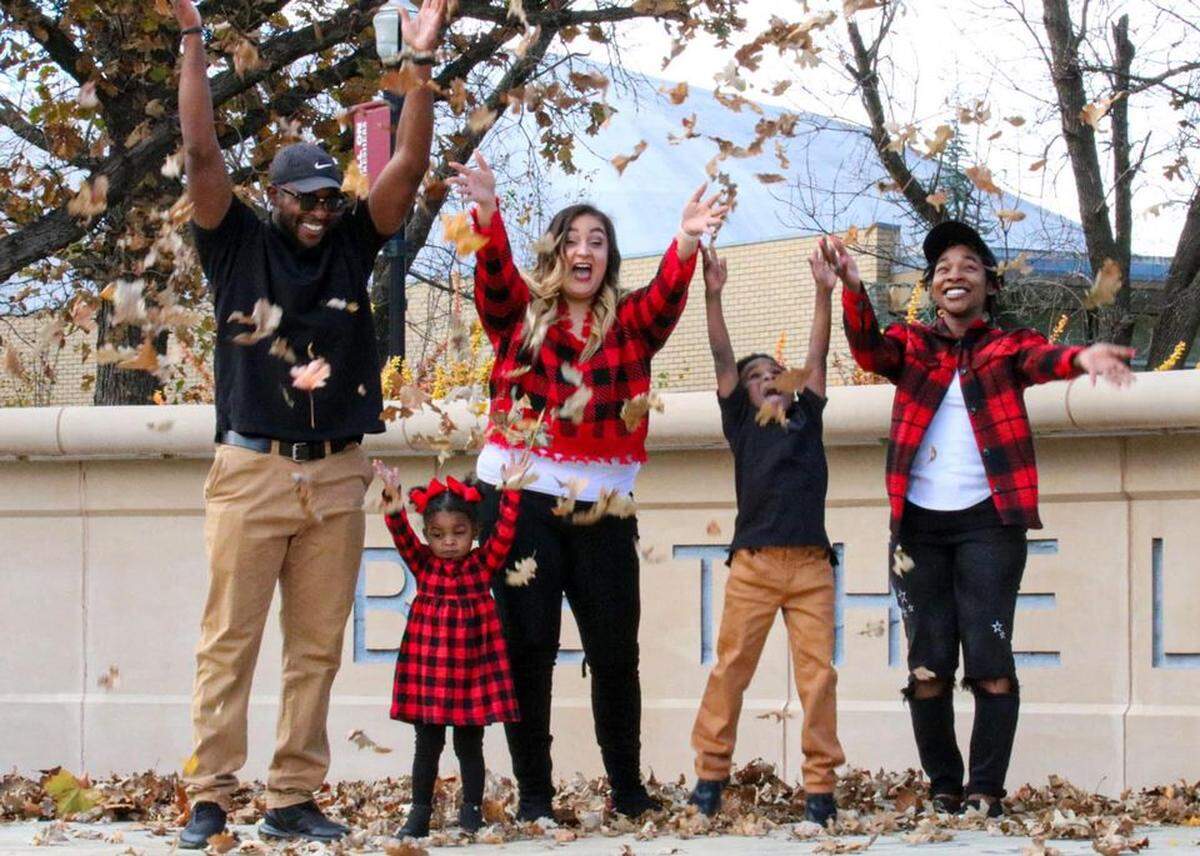
The patients-only waiting room at the women’s health clinic where Robyn Whitnee Lucas had an abortion in January 2020 was set up like a living room with comfy sofas and cozy blankets. A mini-fridge was stocked with snacks. Quiet music played.
She walked in shaking, a 23-year-old jumble of nerves.
As she settled in to wait she picked up what looked like someone’s private journal.
But inside she found first-hand accounts of other women who had terminated their pregnancies. The first was about a mom with four kids who was divorcing an abusive husband when she got pregnant.
Another was written by a young, first-time mom whose fetus had life-threatening birth defects, like hers.
“The more I read the more I felt so much better about the decision I was making and how there were so many women who had to make this decision and how strong all these women were,” said Lucas, 25, who lives in Newton, Kansas, about 25 miles north of Wichita.
Family members, even health care professionals she met with, made her second-guess the decision she and her husband reached, making the situation “so unnecessarily difficult,” she said. “It was a lot of pressure. It felt like a selfish decision.”
She had miscarried her first pregnancy in May 2018, then found out she was pregnant again in August 2018. Their daughter was only 8 months old when Lucas got pregnant a third time.
Her OB-GYN referred her to a specialist when her 13-week sonogram suggested complications. But she had to wait two weeks before having an amniocentesis, offered between the 15th and 20th weeks of pregnancy.
So she waited a week, then another, “assuming the worst, but not really knowing what the worst was.”
She found out when a nurse called on Christmas Eve 2019 with the amniocentesis results. The fetus had Trisomy 18, a severe genetic condition usually fatal within the first week to month after birth.
Lucas and her husband, Shaka, had already fought about, discussed and agreed on what they would do if the worst happened.
They already mourned the loss.
“For me, the biggest thing was, we weren’t guaranteed a year, we weren’t guaranteed a month,” said Lucas, who works for a funeral supply company. “I think that was the main factor that convinced us. It wasn’t that we didn’t want a baby with challenges.
“In a year we could have been planning a funeral and I just was not ready to go through birth and have to think about ... when is my child going to die?”
The specialist wanted to send her to a genetic counselor. Mind made up, feeling pressured, she said no.
He referred her to a women’s health clinic in Overland Park, more than two hours from home.
The clock was ticking. She had hit 20 weeks of pregnancy. Kansas strictly limits abortion after 22 weeks.
Her OB-GYN’s office gave her the paperwork the state requires of abortion patients. She was told the office would fax it to Overland Park.
Her best friend drove her from Newton. Battling severe morning sickness, she vomited the entire way.
But because she did not have the paperwork in her hand when she got there, the clinic told her she had to reschedule.The mix-up floored her.
“I just mentally shut down,” she said. “I just felt so defeated. And everyone’s telling me this is a bad idea. Everyone’s trying to convince me not to do this. And then this happens. What if they’re right? It really did make me second guess things.
“I cried the whole way home. It just felt like everyone except my husband was upset with me because of the decision I made.”
Shaka had a hot bath and ice cream waiting for her. He had already found a clinic in Oklahoma City to try next; she did not want to go back to Overland Park.
When she walked into the clinic, shaking with nerves, she had one day before running into Oklahoma’s deadline for abortions. “When I went in ... the guy said ‘you are lucky. You got here just in the (nick) of time.’”
The day after the Supreme Court overturned Roe v. Wade last month, Lucas posted the story of her abortion on her Facebook page, going public for the first time.
She thought of the stories in that little journal at the Oklahoma clinic.
“I was always pro-choice,” she wrote on Facebook.
”I also would say I wouldn’t ever make that decision for myself, but you never know what you would do when you’re in such a difficult situation,” she wrote. “While I do sometimes think what life would be like if I hadn’t made the decision I did, I do not regret my choice. I pray for peace for all of the women who are having or had to make the same decision.
“You’re not alone.”
‘Something that you don’t do easily’
He worked at a bar in Lawrence, Kansas. She was a waitress, 10 years younger. They’d been in a monogamous relationship for about three years. Neither wanted kids.
“I have no maternal instinct,” said Megan McQuinn. “Taking care of a cat is enough for me.”
So the guy who joked at parties about “shooting blanks,” the guy who said he was sterile and couldn’t have kids? It seemed like a good match.
Until it wasn’t.
McQuinn found out she was pregnant right after she turned 21. She hadn’t used birth control because she believed her boyfriend was sterile.
“I was just devastated. Utterly devastated,” said McQuinn, now 36, a project manager for an engineering firm who lives in Kansas City, Kansas.
“The first thing I thought was ‘my life is over. Anything I wanted to do with my life is over right now,’” she said. “But once I took a breath and stepped back, I realized I didn’t have to continue the pregnancy. I had the option to have an abortion.”
She told her mom over lunch later that day she was pregnant and planned to terminate the pregnancy. Mom said: You don’t have to do that. We can make this work.
“No mom, I don’t want to make this work. This is what I want to do,” McQuinn told her mother.
Dread sat heavy on her mind while she waited for her boyfriend to come home from work. She hyperventilated. She had an anxiety attack. Would he leave her? Would he blame her for getting pregnant?
How was she going to pay for an abortion? She was a 21-year-old waitress with no savings. Would her health insurance pay for it? (It did not.)
“Hey, I got news for you,” she told him. “You’re not sterile.”
Turns out he wasn’t a straight-shooter after all.
He had lied, McQuinn said.
He agreed with her decision to terminate the pregnancy. But because he was Roman Catholic, “he told me ‘I can’t really condone what you’re doing, but I know it’s the right decision,’” McQuinn said.
“I was like, you put me in this situation, so what do you mean? It’s like cognitive dissonance, almost.”
She didn’t tell anyone outside her small circle of supportive friends.
“It’s still something that you don’t do easily,” she said. “Even though I knew it was the right decision for me, even though I knew that’s what I wanted to do, it was still difficult. It was still something that I had to process and deal with.”
The worst part was the state-mandated counseling before the procedure. That’s when the counselor at Planned Parenthood in Overland Park asked if she was sure she wanted to have an abortion. There were other options. Foster care. This. That.
“And it’s just like, no, I’m sitting here in the doctor’s office because this is what I want. No thank you,” said McQuinn. “That’s the only time I felt like somebody was trying to make me feel guilty about my decision.”
It took nine years for her to leave that relationship as it “just grew more emotionally abusive, financially abusive, making it to where I couldn’t leave the relationship,” she said.
Looking back, “I cannot imagine having that person in my life (now). I cannot imagine being tied to this person for the rest of my life.”
She graduated from the University of Kansas last year with two degrees in business administration and general studies in law and society. Today she’s happy, healthy, “living the life I want to live, living the life that I think I deserve to live,” she said.
“I worked very hard to get where I am. And that would not have been possible had I not been able to make that choice for myself.”
After figuring out her life, she decided to talk about what happened to her.
“Women don’t talk about it,” she said. “There’s this fear, I think, of who in my life is going to support me and who in my life is going to tell me I’m going to burn in hell.”
She’s shared her story with Kansas legislators in Topeka a couple of times, testifying alongside other abortion rights supporters.
Right now she’s got four signs on her lawn encouraging passers-by to vote no on the August 2 abortion amendment in Kansas. Those no votes are the last defense in protecting women’s right to choose in the state, she said.
“How many women have stories like mine and they don’t realize that they’re not to blame?” she said.
“I may not necessarily be speaking for other women, but I think I am speaking and sharing a common experience that people do not necessarily realize. I am putting a name and a face to it.
“It’s not just (random) women get abortions. My name is Megan. I was in this position. I got this abortion. This is why.”
This story was originally published July 6, 2022 at 5:00 AM.
.jpg)

.jpg)