The only exception to Missouri abortion ban is a ‘medical emergency.’ What does that mean?

READ MORE
What does overturning Roe v. Wade mean for KS, MO?
Kansas and Missouri now have more control over abortion access in their state following the Roe v. Wade, a landmark 1973 court ruling that established abortion as a constitutional right. Here’s what that looks like.
Expand All
Following the Supreme Court’s ruling on Friday that overturned the landmark 1973 Roe v. Wade decision, Missouri Attorney General Eric Schmitt swiftly signed the state’s abortion “trigger ban” into law.
The new law prohibits abortions at all stages of pregnancy, including in cases of rape and incest, “except in cases of medical emergency.” But what does that really mean for patients in Missouri? Here’s what we know.
How does the trigger law define a medical emergency?
Page 5 of the bill defines a medical emergency like this:
“A condition which, based on reasonable medical judgment, so complicates the medical condition of a pregnant woman as to necessitate the immediate abortion of her pregnancy to avert the death of the pregnant woman or for which a delay will create a serious risk of substantial and irreversible physical impairment of a major bodily function of the pregnant woman.”
That’s two scenarios: a patient’s imminent death, or the destruction of a “major bodily function” by letting the pregnancy continue.
Can mental health reasons constitute a medical emergency?
According to the bill’s text, the impairment that could justify an abortion must be “physical” in nature. We don’t yet know how doctors or prosecutors will interpret this definition.
Can a pregnant person be punished for abortions that don’t qualify as a medical emergency?
No. According to the text of the law, someone “upon whom an abortion is performed or induced” will not be prosecuted.
However, the person who provides an abortion could be subject to a class B felony, as well as the suspension or revocation of their professional license, under the Missouri law. A class B felony is punishable by 5 to 15 years in prison.
We don’t yet know how people who self-manage their own abortions, meaning they are both the provider and the patient, will be treated under this new law.
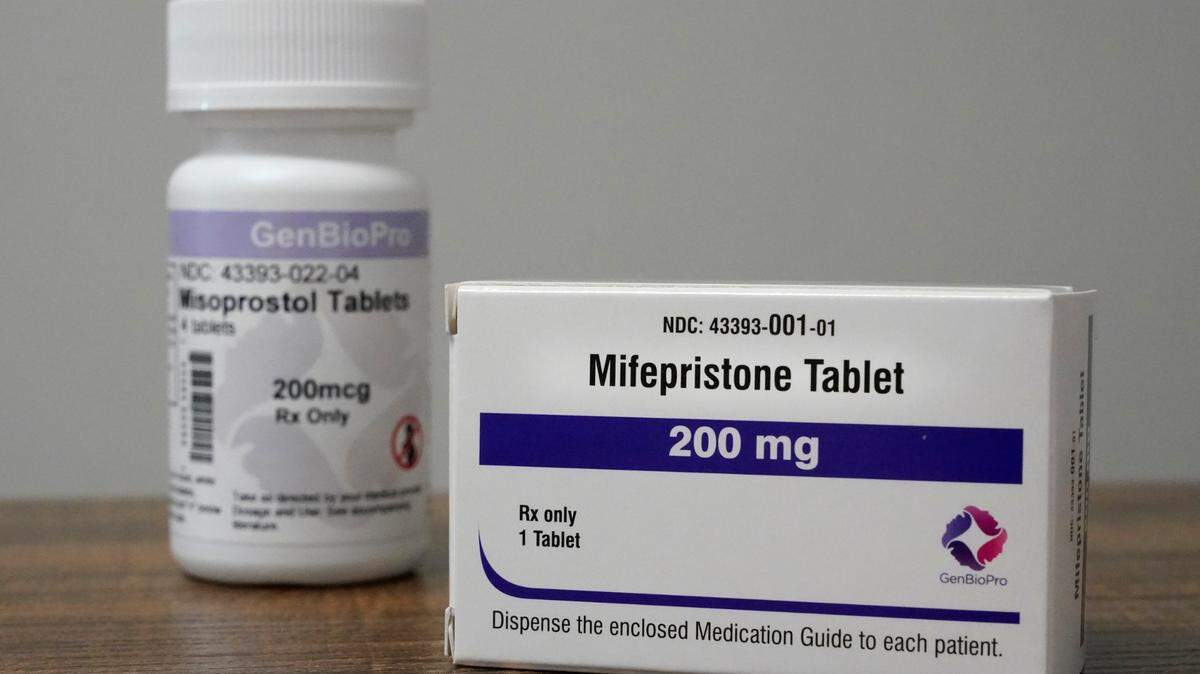
Here’s a guide to abortion clinics in the Kansas City area, and here’s a guide to the laws and resources surrounding home medication abortions in Kansas and Missouri.
Do you have more questions about abortion access in the Kansas City area? Ask the Service Journalism team at kcq@kcstar.com.
This story was originally published June 24, 2022 at 12:56 PM.
.jpg)






.jpg)