‘I’m going to fight as hard as I can’: Missouri abortion ban met with joy, anguish
READ MORE
What does overturning Roe v. Wade mean for KS, MO?
Kansas and Missouri now have more control over abortion access in their state following the Roe v. Wade, a landmark 1973 court ruling that established abortion as a constitutional right. Here’s what that looks like.
Expand All
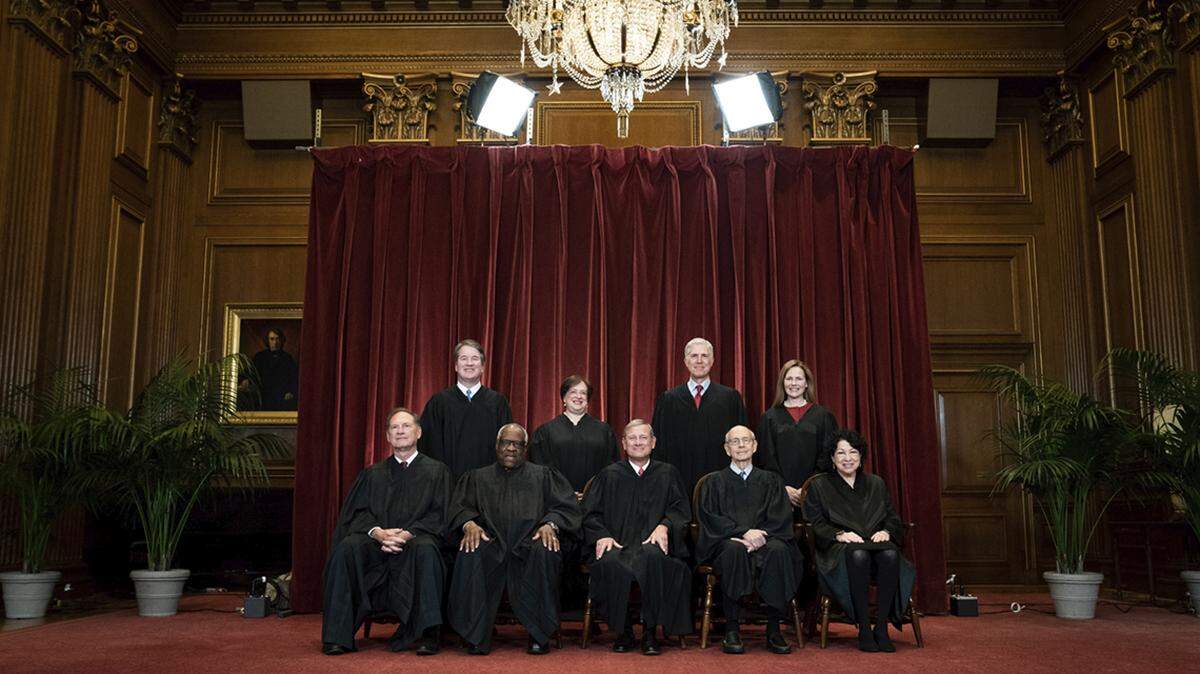
Columbia resident Martha Pickens was furious Friday after the U.S. Supreme Court struck down the right to abortion that had been guaranteed nationwide for 49 years.
“We have a hateful Supreme Court right now,” Pickens said less than three hours after the decision, which triggered an abortion ban in Missouri.
Pickens fears what comes next. She worries state legislatures across the country, including in Missouri, will attempt to restrict access to birth control and emergency contraceptives.
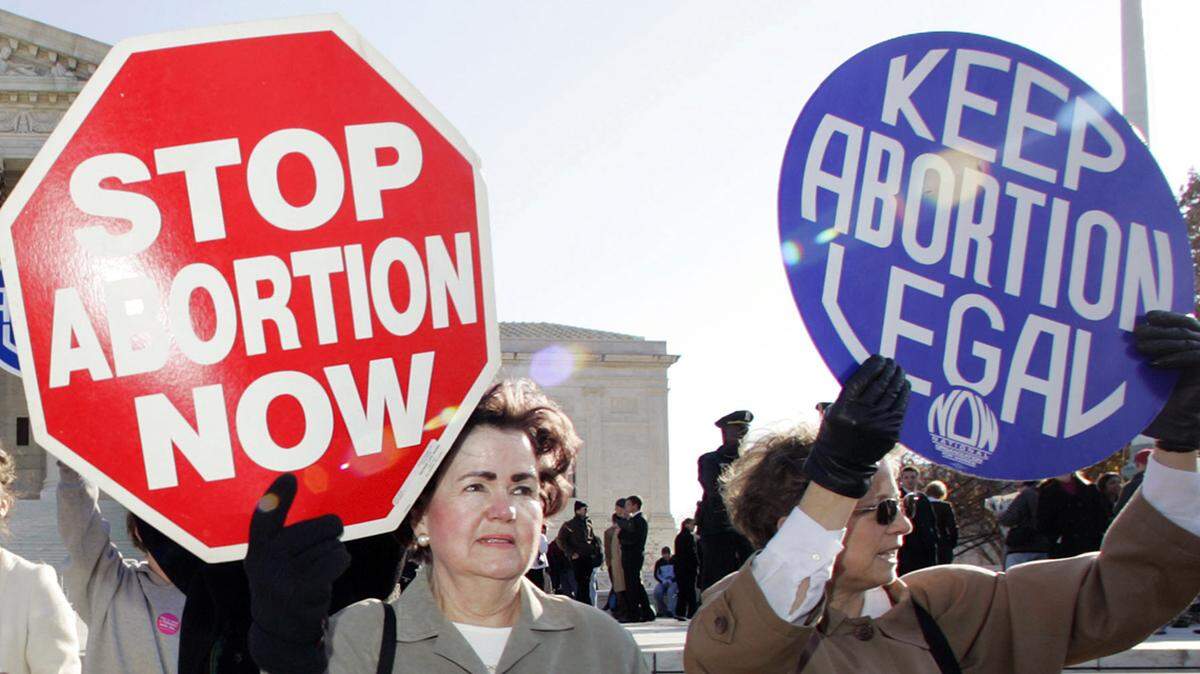
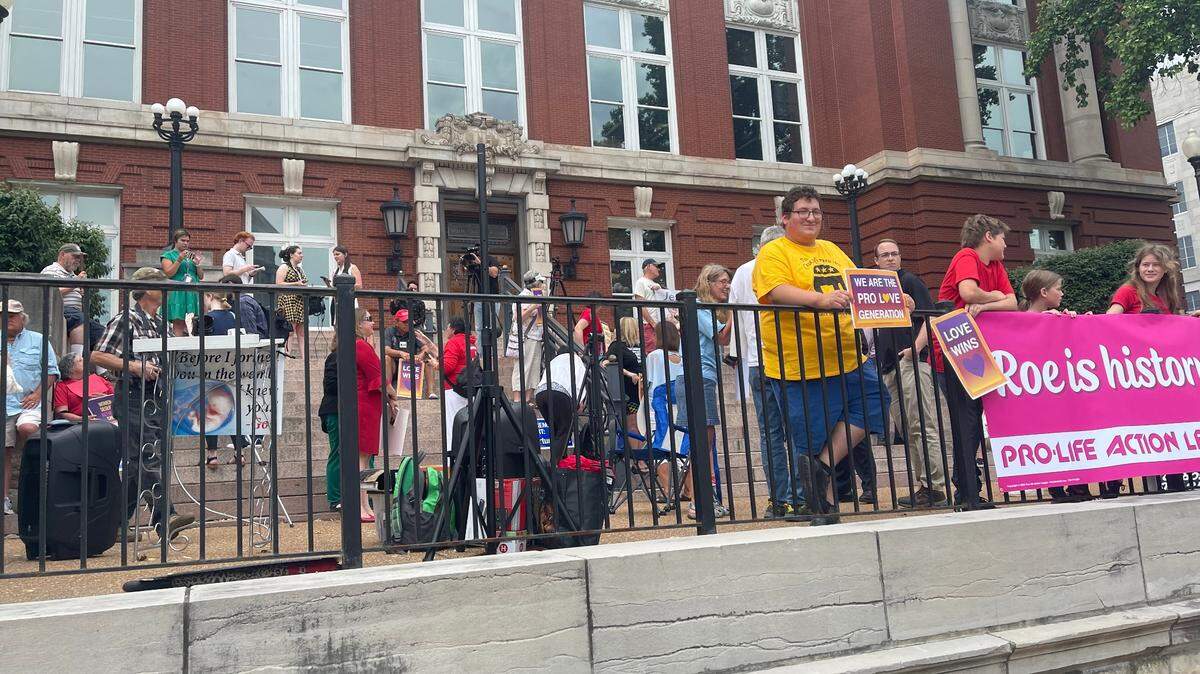
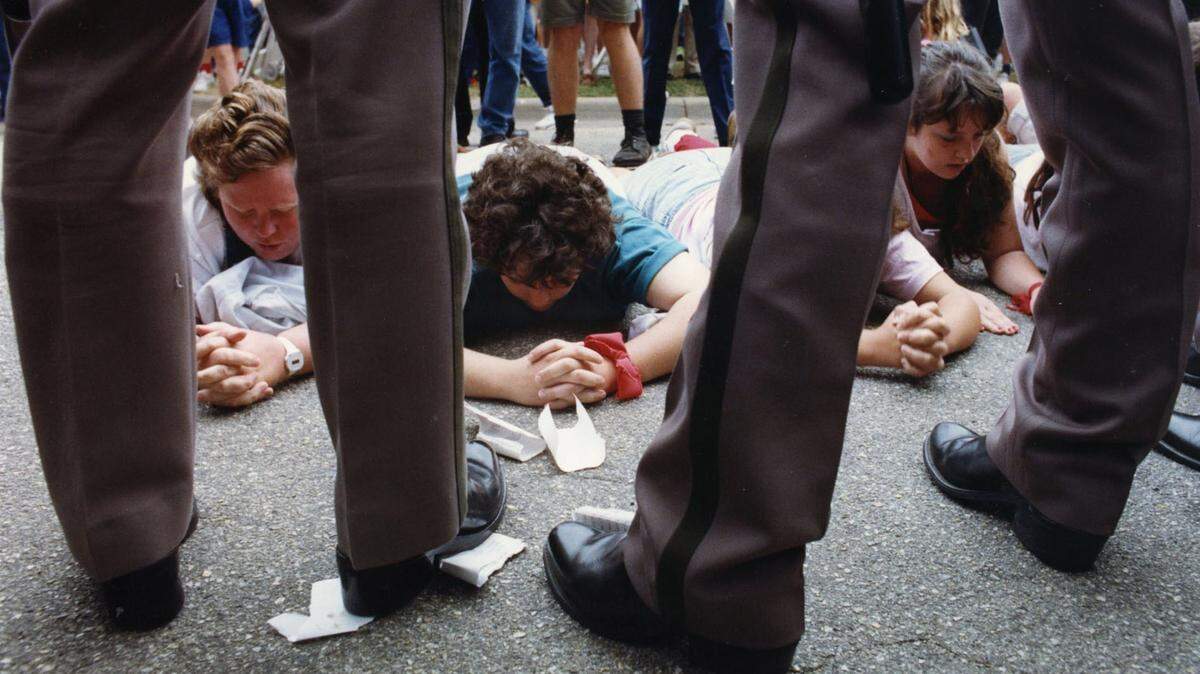
Meanwhile, Centertown resident Wayne Schenewerk was celebrating in Jefferson City. He joined a last-minute anti-abortion demonstration outside the Missouri Supreme Court, taking in a moment many in the anti-abortion movement had wanted and worked for years to achieve.
The Supreme Court’s ruling “protects right to life” after conception, he said.
“We have thought and prayed about this for so long,” he said. “I’m in my 70s, so I remember when Roe v Wade went into effect…when you wait long enough, things happen.”
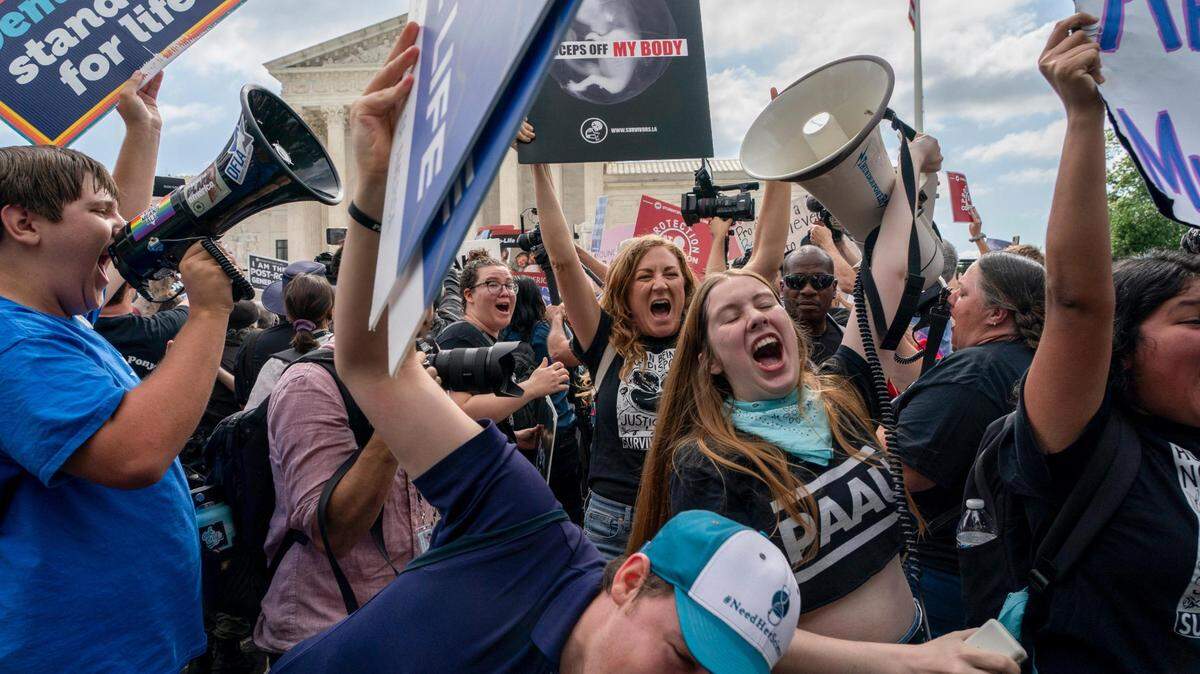
In the hours after the U.S. Supreme Court decision and the start of Missouri’s abortion ban, reaction divided along predictable lines. Abortion has always been a divisive topic and Friday was no different.
But the joy and anguish felt by the competing camps on the issue also mixed with a clear sense that neither side had permanently won in Missouri, at least not yet.
Missouri’s abortion ban represented a clear victory for anti-abortion activists and Republican legislators. Approved as part of a 2019 law signed by Gov. Mike Parson, some had expected it would take decades for the ban to go into effect, if it ever did at all. Instead, it took just three years.
The law can be challenged, however. With enough signatures, a statewide vote could be ordered on repealing the abortion ban or approving an amendment to the state constitution to guarantee the right to an abortion. A lawsuit could also be filed against the ban, arguing it violates the current state constitution.
Initiative petitions and lawsuits can take months – years – however. Some supporters of abortion rights have been taking more immediate steps and weighing long-term actions.
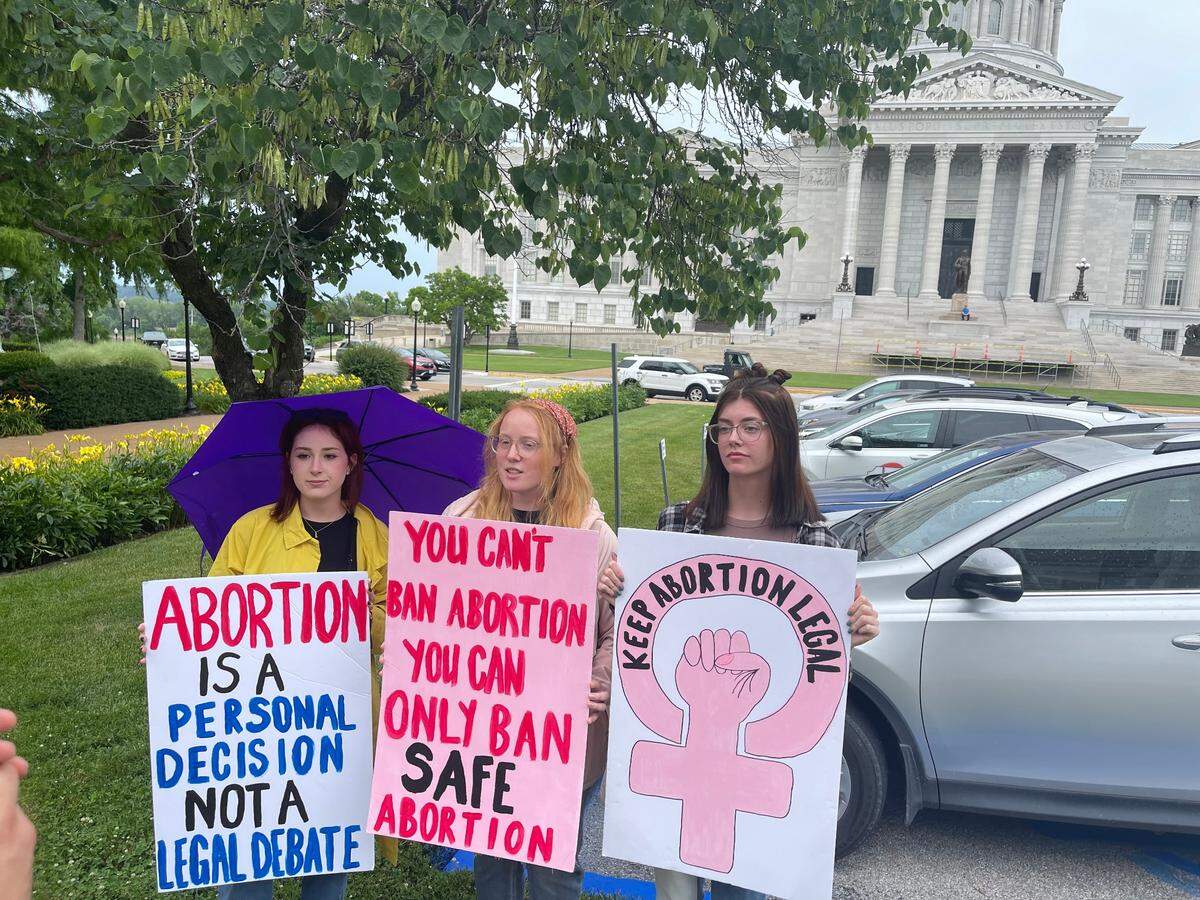
Melissa Rogge, a political science major at Columbia College, said that after the Supreme Court draft opinion was leaked, she encouraged her friends to purchase IUDs.
“I’m going to fight as hard as I can because I know what people before me did,” Rogge said.
Karalynn Fisher, a student at Columbia College, said she and her friends were considering leaving the Midwest after Friday’s decision. Alex Arand, a 22-year-old journalism student at the University of Missouri-Columbia, went as far as saying she would apply to graduate schools in Canada.
“We’re just leaving America because we no longer feel safe and we want to get out before something bad happens,” Arand said.
In neighboring Kansas, voters will decide in August whether to approve an amendment to the state constitution removing the right to an abortion. The amendment, if approved, would allow state legislators to ban abortion.
Abortion opponents, while grateful for the Missouri ban, said more work remains.
“I am so glad that the end of Roe v. Wade on a federal level takes away the federal government’s ability to open that door on a national level but it is still open in many states on a state level,” said Letitia Wong, director of the Frederick Douglass Foundation’s Missouri Chapter. The organization promotes limited government.
“The fight will continue,” Wong said. “What I am praying for … is not just to make abortion illegal but to make it unthinkable like it was for my mother.”
Some Missouri state legislators have called for legislation that would allow lawsuits against anyone helping Missouri women obtain abortions even if the procedure took place out of state.
Under a measure put forward this year by state Rep. Mary Elizabeth Coleman, an Arnold Republican, the prohibitions could only be enforced through lawsuits filed by citizens. State government would have no enforcement authority.
The Missouri House briefly considered the proposal in March during a debate on a larger abortion bill before approving a substitute amendment — keeping Coleman’s measure out of the legislation without forcing lawmakers to take a vote on it.
On Friday, the U.S. Attorney General Merrick Garland signaled the Department of Justice would fight states that attempt to interfere with what their residents do in other states. Garland said in a statement that “under bedrock constitutional principles, women who reside in states that have banned access to comprehensive reproductive care must remain free to seek that care in states where it is legal.”
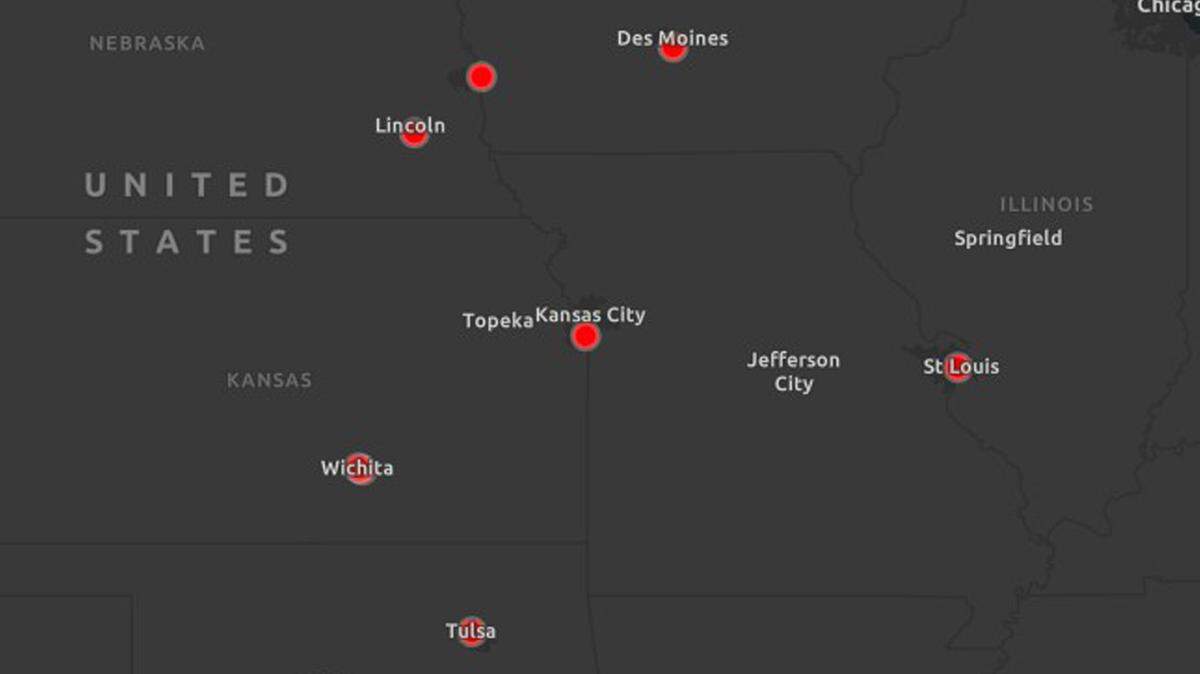
Abortion is currently legal in both Kansas and Illinois. Missouri women already travel to clinics in both states and are likely to continue to do so.
In an interview, Coleman indicated her immediate focus was on protecting the state’s current abortion ban.
“Right now, there’s an incredible focus about making sure that the laws that are on the books are protected by our state courts,” Coleman said. “And at some point, whether it’s nationally in Congress or whether it’s state by state, people will turn to look to abortion tourism, but that’s certainly not the focus.”
In March, state Sen. Andrew Koenig and state Rep. Hannah Kelly, both Republicans, proposed a “Protect Children First” amendment to the state constitution that would ensure it contains no right to an abortion. The amendment didn’t advance, but is likely to receive renewed attention now because it would preempt any lawsuits challenging the abortion ban.
“The fight will continue,” said state Rep. Patty Lewis, a Kansas City Democrat. “Republicans, they want control. They want control over our bodies.”
State Rep. Doug Richey, an Excelsior Springs Republican, said the next step for legislators is to expand support for adoption, however. Asked if he would support legislation regarding abortions outside the state, Richey was noncommittal.
“If we have individuals who are coercing women who are facing difficult circumstances in their life, to go out of state in violation of the laws of Missouri with respect to abortion or elective abortion, there will be conversations about that,” he said.
“It’s difficult for me to say right now what I would be doing.”
This story was originally published June 24, 2022 at 5:14 PM.


.jpg)