How a Kansas City abortion doctor’s fight for liberalization of laws cost him his life
READ MORE
Kansas woman had abortion before Roe, defends women’s rights
Before Roe v. Wade, Pam Mattox, of Kansas City, Kansas, had an abortion in Washington, D.C. She’s spent her life trying to protect the rights of other women.
Expand All
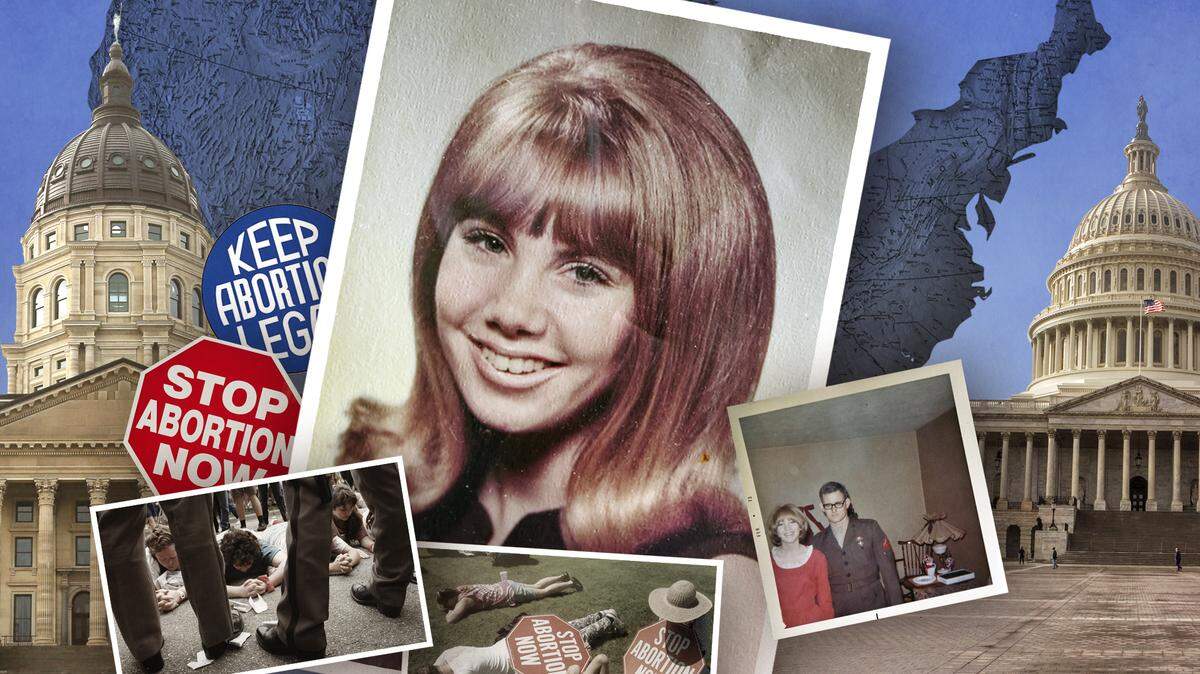
She had an abortion before Roe v. Wade. Here’s how a Kansas woman’s fight continues now
Five clinics in Kansas provide abortions. Here’s how to access them
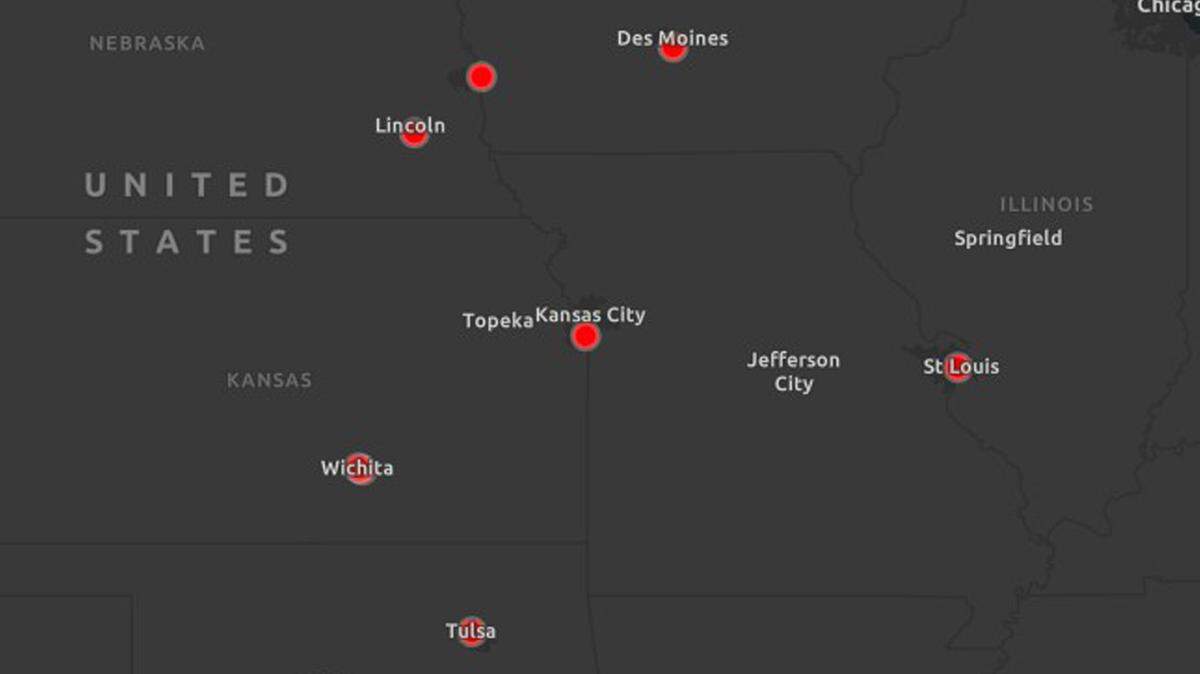
Interactive map: Where to find abortion providers within a 5-hour drive of Kansas City
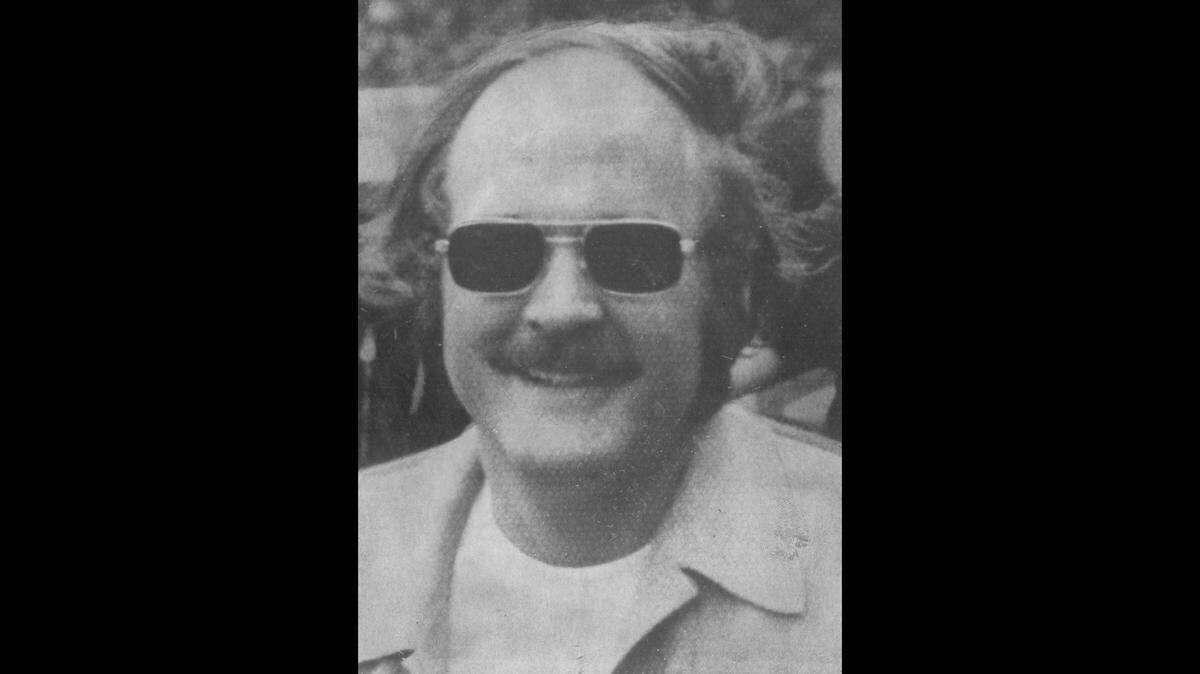
How a Kansas City abortion doctor’s fight for liberalization of laws cost him his life

Kansas woman explains what it was like getting an abortion before Roe v Wade
The 2009 murder of Wichita doctor George Tiller, gunned down during a church service by an anti-abortion extremist from Johnson County, remains the region’s most shocking episode of violence against an abortion provider.
But 36 years earlier, one of Kansas City’s best-known abortion doctors was shot and killed in his home. The Sept. 17, 1973 murder of Dr. Lynn D. Weller, known as Danny to his family, dominated headlines.
Weller, 33, didn’t die at the hands of an anti-abortion zealot. But the OBGYN’s work figured in his demise nonetheless. William Carlos, who ran an illegal abortion business in the 1960s and 70s, was convicted of murder for hiring a hit man to kill Weller, according to The Star’s coverage of his 1974 trial.
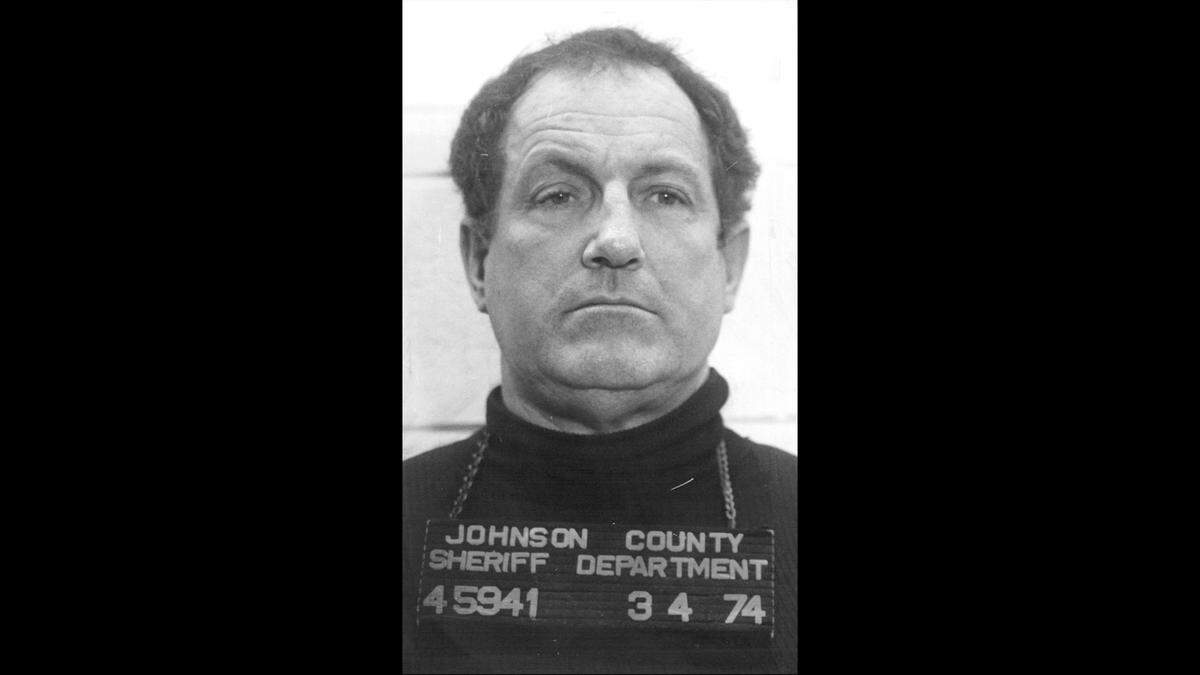
Carlos was allegedly frustrated that Weller, who performed abortions legally, was getting more business. Weller also had an intimate relationship with Carlos’s ex-wife.
A large man in stature and personality, Weller seemed an unlikely champion for abortion rights, his nephew Paul Pugmire said. The son of conservative, pro-life Mormon parents, he originally moved to Kansas City for a residency at the University of Kansas Hospital. But it was in his side job, performing physicals for an insurance company, that he first encountered women suffering the aftereffects of illegal abortions.
The experience shaped his activism.
“He saw suffering and he sought to alleviate it immediately,” said Pugmire.
Though many in his family didn’t support his work, Weller performed abortions at KCK’s Douglass Hospital on Quindaro Blvd., a facility founded in 1898 as General Hospital No. 2 for the city’s Black population. At the time, abortion in Kansas was legal when the mother’s life and health, including mental health, was at risk. He also worked at a women’s clinic on Kansas City’s east side providing pre-natal care.
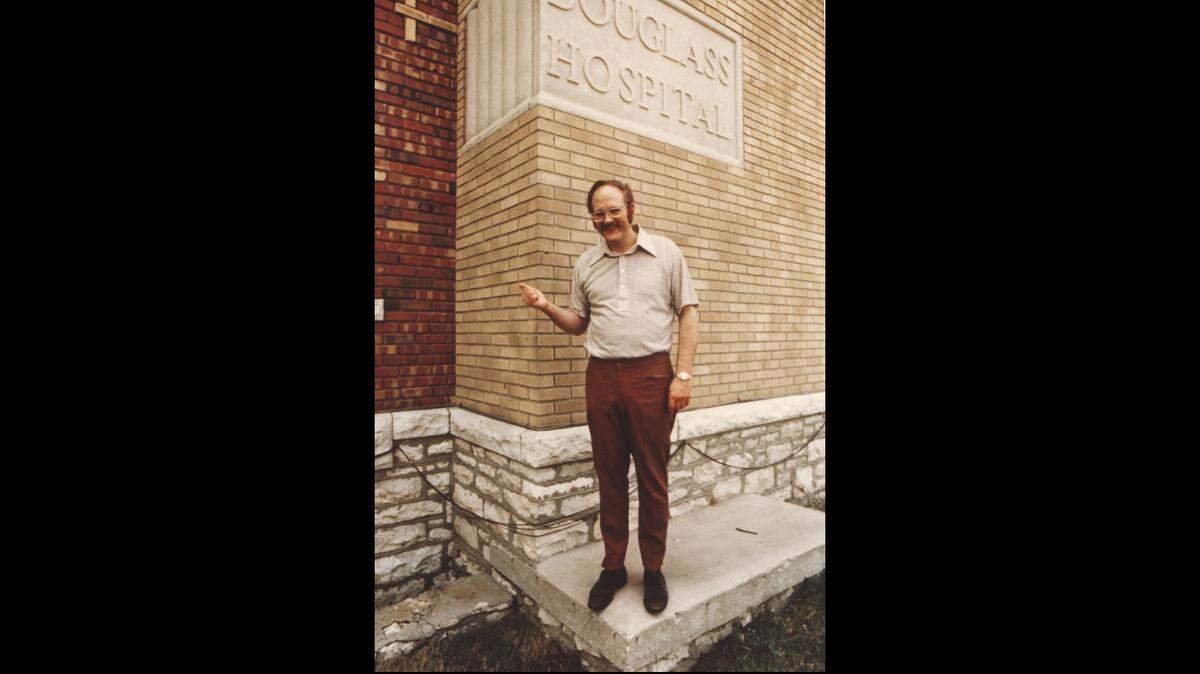
Weller’s sister, Joy Miller, said when he spoke to her about his work he would often tell her she would not believe what he had seen. Though he seldom divulged details, Miller said she remembered him discussing concern for a patient in her seventh pregnancy whose husband had left her.
“He was concerned for what was going to happen to these mothers,” Miller said.
In addition to providing abortion and pregnancy care, Weller was active in pushing for the liberalization of abortion law.
He was a plaintiff in a 1972 lawsuit — a year before the Roe decision — challenging the requirement that Kansas women secure the approval of three physicians for a therapeutic abortion. A federal judge ruled that one was enough and that hospitals (like Douglass) didn’t have to be accredited to perform abortions.
When Weller died, he was preparing to open a first-of-its-kind facility for women’s reproductive health, offering counseling and abortion services as well as prenatal and neonatal care.
“He told me - if there is a mother that comes into his office and is talking about the baby and should the pregnancy be terminated what he felt that mother needed was counseling,” Miller said. “He felt if you are concerned about the baby then you need to have the baby.”
Ground was broken on the clinic but it never opened.
Weller knew he was in grave danger, Pugmire and Miller said. The Federal Bureau of Investigation informed him that a contract had been taken out on his life.
He purchased a late model Maserati, Pugmire said, partially so that he could escape quickly if he had to.. An FBI agent had been trailing him but determined the protection wasn’t necessary anymore. Two days later, he was shot to death in the kitchen of his south Kansas City home.
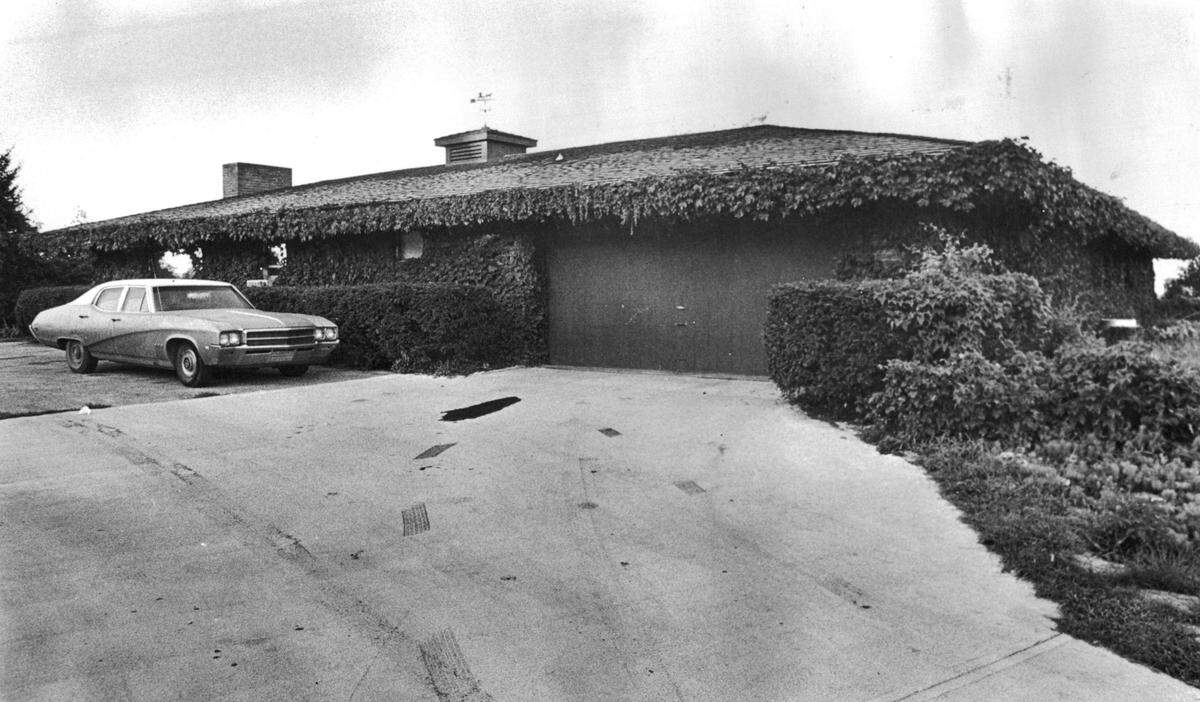
Carlos was convicted of first-degree murder, along with hired hitman, Patrick McGuire. Carlos was someone Weller was acquainted with, Miller said, and that they were at odds about abortion even though both were providers.
“My brother felt like the woman’s right to terminate a pregnancy was her right and it should be a law. And believe me there were people that did not want it to be law,” Miller said, describing Carlos as “the butcher.”
Pugmire and Miller, who have been working on a book about Weller, said he was hated by some and revered by others.
“He was a man of great passions,” Pugmire said. “The safety of these patients was a passion of his.”
This story was originally published January 9, 2022 at 5:00 AM.