Amendments, medication and Planned Parenthood: Key Missouri abortion bills to watch
READ MORE
What does overturning Roe v. Wade mean for KS, MO?
Kansas and Missouri now have more control over abortion access in their state following the Roe v. Wade, a landmark 1973 court ruling that established abortion as a constitutional right. Here’s what that looks like.
Expand All
A proposal to allow lawsuits against out-of-state individuals who help Missouri women obtain abortions has grabbed attention in the General Assembly in recent days.
But lawmakers are pursuing an aggressive agenda of measures intended to restrict access to the procedure.
As the annual session reaches its midpoint, the House and Senate have yet to pass much abortion-related legislation, though lawmakers approved a bill to defund Planned Parenthood.
Committees have been full of activity, however. Bills to require care for babies “born alive” during abortions and to stop abortion medication from coming into Missouri have all been taken up.
The lower-level debates are a sign lawmakers may be poised to take action when they return from a week-long spring break. The political calendar is also driving the heavy volume of legislation.
“It is an election year and redistricting. Every Republican in this building is running against each other for something,” House Minority Leader Crystal Quade, a Springfield Democrat, said. “And so yes, I am not surprised by the huge influx of extremist bills that we’re seeing.”
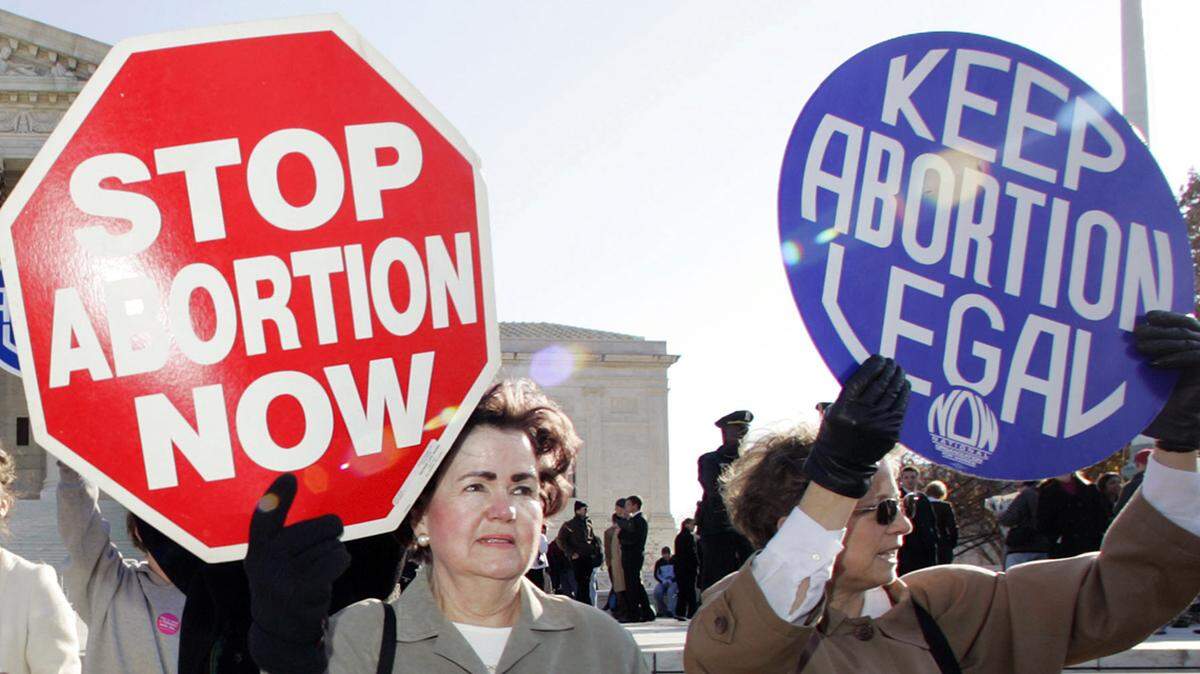
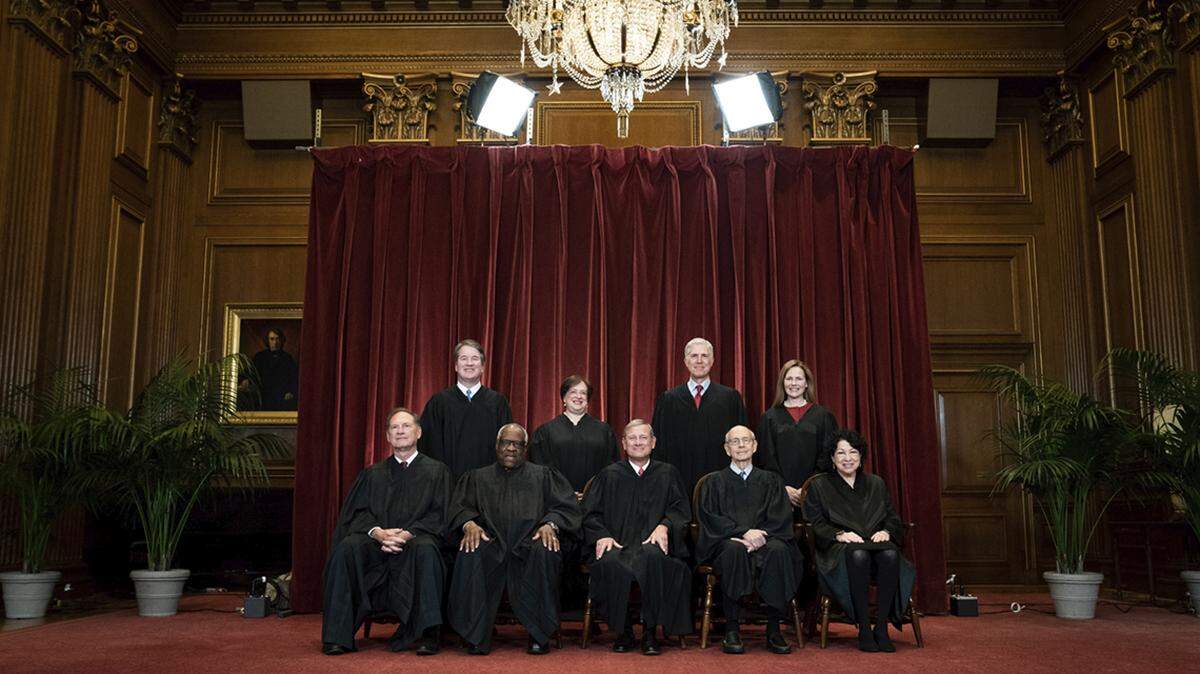
Republicans say their actions stem from sincere beliefs about protection of the unborn. They are also positioning Missouri to further restrict access to abortion in anticipation of a U.S. Supreme Court decision later this year that is widely expected to overturn or severely limit the landmark 1973 Roe v. Wade decision. It guaranteed the right to an abortion nationwide.
Here’s a look at the bills Missouri lawmakers are considering:
Constitutional Amendment
Republicans this week introduced an amendment to the state constitution that would prohibit courts from interpreting the constitution to include the right to an abortion.
“Missouri strongly believes in protecting our children, born and unborn, and we think it is about time that this is reflected in our state constitution — specifically in our state’s Bill of Rights,” Sen. Andrew Koenig, a St. Louis County Republican and a sponsor of the amendment, said in a statement.
If the federal right to an abortion is eliminated, abortion rights supporters might argue that the guarantee resides in the Missouri Constitution. The amendment, called “Protect Children First,” would cut off that path.
The push to eliminate state-level rights is similar to the situation in Kansas. The Kansas Supreme Court in 2019 ruled that the state constitution includes the right to an abortion. Republican lawmakers in Topeka then approved an amendment that would give them power to set abortion policy. Voters statewide will decide in August whether to adopt it.
Lawsuits
A measure offered by Rep. Mary Elizabeth Coleman, an Arnold Republican, would prohibit anyone from helping Missouri residents obtain abortions out of state.
The bill aligns with a Texas law in that it can only be enforced through lawsuits brought by citizens. The U.S. Supreme Court has allowed the Texas measure to remain in effect while challenges against it move through the courts.
But allowing lawsuits over activity that doesn’t occur in Missouri goes further and could potentially have a chilling effect on the willingness of abortion providers to see Missouri women.
Coleman’s measure exists as a proposed amendment to a separate bill that hasn’t been debated on the House floor yet. “If your neighboring state doesn’t have pro-life protections, it minimizes the ability to protect the unborn in your state,” Coleman told The Washington Post.
Julie Burkhart, president of Washington-based Circle of Hope Health Care Services, which supports abortion rights, told The Star in an email the legislation is extreme and would only lead to people working underground outside the law to ensure people can “access reproductive health care and sovereignty over their own bodies.”
“This will not help women access quality health care, but rather, will lead to poorer health outcomes, especially for people who are under-resourced in the state of Missouri,” Burkhart wrote.
Medication abortions
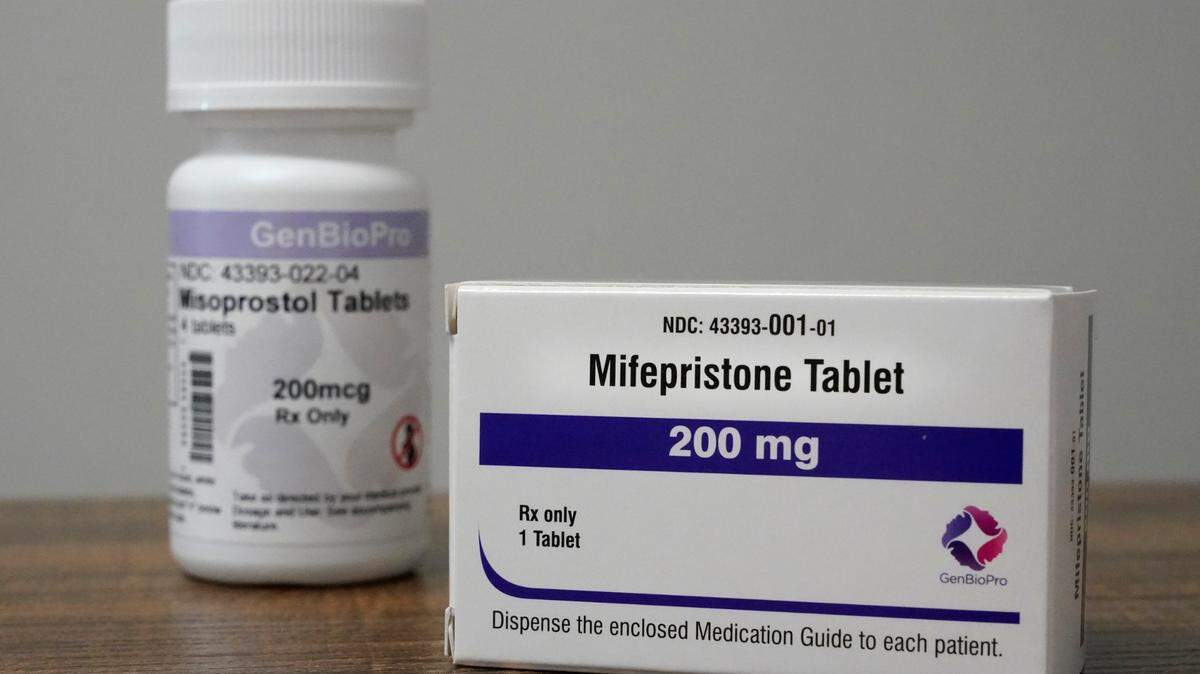
A bill sponsored by Rep. Brian Seitz, a Branson Republican, seeks to stop out-of-state pharmacists from delivering abortion medications to Missouri residents.
The measure would require the state board of pharmacy to not renew non-resident licenses if the license holder uses the mail or other delivery services to provide drugs or devices used to perform or cause an abortion to any patients within Missouri.
On its face, the bill doesn’t appear to stop out-of-state pharmacists from providing abortion medication to Missouri women. In practice, it may end up requiring women to travel out of state to pick up medication. Missouri already bans telemedicine abortion, meaning women must be physically present with a physician or go to a state that allows virtual visits.
The bill also creates the crime of trafficking abortion-inducing drugs or devices. It prohibits anyone from delivering, prescribing or dispensing anything used for an abortion that violates state or federal law.
While abortion remains legal in Missouri, the bill creates a criminal framework to prosecute anyone who helps provide an abortion if it’s banned in the future. Violations are a class B felony, generally punishable with between five and 15 years in prison.
It would be a class A felony under certain circumstances, including if the gestational age of the fetus is more than 10 weeks or the abortion was performed on a woman with an ectopic pregnancy, which occurs when a fertilized egg implants outside the uterus. It can threaten the woman’s life if not removed.
Class A felonies are punishable with 10 to 30 years in prison or a life sentence.
The House Special Committee on Government Oversight held a hearing on the bill on Wednesday.
‘Born Alive’ bills
Bills in both the House and Senate would create protections for babies “born alive” during abortions.
Supporters say the idea is to ensure any child who survives an abortion must receive medical care and that medical providers can’t cause the death of a baby born alive. Opponents say the legislation holds the potential to interfere with the relationship between doctors and patients, especially in difficult circumstances, such as when a baby is born but is certain to die shortly afterward.
Among the several “born alive” bills filed is one from Sen. Eric Burlison, a Battlefield Republican, whose legislation received a hearing Wednesday. His bill says any child “born alive during or after an abortion or an attempted abortion shall have all the rights, privileges, and immunities available to other persons and residents of this state, including any other liveborn child.”
It’s unclear how often failed abortions result in the delivery of a live child, but it is likely a rare occurrence. Abortion is legal in Missouri up to 22 weeks (a law that would limit abortion after 8 weeks is currently held up in court), about two weeks before what is generally considered the earliest time a fetus is viable outside the womb, though some babies born earlier than 24 weeks do survive.
Less than 1% of abortions are performed at 21 weeks of pregnancy or later, according to the Centers for Disease Control and Prevention.
Planned Parenthood funding
Unlike other measures, the General Assembly has already taken action this year to stop public dollars from going toward Planned Parenthood.
Lawmakers might not be able to halt funding, however.
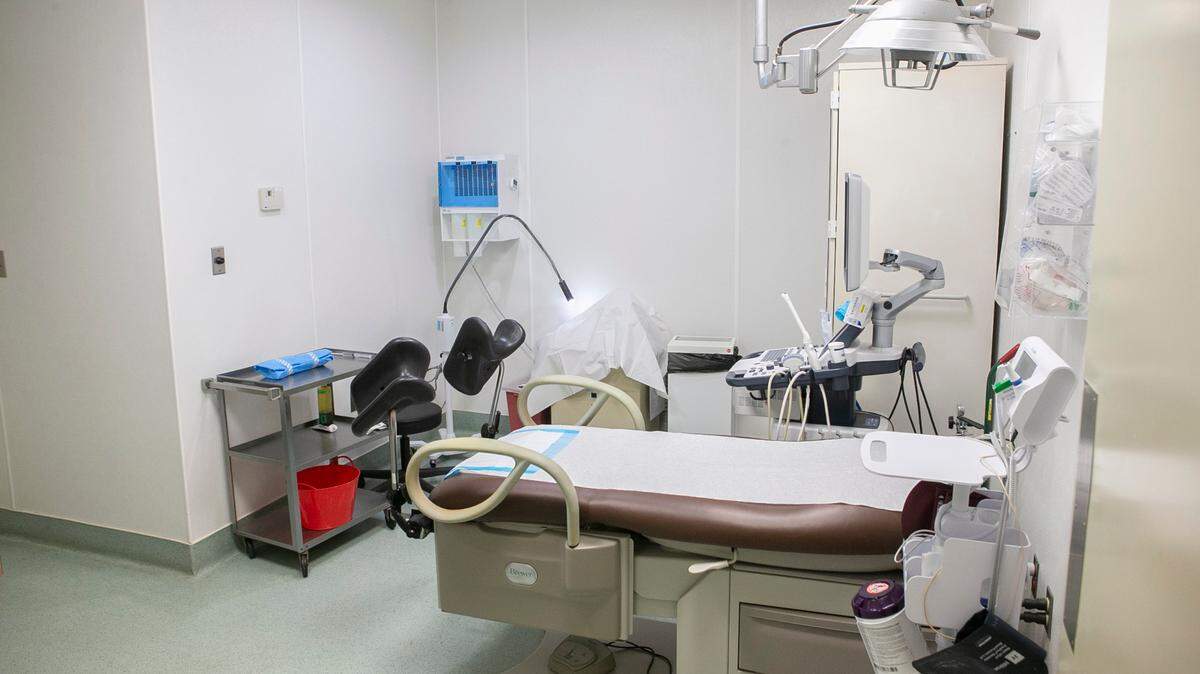
Planned Parenthood operates Missouri’s only abortion clinic, in St. Louis, but it operates elsewhere in the state providing reproductive health care services that are covered by Medicaid. Public funding of abortion is already prohibited, but Republicans for years have wanted to block Planned Parenthood from receiving any public funding, even for non-abortion services.
A supplemental budget approved by the General Assembly last month, and signed into law by Gov. Mike Parson, appropriates $0 for Planned Parenthood, a move intended to kick the organization out of Medicaid. The Missouri Department of Social Services plans to stop reimbursements to Planned Parenthood on Friday.
On Thursday, Planned Parenthood sued Missouri, contending the decision to end Medicaid reimbursements is unlawful.
This story was originally published March 11, 2022 at 5:00 AM.




.jpg)