Former KCK cop: Friend told him years ago Golubski raped her. ‘I believed her 100%’

READ MORE
Allegations against former KCK cop Roger Golubski
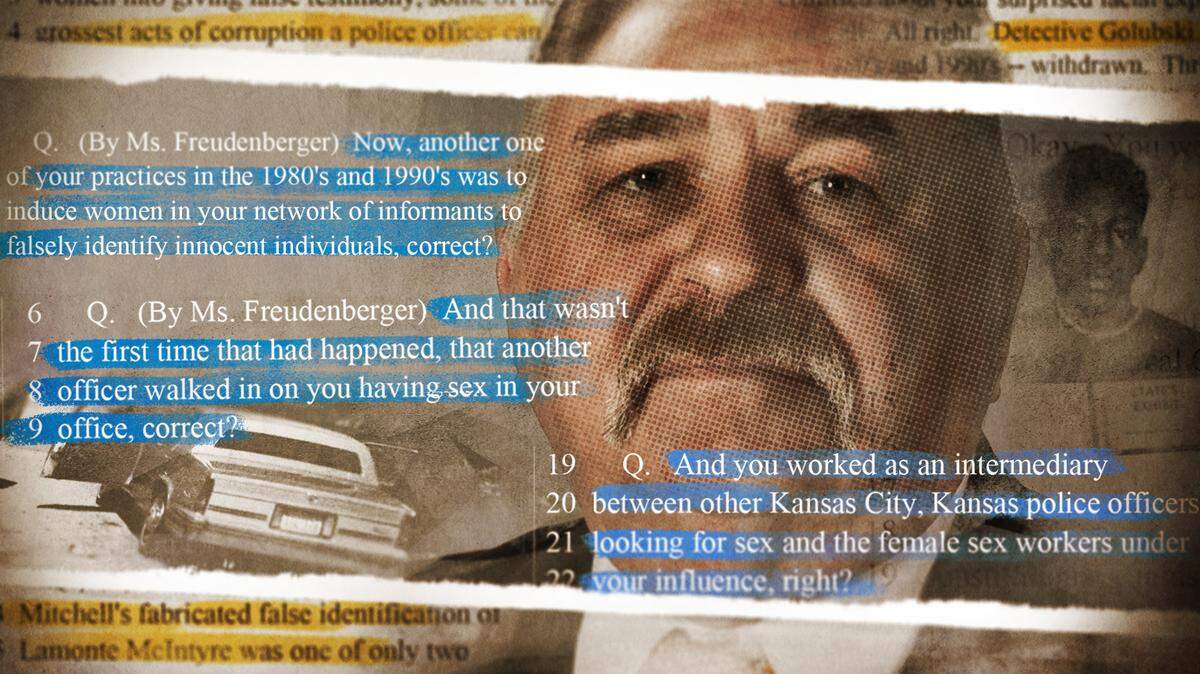
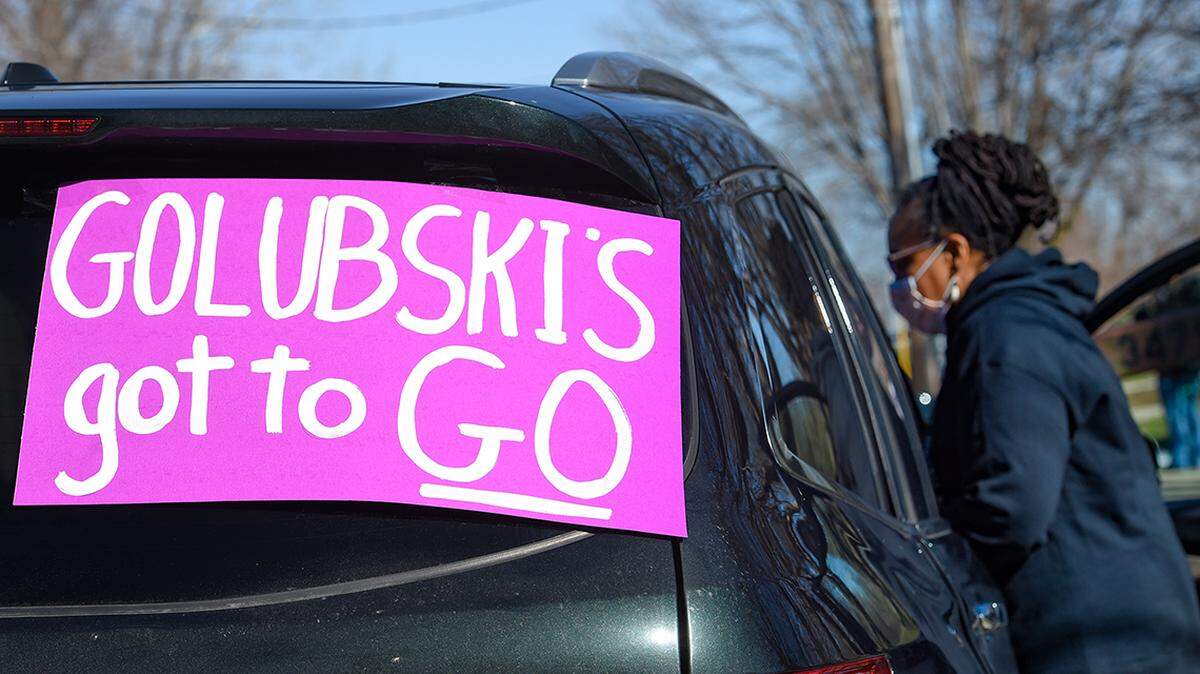
The Star has reported extensively on former Kansas City, Kansas, detective Roger Golubski and allegations that he victimized Black women during his years on the force.
Expand All
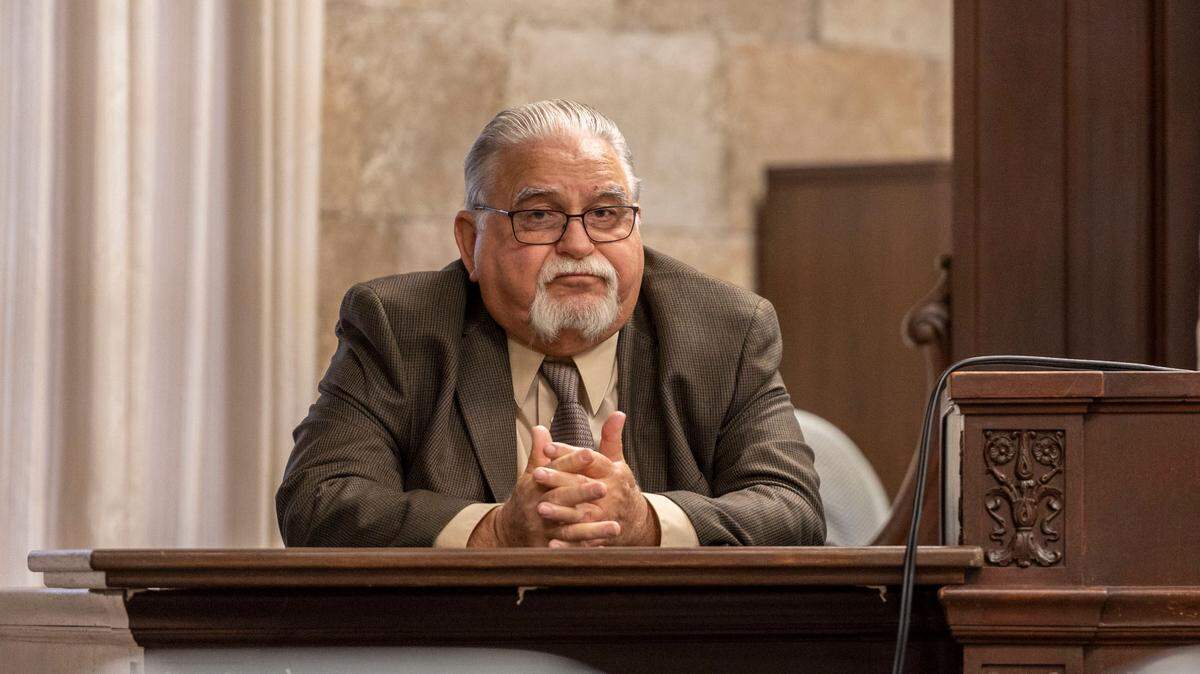
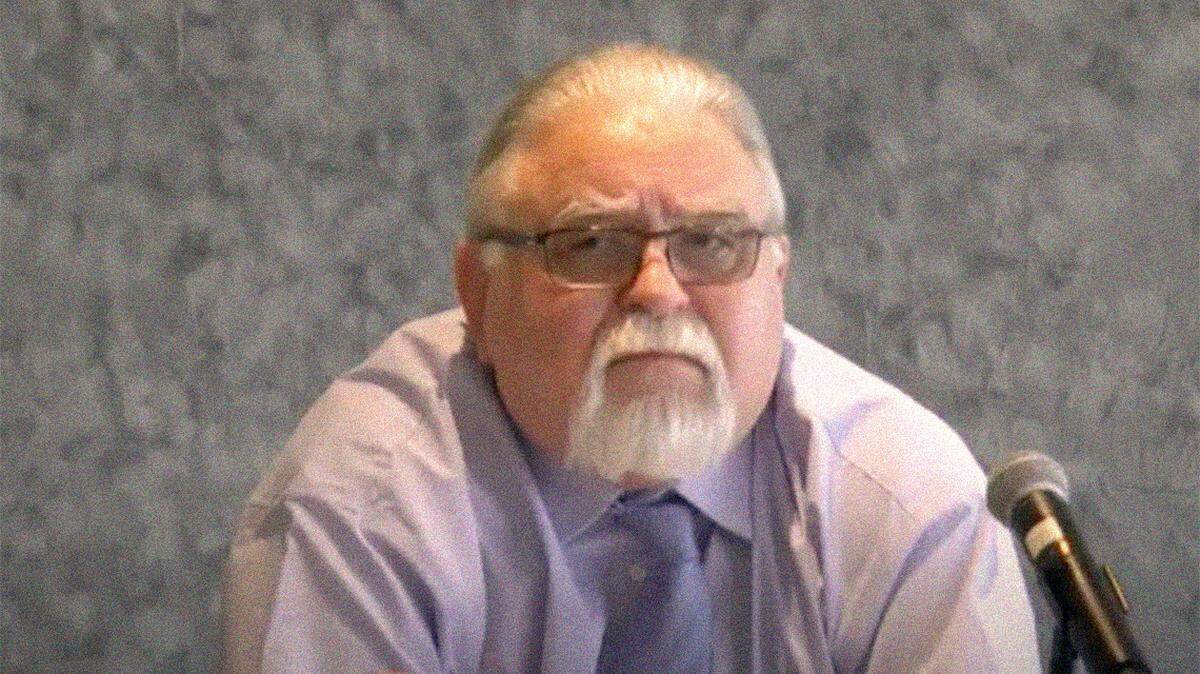
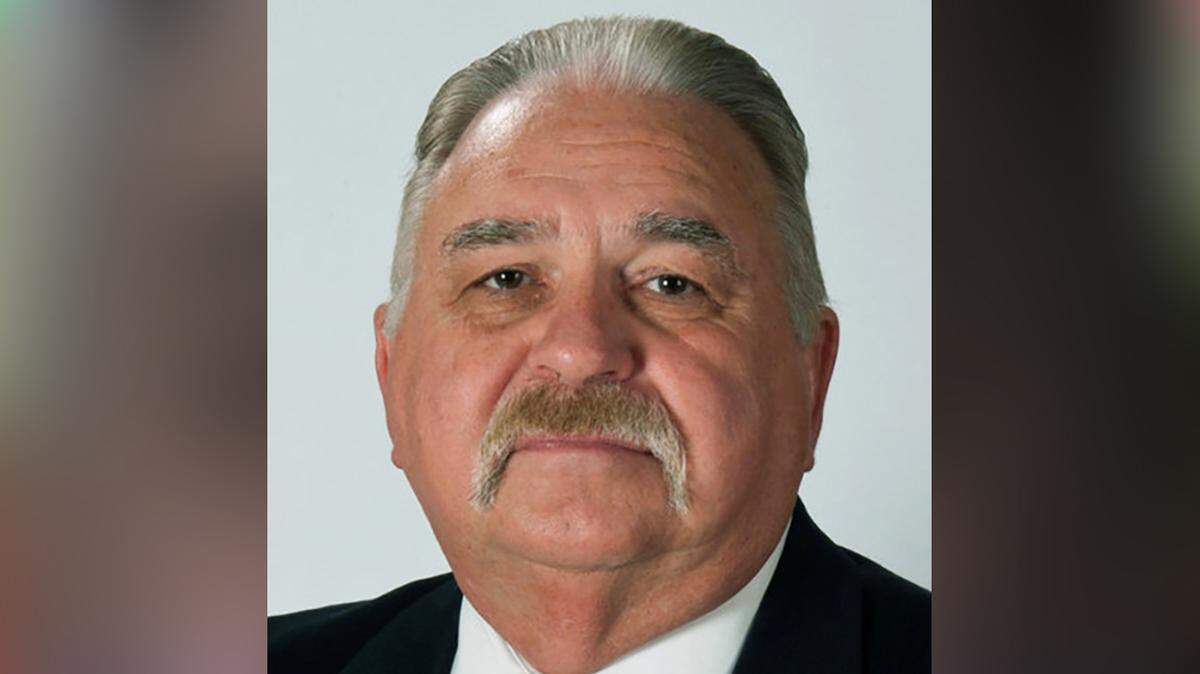
In 1999, former Kansas City, Kansas Police Department officer Sonny Callahan says, all that the friend who came to his office to talk to him would say is that a colleague of his was raping her, repeatedly, and threatening to have her killed.
This officer, she told him, had promised to help her boys, who’d been arrested. And had told her that if she reported him, her body would never be found: “That made my blood run cold. She didn’t want to say any names because she was afraid.” The case involving her sons “was still active,” and “as a policeman, you have to tread carefully.”
From knowing her, knowing her partner and seeing just how terrified she was, “I believe what she was saying. I believed her 100%”
At some point — he doesn’t remember when, exactly — he learned that the officer who was terrifying her and others was then-Detective Roger Golubski. And over the last maybe 15 years, the harm that this man was allowed to do to the community, his community, has only grown clearer to Callahan, he said.
Callahan is Black, and so are most of the women whom Golubski is accused of raping and exploiting in all sorts of other ways, all the way back to the the 1980s.
The rumor, Callahan said, had always been that “he was fooling with a bunch of Black women.” Talk didn’t make it true, of course. But with Golubski, the talk just never died down. “His thing kept going and kept going.” Because it wasn’t just talk. “It was a house of cards.”
“It’s a jacked up environment, kiddo.” So much so that at first, “you can’t wrap your mind around the extent of what these women are saying.”
And even when you do come to see what’s happening, he said, “Who you going to go fuss with? Who’s going to listen? You don’t know who you’re talking to. So you just sit there, and it’s almost like, as long as you don’t put your hands on me, it’s cool. And that’s ridiculous.”
Former officer sees FBI investigation as ‘extremely serious’
Since the Innocence Project first contacted him about Golubski’s role in Lamonte McIntyre’s wrongful conviction, he thinks in ‘07, he’s learned more and more about “women who were abused and maybe dead.” And what he hadn’t put together before “began to make sense.”
He doesn’t want to make this all about race, he says, because it isn’t, and because there are lots of good people at the department who want something done as much as the victims do.
Still, he says, it’s also a fact that because the women Golubski hurt were poor and Black, with some that meant they had “no credibility, because it was just n-----s.”
Even among those who did not see it that way, he said, there were “too many people pushed in different directions in pursuit of being able to get along in the environment,” which was “extremely dangerous.”
It’s not that they were all corrupt, he said, but more a matter of not wanting to “upset the culture within. They don’t want to be ostracized. They want to be able to work and not have any trouble. The real deal is this: White folks just don’t have the heart to jump into the middle of it, and this is how the status quo works.”
Now, he’s also talking to the FBI, and does think they’re serious about getting justice for Golubski’s victims. “I think they’re very serious, extremely serious. Something’s got to be done.”
Callahan was with the department from 1977 until 2010, the same year Golubski retired. So he knows, he says, that many of his former colleagues are also ready for change. “A lot of folks in law enforcement want something to happen, and many of them are afraid.”
Why’s that? “They don’t want to be viewed as turning against the thing, or snitching.”
But meanwhile, “for the entirety of the police department, and a lot of great people over there, it makes it hard for them to be able to do their gig.”
Change doesn’t happen by magic, of course, or by staying mum. And when I called Callahan on Monday, out of the blue, he agreed to talk for the record. Not because I said just the right thing to persuade him, but because he was beyond ready: “This thing is crushing people, and they don’t want me to say anything, but I can’t” stay silent any more. “I can’t do this. I can’t do this.”
He’s seen his friends — Golubski’s victim who told him about her experience all those years ago, and her partner, too — worn down by what they’ve been through. “This has beat them down,” he said. “She’s been sick behind it.”
And this won’t be over for victims until the whole truth is out.
Accuser ‘sick at my stomach’ talking about attacks
On Saturday, I had breakfast with Callahan’s friend who said Golubski raped her over and over in 1999, at what was already the lowest moment of her life.
When we met, she’d just heard again from one of the FBI agents investigating the former KCKPD captain. The agent was just checking in, she said. “They said do I need anything, and I was like yeah, I do; I need justice. I get sick at my stomach every time I talk about it,” she said, and put her hand over her mouth for a minute.
To Golubski and the system that protected him, “I was just a young, dumb Black broad” he could disrespect and do with as he pleased.
And would this situation really have been allowed to go on for decades if his victims had not been seen as expendable? “We’re nobody,” she said, but fillers of prisons and coffers who “have to just keep living and stay on our tippy toes.”
In a separate interview, her longtime partner talked about the frustration of not being able to do anything about her pain: “The physical thing is one thing, but the mental anguish, it was bad.”
Still is, actually. Just the other night, she said, she looked outside and saw a white SUV in front of her house that sped away when she stepped to the front window. Was that nothing, or one of the status quo’s protectors, come to intimidate her or worse?
Even leaving the Denny’s where we’d met made her jumpy, she said, because she didn’t know who was out in the parking lot. “I”m so nervous right about now,” she said, but then added, “it’s time for me to stop being afraid and help other women.”
When you’ve been told that if you ever tell anybody, your body might never be found, well, telling anyway is an awfully brave thing to do. And if she ever gets the justice that she told the FBI is all she wants for Christmas, it will be because she and other victims risked everything for it.
This story was originally published December 21, 2021 at 5:00 AM.