Roger Golubski wasn’t the only alleged rapist in KCKPD, but DA ‘declined to prosecute’
READ MORE
Allegations against former KCK cop Roger Golubski
The Star has reported extensively on former Kansas City, Kansas, detective Roger Golubski and allegations that he victimized Black women during his years on the force.
Expand All
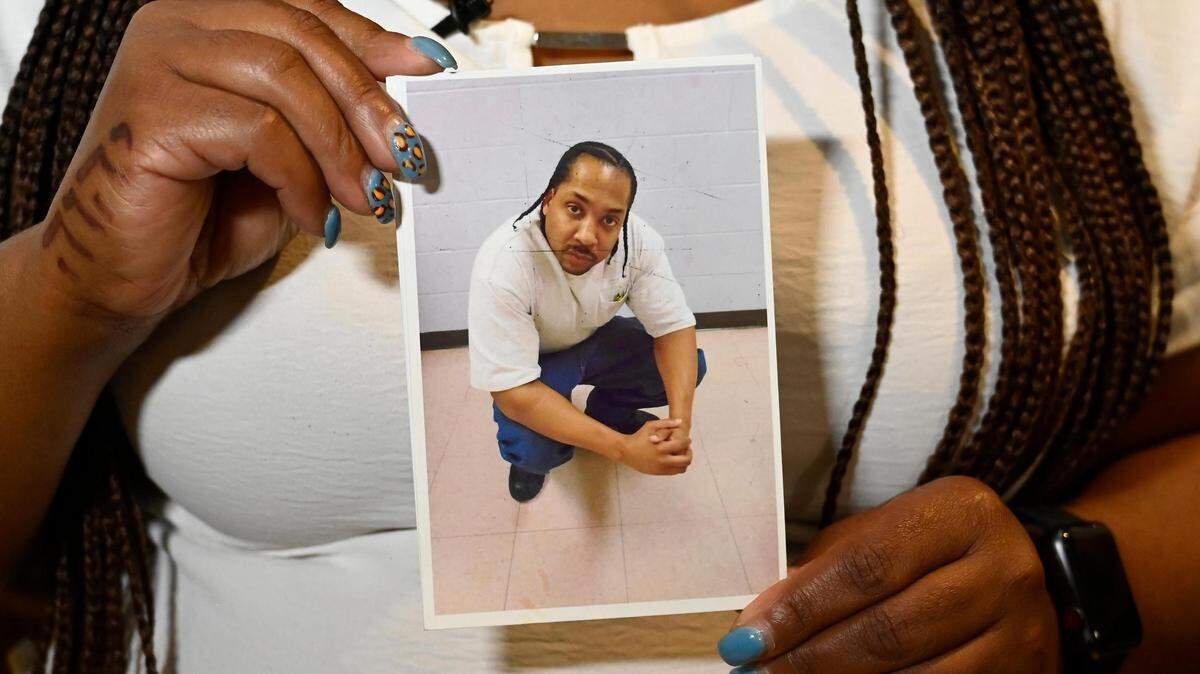
No one can claim that Natasha Hodge, who turns 45 today, on June 27, has breezed through life. She was abused as a child in Kansas City, Kansas, and after she ran away at 16, she was abused during her years on the street.
Since 2009, she’s been an inmate at the Topeka Correctional Facility, where she was sent after fatally shooting the “longtime boyfriend” who routinely hit her with lead pipes and brass knuckles. He burned her with crack pipes, smashed beer bottles over her skull, bit chunks of skin out of her back and threatened to burn down her mom’s house with her kids inside if she ever left him. He “was a different person when he was using crack,” she said in an affidavit. “I have no doubt that he would eventually have killed me.”
“That man beat me, threatened me, stalked me, raped me,” she said during one of our phone interviews over the course of the last year. “His favorite thing to do was to beat me up and force me to perform oral sex on him. He was vicious, and I do not regret killing him. I just regret coming to prison for 12 years.”
The public defender who represented her told her to take the prosecutor’s offer of 15 years and be grateful, because a jury would have given her 50. He was probably right about that, too, because for women who kill their abusers, very little has changed.
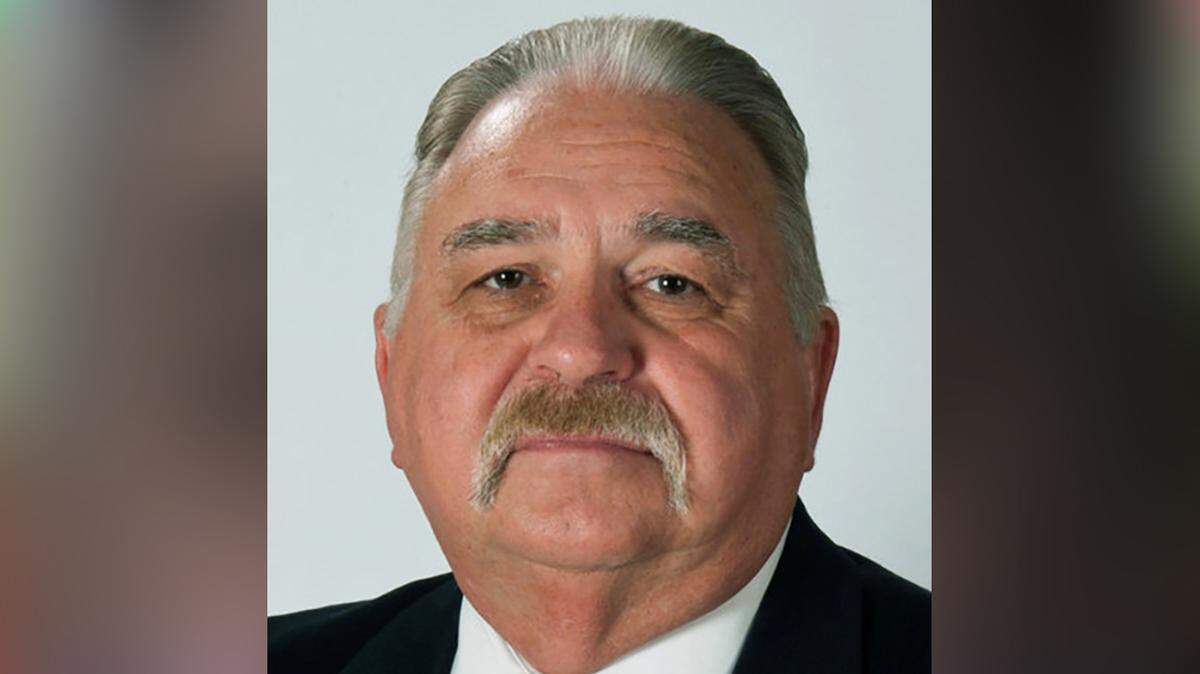
Yet Hodge’s single worst experience, she says, and the one that she still has flashbacks and nightmares about, was her rape by a KCK police officer who never took his hand off his gun as he forced her to service him in a vacant crack house near the railroad tracks off Quindaro Boulevard. In a 2014 affidavit, she said that “In February of 1996, I was raped by Officer William Saunders of the Kansas City Kansas Police Department.”
He never uncuffed her, she told me, and “the whole time he was raping me I was crying my eyes out thinking will I see my daughter again? I really thought he was going to kill me, and I kept wondering how long it would be before they found my body.”
When he instead dropped her off on Fifth Street afterward, as if nothing had happened — and please put me down as skeptical that anyone who would do this once did it only once — she walked straight to the nearby office of a local attorney she’d heard of, Rosie Quinn.
Both Quinn and Hodge, who haven’t talked since 1996, told me the same story.
Condom evidence is ‘DNA on a silver platter’
Quinn immediately took Hodge to the hospital, where they did a rape kit, collecting her clothing and scraping under her fingernails. Then they went to the KCKPD’s internal affairs department, where Hodge told a female detective the whole story and picked Saunders’ picture out of a photo lineup.
From there, Hodge led that detective and a crime tech team back to the house, where they found Hodge’s nose ring and the officer’s boot prints still in the carpet. They found the condom he’d tossed into the snow out in the front yard, too, just where Hodge had said it would be.
The detective, who Hodge says told her that there had been other such complaints against that same officer, “didn’t seem surprised.”
The universe of rape victims who both report immediately and lead police to a mountain of physical evidence is not vast. “They had his condom with semen in it,” she says. “That was DNA on a silver platter.” Yet no one got back to Hodge, then or ever. And can you imagine authorities treating a crime victim for whom they had even the slightest regard so dismissively?
In response to my questions about what happened after Hodge accused Saunders of raping her, a spokeswoman for the KCKPD answered via email: “Regarding the case of Natasha Hodges,” — and yes, they misspelled her name — “the allegations were investigated in 1996. Forensic evidence was submitted to the Kansas Bureau of Investigation in March of 1996. That same year the case was forwarded to the Wyandotte County District Attorney who declined to prosecute.”
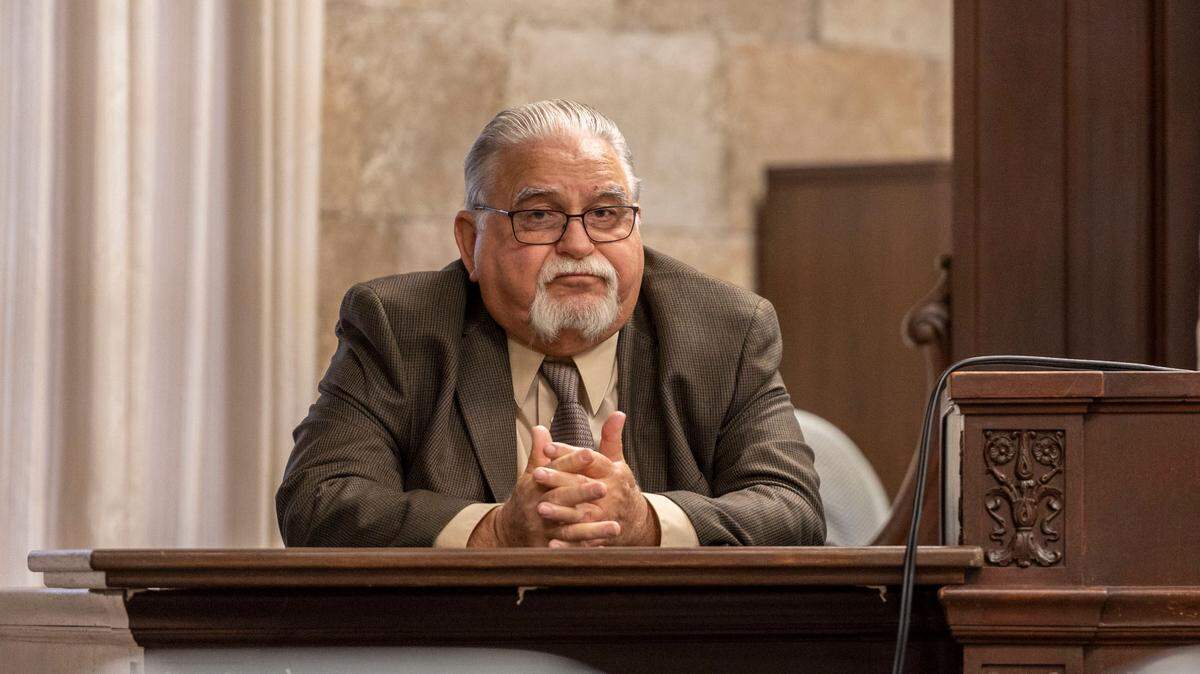
The DA at the time was Nick Tomasic, who held that job from 1972 until 2005. When he retired, The Star ran a tribute in which the police chief at the time, Ron Miller, praised him as a respected supporter of law enforcement.
Saunders didn’t answer the messages I left on his cell phone, and neither did the now 88-year-old former DA.
I’ve reported before that the KCKPD culture made a predator as prolific as former KCK police detective Roger Golubski possible by responding to crimes against poor Black women like Natasha Hodge as unworthy of any real investigation. That the DA’s office wouldn’t have been interested in prosecuting a cop on charges that he raped a woman working as a prostitute is as unsurprising as it is unjust. In fact, the thunderbolt here is that the KCKPD says they did turn the evidence over to the KBI, who did refer it to the DA for possible prosecution.
Lawyer confirmed details of attack by police officer
The lawyer Hodge hired not an hour after being raped, Rosie Quinn, volunteered many of the same details that Hodge had.
“My understanding was that the police had gone back there and found a used condom,” Quinn said. “There was a police report made and it was that guy Saunders. It was a police matter, and there were officers who told me they’d retrieved” evidence from the scene. “It did happen.” But, she said, “I do not know what became of it.”
What became of it is that prosecutors were so blasé about this attack that no one ever thought to inform Hodge that they weren’t going to pursue the case.
And the message that had to have sent to someone like Roger Golubski, who is accused of raping many women on the street, was this: Help yourself. A cop would have to be awfully confident that he was immune from prosecution to toss a DNA sample in the yard in front of a crime scene, in full view of his victim.
It was years later, in 2007, that Hodge first met Golubski. “He said he was canvassing the neighborhood because someone had been murdered. I said I didn’t have any information about who he was looking for, and he asked me for a date.” After that, she says, he paid her for sex from time to time.
Unlike those who’ve told me they had reason to fear Golubski, Hodge in those days saw him as “what a working girl would consider a ‘good trick’“ because he never beat her or tried to get out of paying.
But the victims I’ve interviewed all say that Golubski was not the only KCK officer who used his badge as a weapon against vulnerable women.
FBI agents didn’t return calls after interview
In February of last year, Hodge was interviewed by two FBI agents whose business cards she kept. They asked her about Golubski and about her rape. They were going to get back to her in 30 days, she says, but still haven’t, and never returned her calls, either. The feds have been interviewing KCKPD victims on and off since the 1980s.
Hodge told those agents, just as she told me, that early one morning in February of 1996, she was sitting in a U-Haul at a gas station on 18th Street with her friend Chuck. The sun had just come up, and her friend, who was moving some furniture that day, had gone inside to pay for the gas and get some food. “I was gone when he came back.”
An officer tapped on her window and said he’d gotten a complaint about a prostitute on the lot. I’m just sitting here, she told him, waiting for my friend. He handcuffed her, forced her into his patrol car and shouted to another officer outside the store that he was taking her in.
She knew right away that she wasn’t being arrested because he did not radio in, did not check her warrants and did not take her to the station. “He never asked me my name,” and stayed terrifyingly silent when she asked him where he was taking her.
Hodge told her mother, Vonya Ford, about the rape several days after it happened. “I still don’t like to talk about it,” Ford told me. “She was just a kid! She did report it, and she took them there, but the evidence just kind of disappeared, and nothing, nothing, nothing was ever done.”
She saw her attacker once more, years later, one night when he was sent to her house on a domestic violence call. “He didn’t recognize me, but it was like looking into the eyes of the devil.” Better the devil inside the house than the one at the door, she decided, so “I made some lame excuse,” and he went away, just as the case against him had.
In prison, “I try to take one day at a time, because anything more is very overwhelming.” Monday through Friday, she works from 6 a.m. to 1 p.m. making shirts, mops, and during the pandemic, COVID-19 masks for the National Guard.
She doesn’t mind that job, because “even days when I don’t like the work, I like the people I work with.”
The prison volunteer who originally told me about Natasha described her as someone who stands out as “very mature and reasoned. She’s reliable.”
Every day after work, she calls her mom, who is raising the younger daughter she’s so proud to say is going to college in the fall. Then she watches ”Ellen” — “that’s my girl — and I go outside sometimes, but I really don’t care for the heat. I have exactly three people I consider real friends.” Otherwise, she stays to herself, counting down her time.
And paying for her crime, such as it was, having long since decided that the officer who violated her would never pay for his, just as Roger Golubski hasn’t, and maybe never will.
Her former attorney, Rosie Quinn, also spent time in prison — three years, for tax evasion. At the disciplinary hearing at which her law license was reinstated, Quinn testified that that happened because of a gambling addiction for which she has been in recovery for many years. The same month Quinn was indicted, in June of 2009, her law office in KCK burned to the ground.
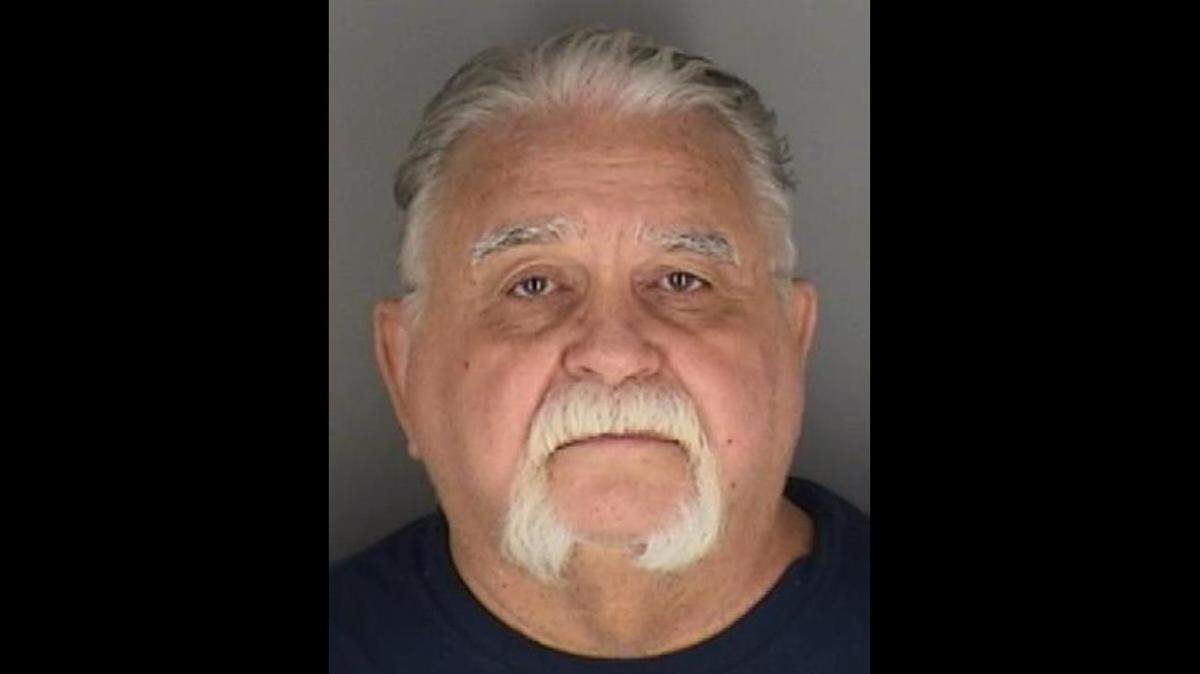
And William Saunders, who goes by Ed? He’s 62 now, and after finishing out his career at the KCKPD he retired to Florida, where a palm tree and some well-tended flowers grow in his front yard.
Will new KCK police chief reopen case?
On the phone the other day, I told Natasha that this column was almost ready to go and for the first time in the year that I’ve been talking to her, she started to cry. Because after 25 years, her story was finally going to be out in the world. “It needs to be done,” she said, “because there are other victims out there.”
There are many others, still unheard and unheeded. And other perps, unpunished and collecting a public pension.
The Kansas City, Kansas Police Department just got a new police chief, Karl Oakman, who said last week that he’d like to start a new division to look at old cases. Which is wonderful news. To show the community that this really is a different day, they could start by going back and looking again at reports against police officers. The DA’s office should do that, too.
The KCKPD spokeswoman did not answer my question about whether the evidence in Hodge’s case has been preserved. But since 2013, there has been no statute of limitations on rape in Kansas. And what Hodge correctly called “DNA on a silver platter” might solve other cases, too.
Can you imagine what it would mean to pursue a 25-year-old case against a police officer accused of raping a Black woman with no resources or connections, who in those days was working as a prostitute? ”All new world” is what that would say. One in which justice is at least an option, no matter who you are.
Maybe that’s still like expecting the sun to rise in the north and set in the south. But some of those reading this column now know and care about what happened to you, Natasha. Happy birthday.
This story was originally published June 27, 2021 at 5:00 AM.