Ex-KCK cop Golubski had ties to criminals, prosecutors say. Was he their ‘protector’?
READ MORE
Allegations against former KCK cop Roger Golubski
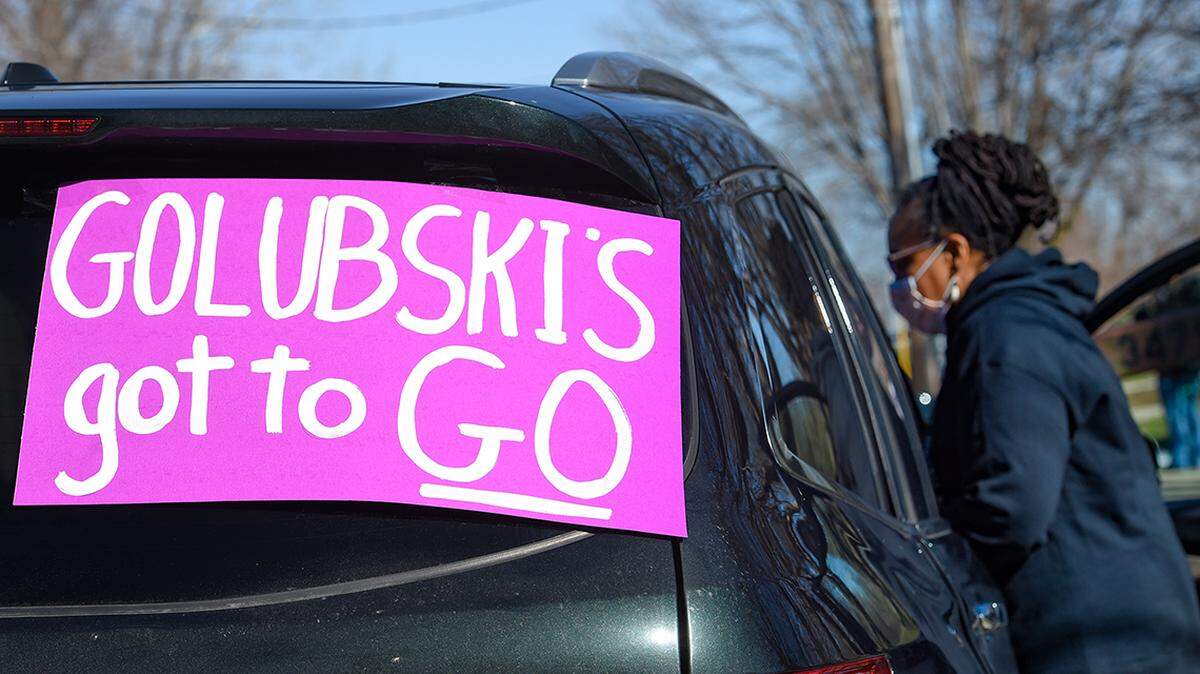
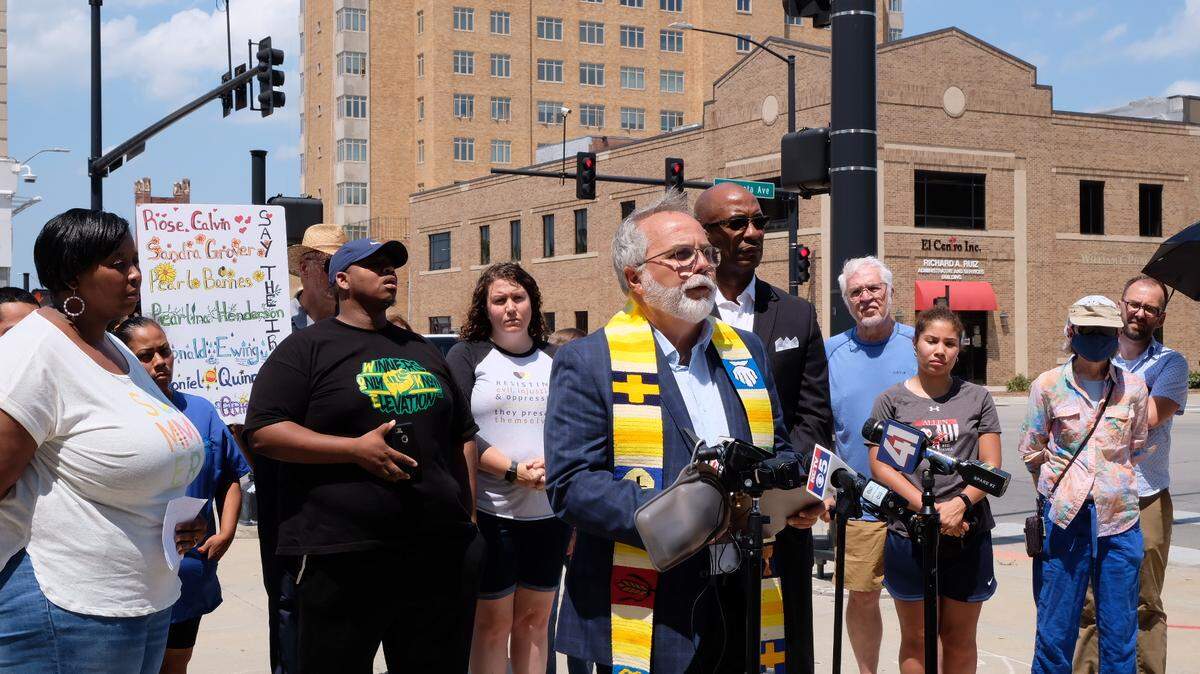
The Star has reported extensively on former Kansas City, Kansas, detective Roger Golubski and allegations that he victimized Black women during his years on the force.
Expand All
It was in the 1990s when a service station on Quindaro Boulevard in Kansas City, Kansas, became akin to a “drug house” after it was bought by Cecil Brooks, a former employee recalled.
Described by community members as a prominent crack cocaine dealer, Brooks and his crew allegedly sold drugs out of the station near North 18th Street in KCK’s impoverished north end. People could simply walk up to the window at McCall’s and buy crack.
One of Brooks’ most frequent visitors at McCall’s, the one-time worker said, was a police detective: Roger Golubski.
Golubski came by several times a week and occasionally met with Brooks in a backroom where he held secret meetings, according to a statement signed by the former employee this year as part of a lawsuit. It was clear to her that the two men — one, a self-described “major figure” in KCK’s drug game, and the other, a cop viewed as a “sexual predator” — had a close or business relationship.
“One day when I was at the station, I saw Cecil go to the cash register, pull out some cash and give it to Golubski,” she wrote. “Eventually, I quit working at the station because it no longer felt safe.”
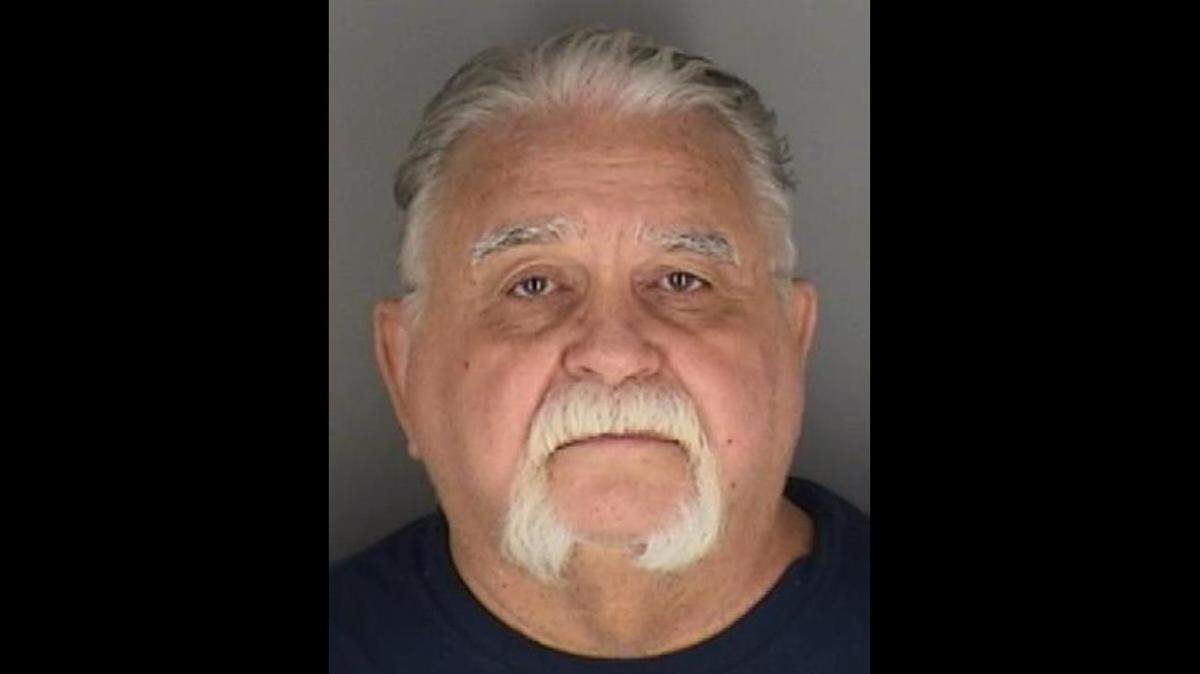
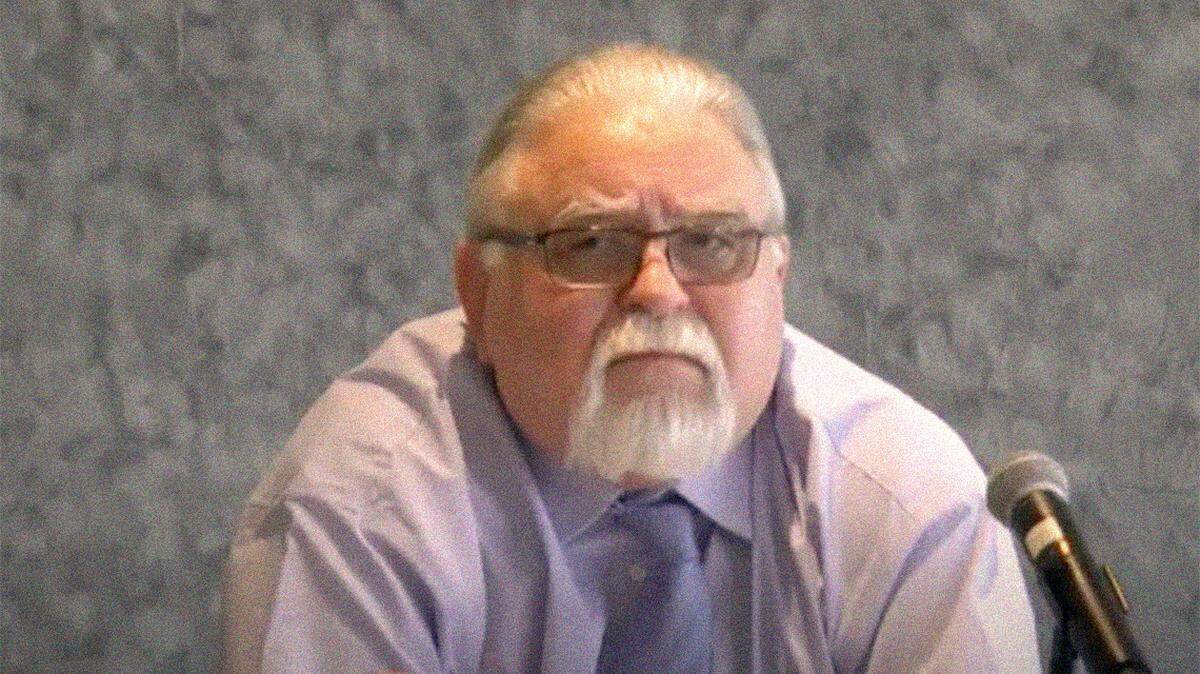
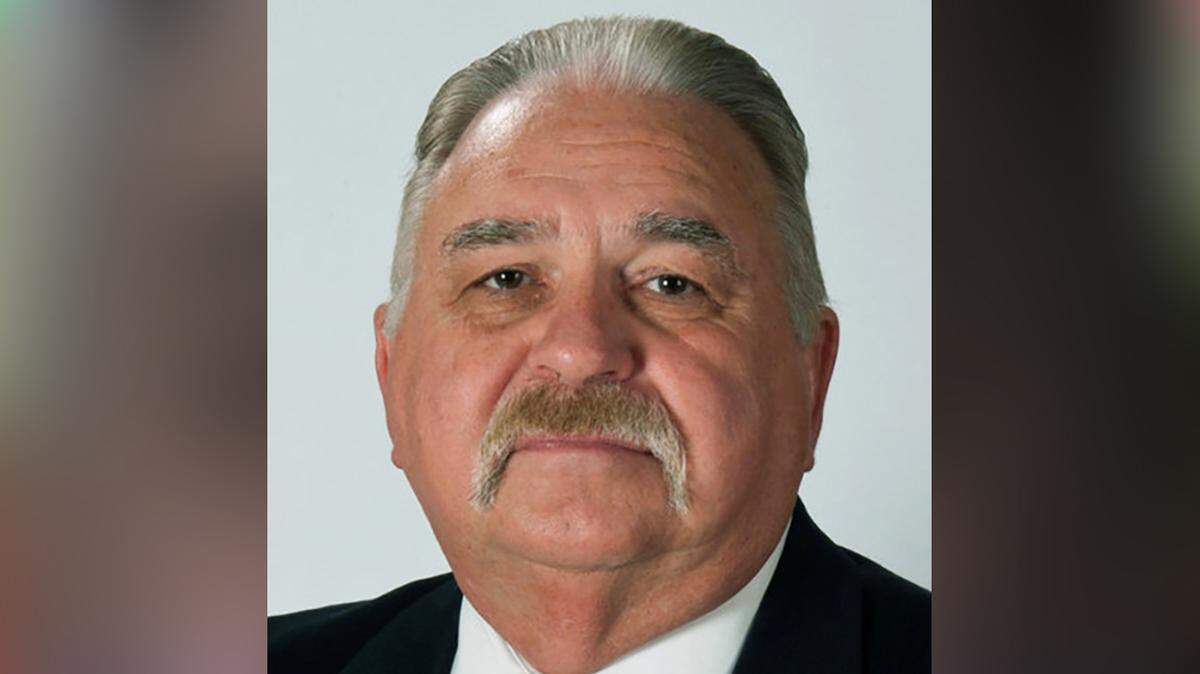
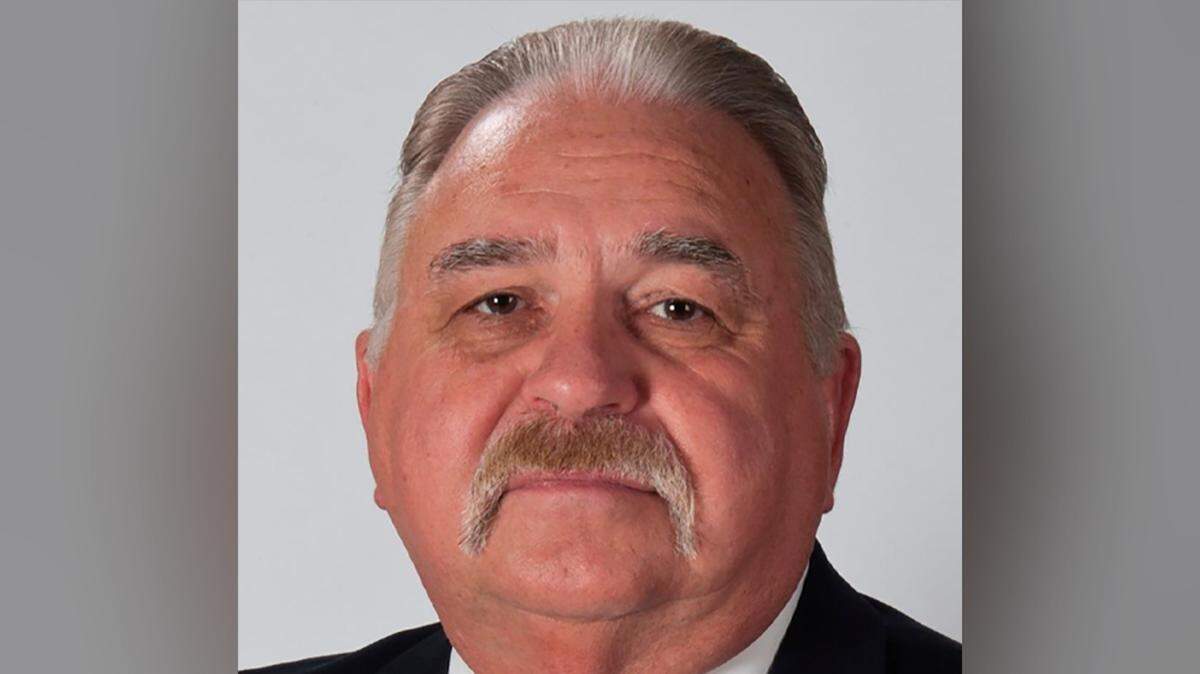
Golubski, who worked at KCKPD from 1975 to 2010, was indicted in September on six federal charges that accuse him of sexually assaulting and kidnapping a woman and a teenager from 1998 to 2002, though prosecutors say he raped additional victims. Golubski, now 69, has pleaded not guilty.
In a motion that sought to keep Golubski detained ahead of trial, federal prosecutors said the FBI’s investigation revealed the former cop had connections to “organized crime and criminals,” which he used “to gain benefits for himself.” Prosecutors, however, did not elaborate on the assertion.
To examine those potential ties, The Star reviewed affidavits and testimony given as part of a lawsuit filed against Golubski by Lamonte McIntyre, who alleged Golubski framed him in a 1994 double murder he did not commit. In that case, KCK residents attested to ties between Golubski and criminals, including some who were part of an apparently violent drug crew run by Brooks. Now questions about those associations linger: Did Golubski protect drug dealers, as civil lawyers allege?
One source familiar with the FBI probe told The Star that Golubski was suspected of having been a “cleanup” and “fix it” man in crimes committed by those in KCK’s “criminal underworld.” A theory the FBI has looked into, the person said, was that he steered the focus away from certain suspects during investigations. It’s not clear, though, how much evidence agents have developed about that.
The Justice Department declined to comment.
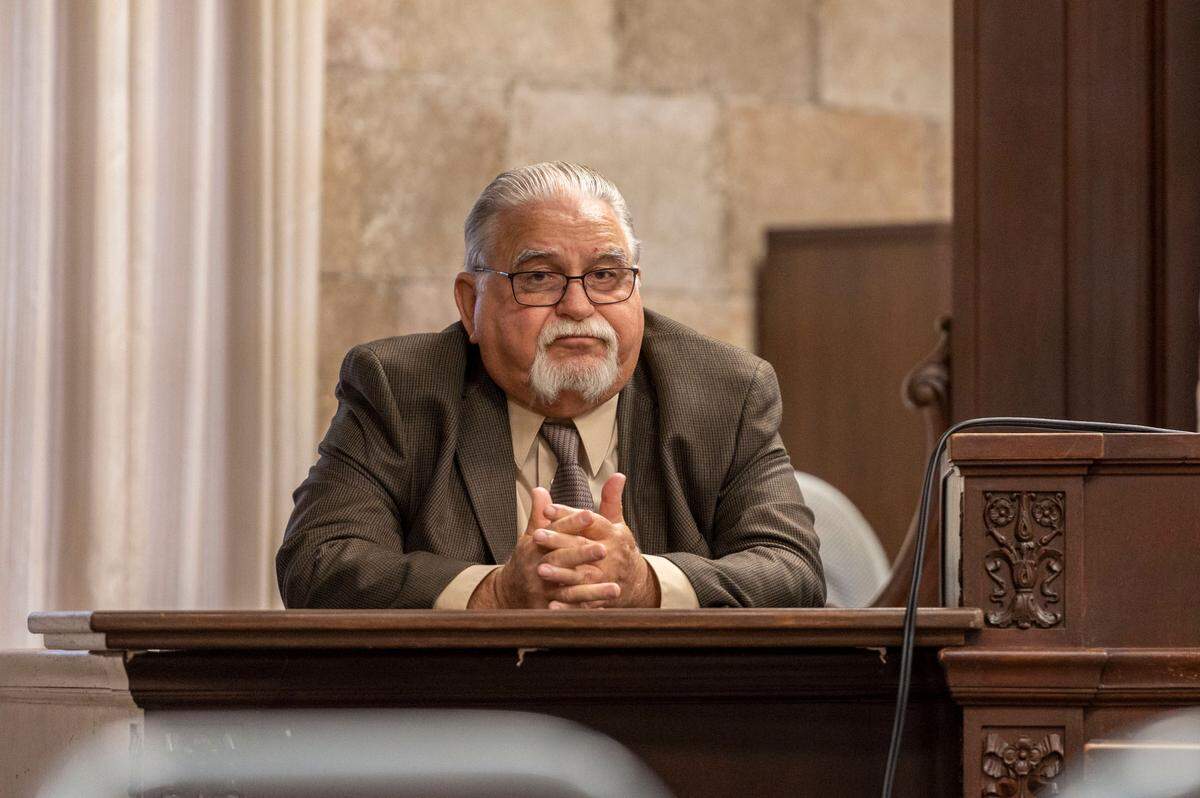
Questions about Golubski’s alleged association to drug dealers surfaced in 2016 in the effort to free McIntyre, who spent 23 years in prison for murders his lawyers say were committed by an enforcer for Brooks’ gang. His attorneys contend Golubski sabotaged investigations to shield gang members — they named eight of them in recent court filings — in exchange for payments or drugs.
Numerous homicides in KCK, McIntyre’s lawyers alleged, were “inadequately investigated” or not prosecuted because Golubski was protecting those known criminals.
“In fact, strings of seemingly related homicides remained unsolved during Golubski’s tenure, because he was protecting some of his drug confederates or was concealing his own extensive contacts with a female homicide victim,” McIntyre’s attorneys claimed as part of his lawsuit, which the Unified Government of Wyandotte County settled this summer for $12.5 million.
Golubski denied the many accusations against him in the McIntyre case. His lawyers said he did not protect drug dealers from prosecution, “in this case or otherwise.”
BEHIND THE STORY
MOREHow we did this story
To report this story, The Star reviewed dozens of affidavits and other exhibits filed as part of Lamonte McIntyre’s federal lawsuit against Roger Golubski and Wyandotte County.
The sworn statements, many of them signed by residents of Kansas City, Kansas, were taken over the course of years by lawyers and investigators working for McIntyre. Some of the documents, including one cited in this story, were signed and notarized as recently as this year.
The affidavits were taken before Golubski was arrested by the FBI and before federal prosecutors hinted at his alleged connection to “organized crime” in his criminal case.
In depositions and statements, witnesses in the McIntyre case painted Golubski as having a relationship with Brooks and other drug dealers.
One of them, a woman who has asked The Star not to name her, wrote in a 2015 affidavit that she was previously involved in KCK’s drug world. Before she turned her life around, she wrote, she was well acquainted with big-time drug dealers — including Brooks, who was one of her suppliers — and, as a “trusted associate,” was present when they discussed their illicit businesses.
Those men, including Brooks, paid Golubski to stay out of legal trouble, the woman claimed. At their meetings, Brooks and his associates talked about Golubski as their “protector,” she wrote.
Her affidavit also spoke to the dealers’ violence. The men “engaged in kidnappings, beatings and other violent acts,” she noted.
“They knew they could do this because they had Golubski on their team,” she wrote, portraying the cop as a member of the criminal community. “The perception was that they could do anything.”
Another woman, whose name is redacted in public records, feared a drug raid when she lived at townhomes run by Brooks, with whom she was acquainted. But Brooks told the woman not to worry, she remembered. He seemed “very confident” that KCKPD would not bust him.
“The police look out for me,” Brooks responded, according to the woman’s affidavit.
The woman who used to work at McCall’s also saw Golubski with Brooks at those townhomes, according to her statement. They “seemed to socialize” with underage girls there, she wrote.
That complex, located at Delavan Avenue and 26th Street, was at times referred to as “New Jack City” — a reference to a 1991 crime movie — because it was “overrun” with drug activity when Brooks operated it, according to the woman’s statement.
The teenager who Golubski is charged with sexually assaulting, who is referred to in court records as S.K., testified that drug dealers called Golubski “Boss man.” He kept marijuana, crack and pills in his squad car, she said, and she saw him give crack to Black women.
During a 2020 deposition, S.K. also recalled witnessing Golubski exchange money with men she believed were drug dealers. She once saw him get upset with one of them, she recalled under oath two decades after the fact, and Golubski told the man not to “f— with” him.
“I run this s—, don’t nothing get past me,” Golubski told the man, according to S.K.’s testimony. “Anything that moves in the city moves when I say so.”
A violent drug gang
Former KCK officer Ruby Ellington said in a 2015 affidavit that when she worked in vice and narcotics, she and her colleagues tried “many times” to bust Brooks, who she described as “notorious.”
But it became apparent, after trying to use informants and search warrants, that Brooks was being tipped off, recalled Ellington, who died in 2019.
“Each time we tried to make a case against Brooks, we came away with nothing,” wrote Ellington, who worked at KCKPD from 1975, reportedly as its first Black woman officer, until 2000. “We had strong reason to suspect that unknown officers within the department were working against our efforts and were warning Brooks about planned raids or stings.”
During the 1990s, the FBI believed the city’s crack problem was “extensive” because police largely ignored it, according to their memos. One agent thought KCKPD had been corrupt for decades, saying the situation would “only deteriorate” unless several officers were convicted.
“The problem is as bad as it is because of corruption within the police department and general investigative incompetence,” an agent wrote at the time.
At least two officers were indicted in that era, including Edward Dryden, who in 1993 was convicted of conspiring to distribute crack. He allegedly kept a drug ring informed of police activity.
In addition to drugs, the Brooks crew was particularly violent, according to city residents and former cops who worked in that period.
“Oh, I mean Cecil Brooks’ involvement in drug activity, prostitution, violence, murders, I mean, Cecil Brooks is a — was a known criminal,” former KCK officer Michael Kobe testified last year when asked if Brooks was a suspect in any homicides.
Brooks has never been charged with murder. He has faced other allegations over the years, though, including in 1995, when Brooks and two relatives were charged with kidnapping and battery in Wyandotte County. That case was thrown out when the victim said he “could not say” the defendants were the perpetrators, according to court records.
Once, one witness in McIntyre’s civil case said she was with Brooks when he “tortured a man by sodomizing him with a broom handle.” She knew Brooks and one of his members, Aaron Robinson, tortured a man by “making him sit on a hot plate with his pants down.” The woman also watched Robinson and a cousin engage in a shootout at North 7th Street and Quindaro Boulevard, she said.
Evidence showed the real killer in the 1994 case that sent McIntyre to prison was Neil Edgar Jr., an enforcer for Brooks’ gang, McIntyre’s lawyers have said. But Golubski protected the group from investigation, they alleged.
Brooks has said Edgar committed the murders and got paid to do it, which Edgar denied. Edgar later went to prison for fatally shooting a man three times in the head in 2000, dumping his body in the trunk of a car and setting it on fire in Kansas City, Missouri.
‘Beware of Golubski’
Michael Bussell, a retired Lenexa detective who worked on the McIntyre case as a private investigator, said community members believed Brooks paid off Golubski because he “could almost run with immunity,” despite being a “kingpin” whose drugs also flowed into Johnson County.
Bussell interviewed Brooks in prison as part of his years-long investigation. Brooks was open and easygoing with Bussell, telling him that Edgar committed the 1994 murders and that his crew did not even know McIntyre. But once Bussell asked about Golubski, Brooks’ demeanor shifted. He looked down, shook his head and said he would not talk about the now-disgraced cop.
“I gotta get out of here someday,” Bussell recalled Brooks saying. “I’m not messing with that.”
It appeared to Bussell that Brooks did not want retribution from Golubski or anyone the former detective knows.
Documents from Bussell’s investigation have been given to the FBI. As he conducted interviews, Bussell learned residents feared Brooks as well as Golubski. Systemic corruption, Bussell said, crippled the KCK community, where kids were told: “Beware of Golubski.”
“They don’t trust the police,” Bussell told The Star. “And there’s a lot of people who came forward to say, ‘Hey, this is going on in our community.’ And nothing was done about it.”
In court filings, McIntyre’s attorneys said Golubski’s ties with Brooks’ crew raises questions about the “integrity” of other murder cases. They listed several such killings: a 1997 homicide, in which a drug enforcer for Brooks was identified but allegedly dodged charges once Golubski got involved; a killing in 2000, in which the same perpetrator was named but not charged; and the stabbing death of a woman, also in 2000, where a relative of Brooks was suspected but not prosecuted.
In his deposition in the civil case, Golubski invoked his Fifth Amendment right to remain silent — as he did hundreds of times to other questions — when asked if he misused his police authority to ensure Brooks nor his top members were ever “caught or prosecuted.”
WyCo’s first gang expert
In 1991, a judge allowed Golubski to testify at a jury trial as a gang expert — which prosecutors described as a first in Wyandotte County, according to a Star story at the time.
Golubski told the judge he had conducted more than 100 interviews with gang members in the previous two years.
“The detective said he shared information on gangs with police departments in Kansas City, Los Angeles and Chicago,” a reporter recounted.
But some community members believe Golubski used his position to wreak havoc. In one situation, Golubski’s alleged protection of a gang forced a woman to flee KCK, according to McIntyre’s civil attorneys.
It was 1999. The woman, whose name is redacted in public court filings, recalled that she was 19 when she told Golubski she knew who killed two of her friends. Not long after, she wrote, she heard that Golubski “told the murderers” she had snitched.
“That made me a target of those killers, and they started chasing me with their weapons,” she wrote.
One time, the woman wrote, she thought associates of the gang were going to kill her when they showed up with an assault rifle.
She decided to move to a state far away.
Brooks crew interviewed by FBI
In 2007, a Brooks associate told police that the drug dealer had hit him in the head with a beer bottle, knocking him to the floor, and burned his back with a hot iron. The man said Brooks was mad because he thought he had lost or stolen $1,000 worth of crack.
The victim said Brooks ran a “crack house” out of a Topeka apartment and used a home in the 1900 block of North 24th Street in KCK to convert powder cocaine into crack. In investigating the “Brooks Drug Trafficking Organization,” as federal prosecutors called it, officers surveilled the KCK house and picked up trash outside, discovering bags containing drug residue.
Members of KCKPD’s SCORE unit executed a search warrant at the house and found Brooks, a loaded handgun, a bullet proof vest, ammunition and digital scales, among other things.
Brooks was among six people indicted. Initially, one of his co-defendants told officers he was too scared to tell them his supplier was “Cecil” because he feared he would kill him or his family.
In 2009, Brooks pleaded guilty to conspiring to distribute crack out of the apartment near Topeka High School, just blocks from the Kansas State Capitol. He was sentenced to 18 years in prison.
Now 60, Brooks remains incarcerated at the Federal Medical Center in Fort Worth, Texas, and is expected to be released next year. He did not respond to a letter seeking comment.
Members of Brooks’ crew have been interviewed as part of the ongoing federal investigation into Golubski, according to a source familiar with the probe.
For his part, Brooks in a 2016 affidavit said he was “acquainted” with Golubski. Twice, he wrote, he saw Golubski take drugs — including as much as $700 worth of cocaine — off of people without arresting them.
“In both instances, Golubski never searched me for drugs,” Brooks wrote. “He knew I never carried them on my person.”
Then in 2021, Brooks was asked if the detective worked for him “in any fashion.”
“Were you protected from being criminally charged as a result of your connection with Roger Golubski or your work as an informant?” a lawyer asked Brooks during a deposition.
He responded: “I take the Fifth.”