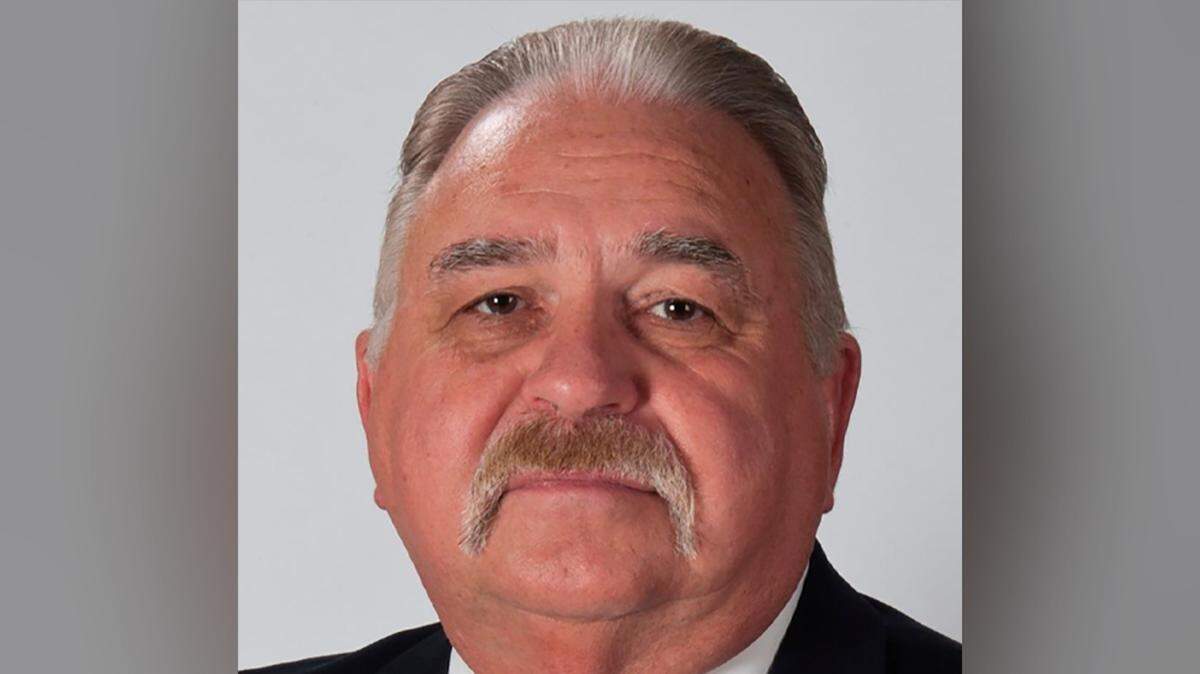
Murdered KCK prostitutes all connected to one man: police detective Roger Golubski
READ MORE
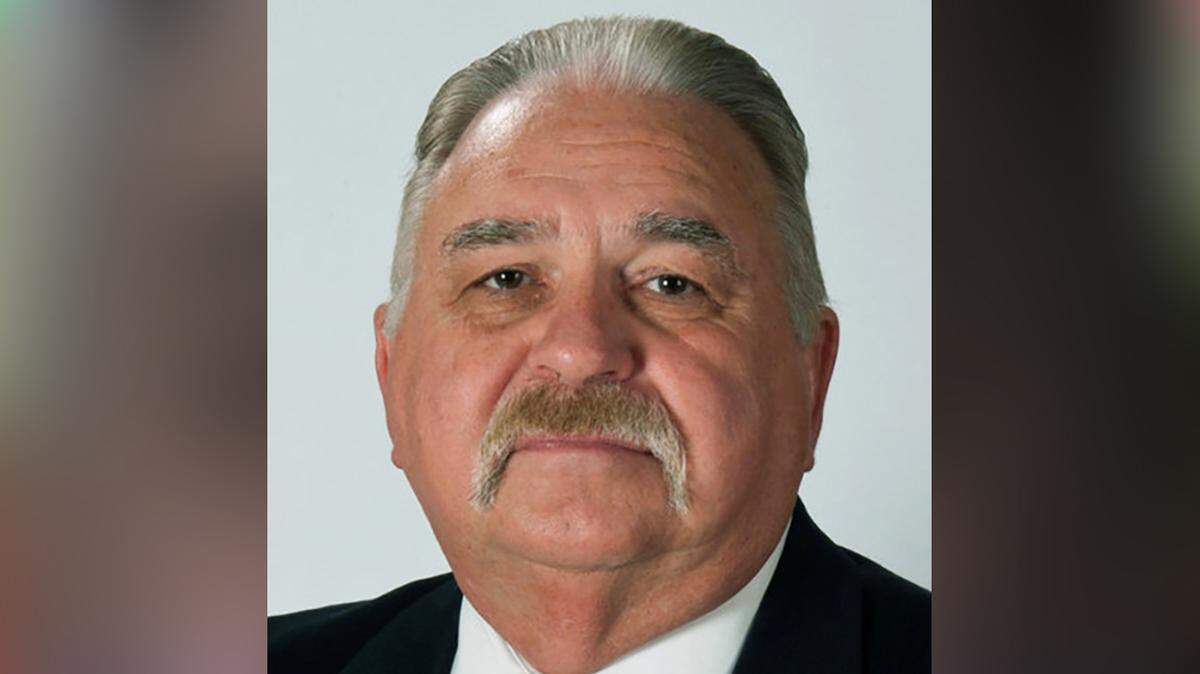
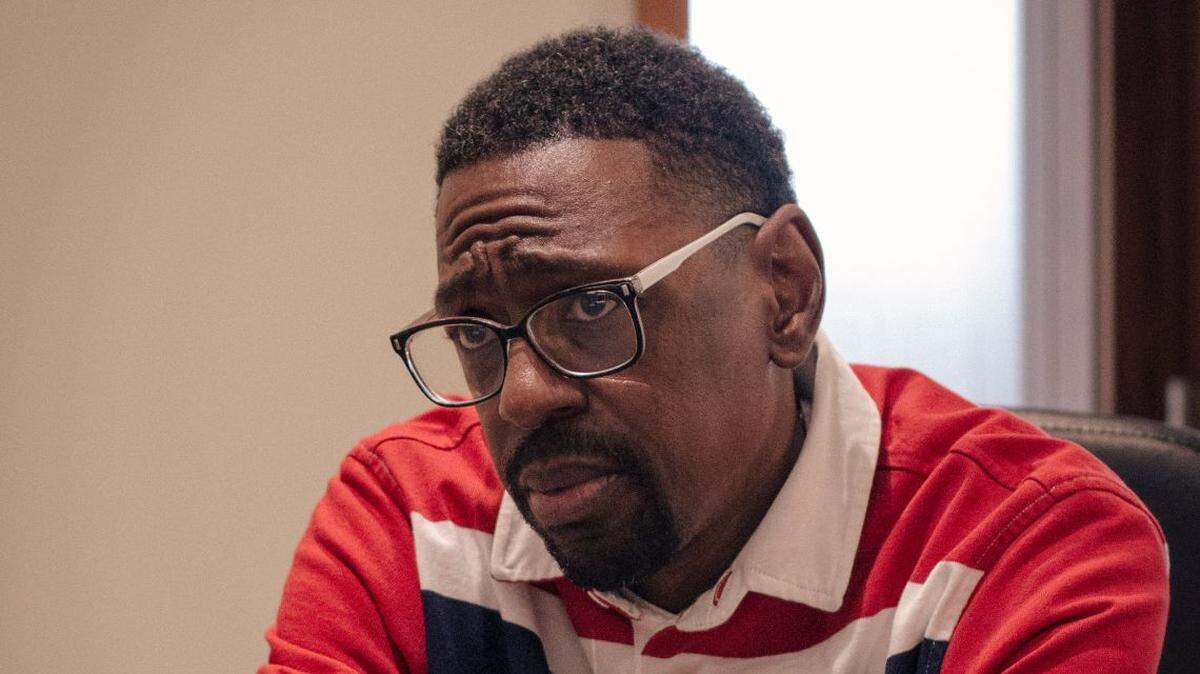
Former KCK detective Roger Golubski
Roger Golubski, a former Kansas City, Kansas, police detective, has been accused of using his badge to exploit and rape vulnerable Black women. Here’s the story so far.
Expand All
The common denominator in the murders of six Black women who were killed in Kansas City, Kansas decades ago is that they all had a close connection to Kansas City, Kansas homicide detective Roger Golubski.
Five had been blackmailed, bribed or otherwise coerced into sexual relationships with him, according to their friends and relatives. The sixth had only been seen around with him.
Think about that: Wouldn’t any other man who’d been having sex with a series of murder victims be a suspect in their killings? Or at a minimum, someone the cops would want to talk to? That he was also the investigator in some of these cases is wrong on its face.
And is that why five of these homicides were never solved? Because here’s what happened after these women were murdered: in most cases, nothing.
Was the Kansas City, Kansas Police Department covering up for Golubski, or did they just not care?
If you were one of “Golubski’s girls,” as activist Khadijah Hardaway calls the women he exploited, you were already in deep trouble. Like others he is accused in a lawsuit of pressing into service sexually and as informants, these were all women who had become addicted and were working as prostitutes.
Conveniently for the guilty, there was no public outcry when they disappeared. A line or two in this newspaper announced that their bodies had been found mutilated or strangled or shot.
Golubski’s attorney, Morgan Roach, did not return messages seeking comment for this column, and the KCKPD says they don’t talk about ongoing investigations, which since there’s no statute of limitations for homicides, these technically still are. If they were really ongoing, you’d think police would have turned up something after all these years, wouldn’t you? But then, the dishonesty of pretending these are active investigations is so obvious that it isn’t intended to fool anybody.
We know these murders were never properly investigated because those closest to the victims were never even interviewed about possible leads. So their families still have no answers, and Roger Golubski is still walking around free and collecting a pension.
The FBI is now investigating at least one of these homicides, and the Wyandotte County District Attorney should reopen the cases of every one of these women, who were powerless but not unmourned.
‘Treating her like a piece of garbage’
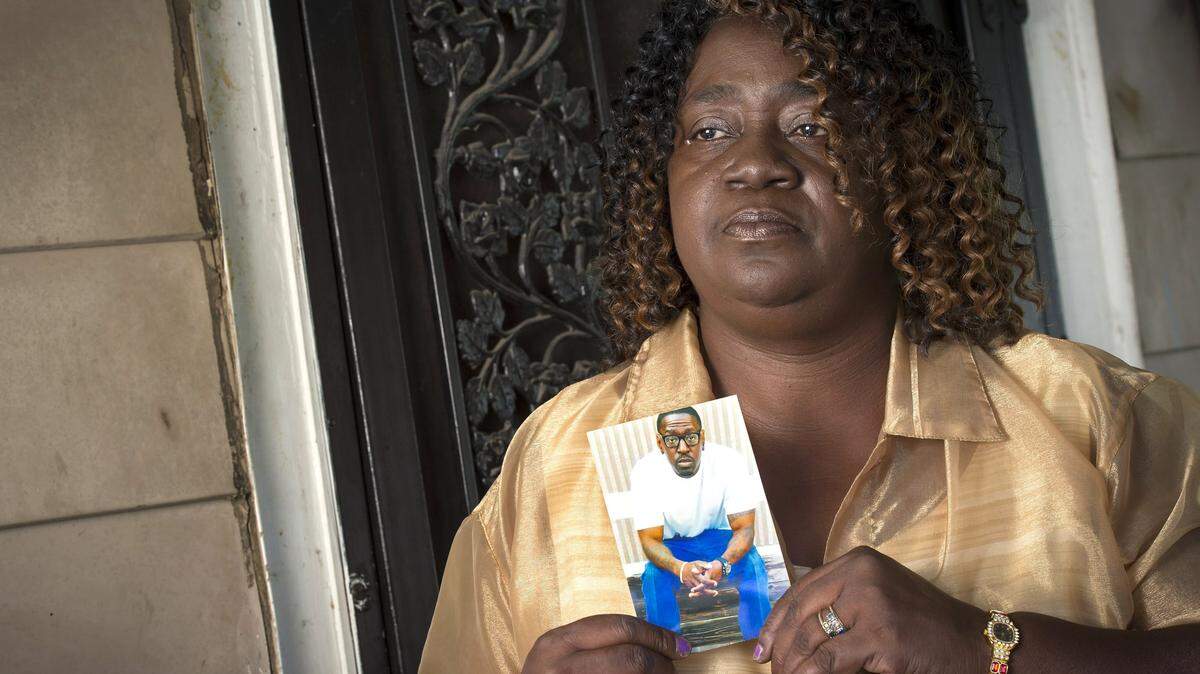
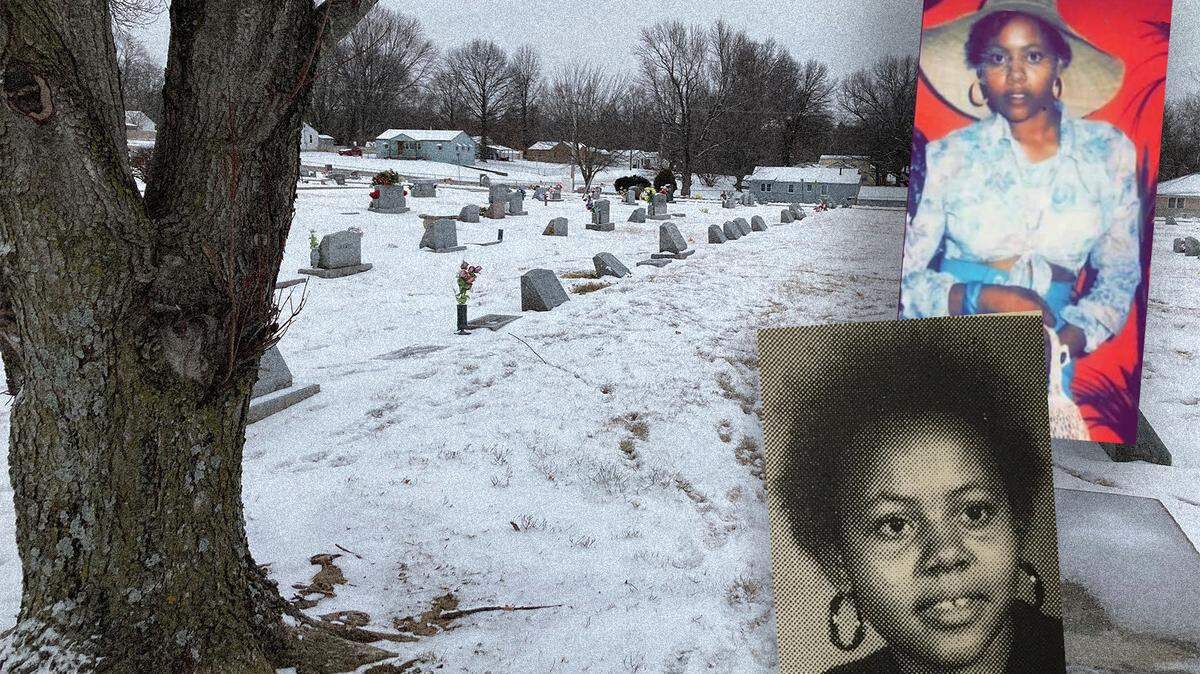
The body of Gloria Montgomery’s 34-year-old sister, Diane Edwards, was found decomposing near a landfill off Interstate 70 on October 9, 1997. “The hurt comes from them treating her like a piece of garbage” whose murder wasn’t worth even trying to solve, says Montgomery. “She was still a person.”
A sweet person, those who knew her said, who adored her two children and hated the drugs she was always trying to quit. In the Wyandotte County jail on prostitution charges two years before she died, she sent worried notes to officials begging for access to a phone, so she could check on her kids. She also asked for a Bible and a birthday card she wanted to send. That may be the only written record she left behind.
What was left of her body was found in some weeds by a man who’d stopped by the side of the road to relieve himself. Only five minutes after the dispatcher put out the word about the discovery of Edwards’ then still unidentified body, according to a police report, Golubski was the first officer to arrive on the scene.
Her autopsy was conducted by Erik K. Mitchell, whose forensic mistakes contributed to the wrongful convictions of Hector Rivas, who died while waiting for a retrial after his conviction was overturned, and of Pete Coones, who died this February. In November, Coones was released from prison after serving 12 years for a murder he did not commit.
In the summary of his autopsy of Diane Edwards, Mitchell said the “configuration of the body at the scene and scene information are compatible with a probable sexual assault and a homicide, most likely by asphyxial means” a month or maybe two earlier. In other words, who knows.
Montgomery called police many times over the years to see what police had learned about her sister’s death. The investigation is ongoing, they kept telling her, and only Roger Golubski could talk to her about it. The one time she got him on the phone, he said he would come talk to her before he retired, but that never happened. The next time she called, he had already gotten his going-away party. That was in 2010, 13 years after Diane’s death. In all that time, they’d never told her a thing. Or asked her anything, either.
Edwards’ ex-husband, Allen Young, Sr., who had remained friends with the mother of his children, had filed a missing persons report a month before her body was found. He told me that not long before her death, she had talked to him about being abused by a boyfriend. “One day when she came over, she had burns on her neck, choke burns.”
When she was found dead, “I slightly thought that her boyfriend may have had something to do with it.” That boyfriend disappeared after her murder, but police didn’t want to hear about that, Young said. After detectives came to tell him they’d found her body, “we never heard from them again.”
Diane had also told her son, Allen Jr., who last saw his mother on his first day of fifth grade, that her boyfriend had “attempted to kill his last two women. I’m 12 and I wanted my mother’s murder investigated, but they never looked into it. I do feel like (Golubski) is the one who covered up. Once they came by and said she was gone, we never seen them again. They never talked to any of us again.”
An investigation by someone she’d been seen with when she was alive, as Edwards had been seen with Golubski, has a built-in conflict.
And an investigation that doesn’t ever get around to asking the victim’s loved ones about the man who’d been abusing her and then had disappeared? That’s no investigation at all.
Her remains were identified by “one post-mortem print” that was “of sufficient quality for entry” into the Kansas Bureau of Investigation’s database, according to her autopsy. Her son had heard they’d IDed her by dental records, but he didn’t think that could be right, since “I don’t know she had any dental records.” A life can’t just be erased without any follow-up at all, can it?
Yes, as it turns out.
‘Golubski was driving the car’
Another murder victim involved with Golubski was 39-year-old Rose Calvin, whose family had often seen her with the police detective, and had heard her talk about what a bad guy and dirty cop he was. When her body was found, in July of 1996, Golubski wouldn’t let her relatives see her body, and told them it was badly decomposed, which was not the case. They knew it couldn’t be, since her niece had seen her alive only the day before.
Should a cop who’d been involved with the victim have had anything to do with her case? Absolutely not, yet Golubski was assigned to investigate hers, along with two other detectives.
Another such victim was Rhonda Easley Tribue, whose 1998 death the FBI recently announced that it’s looking into. The last time Tribue’s friend Niko Quinn saw her alive, she said she was going to meet Golubski.
“She was on my porch and we were sitting there talking and I put some finger waves in her hair that day. Then she said, ‘Well, I’m about to go meet my trick.’
As she walked up the street and around the bend, just out of sight, a detective car drove by her house. “Golubski was driving the car. I seen him.” Just a few seconds later, he came back down the street. When he drove past Quinn’s house again, there was someone in the car with him.
The 33-year-old mother of six was found dead early the next morning, on Oct. 8, 1998. An autopsy showed Tribue had died from multiple blows to her head and extremities. It also said her body may have been dragged. Her murder was never solved, either.
Just as Golubski allegedly made a habit of putting KCK prostitutes to work for him, Quinn made a habit of trying to look out for them: “I gave them shelter.”
Tribue’s death was an almost exact repeat of 26-year-old Monique Allen’s on January 10 of 1998. Monique, too, had been at Quinn’s house, to change clothes before meeting her trick. “I saw the detective car come by” and saw Monique get in. The next day, she was found bludgeoned to death. Quinn didn’t see who was driving that time, or know who she was meeting, but she did know that Golubski was one of Monique’s regulars. Again, no one was ever arrested.
When Niko’s own sister, Stacey Quinn, who she says Golubski had started raping when she was still a teenager, was found shot to death at age 32 on January 16, 2000, it was Golubski who interviewed witnesses and Golubski who came to inform the family, along with other detectives. After all the times his car had been parked at her place, and all the times Stacey had told them that he was not just a devil but the Devil, he still laughed at another detective’s crack that hey, on the bright side, if she’d lived, she “would have been a vegetable.”
When Golubski showed the Quinn family a photo of Stacey’s body and asked them to identify her, “We all said, ‘You know who she is because you used to mess with her!’ And he said yeah, but this is procedure.” Her family never believed that Marcus Washington, the young man convicted of her murder, had been responsible, at least not by himself. A woman who had just turned 100 told police she’d seen her hopping around in the middle of the street screaming for help, but decided against opening the door. Stacey left one shoe in the street, and because this was not a fairy tale, died on the woman’s lawn after being shot 17 times.
What Niko Quinn saw
The night before 30-year-old Liza Michie’s body was found, February 3, 2004, Niko Quinn saw her out walking in the snow. They were good friends, too. “She’d come and hang out at my house, take a shower.”
That night, “I turned around to get her,” but someone else had gotten there first. Not two minutes after yelling at her to ask what she was doing out tromping around in that weather, “I turned around on 32nd and saw the detective car come past me. I went back to go get her and footprints were there and she wasn’t.” When they did find her, she’d been shot in the head.
Natasha Hodge, who was also working as a prostitute in KCK then, said her friend Michie had admitted when she was drunk one night that she’d gotten mixed up with Golubski, too.
Hodge says Golubski was never violent with her; in fact, she saw him as almost a friend, since he never hit her and always paid her, both for sex and for information. But looking back on all of the murder victims he was involved with, “that’s scary I was alone with him so many times.”
Maybe the violent deaths of all of these women had nothing to do with their connection to Golubski. Maybe the fact that no one cared enough to investigate their murders was just more of the disrespect with which they’ve lived and died.
But others besides Quinn must have seen some of these women in their final hours, and anyone who did should step up and say so. Maybe no one was listening before, but they are now. The FBI wants to hear from you, and so do I.
The way these murders were handled was at a minimum criminally negligent. As Diane Edwards’ sister Gloria Montgomery says, “She was still a person.” She and the others were still mothers and sisters and daughters and friends. And we still, urgently, even if these murders did happen a long time ago, need to know what Roger Golubski and others at the Kansas City, Kansas Police Department know about how they died.
This story was originally published March 31, 2021 at 5:00 AM.