Why is Kansas City, Kansas, protecting former cop accused of abusing poor Black women?
READ MORE
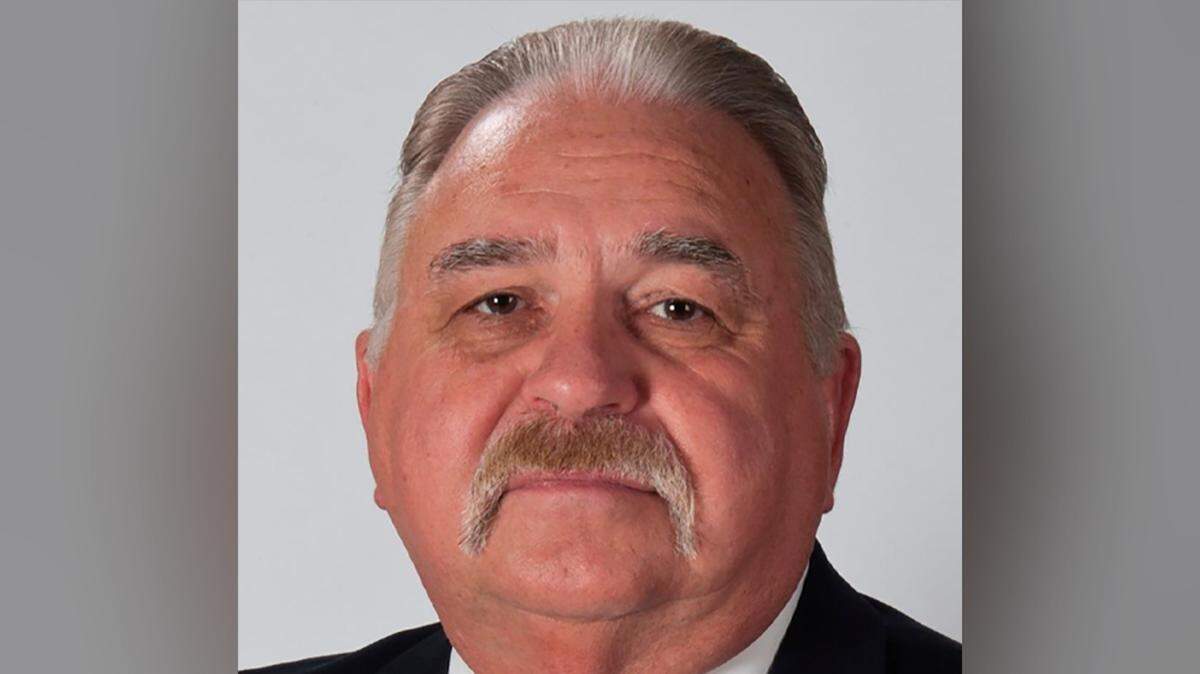
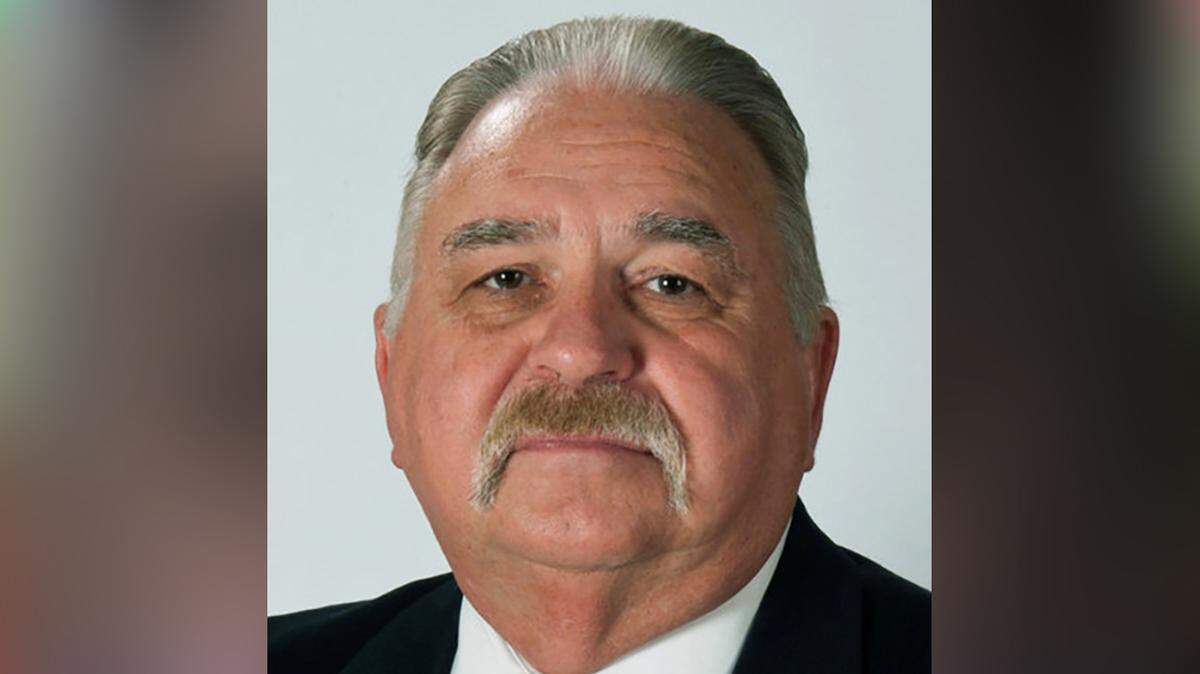
Former KCK detective Roger Golubski
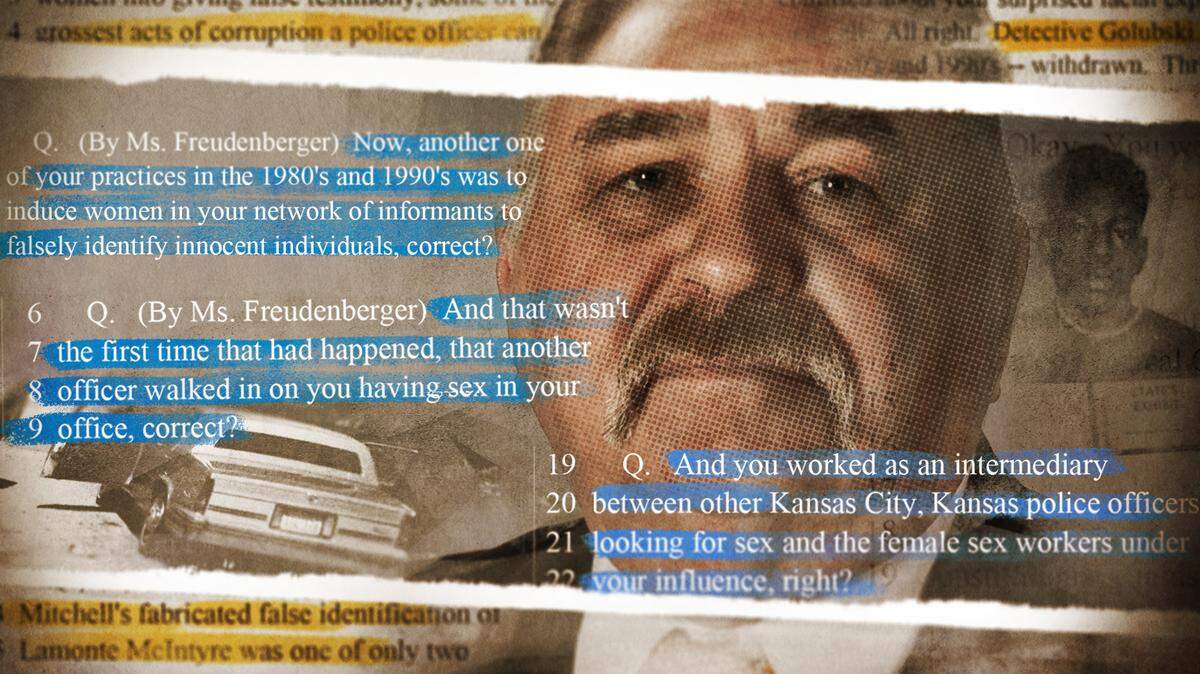
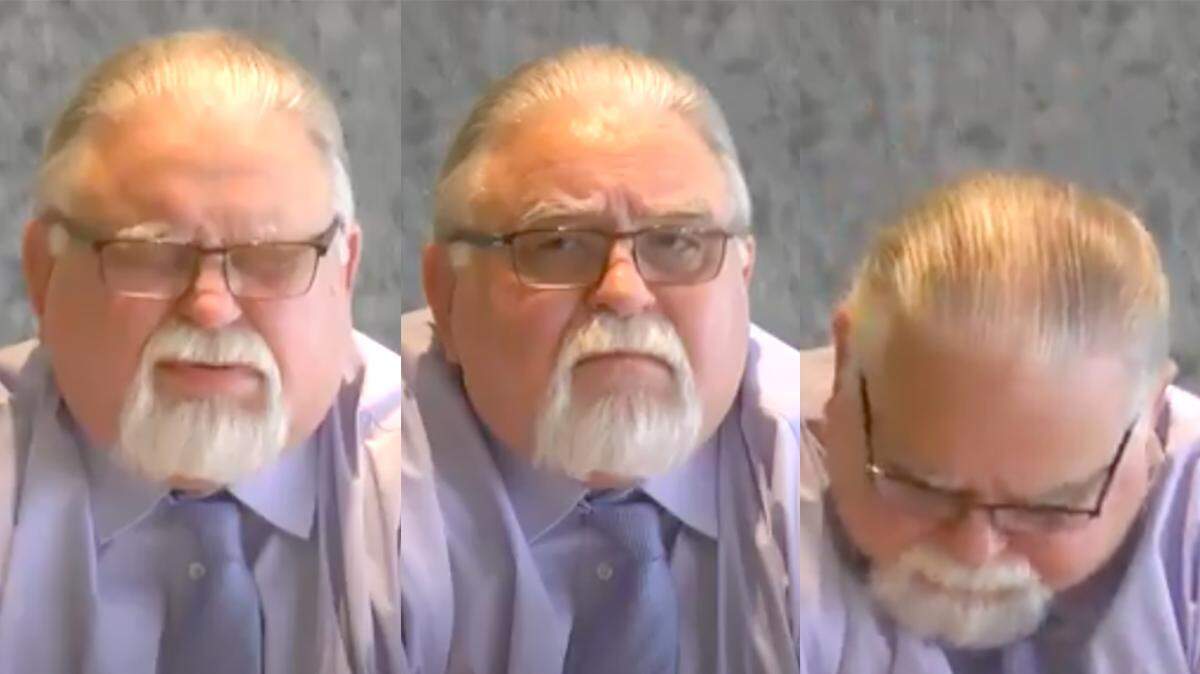
Roger Golubski, a former Kansas City, Kansas, police detective, has been accused of using his badge to exploit and rape vulnerable Black women. Here’s the story so far.
Expand All
All of those allegations that former Kansas City, Kansas, police detective Roger Golubski spent decades sexually abusing poor Black women, with a sideline in setting up poor Black men? Kansas City, Kansas, officialdom has always answered them with a pepper spray of denials and cries that this is old news. Old news that didn’t happen, I guess.
After George Floyd’s murder in Minneapolis set off coast-to-coast protests over police brutalizing people of color, David Alvey, mayor of the Unified Government of Wyandotte County/Kansas City, Kansas, did what is traditionally done in a crisis: He appointed a task force. It does not include the state’s first African American district attorney, Mark Dupree, who has pushed for police reform. Because, said Alvey, he wants objective members. You know, like the objective city leaders who have been so protective of Golubski and the status quo.
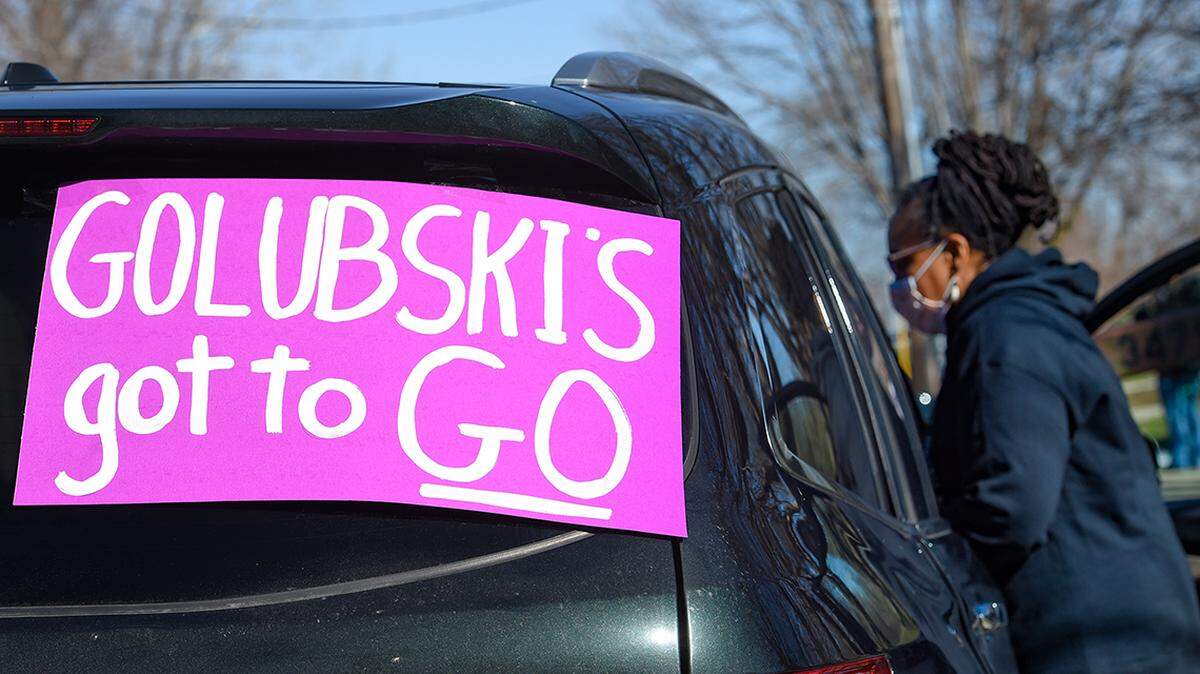
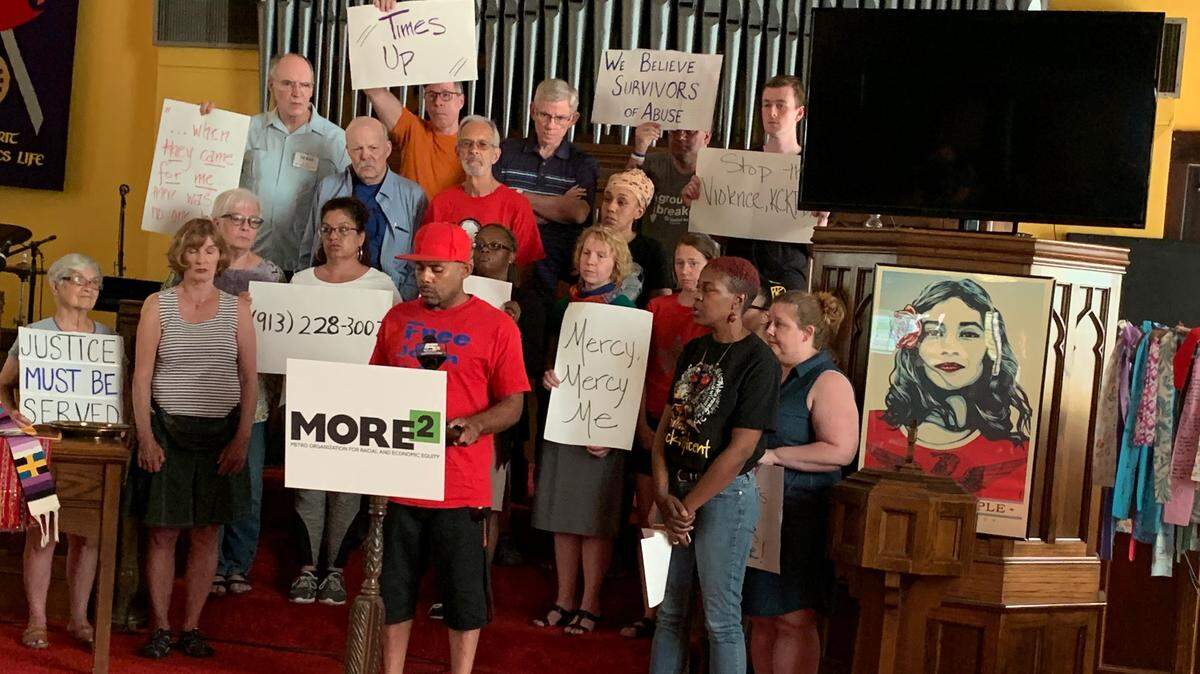
An hour after Alvey announced this new effort, a few dozen protesters organized by MORE2 — the Metro Organization for Racial and Economic Equity — showed up at City Hall asking for three things: an independent investigation into Golubski, an independent hotline for victims of police misconduct and community involvement in the choice of a new police chief. Doesn’t the fact that not one of these very basic, reasonable demands is new make you wonder why they haven’t done any of these things already?
In a court filing last month, Golubski himself answered the many allegations laid out in now-exonerated Lamonte McIntyre’s civil suit against him with blanket denials, a number of which are demonstrably false. One of the few things he did not deny, though, was that nothing he ever did was hidden from his department, where he worked for 30 years, then retired with a full pension in 2010. After that, he worked for the Edwardsville Police Department, and retired again in 2016.
When Golubski gives his deposition under oath some time in the coming months, will he still categorically deny that he “used the power of his badge to exploit vulnerable Black women”?
Testimony alleging sexual assault
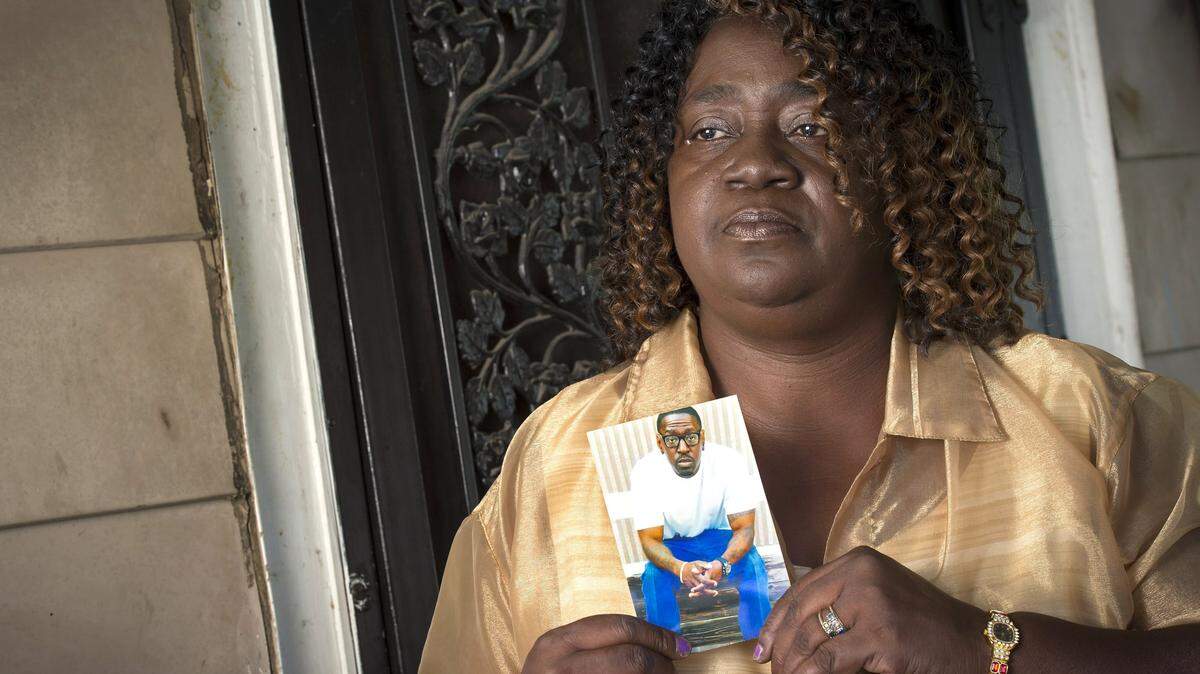
Most Kansas Citians know the story of Lamonte McIntyre, who served 23 years in prison for two 1994 murders he did not commit. And that of his mother, Rosie McIntyre, who has said under oath that Golubski sexually assaulted her, tried to force her into a sexual relationship, then years later set her son up for the murders, despite a complete lack of evidence against him.
But a stack of sworn affidavits that go well beyond McIntyre’s situation say that Golubski also manufactured other evidence, coerced other testimony and violated other Black women.
A number of these accounts accuse him of trolling crime scenes looking for Black women he could pretend to want to help. One woman I interviewed, Teresa Randolph, said that on the 2008 night that a SWAT team came to her home to charge her father in a fatal shooting, Golubski made his way to her bedroom and closed the door behind him. “I was in my bedclothes, he was sitting on my bed, and it felt almost violating, very uncomfortable.”
Then and in a number of later phone calls, he told her he could help her father if she’d meet him alone. “I always suggested that there would be another party there, and he said, ‘I’ll call you another time.’’’ The last time they spoke, “he got angry with me and said I was too educated for him,” Randolph said. Others said they weren’t so fortunate.
In one sworn affidavit, a woman tells about first meeting Golubski when she worked at a gas station at 5th Street and Minnesota Avenue. After a murder there, on a night she happened to have called in sick, she says he pretended to find this suspicious, calling and coming to her home over and over to interrogate her, “even though I knew nothing.”
According to her, he followed her for months after that, and “kept after me until I agreed to go out with him.” Then, after she stopped agreeing, he stalked her for another 10 years, calling her every day for the first year, and often showing up at her home and job, she said. In front of some friends who drove her home one night, he grabbed her by the necklace and twisted it until one friend called 911. Golubski also, she says, paid a neighborhood kid to break into her home twice, stealing nothing of value but giving him a reason to show up and dust for fingerprints.
Claims by teenager, prostitutes
Another affidavit is from a woman who says that Golubski tried to get her to have sex with him when she was 16 or 17. When she was 19, she cooperated with a police investigation into the murder of two of her friends, and then heard on the street that Golubski had told the two suspects that she was the one who had given police their names. “In fear, I fled Kansas City, Kansas. … We moved to a state far away, where I knew I could be safe.”
One former prostitute swore in an affidavit that “when Golubski or any of the other officers” he brought with him “came to the Bottoms, we knew we had a choice of providing sexual services or getting arrested.” Another said “you had to engage in a sex act with him if you wanted to stay out of jail. … Golubski always picked up the women in his police vehicle, and that is where the sexual acts were performed.”
Maybe you don’t trust the word of former prostitutes, as he seems to have counted on.
A former FBI agent, Alan Jennerich, who investigated him, said, “The women were powerless, and Golubski exploited them.” So why did nothing ever happen to him?
Former Kansas City, Kansas, police officer Ruby Ellington, who died last year and had known Golubski since the two went through the police academy together, said in her affidavit that his “exploitation of Black women was well known throughout the department. Despite this, he was never punished. In fact, he rose steadily through the ranks. … Everyone in the department knew that when Golubski would go out on calls, that any Black female involved would likely end up in his police car with him.”
Part of police ‘in’ crowd
And everyone, she said under oath, looked the other way: “Although some officers were disturbed about Golubski’s misconduct, they were afraid to speak up. … Golubski was part of the ‘in’ crowd at the department” and was “perceived as untouchable.” Still is, since he’s walking around free. His former partner, Terry Ziegler, only stepped down as chief last year.
Now, though, dozens of the citizens of Kansas City, Kansas, have stepped up to swear that they were terrorized by a police detective who effectively kept his knee on their necks for years.
Any case he touched needs to be looked at.
And if police and other city officials continue to protect Golubski instead of those they’ve sworn to serve, nothing else they do to increase trust with the community will matter.
“There is room for improvement,” interim Kansas City, Kansas, Police Chief Michael York said when the task force was announced.
In fact, there is nothing but room for improvement. And the obvious place to start is with Roger Golubski.
This story was originally published June 15, 2020 at 5:00 AM.