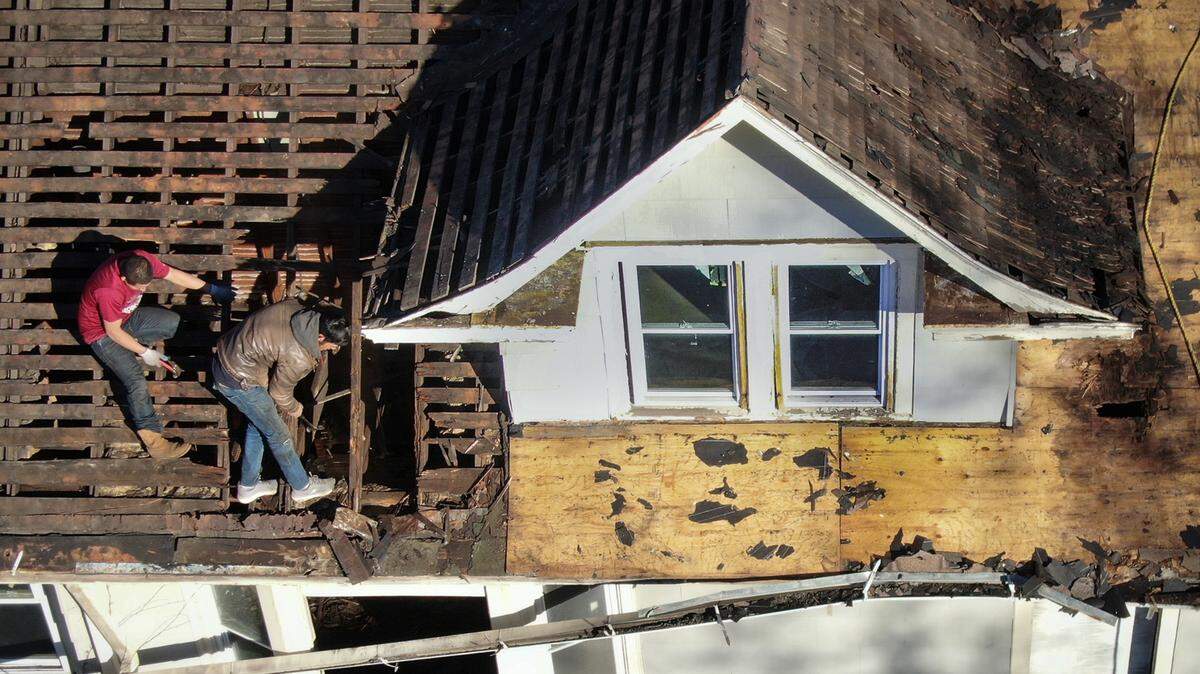
Plans for East Side revival come and go. Will City Hall’s latest make a difference?
READ MORE
Kansas City’s East Side land grab
A 2021 Star investigation looks into how a neglected section of the city has become a hunting ground for real estate speculators and why many Black residents feel they are once again being exploited and left behind.
Expand All
Countless plans for stabilizing Kansas City’s East Side neighborhoods are stacked on shelves and parked on computer hard drives up and down City Hall.
None has ever amounted to much. But despite the skepticism he knows is out there, freshman City Manager Brian Platt is committed to making the one now percolating inside his head amount to something.
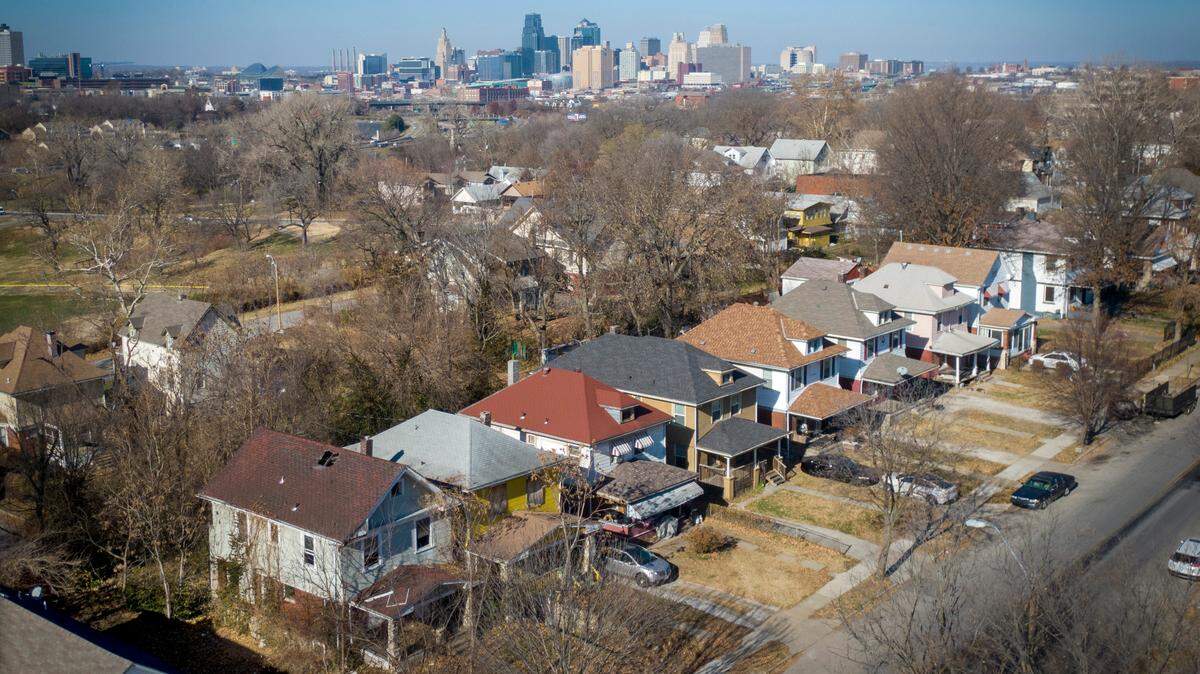
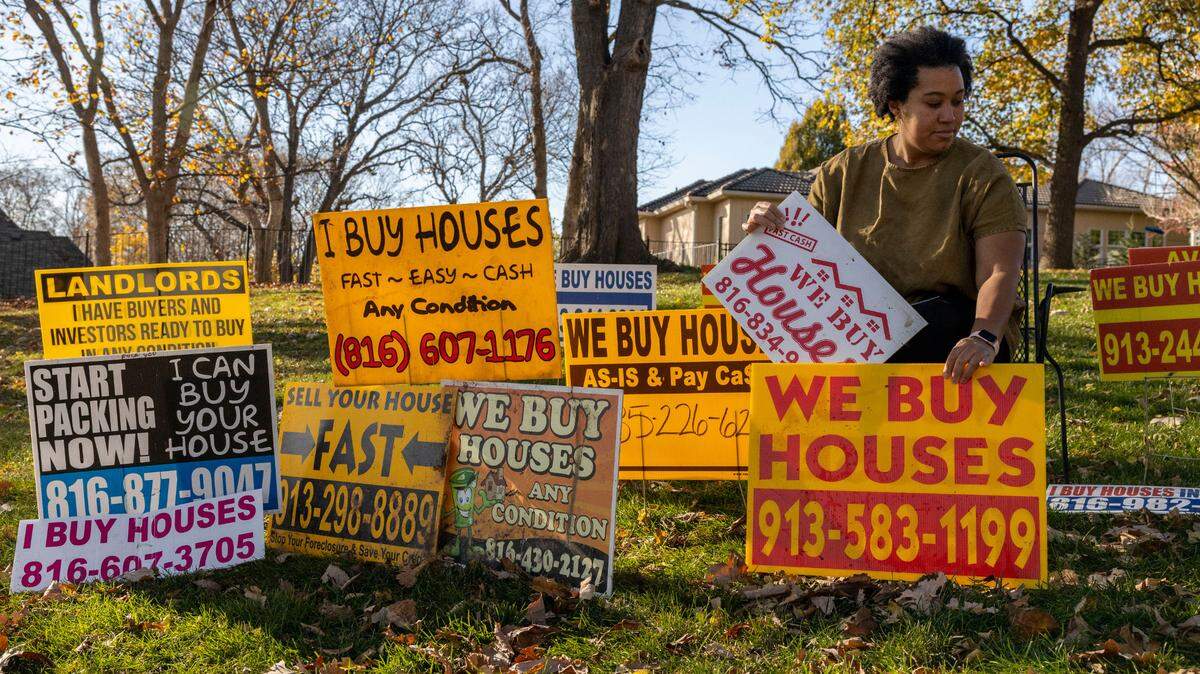
His idea: challenge developers to build single-family, affordable housing on the nearly 3,000 vacant lots the city owns east of Troost Avenue. Preferably not more apartments, although he’s not ruling that out. And preferably not more rental houses owned by out-of-state investors charging rents that, increasingly, working class folks simply cannot afford.
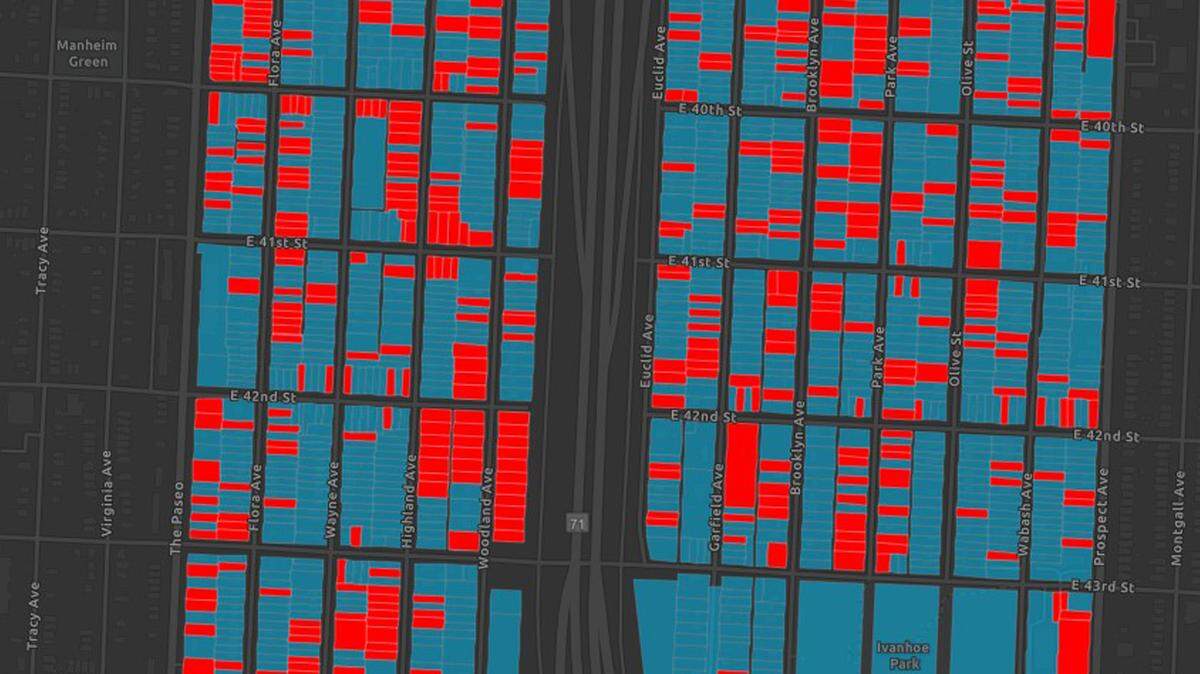
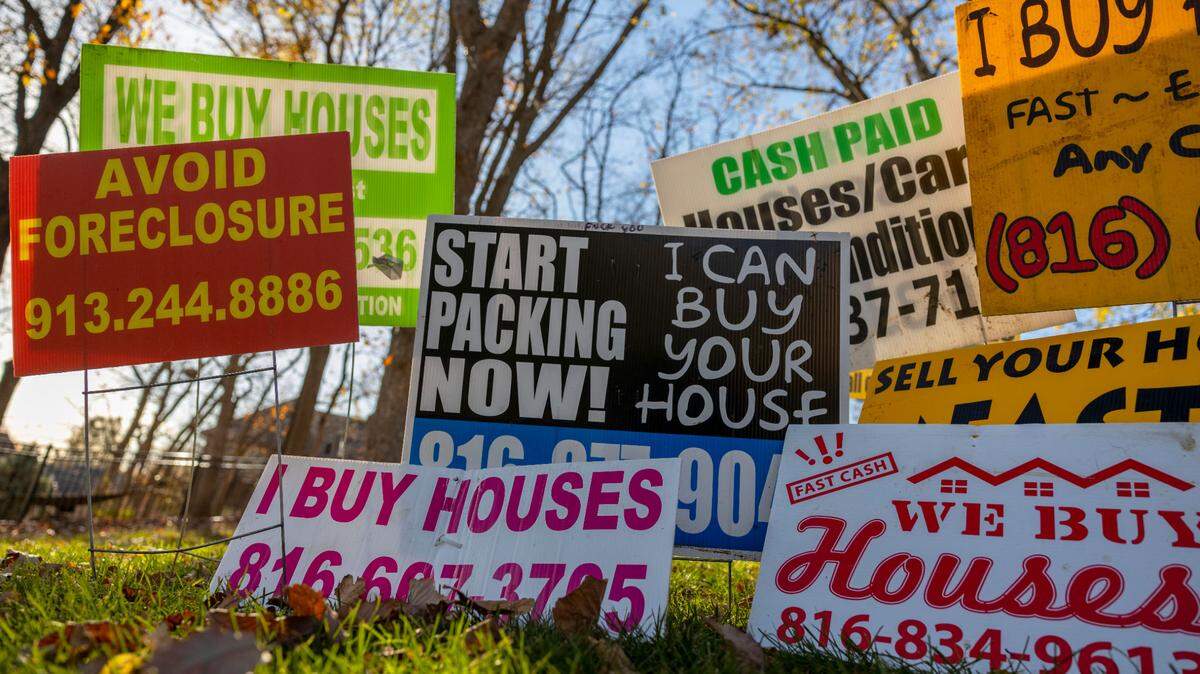
No, what Platt would like to see are affordable, owner-occupied houses whose construction the city would subsidize in an effort to reverse the decades of disinvestment that have left the city’s low-income and largely Black areas bereft of hope and, more recently, prey to land speculators who are pricing people out of their homes.
“That is a crucial part of the puzzle,” Platt said. “It’s often overlooked when cities talk about affordable housing, most affordable housing in cities is...multifamily apartments for rent. But building equity in the community is so important to getting people to be able to provide for themselves and their families and live a sustainable life.”

City officials will put out a request for proposals this week seeking ideas from developers on how to accomplish the vision that Platt and Mayor Quinton Lucas have for all those vacant lots that the city’s Land Bank and Housing Authority have acquired over the years. Their private owners abandoned the houses that once stood on them before they fell into disrepair and then were demolished as white and Black people alike migrated to the suburbs.
But given its track record, the city has shown itself far more capable of tearing down dilapidated houses than building new ones. Absent an influx of COVID-19 relief funds from Washington, not one dime would be set aside for affordable housing in the Housing Trust Fund that Lucas backed while he was a councilman in 2018.
Even now, with $12.5 million of those federal dollars earmarked for that purpose, the mayor and city manager acknowledge that they are a long way from meeting the goal of having $75 million committed to achieving the city’s goal of building or rehabbing 5,000 affordable housing units within five years.
But they’re committed to making it happen.
“We’ve got a mayor and council that is incredibly interested in focusing on the East Side at this point,” Platt said. “And these have all been priorities that have been expressed to me. And that is the difference. I think when the leadership is aligned on something like this, we find a way to start things moving again and maybe that was missing in years past but we’re 100% committed to this right now.”
Lucas, who grew up on the East Side and represented its poorest neighborhoods before being elected mayor in 2019, said the current administration is focused on building opportunities on the East Side. Some of that is by way of fostering visible projects like the 18th & Vine jazz district. Some of it is by reinvesting in infrastructure like street resurfacing. One-third of the roads resurfaced this year were in City Council districts 3 and 5, city officials said.
“How can we regenerate and restore so many of our neighborhoods in the core of the city that have been under invested for some time?” Lucas said. “I think that is the story of the 3rd and the 5th district.”
But it will take more than promises to convince East Side residents that city government is committed to do the work it will take to bring prosperity to the area — not just housing, but infrastructure, businesses and other development that gives an area vitality.
They’ve heard it all before, said the Rev. Antoine Lee, chairman of the Historic East Neighborhoods Coalition.
“It’s not a priority,” he said of City Hall’s view historically toward the East Side. “It seems as though they run out of ideas, they run out of passion, they run out of zeal when it comes to the East Side.”
‘A renewed focus’
Platt was appointed city manager in October 2020 by a council divided along racial lines. Lucas, the city’s third Black mayor, joined with the eight white council members in supporting Platt, the only white finalist for the job.
All four Black council members representing the East Side opposed his selection. So Platt knows it is in his interest to show those 3rd and 5th district council members that he’s serious about helping their communities and not wait for private business to take the lead.
“This is not a market-driven solution,” he said. “The city needs to be actively engaged in rebuilding and better supporting that part of the city.”
Platt and Lucas said they’d like to see the city once again incentivize home ownership in East Side neighborhoods. That could stabilize neighborhoods and help residents build equity and wealth.
From growing up there, Lucas says he knows full well the challenges of living in those depressed neighborhoods. His mom and other family members still live east of Troost.
Lucas acknowledged two true, but oftentimes competing ideas: that the East Side wants and deserves reinvestment after decades of neglect. And that such reinvestment can threaten to price already vulnerable people out of their neighborhoods.
“You are seeing a renewed focus in the city, saying that our goal is we want people to first be able to stay in their communities,” Lucas said. “Second, we want to make sure that to the extent there is investment in communities, it’s something that is additive, not subtracting from our communities. And then third, I think you want to have continued collaboration with the neighborhoods.”
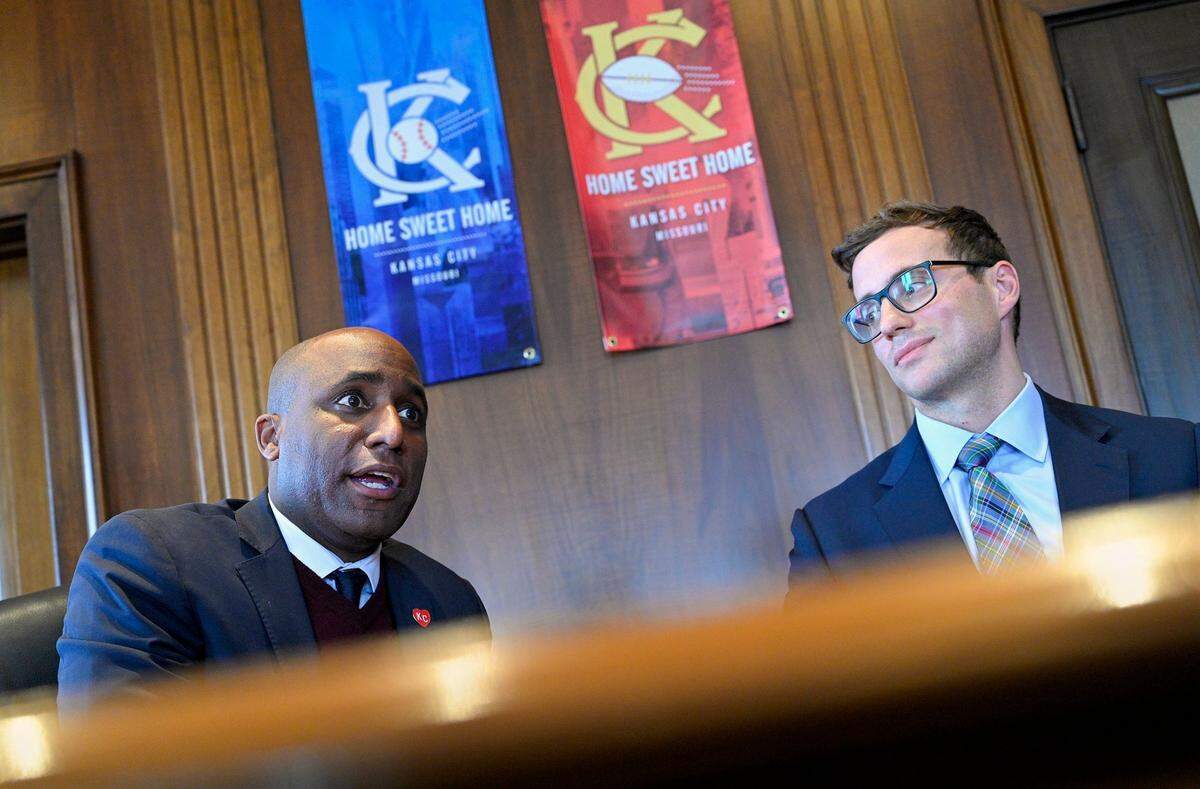
Platt said one of the city’s main priorities has been improvements in the historic 18th and Vine district. He also pointed to a $200 million investment at 63rd and Prospect as a “catalyst” that will “continue to push things forward” for the area surrounding Research Medical Center.
The city is also showing its commitment through a newly created housing department, Platt said, and a digital inclusion and equity initiative. Some 27 percent of metro households lack broadband internet, a new report found, many of them with lower incomes. So in early November, city officials announced a pilot program to bring more equitable internet access and “technology-focused education” to residents and businesses in the 3rd District.
But the depopulating East Side needs more than just new construction and faster internet.
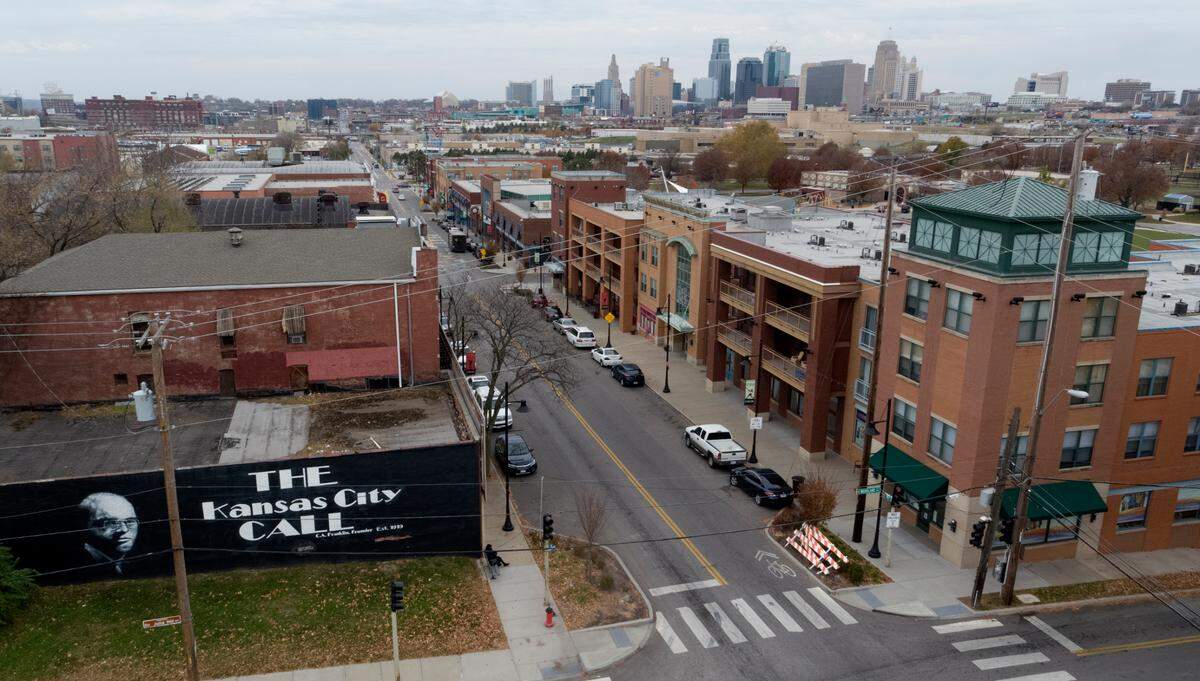
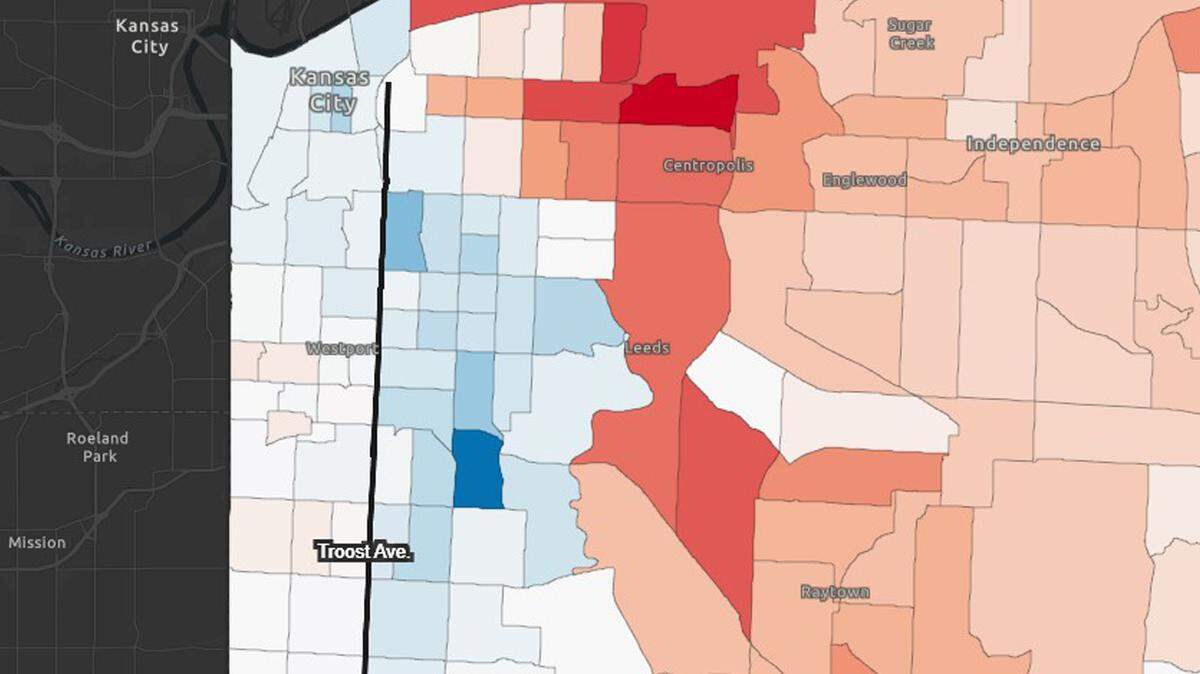
Fifth District Councilwoman Ryana Parks-Shaw said the city must address the root of what ails the East Side: racism. The chairwoman of the city’s health commission, she noted that life expectancies are as much as 18 years shorter in East Side ZIP codes when compared to other parts of the city. And that divide is growing.
To holistically improve the lives of residents, the city must invest more in public health and prevention programs, ensure equitable access to safe and affordable housing and support violence prevention strategies, she said.
“So if we can be intentional about investing in these things — investing in economic development, creating jobs and creating better opportunity access, better access to healthy foods, to healthy lifestyles — that we will see an improvement overall on the East Side,” Parks-Shaw said.
Decades of frustration
The challenge of rebuilding that part of the city is daunting after decades of disinvestment due to racially biased home lending policies, the inability of poor people to keep up their homes and highway projects like Bruce R. Watkins Drive and Interstate 70 that tore neighborhoods in two.
“They just destroyed the central city,” Ivanhoe Neighborhood Council president Dennis Robinson said of the Watkins freeway. “Forty years later we’re trying to put it back together. We have remnants of what things used to be. But come on. It’s gonna take millions and millions of dollars to rebuild this community.”
The city’s support of urban core redevelopment has long relied almost entirely on an ever dwindling number of federal block grant dollars to underwrite development projects. Since the 1980s, that support has fallen by nearly 40 percent.
Private sector support sunk, too, after the mid-2000s.
Since then, the city and other non governmental groups have tried various methods of sparking revitalization in the East Side.
In 2009, at the height of the Great Recession, U.S. Rep. Emanuel Cleaver suggested that the city direct the nearly $200 million in federal stimulus money it had coming to it toward energy-saving projects within five neighborhoods east of Troost Avenue and south of 39th Street.
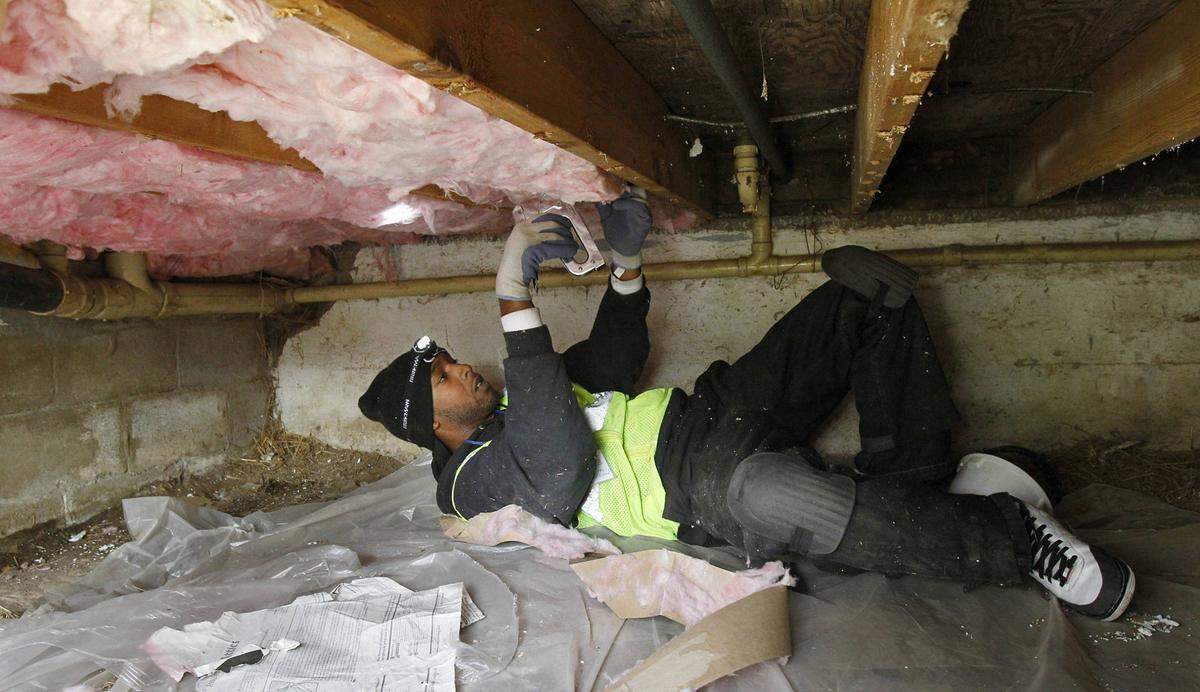
Homes within that Green Impact Zone were weatherized to provide jobs and cut down on people’s gas and electric bills. The Troost Max bus line was established and new construction was underwritten.
But the effort’s benefits were largely limited to that 150-block area and by 2014 the funds had run out and the Green Impact Zone office closed.
Then there was the Urban Neighborhood Initiative, one of the Greater Kansas City Chamber of Commerce’s “Big 5” ideas to improve the community. Announced in 2012, the initiative’s goal was to bring greater prosperity to the East Side, but it struggled to find its footing or gain the kind of financial support from the business community needed to be transformative.
The program continues to plug along, working with Habitat for Humanity on building homes on some of the 100-plus vacant lots the initiative controls in the Wendell Phillips neighborhood south of the jazz district.
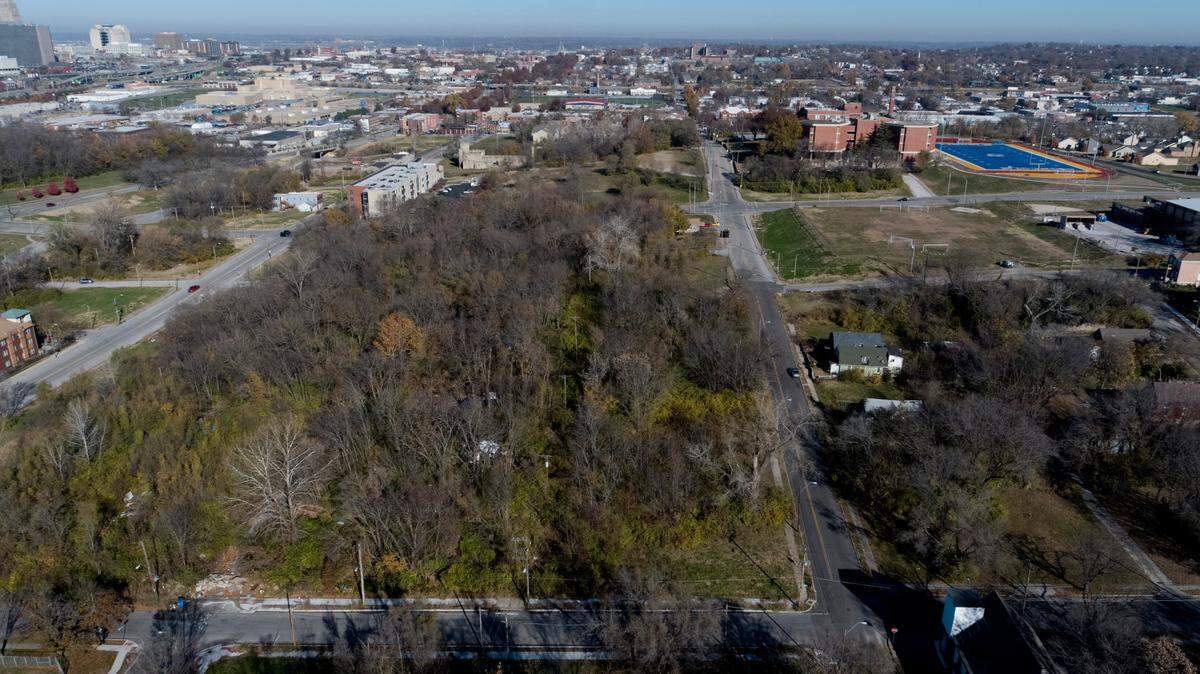
But most of that land sits empty years later because it’s not easy raising capital to build affordable housing, said Dianne Cleaver, the congressman’s wife who recently announced she was stepping down as head of the Urban Neighborhood Initiative.
“I think everything has been harder than I envisioned,” she said.
In 2016, Kansas City borrowed $10 million to demolish more than 800 dilapidated structures on the East Side. But in the end only about half that many were torn down, as property owners made necessary improvements to get them taken off the dangerous buildings list.
But there was no plan on how to replace the houses and small apartment buildings that were razed. And some might have been saved.
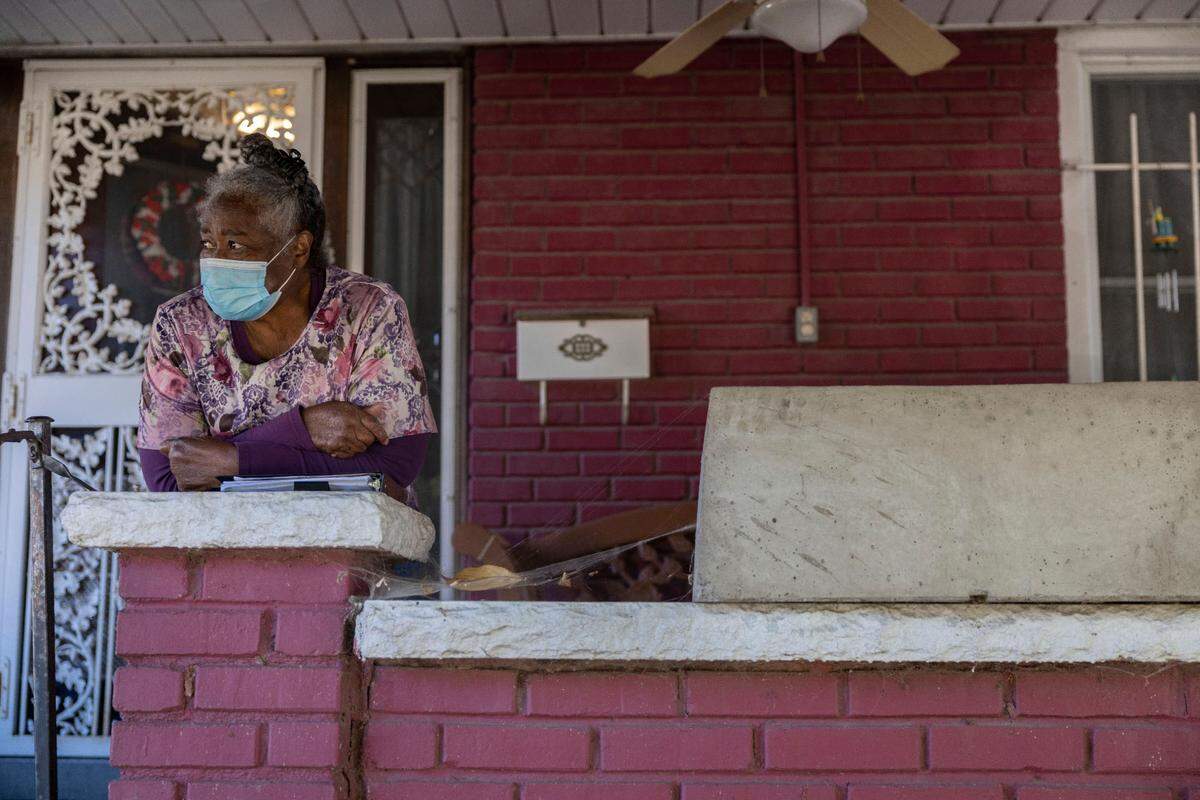
“These homes should have been rehabbed, they should not have been torn down,” longtime East Side resident Barbara Johnson said of the houses torn down on her block of Chestnut Avenue.
In 2018, the Council passed “Revive the East Side.” The brainchild of then councilman and mayoral candidate Scott Taylor, it called for a mix of new spending and incentives to spur East Side development.
But city leaders never set aside the $10 million that the ordinance said should be spent on home improvements.
And that, critics say, sums up City Hall’s past approach to East Side redevelopment.
“The city puts forth these 100-page plans that sit on a shelf somewhere,” said former 5th District city councilwoman Alissia Canady Brown. “Unless there is money tied to the plan or political leadership leading the plan, nothing comes of it.”
Altogether, the lack of any persistent plan or strategy paints a picture of a city that hasn’t shared the same commitment to reviving the most depressed part of town as it did on shinier objects like a new airport terminal and extending the streetcar line from downtown to majority-white neighborhoods farther south.
“Nothing’s been transformative in these neighborhoods,” Canady Brown said. “It’s very frustrating.”

Some successes and hope for future
City government is not without its East Side success stories, said John Wood, the city’s recently retired director of neighborhood and housing services.
He said the city created neighborhood-centered action plans for several areas, including Monarch Manor, Santa Fe, Manheim Park and Blue Hills. The idea was to identify specific projects that could jump start other private and public investments.
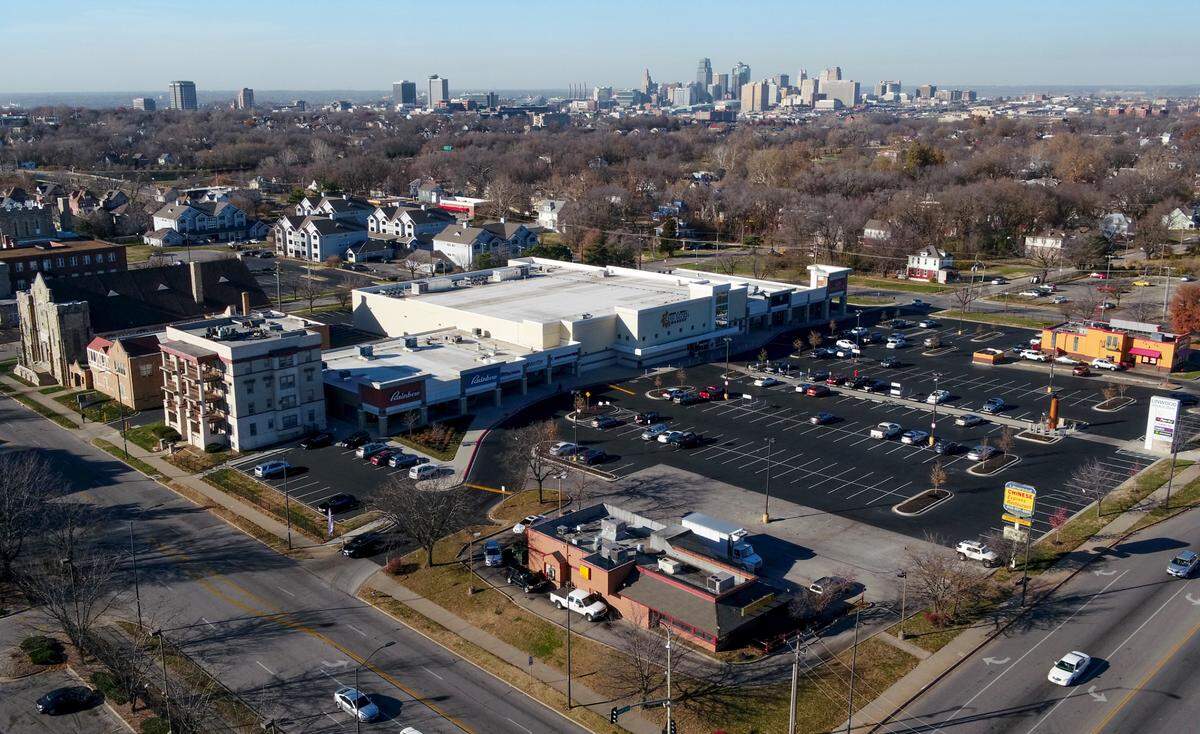
Wood pointed to the Key Coalition area as an example of success. The city spent more than $150 million along Prospect Avenue in recent years. That included the $56 million, 10-mile Prospect MAX bus line, a $74 million East Patrol Division that opened in 2015 and some $17 million spent to open a grocery store and revive the struggling Linwood Shopping Center at Linwood Boulevard and Prospect Avenue.
“The lesson learned is that success is slow and is dependent on accomplishing tasks in a relatively short time-frame of a few years or more,” Wood said.
The other lesson: depending solely on city government to repopulate and reinvigorate East Side neighborhoods can only bring disappointment. The resources simply aren’t there, even if the political will is at this particular moment.
Non-profit groups like Catholic Charities and Habitat for Humanity, as well as some well-organized neighborhood associations have long taken the lead in rehabbing existing homes for resale and building affordable housing. And they will continue to do so.
“We do a big mix of things,” said Lykins Neighborhood Association president Robert Ontman. “We do mixed-income housing, we do rentals. We deal with all those things, but our preference is to rebuild the neighborhood and get rid of crime and blight, to find owner occupants for the houses rather than flippers, and slum lords and those kinds of things.”
Frustration with the city’s past efforts prompted leaders within the Black community to launch a successful campaign more than four years ago for a sales tax dedicated exclusively to funding housing projects and other economic development on the East Side.
Even though proceeds from the tax, which raises $10 million a year, have been slow getting into the hands of developers due to red tape and interference in City Hall, backers of the Central City Economic Development tax have faith that it will make a big difference whether or not city leaders follow through on their promises.

“This is a model that we’re going to have to rely on, because it does not depend on the political will of government and elected officials,” said the Rev. Vernon Howard Jr., who heads the local chapter of the Southern Christian Leadership Conference.
“We are doing it ourselves… We are moving into more independent, self-sufficient strategies to build our communities up, because we simply have not received a fair shake. That’s what we’re doing.”
This story was originally published December 14, 2021 at 5:00 AM.