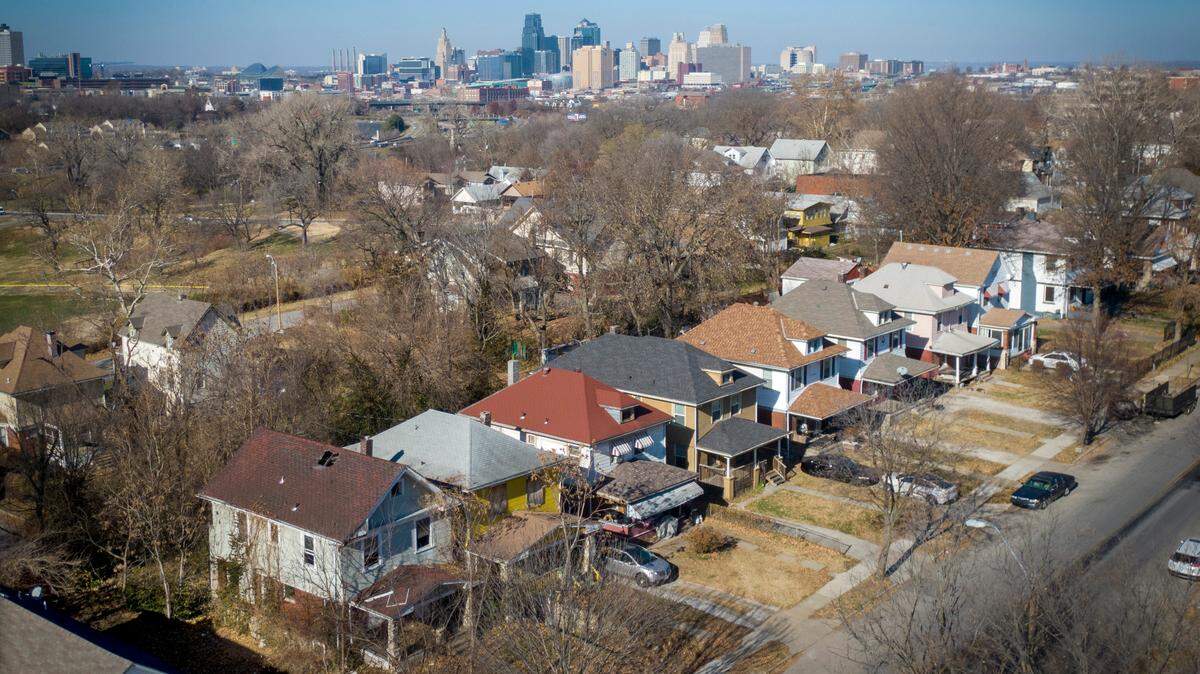
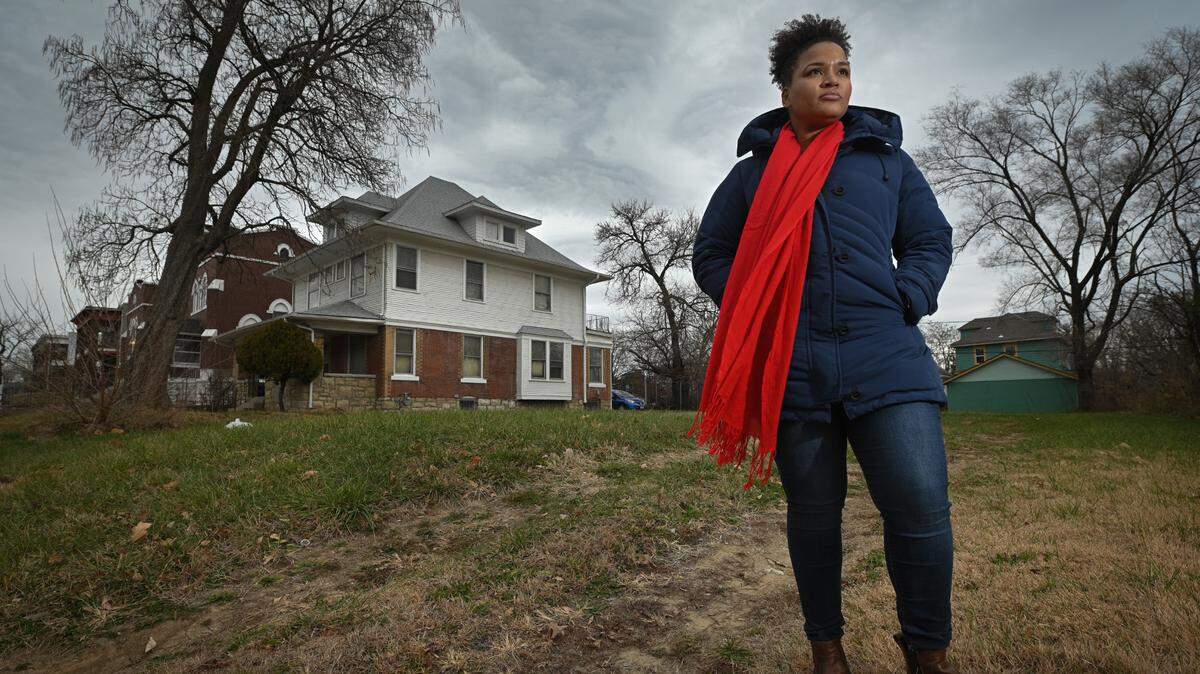
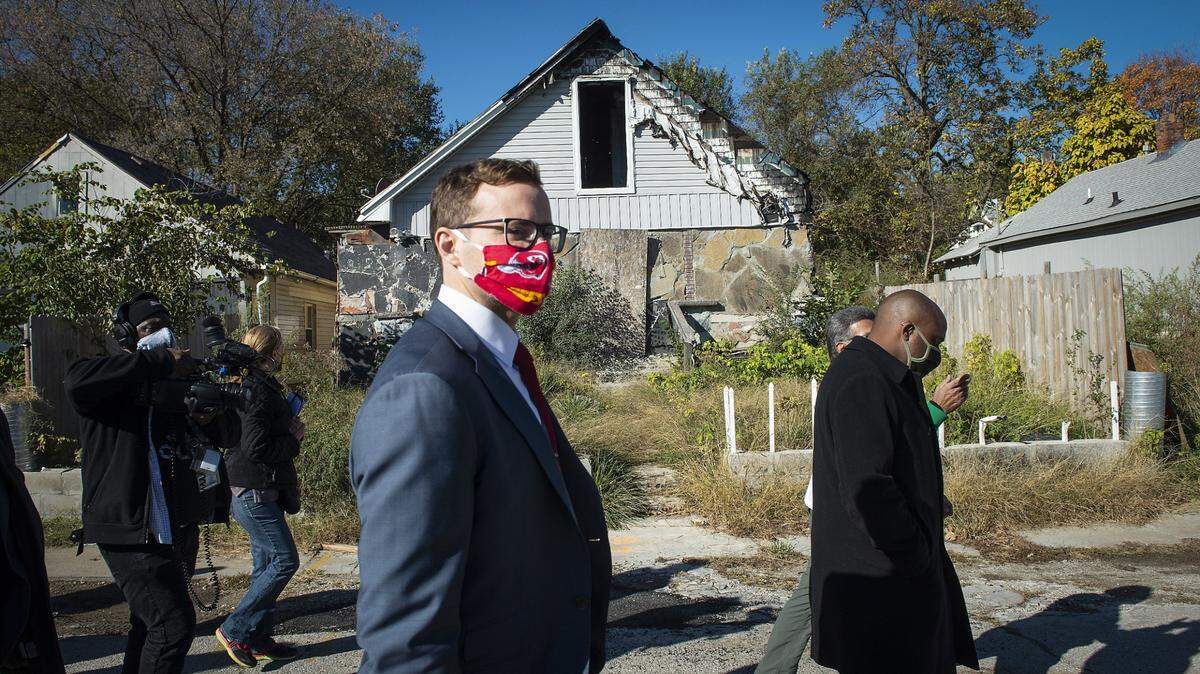
They were living in a Plaza condo. Then they bought a $9,000 house on the East Side
READ MORE
Kansas City’s East Side land grab
A 2021 Star investigation looks into how a neglected section of the city has become a hunting ground for real estate speculators and why many Black residents feel they are once again being exploited and left behind.
Expand All
They were living the condominium life on the Country Club Plaza, until the condo board hit them with a whopping assessment.
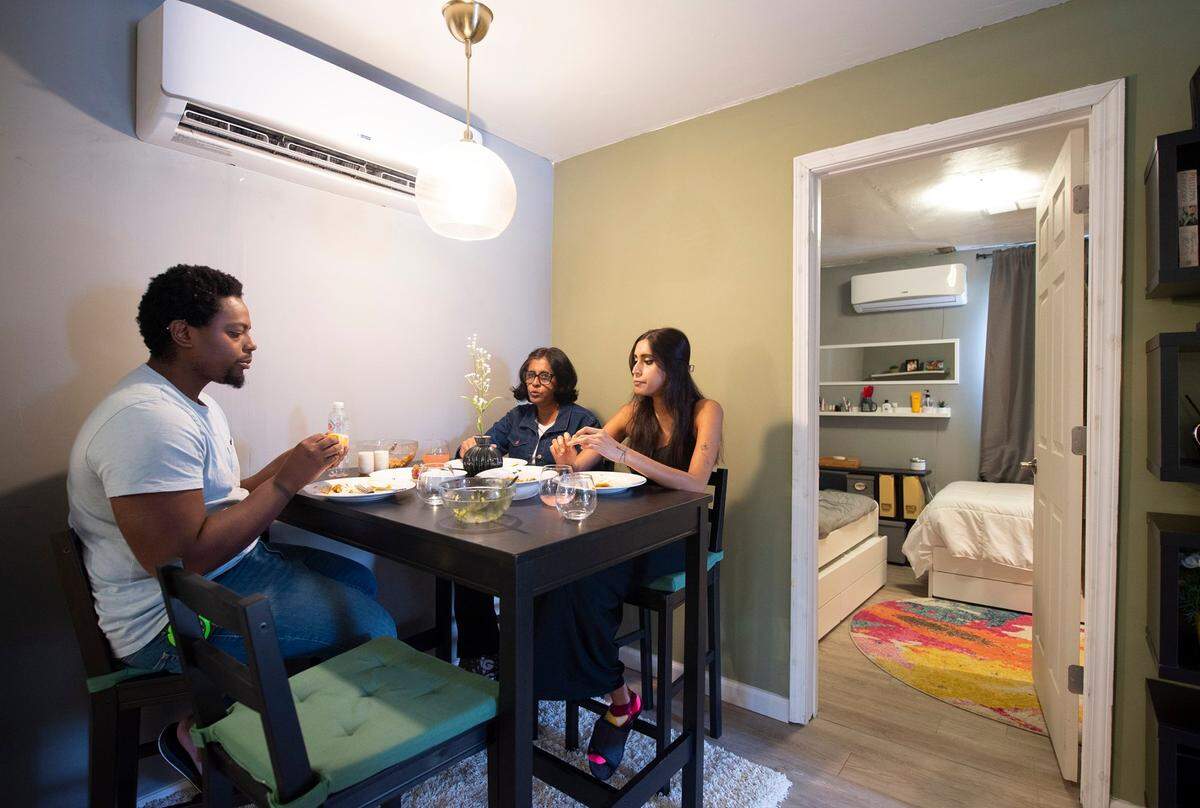
Gerber Deliozar is a 30-year-old Haitian-born stock day trader and real estate investor who came to Kansas City as a child refugee. Shiona Deliozar, 25 and from Fiji, is an economics doctoral student at the University of Missouri-Kansas City.
When their Parkway Towers condo board finally announced that major upgrades to the tower’s exterior would cost the Deliozars about $25,000, they made a decision: move.
They headed east of Troost.
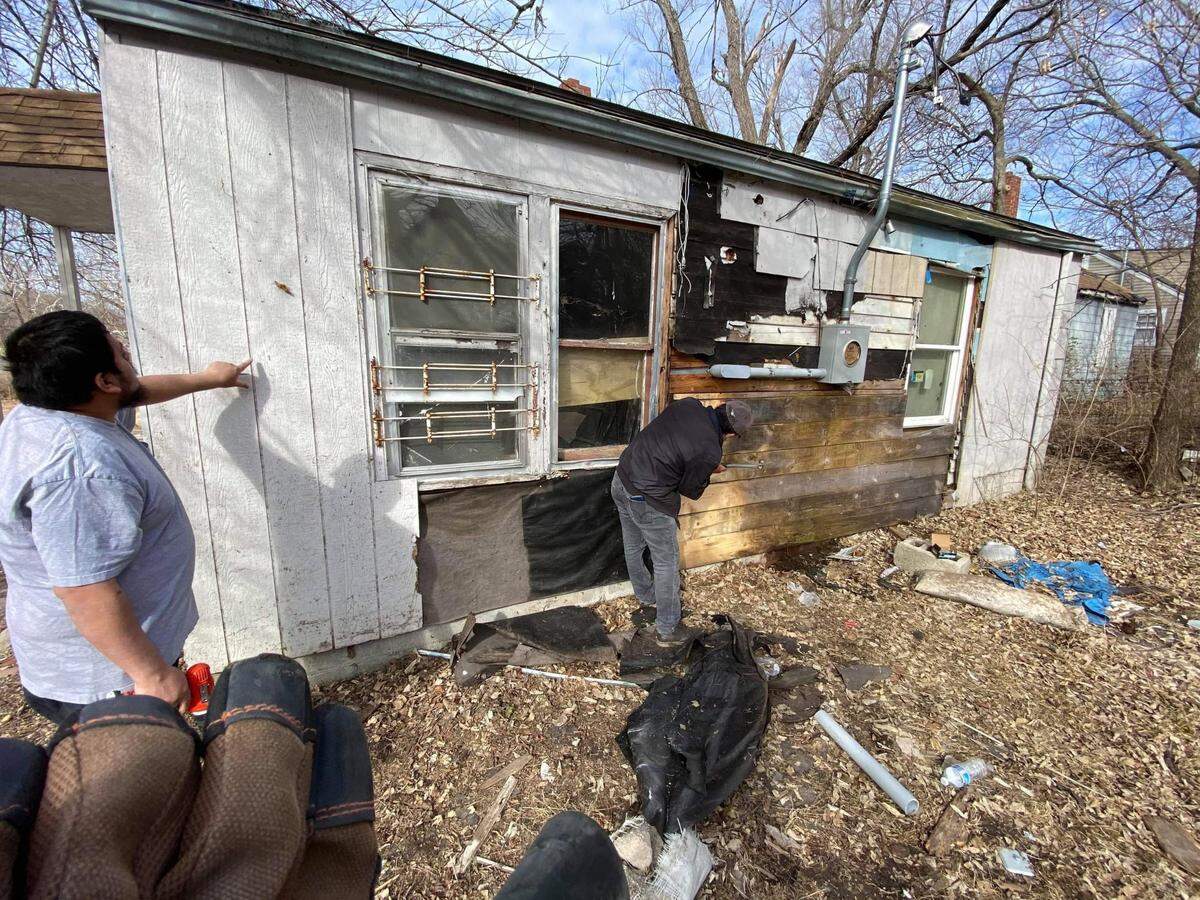
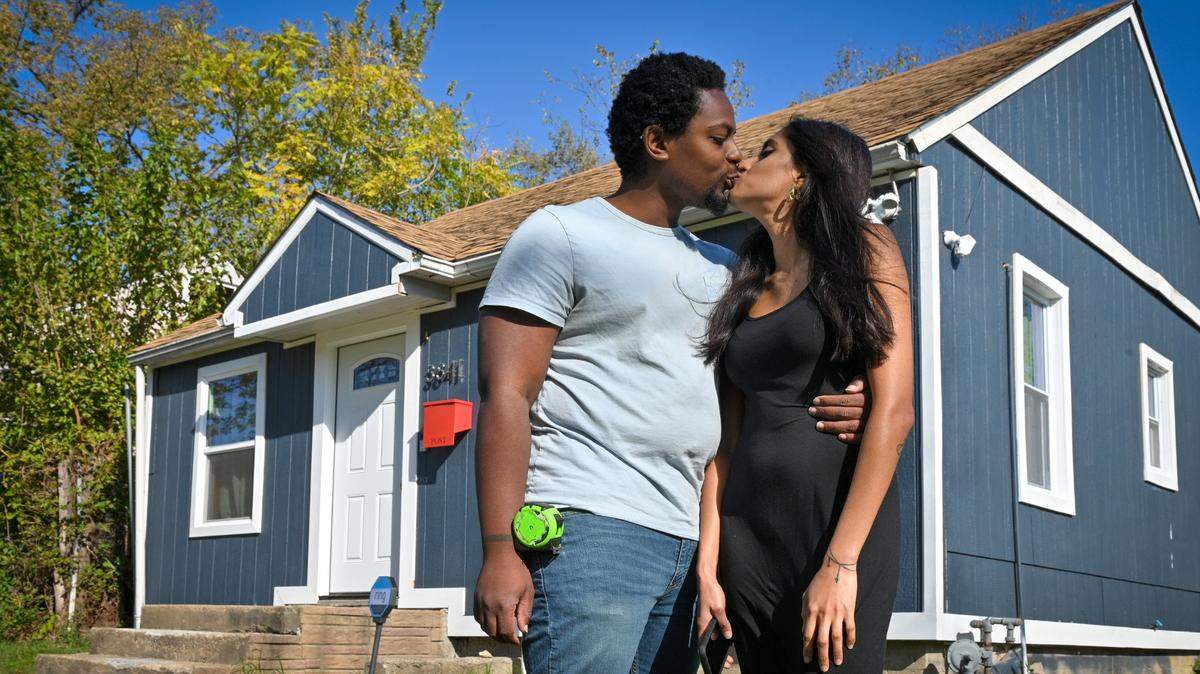
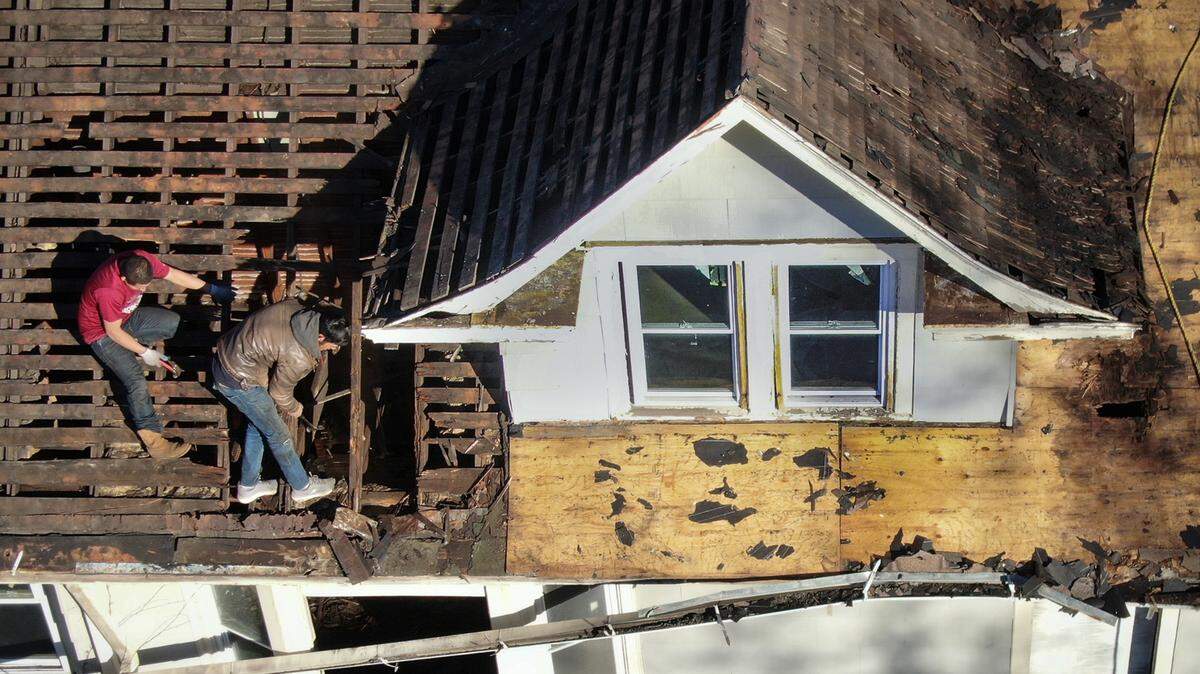
In January 2020, they paid $9,000 for a two-bedroom shack on Olive Street that they gutted, poured $30,000 worth of renovations into and, in 90 days with friends, turned into a tidy, trim blue bungalow on a rise — new inside and out.
Shiona Deliozar was more than skeptical at first.
“There was a hole in the bathroom,” she said. “There was no bathroom.”
But the house was close to U.S. 71, a short drive to UMKC and downtown.
“I’m like, ‘Hey, we’re good. We’re saving money,’” Shiona said she tells skeptical friends. Yearly property taxes: less than $400. “They all live in the suburbs.”
The couple see themselves in the vanguard of residents heading east to an area where they anticipate home values will increase.
Now what they want to see is more people like them — not investors buying to fix and rent but homeowners looking to buy, fix and stay to improve neighborhoods.
“You have wholesome families growing up. You have people who take pride in what they bought,” Gerber said.
His concerns involve what he sees happening: LLCs buying empty lots and letting them grow wild. He sees home prices rising, investors buying to rent out, then jacking up those rents on tenants in order to make their new investments pay off.
“Right now, there are a lot of people, especially on the East Side, their rent is under $700 a month,” Gerber said. “I’m telling you right now, in the next two to three years, there’s not going to be any two-bedroom units that’s a home that’s less than $800 a month. And that’s going to be really crazy.”
Poor families will be pushed out, he fears.
“There needs to be more ownership.”
This story was originally published December 12, 2021 at 5:00 AM.
BEHIND THE STORY
MOREHow we did this story
In order to provide a full account of the changes occurring in the neighborhoods on Kansas City’s East Side, The Star launched a months-long investigation that included an examination of a majority of the 208,000 parcels that make up Kansas City’s real estate landscape.
The project started with a central question: Who owns the East Side?
That question sent a team of reporters into the depths of city, county and state documents, multiple data sets, mapping, research reports and, of course, into people’s neighborhoods and lives.
On the East Side and elsewhere, The Star conducted more than 150 interviews with individuals whose time and openness we are grateful to have received and without whose help and candor this series would not be possible.
They include homeowners, renters, real estate agents, landlords, investors, house flippers, wholesalers, contractors, developers, housing advocates, East Side neighborhood groups, politicians, public officials, social scientists. Also of assistance were experts on race and development at institutions that include the University of Alabama, Rutgers University, Tulane University, Bard College, Princeton University, the University of Missouri-Kansas City, the Mid-America Regional Council and Legal Aid of Western Missouri. Read more by clicking the arrow in the upper right.
How did the reporters analyze the property data?
The data mining began using information compiled by the city and made public on the site OpenDataKC. The data allowed The Star to identify by name and/or company the city’s largest real estate owners and to break that list down by the city’s six council districts.
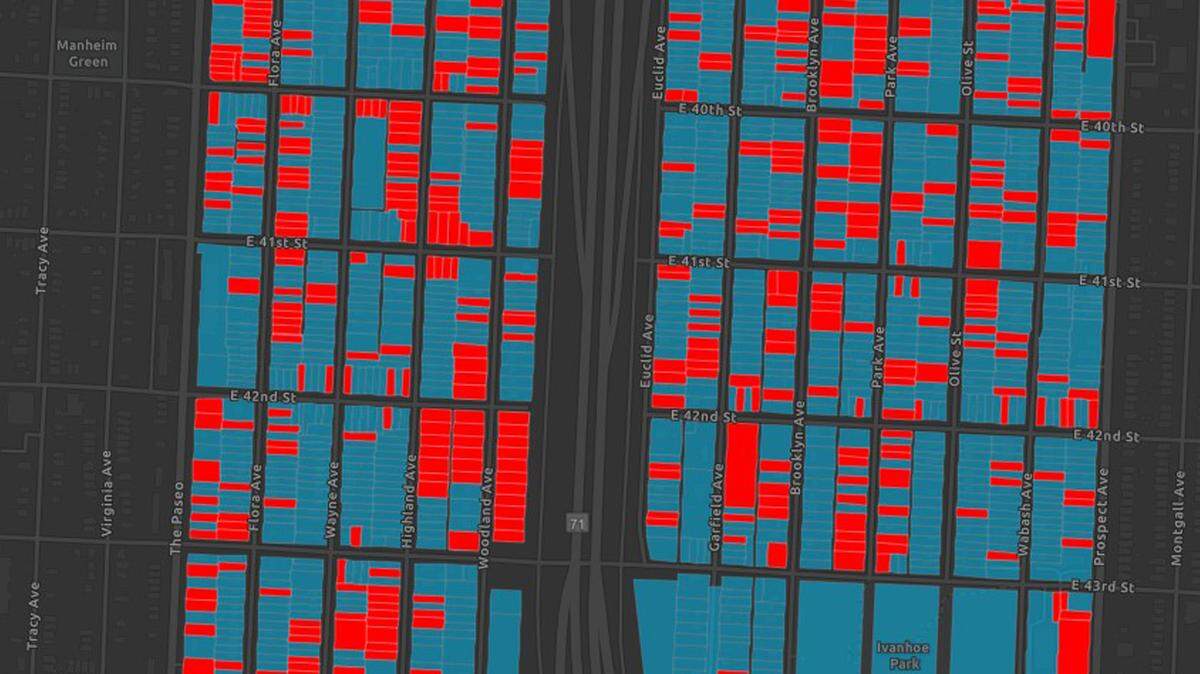
Reporters then created physical maps charting the name and city, state and country of every owner of thousands of parcels in multiple neighborhoods on both the east and west sides of Troost.
Ownership, sales and purchase prices were checked through the Jackson County’s online property and tax records. Agents representing LLCs (limited liability companies) were identified through the office of the Missouri Secretary of State. Eviction cases were checked through Jackson County Circuit Court.
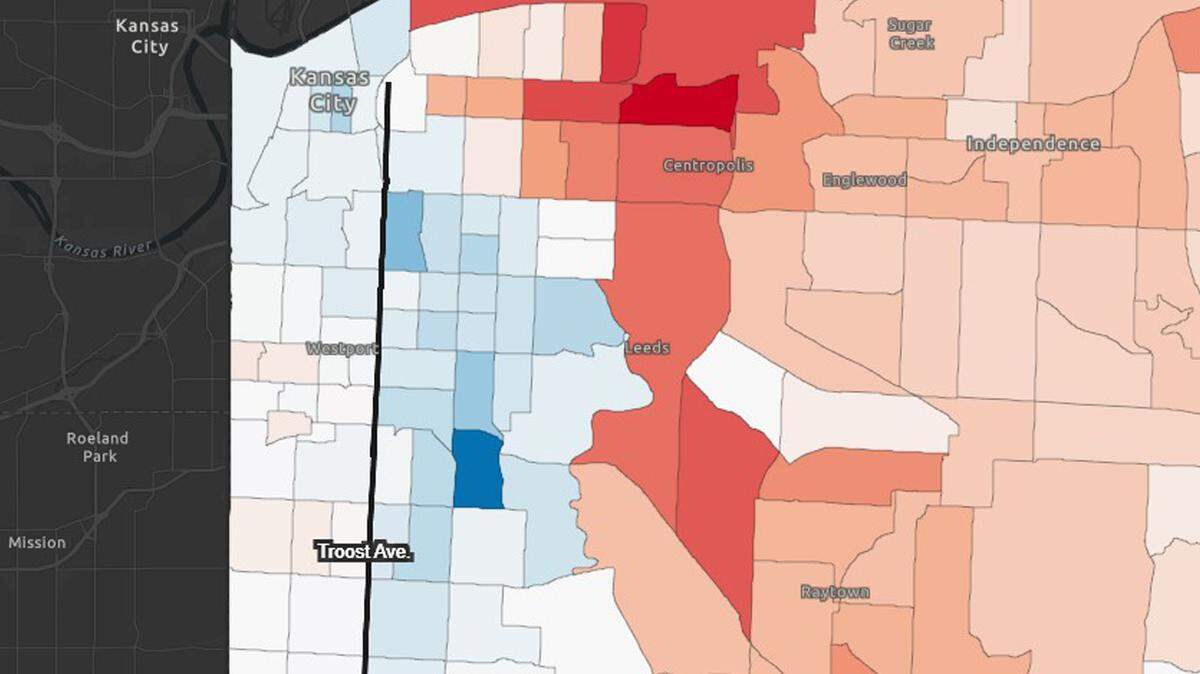
U.S. Census data was used to chart changes in rental rates and area racial makeup over time.
OpenDataKC was used to identify parcels held by The Land Bank of Kansas City. Other documents related to the internal workings of the organization were obtained through Missouri Sunshine Law requests.