Before their day in court, poor people charged with crimes can spend years in jail
READ MORE
Defenseless
Missouri’s public defender system is one of the worst in the country.
Expand All
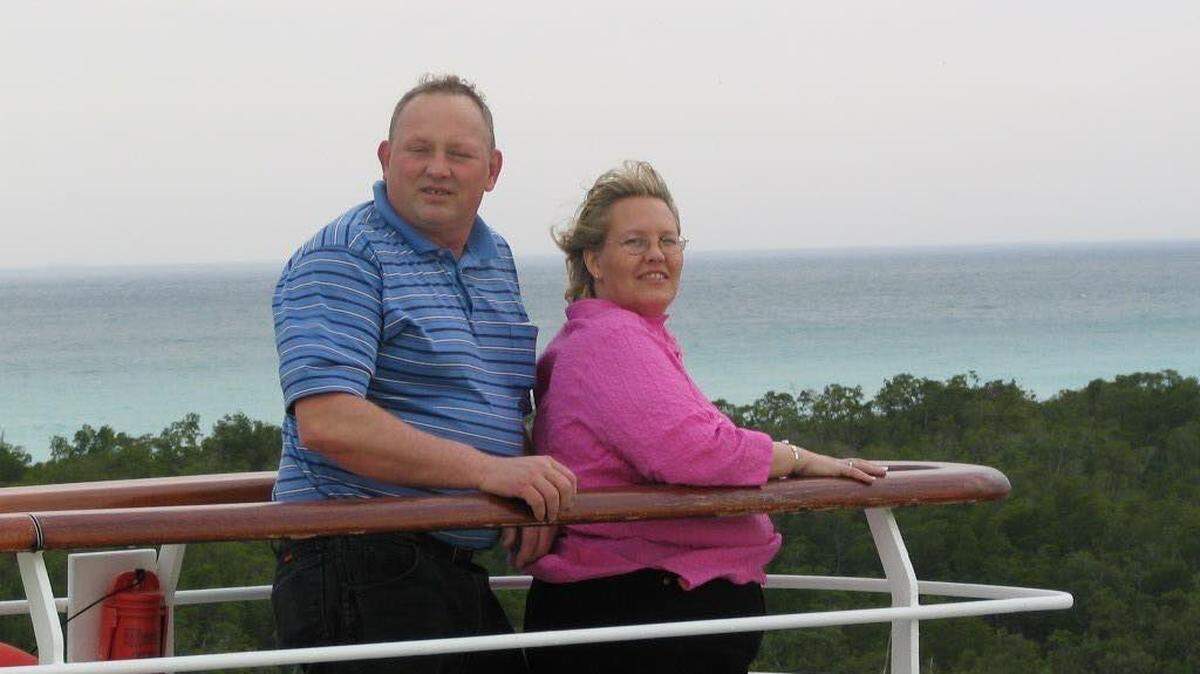
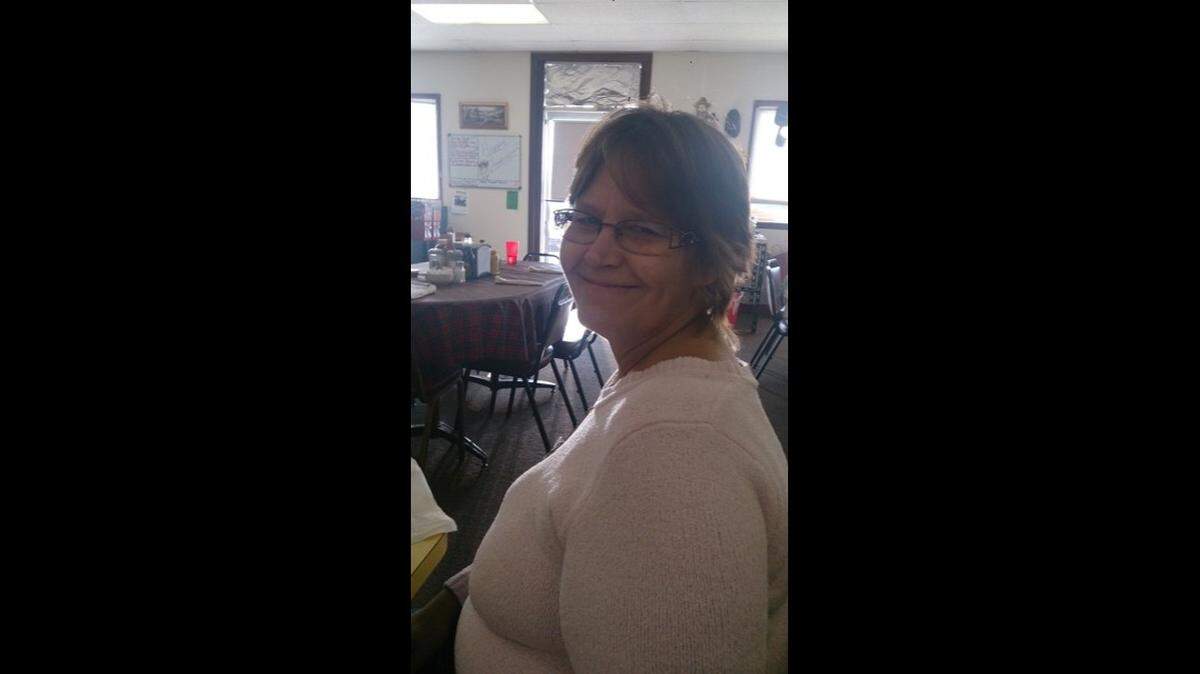
This morning Viola Bowman woke up in her cell in the Clay County jail, as she has for the past 1,778 days.
The 58-year-old homemaker hasn’t been convicted of a crime and maintains her innocence. But she is charged with murder, and has been locked up for more than four years while her trial has been delayed again and again with her public defender juggling up to 227 other cases.
The world has passed her by. She missed seeing her grandson start high school. Her granddaughter has no memory of her.
“What do you tell those kids?” said Beth Fischer, one of Bowman’s three daughters.
Bowman is one of thousands of people failed by Missouri’s chronically overloaded public defender system, historically one of the worst-funded in the nation. The public defenders were assigned more than 75,000 cases last year.
People like Bowman spend years in jail because they don’t have money for a lawyer and their public defender is too busy to help them. Some give up and plead guilty. A lucky few make it to trial and win their freedom.
“Five years is a long, long time to have to wait to have your day in court and hopefully prove your side of the story,” said Jeanette Mott Oxford, executive director of Empower Missouri, which helped establish the state’s public defender commission in 1972. The Show-Me state was one of the last to create a public defender system.
“It’s just foundational in our court system and in our democracy that people are considered innocent until proven guilty.”
In Missouri, the poor are treated as if they are presumed guilty, public defenders say.
Bowman is among the plaintiffs in a lawsuit alleging major failures on the part of the Missouri public defender system.
Her public defender for most of these years, Anthony Cardarella, said he feels shame as a public defender because their funding and resources are so inadequate.
“I wouldn’t want to be represented by us,” Cardarella said.
“Poor people don’t have a voice, that’s never changed. And if you’re poor, albeit presumed innocent, if you’re kept in a cage, away from your family because your bond’s too high, that starts to feel a whole lot like you’re presumed guilty cause you are being punished by definition for being poor.”
Charged with murder
The case against Bowman is far from open and shut.
Bowman and her husband, Albert “Rusty” Bowman, met as teenagers at Truman Lake, near Warsaw, where Bowman grew up and Albert’s family had a cabin.
After they married, they settled in Kansas City and raised a family. That was the center of Bowman’s life, her brother Andrew Taylor said.
Then, on Nov. 7, 2012, Albert Bowman was shot and killed in their Kansas City home. It looked like a burglary gone wrong.
Two years passed. Then, in mid-2014, police took Bowman in for questioning. They let her go.
Months later, police arrested her.
Prosecutors accused Bowman of killing her husband and staging the scene to look like a break-in. Prosecutors conceded the case is circumstantial, but say Albert Bowman was killed with his own gun that had been locked away, and Bowman made contradictory statements during the investigation.
Bowman was held in jail pending trial. In her first court hearing, she represented herself.
The Clay County Prosecutor’s Office declined to comment, saying Bowman’s case is ongoing. Spokesman Jim Roberts said defendants have the right to a speedy trial, but also a fair one.
To have a fair trial, Bowman needs a lawyer to work on her case. That’s something Cardarella was not able to do since he was already supervising 12 other public defenders across three counties while personally representing hundreds of people, including one defendant accused of dismembering a man. Cardarella entered that case “under duress,” citing his high caseload.
As a result, Bowman’s case was delayed more than 35 times.
“The constitutional right to a speedy trial is there and if it’s just a theory, then you might as well not have it,” Cardarella said.
Cardarella assigned Bowman’s case to another lawyer in September.
Meanwhile, her family has been dismayed at the amount of time she’s been behind bars without being tried. The wait has been ridiculous, her daughter Fischer said. It’s unfair to both families.
Bowman’s trial is scheduled for April 20, 2020.
She will have been in jail more than five years before a jury hears her case.
‘Money matters’
Nearly 800,000 Missourians, disproportionately people of color, meet the federal poverty guidelines that put them among the clients of a public defender.
They are supposed to get one if they have a low income, if they can’t afford bond, and based on their number of dependents, according to the Missouri State Public Defender system.
Poor clients get cut-rate defense.
Cardarella’s office last year spent an average of $349 on a case. Kansas City’s office spent the most in the state at $731.
On the other hand, people who can afford to hire a private attorney spend serious money.
A reputable defense attorney for a felony drug charge can run about $7,500. A murder ranges from $35,000 up to $100,000.
“Money matters,” said Cynthia Short, a private defense attorney who spent 14 years as a public defender.
“You cannot provide effective assistance of counsel with your hands tied behind your back and a blindfold put on over your eyes, and that’s what happens for people who are poor.”
A private defense attorney may work 250 to 400 hours on a murder case.
That figure is 107 hours on average for a Missouri public defender, according to a study that compared different states.
In Louisiana, public defenders devoted an average of 201 hours — almost twice as much as Missouri — to the highest-level felony cases.
‘You don’t stand a chance’
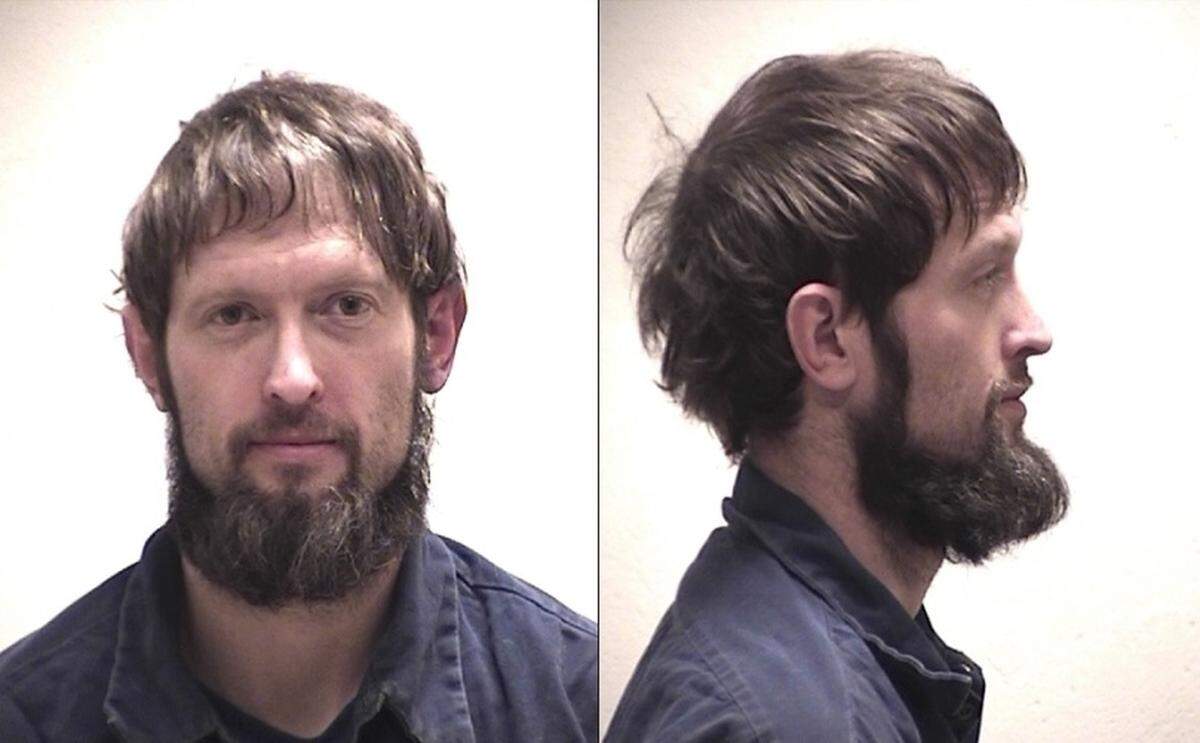
Speaking through a glass window in a visitation booth at the Clay County jail, Matthew Pallo said he was desperate to get out.
The 37-year-old has been locked up since December 2018, when he was arrested for his part in an altercation with an employee at a Harbor Freight hardware store in the Northland.
Pallo says he thought the employee was following him. He says the employee grabbed him, so he punched the man in self-defense.
Police say Pallo also pointed a handgun at him. The employee told police Pallo yelled at him “Don’t you f---ing move,” and shouted that he was an undercover police officer. The man said Pallo sounded “so calm and believable that customers continued to shop.”
The employee was treated at the scene for a cut on his lip and refused to go to the hospital. Officers seized a gun at the scene, according to a police report.
Prosecutors charged Pallo, who has no prior felonies, with assault, unlawful use of a weapon and impersonating an officer.
Unable to post bond, Pallo has lost his house, his car and his job with a trucking equipment business.
He said he was unhappy with his public defender, who only visited him a few times and didn’t answer questions about his case.
“If you’re poor, you don’t stand a chance in this system,” his father Michael Pallo said.
Matthew Pallo passed weeks and then months wondering when he would get out of jail. He could be released with an ankle monitor, but can’t afford the hundreds of dollars in fees and has no transportation to report to the monitoring company.
If he failed to abide by the terms of the bond, he could be re-arrested.
“You’re literally setting me up for failure,” he said.
He eventually pleaded guilty to unlawful use of a weapon.
It’s something Rosalie Joy, who was a public defender for 30 years in Atlanta before joining the National Legal Aid and Defender Association, has seen many times.
The outcomes for people accused of crimes didn’t always depend on their guilt or innocence, in her experience. It often came down to their resources.
“Their backs were against the wall,” she said.
Plea bargaining has become the norm for resolving charges.
Joy doesn’t blame public defenders, she said, because they have an ethical obligation to present offers from prosecutors to their clients.
“Everybody falls victim, I think, to this ‘meet them and plead them,’” she said.
And the more prosecutors can threaten long prison terms, the easier it is to pressure defendants into accepting plea bargains.
Pallo, meanwhile, wants nothing more than to get out of jail. He’s still waiting to be sentenced.
But after almost a year locked up, he also worries about how he will put his life back together when he gets out.
“I have nothing,” he said.
Going to trial
Gary Anderson refused to plead guilty.
Arrested after a fight and accused of attempted arson in December 2017, the 60-year-old said he was innocent. But he couldn’t afford a lawyer and had to rely on a Kansas City public defender.
The lawyer didn’t visit Anderson in jail for more than 12 weeks. Then Anderson didn’t hear from him again for months. Anderson lost his house and medical insurance, and fell into debt.
Feeling hopeless and helpless, Anderson wrote letters to the judge asking for an attorney who had time to work on his case. He never received a response.
“I felt railroaded,” Anderson said. “You automatically feel you’re going to prison. I think that’s why so many guys just opt out and take a plea.”
Meanwhile, prosecutors had added a charge of witness tampering against him.
He was determined to take his chances at trial.
It’s something that doesn’t happen in most cases. Last year, fewer than 1% of Missouri public defenders’ cases were heard by a jury.
Public defenders say if they had more time, they would take more cases to trial where they get better results for their clients.
Anderson was found not guilty of attempted arson and convicted of the lesser charge of witness tampering in April. He was released on probation.
In the months since he’s been out of jail, Anderson has been putting his life back together. He’s now living with his aunt and getting his disability reinstated.
He understands what his public defender sacrificed.
“I guess he did what he could with the time that they gave him,” Anderson said. “I feel that, even the time that he gave me, he probably cheated some of his other clients because he didn’t get to them.”
BEHIND THE STORY
MOREHow we did this story
The Star newsroom and editorial board collaborated on a long-term investigation of Missouri’s public defender system, resulting in this series of news stories and opinion columns. Star journalists traveled across Missouri, interviewing public defenders working in more than two dozen counties, including one who represented a man wrongly convicted of murder. Read more by clicking the arrow in the upper right.
They followed one public defender for an entire day and interviewed another who, after being jailed for standing on principle, left to become a private defense lawyer. They spoke with seven judges, a half-dozen prosecutors, Gov. Mike Parson, several lawmakers, and more than 20 people who had been charged with crimes, including one exonerated from death row.
Visiting courthouses around the state to watch proceedings, they pored over thousands of pages of documents, including transcripts, police records, judges’ emails, budget reports, lawsuits, rulings, opinions and research studies. They heard from experts in Missouri and at the national level.
Why did the news and editorial sections do this project together?
This was a unique news and opinion partnership at The Star. At the outset of many projects, you don’t know where the reporting will take you. But this time, we knew we were investigating a broken system. To make a difference, the project needed deep reporting combined with a strong call for action.
The project grew out of the separate efforts of a reporter and an opinion columnist who had both written about the issue. Katie Moore, who has been covering crime and courts for years, began working on a story around the same time Dave Helling, a veteran journalist who has spent much of his career covering politics and the Missouri public defender system, wrote an editorial revealing that the state was nowhere near solving the problem.
Both dug in for months of independent reporting, with the results presented here together.
Do you have a story tip?
If you want to share your experience with the Missouri public defender system, contact reporter Katie Moore by phone at 816-234-4312 or send email to kamoore@kcstar.com. Columnist Dave Helling can be reached at 816-234-4656 or dhelling@kcstar.com.
This story was originally published November 20, 2019 at 5:00 AM.