Missouri judge says: Represent yourself in court or plead guilty to save time
READ MORE
Defenseless
Missouri’s public defender system is one of the worst in the country.
Expand All
A person facing the possibility of losing their freedom has a right to an attorney — this is basic to American law. Anyone who watches television knows that.
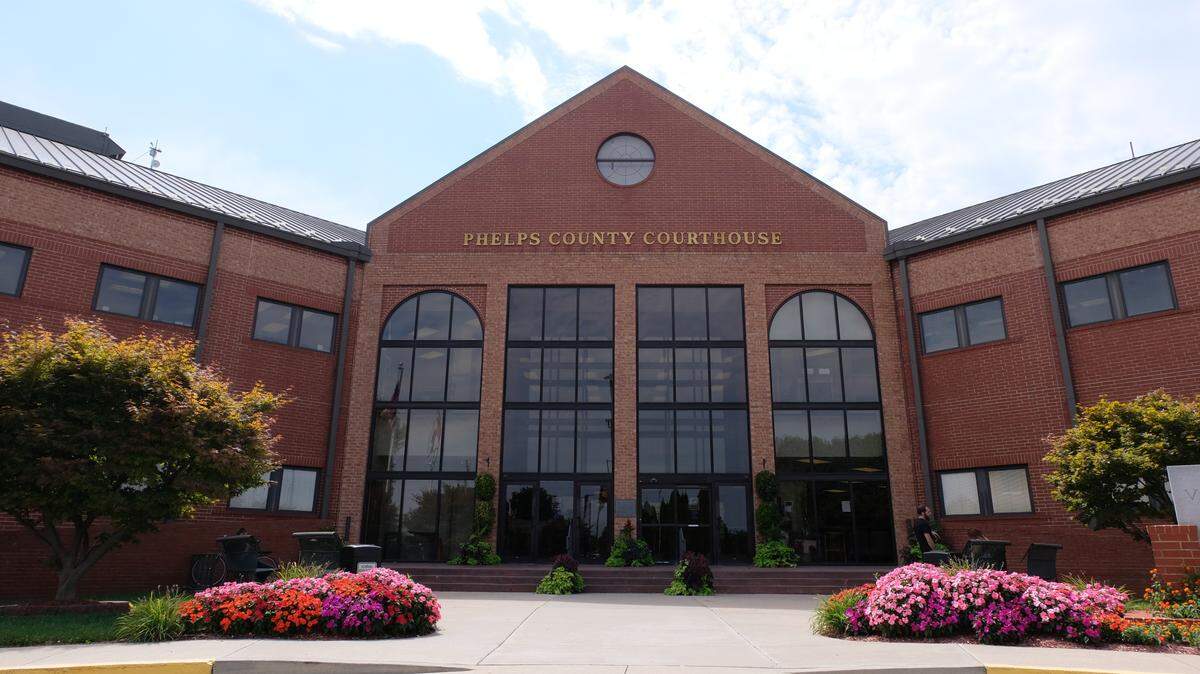
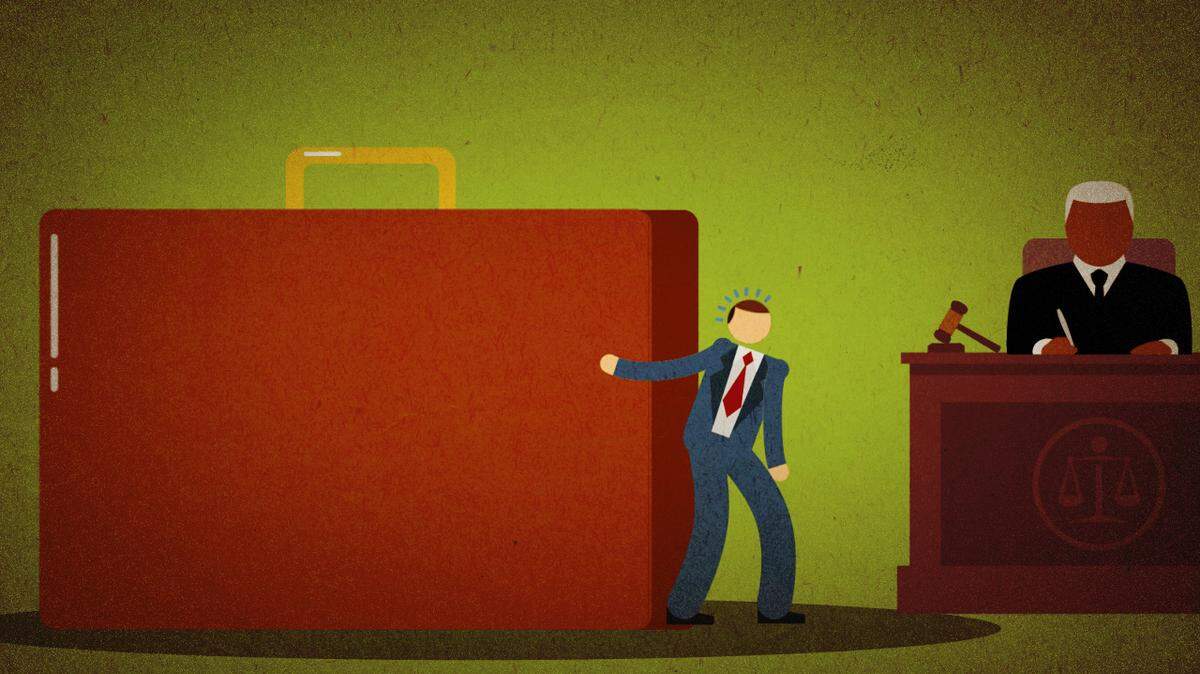
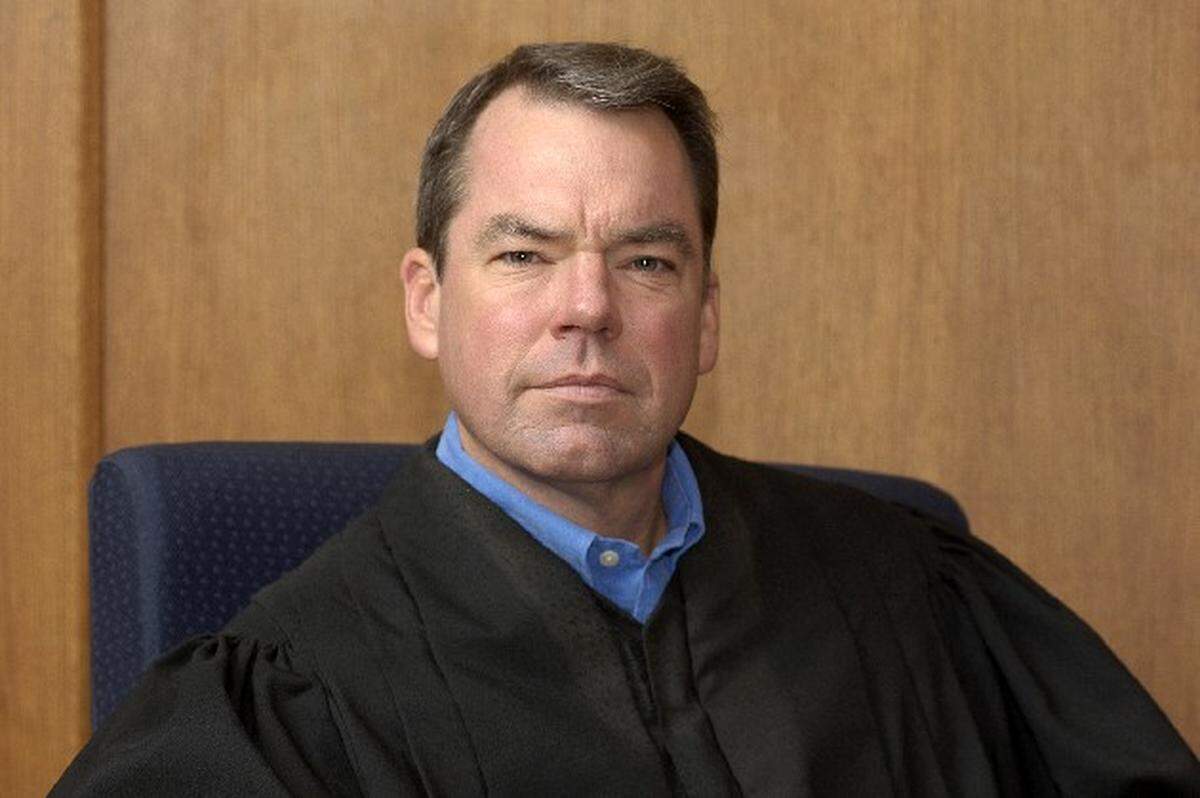
But in Phelps County, Missouri, Judge John Beger pushed aside that idea, writing that people charged with some felonies could represent themselves to make things easier for the public defenders.
Stated in a matter of fact tone and handed down from the bench in Rolla last year, the suggestion came on the fourth page of an order responding to public defenders raising an alarm that the state was failing its poorest and most vulnerable citizens.
Beger said allowing people to proceed without an attorney could be “highly effective” in resolving cases.
“If they’re saying, ‘Yeah you got me, I did what I was accused of,’ a lot of them can do that,” Beger told The Star. “Sad to say, a lot of them are not new to the criminal justice system.”
That idea, almost unheard of in the United States, throws people’s constitutional guarantees out the window, critics say. Beger said he tries to do justice in every case.
“The Sixth Amendment right to counsel is not a suggestion or an ideal — it’s a right,” said Peter Joy, a law professor at Washington University in St. Louis.
“Suggesting that one way of alleviating the caseload is to have people not have their lawyers — that’s not a solution to this problem.”
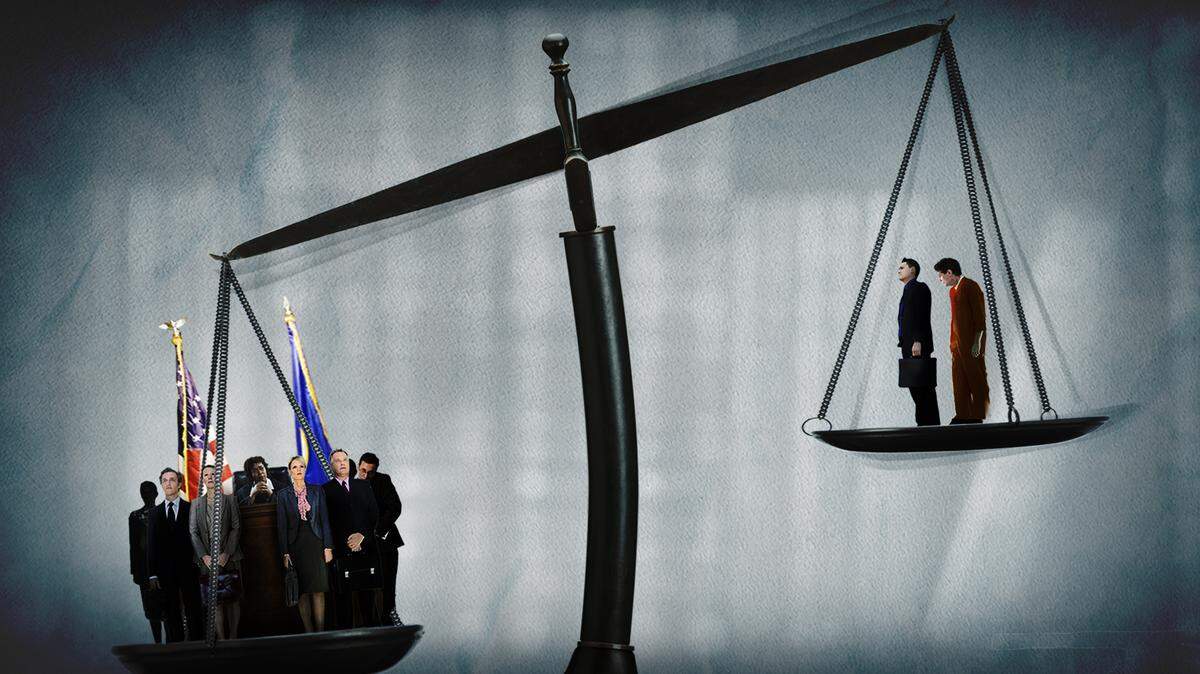
Beger’s order is just one example of how judges in rural Missouri and across the state have responded to a public defender system, long one of the most dysfunctional in the nation, that is bursting at the seams.
People faced with courts that don’t care if they have a defense, and who find the public defenders unhelpful, sometimes come to the conclusion that the judges, prosecutors and so-called “public pretenders” are all in cahoots against them.
Others wind up agreeing that they might as well go it alone.
Where Missouri’s poorest defendants do insist on having an attorney, judges have resorted to putting thousands of them on wait lists. Many wait in jail.
High stakes, no lawyer
When Judge Beger suggested people go without an attorney in “low-level” felony cases, he noted that the court already had been allowing people to do so on misdemeanors for years.
A “pro se docket” where people could represent themselves, had “proved highly effective to reduce public defender caseloads,” Beger wrote.
At a 9 a.m. docket, a judge would announce that those charged with misdemeanors had the opportunity to talk with the prosecutor to see if they could resolve the case.
The stakes were high for those non-lawyers. Misdemeanors can come with a jail term of up to a year.
That in itself was extraordinary, legal experts told The Star, with few if any courts elsewhere in the country inviting people to proceed without a lawyer when their freedom was on the line.
BEHIND THE STORY
MOREHow we did this story
The Star newsroom and editorial board collaborated on a long-term investigation of Missouri’s public defender system, resulting in this series of news stories and opinion columns. Star journalists traveled across Missouri, interviewing public defenders working in more than two dozen counties, including one who represented a man wrongly convicted of murder. Read more by clicking the arrow in the upper right.
They followed one public defender for an entire day and interviewed another who, after being jailed for standing on principle, left to become a private defense lawyer. They spoke with seven judges, a half-dozen prosecutors, Gov. Mike Parson, several lawmakers, and more than 20 people who had been charged with crimes, including one exonerated from death row.
Visiting courthouses around the state to watch proceedings, they pored over thousands of pages of documents, including transcripts, police records, judges’ emails, budget reports, lawsuits, rulings, opinions and research studies. They heard from experts in Missouri and at the national level.
Why did the news and editorial sections do this project together?
This was a unique news and opinion partnership at The Star. At the outset of many projects, you don’t know where the reporting will take you. But this time, we knew we were investigating a broken system. To make a difference, the project needed deep reporting combined with a strong call for action.
The project grew out of the separate efforts of a reporter and an opinion columnist who had both written about the issue. Katie Moore, who has been covering crime and courts for years, began working on a story around the same time Dave Helling, a veteran journalist who has spent much of his career covering politics and the Missouri public defender system, wrote an editorial revealing that the state was nowhere near solving the problem.
Both dug in for months of independent reporting, with the results presented here together.
Do you have a story tip?
If you want to share your experience with the Missouri public defender system, contact reporter Katie Moore by phone at 816-234-4312 or send email to kamoore@kcstar.com. Columnist Dave Helling can be reached at 816-234-4656 or dhelling@kcstar.com.
Adam Woody, president of the Missouri Association of Criminal Defense Lawyers, said the neglect of the public defender system was a crisis.
“The fact that they are essentially losing constitutional rights, that’s something that we should all stand against.”
To act as your own lawyer in a felony case, as Beger suggested, is even more extreme. There is no such thing as a “low-level” felony, said Joy, the law professor.
A felony can mean going to prison. People convicted of felonies face barriers in housing and jobs, and will be prohibited from carrying firearms for the rest of their lives.
Drug charges — another type of case where Beger suggested people represent themselves — can block people from qualifying for student loans.
Still, Beger said, these were measures that could “alleviate the workload for all involved” in Phelps County, home to about 45,000 people alongside Mark Twain National Forest, near St. Louis.
Beger, who had been a criminal defense attorney for 23 years and a prosecutor for 11 years before becoming a judge, offered other suggestions, which have not been taken up, for making the court work more smoothly.
He recommended that defendants, especially those locked up on “lower-level” felonies, could make things easier by just pleading guilty, even without knowing the evidence against them.
It would also help, he wrote, if defendants demanded fewer formal interviews, or depositions, of witnesses. It would save the state of Missouri time and money, he said.
That was not a solution that sounded helpful to some people arrested in Phelps County.
A poor system
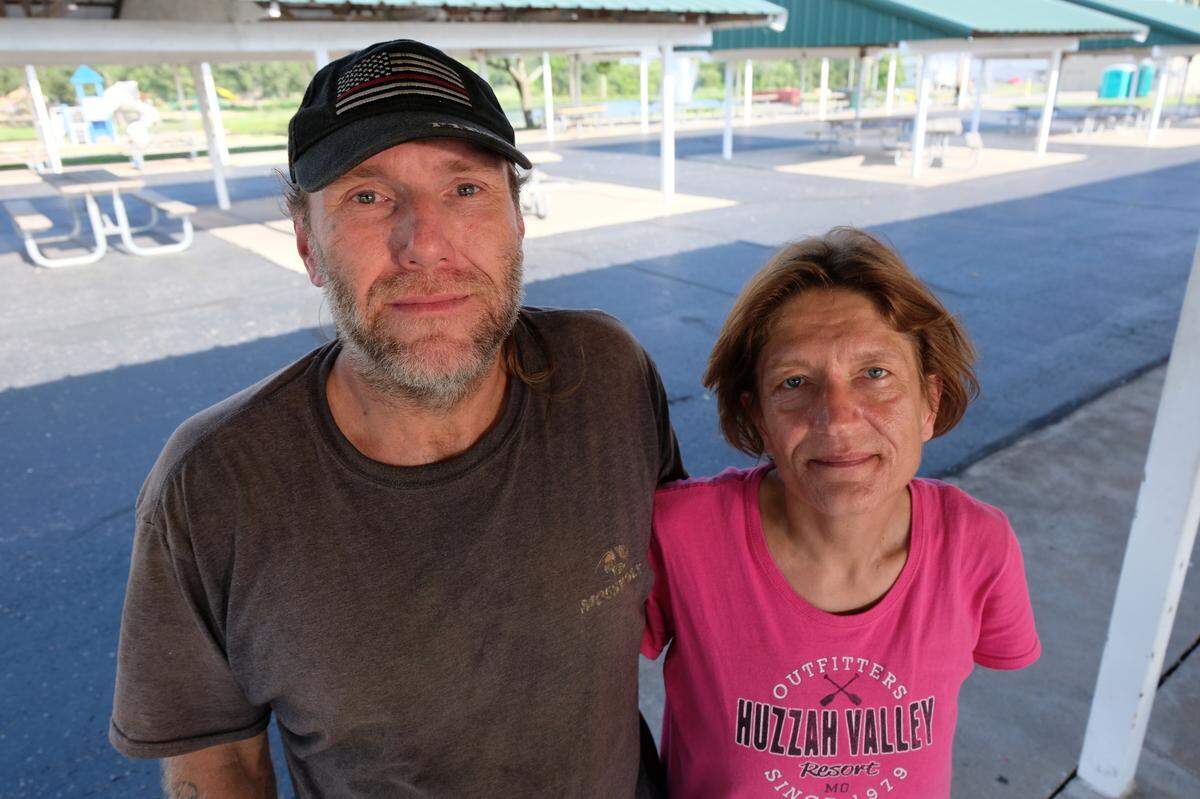
Kenneth Henderson wanted depositions taken in his case.
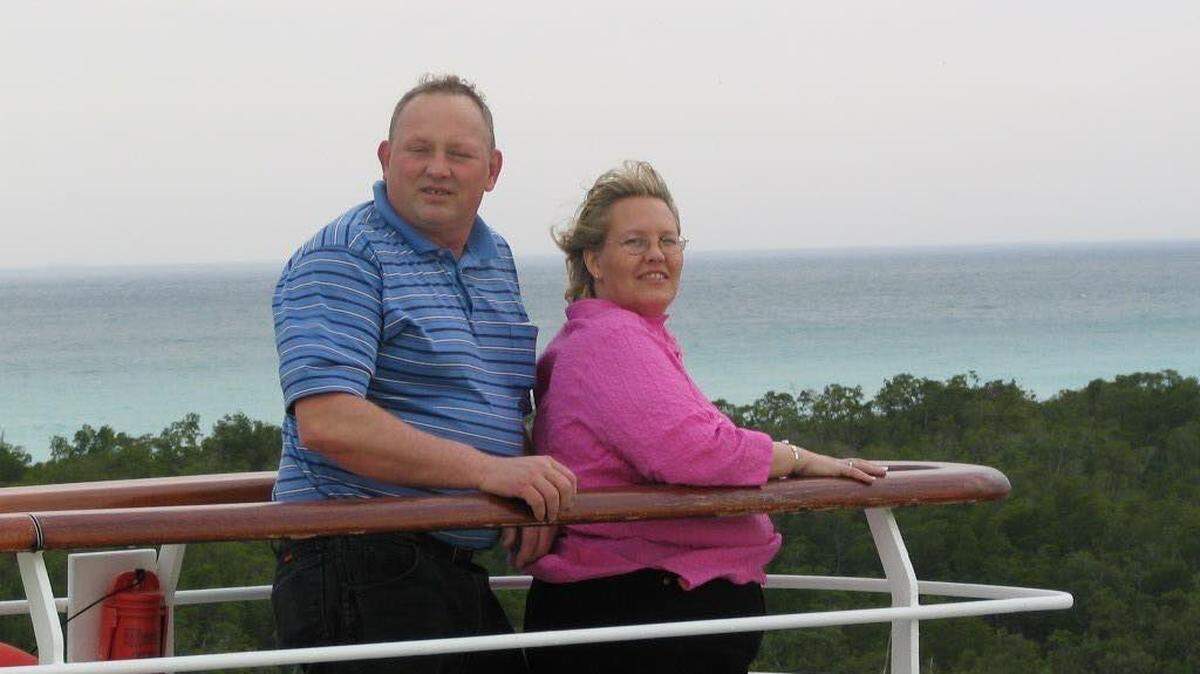
He and his wife had fallen on hard times when they came to Rolla, a university town of about 20,000.
The couple, married 22 years with four grown children, were homeless. In May, they entered a vacant home after discovering the door was unlocked and were later arrested, Henderson said.
Henderson said they didn’t steal anything. But prosecutors charged them with felony burglary.
For Henderson and his wife, having a legal defense was essential. They didn’t want to be convicted of a burglary when, in their view, they were not guilty of anything more than trespassing, a misdemeanor.
They would not simply give away their chance to be represented by a lawyer, or voluntarily agree to not have evidence collected in their case.
Henderson looked into hiring a private defense attorney but couldn’t afford the $2,000 upfront payment and additional $3,000 fee.
So he ended up with a public defender. He doesn’t recommend it.
“They’re very ineffective,” Henderson said. “It’s a very poor system for what we’re supposed to have.”
Henderson wanted depositions taken from law enforcement and other witnesses, which he said would help his defense. It’s commonplace for private defense attorneys to take such testimony, including from crime scene technicians and experts.
But Henderson’s public defender told him she didn’t have time.
In fact, despite Judge Beger’s suggestion that defendants should take fewer depositions, it only happens in about 3% of public defender cases in Missouri.
Henderson ultimately pleaded guilty to possessing drugs when he was arrested. He’s in jail, serving 120 days.
He was left with the feeling that everyone in court was on the same side — opposite him.
“They all work together in a common room,” Henderson said. “They have their professional courtesy to one another to get deals, I scratch your back, you scratch my back.”
As a symbol of his frustration, Henderson points to a tattoo on his left hand that reads: “13 ½.” It represents a judge, a jury and half of a chance.
Wait list
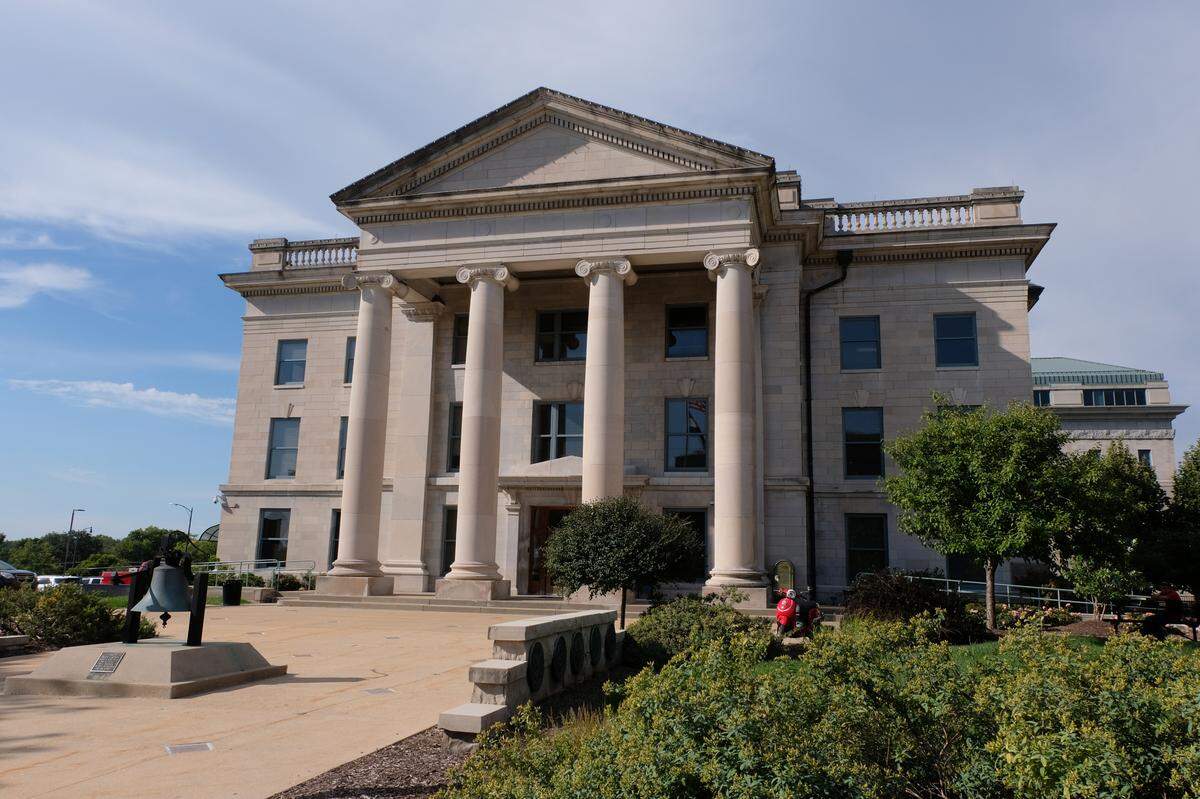
Elsewhere in Missouri, judges have turned to other solutions to try to make sure defendants get a lawyer who can represent them effectively.
Boone County Presiding Judge Kevin Crane, in Columbia, was one of the first in Missouri to adopt a wait list for public defenders.
That means the local defender’s office can stop assigning new clients to attorneys who are at capacity, instead putting them on hold until a defender has time for them. Since 2017, Boone County’s list has grown to 979 cases.
Others around the state followed. Jefferson City has 280 cases on a wait list. Springfield has more than 1,300.
Some judges have refused to allow it, and prosecutors have at times opposed wait lists. In St. Louis County, Judge Douglas Beach approved a wait list last year but it was delayed for 18 months while prosecutors tied it up in appeals court. A new county prosecutor appears unopposed to the list.
“This Court takes the position that the judge too has their own ethical obligations to ensure that the defendant is receiving their due process rights,” Beach wrote.
There are downsides. In the months people stay on a wait list, they may be stuck in jail. Evidence such as surveillance video and witnesses can disappear. Even for those defendants who stay free while they wait, a pending case can turn up on a background check and sink chances for a new job or housing.
Judge Crane said it’s not an ideal solution, but he wasn’t sure what else could be done.
For a while, he appointed private attorneys to take cases pro bono. But that didn’t last long.
“I think the receptiveness of, ‘Hey, take one for the team’ was fading real fast,” he said. “I don’t know how it all ends.”
During a Sept. 4 docket in Boone County, dozens of people waited for their names to be called — some nodding off, some leaving the courtroom — as the hearing stretched on for more than three hours through the afternoon.
Outside the courtroom, a 27-year-old man talked to a prosecutor about a plea.
Ruben Anderson said he would rather have a defense lawyer than deal directly with the prosecutor, but decided to represent himself because he didn’t want to wait for a public defender to become available.
Victor Bach was charged with fourth-degree assault in October 2017. The 34-year-old was on the wait list for about a year before he got a public defender.
When Bach went to court this time he took a guilty plea, he said, because he was finally “tired of dealing with it.”
District public defender Sarah Aplin, who oversees Boone and Cooper counties, said judges using the wait lists show they understand how pushing attorneys past their limits hurts their clients.
Aplin said the public defenders have had more time to investigate cases, are getting better results and have had less staff turnover. But she acknowledged it wasn’t the best for the people kept waiting.
“You don’t have the peace of mind or any kind of closure or finality,” she said. “So I don’t take it lightly when there’s a wait list with 1,000 people.”
This story was originally published November 20, 2019 at 5:00 AM.