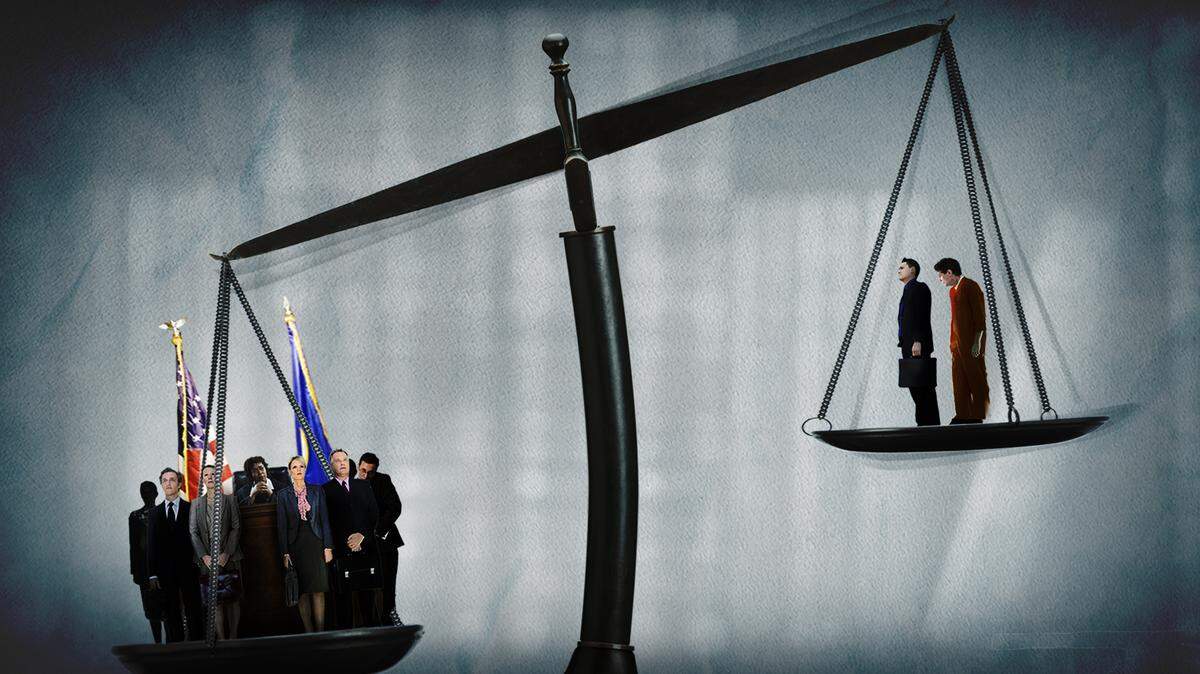
‘Constant injustice’: Missouri must fund and fix its broken public defender system
READ MORE
Defenseless
Missouri’s public defender system is one of the worst in the country.
Expand All
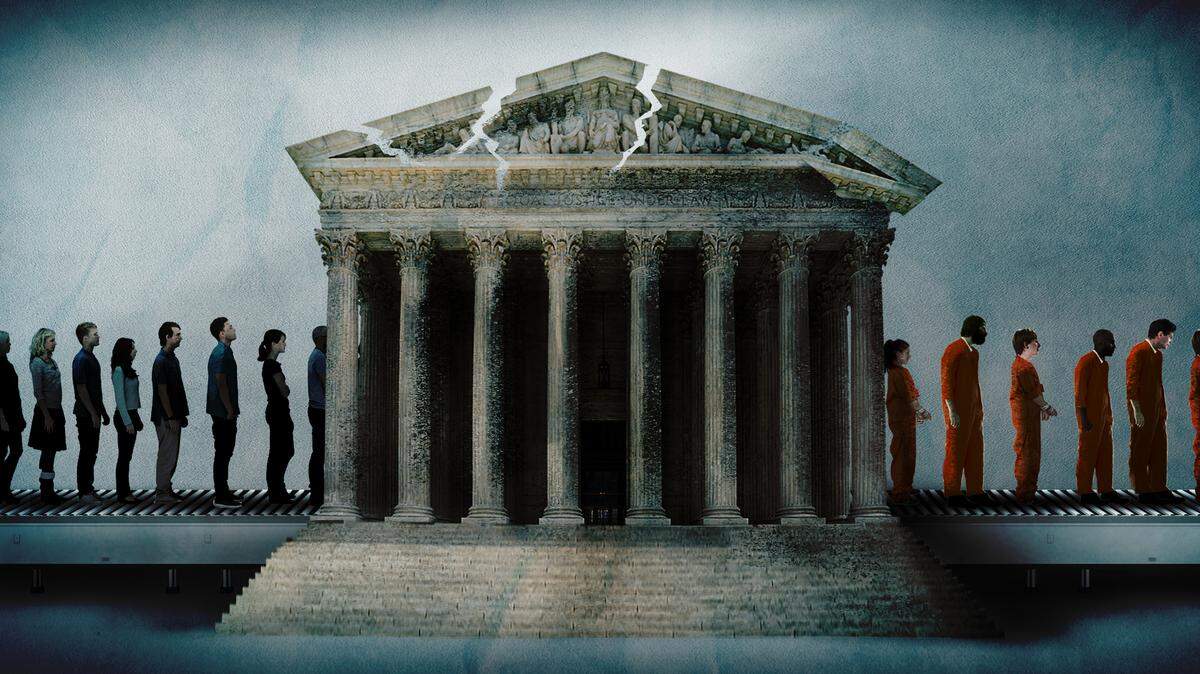
Missouri’s public defender system is unconstitutional, and the state must fix it.
The need for reform is clear and undeniable. A six-month Star investigation found an irredeemable public defender system that is plagued by dysfunction, impinging on the poor’s constitutional rights, cheating those who can’t afford private attorneys out of adequate representation and ultimately costing taxpayers who foot the bill for defendants languishing in jail while waiting for lawyers.
Thousands of indigent defendants in Missouri see their cases stall out for months before a public defender becomes available. The clients are trapped in the limbo of quasi-legal “wait lists” that delay justice at considerable harm to themselves and their families.
Vicky Woolery, who is charged with drug possession, has been stuck on the Bates County wait list since May. She must appear in court without a lawyer every two weeks. Finding someone to care for her elderly mother during the trips to court is a challenge.
“We just wait. We just wait,” she said.
Nyisha Robinson, who is accused of stealing, qualified for a public defender in July 2018. She’s still waiting.
“I ain’t never went to court this many times for one case,” she said. “It’s a long line. A long list.”
Other defendants remain in jail while they wait for a lawyer.
“I was in custody for 10 weeks,” said Robert Foster, whose stealing charge in Henry County was eventually dismissed. “I never heard from anybody. It took them six weeks to send me a letter that they don’t have an attorney to take my case.”
Missouri defendants Jacob Tubbs, Rachael Radford and Auwstin Green were approved for public defenders in mid-August, records show. All three spent at least seven weeks in the Henry County jail. Last week, Green still remained in custody.
Public defenders’ clients are the poorest of the poor. In general, a defendant must earn less than $12,490 a year to qualify for a public defender.
And the service isn’t free. Clients still pay a small fee after they’re accepted by the office.
By some estimates, nine out of 10 felony defendants in rural Missouri need a public defender.
The public defender shortage is a problem in cities, but it’s a crisis in many rural areas. Lawyers can be reluctant to work in small towns; the distances that must be traveled are long; and the workload can be crushing.
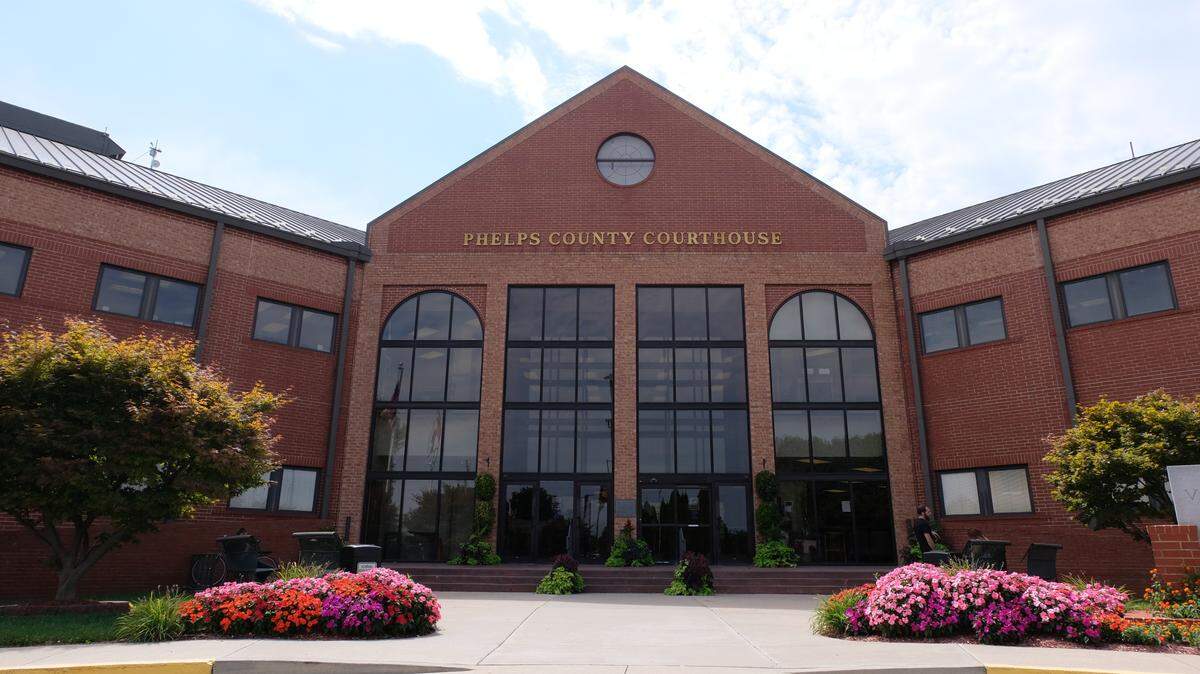
Bates County, Missouri, has one public defender. Typically, he’ll juggle more than 200 cases in a year.
While waiting for a lawyer, many defendants must appear repeatedly in court without legal representation, at great risk to their rights.
“They’re terrified,” said Bates County Associate Circuit Judge Julie Highley, who heard from dozens of wait-listed indigent defendants in her crowded courtroom in early October.
Mistakes are made
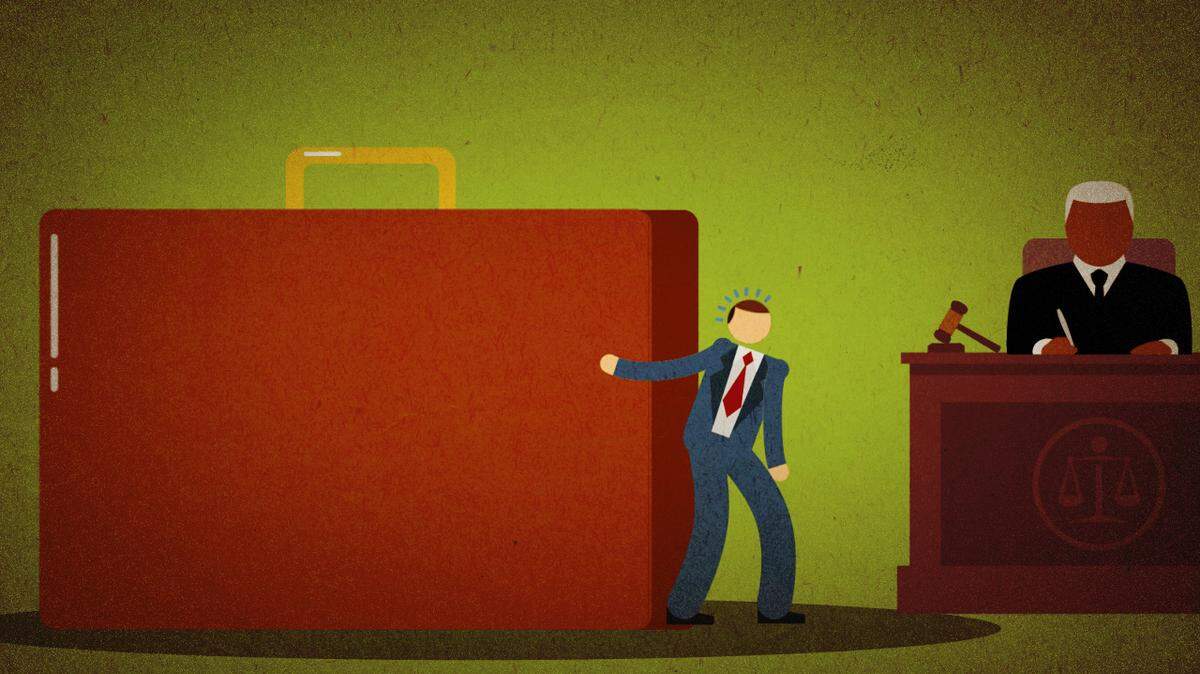
But just getting a public defender isn’t the only issue. Public defenders — who are underpaid, generally less experienced than prosecutors and lacking resources — almost always find themselves at a disadvantage in the courtroom.
In 2017, the American Civil Liberties Union sued Missouri in federal court, accusing the state of violating defendants’ constitutional right to a lawyer.
“For decades, the Missouri State Public Defender has been underfunded, understaffed, and overworked,” the ACLU says. “Too few attorneys are handling too many cases, fueling a system that consistently fails to give each case the minimum recommended hours for ethical representation ...The result is constant injustice.”
An agreement to settle the case was on the table when Missouri Attorney General Eric Schmitt asked to intervene, claiming reforms would somehow allow felons to go free.
A federal judge denied his request, but Schmitt has appealed. Until the request is considered, the settlement agreement is in limbo, just like hundreds of poor defendants.
How to fix it
What must Missouri do?
The first answer is the most obvious: Adequately fund Missouri’s public defender office.
The state needs more public defenders, and public defenders need to earn more.
“If you’re low income, and you’re charged with a crime, you deserve the right to a fair and speedy trial,” said state Rep. Greg Razer, a Kansas City Democrat and a member of the House Budget Committee.
Public defender salaries start at roughly $47,000 a year and top out at about $72,500, just a fraction of what an attorney can make in private practice.
Jason Speer, the Bates County public defender, says he needs another two lawyers and full-time administrative help.
New York City recently approved eventual pay parity for prosecutors and public defenders. Connecticut has required pay equality between prosecutors and public defenders for several years.
Missouri will spend about $51.6 million this year for the public defender office. Iowa, with half of Missouri’s population, spends $56 million on its public defender system.
Missouri’s office says it needs another $30 million to do its job properly.
There are other solutions. State lawmakers should ensure public defender offices have needed software to process applications as quickly as possible. Basic paperwork shouldn’t take weeks.
Judges have said only individual defenders can file complaints about overwork, not an entire office. That’s absurd. State law should give an office supervisor the ability to seek relief for all of the lawyers under his or her direction.
And such requests should be heard by appellate judges, not at the circuit level. Circuit judges have a clear incentive to push indigent defendants through their courtrooms too quickly. One judge said felony defendants don’t always need lawyers, which is outrageous.
Voters can play a role, too. In Missouri, judges stand for election or retention. Judges who demonstrate a callous disregard for constitutional rights should be removed from the bench at the earliest opportunity.
Michael Barrett, the director of the Missouri State Public Defender Office, recently announced his resignation. Barrett has been a tireless advocate for increasing his office’s budget, repeatedly taking his concerns to the public and to lawmakers.
Missourians will feel the loss. At the same time, Barrett’s departure provides an opportunity for the Missouri Public Defender Commission, Gov. Mike Parson and the legislature to broadly discuss efficiencies and measurable responsibilities in exchange for increased funding for the office.
This week, Greg Mermelstein was named interim director of the office. “Public defenders stop government overreach and uphold everyone’s constitutional rights,” he said. “I’ll seek to ensure that work continues.”
The consequences of injustice
Some Missouri lawmakers recognize the failings of the state’s underfunded public defender system but worry other legislators will balk at a $30 million increase.
“I just don’t think it’s on their radar,” said state Rep. Ingrid Burnett, a Kansas City Democrat and a member of the Missouri House Budget Committee.
“But what we’re talking about here is the bedrock of our justice system,” she said. “If we’re going to allow it to become eroded like this, we’re asking for some pretty awful consequences down the road.”
Those consequences include innocent people going to jail, while crime victims are forced to wait years for the guilty to be punished.
Criminal justice reform, which is high on some conservatives’ to-do lists, would be a step in the right direction. An effective public defender system might dissuade prosecutors from bringing flimsy cases, reducing overcrowding in local jails.
The Greene County Commission in southwest Missouri recently allocated $25,000 to supplement public defender work in Springfield. The jail there is overcrowded, in part because defendants are awaiting lawyers.
Some politicians say public defenders’ work habits need more scrutiny. They think the office is delaying cases in an effort to put pressure on the legislature to increase funding.
Kevin Corlew, a Republican, chaired the Missouri House Judiciary Committee when he was in the legislature. “There was a need to look at the funding,” he said, but “in conjunction with oversight.”
He’s right. If lawmakers commit to fully funding the public defender’s office, its lawyers should agree to a fuller review of how they do their work.
The ACLU lawsuit settlement provides a framework for needed reforms, including prompt responses to defendants and more effectively using legal tools to protect clients. Schmitt, the state attorney general, should drop his appeal and allow the settlement to go forward.
Then Missouri lawmakers can make public defender reform a major agenda item next year. They could get some political help from the governor.
“I think we need to take a look at the public defender system as a whole, and how efficient it is,” Parson told The Star. “Is there a better way to do it?”
There is. It will take money and hard work.
But it will also require an acknowledgment from all parties — judges, police, prosecutors, the public — that every defendant has a nonnegotiable constitutional right to an effective lawyer.
Justice is not only supposed to be blind, but balanced. Missouri is falling inexcusably short.
BEHIND THE STORY
MOREHow we did this story
The Star newsroom and editorial board collaborated on a long-term investigation of Missouri’s public defender system, resulting in this series of news stories and opinion columns. Star journalists traveled across Missouri, interviewing public defenders working in more than two dozen counties, including one who represented a man wrongly convicted of murder. Read more by clicking the arrow in the upper right.
They followed one public defender for an entire day and interviewed another who, after being jailed for standing on principle, left to become a private defense lawyer. They spoke with seven judges, a half-dozen prosecutors, Gov. Mike Parson, several lawmakers, and more than 20 people who had been charged with crimes, including one exonerated from death row.
Visiting courthouses around the state to watch proceedings, they pored over thousands of pages of documents, including transcripts, police records, judges’ emails, budget reports, lawsuits, rulings, opinions and research studies. They heard from experts in Missouri and at the national level.
Why did the news and editorial sections do this project together?
This was a unique news and opinion partnership at The Star. At the outset of many projects, you don’t know where the reporting will take you. But this time, we knew we were investigating a broken system. To make a difference, the project needed deep reporting combined with a strong call for action.
The project grew out of the separate efforts of a reporter and an opinion columnist who had both written about the issue. Katie Moore, who has been covering crime and courts for years, began working on a story around the same time Dave Helling, a veteran journalist who has spent much of his career covering politics and the Missouri public defender system, wrote an editorial revealing that the state was nowhere near solving the problem.
Both dug in for months of independent reporting, with the results presented here together.
Do you have a story tip?
If you want to share your experience with the Missouri public defender system, contact reporter Katie Moore by phone at 816-234-4312 or send email to kamoore@kcstar.com. Columnist Dave Helling can be reached at 816-234-4656 or dhelling@kcstar.com.
This story was originally published November 20, 2019 at 5:00 AM.