Black KCPD officers saw discrimination in beard policy. They fought back — and won
READ MORE
Racism in the KCPD
A Star investigation found discrimination, racist abuse and unfair discipline in the KCPD. White cops are accused of using slurs and racially profiling Black members of the force.
Expand All
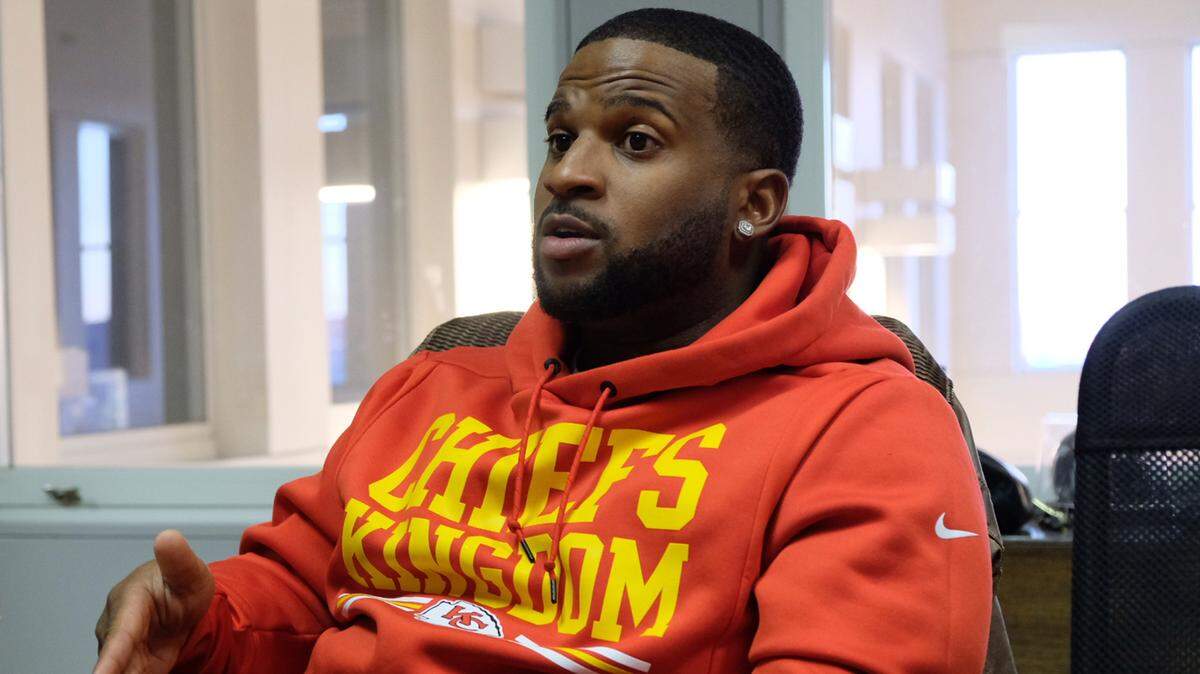
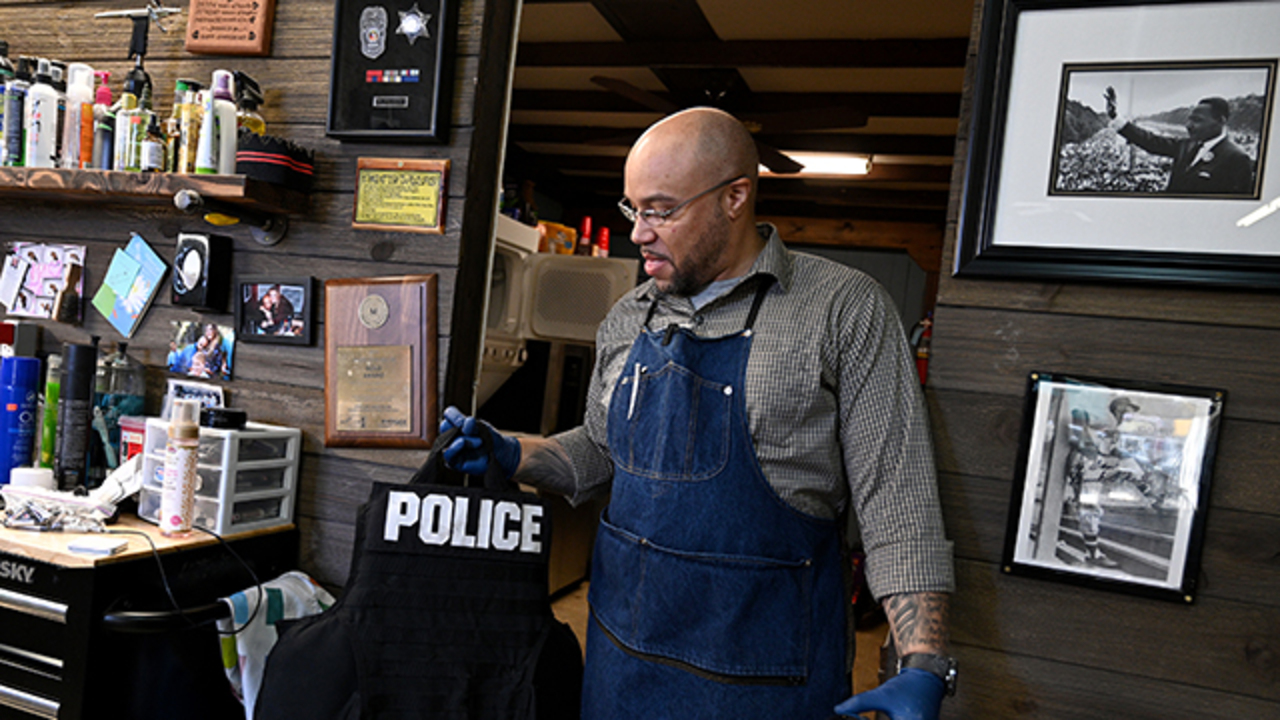
Titus Golden watched with frustration in early 2020 as two white officers, each sporting full beards, went about their business as if nothing was wrong.
To Golden the sight of the facial hair showed a clear discrepancy in how Black and white officers are treated in the Kansas City Police Department.
Weeks earlier, Police Chief Rick Smith had issued a sweeping order that required officers to be clean shaven. It allowed no exception for those who suffer from a skin condition that mostly affects Black men and makes shaving painful and harmful — even if they had a doctor’s note.
The order was intended to ensure their KCPD-issued N95 masks fit properly during the pandemic.
But it meant officers like Golden, who is Black, were placed on limited duty for not being able to shave, even though for them, using a razor could mean ingrown hairs, inflammation and scarring on their faces.
To see white officers flouting the rule without consequence showed clear racial discrimination, he said.
“It reminded me of the double standard that this department has between Black and white (officers),” Golden told The Star. “They were wearing their beards proudly, like there was nothing wrong. I instantly got very frustrated.”
To Black cops, the beard policy was just one example of a larger problem in the department. They say they are harassed and forced out of KCPD through unfair punishment. They even have a name for it: getting “papered out” — so named because of the paper disciplinary notices that accumulate for Black officers.
KCPD brass has known for years that the department discriminates in meting out discipline. A department-wide assessment from 2009, which was partially revealed in a discrimination lawsuit, showed that Black officers made up 11% of the force but 18% of the discipline.
More than a decade later, as part of an investigation of racism in the Kansas City Police Department, The Star interviewed Black officers who fought back against the beard policy and prevailed.
They pointed out that white officers who faced criminal charges — including a detective later convicted in the fatal shooting of a Black man — were allowed to stay on the job, while they were in danger of being disciplined for the relatively low-level offense of not shaving their faces.
“I knew it wasn’t fair,” Golden said. “It was just a slap in my face because my beard wasn’t keeping me from doing my job.”
After Golden and other Black officers filed complaints, the beard policy was rescinded. KCPD has since paid out thousands to officers of color because of the policy — and three lawsuits filed by cops are pending.
Smith declined to be interviewed for this story. In response to questions about the beard policy and the events that followed, Smith provided a written statement that said the force “knows the value of having a diverse workforce.”
“Each member brings their own experiences and perspective to the job,” he said.
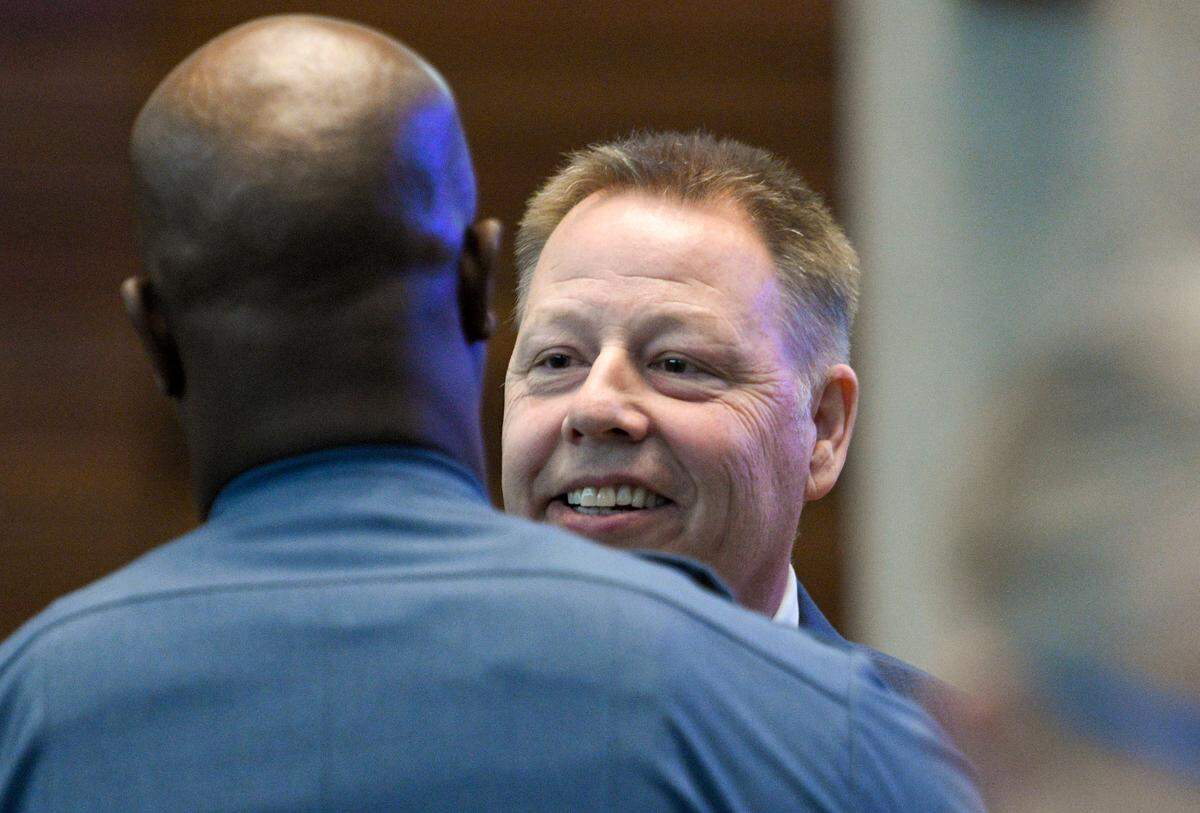
The KCPD beard policy
When Smith became chief in 2017, he declared that he “opposed officers with beards and tattoos,” according to lawsuits officers filed over the beard policy.
Many thought the message was discriminatory in nature.
On March 30, 2020, when KCPD supplied protective equipment to frontline employees, Smith issued “Special Order 20-09.”
It meant all members with N95 masks were required to be clean shaven, with the exception of a mustache. The new order superseded previous rules that allowed officers to avoid shaving if they had a medical waiver.
At the time, some medical professionals recommended shaving beards so N95 masks would fit better. Some hospitals required shaving but offered exemptions.
In the KCPD, cops with the skin condition pseudofolliculitis barbae told managers they could not be clean shaven because it would cause them pain and potentially lead to more serious medical concerns.
But supervisors “ignored their pleas,” they said, and no one investigated their discrimination allegations.
Golden was told if he refused to shave, he would have to use personal time and not come to work. He was placed on limited duty, he said, and was not able to carry his gun or badge.
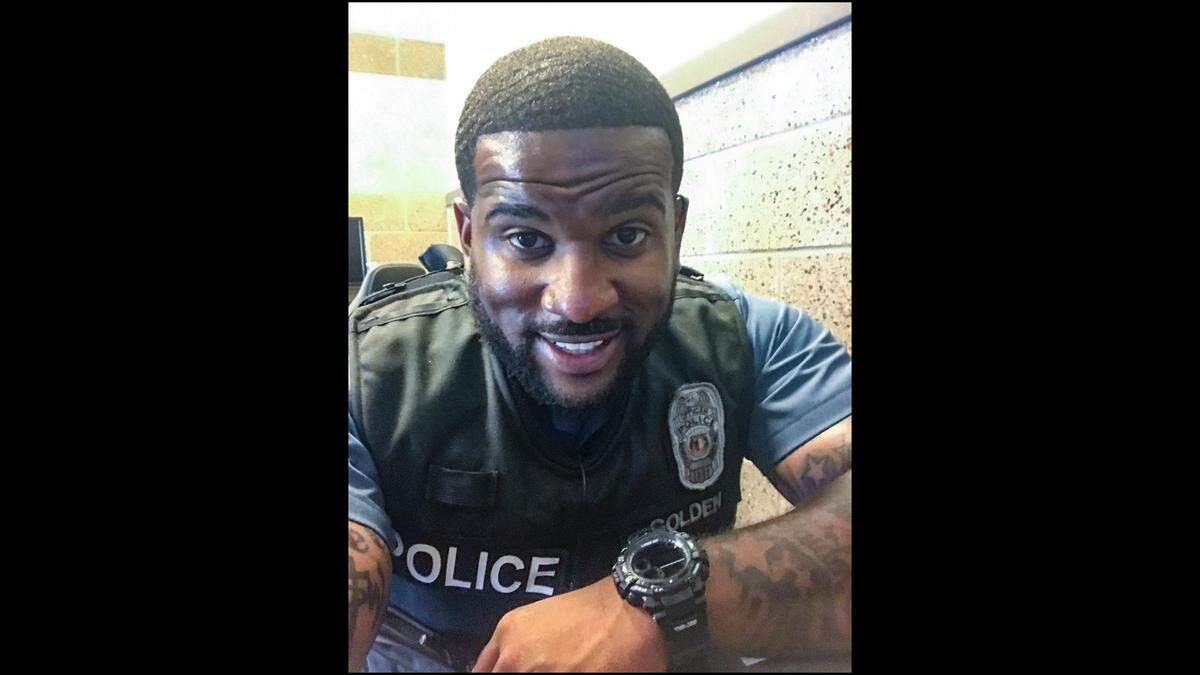
In an email to human resources, which was obtained by The Star, Golden called on KCPD to change its culture.
“This department has made some public commitments to change, but secretly is continuing to act and support those that act in the manner that has led to protests and calls for police reform in this city and country,” he wrote.
“I want to be treated fairly,” he added, “and I ask that the department truly make an effort to change the culture and discriminatory treatment so many of us have faced during our time working here.”
To become an officer in Kansas City
Golden was no stranger to discrimination. It was part of what made him decide to become a police officer after he was pulled over and harassed at age 16.
It was at State Line Road and West Blue Ridge Boulevard near Leawood, when white KCPD officers racially profiled him and made him get out of the car he was driving. They told him he fit the description of a robbery suspect.
“So me jokingly, you know, I said, ‘Man, I’ve never robbed anybody,’” Golden recalled. “I said, ‘The only person I’ve ever robbed was God because I don’t pay my tithes all the time.’”
The cops weren’t having it. They put his face on the hood of the car. It was summertime; he told them it was hot. They smashed his head back down. The officers took items out of his car. Before they let him go, realizing he was the wrong guy, Golden said he planned to become a cop someday.
“You will never be shit in life,” one of the officers responded.
Golden drove back home to Raytown. He told his mother about the incident, which made him think of slavery. White men had told him he could not become something. It started a fire within him.
Two years later, in 2008, the Kansas City Police Department called and offered Golden a job working building security. He took it.
Then at 20, Golden transferred to the police academy, where he had to shave once a week and endured bullying and name-calling. Because of his skin condition, he was often called “oatmeal face” by white officers, he said.
At the time, Golden thought the nickname was part of lighthearted hazing common in regimented military-style training.
“But of course, when you’re young like that, you really don’t know no better,” he told The Star. “As you get older and mature you’re like, wait a minute, that wasn’t right.”
Years later, Golden would realize quickly that Smith’s beard policy was being applied unfairly.
Fighting back
One Black officer, who asked not to be identified because he feared retaliation, said he arrived at work after the policy was implemented with a slight beard stubble on his face.
He wanted to let his supervisor know that he could not use a razor.
His supervisor sent him home anyway.
“At the time I complied because I knew the situation,” the officer said. “But looking back, I wish I had not complied and just dealt with the repercussions behind not shaving.”
By agreeing to shave, he said, “I could’ve created an issue for myself medically, by going against doctor’s orders, by trying to fulfill a directive or policy from the police department.”
“I put myself in harm’s way,” he added.
In May 2021, three police officers filed separate but similar lawsuits against the department over the beard order.
The officers — Joseph Alexander, a Black officer hired in 1994; John Wyatt, another Black officer hired in 2008; and Danny Vasquez, a Hispanic officer hired in 2009 — said they had conditions requiring they seek accommodation to the order.
Each officer was damaged by the discrimination, their attorney, Gerald Gray II, wrote in their lawsuits. They were stressed out, lost sleep and were “fearful of what else might happen” to them.
During the same time, Golden saw then-officers Charles Prichard and Matthew Brummett — who were charged with assault for a widely-criticized arrest of a Black transgender woman — working at the East Patrol Division Station, weeks after they were indicted.
To Golden, seeing Prichard and Brummett allowed to remain at work signaled that KCPD leadership considered it more important for him to be clean shaven, going against his doctor’s order, than to “treat citizens with dignity and respect.”
“But you believe it is right to allow two white officers to come to work despite them facing criminal charges and clearly being reckless in their behavior is disheartening,” he wrote.
In June 2020, Golden sent an email to the Internal Affairs Unit, expressing concern about the “unfair treatment between blacks and whites” in the police department.
“This department has stood behind their actions and they are still allowed to come to work and carry their duty weapons and badge,” Golden wrote, adding that video of Prichard and Brummett’s alleged assault showed the white officers “unjustifiably beating” a Black arrestee. “I as a Black officer was put on limited duty for not being able to shave due to my medical condition.”
Attorneys for the police department denied that the officers were discriminated against or that KCPD engaged in “any unlawful employment practices.”
Racial discrimination in discipline
Numerous Black officers told The Star about how they experienced discriminatory discipline for things white officers also did but were not written up for.
That included leaving a soda cup in a paddy wagon, adding information to a report while off duty and forgetting to log off of a computer at the end of the work day.
A department-wide assessment in 2009 showing discrimination in the department’s discipline came to light during a federal civil rights lawsuit filed in 2013 by Kevin Masters, who at the time was a Black deputy chief.
In his lawsuit, Masters admitted he helped a friend who was arrested for traffic warrants. But Masters, who is Black, said former Chief James Corwin, who is white, unfairly disciplined him.
The lawsuit referenced a disciplinary survey that was part of a department-wide assessment Corwin ordered in 2009. It showed Black officers were more likely to be disciplined than white ones.
When asked to confirm that disparity during a deposition, Corwin replied: “That’s what these numbers reflect, sir.”
During the deposition, Masters’ attorney, Basil North, said Black employees, whether civilian or law enforcement, were disciplined at higher rates. White employees, meanwhile, made up 84% of law enforcement personnel, but received 76% of the discipline, according to the survey.
Twenty-four percent of KCPD survey respondents said the disciplinary process was fair, while 77% said it was not. Some said there was a lack of consistency in discipline between patrol stations, while others thought commanders were not reprimanded.
The survey was part of an overall examination of department operations that also included retention, promotion and other areas.
In addition, the survey showed that a large number of respondents believed disciplinary action depended largely on “the person’s race, sex and who the person was friends with.”
“Some citing that if you know the right people, an incident is never put on paper,” the results stated.
Several current and former KCPD employees cited the study in interviews with The Star. When The Star filed a records request for the study, KCPD said no “disciplinary study” existed, but that it was part of a broader assessment done by a consulting group that was used to establish a task force.
Sgt. Jacob Becchina, a police spokesman, said he did not know if the consultant’s report still existed.
Policy overturned
Sixteen hours after Golden’s complaint about the order, KCPD rescinded its shaving directive on June 11 — less than three months after it was put in place.
In response to complaints over the policy, the police department has paid Black officers, including $29,000 to Golden and his attorneys.
Because some of the payouts are confidential, it is unclear exactly how much KCPD has paid out over the order. At least eight complaints have been filed with the department and three lawsuits over the policy remain pending in Jackson County Circuit Court.
Now a father of two young sons, Golden said he fought discrimination in the beard policy to clear a path for his kids if they ever decided to become police officers.
“You need to have more officers from the neighborhoods,” he said. “Level-headed and really for the people, and I think that’s what makes me hang in there.”
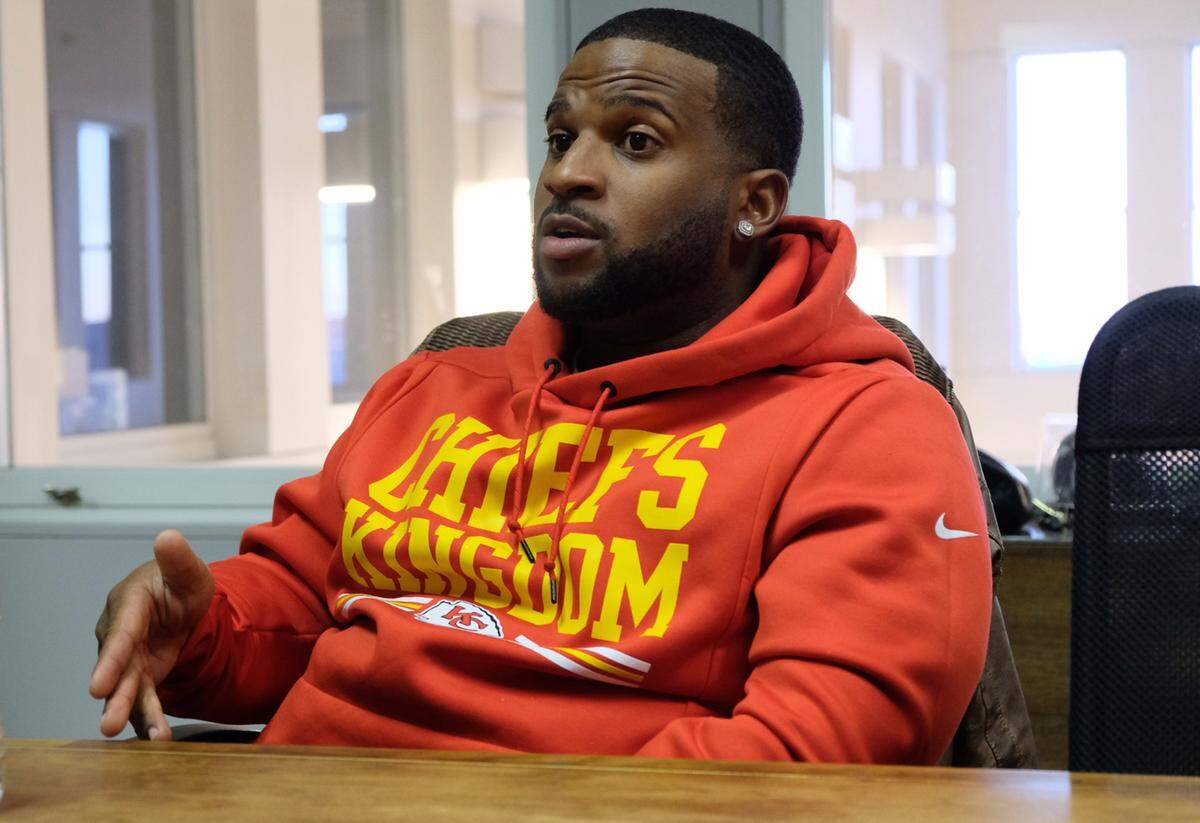
This story was originally published March 27, 2022 at 5:00 AM.