He was a detective with the KCPD. And he still got pulled over for driving while Black
READ MORE
Racism in the KCPD
A Star investigation found discrimination, racist abuse and unfair discipline in the KCPD. White cops are accused of using slurs and racially profiling Black members of the force.
Expand All
Editor’s note: This story includes a quote containing offensive language.
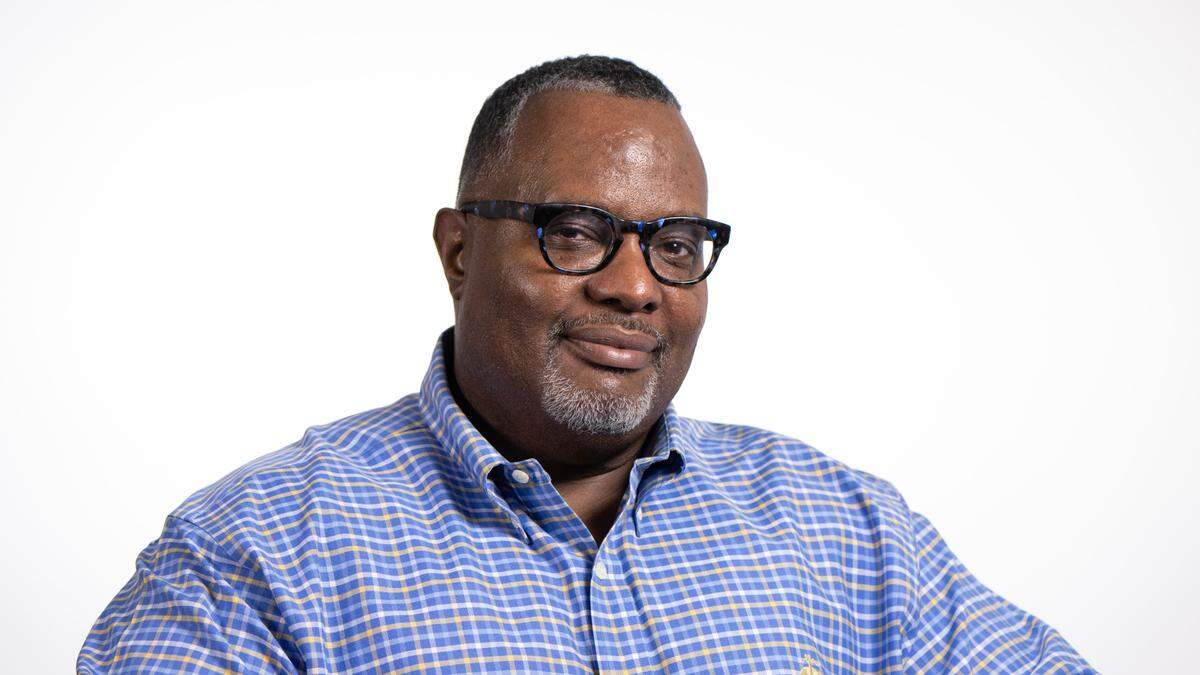
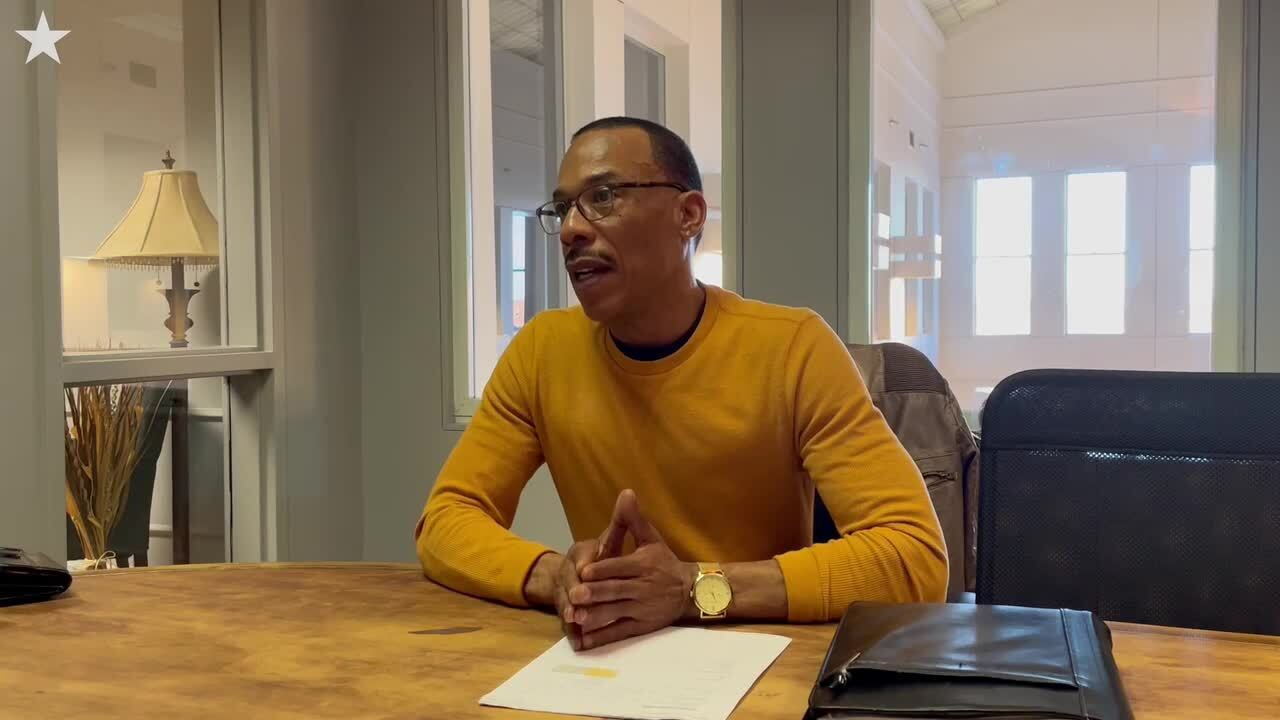
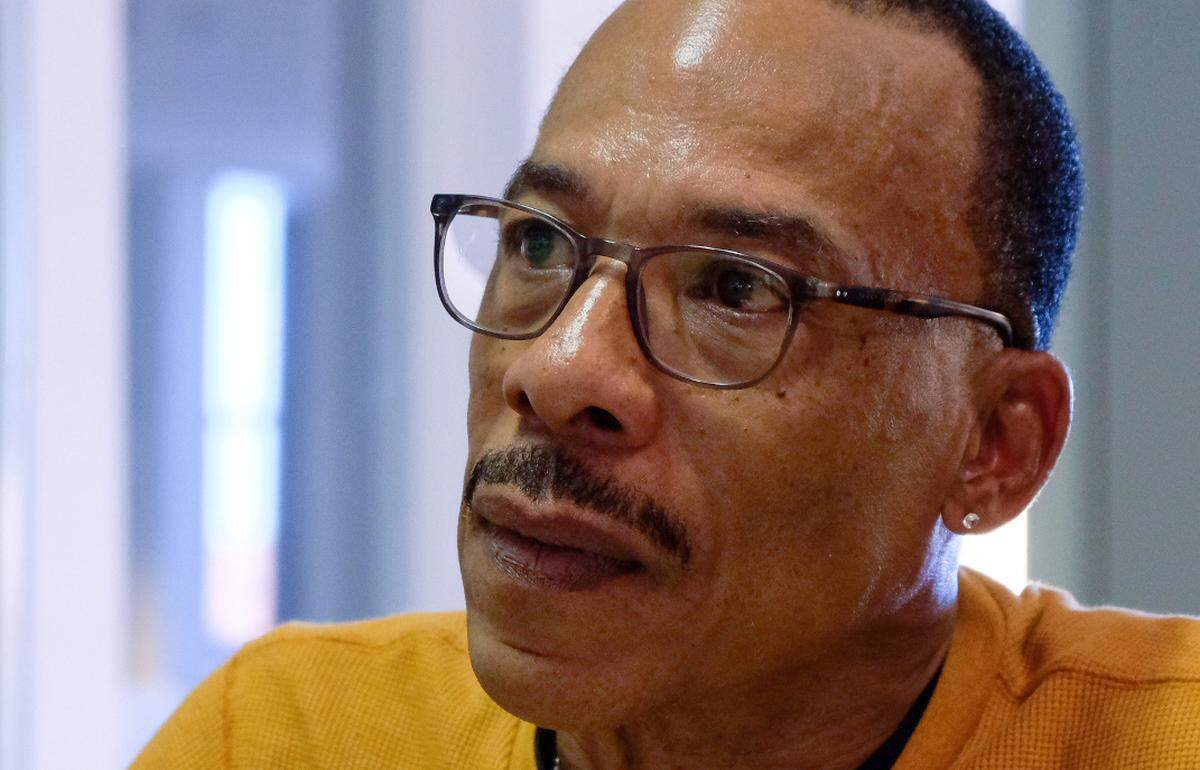
Herb Robinson has feared for his life twice in his 30-year police career.
One was when he was shot in the line of duty. The other came when he was pulled over last year by two fellow Kansas City police officers.
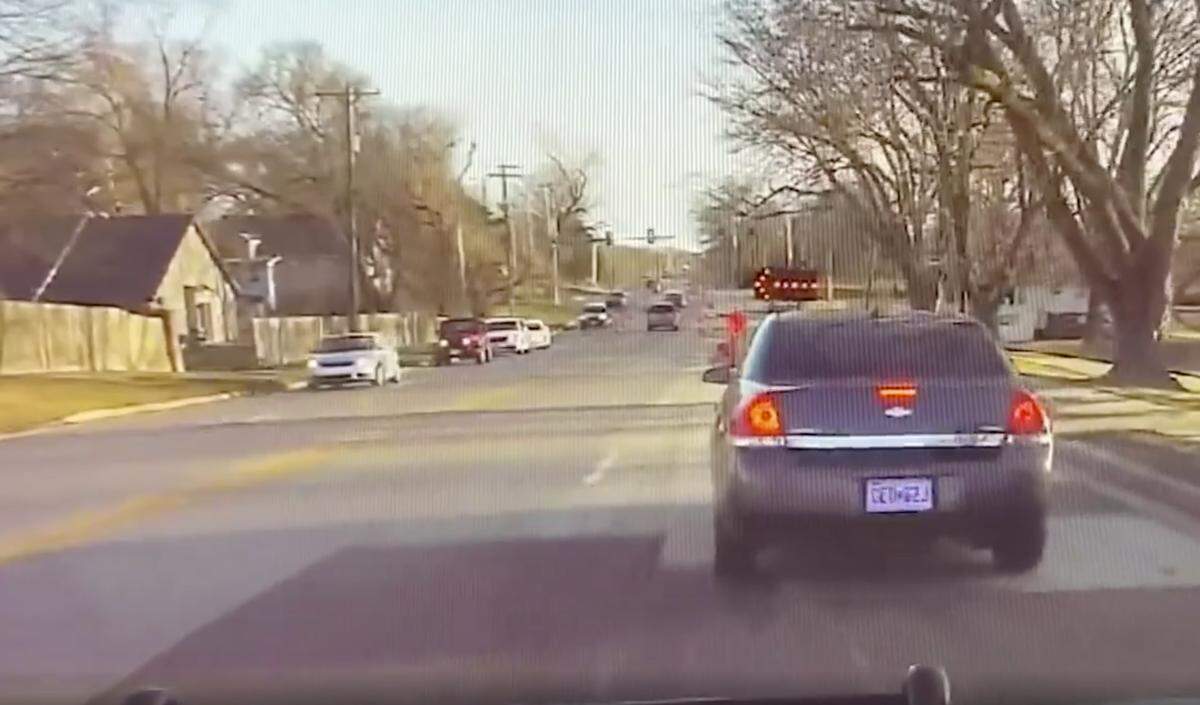
It was plainly racial profiling, Robinson says. He was in uniform and driving an unmarked police car when the officers pulled him over for nothing on March 11 last year.
And as he confronted the officers, he says he understood better than ever the experience of Black citizens dealing with white police. He worried that if he reached into the car to get his police ID, he might be shot.
“I’m like that deer in the headlights,” Robinson recalled. “My heart’s racing and pounding. I’m like, what are you going to do next?”
Robinson, 59, a detective at the time in the Kansas City Police Department’s violent crimes intelligence squad, was heading to an off-duty job and driving south on Blue Ridge Boulevard, on the outskirts of Kansas City into Raytown.
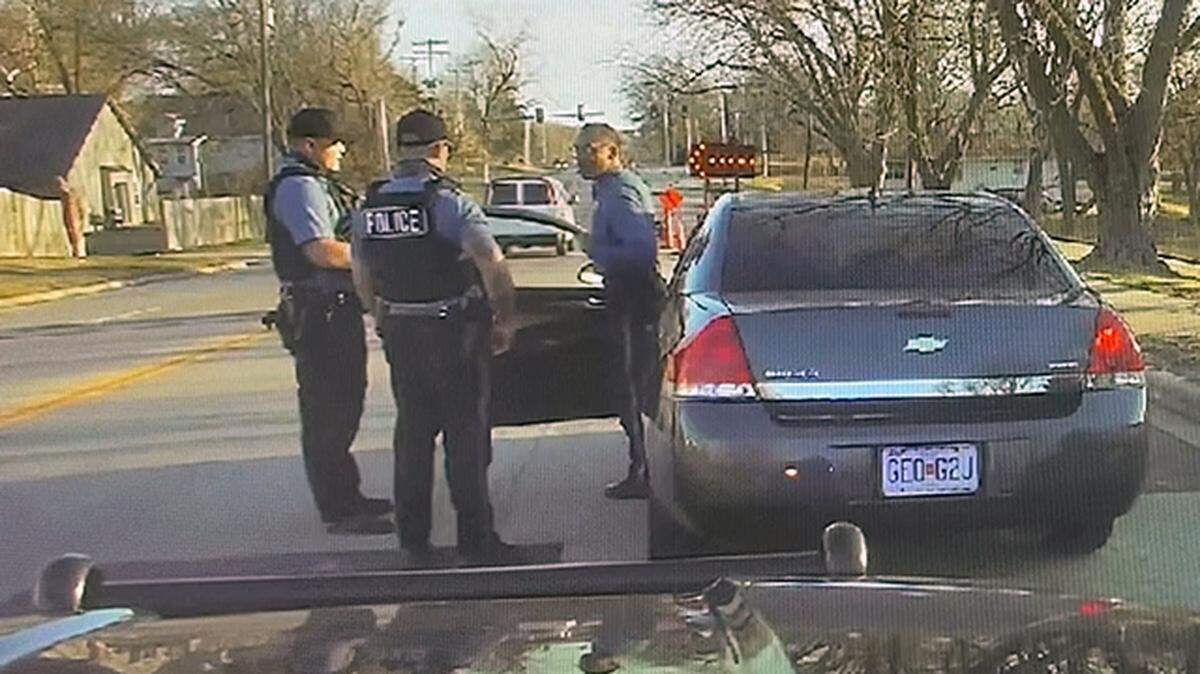
When he was pulled over, he opened his car door and stepped outside in a blue shirt and navy pants. The two officers — Cole Modeer, who is white, and Marco Olivas, who is Hispanic — moved toward him.
“Holy shit,” one of the officers said as he looked at Robinson, a 33-year veteran of the force. “First of all, I don’t know why you’re jumping out like that on us.”
Robinson, who is Black, believed the stop was illegal. He thought that he would not have been pulled over had he been white.
It’s an experience many people of color in Kansas City feel: targeted by the police department meant to serve them. Black drivers are more likely to be stopped by KCPD officers and during those stops, they are more likely to be arrested than white drivers, according to police data compiled by the Missouri Attorney General’s Office.
Not even being a veteran of KCPD protected Robinson from being harassed.
Dashcam video of Robinson’s stop was obtained by The Star. Shown the footage, civil rights activists, police experts and academics in law and racial profiling said the stop was an outrageous example of a toxic, racist culture in the department.
Black officers say that it’s a problem that has only grown under Police Chief Rick Smith’s tenure.
Robinson’s traffic stop was discovered as part of a year-long investigation into racism in KCPD. More than two dozen current and former Black officers recounted such stories of facing discrimination, harassment and abuse from their colleagues.
KCPD declined to make the officers, Modeer and Olivas, available for comment about the traffic stop. They are assigned to the Patrol Bureau and have been with KCPD since 2018.
When reached by The Star, a spokesman for the department declined to view the video of the traffic stop.
“The video was not produced/provided by KCPD as part of a public records request, as such we cannot validate the video nor do we have any response to the video,” Sgt. Jacob Becchina, a KCPD spokesman, said in an email. “We are however aware of the allegations made. The reason for the stop has been investigated. Any further related information cannot be released because it is a closed record under the Missouri Sunshine Law.”
Months after the stop, Robinson said the experience remained troubling. He could not articulate the magnitude of its effect.
“So, I’m that person now,” he added. “I understand the protests. I understand what people are saying. I never imagined on this department I would experience that from my own.”
The traffic stop
Before the stop, the officers were in a right turn lane but went straight through the intersection and followed Robinson, driving past a sign that welcomed drivers to Raytown.
After following Robinson for nearly a mile, the officers activated their lights and siren.
Robinson pulled over and stepped out of the car. The officers moved toward him and told him his plates don’t come back to “anything.”
Robinson was driving an unmarked police vehicle. Had the officers checked who owned the Chevy Impala, it would have come back as being owned by the Kansas City Board of Police Commissioners.
“Where are you headed, bro?” one of the officers, who is white, asked Robinson.
“Bro?” responded Robinson, who thought the word was disrespectful. “I’m Detective Robinson.”
“Don’t do that to us,” the white officer said. “Chill the fuck out.”
“I’m in a police uniform,” Robinson can be heard saying.
“I don’t know who you are. You said Detective Robinson?” the officer asked, to which Robinson said he was. “Cool man, alright. Have a good night.”
The officers let Robinson go. They headed back to their car and could be heard calling him a “fucking dumbass” and a “fucking retard.”
‘Pretty egregious’
The Star shared the video of Robinson’s stop with policing experts and community activists, who said they were concerned by the way the officers treated one of their own.
Brandon Davis, an assistant professor at the University of Kansas whose research focuses on race, said the stop appeared to be “totally unnecessary” and motivated simply by “who was driving the car.” The officers, he said, then blamed Robinson for their violation of his constitutional rights.
“The officers are the only ones in the video who violated any traffic laws, by going straight out of a turning lane to follow the car,” Davis said, later adding: “Police are not above the law.”
Even if the officers had a legitimate reason to stop Robinson, “their conduct towards him once it became clear he was a uniformed officer was pretty egregious,” said Lauren Bonds, legal director for the National Police Accountability Project.
“From addressing him as ‘bro’ to cursing him and using ableist slurs after the stop, the officers failed to show Detective Robinson the minimum respect you would expect they extend to a colleague,” Bonds said. “This video should at least raise concerns about whether KCPD is an equitable and inclusive workplace as well as the department’s treatment towards BIPOC (Black, indigenous, and people of color) members of the Kansas City community.”
Joe Feagin, a sociologist and professor at Texas A&M University, said it is “commonplace” for white officers to stop Black colleagues “just like they would any other Black person” when they can’t see the driver is a fellow member of law enforcement.
“It’s outrageous,” said Feagin, who interviewed nearly 60 Black officers for his 2004 book, “Black in Blue: African-American Police Officers and Racism.”
“It shouldn’t happen, obviously.”
Shot in the line of duty
The traffic stop was the worst thing that happened to Robinson in his career — next to being shot in the line of duty and not knowing if he would live or die.
It was Nov. 2, 1989 — his second year on the job. Robinson, who was working undercover, tried to purchase a $20 rock of crack cocaine at a reputed crack house near East 59th Street and Wabash Avenue.
But a man answered the door holding a gun. He told Robinson, “no happenings,” and shot Robinson in the shoulder.
The bullet knocked Robinson off the porch. Dazed and bleeding, he found himself sprawled on pavement in the street. He saw a bright, white light hovering in the sky overhead.
“I thought I was on my way in through the pearly gates,” he recalled.
The spotlight above Robinson was actually a helicopter.
Until recently, the shooting was one of his most challenging experiences at KCPD. Then he got pulled over by his coworkers, who spoke to him in a “demeaning” way, he said.
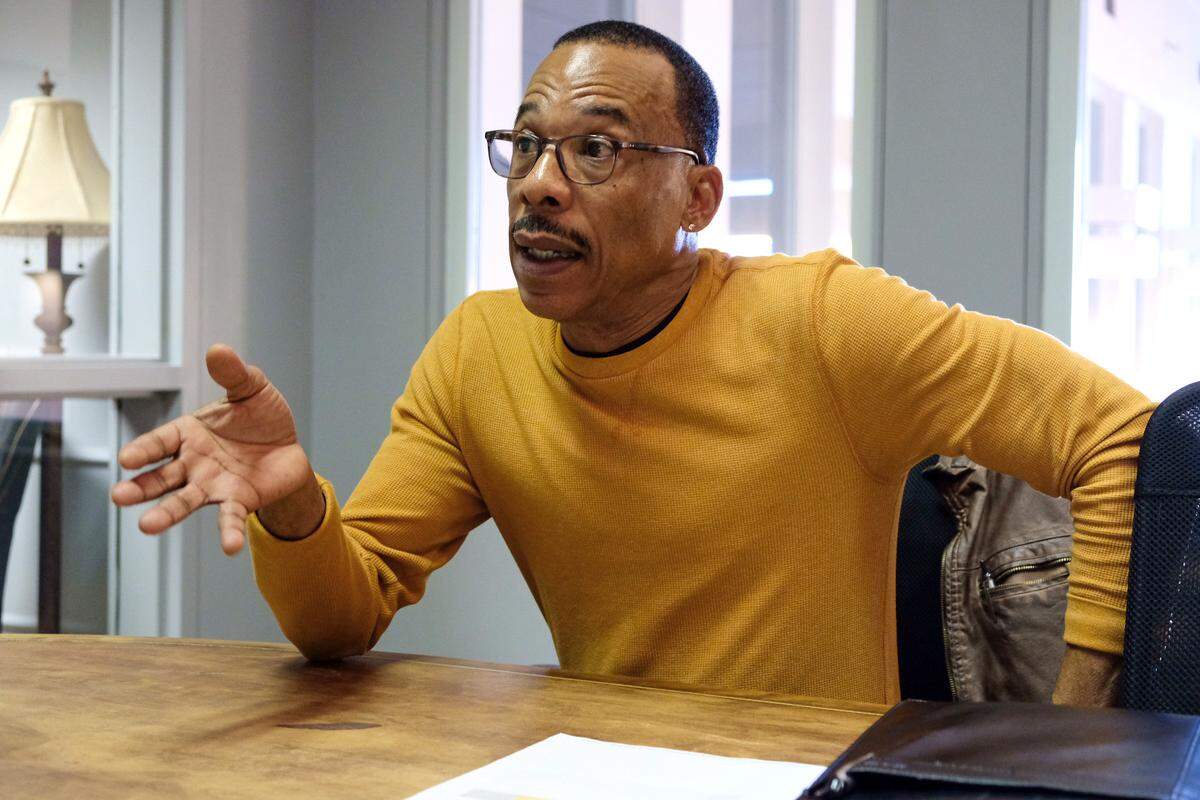
“I equate the scenarios the same, emotionally,” Robinson explained. “That’s how serious I take it. … And there was no way they didn’t know who I was. I was dressed the same: full uniform, radio, ribbons, badges, everything the same. The ethnicity was different.”
Now, Robinson prays that nothing ever happens to one of his family members, such as if they reach for their wallets when they are stopped by police officers.
Driving while Black
Aside from being an officer, Robinson’s experience as a Black driver was not unique.
In Kansas City, Black drivers in 2020 were 23% more likely to be stopped than white drivers, according to data collected by the Missouri Attorney General’s Office. The city’s population, meanwhile, is 60% white and 28% Black.
Black drivers are also more likely to be taken into custody than white ones. Of the 1,521 traffic stops conducted by KCPD in 2020 that led to arrests, 52% of the drivers were Black while nearly 40% were white.
Robinson’s experience exemplified a disrespect that Black drivers have complained of for years.
In 2021, a study from the American Psychological Association found that officers in an unnamed mid-sized city spoke to Black male drivers with less respect than white male drivers. That disparity in experiences can erode trust in police, according to researchers.
“These routine encounters are consequential because they are at once interpersonal and institutional interactions,” wrote the authors, two of whom are Stanford University professors. “As representatives of the state, police officers literally give voice to the law.”
Lack of accountability
Robinson reported the traffic stop through his chain of command, hoping the officers would face discipline.
Calling himself a victim, he said he did not believe the stop would have gone down the same way had his skin been a different color.
Months later, Robinson was told the situation “was handled,” though he was not given additional details.
KCPD declined to explain why the officers stopped Robinson or if the traffic stop was appropriate. The department also refused to say whether Modeer and Olivas, the officers who pulled Robinson over, were disciplined, citing the Missouri Sunshine Law.
The explanation, or lack thereof, has left Robinson baffled and frustrated.
“How are they still working everyday?” he asked. “There’s something wrong with this mindset when you can articulate like that in such an egregious manner to one of your own.”
Robinson, who is now a sergeant, wondered how his fellow officers treat everyday people, or what could have happened had he been in plain clothes. He considered their behavior a liability.
He has not felt the same about law enforcement since.
“You’re disrespecting me, you’re disrespecting this job, this uniform,” Robinson said of his colleagues. “You don’t care. You don’t care. You don’t care.”
This story was originally published March 27, 2022 at 5:00 AM.