Too few KCPD homicide detectives are Black. Families of victims say that must change
READ MORE
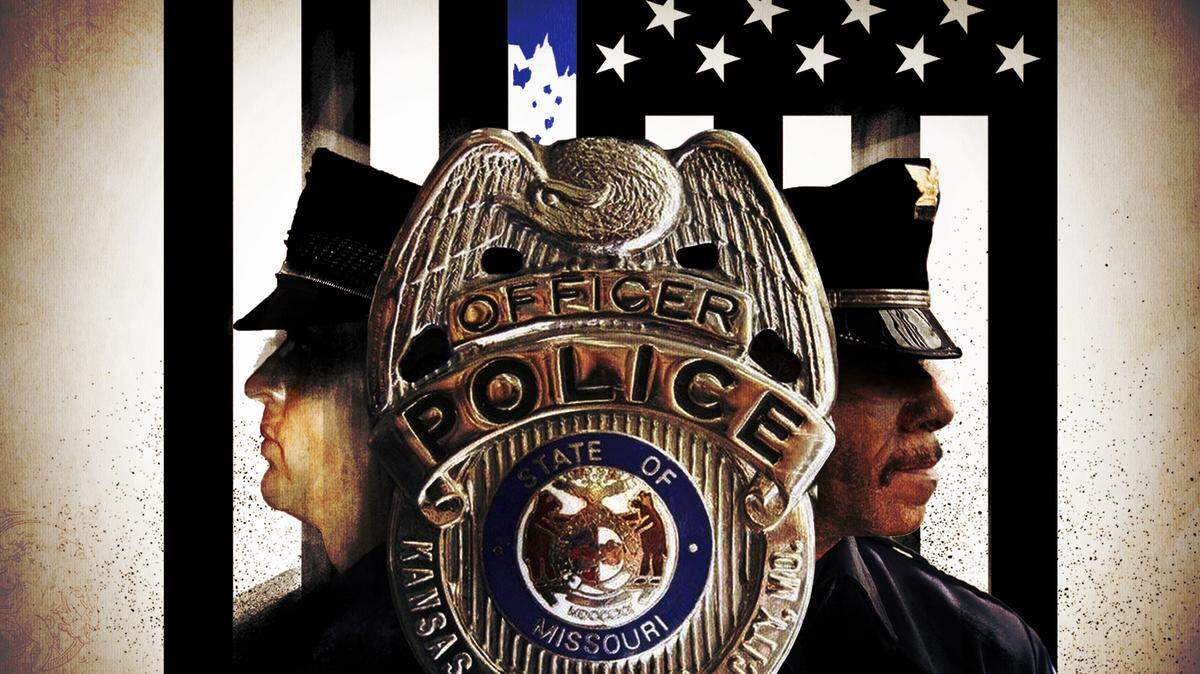
Racism in the KCPD
A Star investigation found discrimination, racist abuse and unfair discipline in the KCPD. White cops are accused of using slurs and racially profiling Black members of the force.
Expand All
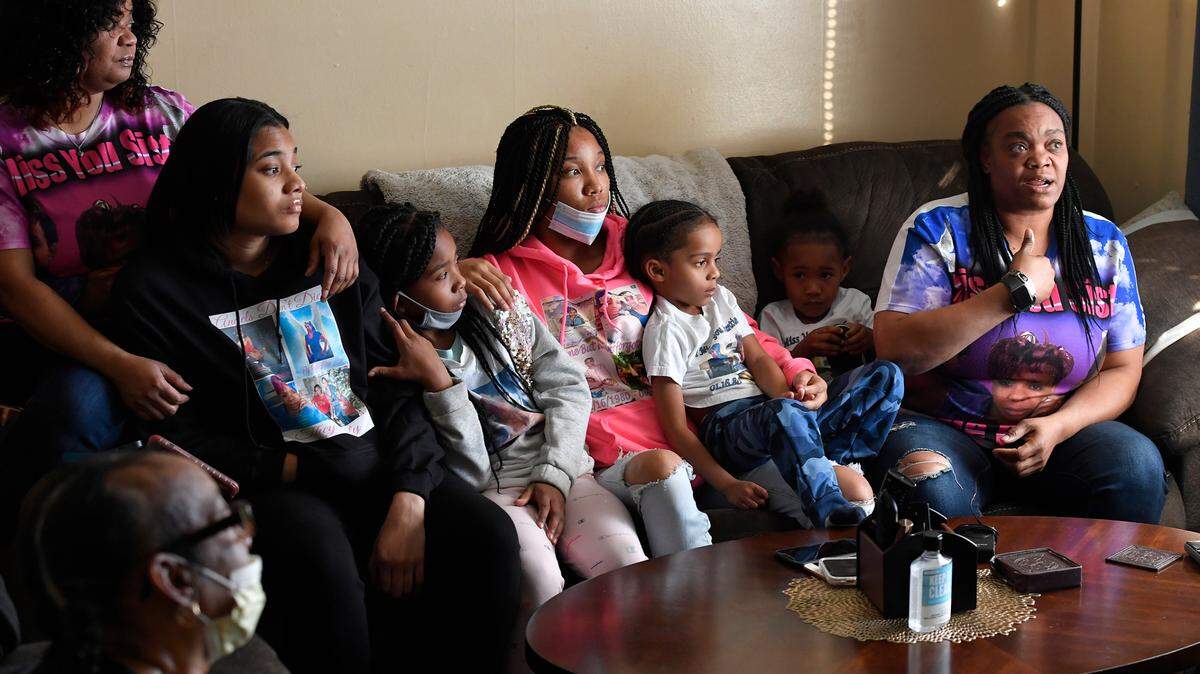
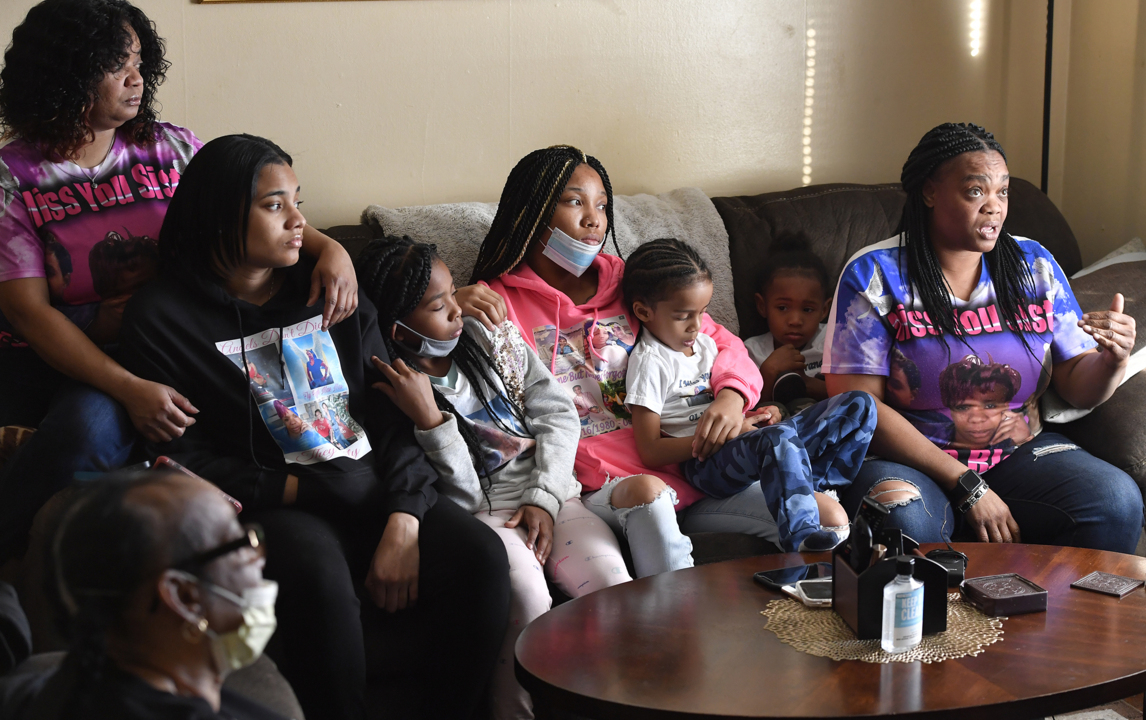
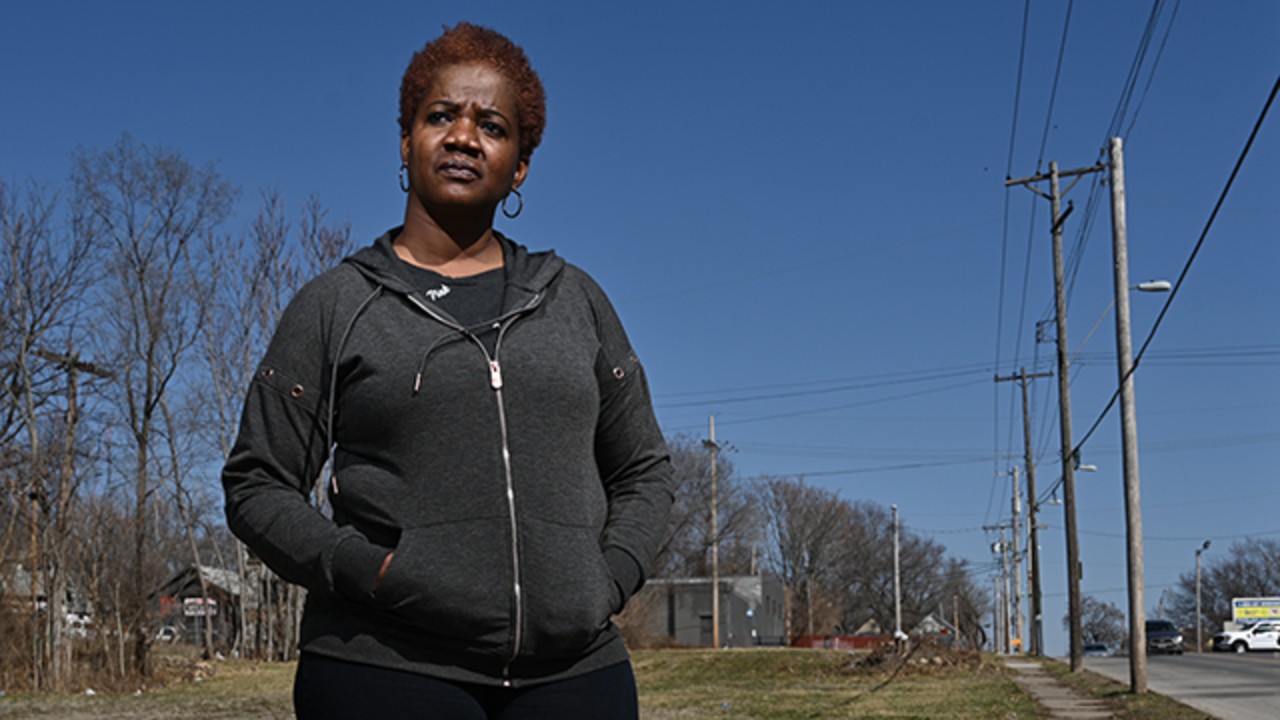
Almost every week, April Blewett dialed the phone number of the Kansas City detective assigned to her sister’s unsolved killing.
Almost every week, she got the same response: Nothing.
No returned phone calls. No updates on who might have murdered her sister, Carrie Mae Blewett, and left her body to decompose in a stretch of trees at East 51st Street and College Avenue in 2017.
April Blewett, her mother and her niece eventually decided to drive to the Kansas City Police Department’s headquarters downtown, initiating the only face-to-face conversation they had with the white detective assigned to the case.
Once again, the family was disappointed.
“Honestly I thought she didn’t give a damn about our sister’s case,” April Blewett said of the detective. “She don’t give a damn about Black people. She don’t care.”
Like the Blewetts, an overwhelming majority of homicide victims, as well as shooting victims who survive, are Black in Kansas City. Yet they or their loved ones will most often be questioned by white detectives who they often find unresponsive and lacking in understanding and dedication to their cases.
Black families interviewed by The Star said they had been disappointed by detectives who did not return phone calls or collect evidence, and in some cases appeared unhelpful or even disrespectful. Many said they doubted that the white detectives cared about their cases, and said Black detectives would be more sympathetic to them.
It’s a prime example of what happens when an organization lacks a diverse workforce, which is a problem for the homicide unit, as police leaders and prosecutors have acknowledged. In a city that is nearly 30% Black, only about 9% of homicide detectives are.
One result: Black families are less likely to have their cases solved than white ones, according to data from the Jackson County Prosecutor’s Office.
At its most stark, the difference in results shows the homicide unit sends cases to Jackson County prosecutors for about 51% of victims who are Black men but 73% for white women.
“The problem is just an overall faith in our system to be legitimate,” Jackson County Prosecutor Jean Peters Baker said of police, her office and the courts. “We’re not trusted to handle the problem.”
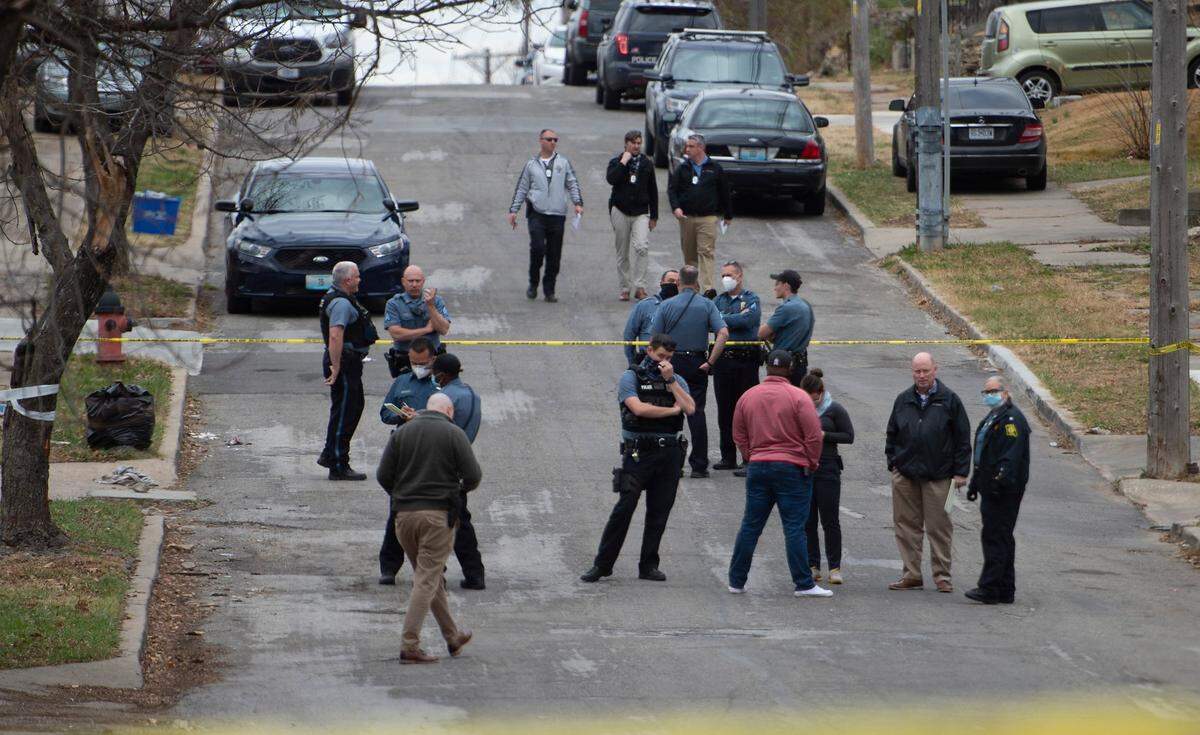
There is wide agreement that the city needs more Black detectives, from Baker to Mayor Quinton Lucas and Congressman Emanuel Cleaver II, along with anti-crime workers, former detectives, a supervisor in KCPD’s employment section and Black families who have lost loved ones to violence.
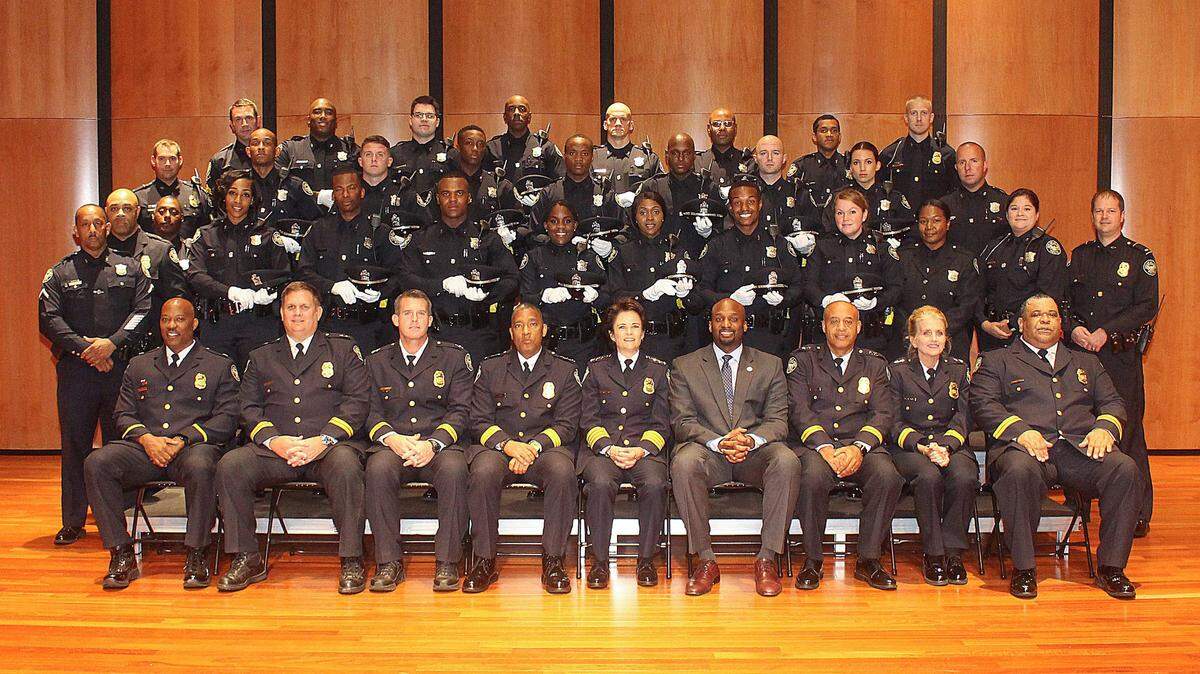
The lack of Black detectives is part of a broader pattern of a lack of diversity in the department. KCPD as a whole is only 11.6% Black. Just three of the 32 homicide detectives are Black. Only three of 50 captains and three of 21 majors are Black. The deputy chief who oversees the investigations bureau, Joseph Mabin, is Black. Mabin will become interim chief when Chief Rick Smith leaves KCPD on April 22.
Local leaders have been saying for decades that the lack of Black detectives is a glaring mistake on a policing level. Meanwhile, the city’s violence problem has only gotten worse, with a record year for homicides in 2020, and a persistent problem of police trust.
Solving violent crimes would be easier, some said, if more of the investigators arriving at crime scenes and hospital beds were Black — and thus better in position to gain the trust of victims and witnesses.
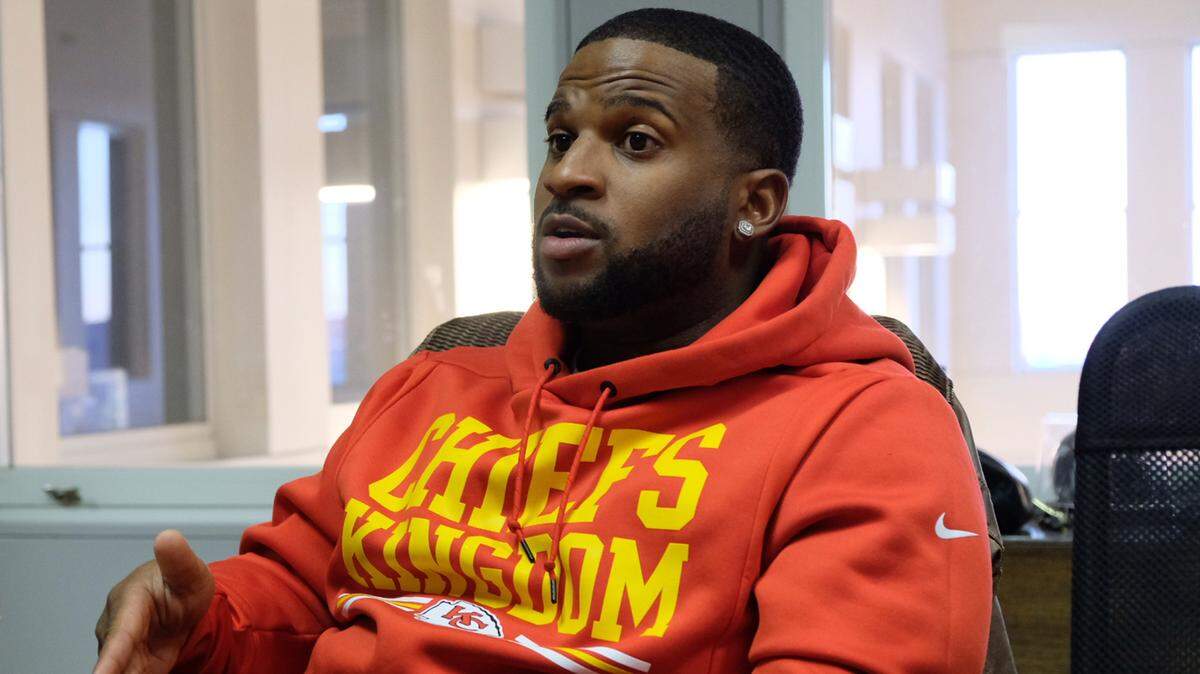
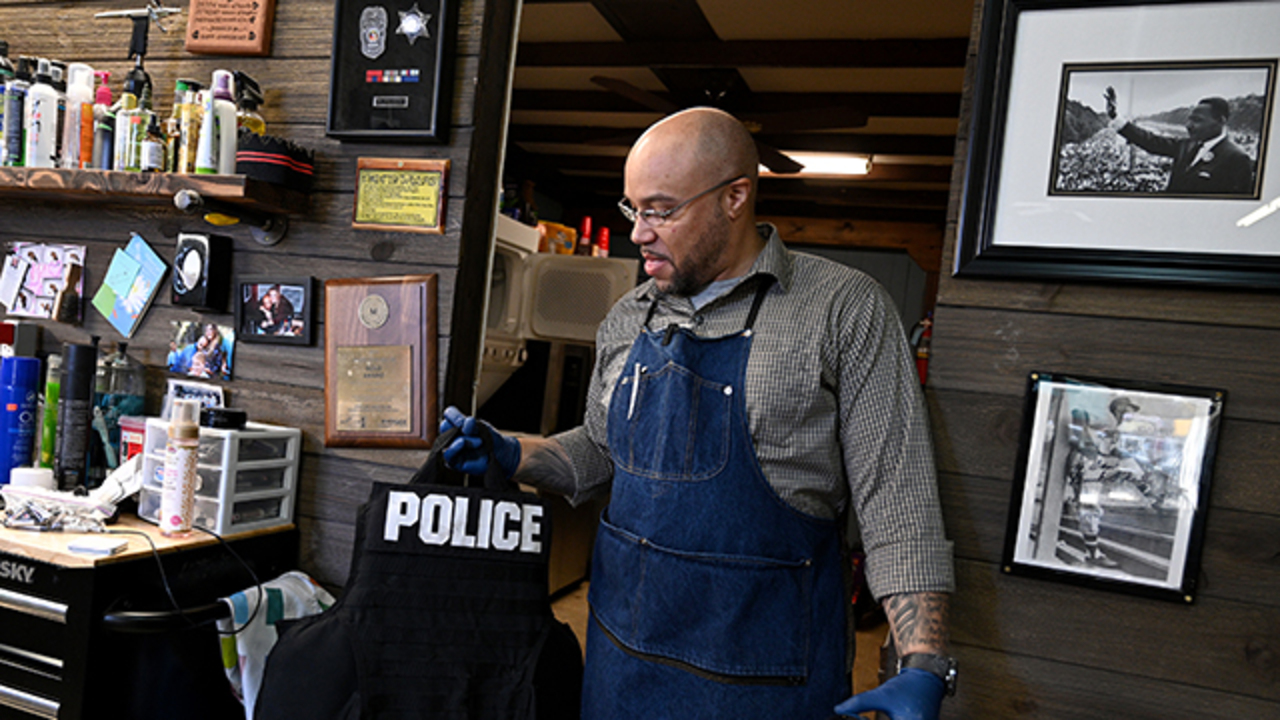
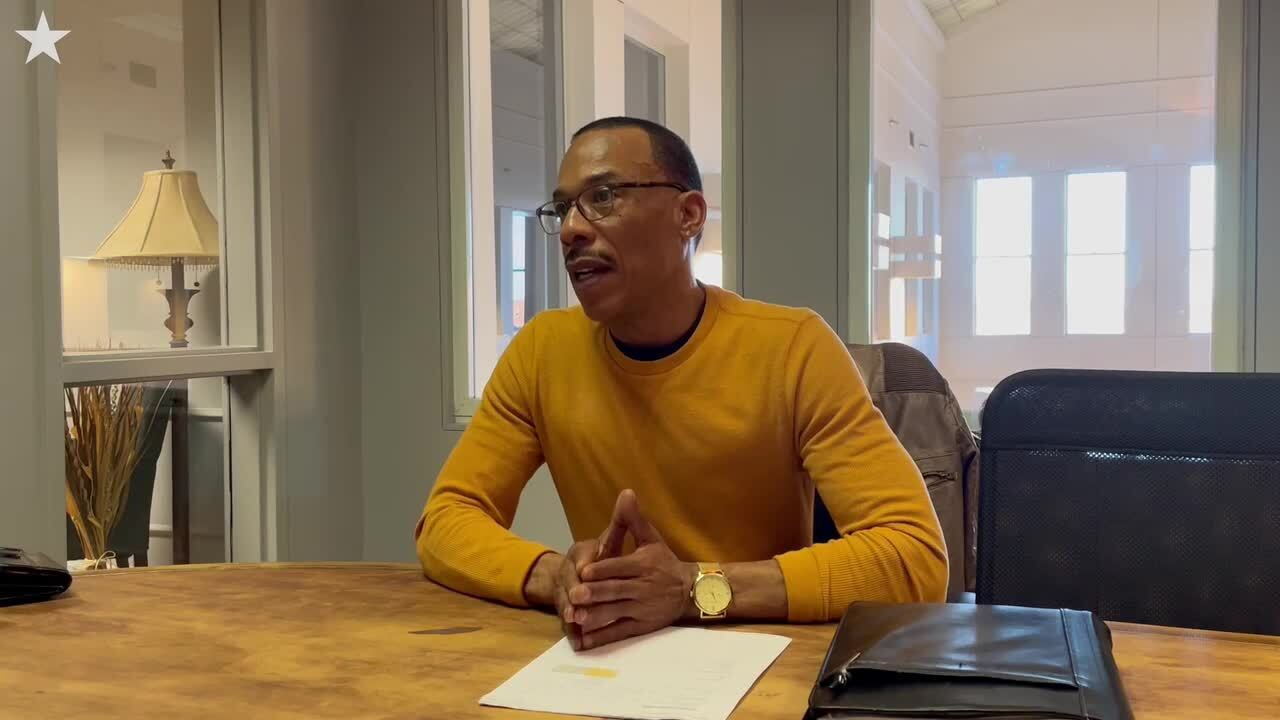
Ron Russell, a Black former detective who worked hundreds of killings over his 23 years in KCPD’s homicide unit, said Black witnesses feel more comfortable speaking with detectives who look like them or were raised in their communities.
The department should have more Black detectives, he said.
“It would definitely be beneficial to people in the community.”
Longtime neighborhood leader Rachel Riley recalled witnessing one scene where police investigated after an officer shot and killed a Black man at East 27th Street and Jackson Avenue. With the man’s uncovered body on the ground, detectives cracked jokes and laughed nearby, she said.
“You would’ve thought it was happy hour at some night club,” said Riley, president of the East 23rd Street PAC Neighborhood Association. “I was in such disbelief.”
‘We need more Black detectives’
It was shortly after police found her sister’s body that April Blewett, her mother and her niece made their unplanned visit to police headquarters. They spoke with the detective, Heather Leslie, and supervisor Sgt. Richard Sharp, who are both white.
Leslie told the family she would follow up on tips and ask the media for the public’s help. She and Sharp promised to inform the family of any updates in the investigation.
But she never did, April Blewett said. And the case has not been solved.
“It hurts. I’m angry,” she said. “My sister’s case is a cold case and it should’ve never been like that.”
The meeting at headquarters would turn out to be the family’s only in-person meeting with Leslie or other detectives.
Weeks went by and nothing happened. Blewett and her mother called detectives for updates multiple times, but no one called back.
Blewett was disappointed. She assumed the case would be a top priority after The Star reported that police had declined to allow the family to file a missing person’s report three weeks before the 37-year-old mother of four was found dead.
In December 2021, Blewett’s mother called police to check on developments, only to learn that Leslie had been reassigned to patrol.
The family was not told that the move followed a complaint that Leslie called Black people “lazy.” There were also allegations that she made an improper search of the mayor’s home address.
Other complaints about her work have surfaced, including during the ongoing, high-profile case of David Jungerman, the millionaire baby furniture maker accused of killing attorney Tom Picker.
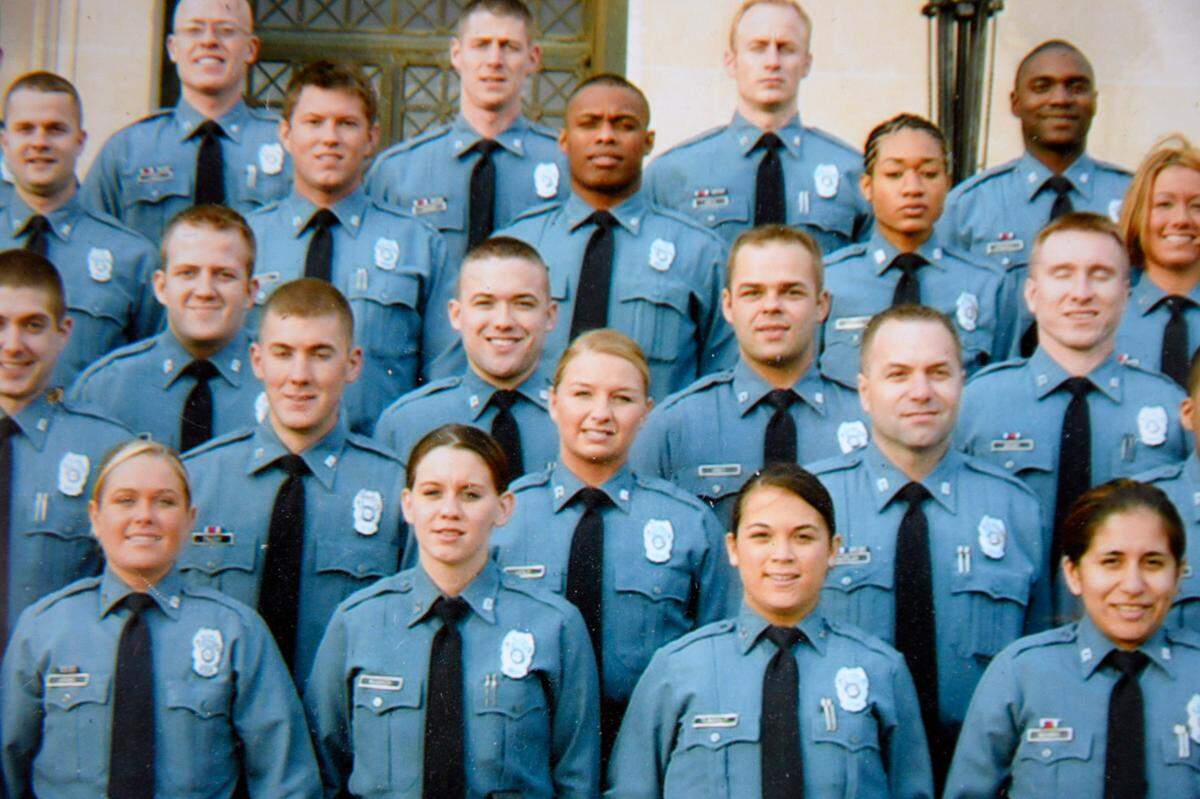
An exhibit in that case includes a 2020 statement Bonita Cannon, a homicide detective, made to internal affairs. Cannon, who is Black, said Leslie did not write reports “when she’s suppose to” and called it unfair that Leslie could “completely screw up something” and not get yelled at, as happened when Cannon made a mistake.
“Mess up on a search warrant. She can give information that she can’t corroborate where she said she heard it from somebody,” Cannon said. “It gets in a PC (probable cause statement), the prosecutor gets it; cases get screwed up.”
Attempts by The Star to reach Leslie for comment were unsuccessful. A phone call to a number she listed as her cellphone in her recent work emails was not returned and a certified letter addressed to her at police headquarters went unanswered.
Police have never said how Carrie Blewett was killed. April Blewett said the family remains heartbroken because they don’t know what led to her sister’s death.
“That pain don’t go away,” she said. “We never got to see our loved one for the last time. We never got a chance to tell our loved one goodbye. As the years go by, it still ain’t easy. Her grandbabies never got a chance to meet her. So, it’s hard. It’s hard.”
A Black detective, she believes, would have been more sensitive to her concerns.
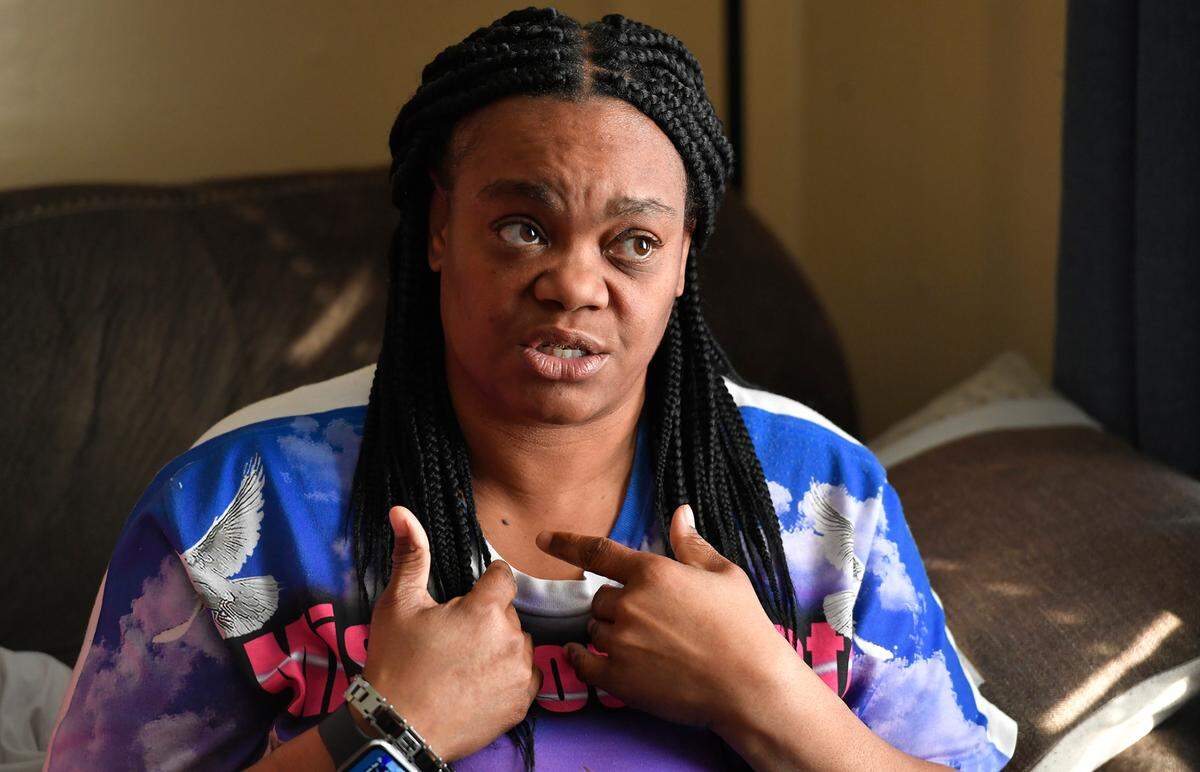
“We need more Black detectives,” April Blewett said. “They would have some kind of sympathy for what we went through and how we were treated.”
And the problem is not just a lack of responsiveness. Other Black families and observers have said some white detectives don’t mesh well with the communities they work in when they are on the scene of a death investigation.
A different approach
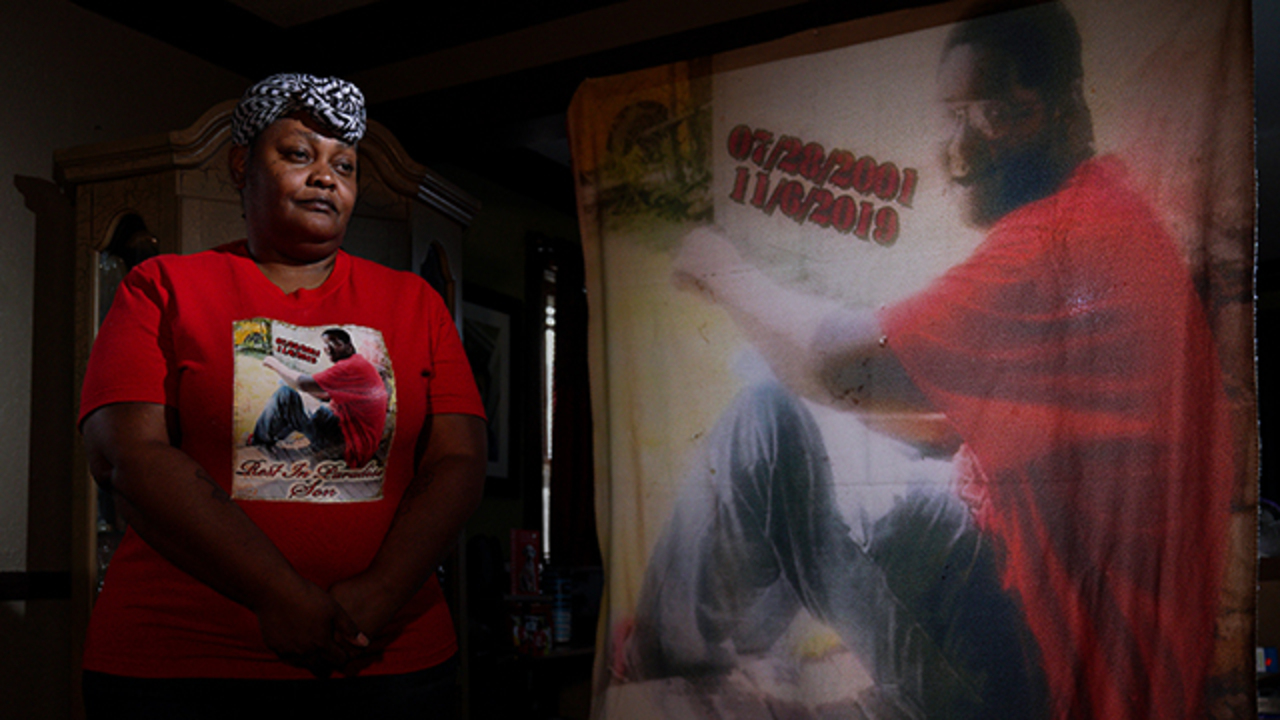
Last year, Rachel Riley watched the police at the scene of her son’s death in northeast Kansas City.
She got the impression the officers were there to simply collect their paychecks. They did not question any witnesses and let people walk through the scene, she said.
Would the detectives have done that, she wondered, if her son were white? She got the sense they believed: “They’re just Black people. I go to these all day long.”
People at the scene became upset, Riley recalled, and one officer yelled at them, calling the group “you people.”
“There was no type of remorse whatsoever,” she said.
Ultimately, a medical examiner concluded that drugs took his life. But Rachel Riley believes he was robbed, strangled and killed.
Some community leaders have seen Black cops handle tense situations more sensitively.
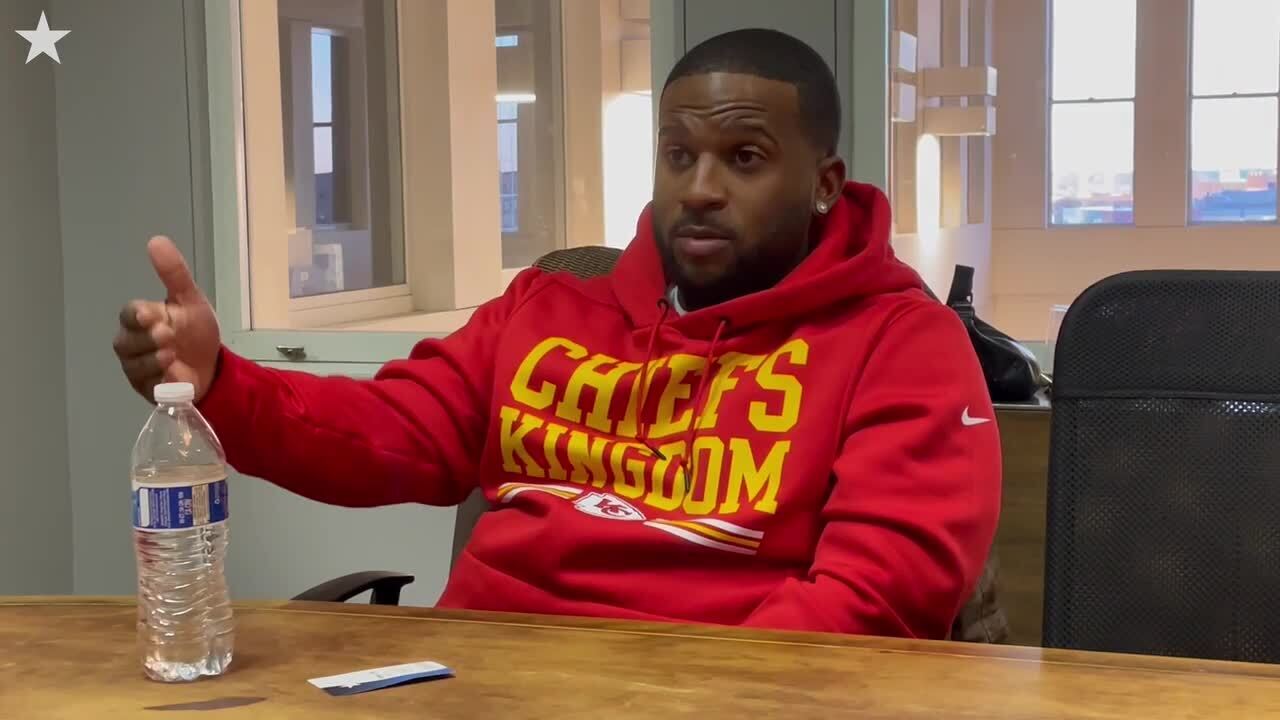
Branden Mims, chief operating officer with the AdHoc Group Against Crime, recalled a double homicide one evening in September 2019 at the Park Meadows Apartments, where relatives and friends of the victims were visibly upset because officers — who were waiting for a search warrant — appeared to be doing nothing.
As the crowd grew angry, a Black sergeant stepped forward and told them what was going on. He asked for any witnesses to come forward. He built a rapport with them.
“I felt like he got more cooperation that night by being straightforward, but also his approach with that crowd was still one of concern,” said Mims, who is Black. “You could see it was because of the fact that he was Black and they were Black.”
More white victims get justice
Baker, Jackson County’s prosecutor, does not think detectives have to be minorities to be successful. But it “sure as hell helps,” she said.
Diversity on investigative squads is important, Baker said, considering the majority of shooting victims and suspects are Black. In 2021, 78% of homicide victims in Kansas City were Black.
It troubles Baker that Kansas Citians don’t get equal protection from law enforcement.
Over the past five years in Jackson County, male homicide victims had a 15% better chance of having their cases sent to prosecutors for charges if they were white.
Part of the problem is trust, Baker said. While homicides in predominantly white neighborhoods are not as common, they are much more likely to be solved.
“It comes down to, ‘Do you have viable witnesses who are willing to come in and testify?’” she said.
In the future, Baker is looking to institute a “blind charging opportunity,” which prosecutors across the country are implementing. It would mean when a case comes to prosecutors, it will be scrubbed of everyone’s races so any bias does not influence the outcome.
Increasing trust in KCPD
In January, Sgt. Joseph Bediako, a supervisor in KCPD’s employment section, told the Board of Police Commissioners, which oversees the KCPD, that having a diverse force comprised of employees of various races, socio-economic statuses, religions and sexual orientations is highly important to solving crime.
“This is a critical piece in terms of policing ‘cause if everybody looks at the problem from the same perspective, you’re going to always get the same results,” said Bediako, who is Black. “So when you increase your diversity ... the idea is you’ll have more input in terms of ideas and creativity in how to solve issues and problems.”
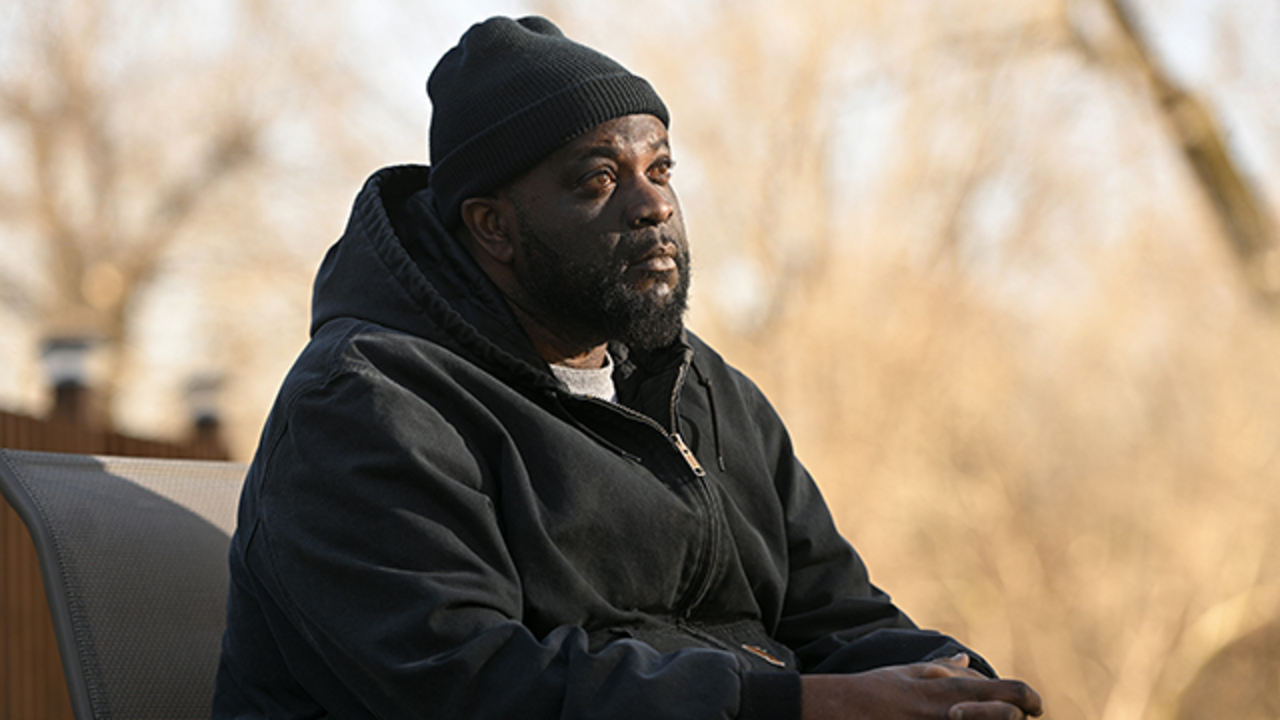
Darryl Forté, KCPD’s first and only Black chief, told the police board as much in 2016, when he said Black men with information about homicides will not walk into a community center “with a couple of white officers.”
Forté recalled how he had been asked to go to a church, but since it was too short notice, he offered to send someone else. The pastors responded: “If they white, we don’t want them to come.”
Still, there are fewer Black officers in the department than there were in the late 1990s.
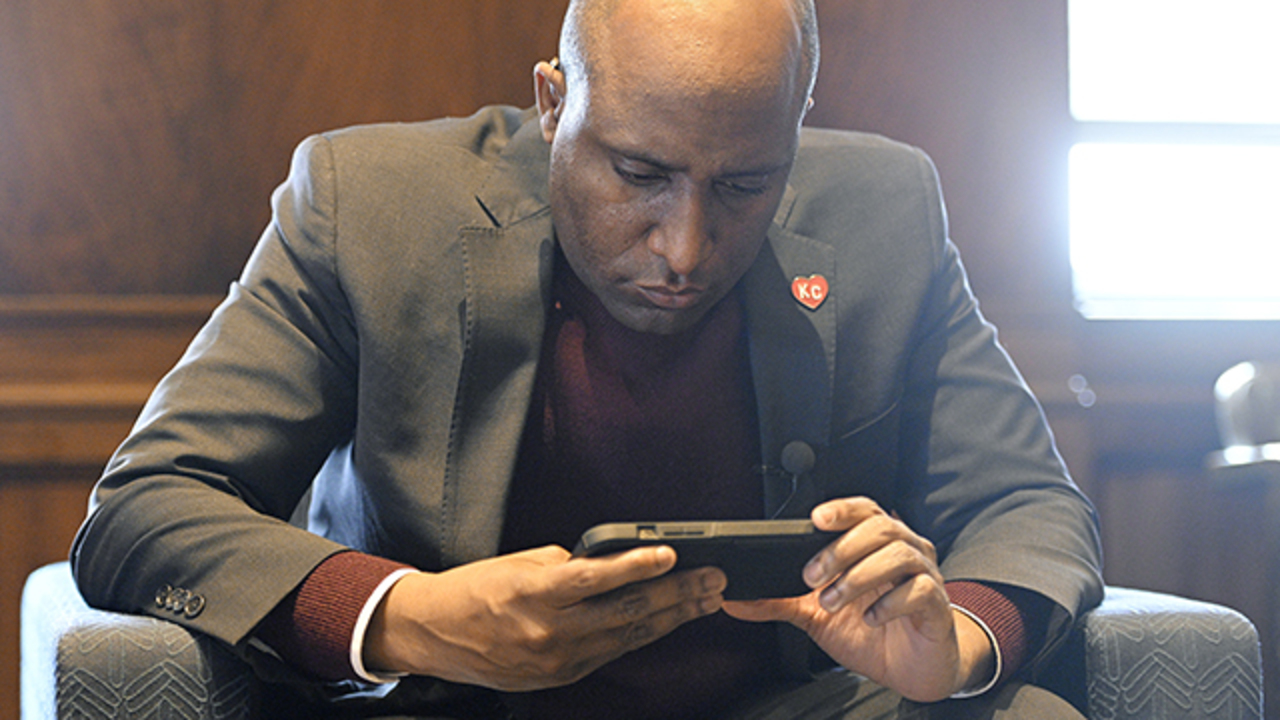
Lucas, a member of the police board, said the police department must “push as aggressively as possible” to diversify its ranks.
Building connectivity, Lucas said, is not just about race but being “deeply ingrained” in a community. That’s why he detested the recent lifting of the residency requirement for city police, he said.
“There is a vernacular of engagement that is so key and so helpful in how you solve criminal incidents, and how you can visit and relate with someone,” Lucas said.
Ronnie Dunn, an associate professor of urban studies at Cleveland State University, said diversifying the detective ranks couldn’t hurt, especially from a cultural perspective.
“I could only imagine that there would be a greater level of confidence and willingness to cooperate if they knew these officers were part of the community,” said Dunn, whose research has focused on policing and racial justice.
“Trust, you know, that’s what it all really boils down to.”
This story was originally published March 27, 2022 at 5:00 AM.