With gun suicides on the rise, a rare hotline staffed by St. Louis teens saves lives
READ MORE
Missouri Gun Violence Project
The Missouri Gun Violence Project is a two-year, statewide journalism effort supported by the nonprofits Report for America and the Missouri Foundation for Health. The Star has partnered with the St. Louis Post-Dispatch, the Springfield News-Leader, and the Missouri Independent.
Expand All
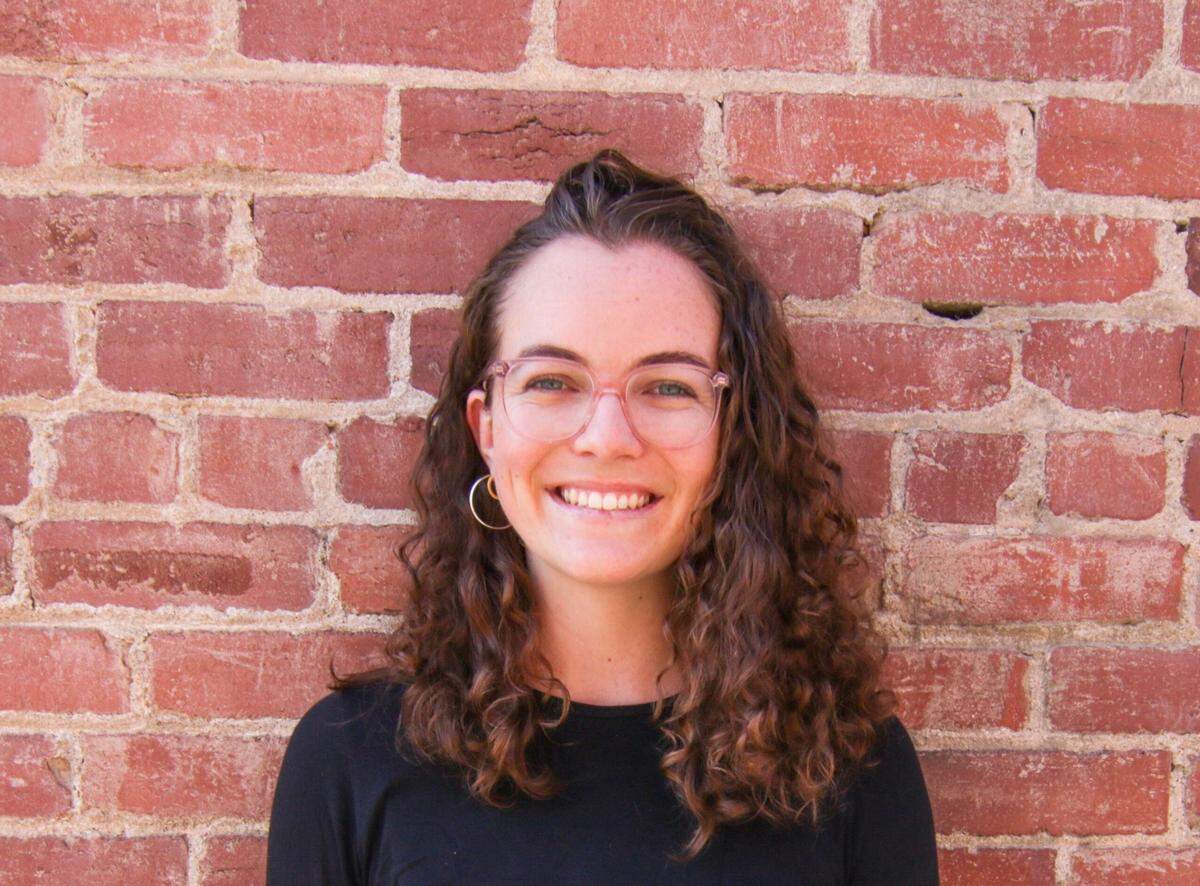
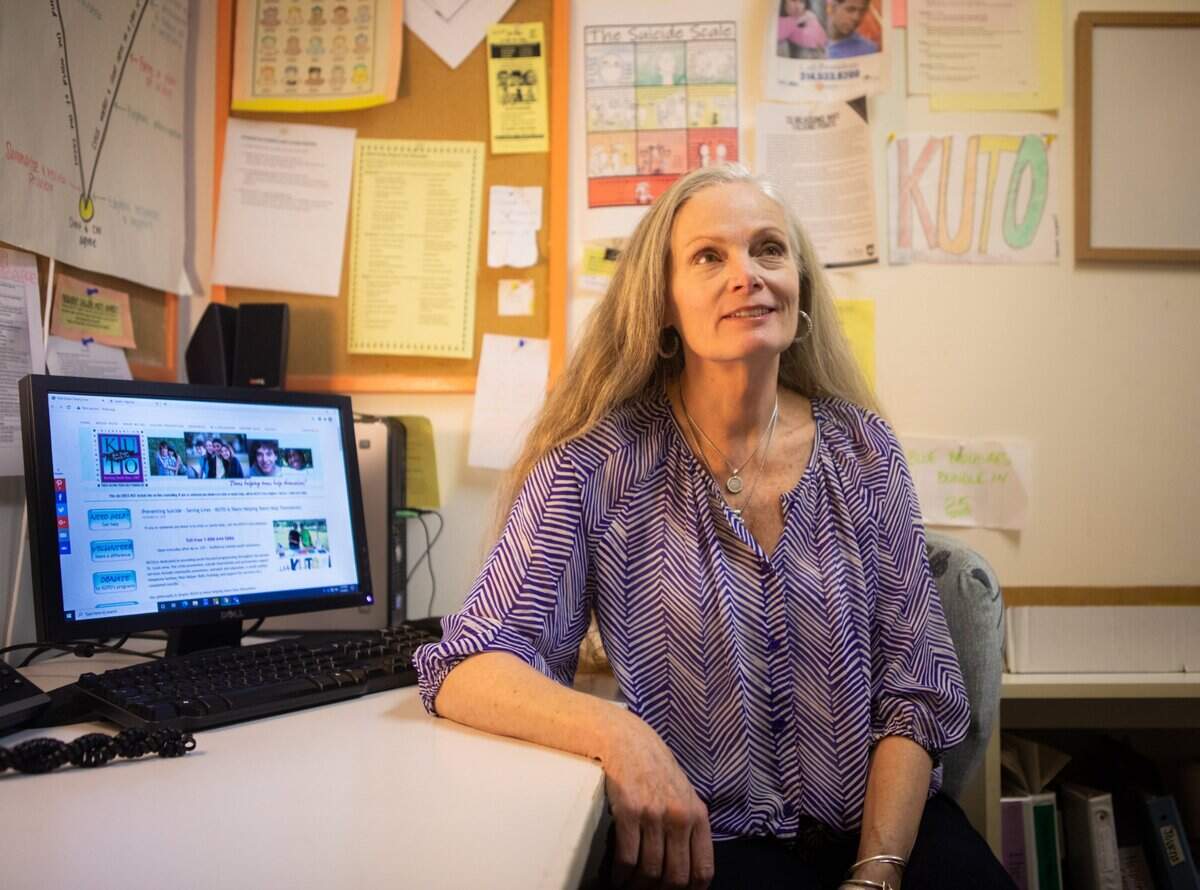
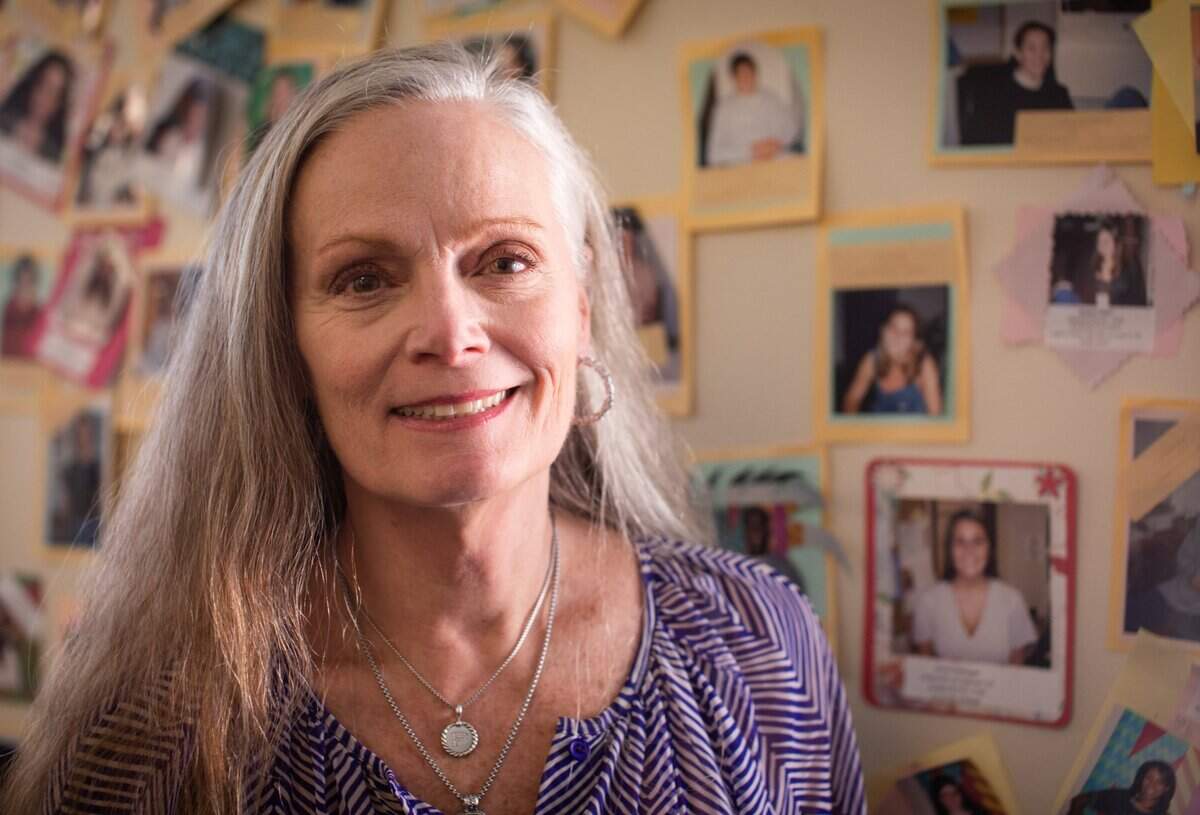
Elizabeth Makulec was running a teen crisis hotline in St. Louis when she decided to bring suicide prevention into the region’s schools.
But she faced an uphill battle.
At first, she was turned away by school officials who either told her their schools didn’t have a problem or if she came in and talked about suicide, then students would start taking their own lives.
Two decades later, Makulec and her organization, Kids Under Twenty One, work with over 20 school districts, visiting students in more than 60 elementary, middle and high schools across four counties.
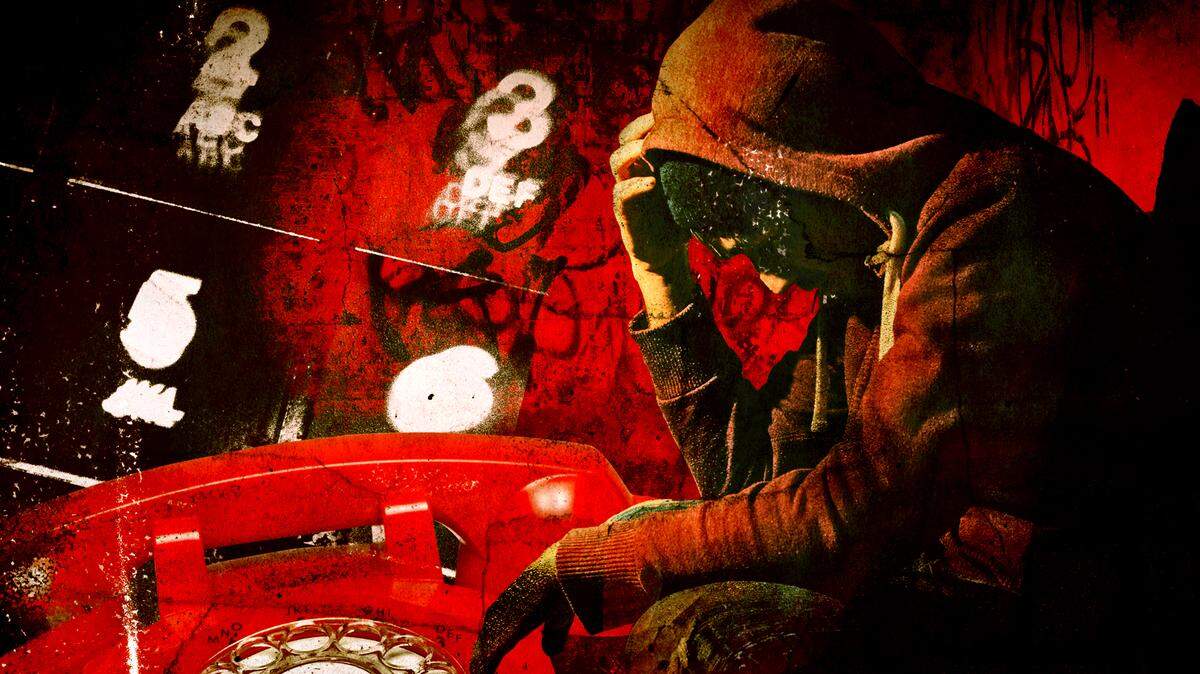
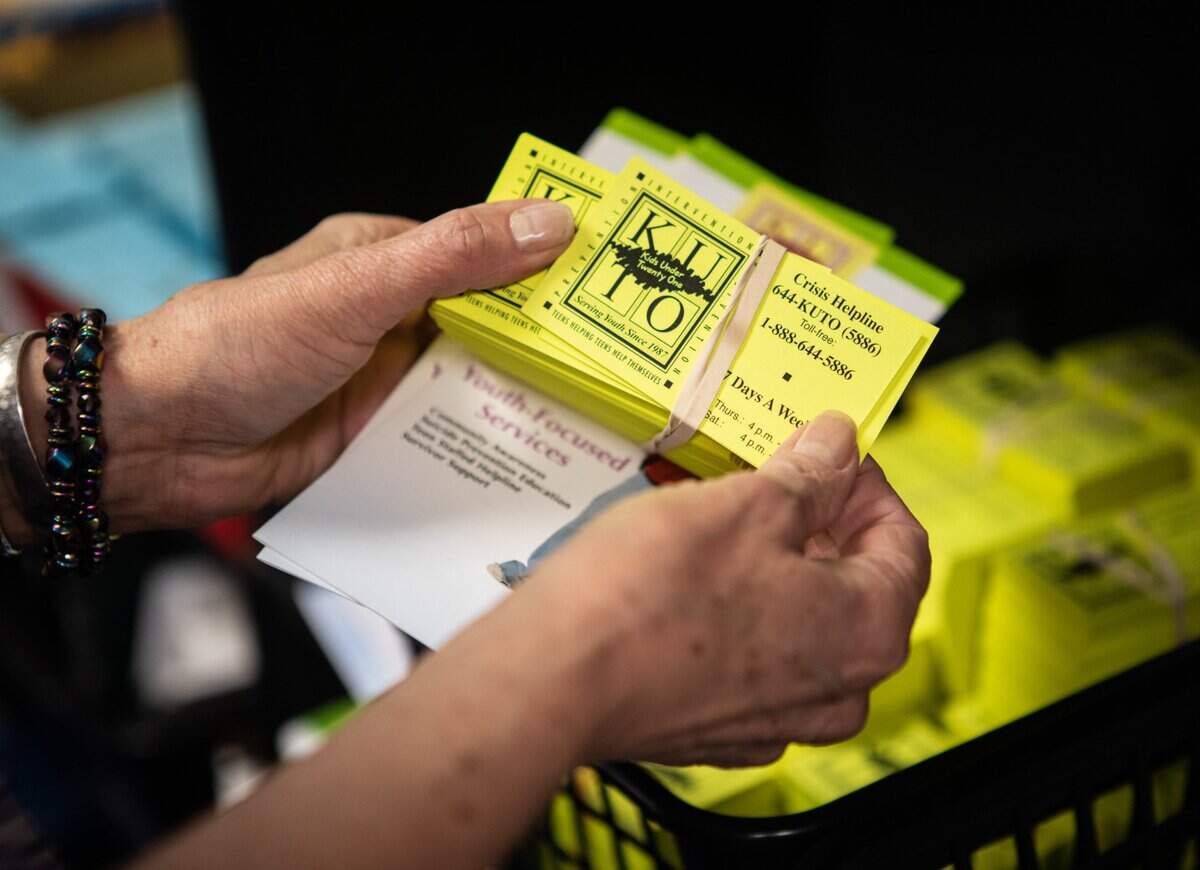
KUTO runs a 24/7 hotline for teenagers dealing with a suicidal ideation or struggling with their mental health. The hotline, one of the first in the nation, is rare in that teens are the ones picking up the calls to help people their own age. It’s the only teen-staffed crisis line in the Midwest and one of a select few in the country.
Firearms are the only means of suicide Makulec talks about because it is the most lethal and the most common. In Missouri, suicide is the second leading cause of death for ages 10 to 24, behind accidents of all kinds. Ninety-eight Missourians ages 24 and under died from firearm suicides in 2019, the most recent year data was available.
And the problem is getting worse: Missouri’s youth suicide rate is rising faster than all but four other states.
Suicide prevention advocates, mental health professionals and parents who lost children to gun suicide point to solutions: restricting teens’ access to guns and encouraging more informed conversations to end stigma and silence surrounding suicide and mental health, like the work done at KUTO.
“I’d like to think every day is my last day of work,” said Makulec, who serves as KUTO’s executive director. “But while we’ve made an impact, teens are still dying by suicide at an alarming rate in Missouri.”
Nationally, youth suicides are increasing faster than any other age group, especially among Black youth. Missouri’s rising rate also stands out, and not just among young people, said Young Nelson, associate research director for Everytown for Gun Safety. Suicides for all ages in Missouri increased nearly three times faster than the rest of the country over the last 10 years.
“Two thirds of gun deaths in this country are suicides, so a conversation about preventing gun violence can’t really happen unless we address firearm suicide,” Nelson said. “The most effective thing we can do to help people in crisis is to keep the guns out of their hands.”
The fleeting nature of a suicidal ideation is why the services provided by KUTO are vital, Makulec said.
“We train high school students to be able to have the courage, compassion and ability to field calls from other young people who are going through a crisis,” she said.
Makulec’s efforts have created a network of young people in St. Louis who are better equipped to spread awareness about suicide. It includes a former teen volunteer turned staffer who brings KUTO’s message to classrooms and two students who were inspired to advocate for better and more accessible mental health resources in their school district.
Marian McCord, executive director of Communities Healing Adolescent Depression & Suicide, a St. Louis-area suicide prevention group, said she often recommends KUTO as a resource.
“I feel there is a place for organizations like KUTO in every community,” McCord said. “Sometimes kids are more comfortable relating to a peer.”
Compared to other parts of the state, the St. Louis region in recent years has consistently recorded one of the lowest suicide rates.
Still, Makulec says, there is more to be done.
Advocates and mental health professionals are constantly working to dismantle myths around suicide. One misconception is that if someone wants to take their own life, they will find a way no matter what.
In reality, a suicidal ideation — the time in which someone actively thinks about and plans to attempt suicide — usually lasts only minutes. Those minutes are crucial if a gun is in reach.
Most people who attempt suicide do not die — unless they use a gun. Only 4% of suicide attempts without a firearm result in death, compared with about 90% of attempts using firearms.
“We go beyond the usual health class curriculum and help students realize they can be a part of the process and the solution to help make their own community a safer and healthier place,” Makulec said.
‘This kind of pain’
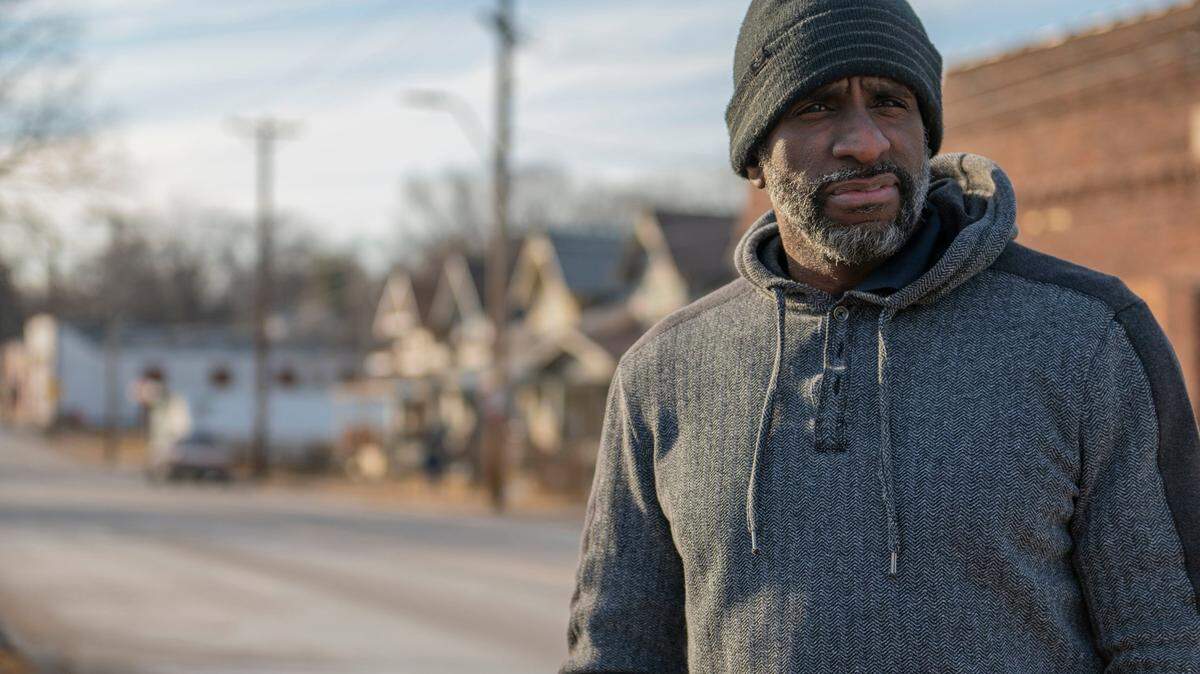
St. Louis native Reba Rice-Portwood saw enough suicide during the 21 years she worked at one of the city jails, the St. Louis City Justice Center. The deaths she witnessed motivated her to return to school to become a counselor.
During the time she was earning her master’s degree, her son Ricky’s mental health began to deteriorate.
He experienced episodes of rage that worsened and he began to withdraw. Sometimes he’d become oddly paranoid, she said. Other times he’d tell his mother that he was “worthless” and “useless.”
“The year before he passed, the last few months of that year, oh my god it was horrible,” Rice-Portwood said. “I tried to get him to go places. One time we had him locked up. I had to tell them I feared for my safety, to get them to come get him (so he could) stay at a hospital for a week.”
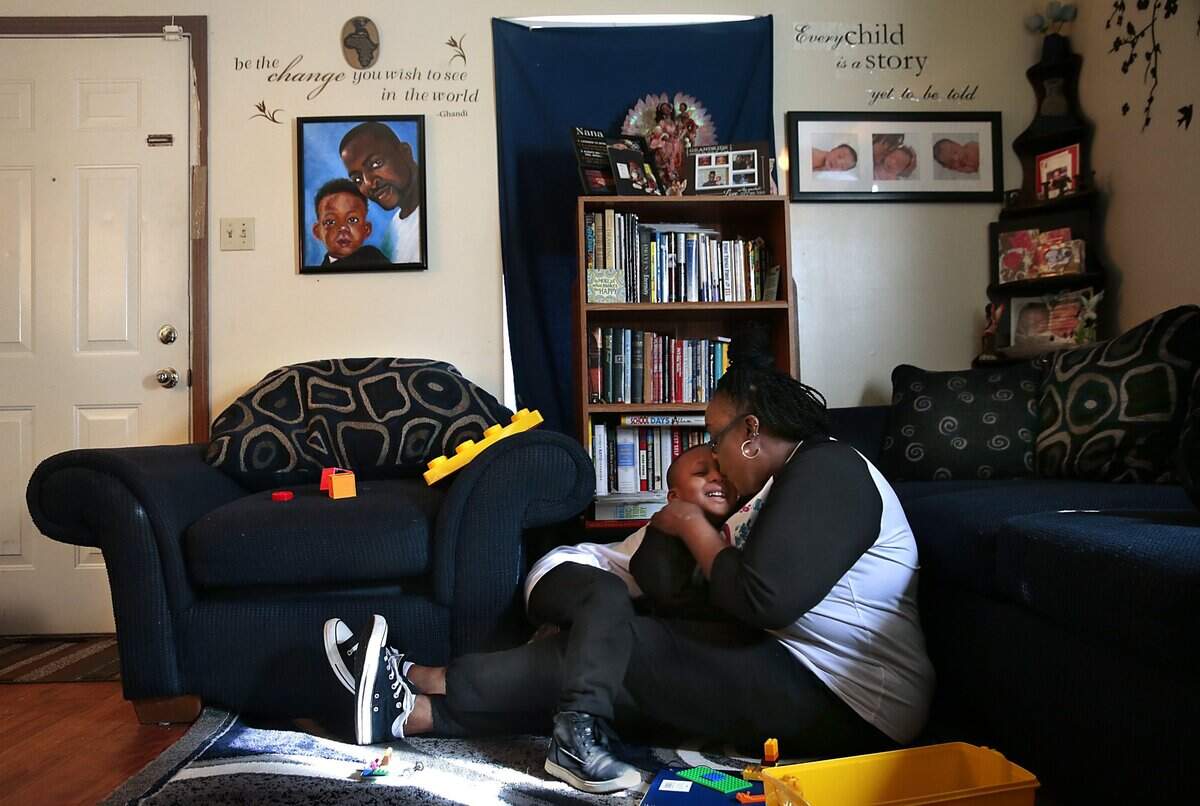
In September 2014, Ricky used a gun to take his life, and Rice-Portwood lost her only child. He was 22.
“I stood over a casket … looking over a young man that I gave birth to, I carried for nine months, I felt him grow, I loved him from the day my pregnancy test was confirmed,” Rice-Portwood said. “Twenty-two years later my son’s eyes are permanently closed and all I could think was, ‘There’s no way I am going to be able to live with this kind of pain.’”
Rice-Portwood said she planned to bury her son and then end her own life. But days after his death, she learned Ricky’s fiancée was pregnant, and she made the decision to stay alive, she said.
She now helps care for her 5-year-old grandson, Jackson, who she said is the spitting image of her son. She still provides suicide prevention and intervention counseling services, and credits her faith with keeping her here.
“All deaths are hard, especially when you lose a child, but suicide is a whole other beast,” she said. “I think about who he could have been, and the fact that he took his own life … I understand the pain he was trying to get away from. But he (used) a permanent solution for a temporary situation.”
Since about 2016, the U.S. has seen a measurable increase in suicides by Black men, said Sean Joe, a professor of social development at Washington University.
Those at the highest risk are Black men under the age of 35, he said. White men, on the other hand, are at highest risk over the age of 75.
“Suicide among Black Americans is a male thing and it’s a gun thing,” said Joe, who has studied suicidal behavior among African-Americans, focusing on the mental health of adolescents. “The majority of those deaths involve a firearm.”
BEHIND THE STORY
MORETo produce this story, reporters from The Star and the St. Louis Post-Dispatch analyzed data and studies on youth firearm suicide in Missouri and the U.S. Reporters spoke with suicide prevention advocates, mental health professionals and parents who lost children to gun suicide.The effort is undertaken as part of the Missouri Gun Violence Project, a two-year, statewide solutions journalism collaboration supported by the nonprofits Report for America and the Missouri Foundation for Health.
KUTO
After William Crowell, Jr. died by suicide in 1986 at age 25, his family was stunned. Not until after did his parents learn from Crowell’s friends that he’d been struggling and often contemplated suicide.
Crowell’s family realized that if his friends had been more informed about suicide, they might have been able to help him.
“He died without a mental health diagnosis, one of the first instances of a suicide in the community that couldn’t be explained away by a mental illness, like severe depression or bipolar disorder,” Makulec said.
So in 1987, his family and friends founded KUTO to teach teens how to help other teens and to avoid waiting till kids are in crisis to help.
Since then, KUTO has fielded calls from thousands of young people in crisis, expanded their programming into health curriculum for students across the St. Louis region in elementary, middle and high schools and partnered with the Missouri Department of Mental Health on statewide suicide prevention efforts.
Through her years of work on suicide prevention, Makulec has witnessed both how the public’s understanding of suicide and mental health has changed, and how the field of suicide prevention has evolved.
Under a public health lens, suicidal ideation is not a character fault but a response to circumstances and inability to cope, she said. While suicide can happen because someone is struggling with something like depression, a mental illness is not always a precursor to suicide.
Back when Makulec first tried to bring the curriculum to schools and faced resistance, those ideas were not as widely understood. But over time she convinced officials that teaching students about suicide and mental health would make a difference and equip students with the skills to help their peers who are struggling.
In 2019, the St. Louis region had the lowest suicide rate in the state, according to a recent report from the Missouri Institute of Mental Health, and from 2000 to 2019, state data shows that St. Louis County had one of the lowest rates of firearm suicides for people 24 years old and younger.
“Once we were able to start having conversations in the classrooms with students, not necessarily to preach at them about the topic of suicide, but engage with them on what is it that they think they know about suicide and how can we either redirect what’s not really 100% correct, and give good information,” Makulec said.
“And that asking for help is not a character flaw, but that it takes a lot of courage and bravery.”
A crucial part of these lessons is talking with students about access to guns. During both the discussion and in the survey given before and after, students are asked about how guns should be safely stored and whose responsibility it is to store them, and they’re told just how lethal a gun is.
Their approach is careful and considerate that students have varying experiences with firearms and may or may not have them around in their own homes. Makulec said their focus is purely on education and what the data says about guns.
A firearm in a household triples the chances that someone living there will die from suicide, research shows.
Black youth had the second highest rise in suicides from 2009 to 2018 behind Asian and Pacific Islanders, according to a study examining the decade-long spike from Everytown for Gun Safety.
Among all ages, the firearm suicide rate over the last 10 years increased by 37% in Missouri while the nationwide rate rose 13%.
The next generation
At Holt High School on the western side of the St. Louis area, KUTO program coordinator Tiffany King stands before a class of high school juniors in a U.S. history classroom on a recent Monday afternoon.
On the white board behind her, King wrote out the words stress, anxiety and depression. Throughout the 50-minute class period, she asked the students to describe what each looks and feels like.
King, who got her start as a KUTO volunteer when she was 16, eventually moves the conversation toward suicide. She says 60% of such deaths involve a firearm.
“There’s nothing more deadly or more permanent than a loaded gun,” King said. “If we have people in our household under the age of 21 or little kids, how do we keep our guns suicide safe?”
She also asks: How do I keep a gun safe? Do I store it loaded or do I take the bullets out? Who should have the key to where the gun is stored?
“We avoid talking in depth about other lethal means, but because guns pose such a threat and are so lethal, we have to address that,” King said.
In the end, they discuss warning signs and practice asking someone if they’re having thoughts of suicide and what to do if they say yes.
Pranavi Pitchyaiah and Sneha Chandra, high school seniors in the Rockwood School District in St. Louis County, interned for KUTO last summer.
They were trained to handle any kind of call, just like adults who answer calls for national suicide hotlines.
“KUTO really opened my eyes to the different aspects of mental health and suicide,” Chandra said. “I knew that suicide was a problem, but I didn’t know the scope of it, that was appalling and eye opening for me.”
BEHIND THE STORY
MOREMore coverage is coming over the next several months as part of the Missouri Gun Violence Project. Upcoming stories will examine the relationship between poverty and gun violence in urban and rural parts of the state, as well as other perspectives on the issue of firearm suicide. Story tips or issues we should cover in 2021? Send email to gunviolence@kcstar.com. As part of this project, The Star will seek the community’s help. To contribute, visit Report for America online at reportforamerica.org.
Pitchyaiah, Chandra and a group of fellow students realized their district needed better education on suicide prevention and formed a mental health awareness team. But just like Makulec did over 20 years ago, they faced resistance from their district’s administration. School officials worried that talking about suicide will lead to more suicide.
But after they conducted a survey on suicide within their district and took their findings to the Rockwood Board of Education, the students were able to convince officials it was time to take action.
Of the 852 students who participated in the survey, 550 had contemplated suicide at some point in their lives, 160 had attempted suicide and 18 had tried to take their life within the last week of when they were surveyed.
Going forward, the group has asked the district to make sure students know about mental health resources that are already available, encourage teachers to talk with their students about mental health, train teachers and administrators to recognize the warning signs of suicide and hire more school counselors.
Pitchyaiah and Chandra, who are both interested in pursuing careers in mental health care, are encouraged by their district’s willingness to do more to address and prevent suicide.
The two think fewer students would die by suicide if they were better equipped to talk about mental health.
“We wouldn’t be having this conversation about suicide if we didn’t need to,” Pitchyaiah said. “There are kids dying, and one dying should be enough. It shouldn’t be this hard to talk about what we need and what needs to be implemented in our schools and communities.”
Anyone can reach out to the KUTO Crisis Helpline at their toll free number: 888.644.5886 or, for St. Louis area residents: 314.644.5886. In addition, if you or someone you know is thinking about taking their life, the National Suicide Prevention Lifeline and the Crisis Text Line offer help and resources.
This story was originally published March 7, 2021 at 5:00 AM.