Reinvesting in cities, rural areas key to reducing gun violence in Missouri: panel
READ MORE
Missouri Gun Violence Project
The Missouri Gun Violence Project is a two-year, statewide journalism effort supported by the nonprofits Report for America and the Missouri Foundation for Health. The Star has partnered with the St. Louis Post-Dispatch, the Springfield News-Leader, and the Missouri Independent.
Expand All
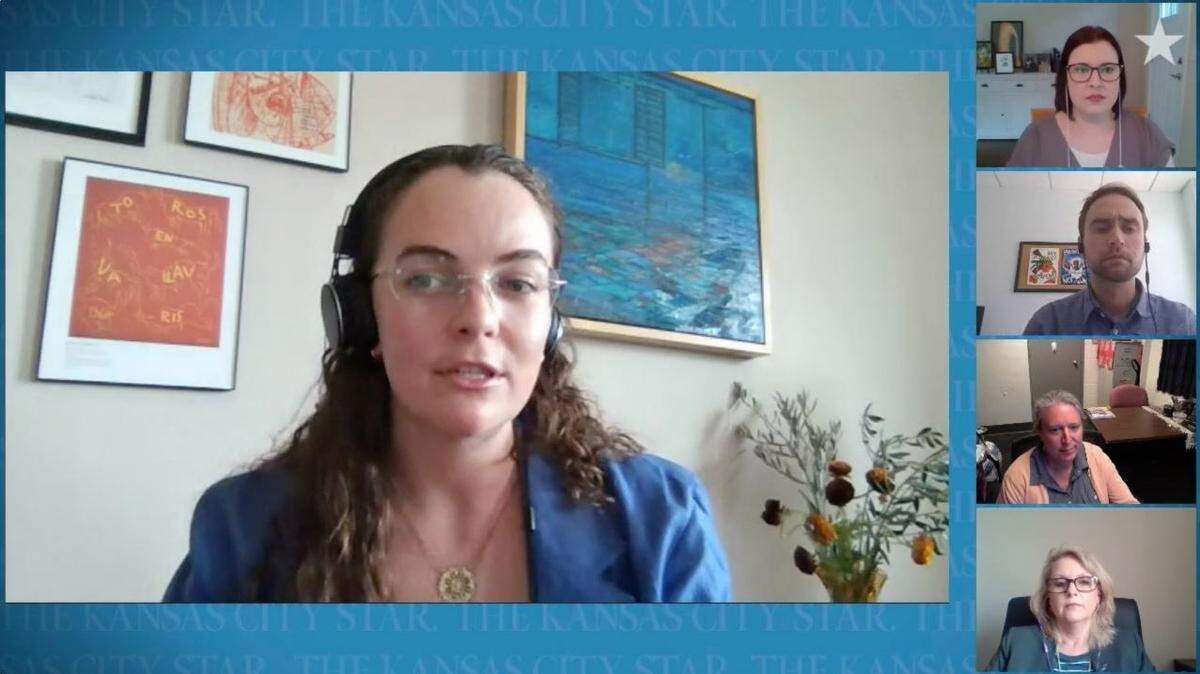
A key to reducing gun violence in Missouri is addressing disinvestment in both urban and rural communities throughout the state, panelists said Wednesday during a digital discussion hosted by The Star and American Public Square at Jewell.
The event was part of Gun Violence in Missouri: Seeking Solutions, a series of virtual events hosted by The Star in conjunction with the Missouri Gun Violence Project — a two-year, statewide journalism collaboration that investigates the causes and potential solutions to gun violence. The event was moderated by Kaitlin Washburn, a reporter on The Star’s gun violence team.
Nonprofits Report for America and Missouri Foundation for Health support the project.
Wednesday’s discussion centered on a series of Star reports published in March that found poverty and desperation are contributing factors to the high rates of firearm homicides and suicides in St. Louis, the state’s largest city, and the largely rural southeastern region. Reporters at the St. Louis Post-Dispatch and the Springfield News-Leader contributed to the stories.
According to experts, lack of income, employment and housing in the two regions could explain their high gun violence rates.
The panel included Lynelle Phillips, vice president of the Missouri Public Health Association, registered nurse and assistant teaching professor at the University of Missouri; Marsha Keene-Frye, CEO of the Susanna Wesley Family Learning Center; Ari Davis, senior policy analyst at the Coalition to Stop Gun Violence and Jessica Meyers, project director at the St. Louis Area Violence Prevention Commission.
Discussions about economic conditions in St. Louis can’t be separated from racial issues and systemic disinvestment, Myers said.
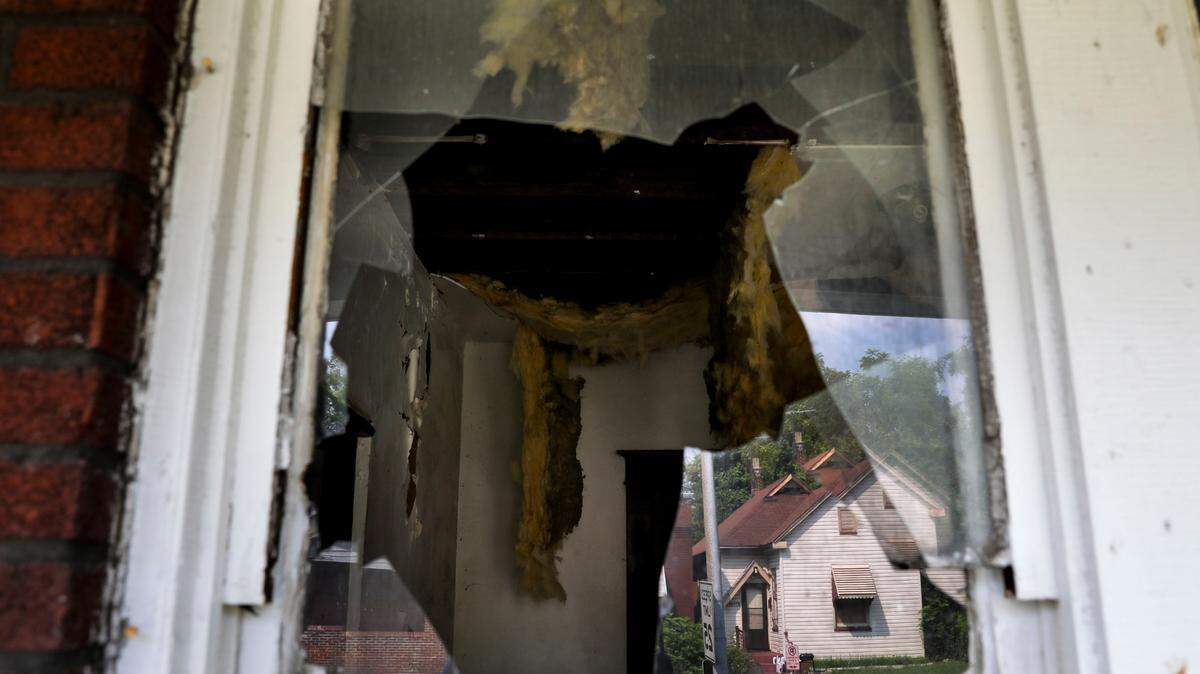
In St. Louis, Delmar Boulevard is the line that divides the city along racial and economic lines, she said. North of the “Delmar divide,” there is concentrated poverty and concentrated violence.
Myers said communities north of the divide feel that they are over-policed when it comes to enforcement, while simultaneously being under-policed when it comes to responses to calls for help.
“So you have lower cooperation with law enforcement in many of the areas that have concentrated disadvantage,” she said. “This leads to a cycle of violence in which perpetrators aren’t arrested and are free to commit more violence and you may have retaliatory violence.”
The impact of disinvestment is also felt acutely by communities in the rural regions of the state, Keene-Frye said.
Mississippi county ranks 112 out of the 115 counties in Missouri for health risk factors for children, she said, with over 40% of children under the age of six living in poverty.
“When people are desperate and they don’t see a lot of chance for upward mobility or change, then they do desperate things,” she said. “I feel like economic conditions in our communities very heavily influence gun violence and opportunities that people think they have.”
Firearms are the leading cause of death for people under the age of 35 in Missouri, Davis said, meaning more young people are dying by firearms than any other health factors in the state.
While specific interventions need to be tailored to different types of gun violence — whether it is domestic firearm violence, community gun violence or firearm homicide, there is overlap between the root causes of firearm suicides in rural regions of the state and gun homicides often seen in disinvested in neighborhoods in the cities, he said.
“Addressing those social determinants (of health) like poverty is key,” Davis said.
Addressing economic disadvantages in communities needs to include expanding home ownership, Myers said.
“We have an affordable housing trust fund in St. Louis that exists to help low-income families to buy homes, but it hasn’t been fully funded,” she said. “So we need to fully fund the affordable housing trust fund in the city and create one in the county if we really want to interrupt that generational cycle of poverty.”
Poverty is a misunderstood culture, Phillips said, with people shaming those experiencing economic hardships due to a lack of understanding about what it means to be impoverished.
Understanding the challenges, the generational impacts and different types of poverty is critical to addressing policies that impact the poor, she said.
There is some good news, Phillps said.
With re-investment in public health by the federal government due to the COVID-19 pandemic, the state is expecting to receive funds to invest in local public health infrastructures.
That can be allocated to county health departments to improve the local public health infrastructure, she said.
In recent years, county health departments have begun re-calibrating to address the social determinants of health in order to address overall community health, she said.
“Wealth equals health,” Phillips said. “Living in poverty does a number on your health.”
This story was originally published April 28, 2021 at 3:11 PM.