Fixing food insecurity, gun violence in Missouri takes local input and resources: panel
READ MORE
Missouri Gun Violence Project
The Missouri Gun Violence Project is a two-year, statewide journalism effort supported by the nonprofits Report for America and the Missouri Foundation for Health. The Star has partnered with the St. Louis Post-Dispatch, the Springfield News-Leader, and the Missouri Independent.
Expand All
Any discussion of how to address food insecurity must center the voices of residents in the communities affected the most, panelists said Wednesday during a digital discussion hosted by The Kansas City Star and American Public Square at Jewell.
The event was part of Gun Violence in Missouri: Seeking Solutions, a series of virtual events hosted by The Star in conjunction with the Missouri Gun Violence Project — a two-year, statewide journalism collaboration that investigates the causes and potential solutions to gun violence.
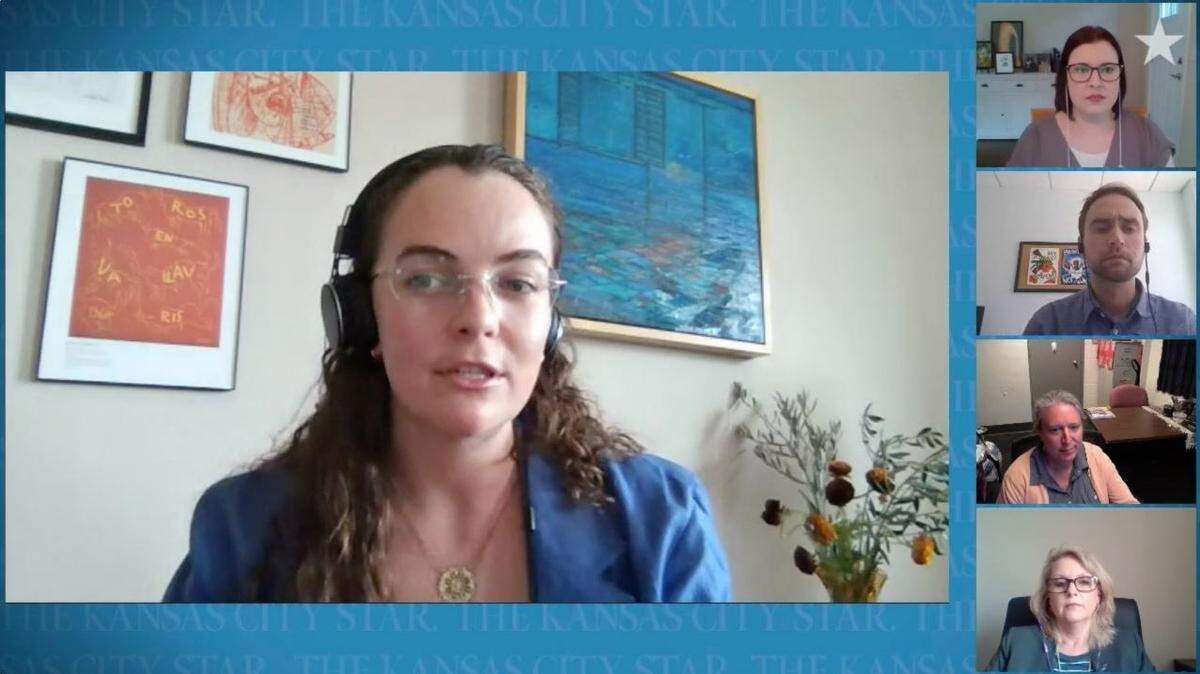
The panel discussion Wednesday was moderated by Humera Lodhi, a reporter on The Star’s gun violence team. The project is supported by nonprofits Report for America and Missouri Foundation for Health.
Wednesday’s event focused on Star reporting that found that food insecurity — the lack of access to fresh, healthy foods — is one of the public health factors that drives gun violence in a community.
Not having a complex nutritional diet can harm brain development in childhood, according to public health experts. That can cause later problems dealing with peers and handling authority, creating conditions for conflict and suicide in communities.
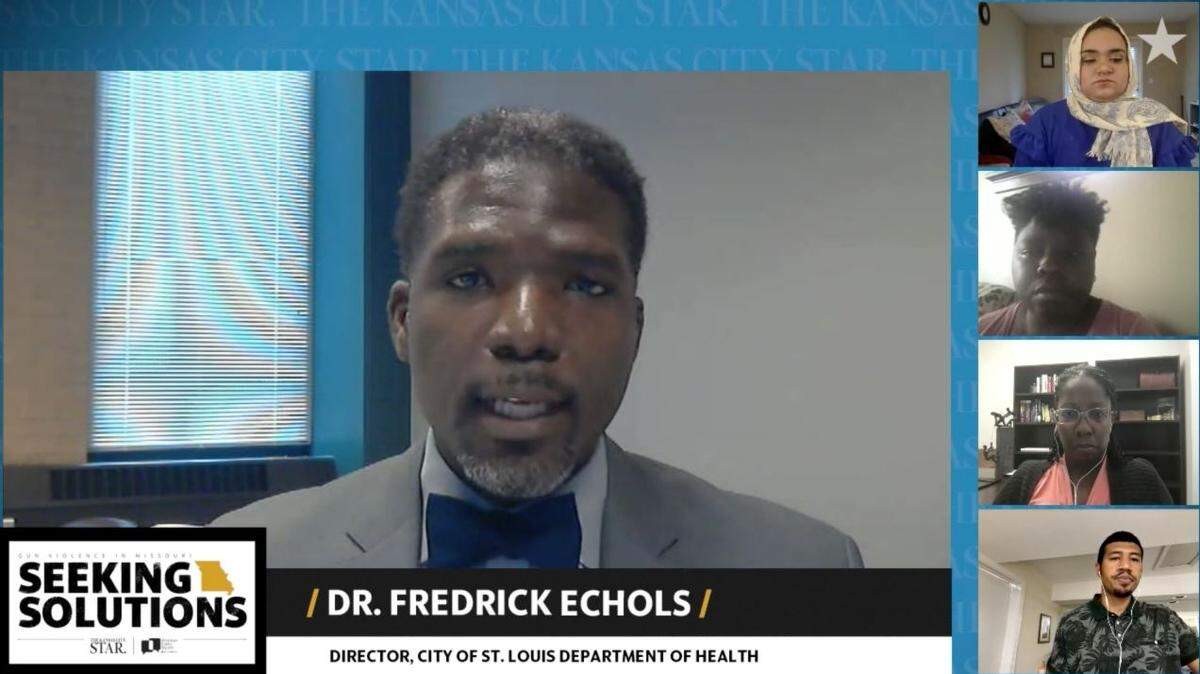
The panel included Tosha Phonix, food justice director for EVOLVE (Elevating Voices of Leaders Vying for Equity) in St. Louis; Dr. Keneeshia N. Williams, MD, assistant professor of surgery, trauma/surgical critical care at Grady Memorial Hospital in Atlanta; Nick Speed, founder and president of Ujima, a St. Louis environmental stewardship and training organization aimed at creating equitable access to food, employment and education and Dr. Fredrick Echols, director of the City of St. Louis Department of Health.
In a study conducted by reviewing 1,700 gunshot victims in Atlanta, Williams and her team found that 50% of the victims came from five ZIP codes in the city, areas which were also experiencing food insecurity, she said.
The study showed that food insecurity and gun violence overlapped significantly in those areas, she said.
Both food insecurity and gun violence prevention are key priorities for the city of St. Louis’ department of health, Echols said. The department is strategizing and working with community-based organizations to implement evidence-informed programs, he said.
“I believe in going beyond that and looking at the root causes of these issues,” he said. “In addition to identifying the root causes, helping the public health system and hospital system move towards health and racial justice.”
Phonix, who lives in north St. Louis City, said that although she sees no linear cause and effect between food insecurity and gun violence, she does see a lot of the root causes for increased gun violence and crime at play in her community. Many of the underlying issues are caused by systemic failures, she said.
“One of the things that when I’m on the ground, talking to community members that I see often is that they have a story to tell,” Phoenix said. “They have people that come in, and the relationship is really extractive where it’s, we need something from the residents in North City, but our city never sees any investment, they never see anything that is uplifting for their self determination and for their economic benefit as a whole.”
However, those communities also show beauty, brilliance and resilience, she said.
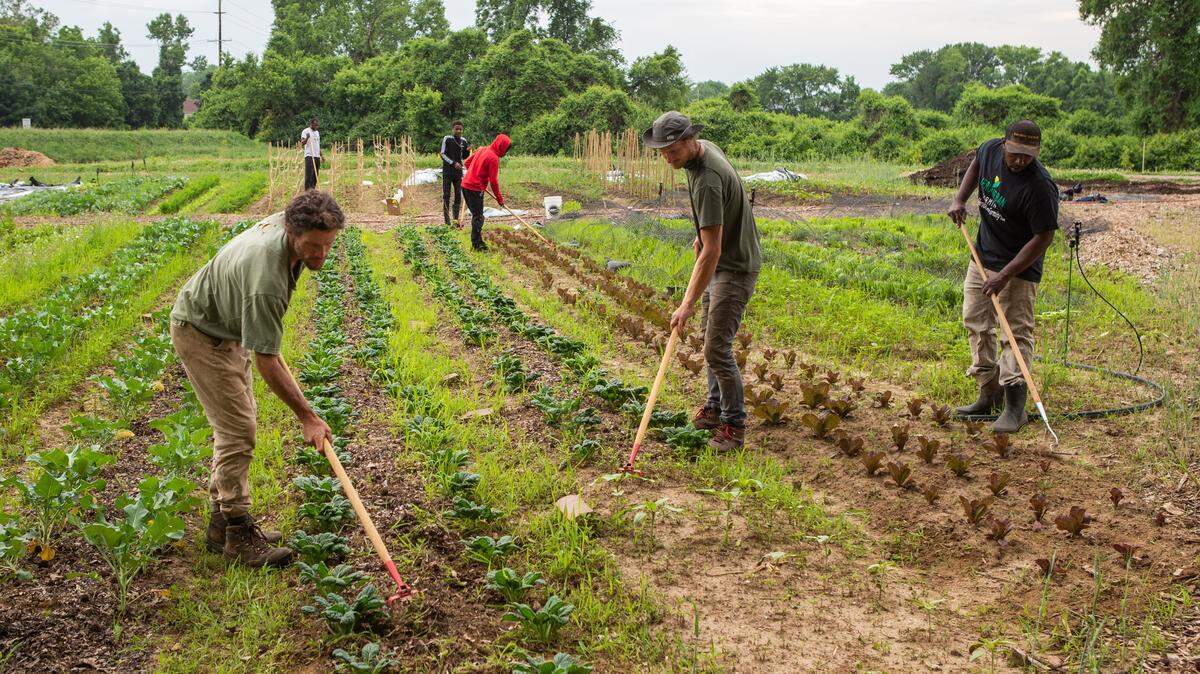
Speed began his work in food justice after his time working as an AmeriCorps member at an organic farm in Ferguson, he said.
“To see black children running around an organic farm, tasting fresh produce right out of the ground, feeding the chickens, seeing their eyes in amazement and wonder of the beautiful nature that existed in this space,” he said. “I knew that I had to continue this work.”
Since its launch, Ujima has expanded from growing produce at gardens to a summer apprenticeship program for high school students to learn about entrepreneurship, agriculture and culinary arts.
“We’re just really passionate about, really supporting Black and marginalized communities who are suffering from food apartheid, environmental racism and other major issues,” he said.
But lack of food access doesn’t just occur overnight, the panelists said. It stems from systemic disinvestment in communities over decades and lack of opportunities and resources that create these pockets of need.
Phoenix and Speed referred to the vacuum of fresh and whole produce as “food apartheid.” Phonix also pointed out deeply food insecure communities also exist in Missouri’s southeastern Bootheel region.
“When you talk about food apartheid, it’s really looking at it from a systematic nature,” she said, “it’s looking at the systems that have been put in place to make these communities go without.”
The COVID-19 pandemic has exacerbated many of the social determinants of health, and has created a sense of urgency around food justice, Speed said. The increased public awareness about the communities that have been impacted for decades by disinvestment has increased available funding streams for programs, he said, especially in Black and communities of color.
When speaking about solutions to gun violence, food insecurity is an important issue to tackle, Williams said.
“The thing about food insecurity is that we’ve seen this link to domestic violence, we’ve seen this link to poor development, we’ve seen this link to obesity,” she said.
“When we talk about focusing on violence prevention, there’s multiple things that contribute — and one of the things that we have to do is build up our communities.”
However, any solutions to food insecurity and gun violence must have input from residents in the communities most impacted, the panelists said. And the communities need to be given the resources and funding to rebuild.
“One of the things that we have to do moving forward is, to make sure that we continue to instill hope in our community,” Echols said.
This story was originally published June 30, 2021 at 3:26 PM.