Armed with new witnesses, prosecutors seek to free Kevin Strickland in Jackson County
READ MORE
Kevin Strickland innocence claim
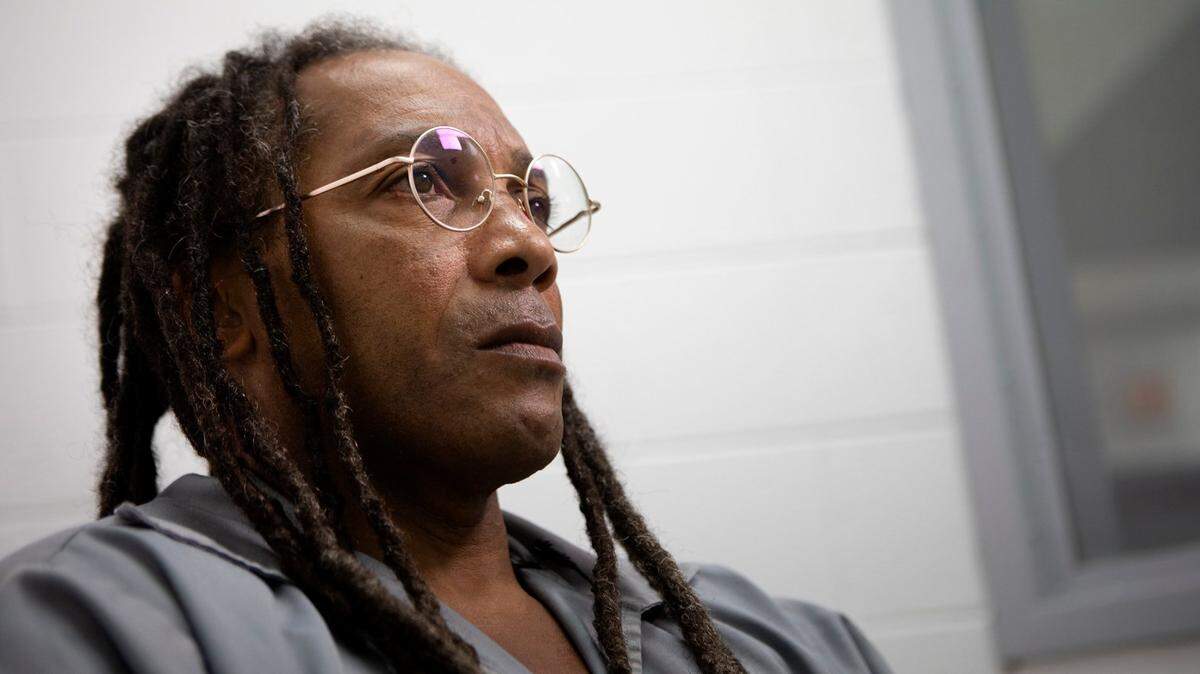
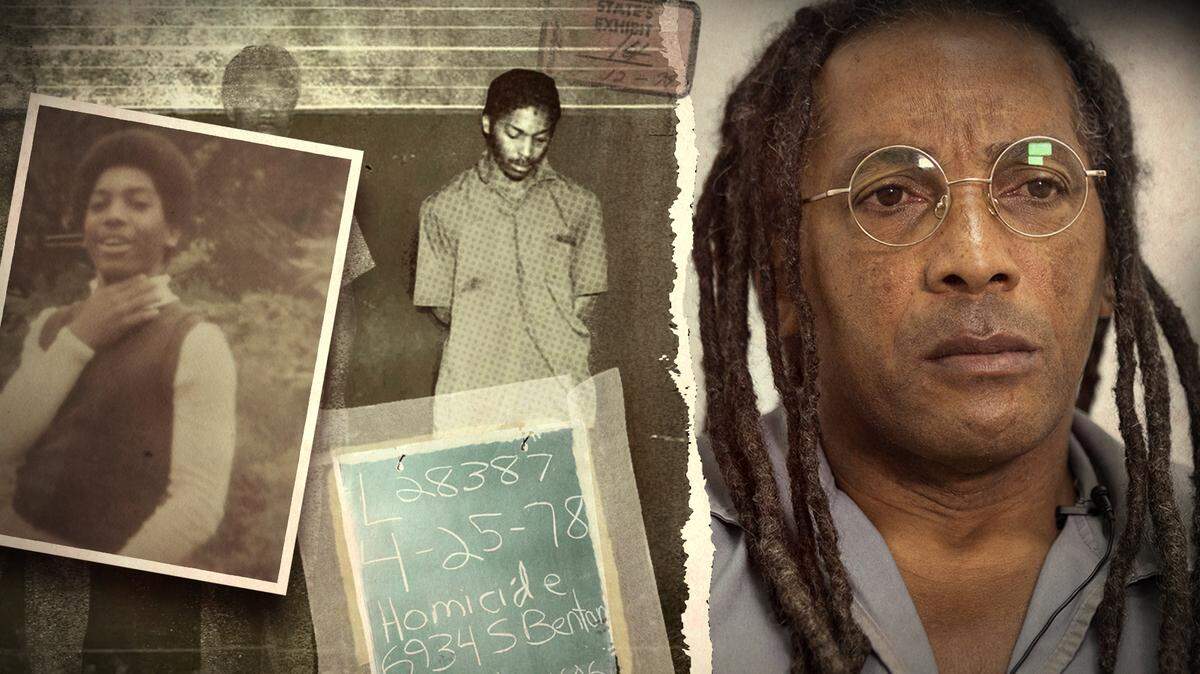
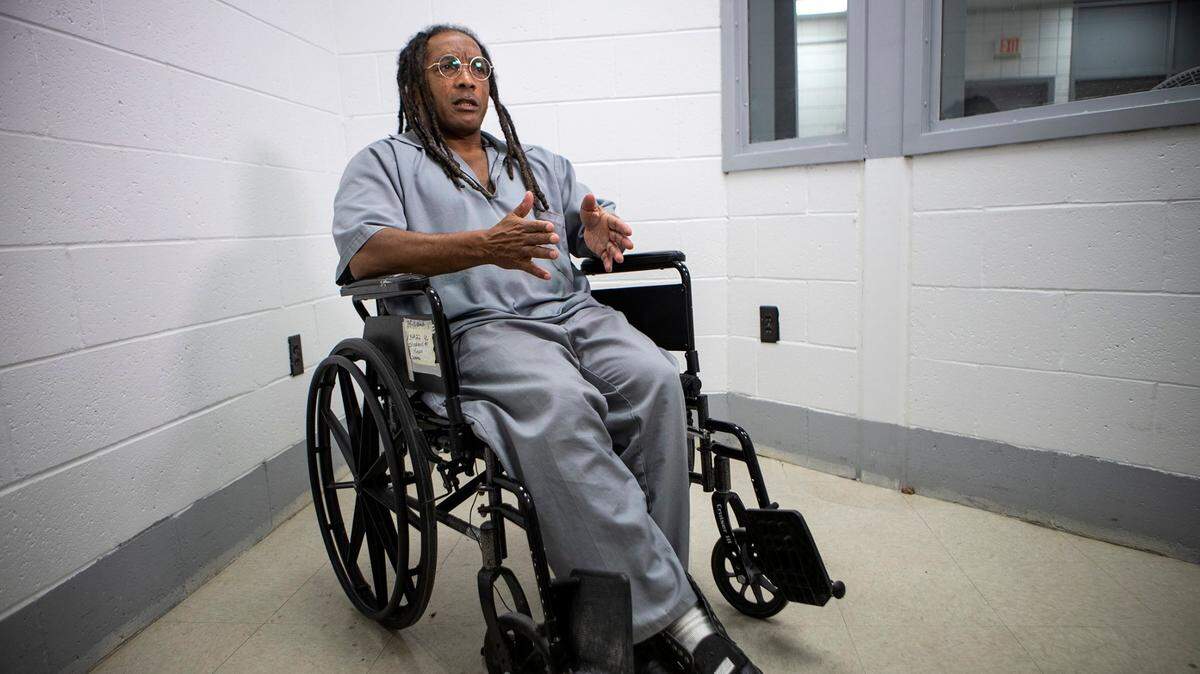
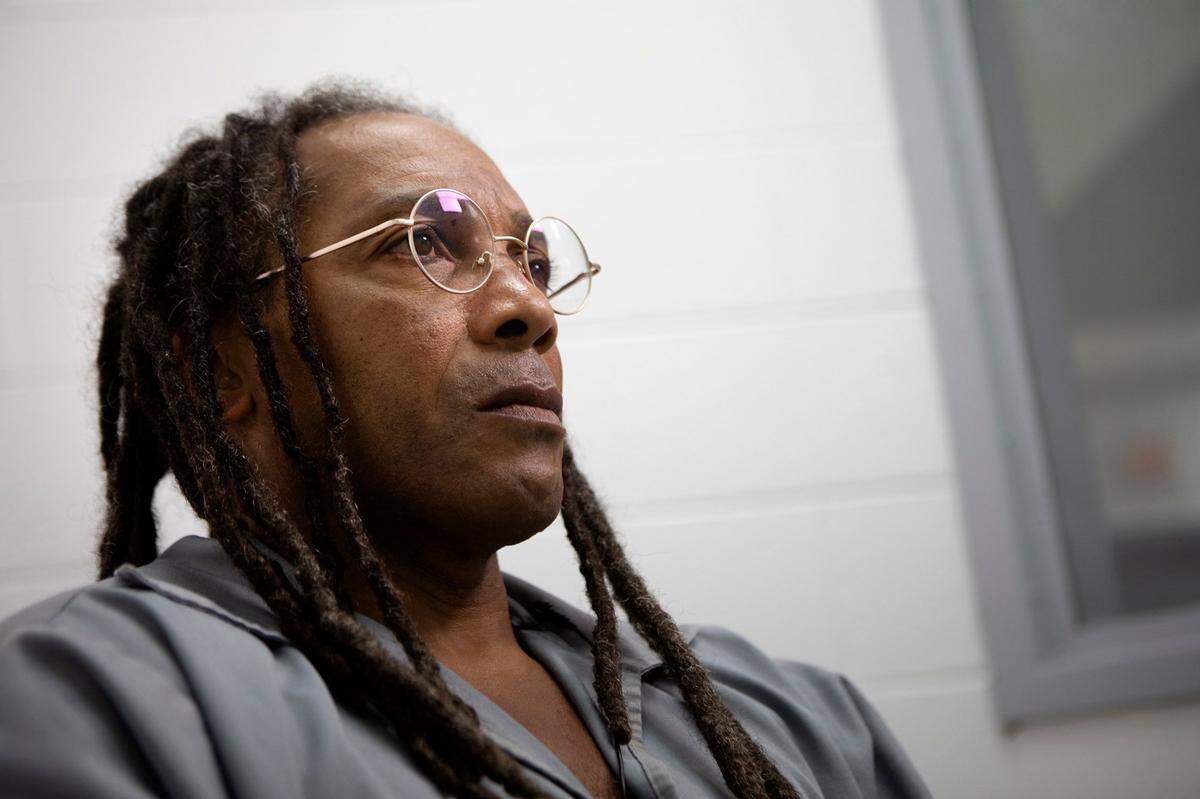
Kevin Strickland, 62, has spent the last 40-plus years in prison for a 1978 triple murder he says he did not commit. His lawyers, local prosecutors and Kansas City officials have urged he be released, but the Missouri Attorney General’s Office maintains he’s guilty.
Expand All
Prosecutors on Monday used a new state law to file a motion asking a Jackson County judge to exonerate Kevin Strickland, who they say has spent more than two-thirds of his life in prison for a triple murder he did not commit.
In their 25-page motion, prosecutors argued that Strickland’s innocence in the April 25, 1978, shooting in Kansas City is “clear and convincing.” They asked the court to quickly set a hearing, examine the evidence and throw out Strickland’s conviction, which would free him. The evidence, they added, shows that Strickland, now 62, “should not remain in custody a day longer.”
When a 19-year-old Strickland was convicted of capital murder more than four decades ago, a judge asked him if there was any reason his punishment should not be announced.
“Yes, sir,” Strickland replied that day in 1979. “I feel that this whole thing was just prejudiced (against) me and that I should have … a new trial.”
Strickland became the first Jackson County defendant sentenced to life in prison without the possibility of parole for 50 years.
Now, the Jackson County Prosecutor’s Office says the “intolerable wrong” that is Strickland’s conviction and continued imprisonment must be corrected.
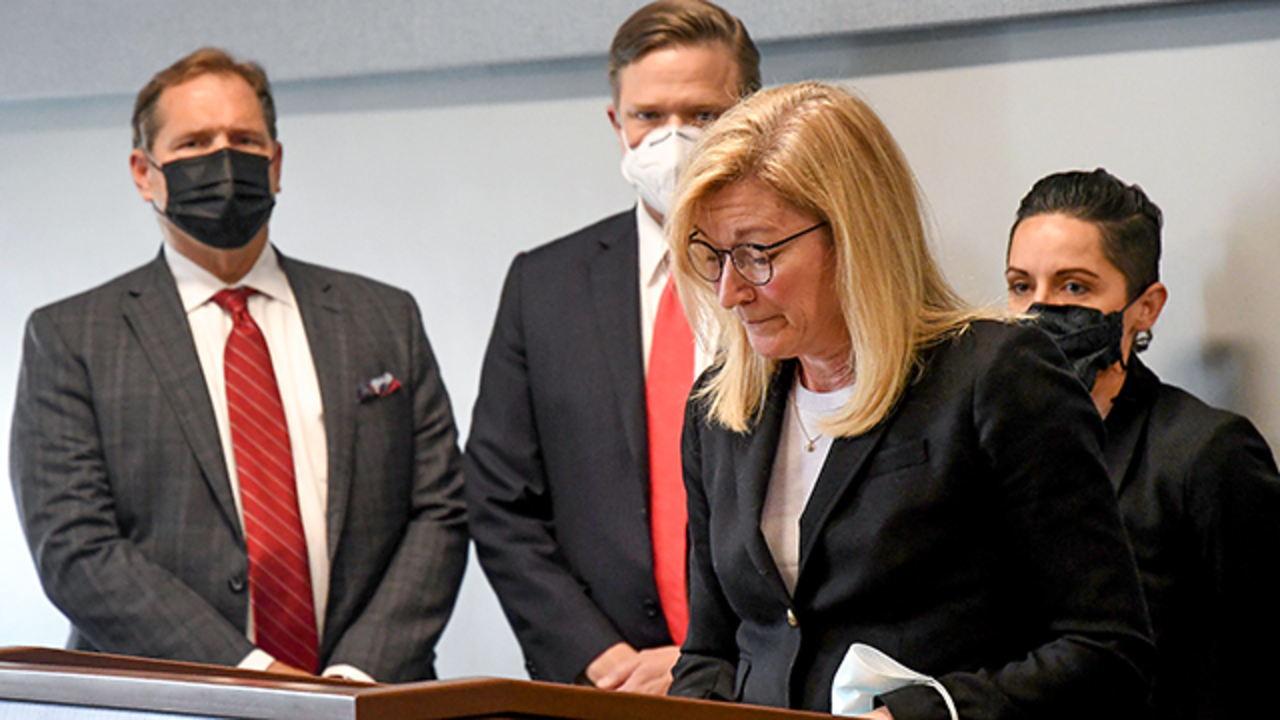
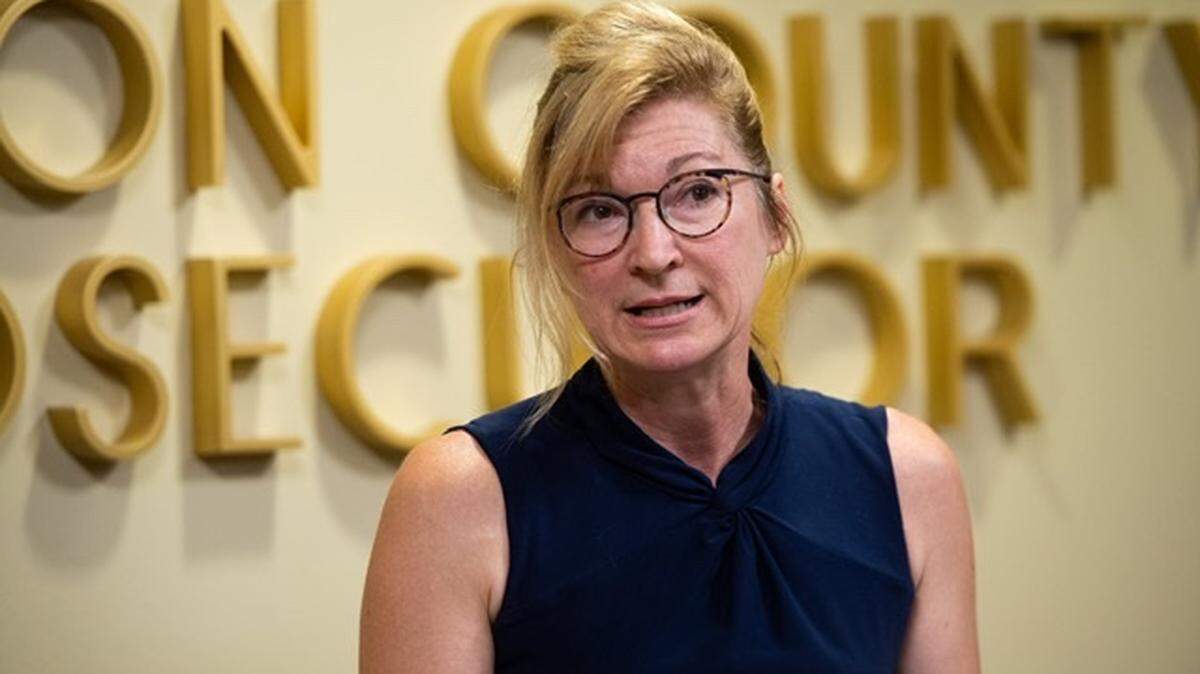
“Most of us have heard the famous quotation that ‘injustice anywhere is a threat to justice everywhere,’” Jackson County Prosecutor Jean Peters Baker said in a statement Monday. “Kevin Strickland stands as our own example of what happens when a system set to be just, just gets it terribly wrong.”
Attached to the motion are new affidavits obtained by prosecutors. They further establish that the lone eyewitness to the murders, Cynthia Douglas — who was shot during the killings at 6934 S. Benton Ave. and watched three of her friends die — recanted her identification of Strickland. Prosecutors say it was the only direct evidence against him at trial.
“Cynthia told me that Kevin Strickland was not there that night,” her sister, Cecile “Cookie” Douglas, said in one of the affidavits.
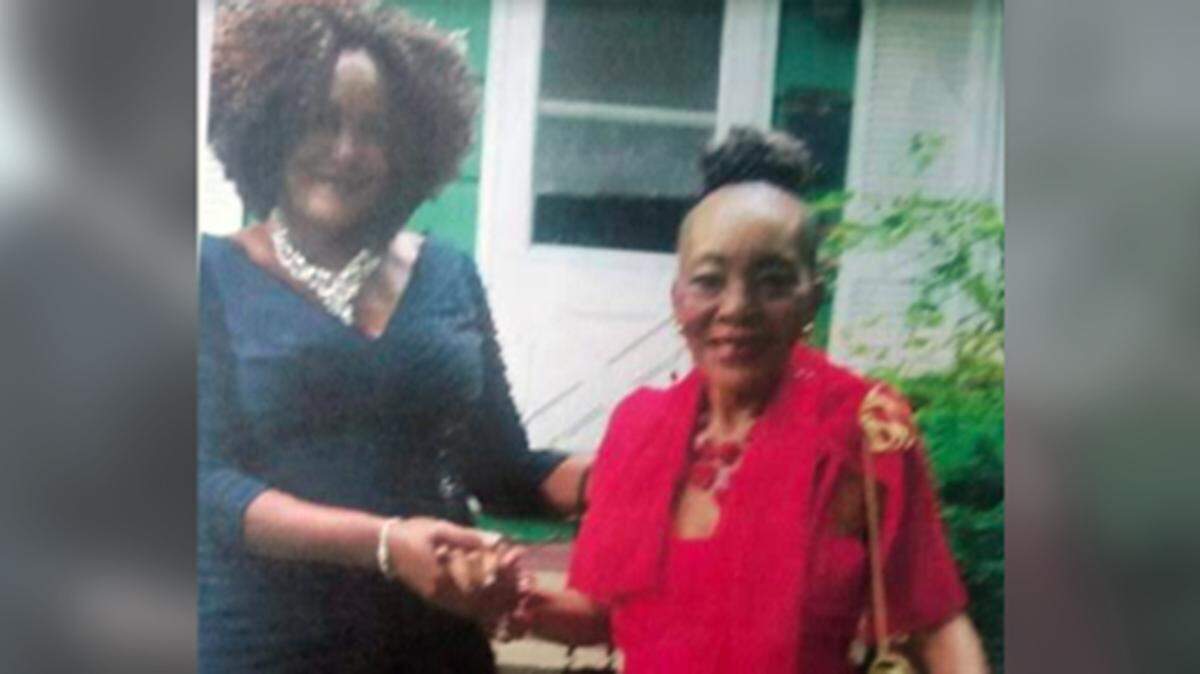
Cynthia Douglas, who died in 2015, was “troubled” for the rest of her life by the murders and her identification of Strickland, who she sincerely wanted released, Cookie Douglas wrote. Another new affidavit, signed by the eyewitness’ daughter, additionally confirmed Douglas tried to get the case back in court. Other relatives, including Douglas’ mother and ex-husband, have told The Star the same thing.
“She firmly believed she was wrong in identifying Strickland,” Cookie Douglas wrote.
Expert: ID points to innocence
On the night of the murders, Kansas City’s acting police chief joined every available detective at the crime scene, standing outside the bungalow where the shooting occurred in the light wind. He told a reporter the police department wanted “to do this right.”
The shooting took the lives of Douglas’ boyfriend, John Walker, 20; her best friend, Sherrie Black, 22; and 21-year-old Larry Ingram, who rented the bungalow.
By the time Douglas, 20, was placed in an ambulance, detectives had the names of two suspects she knew and recognized: Vincent Bell, 21, and Kilm Adkins, 19. She could not, however, identify two other suspects.
Douglas was recovering in a wheelchair when police brought her to the department’s Crimes Against Persons Division about six hours later, at 3:20 a.m. She would soon be kept under 24-hour police guard because of threats leveled at her family, with two officers staying at her mother’s house at all hours of the day, answering their door with guns drawn.
But first, in the presence of three members of the police force, including a detective, as well as an assistant county prosecutor, Douglas was asked if she knew the man who fired the shotgun.
“No,” she replied.
In their motion, prosecutors said it is unclear how and why Strickland, 18 at the time, became a suspect, but he was picked up the morning after the killings. Officers later claimed they heard Strickland’s nickname, “Nordy,” at the crime scene, apparently from Douglas, but she later “steadfastly denied” that she identified Strickland or gave police his nickname that night.
It was the day after the murders that Douglas described the shotgun-wielding suspect to her sister’s boyfriend, Randy Harris, as a short Black man with a lighter complexion. Having heard Douglas’ description, Harris suggested the gunman might be Strickland.
Unaware that Strickland was already in custody, Douglas called police to identify him as one of the suspects. Interviewed by detectives a second time, Douglas said she had been unable to previously identify Strickland — who she had known for at least two years — because she had been smoking weed and drinking cognac shortly before the shooting.
During a police lineup, detectives told Douglas all she had to do was pick Strickland and “things would be over,” her ex-husband, Ronald Richardson, said in a 2016 affidavit. She identified him then.
John Wixted, a psychology professor at the University of California San Diego, reviewed Douglas’ identification, according to the prosecutor’s office’s motion. He concluded in a report that it actually provides “compelling evidence of innocence, not guilt.”
An eyewitness expert, Wixted said what a witness initially says is more reliable than later tests of her memory. Douglas at first “unambiguously declared that she did not recognize the man with the shotgun,” he wrote.
The question then becomes, he said, if it is possible to “test her uncontaminated memory a second time and obtain more reliable information about who she saw,” according to the motion.
“The answer is an emphatic ‘no,’” Wixted wrote.
‘A single mistaken eyewitness’
The scientific understanding about eyewitness fallibility has evolved greatly in the last 40 years. But at the time, prosecutors took Strickland to trial, “armed with only a tainted identification and weak physical evidence,” current prosecutors say.
No physical evidence “definitively linked” Strickland to the killings, according to the new motion. None of his fingerprints were found at the crime scene. His conviction, prosecutors now say, was “based on a single mistaken eyewitness identification.”
At trial, prosecutors honed in on other evidence: sarcastic and threatening statements Strickland allegedly made to detectives; his acknowledgment that he gave Bell shotgun shells sometime before the shooting; the discovery of one of his fingerprints on the rear view mirror of Bell’s car. Strickland, however, never denied knowing Bell, who was his neighbor, and testified he drove the car before.
Prosecutors also did not offer a motive for the murders, but told jurors to infer the shooters “went over there to take over a dope house.” They did not show that Strickland was “involved in drugs or had any reason to go to the home at all,” according to the motion.
Strickland’s first trial ended in a hung jury of 11 to one, with the only Black juror holding out for acquittal, Strickland remembers. At the time, a prosecutor said he had been “careless” for allowing the woman to sit on the jury and promised that he would not repeat that “mistake,” according to the motion filed by Baker’s office.
Prosecutors used their first four peremptory strikes — meaning they did not need to give a reason — to remove the only four Black potential jurors from serving at Strickland’s second trial. The fate of Strickland, who is Black, was then decided by an all-white jury during a trial overseen by a white judge with white lawyers.
It was also at the second trial that prosecutors presented “uncorroborated testimony” from police officers who claimed they heard Strickland’s nickname from Douglas on the night of the murders, according to the motion.
“These memories were presented for the first time at Strickland’s second trial, nearly a year after the crime,” prosecutors wrote.
One of Strickland’s lawyers, Bill Williams, made similar points about Douglas’ identification at trial. He called it “unbelievable” for a witness to identify a suspect she knew after describing him to a person who was not even present during the crime.
“As a matter of fact, it is somewhat favorable to the defendant because she saw this person, whoever he was that night, and even though she knew Kevin Strickland, she did not recognize him as Kevin Strickland,” Williams said during closing arguments, later adding: “This is not a plea for mercy, ladies and gentlemen. I’m asking you to do justice. Justice demands that Kevin be acquitted.”
Instead, Strickland was sent to the Missouri State Penitentiary.
Four months later, Bell pleaded guilty and swore in front of a judge and prosecutor that Strickland was not with him and the other suspects that night. Adkins would also plead guilty and, starting in 1981, sign three affidavits attesting to Strickland’s innocence.
After realizing she identified the wrong suspect, Douglas in the decades that followed told friends and family about her error, prosecutors say. Following years of “torment and consternation over what to do about” the mistake, Douglas in 2009 sent an email to the Midwest Innocence Project, in which she called Strickland “wrongfully charged.”
The non-profit organization, which only takes requests to investigate innocence claims if it comes from the convicted person, did not follow-up at the time, according to the motion.
Even without her recantation, prosecutors say, Douglas’ identification was “highly unreliable.”
In a previous interview with The Star, Adkins — who served 10 years for the murders — said he assumed that wrongly identifying Strickland for another teenager was a burden for Douglas.
“That’s a hell of a thing, I believe, for a person to live through — knowing that they have put an innocent person in prison for the rest of their life,” Adkins said.
In their motion, prosecutors also noted that testing done this year showed the one fingerprint that could be tested on the shotgun was not Strickland’s.
What’s next?
At a future hearing, prosecutors will argue that Strickland should be exonerated. If he is, his imprisonment will go down as the longest known wrongful conviction in Missouri history: he has spent more than 15,403 days in prison.
The Missouri Attorney General’s Office, which has contended Strickland is guilty and has accused local prosecutors of misunderstanding the case, will be allowed to question witnesses and make arguments at the hearing.
Across the state, St. Louis Circuit Attorney Kim Gardner has said she intends to use the new law, which went into effect Saturday, to seek the freedom of Lamar Johnson, who she says was wrongly convicted in a 1994 murder.
As for Strickland, he told The Star in May that if he is freed, he would go straight to his younger brother’s house, where his mother, Rosetta Savanah Thorton, was in hospice care.
“We’re going to speed down the highway,” Strickland said. “I got to get there. I got to get there.”
Thorton died Aug. 21. She was 85.
Strickland’s attorneys set up an online fundraiser to help his family with funeral expenses. It had raised more than $1,500 as of Monday.
This story was originally published August 30, 2021 at 8:52 AM.