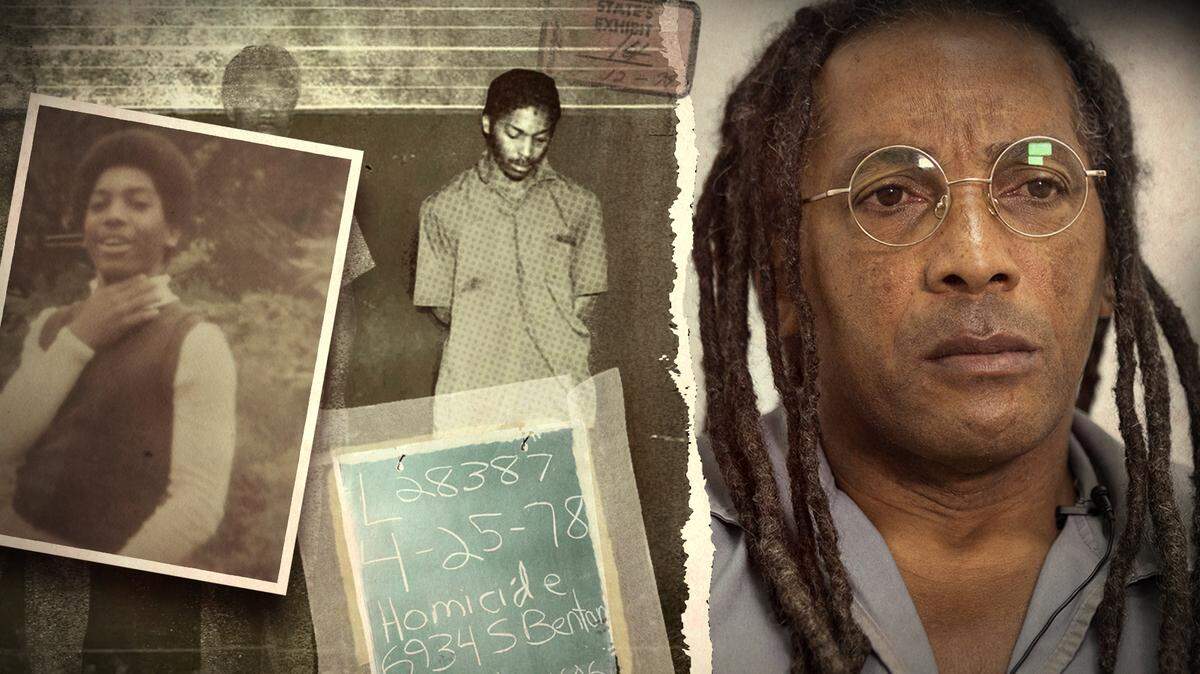
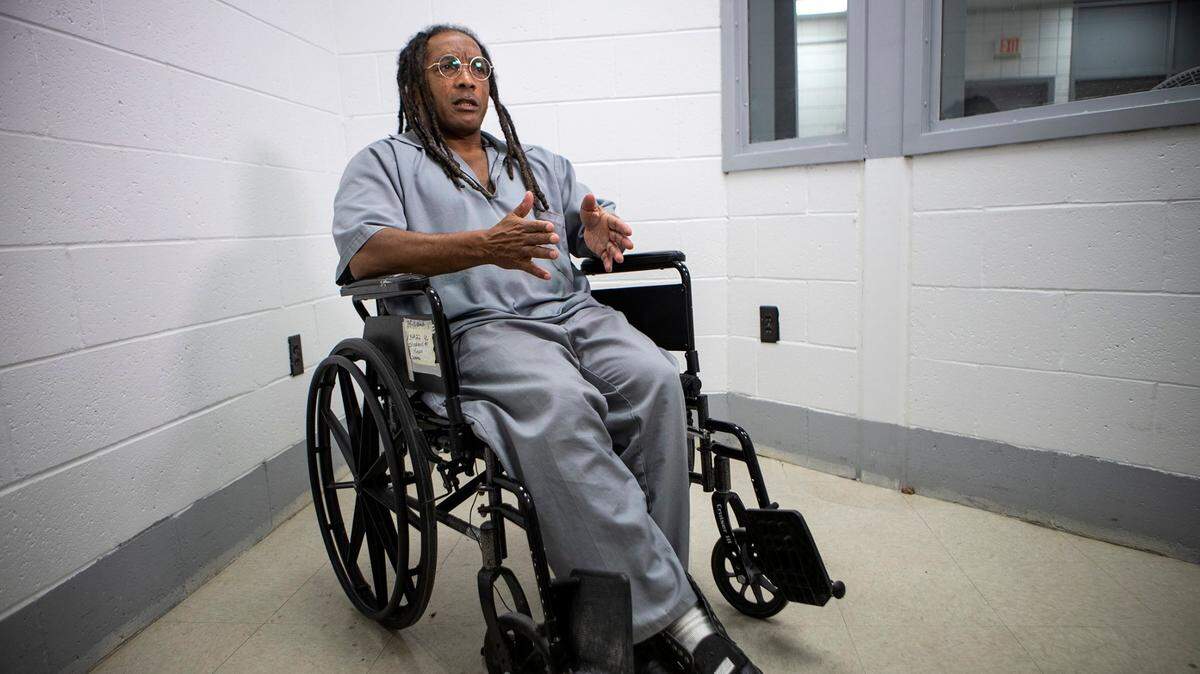
If all else fails, Baker hopes to ask a judge to free Kevin Strickland on Aug. 28
READ MORE
Kevin Strickland innocence claim
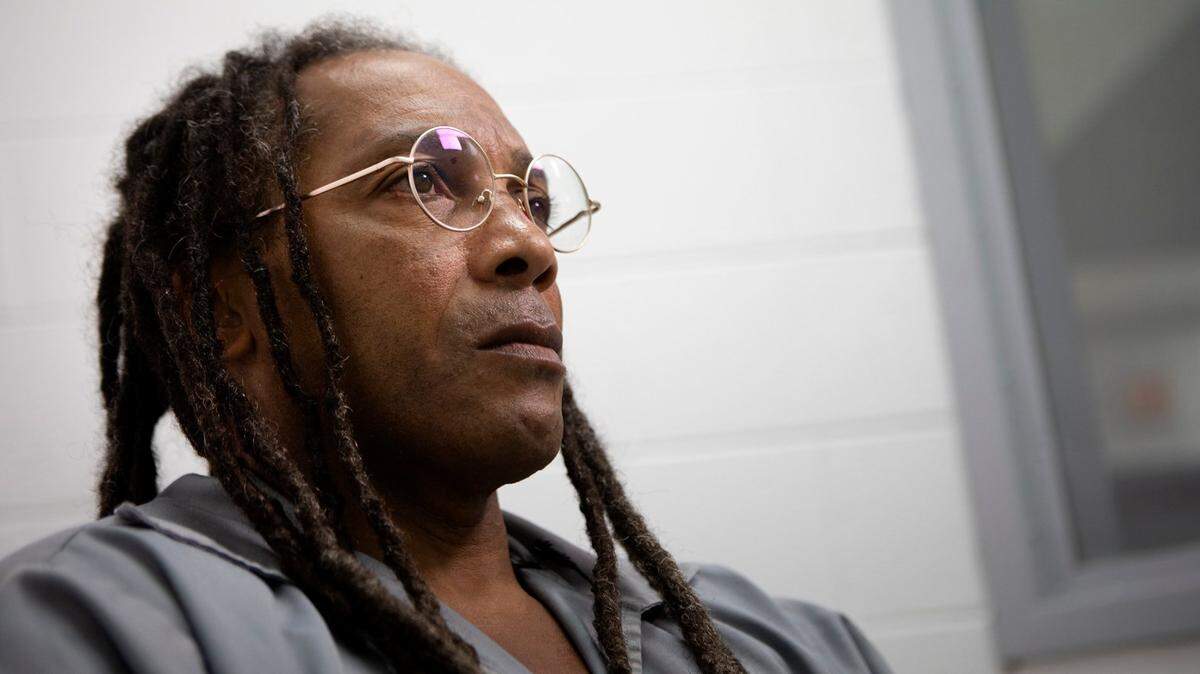
Kevin Strickland, 62, has spent the last 40-plus years in prison for a 1978 triple murder he says he did not commit. His lawyers, local prosecutors and Kansas City officials have urged he be released, but the Missouri Attorney General’s Office maintains he’s guilty.
Expand All
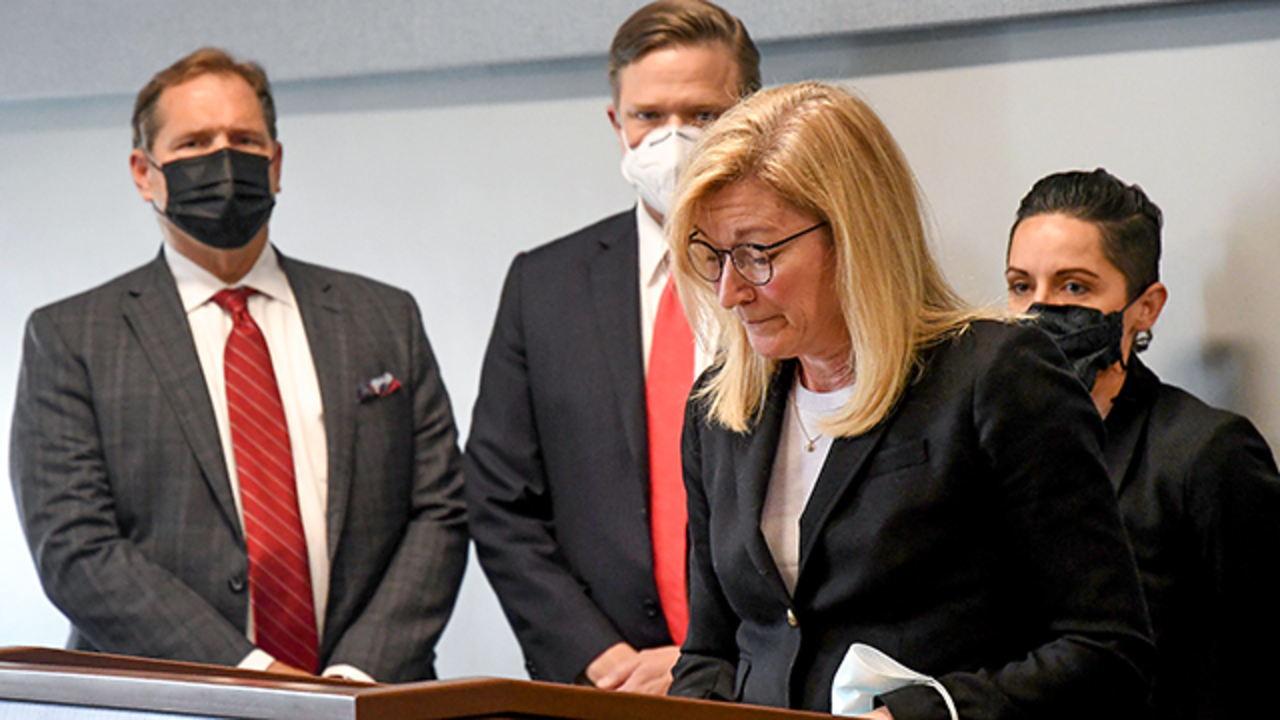
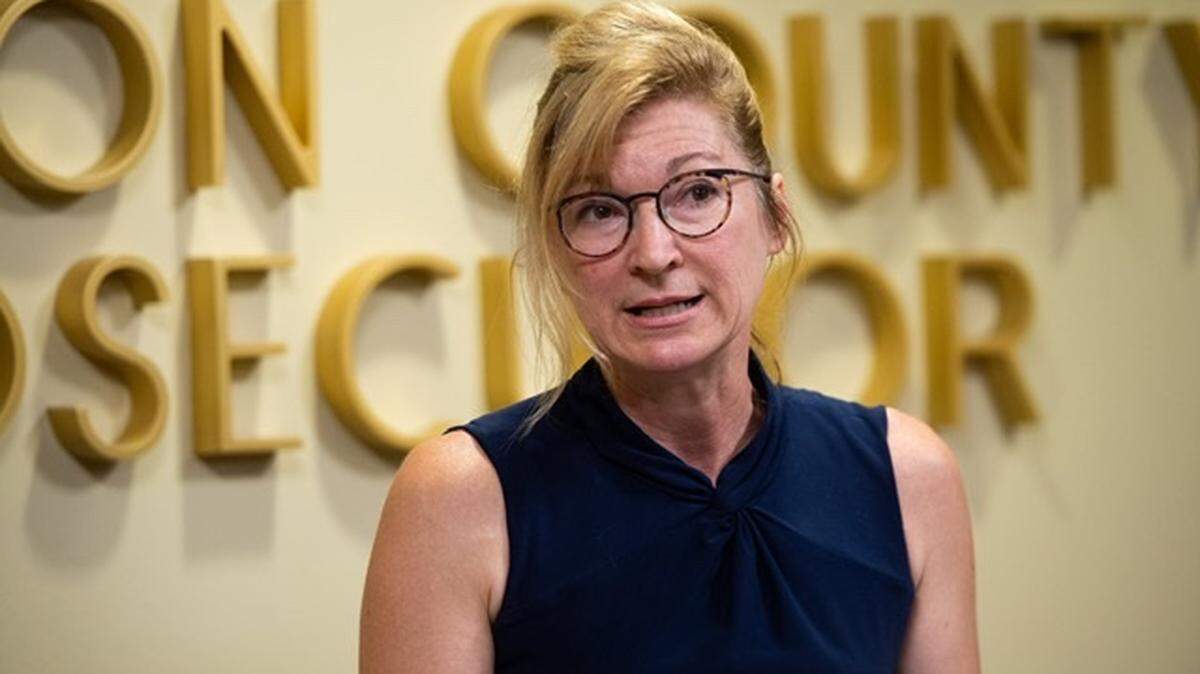
If Kevin Strickland’s other chances at freedom fail, Jackson County Prosecutor Jean Peters Baker hopes she can file a motion asking a judge to exonerate him at 9 a.m. Aug. 28.
That’s when a bill, if signed into law by Missouri Gov. Mike Parson, would clear the way for innocence claims to be brought before trial courts when a prosecutor believes a prisoner is innocent.
If that happens, Baker said, she does not intend to waste any time.
“That’s the first day that I’m actually empowered to act,” Baker told The Star. “So, 9 a.m., I’ll be ready, unless other legal actions have already prevailed.”
On May 10, Strickland received rare support from Baker’s office, Kansas City’s mayor and other officials who called for his exoneration and release. They determined he is innocent in the April 25, 1978, killings at 6934 S. Benton Ave. in Kansas City.
Strickland has languished in Missouri prisons for nearly 42 years — more than two-thirds of his life.
The Jackson County Prosecutor’s Office began reviewing Strickland’s conviction in November after speaking with his lawyers and reading a Star investigation into his innocence claim.
The review of Strickland’s conviction was similar to how prosecutors vet homicide investigations before charges are filed, Baker said. Dan Nelson, the county’s chief deputy prosecutor, “dug into the case in some pretty great detail” and presented it to about 20 senior and homicide prosecutors, who then, for hours, offered additional ideas on how to further investigate the case.
After that, a group of five of them continued their evaluation. Part of their “deep dive” into Strickland’s case included pulling the mugshot of a then-teenager who was involved in the crime, according to two men who admitted guilt in the murders, but was never considered a suspect.
“I wouldn’t say it’s a doppelganger, but I would say it’s strikingly similar,” Baker said of the teenager’s resemblance to Strickland. “I do remember having some moments like that where I thought, ‘Wow.’ We just kept becoming more and more sure.”
Prosecutors concluded Strickland is “factually innocent.”
The case against Strickland, who was 18 when he was arrested, was “thin from its inception” and relied almost entirely on the testimony of a traumatized woman who was shot during the murders, prosecutors determined.
For decades, two men who pleaded guilty in the killings swore Strickland was not with them and two other accomplices during the shooting. The lone eyewitness also recanted and wanted Strickland released.
A third suspect, who was never charged, has also said he knows Strickland is innocent.
Baker did not want her review of Strickland’s conviction to come off as political, she said. That’s why her office asked Mayor Quinton Lucas, federal prosecutors, the Board of Police Commissioners and others to weigh in.
“I thought if they were hearing it from news media first they might find it more political,” Baker said. “We were doing everything we could to make sure Mr. Strickland had every benefit that we could give him.”
‘Not a quick decision’
Earlier this week, the Missouri Supreme Court declined to hear Strickland’s case. His attorneys Wednesday refiled his petition in Missouri’s 43rd Circuit Court, which serves the region where Strickland remains imprisoned in Cameron.
The denial was not new for Strickland, who turns 62 on Monday. Over the decades, he tried by himself, at least 17 times, to get his claims heard by Missouri courts. He has never received a hearing.
On Thursday, news broke that Strickland was not among 36 people pardoned by Parson on Memorial Day. Parson’s office is aware of the case and the governor could still pardon Strickland, though legal experts said that is rare in murder cases.
Baker said her office has been in contact with Parson’s office, which she hopes will pardon Strickland. She said her staff assured the governor’s office that “we really did our work” in reviewing Strickland’s case in an in-depth manner.
“This was not a quick decision reached by us,” Baker said. “He’s innocent. ... We know that from the work that we did.”
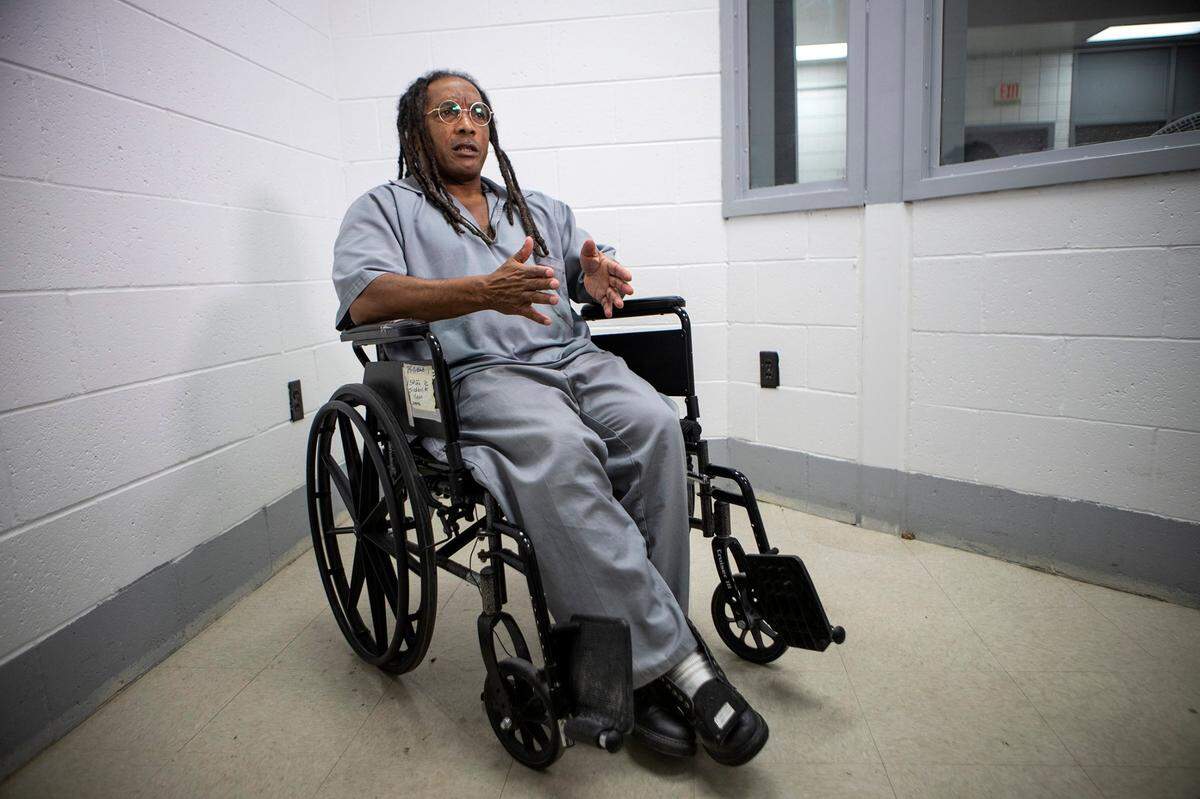
If Strickland is exonerated, he will not receive a dime from Missouri. The state’s compensation law only allows payments to innocent people exonerated through DNA evidence, which would not be the case for Strickland.
Baker said there is “no doubt” that should change. There must be a better model, she said, than providing exonerees “nothing.”
“Especially when the system knows it made the mistake,” she said.
Baker described herself as trying to be cautious, thoughtful and strategic about attempting to free Strickland.
She’s focused on the “stroke of the clock,” when prosecutors might soon have the power to right wrongful convictions themselves.
“At 9 a.m., we will have another motion filed,” Baker said of Aug. 28. “And it will be in my courthouse and it will be my petition.”
This story was originally published June 3, 2021 at 5:02 PM.