Protesters bring attention to four men shot and killed by police in Kansas City
Across the U.S., thousands of protesters have chanted the name of George Floyd, who was killed last month in Minneapolis after a police officer knelt on Floyd’s neck for nearly nine minutes.
In Kansas City, the names of Ryan Stokes, Terrance Bridges, Cameron Lamb and Donnie Sanders have also rang out.
The four — all black men — were fatally shot by Kansas City police officers in recent years. At least two were unarmed.
Five people, including Sanders, have been killed by officers in Kansas City this year. Three of the shootings were by Kansas City Police Department officers, one was by an Independence officer and one was by an FBI agent.
Floyd’s death has galvanized demonstrations around the world with protesters calling for an end to racial injustice and police brutality.
In 11 days of protests in Kansas City, thousands have united to proclaim “Black lives matter.” On three consecutive nights, police hurled tear gas canisters at protesters who they accuse of throwing rocks and water bottles at officers. But the past several days have been peaceful, with protesters marching through the Country Club Plaza and parts of downtown, largely without a police presence.
In response to the protests, the police department announced last week that they had secured funding for body cameras and that outside agencies would be called upon to investigate police shootings.
Had those measures been in place earlier, the course of investigations in the Stokes, Bridges, Lamb and Sanders cases likely would have been different.
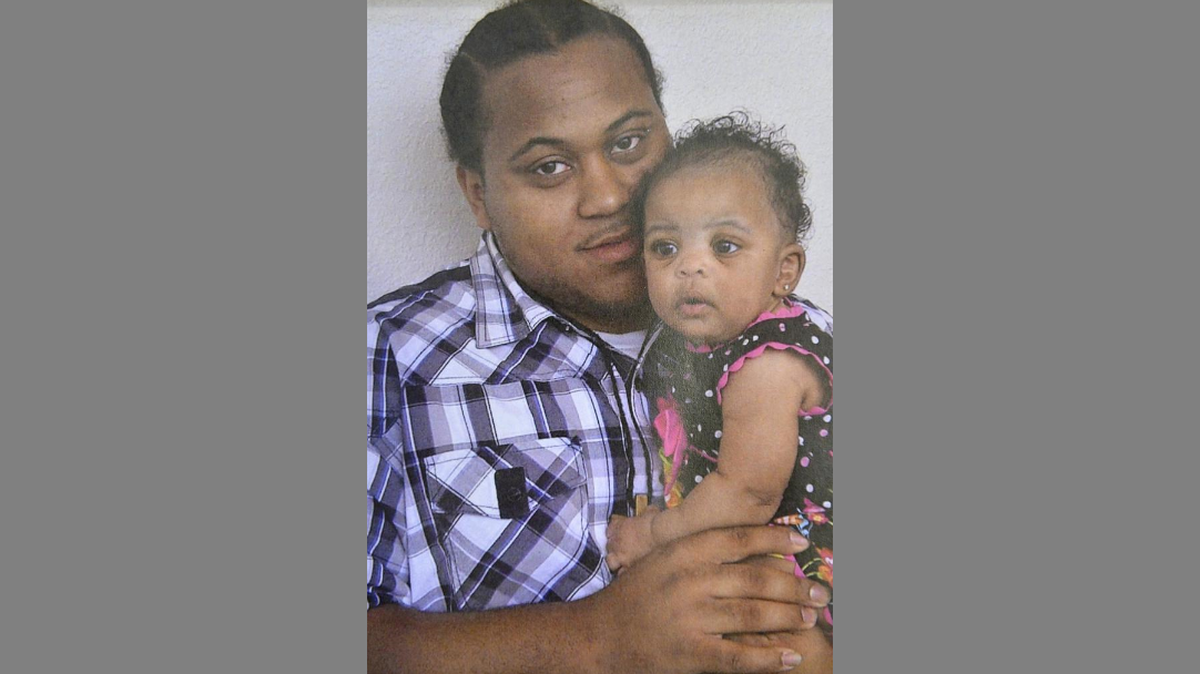
Ryan Stokes
Stokes, 24, was unarmed when he was shot in the back by police on July 29, 2013, in the Power & Light District.
At the time of the shooting, Officer William Thompson said he thought he saw a gun in Stokes’ hand.
After the shooting, police found a gun in a car next to Stokes’ body.
Thompson and another officer were awarded a certificate of commendation for shooting a suspect armed with a handgun. That was revoked in 2018 after police acknowledged that Stokes did not have a gun when he died.
A jury declined to indict Thompson and a police shooting panel that reviewed the incident made no recommendations for training or department policy changes.
Stokes’ mother, Narene Stokes-James, filed a wrongful death lawsuit in 2016.
An attorney for the family said the police department lied about what happened.
“From the very first moment that they had an opportunity to speak to this community, they have been telling lies about what happened there that night, and lies about Ryan,” Cynthia Short said in 2018.
In February, a judge granted Thompson immunity, allowing his name to be removed from the lawsuit. Lawyers are appealing the judge’s ruling on qualified immunity, according to court documents.
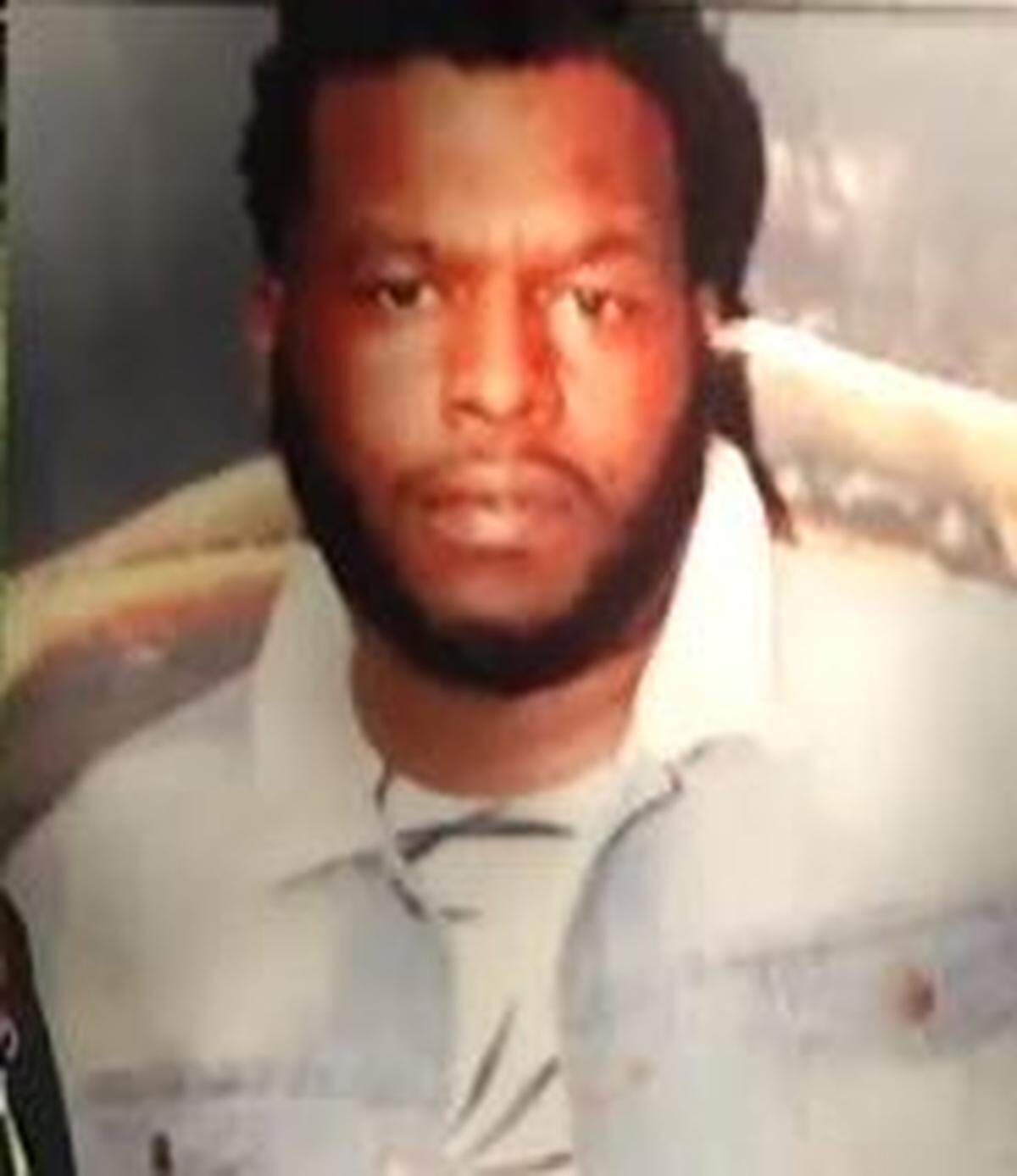
Terrance Bridges
The family of Bridges disputes the police department’s account of the May 26, 2019, shooting in the 7000 block of Bellefontaine Avenue.
Relatives, along with the Metro Organization for Racial and Economic Equity, believe the 30-year-old did not pose a threat to officers, was not involved in a carjacking and was not armed.
The police department maintains that Bridges was a suspect in a carjacking, and that officers had responded to reports that Bridges forced his way into a home, engaged a man in an armed confrontation and then took the man’s vehicle.
Police said Bridges resisted arrest and an officer shot him during a struggle.
About three months after the shooting, Bridges’ parents filed a wrongful death lawsuit in Jackson County Circuit Court, alleging that the officer was not acting in lawful self-defense. The case remains ongoing.
In response to Bridges’ shooting, activists have called for an independent investigation as well as local control of the police department.
The Kansas City Police Department is one of the largest agencies in the U.S. that doesn’t have local control of its police department. Instead, the police department is controlled by a board appointed by the Missouri governor.
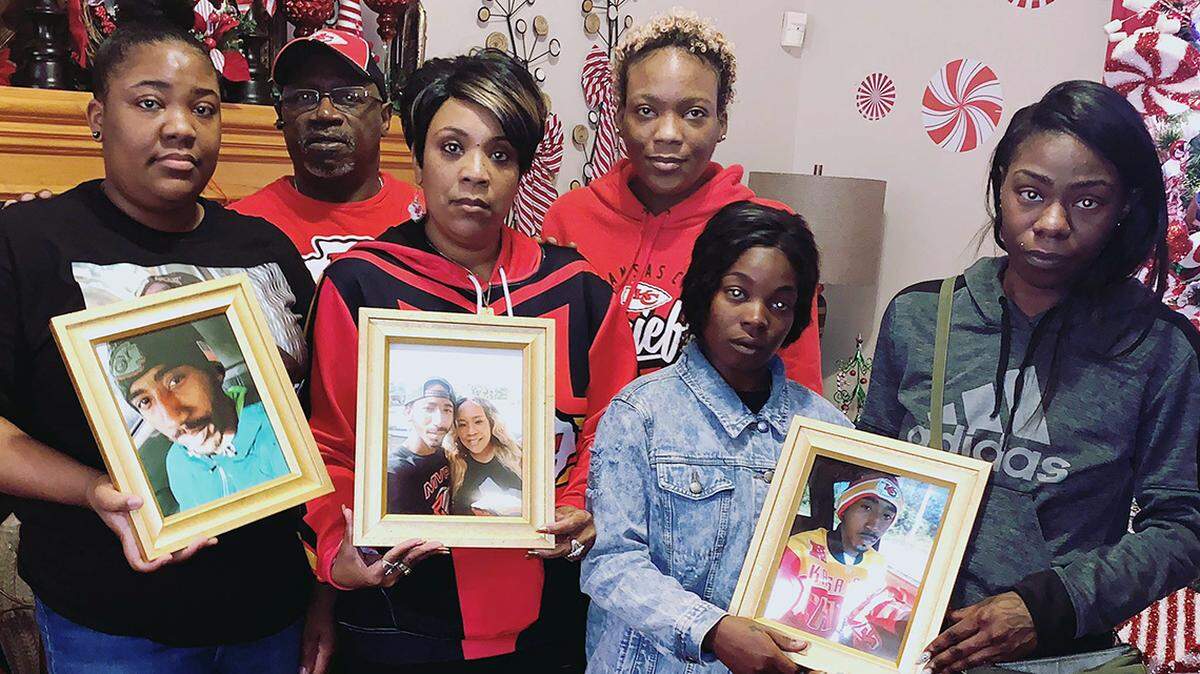
Cameron Lamb
Lamb, 26, was shot and killed Dec. 3, 2019, in his backyard in the 4100 block of College Avenue.
The incident began several blocks away when a disturbance between two vehicles was reported. A police helicopter tracked one of the vehicles, which pulled behind the College Avenue residence.
Detectives approached a man in the vehicle and “the officer was put in a position where he had to discharge his firearm,” a spokesman for the Kansas City Police Department said.
Police investigating the shooting found Lamb inside the vehicle with his left arm and head hanging out of the driver’s side window. On the ground near his left hand was a handgun, police said.
Lamb’s family said they struggle to believe that version of events. His father, Bobby Lamb, said his son was not the type of man to act the way police alleged he had.
At a vigil held in the weeks after Lamb’s death, family members spoke about frayed relations between police and African Americans nationwide. They said they hope that Lamb’s death can lead to progress in those relations and a reduction in violence.
An attorney for the family said police were on Lamb’s property illegally and recklessly pursued a nonviolent traffic offender.
The police department was criticized after it withheld a probable cause statement sought by the Jackson County Prosecutor’s Office, which was considering filing charges against a detective involved in the Lamb case.
That was one issue protesters brought up in conversations with Police Chief Rick Smith held during a rally Wednesday.
The next day, the department said it was reversing its policy of not sending the statements to prosecutors.
Donnie Sanders
Like Stokes, Sanders, 47, was also unarmed.
Police initially said the officer believed Sanders had a weapon.
On March 12, police attempted to stop a vehicle at 51st Street and Prospect Avenue.
The car eventually came to a stop in an alley and the driver got out of the car and ran, police said.
The man then turned toward an officer at 52nd Street and raised his arms “as though he had a weapon,” a police spokesman said. The officer told the man to drop the weapon and fired at him when the man did not comply, according to the department.
In the wake of Sanders’ death, community activists renewed their calls for body cameras and de-escalation training.
This story was originally published June 8, 2020 at 3:26 PM.