World Cup is proof KC is world class and a reminder of transformative power of sports
READ MORE
Kansas City will host games in 2026 World Cup
Kansas City made an aggressive bid to be one of the U.S. host cities for the enormous international event put on by FIFA. Arrowhead will host the games, and it will be a massive economic boost.
Expand All
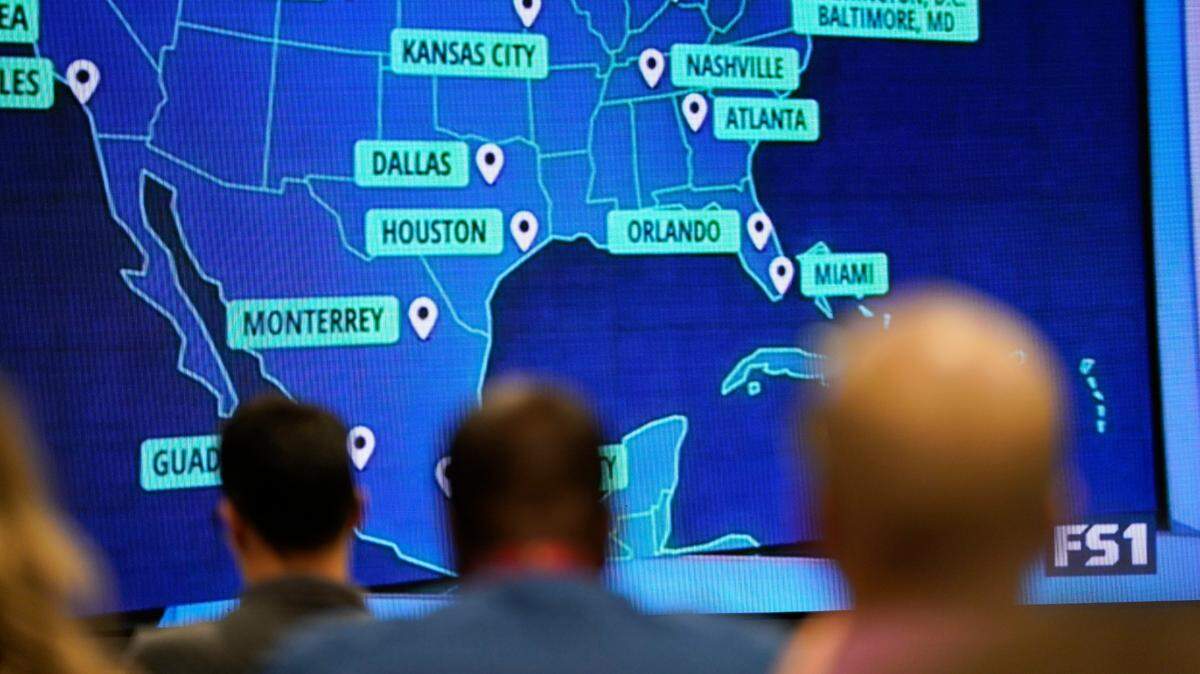
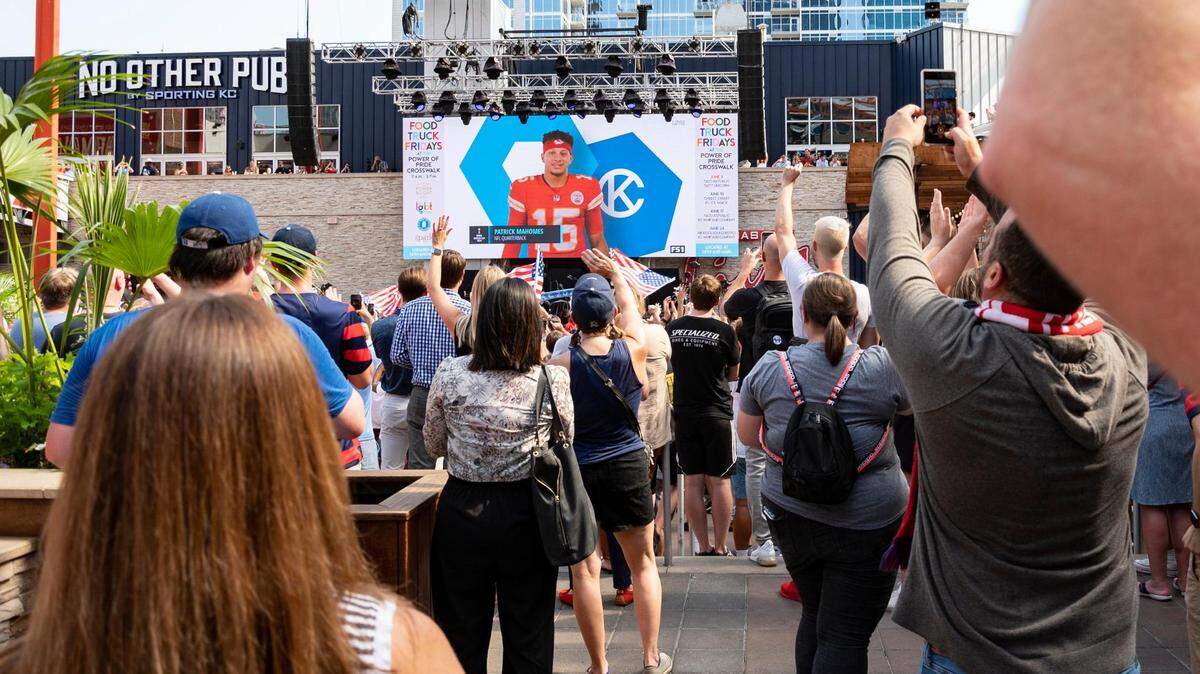
Gathered in “No Other Pub” overlooking the KC Live! Block in the Power & Light District on Thursday afternoon was a who’s-who of those who painstakingly generated the KC2026 World Cup bid and dignitaries from around the region. The few hundred in the room emitted an upbeat buzz as they awaited FIFA’s verdict, but apprehension was hovering, too.
As the announcement of the Central region began on FS1, Kansas City Sports Commission president Kathy Nelson and KC2026 World Cup bid director Katherine Holland stood beside each other and looked downright anguished after the years of work.
Feeling, Nelson later said, “a little shaky.”
And then … absolute euphoria.
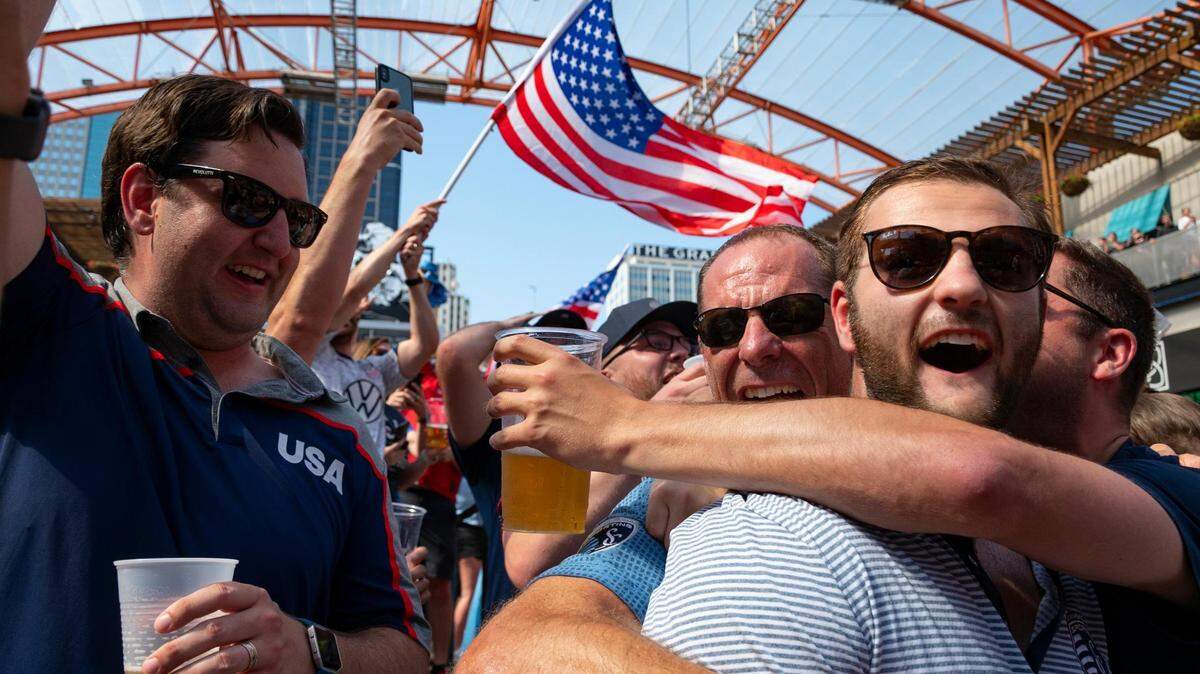
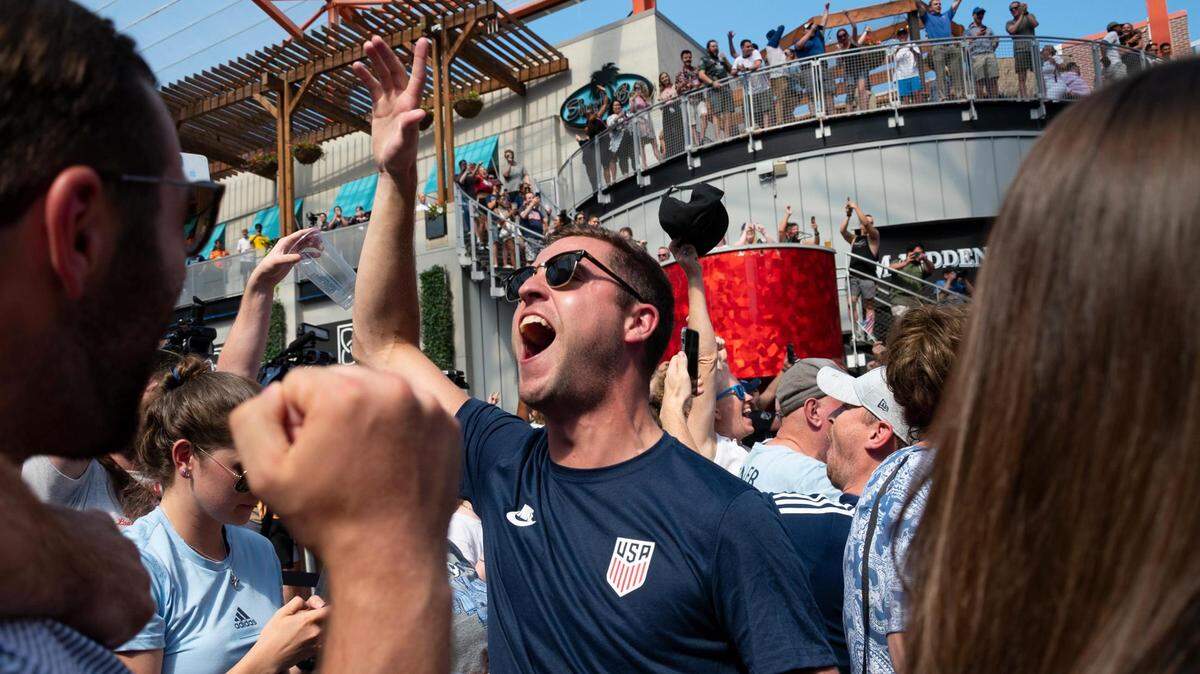
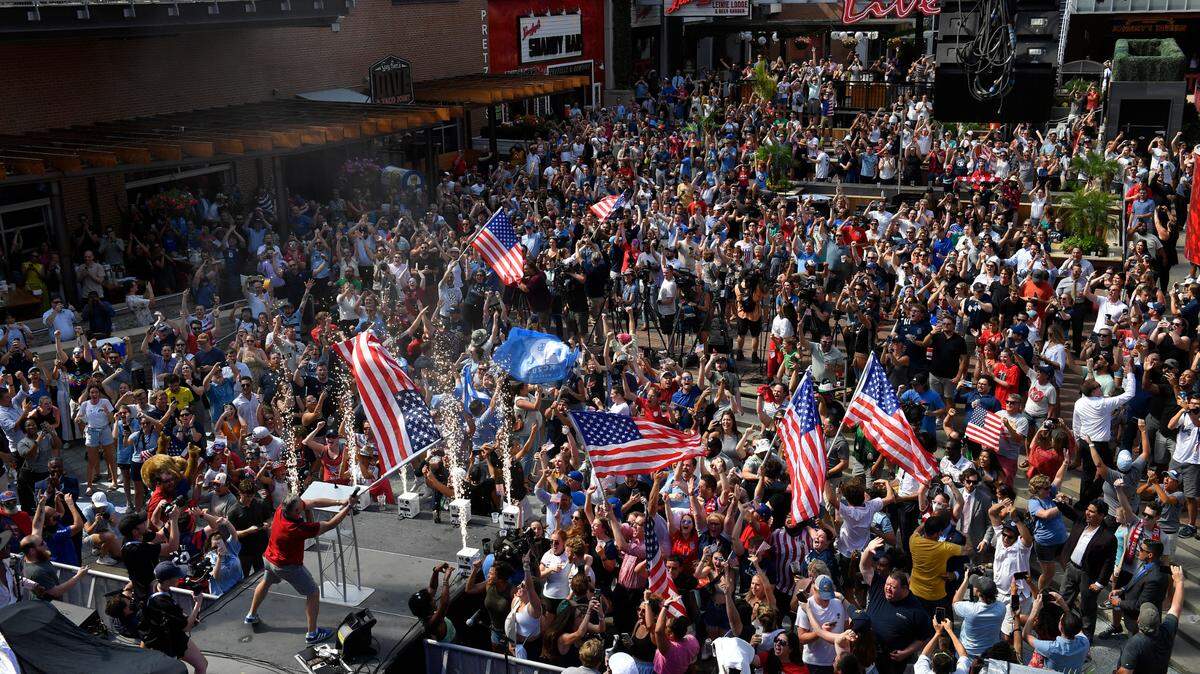
Before the announcer even got the entire “Kansas City” out, something like a sonic boom rattled the room as the crowd outside roared. Nelson and Holland hugged and cried and cried and hugged, and among others converging into each other nearby were bid co-chairs Clark Hunt and Cliff Illig.
Chiefs president Mark Donovan was standing behind Hunt, the Chiefs chairman, and Illig, Sporting KC’s principal owner, and was struck by what he saw.
“They’re very successful business people, right; neither one of them (often) show a lot of emotion,” he said.
This time, though …
“It was like two kids on Christmas morning,” Donovan added. “It was fun to watch. Because it was true, sheer joy.”
There was ample reason for that, including a poignant one for Hunt — whose father, Lamar, was instrumental in this even 16 years after his death. Without Lamar Hunt, a pioneering force in soccer in this country, “none of us are here,” Donovan said.
By “here,” he meant this seismic development in the arc of the story of Kansas City.
“I can’t even comprehend what this means for this city,” said an ecstatic Angie Long, co-owner of the Kansas City Current, as she left the reception (with husband Chris saying he felt “like a little kid”).
A worldwide audience
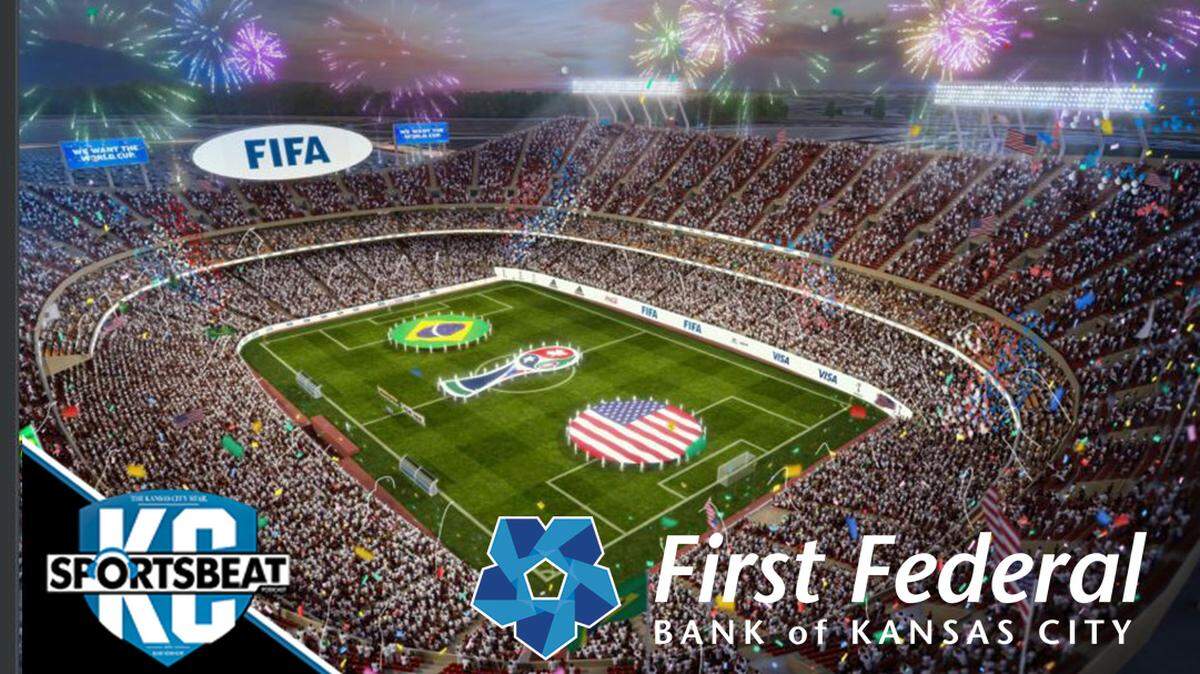
Indeed, it’s hard to grasp the scope of the most massive and compelling sporting event on Earth coming to Kansas City for a still-to-be-determined number of games to be played at Arrowhead Stadium.
But it means something more than the very welcome tens of thousands of visitors over the course of a month-plus and estimated economic impact in the hundreds of millions of dollars, our name and image going out across the globe among a cumulative audience of billions.
It means the good guys (us!) won and now get to show off as never before what makes Kansas City a unique and special place:
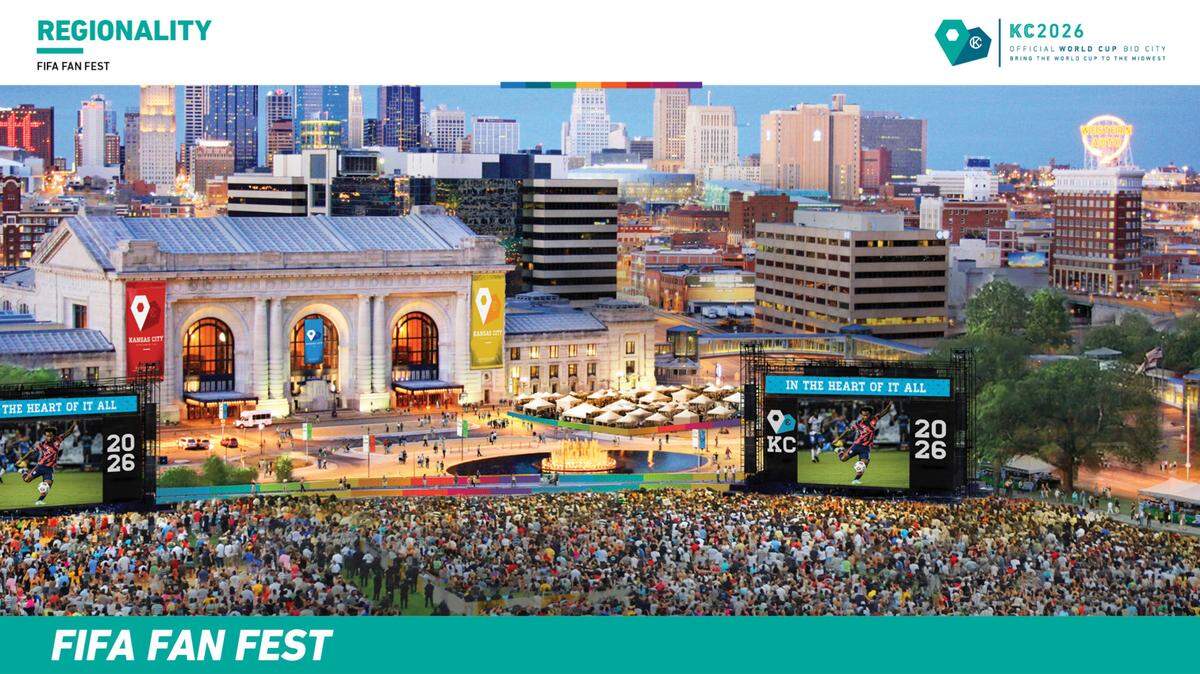
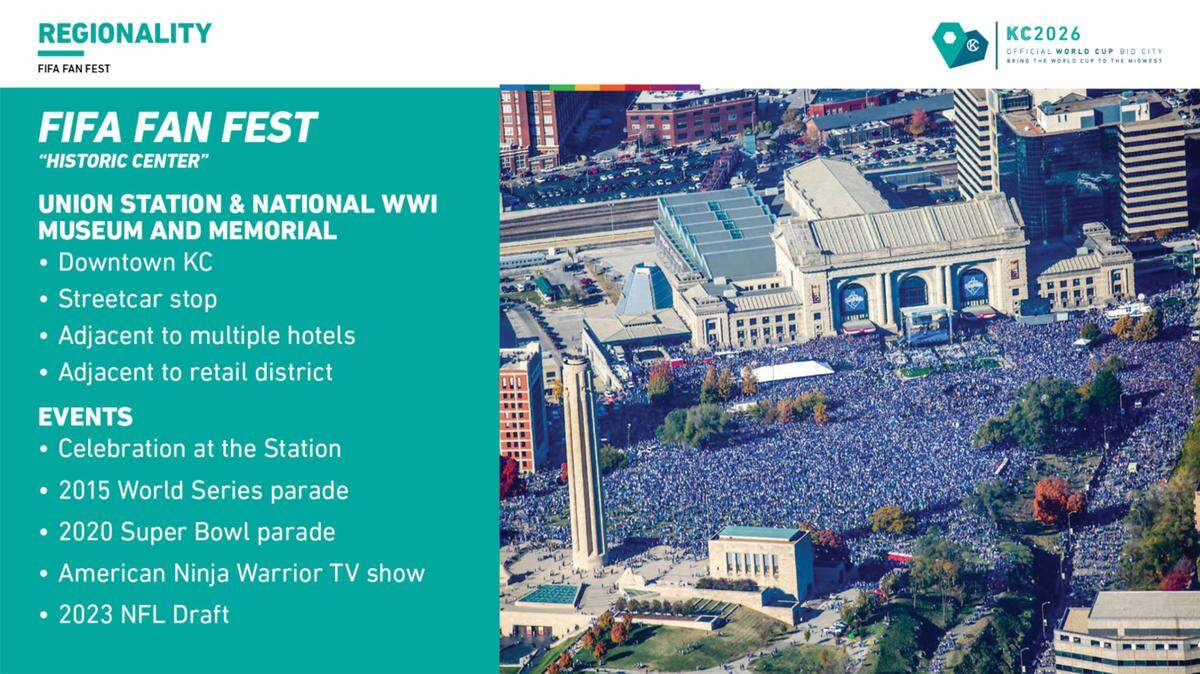
From the Nelson-Atkins Museum of Art to the National WWI Museum and Memorial and Union Station, prospective areas for the fan fest that will be the heartbeat of the World Cup … to the Kauffman Center for the Performing Arts and the Negro Leagues Baseball Museum and the Harry S. Truman Presidential Library & Museum … to plenty more varieties of the BBQ the FIFA delegation sampled during its site visit here last year.
And so many more world-class elements for the world to discover beyond the bounds of sports when crowds arrive at our new airport (to open next year), come down Interstate 35 past the gleaming new women’s soccer stadium in the works from the Kansas City Current on the Missouri River ... and perhaps see a new downtown baseball complex.
They’ll also discover the abiding warmth and sincerity of people here, which is likely to be on another tier at the prospect of the impressions to be made. I’ve never had a chance to cover a World Cup, but I’ve been fortunate to cover 10 Olympic Games and always have been moved by the profound pride that nations take in playing host to the world.
Lamar Hunt’s vision
So this is about so much more than sports in so many ways.
It’s also a moment to pause and appreciate how we got here, including a new chapter now in the legacy of Lamar Hunt, and how sports has enabled this and again elevated us all.
That’s something anyone in the region can cherish just over the last few years with the way downtown was revived around the building of the then-Sprint Center and Power & Light and the Royals winning the 2015 World Series and the Chiefs winning Super Bowl LIV … not to mention the ensuing championship parades.
This latest transformative development of Kansas City’s landscape and identity via sports was hatched in 2015, when the Kansas City Sports Commission, the Chiefs and Sporting KC began to have serious conversation about the prospect of trying to join in the United 2026 bid. Then came years of relentless work, primarily engaged and engineered by Nelson and Holland and their staffs and those of Sporting KC.
They navigated a never-ending labyrinth of details: from the arcane to the mundane, from how to contour Arrowhead Stadium to FIFA specifications to training site and fan fest plans; from elaborate regional transportation models to safety and security plans to human rights reports. And then some.
This also wouldn’t have happened without them, in other words.
But it also wouldn’t have happened without some regional synergy. And it wouldn’t have happened without the fundamental and foundational impact of the visionary Lamar Hunt.
Hunt certainly is best known as the thrust behind the American Football League and founder of the Dallas Texans. And for forever changing Kansas City with his decision to move the team here in 1963. And by later driving the establishment of the Truman Sports Complex and Arrowhead Stadium.
But he also was riveted by the broader spectrum of sports, which in this case led to a zeal for soccer that became instrumental in its growth in the United States. We’ve had a chance to revisit much of his legacy the last few years as the Chiefs, remarkably, have for four straight seasons hoisted the Lamar Hunt Trophy that goes to the AFC champion — after never so much as having had it in Kansas City before.
Captivated by soccer
But this World Cup, too, is part of what Lamar bequeathed us. And that began more than half a century ago.
Weeks before his Chiefs in 1966 embarked on their road to the first Super Bowl, an event that came to take its very name from Hunt’s idea, he sat down in front of the television at his home in Dallas for another event that would have historic resonance.
As amplified in my friend Michael MacCambridge’s excellent biography of Hunt, he tuned into the Wide World of Sports on ABC to watch the World Cup final between England and West Germany.
Hunt was engrossed in the storylines he’d followed through the U.S. press about what even then was being billed as the “biggest sports event in the world.” He became “very fascinated” that day, he’d later describe, “especially by the crowd reaction, as indicated by the noise level from the spectators as the game rocked back and forth. I was especially impressed by the internationalism of the game. The nation of England against the nation of (west) Germany. Not the type of thing I was accustomed to seeing in American sports.”
“Captivated with the excitement and pageantry,” as MacCambridge put it, Hunt soon concluded it also was the type of thing he wanted to see in American sports.
“The goal would preoccupy him, to a great extent,” MacCambridge wrote, “for the rest of his life.”
In short, Hunt “pioneered the sport’s growth in the United States,” as his bio on the Sporting KC website puts it. That vast body of work was recognized with induction into the National Soccer Hall of Fame and being granted its medal of honor.
It’s too much to chronicle here. But it included being instrumental in bringing the World Cup to the United States in 1994, although Kansas City fell short then of being selected as a host site. He also helped found Major League Soccer and established Kansas City’s team before selling the franchise to Cerner co-founders Neal Patterson and Cliff Illig in August 2006.
Growth of the game
Between the Wizards’ shrewd rebrand as Sporting KC and the development of the marvelous stadium in Kansas City, Kansas, and a standard of success for years to come, the club’s astute new leadership further captured imaginations and catalyzed interest in the game.
That’s been reflected in attendance over the years, for instance, and the sellout crowd of 19,569 at Children’s Mercy Park last week for the U.S. Men’s National Team’s game against Uruguay.
Meanwhile, the women’s game also is soaring in our consciousness here, from the crowd of 10,000-plus who were in the Power & Light District for the 2019 Women’ World Cup final to the largest crowd in KC Current history (7,954) for a recent game.
Thanks to the remarkable efforts and investments of the Longs and Brittany Mahomes, the horizon only looks more promising: The club will open its training center in Riverside next week and plans later this year to break ground on the 11,500-seat, approximately $117 million stadium project along Berkley Riverfront park.
That’s expected to open in 2024, in time for it to be another landmark we can proudly show off enabled by sports.
You’ve seen it over the years in what Hunt and Ewing Kauffman and Rube Foster started here. And you may soon further see it in what Royals’ owner John Sherman is probing with a downtown ballpark district that his words and track record say would reflect a lifetime of civic dedication.
You know it from the epicenter of it all on Thursday, the Power & Light district (entwined with the building of what’s now known as the T-Mobile Center) that bustles over ground that had become a wasteland.
The World Cup will be about so much more than sports. But it’s also the very essence of the vehicle we want sports to be.
“Sport has the power to change the world,” Nelson Mandela once said. “It has the power to inspire. It has the power to unite people in a way that little else does.”
And, now, to bring so many together here.
This story was originally published June 16, 2022 at 4:32 PM.