World Cup goes to the top of Kansas City’s biggest sporting events. Here are the others
READ MORE
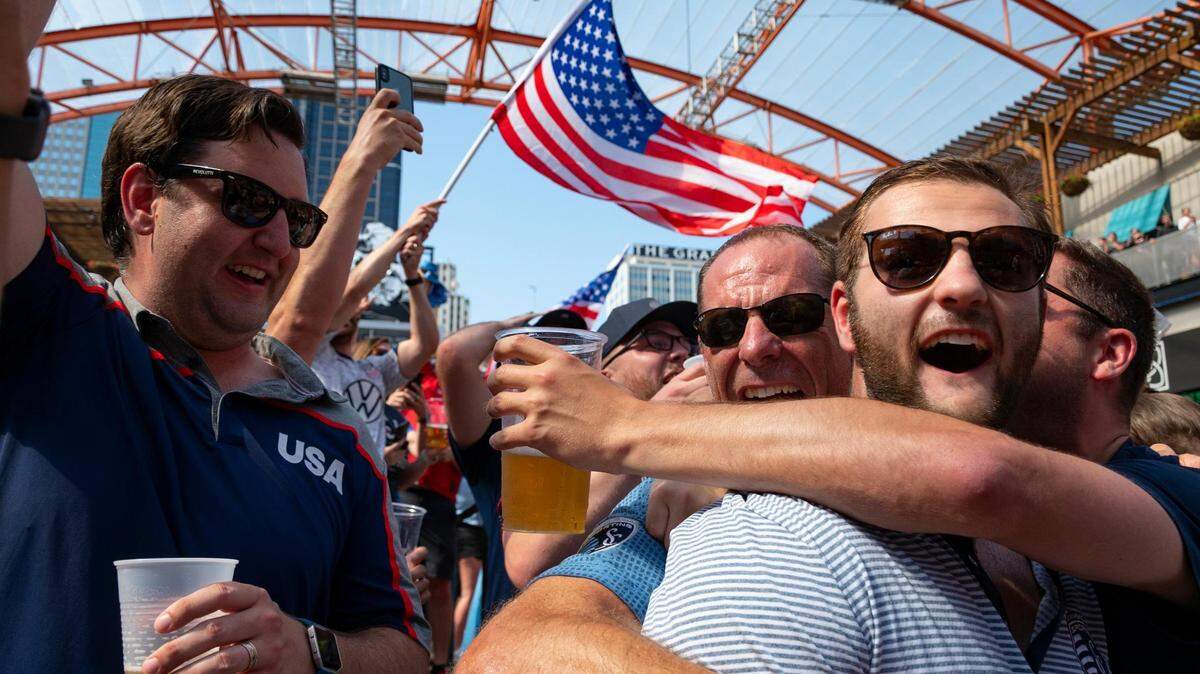
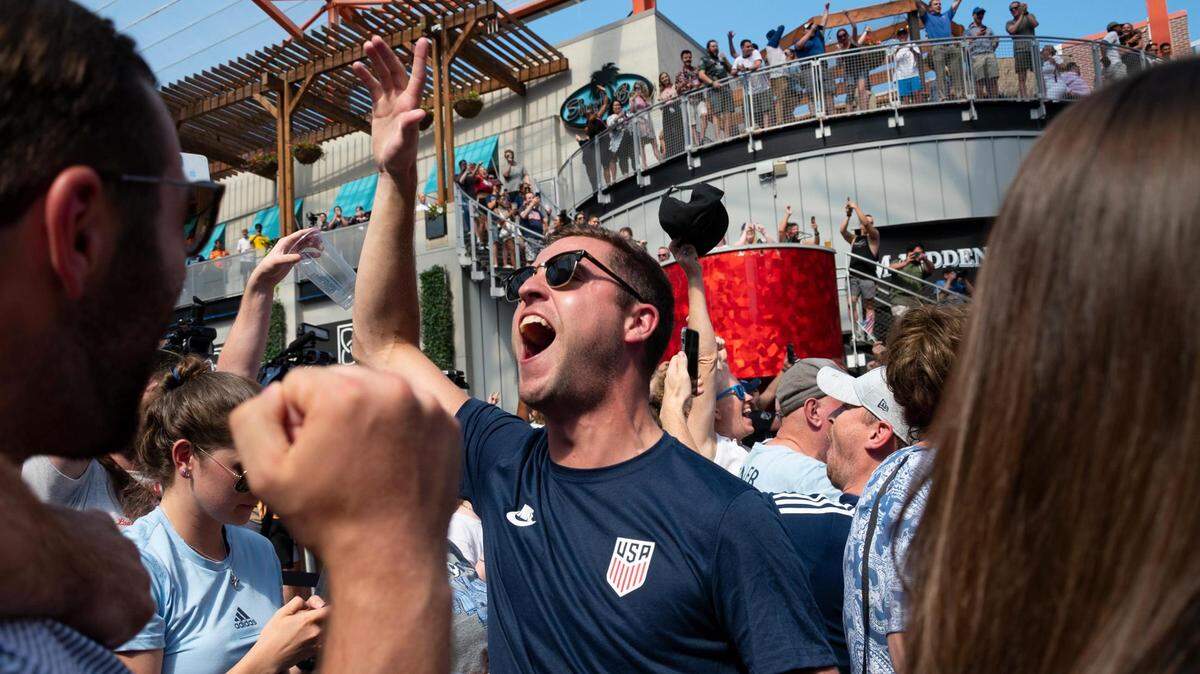
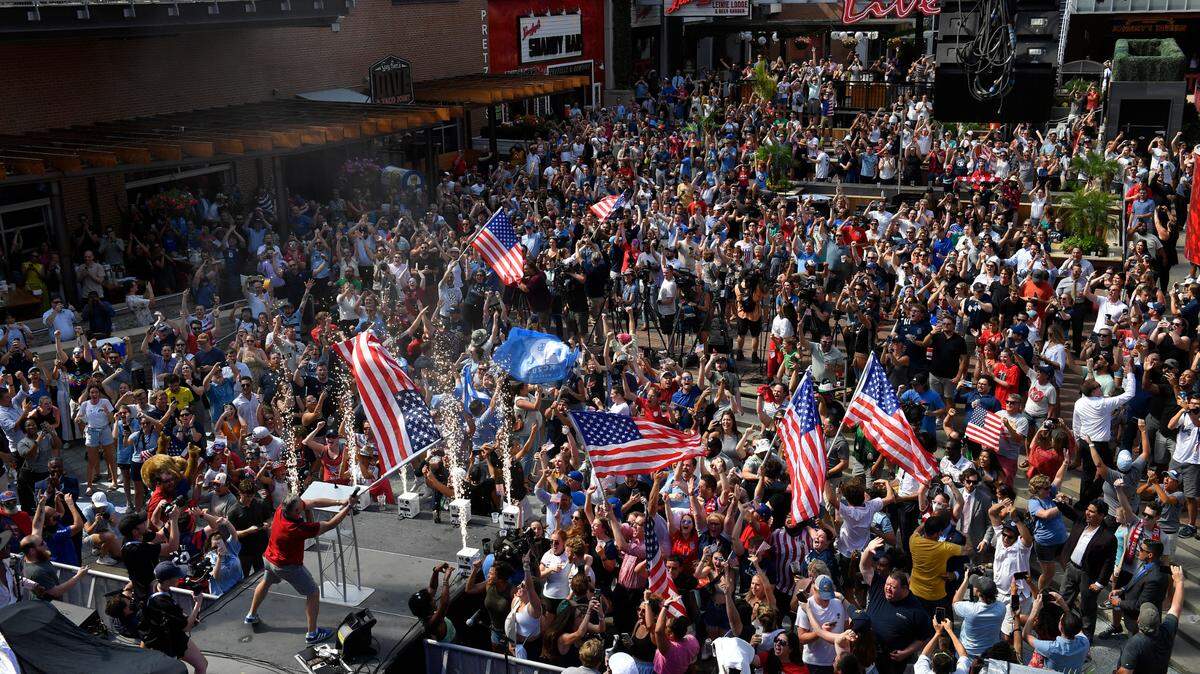
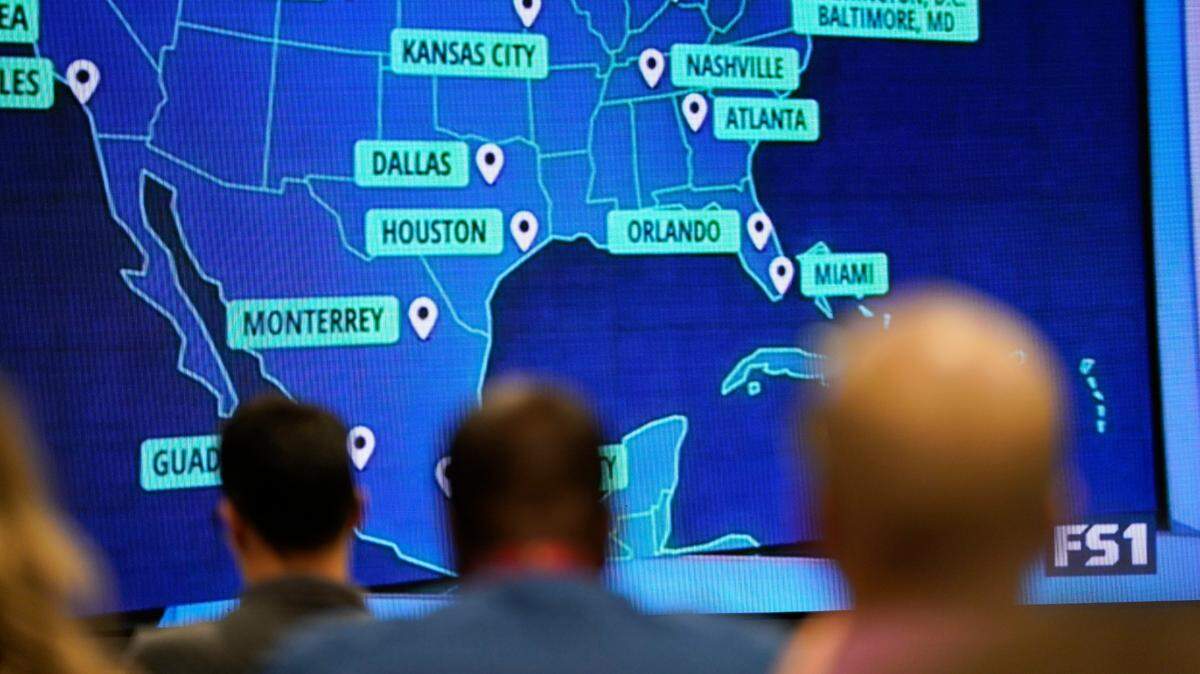
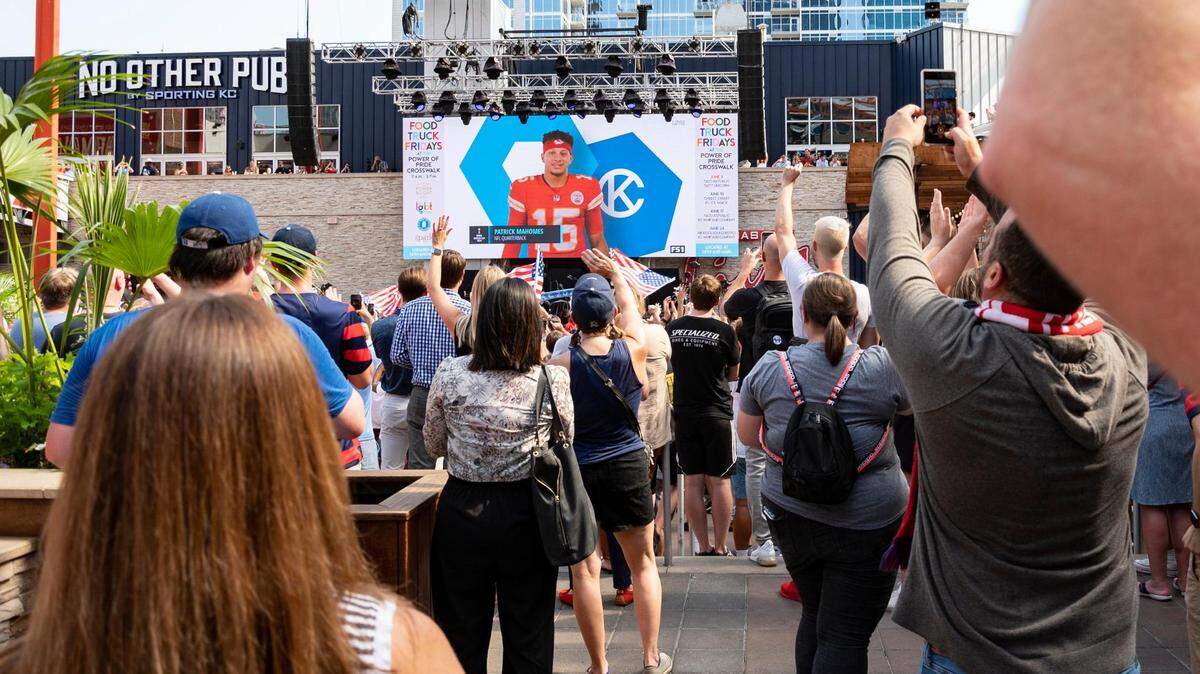
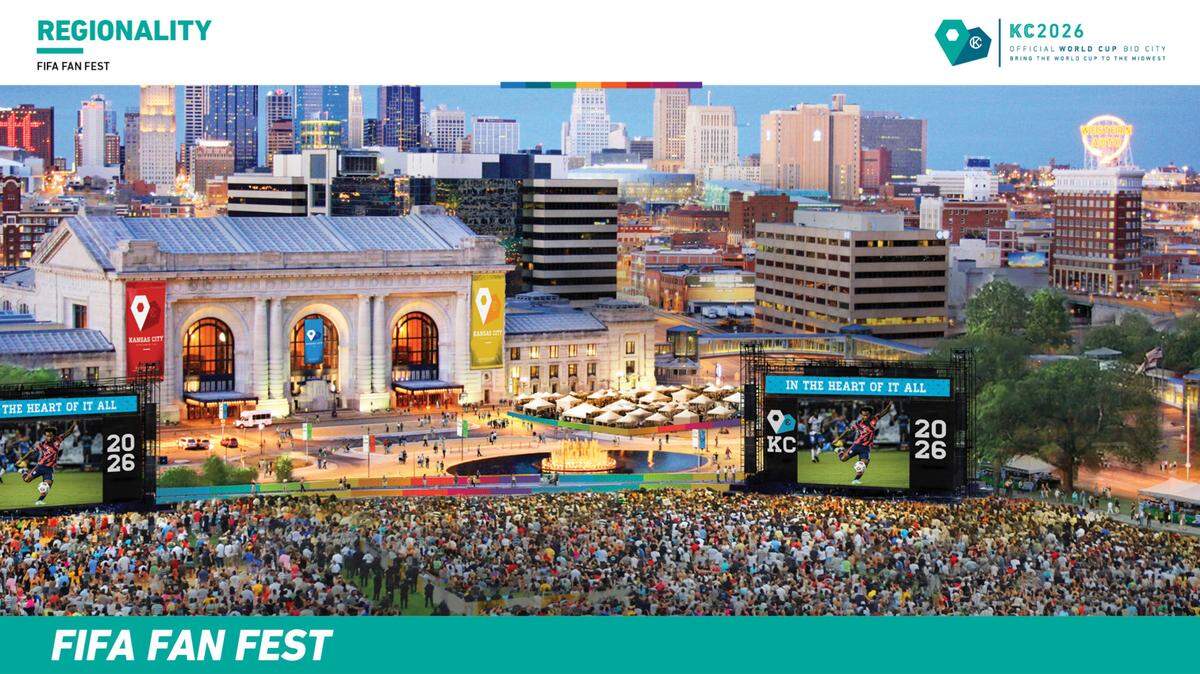
Kansas City will host games in 2026 World Cup
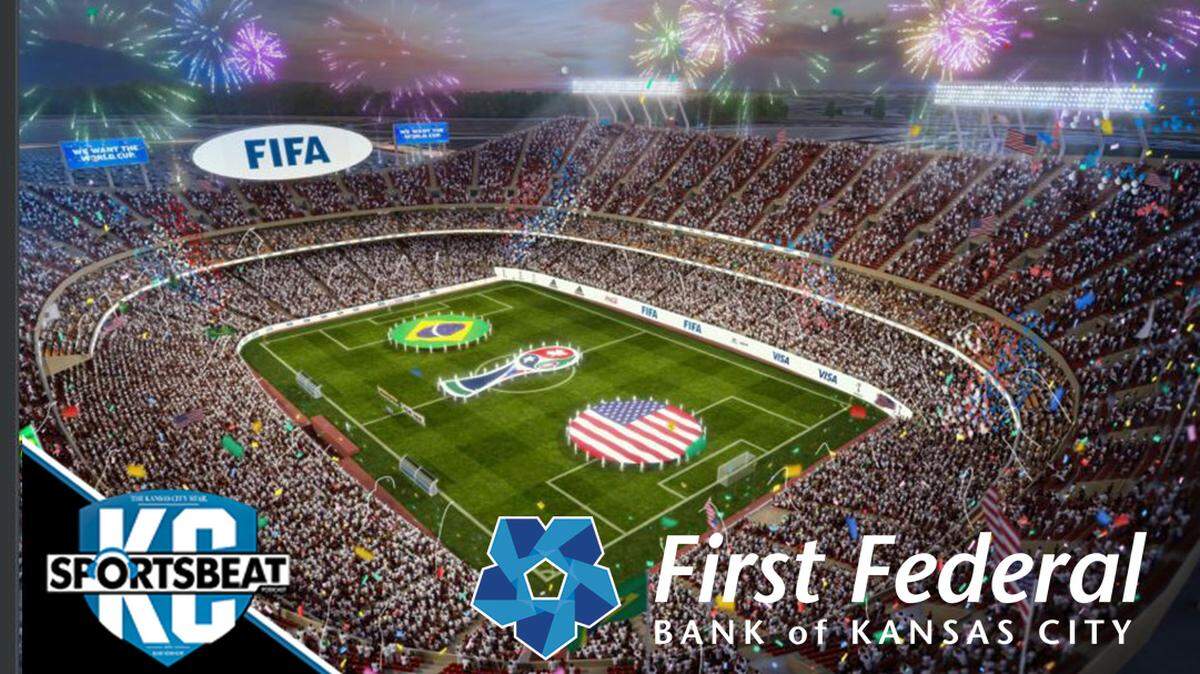
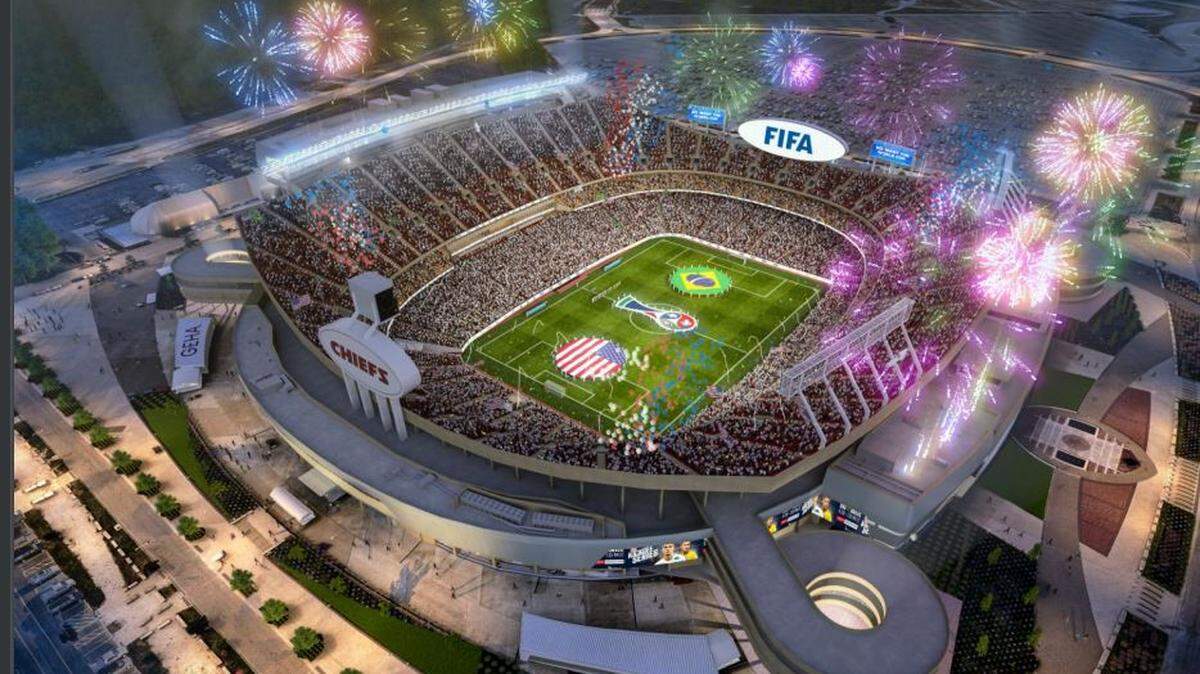
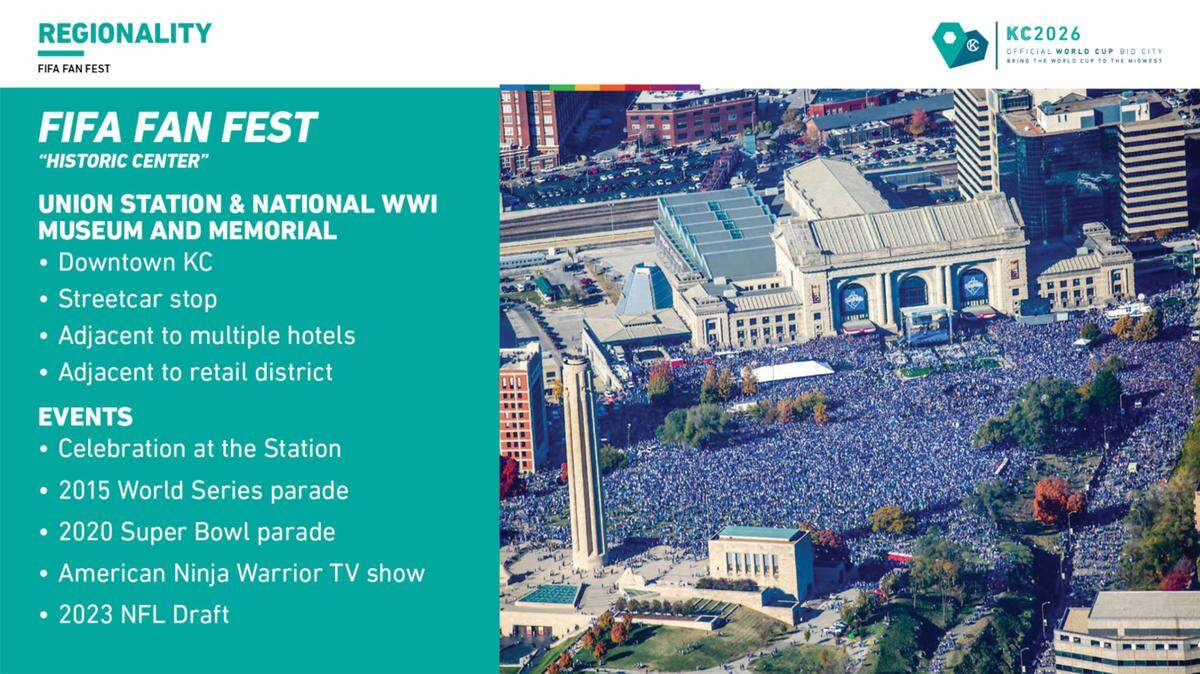
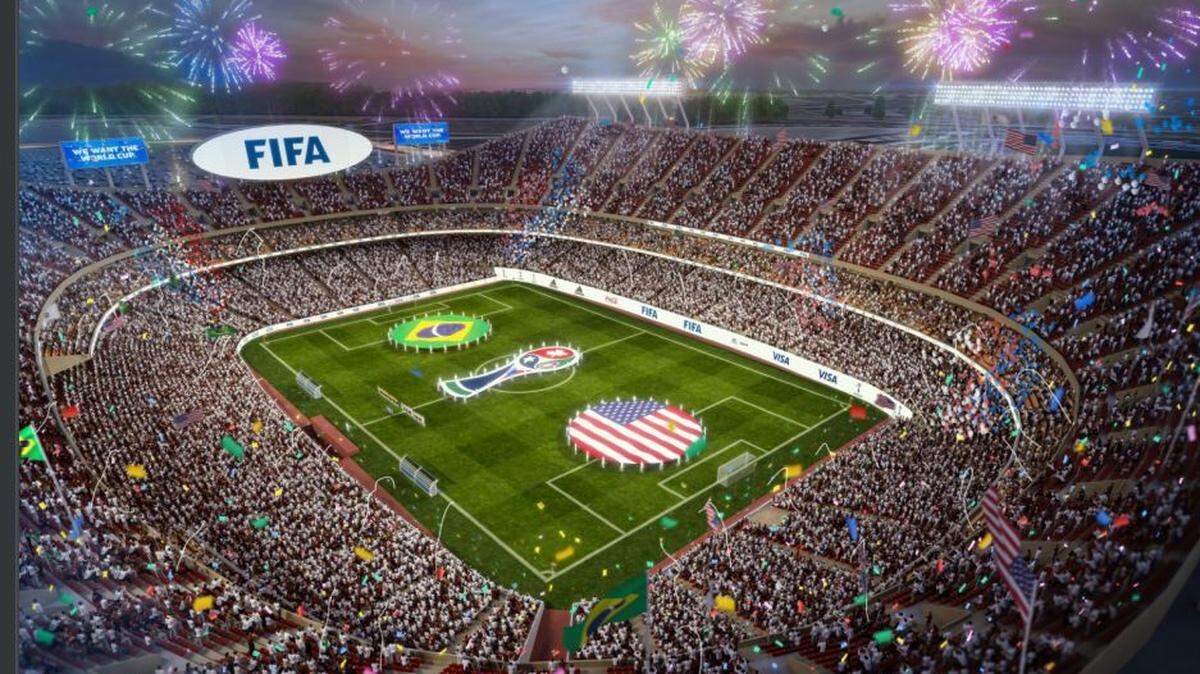
Kansas City made an aggressive bid to be one of the U.S. host cities for the enormous international event put on by FIFA. Arrowhead will host the games, and it will be a massive economic boost.
Expand All
Coming up with a list of major sporting events to associate with Thursday’s announcement of Kansas City’s selection as a men’s FIFA World Cup site in 2026 presents a challenge.
Based on the magnitude of the World Cup and the audience the games will attract, this will be the biggest event, sporting or otherwise, in the city’s history.
We’ve had big athletic contests, like four straight AFC Championship Games — and counting — four World Series, 11 men’s and women’s NCAA Final Fours, U.S. gymnastics and figure skating championships and more.
Big national events too, like three political party conventions, the latest in 1976.
But what happened Thursday was a major announcement. We’ve had those also, decisions by leagues or organizations that changed the course of our sports history. That also deserves a list.
Let’s start with the biggest games, and we’ll do this by sport:
Biggest games in Kansas City
Football
The Chiefs made their first Super Bowl appearance in 50 years by defeating the Tennessee Titans 35-24 in the AFC Championship Game on Jan. 19, 2020. The game is remembered for Patrick Mahomes’ bullish run into the end zone at the end of the first half. The second of four straight AFC title games played at Arrowhead Stadium paved the way to a Super Bowl triumph.
Baseball
It’s difficult to top a World Series Game 7 victory at home. The Royals did that on Oct. 27, 1985 by topping the St. Louis Cardinals 11-0 at Kauffman Stadium. A favorable call (safe at first, right Don Denkinger?) in the ninth inning of Game 6 kept Royals’ hopes alive. The Royals clinched five playoff series or wild card games at home in 2014 and 2015, but 1985 remains the only Game 7 championship triumph before home fans.
College football
When they signed the contract to move the Border War game to Arrowhead Stadium, officials from Missouri and Kansas had no idea the first game in the six-year deal would be for the No. 1 ranking. But on Nov. 24, 2007, with the nation’s top-ranked team having lost the previous day, No. 3 Mizzou defeated the second-ranked Jayhawks 36-28 before the second-largest crowd in stadium history (80,537) and largest TV audience of the regular season.
College basketball
Kansas had played for the men’s NCAA championship in Kansas City in 1953 and 1957, losing one-point heart-breakers both times. But on April 4, 1988 in Kemper Arena, the underdog Jayhawks, led by Danny Manning, ran with the high octane Oklahoma Sooners, in the first half. The game stood 50-50 at halftime. KU then won the tactical battle of the second half and claimed a wild 83-79 victory.
Soccer
Call it a draw.
Sporting Kansas City delivered the organization’s second MLS Cup with an edge-of-the-seat shootout victory over Real Salt Lake on a frigid Dec. 7, 2013. Aurelien Collin drew the match even with a goal in the 76th minute, and in the eight round of penalties goal keeper Jimmy Nielsen clinched the title with a penalty-kick stop.
On July 25, 2010, the Kansas City Wizards pulled off a 2-1 victory over Premier League power Manchester United in an exhibition game. The outcome delighted local followers but the more significant number from the box score was the attendance: 52,342 at Arrowhead. The next day, season-ticket requests soared and soccer became more firmly embedded in Kansas City.
Decisions that shaped Kansas City sports history
1920: Negro Leagues formed in Kansas City
In a meeting at the Paseo YMCA, Chicago American Giants owner Rube Foster and other owners from Midwestern teams formed the Negro National League. Some of the world’s best athletes toiled in the shadows of the major leagues, and the Kansas City Monarchs became one of the league’s most successful franchises and brands. The history is celebrated at the Negro Leagues Baseball Museum, across the street from the Paseo YMCA.
1950: NCAA grows in the Heartland
After sharing a Chicago office with the Big Ten, the NCAA determined it needed at least create the image of impartiality. Then-executive director Walter Byers moved the headquarters to Kansas City. Before moving to Indianapolis in 1999, Kansas City was home to 11 men’s and women’s Final Fours and more NCAA Tournament games than any other city. Basketball grew from a sport played in gyms to stadiums while the NCAA was here.
1955: Kansas City becomes major league
Real estate magnate Arnold Johnson bought the Philadelphia Athletics in 1954 moved them to Kansas City. On April 12, 1955, the Kansas City A’s debuted at Municipal Stadium and KC became one of 13 major-league cities. The team left for Oakland after the 1967 season but baseball made sure Kansas City wouldn’t be without the sport for long, granting the Royals an expansion franchise for 1969.
1963: Pro football relocates in KC
After three years operating an original AFL franchise in his hometown of Dallas, Lamar Hunt found welcoming arms in Kansas City. For the 1963 season, the team changed its name to the Chiefs and by the end of the decade would win a Super Bowl and plan for a new stadium complex that included the expansion Royals.
2022: The world will come to Kansas City
We must have made a good impression. FIFA officials who traveled to Kansas City on a site tour in October 2021 toured the facilities, heard pitches and ate barbecue. They came away impressed enough to award games to the region that is small in population (second-smallest metropolitan area among bidders) but big in soccer culture and heart.
This story was originally published June 22, 2022 at 5:00 AM with the headline "World Cup goes to the top of Kansas City’s biggest sporting events. Here are the others."