Missouri lawmakers pass tax exemptions to lure 2026 World Cup to Kansas City

READ MORE
Kansas City will host games in 2026 World Cup
Kansas City made an aggressive bid to be one of the U.S. host cities for the enormous international event put on by FIFA. Arrowhead will host the games, and it will be a massive economic boost.
Expand All
Missouri lawmakers this week approved legislation intended to lure the 2026 World Cup to Kansas City.
The final version of the bill, which passed the House Thursday 141-5, would stop sales tax collections on World Cup ticket sales if some of the matches are held at Kansas City’s Arrowhead Stadium. It now heads to Gov. Mike Parson’s desk.
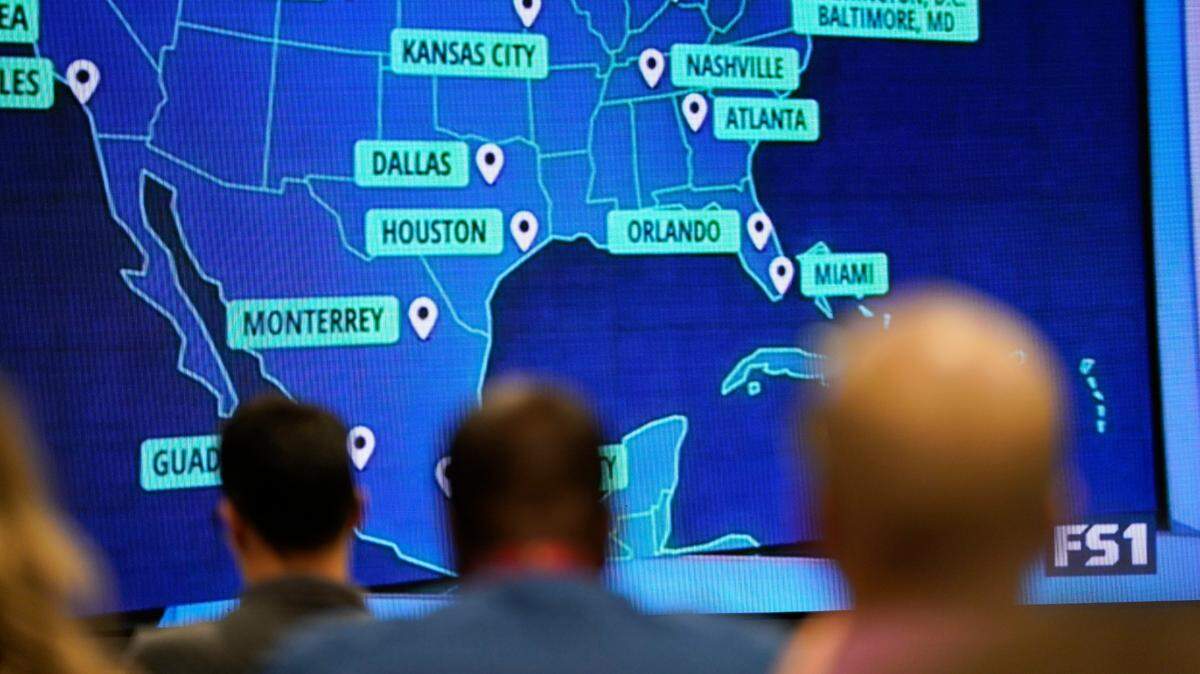
The tax exemption, sponsored by Sen. John Rizzo, an Independence Democrat, is an effort by Missouri, Kansas City and its major sports teams to sweeten the deal for FIFA officials, who are expected to select the tournament’s 16 North American host cities sometime this year. Kansas City is widely viewed as a “bubble city” among the other venues vying for the tournament.
Kansas City is among 22 other United States cities competing for a total of 16 slots across across the U.S., Mexico and Canada. Other prospective hosts include major U.S. cities, such as Atlanta, Boston, Dallas, Los Angeles and New York.
An estimated 48 countries will compete in the tournament.
Rizzo, in a Friday statement, said Missouri needs to do “everything we can” to bring the tournament to Kansas City.
“Kansas City is already a world-class city, and I look forward to demonstrating its excellence to millions of soccer fans around the globe,” he said.
Rep. Jonathan Patterson, a Lee’s Summit Republican and the bill’s handler in the House, painted the legislation as a sign that Kansas City and Missouri were “ready to shine on the world stage.”
“I’m very hopeful by being the first state to do this that we will be awarded a host site,” he said.
Missouri legislators say the tournament would have a roughly $600 million to $750 million economic impact on Missouri— although economists caution that it’s difficult to quantify the impact of major sporting events.
FIFA, in its bidding process guide, had requested host governments implement tax exemptions, among other requirements like paying for safety and security measures.
If Kansas City is among the cities selected, the tax exemption would cost the state roughly $3.5 million between June and July 2026, according to a fiscal analysis produced for lawmakers.
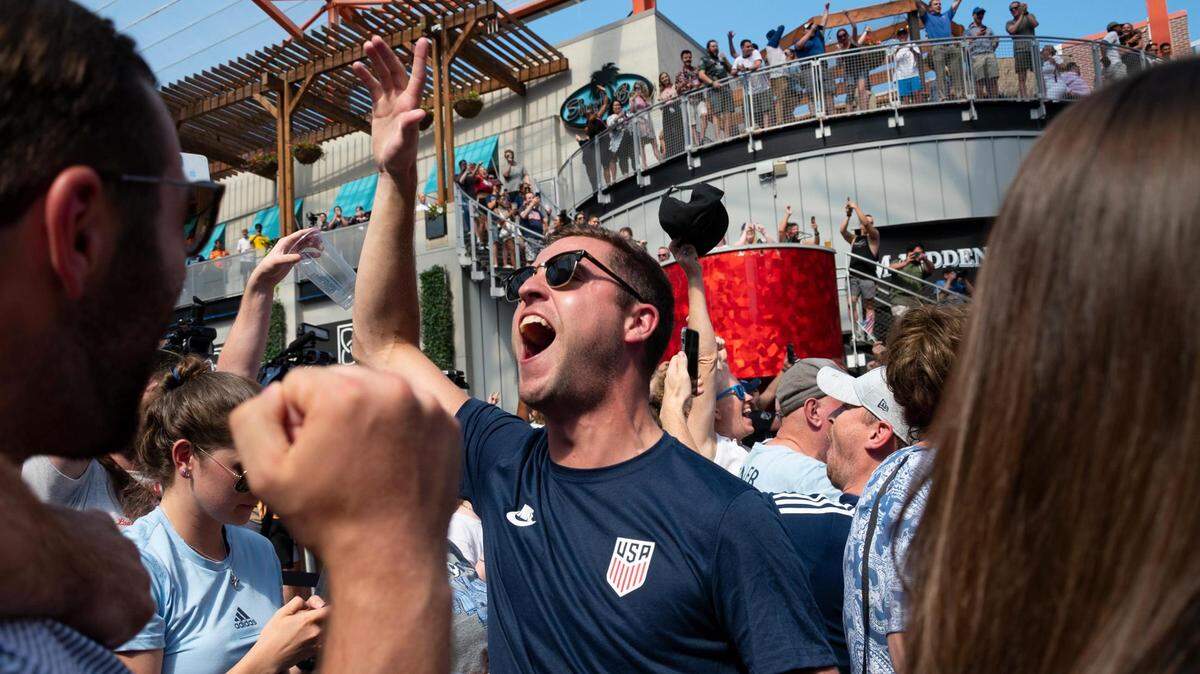
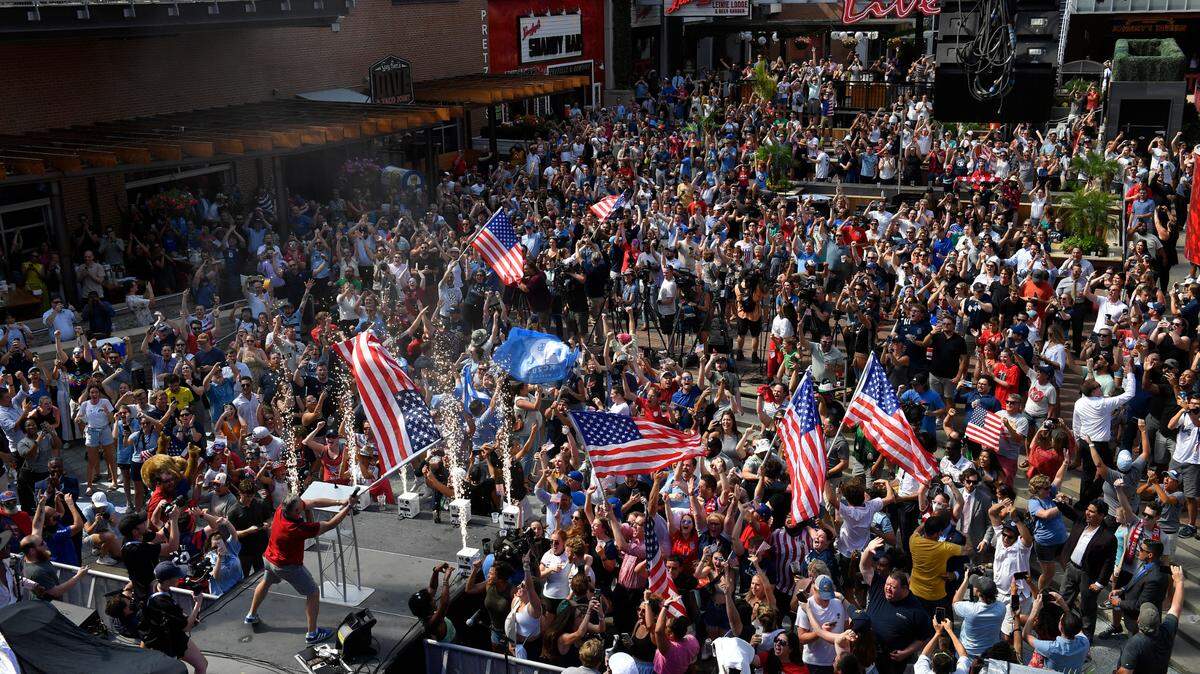
FIFA officials visited Kansas City last year, meeting with Gov. Mike Parson, Kansas Lt. Gov. David Toland and mayors from cities in both states. The owners the city’s major sports teams — the Chiefs, Royals, Sporting KC and KC NWSL — also helped lay out the red carpet in the Power and & Light District.
The Compass Minerals National Performance Center across the state line in Kansas City, Kansas, could give Kansas City an advantage in its bid. The facility, where Sporting KC practices, is also the training home for the U.S. Soccer Federation.
This story was originally published May 13, 2022 at 11:05 AM.