BRING ON THE WORLD: Inside Kansas City’s bid to co-host a truly global sports spectacle
READ MORE
Kansas City will host games in 2026 World Cup
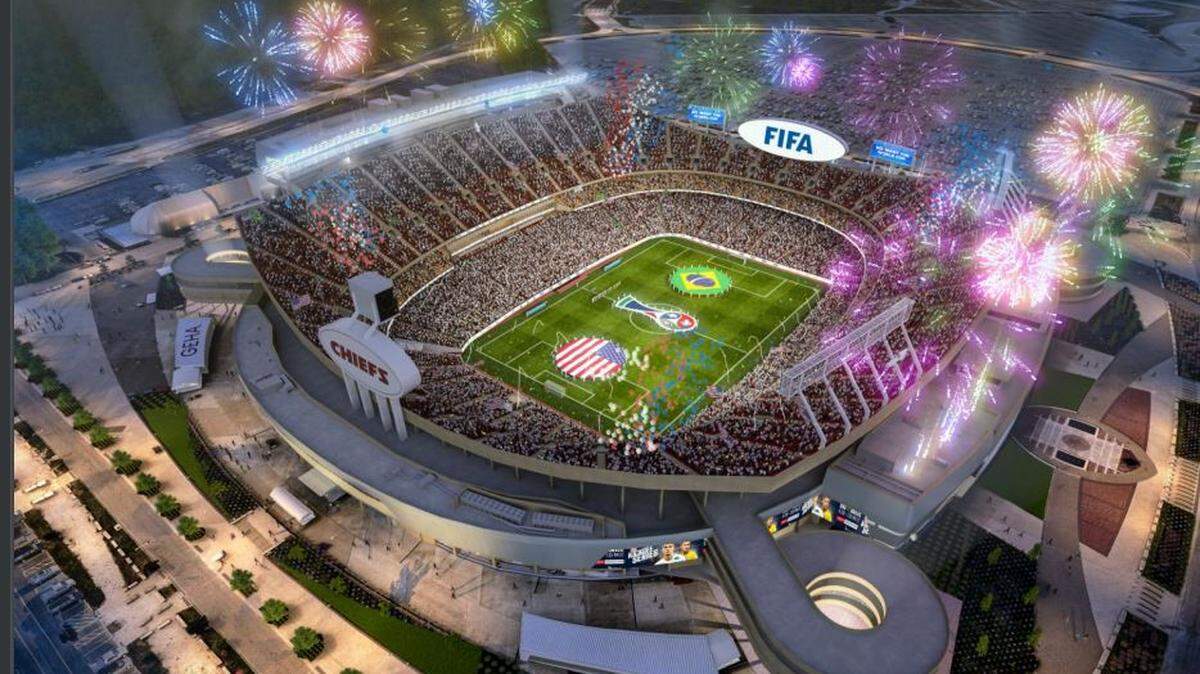
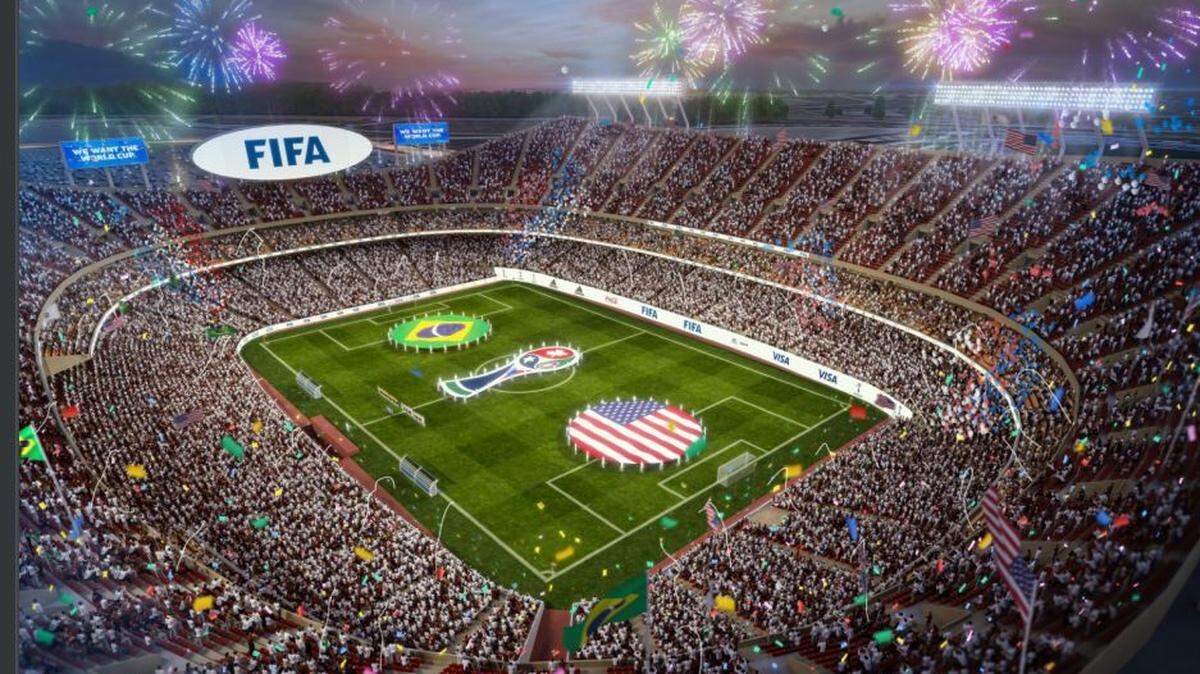
Kansas City made an aggressive bid to be one of the U.S. host cities for the enormous international event put on by FIFA. Arrowhead will host the games, and it will be a massive economic boost.
Expand All
Picture the U.S. Men’s National Team in Rome, en route to Stadio Olimpico to play its second World Cup match in 1990.
It had been 40 years since the Americans last qualified for the globe’s biggest sporting competition. Their first contest on soccer’s grand stage resulted in a lopsided loss to Czechoslovakia. Now, they were about to face host nation and perennial world power Italy.
Escorted by police cars and a helicopter, the team’s bus approached the city. Proud Italians lined the thruway into Rome with hands raised and fingers extended. The message: Italy was going to beat the visitors by 10 goals.
This scene might’ve been the last the players saw as their bus made its final turn to the stadium. It wasn’t ... and 23-year-old U.S. defenseman Peter Vermes nearly couldn’t believe what he saw next.
“People in red, white and blue, Americans, were lined up on both sides of the road,” said Vermes, Sporting Kansas City’s manager/coach since 2009.
The visitors would indeed lose that day. But falling 1-0, not 10-0, they proved America could play, and support its team, on the world stage.
“It was an incredible, uplifting moment for us,” Vermes, now 55, said. “There’s always been huge crowds of fans that travel to the World Cup. Now, we were part of it.”
Kansas City will soon know if it will be part of something that’s arguably even bigger: serving as a host city for games during the 2026 World Cup.
In a combined North American bid that’s been reviewed and selected by FIFA, soccer’s international governing body, the United States, Mexico and Canada will be co-host nations for the 2026 edition of a true sporting spectacle.
Held every four years since 1930 and contested under auspice of the Fédération Internationale de Football Association — known more commonly as FIFA — the World Cup includes 32 teams that will qualify over three years of competition.
This year’s edition, to be held in the Middle Eastern nation of Qatar Nov. 21 to Dec. 18, won’t pass without controversy. For years now, the story of Qatar’s selection by FIFA and development of venues suitable for staging World Cup games has been riddled with corruption and exploitation of international labor.
Four years out from the 2026 World Cup, similar controversy around the next scheduled tournament has not been reported. Rather, the story in America (and Mexico, and Canada) has centered around which particular cities will ultimately make FIFA’s final cut as hosts.
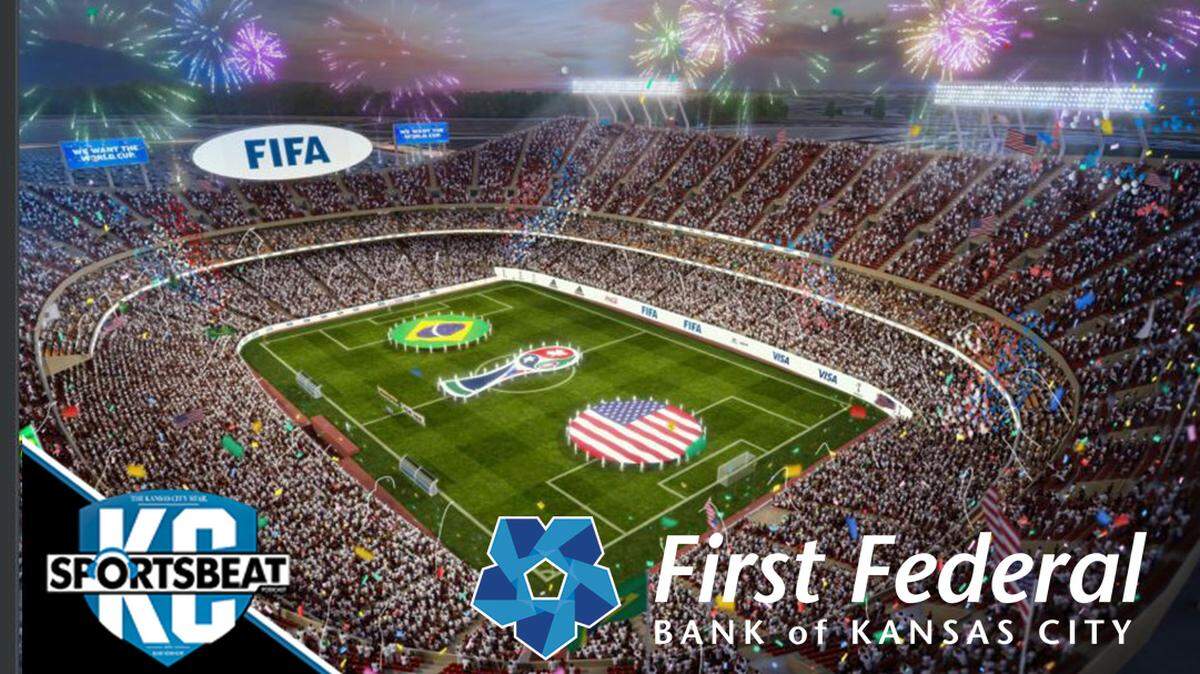
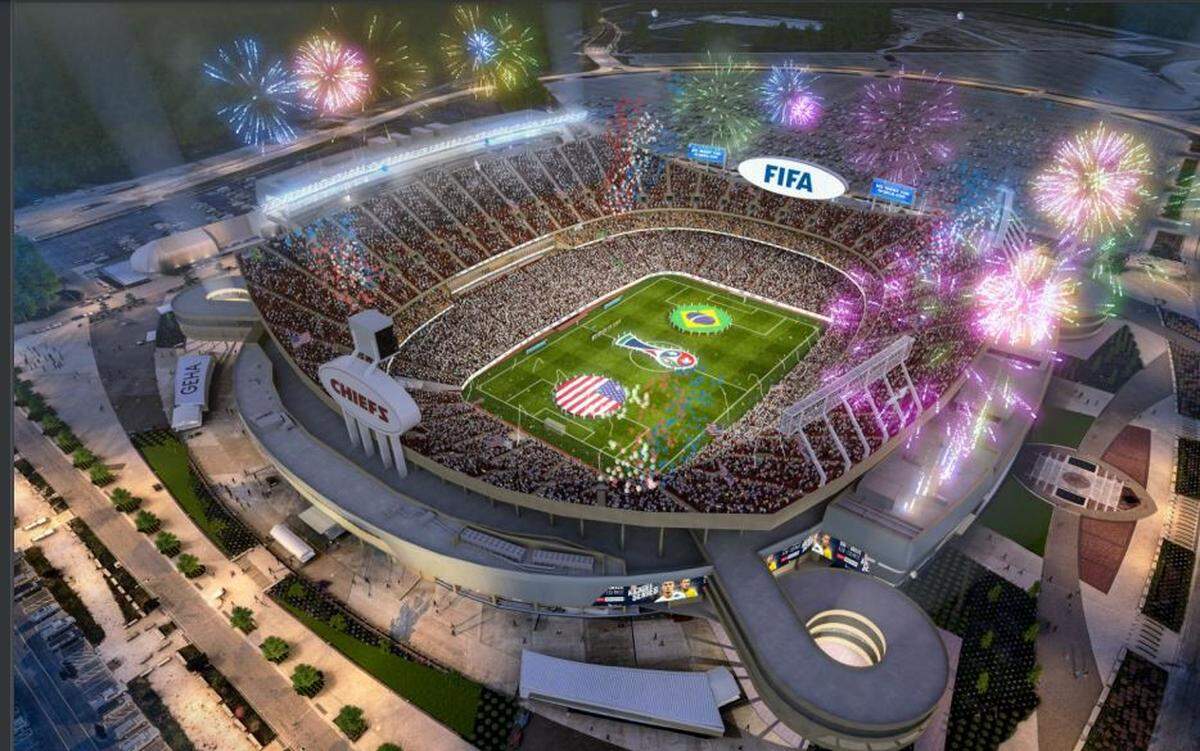
Twenty-two — 16 in the U.S. — are competing for a total of 16 slots as hosts. If the three cities each in Mexico and Canada are awarded games, Kansas City is really vying to become one of 10 American destinations to host the coveted matches. Games here would be played at Arrowhead Stadium.
Site selections are expected to be announced sometime in June, according to The Associated Press.
At stake is all that comes with being a World Cup host city: a worldwide television and streaming audience, tourists — and their credit cards — by the tens of thousands, and the biggest sports party a town like Kansas City has ever experienced.
World Series games, four straight AFC Championship Games, 11 Final Fours for men’s and women’s college basketball and the MLS Cup — all have energized the city in recent years.
But ...
“This,” said Kansas City Sports Commission president Kathy Nelson, who also oversees the tourism-based Visit KC, “would be different.”
Setting the stage
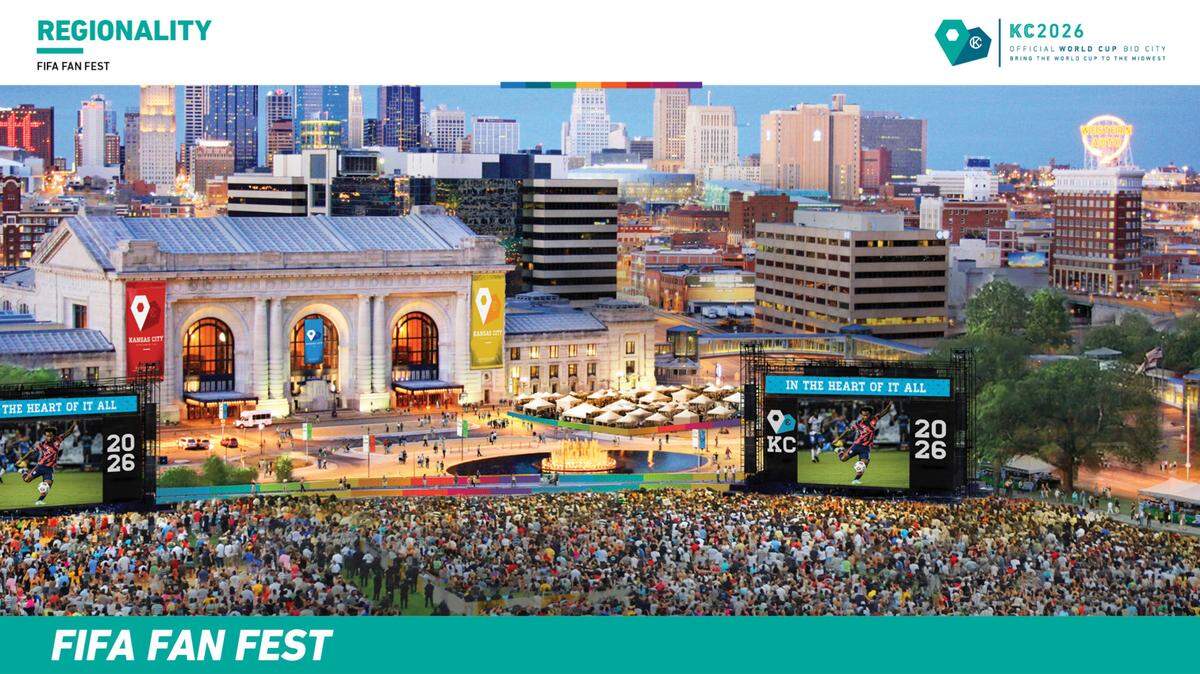
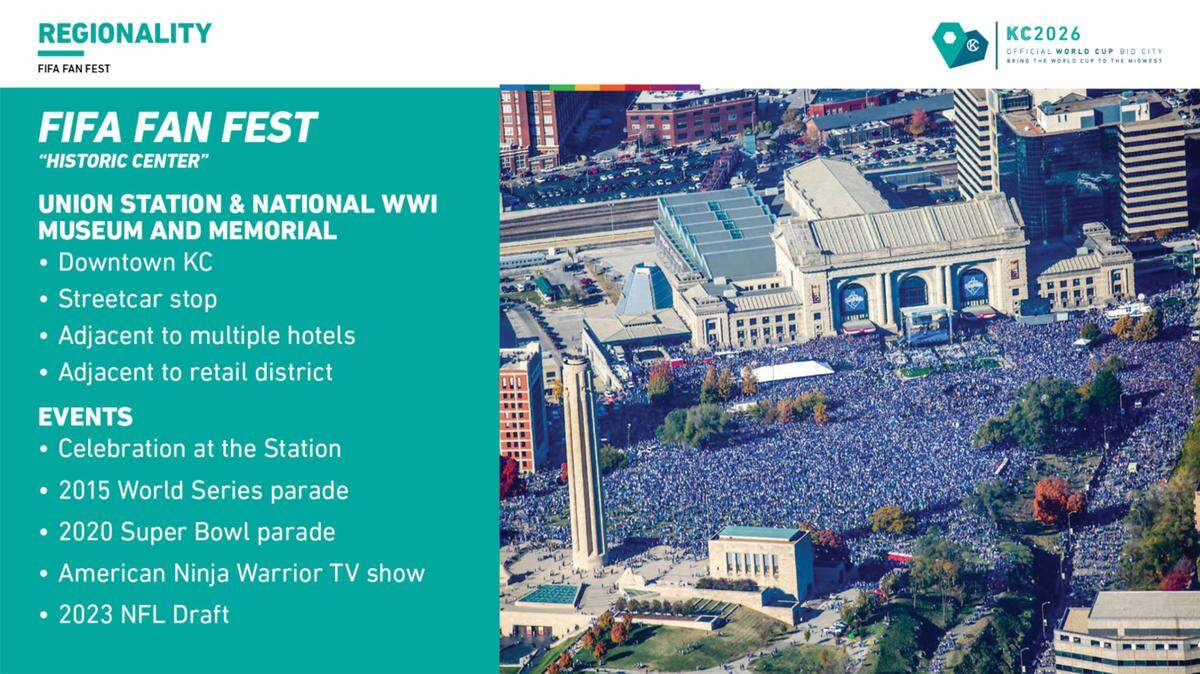
Think of a fan festival at Union Station and the Liberty Memorial, or perhaps on the Nelson-Atkins lawn stretching to Theis Park. Or both, operating for multiple weeks.
The world would be watching Kansas City. FIFA officials have said the 2018 World Cup in Russia was viewed by 3.6 billion during its month-long competition. The championship game alone, between France and Croatia, had an estimated worldwide audience of 517 million.
For comparison’s sake, about 100 million in the U.S. watched the Chiefs’ Super Bowl appearances after the 2019 and 2020 seasons, with another 30 million to 40 million tuning in abroad.
In 2026, the tournament field is expanding from 32 to 48 nations. Some 80 games, 60 in the U.S., will be contested.
Which games might be played in Kansas City, if selected, is uncertain. Arrowhead could play host to group-stage matches — early-round games that set up the field for the so-called “knockout rounds,” where it’s one loss and you’re out — or perhaps the tournament quarterfinals.
The only match considered off the table, according to various reports, is the opening game, which will likely be held at Azteca Stadium in Mexico City or the Rose Bowl in Pasadena, California. The group-stage games, quarterfinals, semifinals and championship will all be played in U.S. stadiums.
All of this is speculation, as FIFA hasn’t tipped its hand.
But games aren’t are the only World Cup prize at stake. Officials are confident that Kansas City will be a training “base camp” for one or more of the participating countries’ national teams.
During World Cup competition, national teams set up headquarters in one city and travel from there to their games. Fan of that team typically follow the squad to its base camp city and then on to the team’s games in various other cities, depending on how far their country advances in the tourney.
Kansas City has major advantages here. Travel to different cities for games is made easier by our central location in the middle of the United States, and the state-of-the-art Compass Minerals National Performance Center in Kansas City, Kan., is not only where Sporting KC practices but also the training home for the U.S. Soccer Federation.
The pairing of teams with base camps doesn’t usually occur until the World Cup approaches.
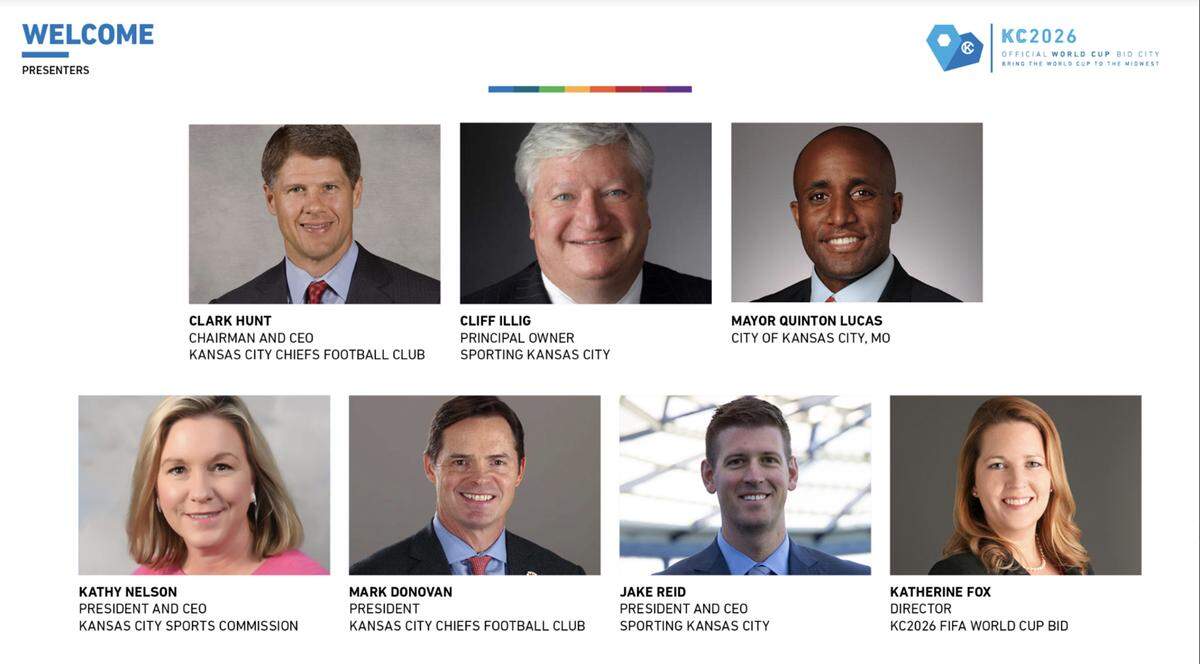
“Two things we’re bidding on really: the games and being a host city,” said Sporting Kansas City President and CEO Jake Reid. “Those aren’t all or nothing. We could get games and be a host city (for training).”
Wanted: Cities of all sizes
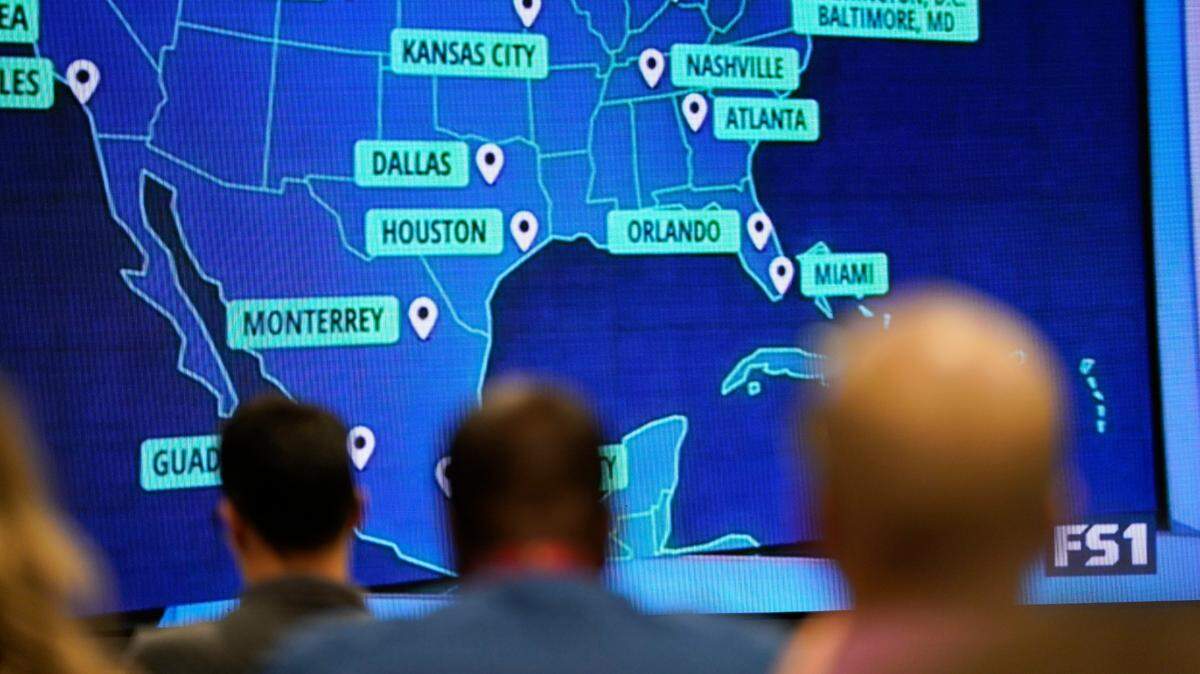
Kansas City ranks among the smallest U.S. metropolitan areas that submitted a bid. The list: New York/New Jersey, Los Angeles, Houston, Dallas, Atlanta, Denver, the San Francisco bay area, Washington D.C./Baltimore, Philadelphia, Nashville, Seattle, Boston, Cincinnati, Miami and Orlando.
Washington D.C. and Baltimore had originally bid separately, but the cities recently combined their bid, removing FexEx Field in Landover, Maryland. Baltimore’s M&T Bank Stadium, home of the NFL’s Baltimore Ravens, will represent the area’s bid.
Los Angeles submitted two bid stadiums — the Rose Bowl and SoFi Stadium.
Canadian cities submitting bids include Toronto, Edmonton and Vancouver (it’s been fluid north of the border, with Vancouver dropping out of the running at one point, only to return and rejoin the bid process).
The Mexican host cities are Mexico City, Monterrey and Guadalajara.
FIFA officials toured the various North American sites last year. In October, they met with Kansas City’s team-sports owners, lunched on Joe’s Kansas City Bar-B-Cue, visited Arrowhead Stadium and laid eyes upon some of the spaces required of a host city.
The message from FIFA then was encouraging: Host cities of all sizes are needed to complete the World Cup picture.
“The beauty of football is that it’s not about your size, it’s about the size of your heart,” said Victor Montagliani, a member of the FIFA Council that will evaluate and award the host-city bids. “The reality is Kansas City obviously has a stadium ... and is crazy about the game.”
Kansas City flashes its soccer credentials in several ways. Sporting KC regularly sells out games at Children’s Mercy Park. And the Kansas City Current of the National Women’s Soccer League have announced plans to build a 15,000-seat stadium and $15 million training facility on opposite sides of the Missouri River near downtown.
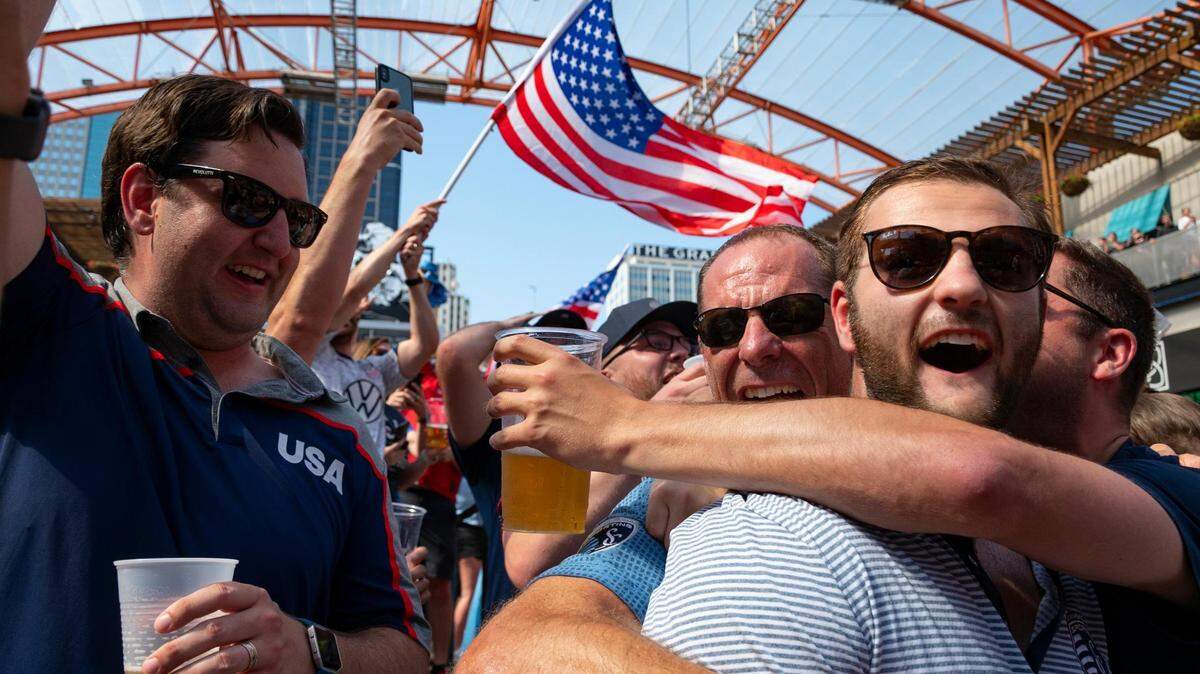
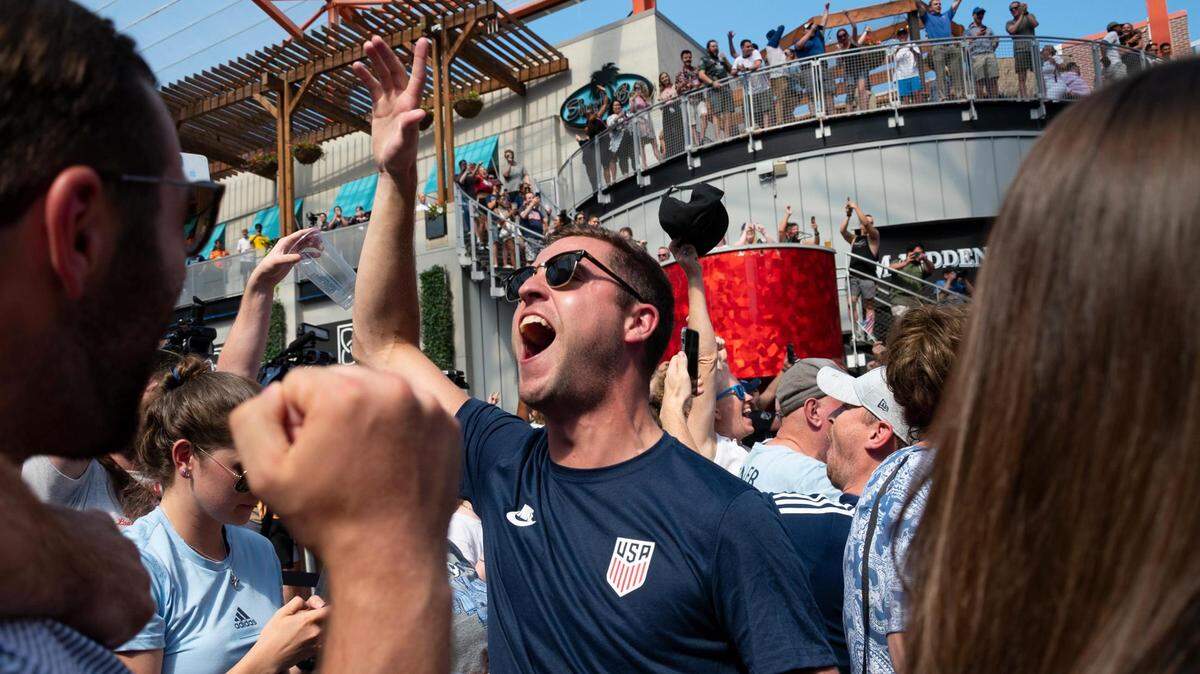
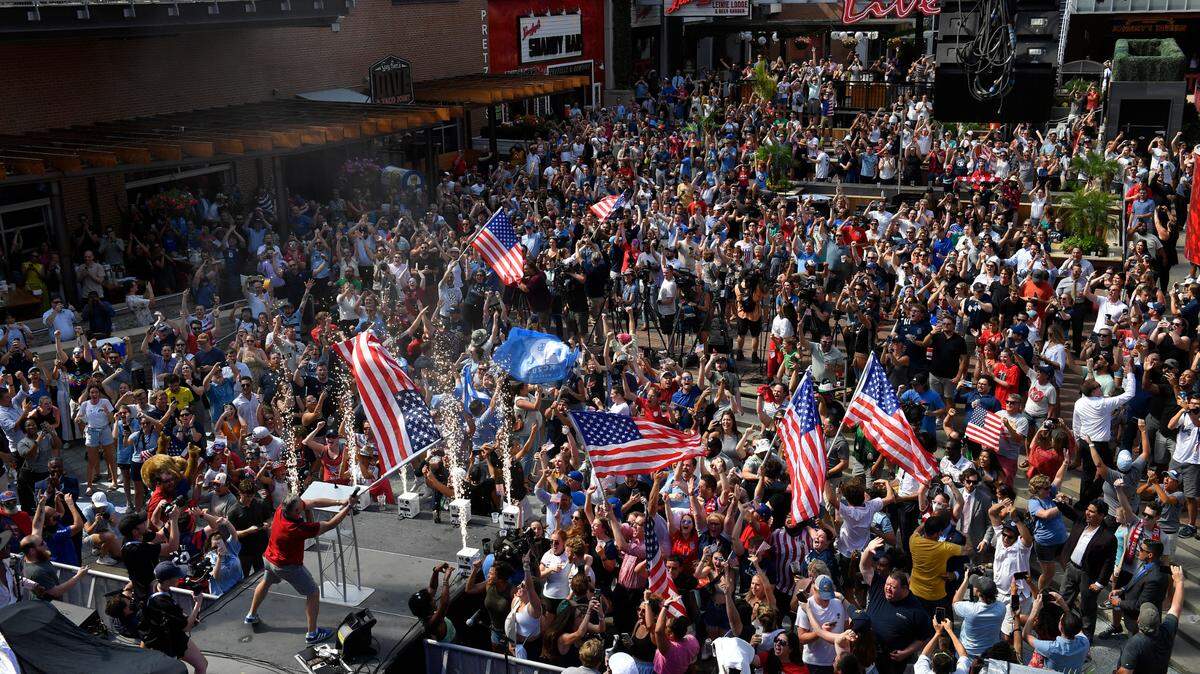
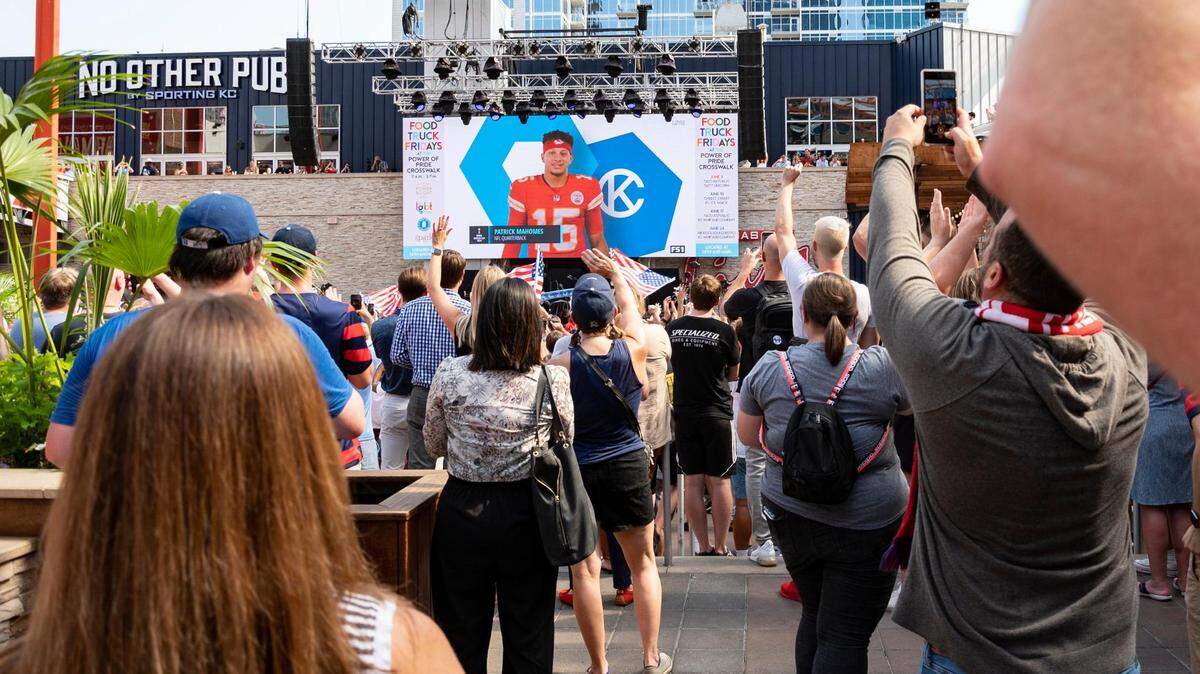
Children’s Mercy Park has played host to CONCACAF Gold Cup games and World Cup qualifiers for men’s and women’s competition. Even our Power & Light District watch parties for U.S. teams during international soccer tournaments become viral videos.
Longtime Sporting KC defender Graham Zusi, a member of the U.S. Men’s National Team that competed in the 2014 World Cup, swelled with pride seeing those videos of the P&L, jammed with fans, men and women of all ages and backgrounds happily celebrating U.S. goals.
“You saw the snippets of watch parties in back in the States, and it was amazing to me because they showed a lot of Kansas City,” Zusi said. “The Power & Light was filled to the brim.”
Lessons from ‘94
U.S. Soccer cited a study by the Boston Consulting Group that reported the 2026 event could generate $5 billion in short-term economic activity, and that host cities could gain $160 million-$620 million.
These figures are admittedly difficult to quantify and verify. But this ambiguity is not confined to the World Cup. Economists routinely question the economic impact numbers assigned to major sporting events, citing such factors as infrastructure and security costs borne by the host city and exaggerated tourism figures proffered by various interest groups.
One thing that seems to remain constant is the advice shared by American cities that have been through a World Cup experience: Don’t do it for the money.
In 1994, the last time this competition came to the United States, plenty of cities bid to become hosts. Kansas City, based largely on the strength of an Arrowhead capacity then listed at 78,065, was one of the original 18 destinations on the U.S. application.
It didn’t make the final cut. Nine cities were awarded games, including Detroit.
Kurt Kosmowski, founder and principal owner of The Kosmowski Group public relations firm, was a PR manager for what was then known as the Detroit Metro Convention and Vistors Bureau. He was heavily involved in the Detroit area’s bid to be a World Cup host city, with matches to be played the the Silverdome in nearby Pontiac, Michigan.
Initially there was some skepticism about Detroit throwing its hat in the ring because of soccer’s relatively meager national profile at the time.
“But that quickly morphed into something to go after,” Kosmowksi said.
After Detroit was chosen, he worked for World Cup USA in Detroit as the venue’s press officer. Two reasons had stood out as primary drivers for chasing a seat at the World Cup table: the economic benefit — fans from around the globe would be eating at Detroit’s restaurants and staying in Deroit’s hotels — and the chance to simply shine a light on Detroit as a destination for travel, be it business- or pleasure-related.
So what sort of benefit might Kansas City reasonably expect to receive from hosting World Cup games, in Kosmowski’s estimation?
“Depending on what your draw is, how many games Kansas City would receive, and what those teams, are, you would receive an influx of folks traveling both nationally and internationally who likely have never seen Kansas City before,” he said. “That’s always a great thing, to expose (your) town to new folks, new travelers and visitors.”
A football atmosphere
During the 1994 World Cup, four games were played in Pontiac. Kosmowski called the atmosphere and fans there “tremendous,” exuding a vibe “more akin to a college football atmosphere.”
The sight of Switzerland’s flag on a construction crane left a particular impression on him.
“I mean, maybe the largest construction crane you could rent,” he said. “The fans raised it in a secure place, but still visible from the Silverdome. They hung a a giant Switzerland flag from their crane. So, you know, it was little ad hoc thing and played a part in the kind of spirit of the whole thing.”
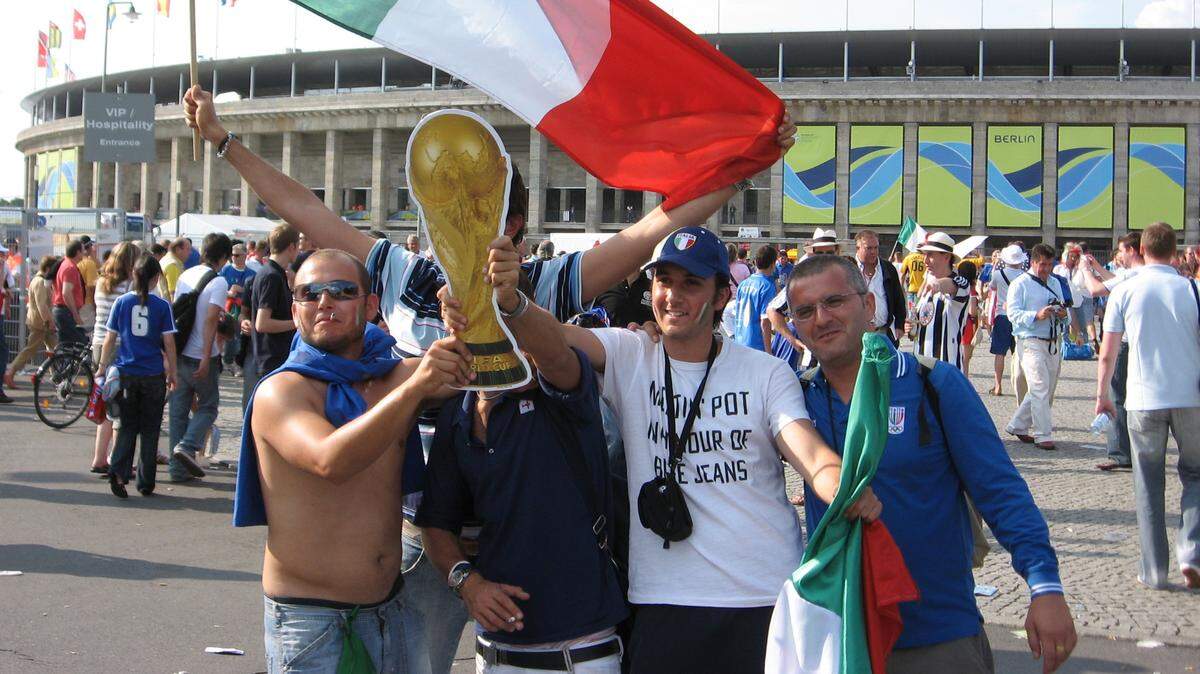
Similarly, the spirit of Pasadena’s World Cup role has remained with Rick Cole, then the mayor of the Southern California city best known as host city of football’s Rose Bowl game and Rose Bowl parade. The Rose Bowl itself was the site of the World Cup’s championship match that year, a game won 3-2 by Brazil over Italy on penalty kicks. More than 94,000 sweltered in 100 degree heat for the game.
Cole, now the executive director of Congress of the New Urbanism, a non-profit dedicated to creating diverse, walkable and environmentally sustainable neighborhoods, called the atmosphere “extraordinary.”
“I mean the Italians and Brazilians are world-class partiers,” he said. “There was just this electric atmosphere before and after an exciting, close game. There was no trouble. There’s never any guarantee. But there was such an afterglow, you know, with the Ole, ole, ole, ole! just echoing through our town. There was such good-natured enthusiasm for these teams.”
In all, eight World Cup matches were played in Pasadena that year.
“Our motto was ‘Pasedena Welcomes the World,’” Cole said, “And that’s the spirit in which we undertook the World Cup. That’s the spirit in which we benefited from the presence of the World Cup.”
Cole suggested Kansas City should play to its own strengths.
“I think Kansas City being the kind of city it is — it’s not Las Vegas — could and should put an emphasis on having a less-glitzy version of the World Cup. I would pitch it as not the most over-the-top host for the World Cup games, but rather as a wholesome and welcoming environment.”
One other thing that Cole wanted known: Those World Cup matches pumped hundreds of millions of dollars into the regional economies of L.A. and Pasadena.
“There’s no question that a big-time event like this is a one-time shot in the arm,” he said. “But in the scheme of things, I think the bigger impact to Pasadena and the bigger impact for a city like Kansas City is not in the immediate rush of dollars over a couple of weeks.
“It’s a way of increasing global connectedness in the sense that the city is big-league. Not only in the sense of giant stadiums and all that, but rather that it’s connected to what’s going on in the much bigger world beyond Kansas City.”
Kansas City Star sports columnist Vahe Gregorian contributed to this story.
This story was originally published May 6, 2022 at 5:00 AM.