Visiting KC for the World Cup? Here are 10 facts to know before you arrive
With over 600,000 people estimated to be in Kansas City during the World Cup, it’s safe to say that many of the visitors have probably never been here before.
And that’s OK. However, when you’re coming into town, it’s best to not be shocked at how things work around here. Whether you’re trying to find places to eat or visit, or you’re curious about KC’s culture, there’s a lot to unpack as you make your rounds.
To mitigate surprises, we put together a list of facts about Kansas City that may be helpful when you’re in town for the World Cup and beyond. From public transportation to iconic Kansas City figures, use this as a guide to your first Kansas City summer and beyond.
Kansas City is actually in two states
The state of Kansas and Missouri split custody of Kansas City — meaning you could very much be driving in one state and easily cross over the border to another.
The Kansas City, Missouri and Kansas City, Kansas, downtown areas are separated by the Missouri River. The state line runs along the river in northeast Kansas and northwest Missouri, until the point near downtown KCK and KCMO where the Kansas and Missouri rivers meet. From there, the state line continues straight south along State Line Road.
The tale of the two states with the same city dates back to the 1830s, when KC’s founder, John McCoy, started the settlement of Westport, which is now the intersection of Westport Road and Pennsylvania Avenue. In 1838, McCoy and 13 other investors formed the Town Company to buy up property along the riverfront.
The area included Westport Landing, which is now the River Market. It was later incorporated as the Town of Kansas in 1850. The state of Missouri later incorporated the area as the City of Kansas in 1853 and renamed it Kansas City in 1889. Kansas City, Missouri, was annexed 1897.
Small towns in Wyandotte were incorporated as Kansas City, Kansas, in 1872. City leaders on the Kansas side were able to capitalize on Kansas City, Missouri’s success by using its namesake.
Kansas City doesn’t have a robust public transit system
Cities that are KC’s size typically don’t have the biggest public transit system. One notable part of the city’s public transit system is the streetcars line which takes throughout midtown and down KC on Main Street. It starts at its UMKC stop and ends at the River Market before making its way back around. It’s a free service that runs a 5.7 mile round trip, and will extend to the riverfront when the World Cup begins.
Streetcars run 5 a.m. to midnight Sundays through Thursdays and 5 a.m. to 1 a.m. Friday-Saturday. The streetcar is a good option for those visiting anywhere between the River Market and UMKC, like the Power & Light District, the WWI Museum and Memorial, the Crossroads and more. Anywhere else, well, you’ll probably be better off taking the bus.
RideKC is the city’s bus system. For over five years, riding on the bus was free. Soon, it’ll cost $2 per ride after the Kansas City Area Transit Authority voted to reinstate fares in August 2025. This was done to balance the agency’s budget while maintaining most bus lines.
While RideKC is the city’s main resource for public transportation, it has been known to have issues when it comes to reliability. In 2022, The Star asked riders about their experiences with the buses, who cited long wait times and a lack of bus routes to help them get around.
Kansas City is contracting over 200 motorcoach buses through the ConnectK26 program. The service runs from June 11 until July 13 and will funnel fans from Liberty, Lawrence, Lee’s Summit, The Legends in KCK and other points in the metro to the Fan Fest at the National WWI Museum and Memorial, with tickets starting at $5. There will also be buses to Arrowhead Stadium, starting at $15 for game ticket-holders.
With that being said, having a car will definitely be key if you’re trying to experience all Kansas City has to offer. If you’re flying in from MCI, there are rental car services that are available at the airport, with free shuttles to and from the service.
Kansas City has plenty of fountains to see
If you’re a fan of water, Kansas City is the place for you. Known as the City of Fountains, KC has over 200 fountains to observe.
KC began its journey to modernization at the start of the 20th century by adding wider streets, spacious parking, public buildings and fountains to the area. KC’s first fountain built using city funds was finished in 1899 and was located at 15th Street and The Paseo. It was later removed in 1942.
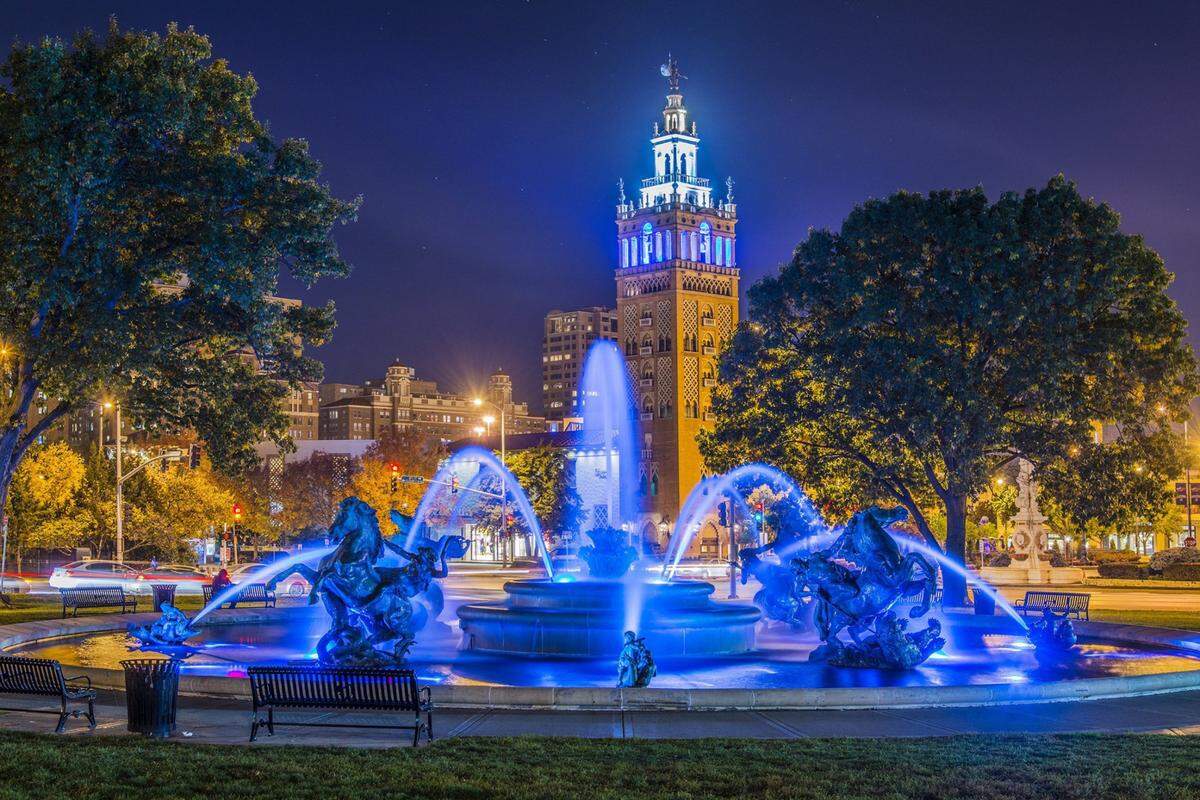
In 1973, the City of Fountains Foundation was established in order to restore KC’s collection. Today, fountains can be found across KC’s courtyards, plazas and boulevards in all shapes and sizes.
If you’re interested in seeing all the fountains the city has to offer, the foundation has them listed on its website.
KC is rich in its sports history
The self-proclaimed “soccer capital of the world” also has a strong football, baseball and college-hoops presence. Kansas City is a sports town with plenty of history, culture, arenas and stadiums to check out when you’re visiting.
The obvious one will be Arrowhead Stadium, though it will be known as Kansas City Stadium during the World Cup. In the last decade, Arrowhead has hosted six AFC Championship games, which led to the Kansas City Chiefs winning three Super Bowls out of five appearances. Though if you haven’t heard the news, it won’t be there for too long.
Next door is Kauffman Stadium, home of the Kansas City Royals. Back-to-back World Series were held in Kauffman from 2014-2015. The stadium has also hosted two MLB All Star games. The most recent one was in 2012, and the last one in 1973, when the stadium was known as Royals Stadium. Like the Chiefs, the Royals are also looking to move from their stadium.
Kansas City has two soccer stadiums, one each in Missouri and Kansas. Sporting Park, on the Kansas side, is where Sporting Kansas City of Major League Soccer plays. On the Missouri side is CPKC Stadium, home of the Kansas City Current of the National Women’s Soccer League. The latter became the world’s first stadium designed and dedicated to women’s professional soccer when it opened in 2024.
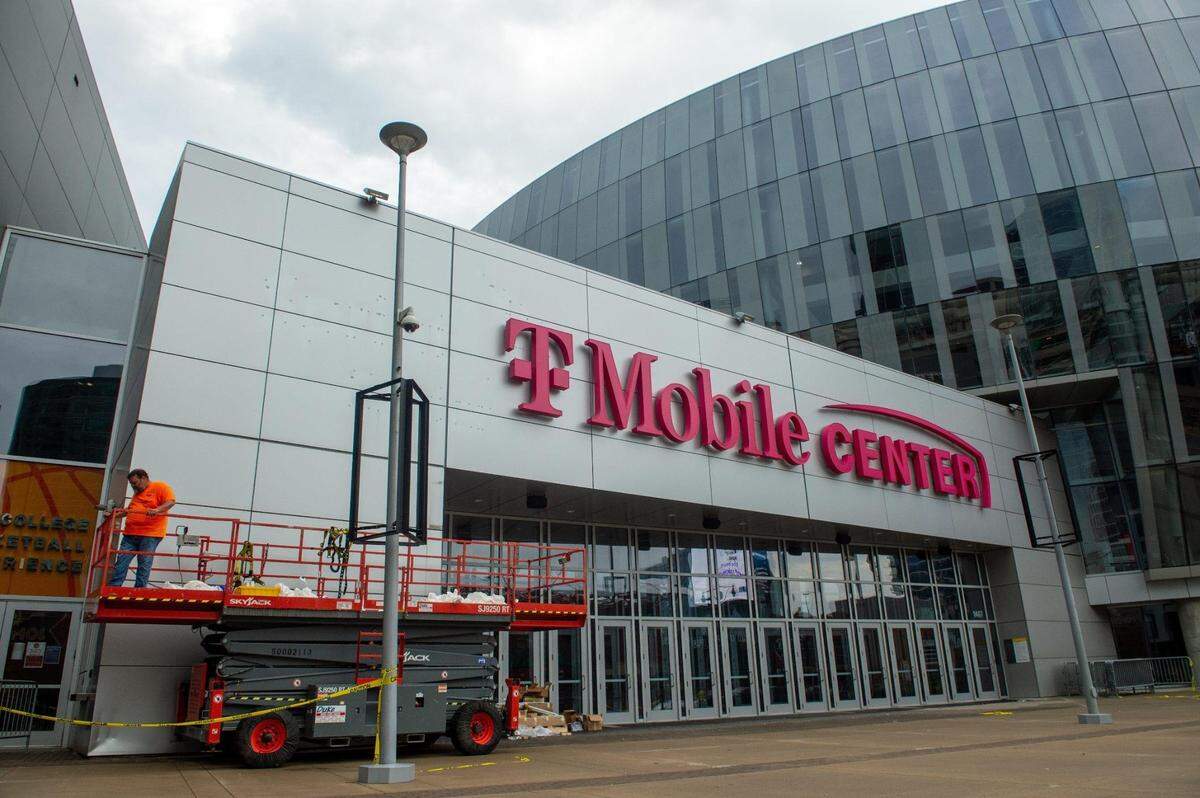
There are also multipurpose arenas in the area for sporting events and concerts. One of them is Hyvee Arena, located in the West Bottoms. The other is the T-Mobile Center, located in the heart of the Power & Light District.
Despite the T-Mobile Center capacity of 20,000, no collegiate or professional basketball teams call it their home court. The Big 12 men’s and women’s basketball tournaments are held at the arena.
Speaking of the Big 12, Kansas City is filled with fans of Kansas Jayhawks basketball. The University of Kansas is in Lawrence, Kansas, which is roughly a 40-minute drive from downtown Kansas City. The KU men’s and women’s basketball teams play at Allen Field House, one of the most historic venues in college hoops.
Once upon a time, the Kansas City Kings was KC’s NBA team before heading to Sacramento in 1985.
Visitors can learn about KC’s storied jazz history
You can’t talk about the history of Kansas City without talking about its jazz scene. Kansas City has hosted legendary acts like Duke Ellington, Elle Fitzgerald and Louis Armstrong, while producing local stars like Bennie Moten’s Kansas City Orchestra, Charlie Parker and Count Basie.
The American Jazz Museum, located in the historic 18th & Vine Jazz District, encapsulates the city’s impact on the genre, while also representing the influence and culture of American jazz. The district will have multiweek efforts during the World Cup, including community events, food, live music and more.
Kansas City has plenty of places to go see live jazz. Some sites are bars and restaurants, like The Majestic and Green Lady Lounge. If you find yourself in the Ambassador Hotel, you can also find Lonnie’s Reno Club.
Kansas City is pretty spread out
Remember how I said having a car when you’re out here is necessary? You’ll figure that out quickly, as the drive from the KCI to downtown is roughly 20 minutes and nearly 19 miles long.
Getting to Arrowhead from downtown is at least a 20-minute drive that covers 9-10 miles. That, of course, is subject to change around the World Cup depending on traffic.
Other neighborhoods that are easier to get to include Westport, which is about 10 minutes away and about a 3.5-mile distance from downtown. Though it will be a slower travel, the streetcar does have a stop in Westport on 39th Street and Main Street. From there, it’s about a 10-minute walk down Westport Road before you’re in the heart of the neighborhood.
Restaurants don’t typically open late
You should be aware of what time establishments close. Kansas City doesn’t have a wide range of food spots open past midnight.
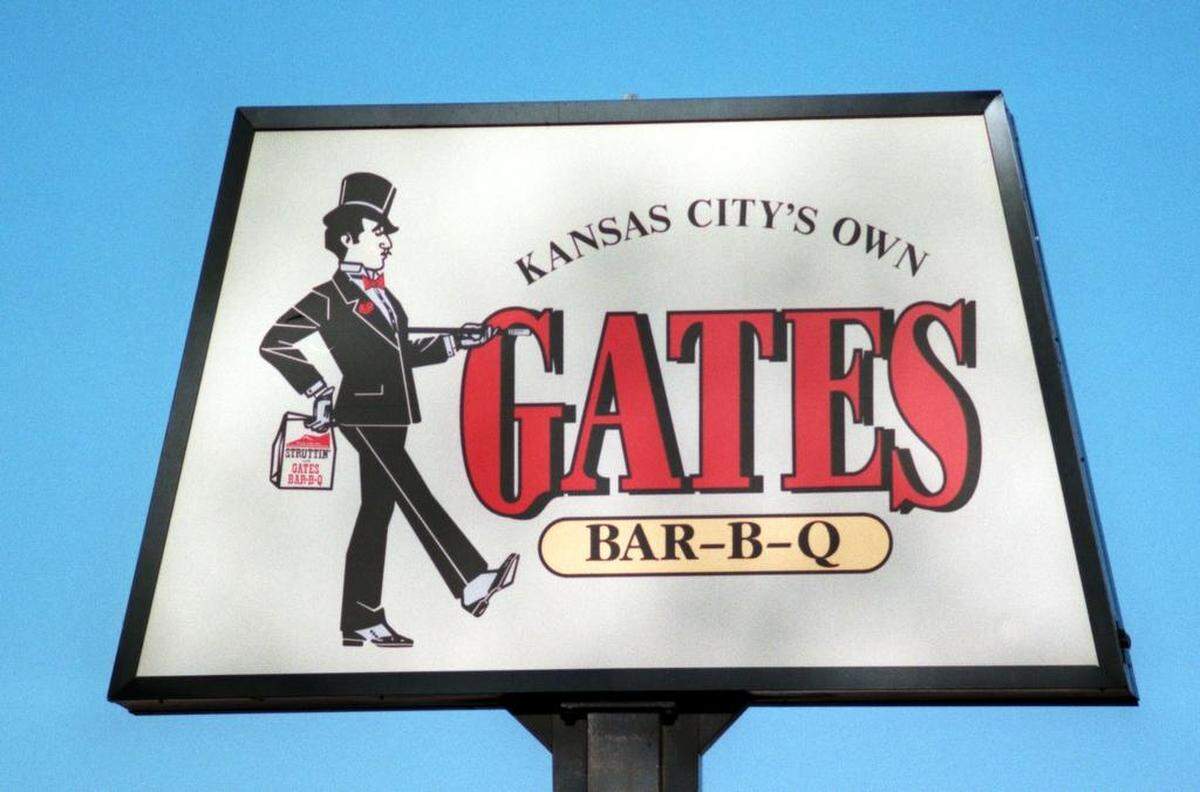
Many of the sit-down restaurants close for the night between 9 and 10 p.m. Other establishments like Gates Bar-B-Q, one of Kansas City’s popular barbecue joints, closes at 11 p.m. on weekdays and midnight Friday through Sunday.
There are a few options for food past midnight. Town Topic, a popular KC burger joint, is open 24/7 at its location on 2021 Broadway Blvd.
A law was signed by Gov. Mike Kehoe allowing Missouri bars to stay open 24 hours a day and serve alcohol from 6 a.m. until 5 a.m. the next day from June 11, 2026, to July 19, 2026, during the World Cup. You will have to see if each bar is operating on longer hours, and if they will be selling food during the extended hours as well.
The different neighborhoods KC offers
Downtown Kansas City is broken up by several neighborhoods, all with their own distinctions.
One of those neighborhoods is the River Market, known for the City Market, which offers local produce, plants, spices and more. It also has many cafés and restaurants within walking distance. You can also find the Kansas City Riverfront Heritage Trail, a 15-mile pathway that runs along the Missouri and Kansas rivers.
If you’re a big fan of the arts, the Crossroads Arts District might be for you. It’s the city’s main art district, with multiple art galleries like Jones Gallery and MOD Gallery & Space. The Crossroads is also known as the host to First Fridays, where thousands come together every first Friday of the month to enjoy local vendors, food trucks, arts and more.
The Power & Light District is the hub for entertainment in Kansas City. Located across the street from T-Mobile Center, P&L has over 50 restaurants, shops and bars to experience. It’s also a good option for watching World Cup matches, as KC Live! offers outdoor sports watch parties and other celebrations throughout the year.
If you want to get out of the downtown area, Westport, which is the cities oldest neighborhood, is known for its nightlife and variety of restaurants. The 18th & Vine neighborhood is where the Negro League Baseball Museum and the American Jazz Museum is located. The Country Club Plaza stretches 15-city blocks with plenty of coffee food and shopping options.
Kansas City trailblazers to know
Throughout the city, you might see the name Kauffman on different buildings and sites. Ewing Kauffman was an entrepreneur who created Marion Laboratories Inc., which gave jobs to thousands and where his share-the-wealth philosophy created 300 Kansas City millionaires. He also founded the Royals.
His namesake is present throughout Kansas City, which including the Royals stadium, which was changed to Kauffman Stadium after his death in 1993. Also named after him is Kauffman Legacy Park, the Kauffman Foundation, and The Kauffman Center for the Performing Arts, which offers music, opera, theater and dance shows for guests.
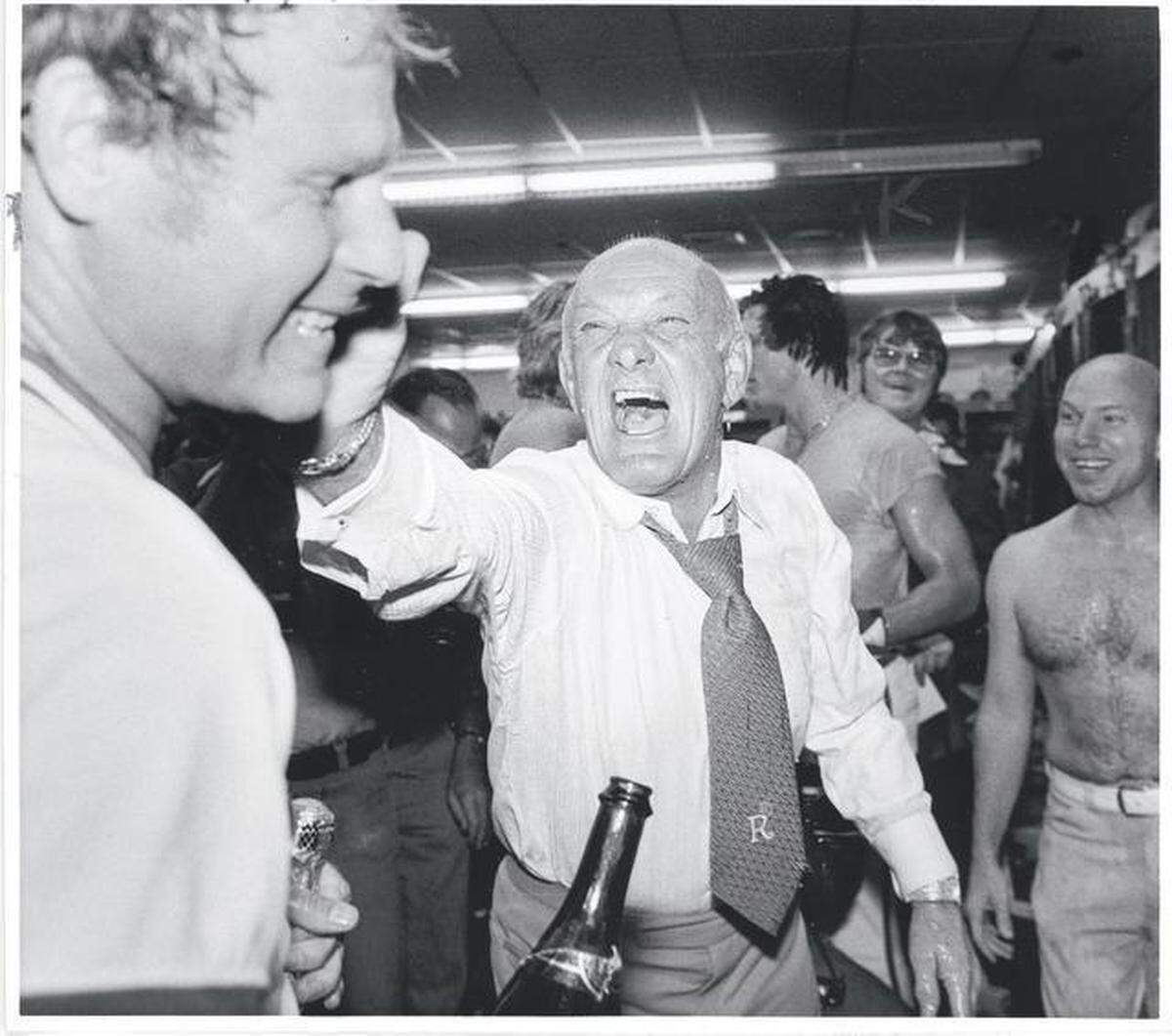
If you’re driving around Kansas City, there’s a good chance you’ll end up on Emanuel Cleaver II Boulevard. That major street is dedicated to the city’s former mayor, who was also the first African-American to hold that role.
Cleaver was mayor from 1991 through 1999 and chaired the Congressional Black Caucus from 2011 to 2013. He’s currently a U.S. House Representative for Missouri’s 5th District.
Harry S. Truman, the 33rd president of the United States, was a native of Independence. He’s remembered for his leadership during the end of World War II, the start of the Cold War and the implementation of the Marshall Plan.
The home of Truman is now the Harry S. Truman National Historic Site in Independence, where you can schedule a tour. Also in Independence is the Harry S. Truman Presidential Library & Museum, which is also the resting place for him and his wife, Bess.
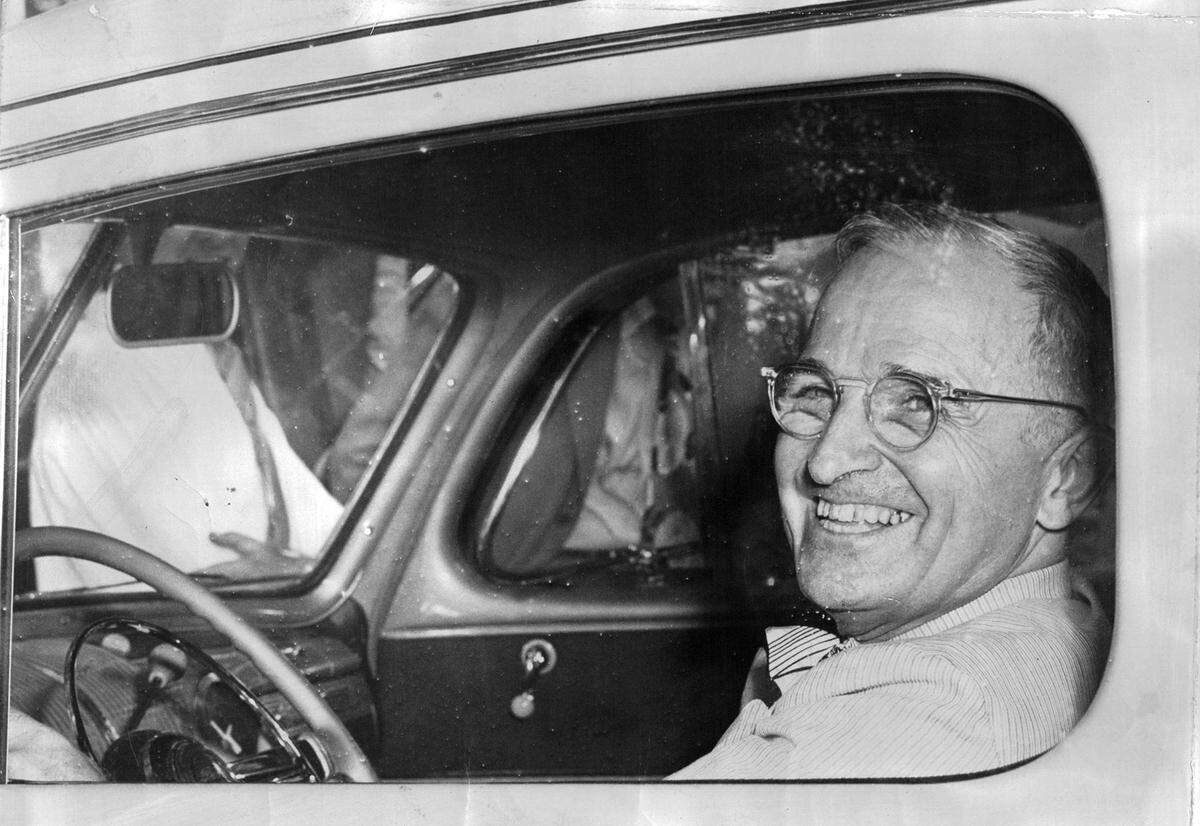
Fun fact: Truman once worked at The Star, wrapping newspapers for two weeks in August 1902. It was a short stint, but at least The Star can say a former U.S. president worked there. Other notable Star alumni include novelist Ernest Hemingway and animator Walt Disney.
KC has barbecue... lots of it
The most popular food to eat in KC is of course barbecue. There are many options to choose from, but also many debates on what some consider the best.
Stacker recently created a list of the highest-rated barbecue restaurants in 50 major cities. KC’s best according to them is Scott’s Kitchen and Catering at Hangar 29, 11920 N. Ambassador Drive. Popular lifestyle magazine Southern Living said the best barbecue joint in Missouri for 2026 is Fiorella’s Jack Stack Barbecue.
One of the most popular establishments is Joe’s Kansas City Bar-B-Que, known for its popular gas station location at 3002 W. 47th Ave., Kansas City, Kansas. Ahead of the World Cup, Joe’s will be opening a new restaurant across the street from its gas station location.
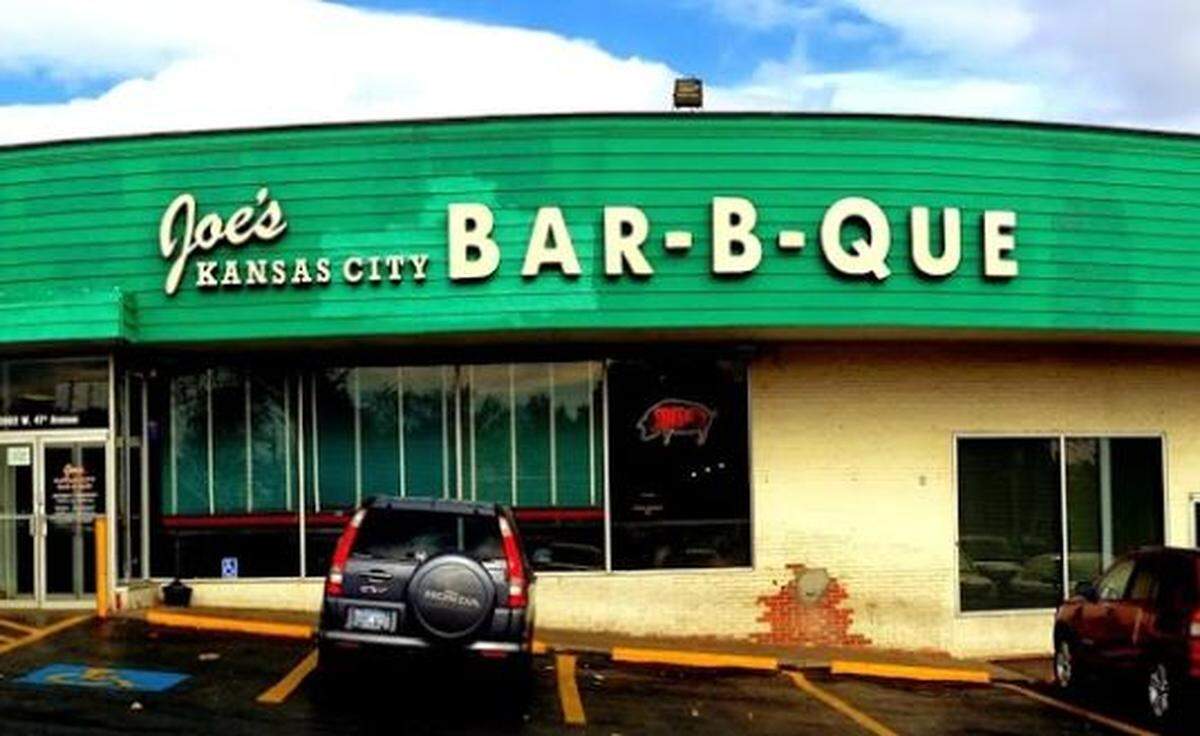
The Kansas City metro area has over 100 barbecue spots to choose from, with some known for the meats, while others are popular for its sides. The Star previously made a barbecue guide for places that serves BBQ in the metro to help readers navigate the plethora of options.
This story was originally published April 16, 2026 at 8:43 AM.