
Missouri’s public defender system is sued again, faces ‘urgent constitutional crisis’
READ MORE
Viola Bowman trial
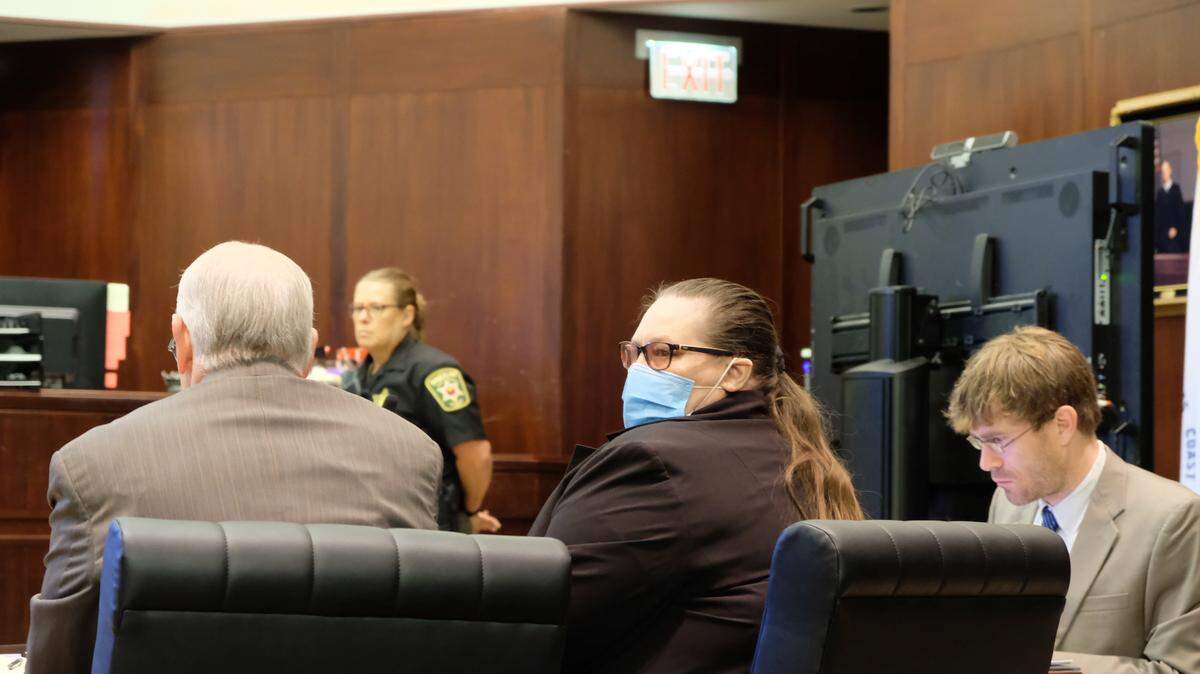
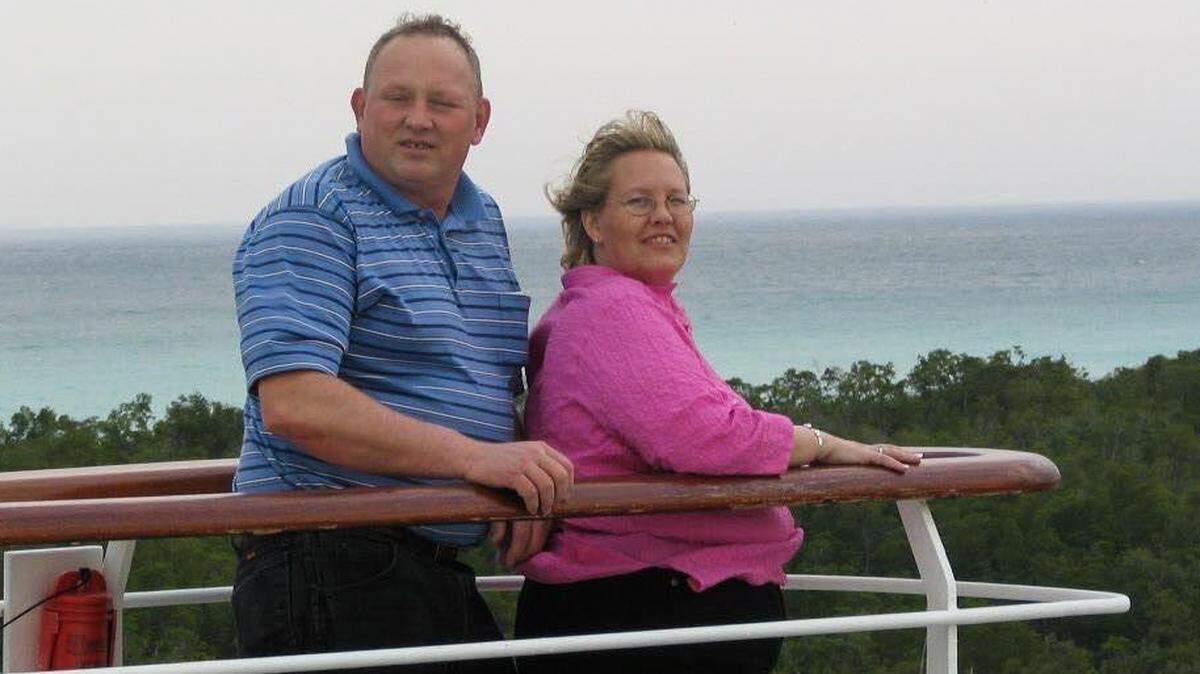
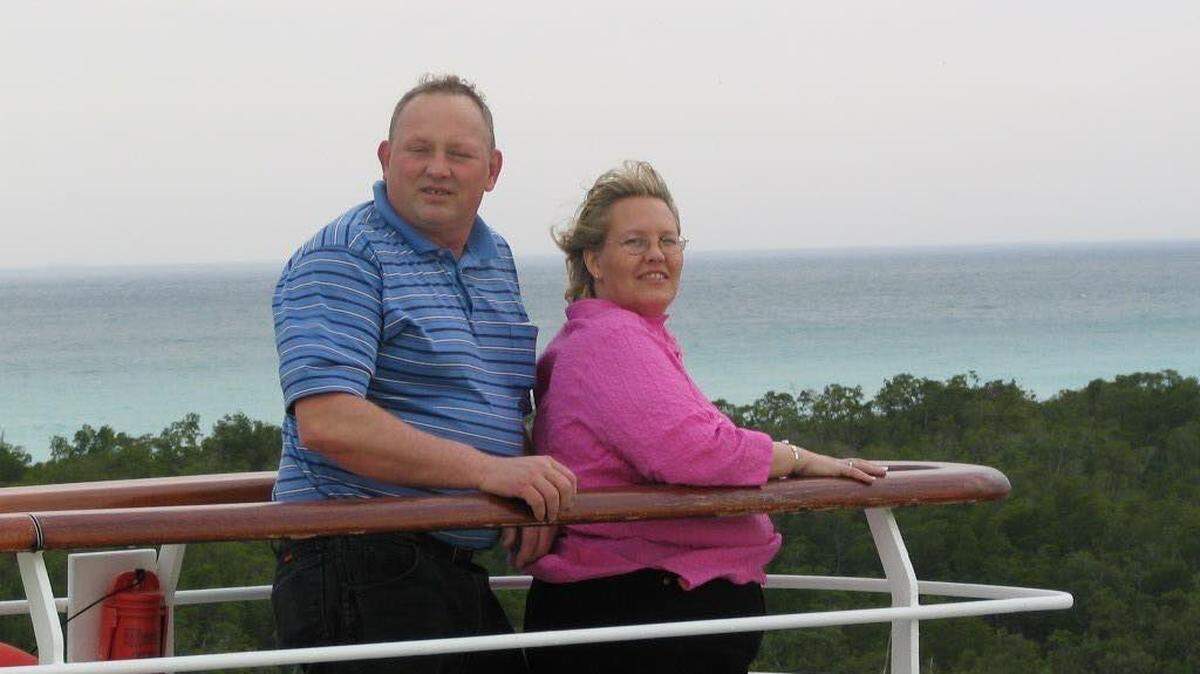
Viola Bowman waited in jail for more than six years to go to trial for the murder of her husband in Clay County. Advocates say her story is one example of the failure of Missouri’s public defender system.
Expand All
It is unconstitutional to make people charged with crimes wait months or even years — sometimes while in jail — to be assigned a Missouri public defender, a class action petition filed Thursday says.
The lawsuit, filed in Cole County by the ACLU of Missouri Foundation and the MacArthur Justice Center, is the second such action accusing the public defender system of unconstitutional practices.
It comes as thousands of people in Missouri who can’t afford an attorney wait for a public defender to represent them.
Wait lists violate the right to counsel and due process, and have “created an urgent constitutional crisis in the State of Missouri,” the lawsuit said.
The plaintiffs say defendants on wait lists, including those in Calloway, Cass, Cole, Greene and St. Charles counties, should immediately be provided with competent counsel or their charges should be dismissed.
The lawsuit names as respondents the State of Missouri, the Missouri Public Defender Commission, the director of the Missouri State Public Defender system, and judges who have presided over cases involving a defendant on wait lists.
The state’s public defender system has been plagued for decades with mounting caseloads.
A Star investigation in November found the system routinely fails poor defendants by providing inadequate representation that falls short of basic constitutional guarantees. The series documented abuse by the courts, wrongful convictions and massive caseloads that stretch defenders beyond their ability to vigorously represent clients.
“While we understand that public defenders in Missouri are tasked with the daunting challenge of providing competent representation to all of their clients, even in the face of extraordinarily excessive workloads, sacrificing the fundamental constitutional rights of people charged with crimes is not a viable solution,” said Jason Williamson, deputy director of the ACLU’s Criminal Law Reform Project.
H. Riley Bock, chair of the Missouri public defender commission, said the use of wait lists may be unconstitutional.
“The state has allowed it to happen,” he said.
Though he hadn’t seen the lawsuit, Bock said he wasn’t surprised another had been filed.
“We’re not doing the job that we were given to do, because we haven’t been given the money to do it,” he said.
‘Not real hopeful’
In March 2017, the ACLU and MacArthur Justice Center filed a lawsuit against the public defender system alleging system wide deficiencies. A proposal that would have limited caseloads was rejected by a federal judge last month and the case remains ongoing.
In 2019, 329 public defenders were assigned more than 61,000 new cases. Another 26,500 were still open from previous years.
That doesn’t include defendants placed on wait lists, which have been implemented in some Missouri counties to stave off overwhelming caseloads that jeopardize the right to adequate representation.
As of January, more than 4,600 defendants were on a wait list. About 600 of them were incarcerated, three of whom have been waiting for more than two years.
Indigent defendants have been forced to appear at hearings by themselves and have filed their own motions for discovery. Others have negotiated plea deals directly with prosecutors.
To address the backlog of cases, the public defender system requested $3.3 million in additional funding for fiscal year 2021. Those funds would help eliminate the current wait list cases through the use of private attorneys.
Appropriations are still going through the legislature, but the extra funding was rebuffed in Gov. Mike Parson’s recommendations.
Parson’s office did not respond to a request for comment.
Late last year, state lawmakers acknowledged the gravity of the problem, but said finding money to properly fund the system was a challenge.
Bock has served on the commission for six years.
“I’m not real hopeful,” he said Thursday.
“This has probably been one of the most frustrating things I’ve ever done in my life,” Bock said. “Simply because it’s not gotten better, it’s gotten worse.”
This story was originally published February 27, 2020 at 2:53 PM.


.jpeg)