‘The most pro-life state’: Next Kansas AG may have big role in abortion rights fight
READ MORE
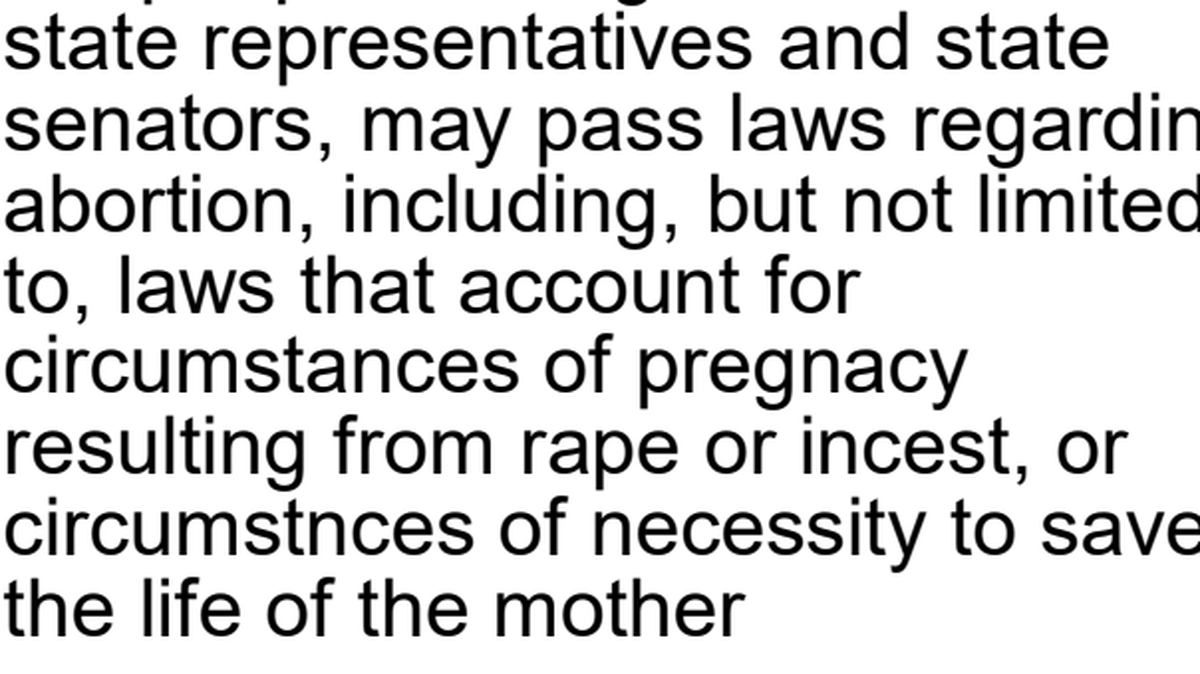
Kansas abortion vote: What to know
The state is the first to vote on abortion rights after the overturning of Roe v. Wade. Here’s what to know about the vote and the abortion debate in Kansas.
Expand All
Kansas Republican attorney general candidate Kris Kobach in May released a plan for the office in which he promised to push for laws “to make Kansas the most pro-life state in America.”
In the next few weeks, the United States Supreme Court is expected to overturn Roe v. Wade, the 1973 decision that legalized abortion nationwide. More than half of all states would immediately ban abortion or likely prohibit it.
If that happens, the commitment by Kobach, a former Kansas secretary of state, would almost certainly entail advocating for an abortion ban in Kansas.
The Kansas Attorney General’s Office is set to play a pivotal role in the fight over abortion if the Roe decision is overturned and Kansas voters in August approve an amendment to the state constitution giving state lawmakers total power to regulate, and restrict, abortion.
The next attorney general may end up with the power to prosecute abortion crimes if the Republican-dominated Legislature bans the procedure — or at the very least will set the tone for local prosecutors deciding whether to bring cases.
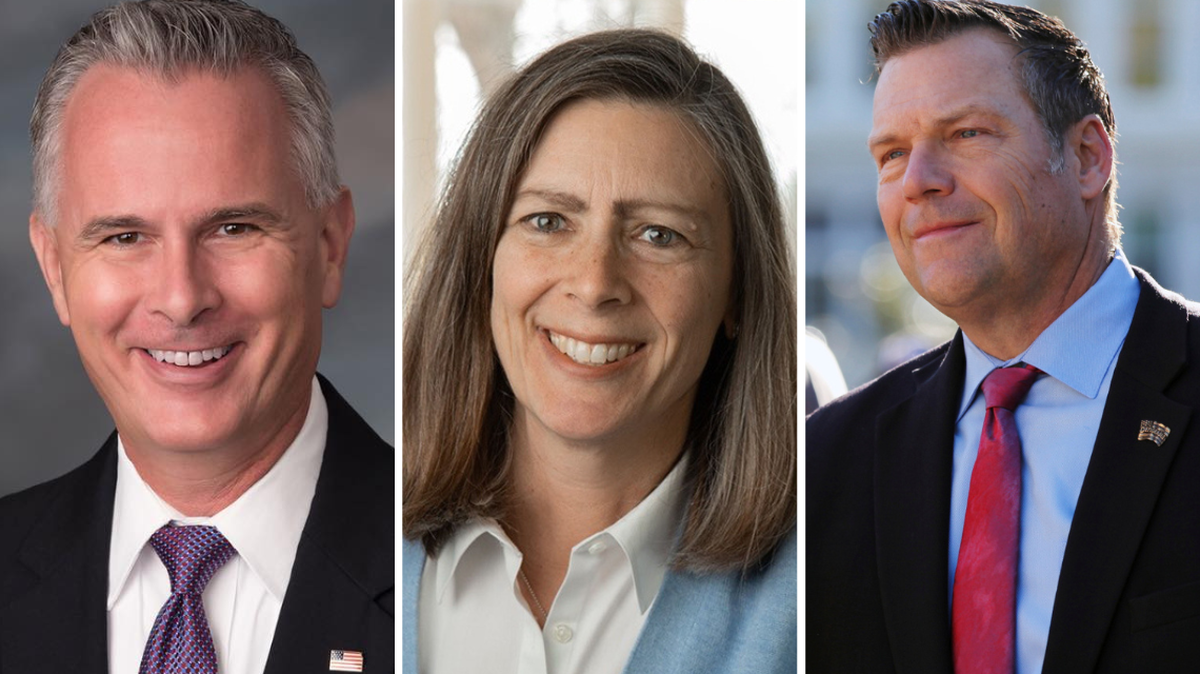
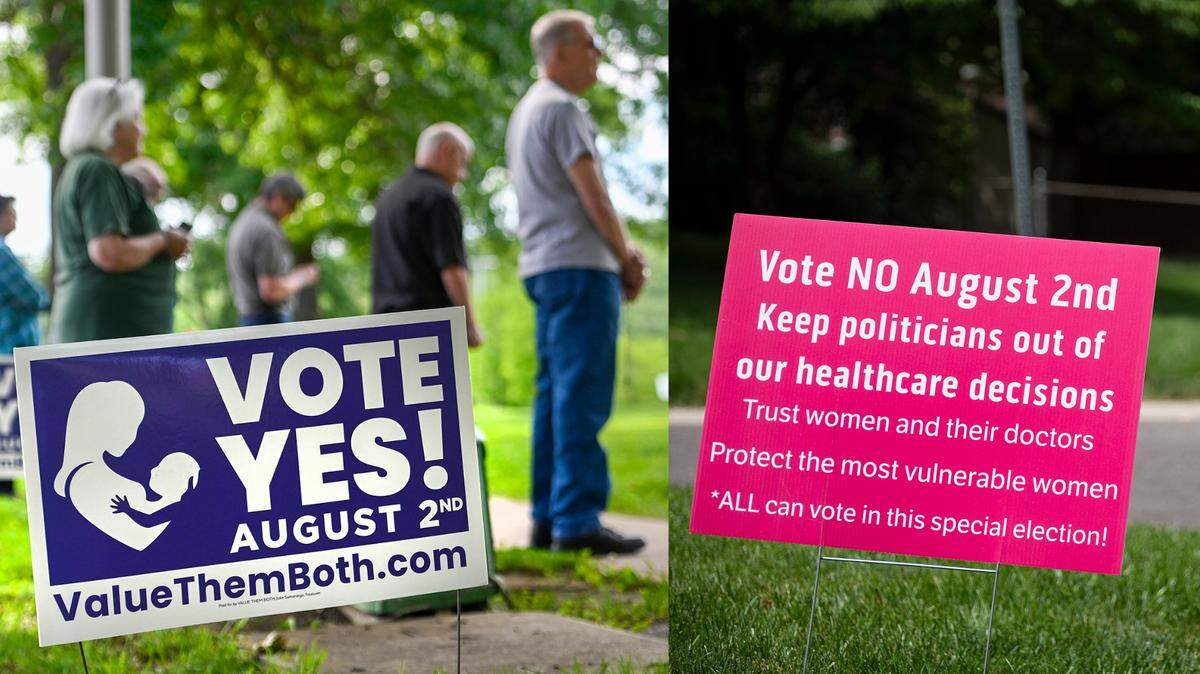
Abortion has become a major issue in the Republican race for attorney general, with candidates promoting their anti-abortion credentials. Kobach and state Sen. Kellie Warren, chairwoman of the Senate Judiciary Committee, have both spoken of the importance of passing the amendment, branded Value Them Both by supporters, and promised they will defend state abortion laws in court.
A third Republican candidate, former federal prosecutor Tony Mattivi, has taken an anti-abortion stance but has emphasized a more traditional approach to the office that minimizes its involvement in political fights.
“My top priority as Attorney General is to defend Value Them Both, if challenged, and to restore every single one of the pro-life laws struck down under the Hodes decision,” Warren said in a statement, referring to the 2019 Kansas Supreme Court decision that said the state constitution protects the right to an abortion.
The Hodes decision blocked a Kansas law banning dilation and evacuation abortions that are a common method of ending second trimester pregnancies. It has also stopped a law that would have implemented additional regulations on abortion clinics. Republicans say the ruling endangers all of the state’s abortion restrictions, though that can only be determined through litigation.
The constitutional amendment has been promoted as a way to secure the state’s current abortion laws, but the looming U.S. Supreme Court decision opens up the possibility that state legislators could quickly ban all or nearly all abortion. The candidates have largely stepped around that possibility — and the implications for the Attorney General’s Office — or, like Kobach, have spoken in euphemism.
.JPG "KansasAbortionProtest (1).JPG")
Democratic attorney general candidate Chris Mann’s campaign criticized the Republican candidates, arguing they would politicize the office.
“Chris Mann believes that the attorney general’s office should focus on keeping families safe and protecting Kansans’ constitutional rights. It does a disservice to the state for these politicians to use the office to push their own personal, political agenda,” Mann spokesperson Aron Johnson said in a statement.
Expanded role in abortion fight
Those who study attorneys general say that across the country, the offices are poised to dramatically expand their involvement in the abortion fight.
Over the past decade, the offices of attorneys general nationally have become more polarized as they latch on to “hot button” issues ranging from guns to immigration, said Paul Nolette, a political science professor at Marquette University who has researched state attorneys general.
Abortion is no exception. However, the role of attorneys general may soon expand from primarily defending state abortions laws in court to also enforcing strict abortion limits or bans that will become effective if Roe is overturned.
“Abortion has been there as an issue but if Roe vs. Wade is overturned then I would fully expect that the AG’s role is going to become far more prominent in abortion because they’re going to have more authority now to determine exactly what the state’s position is when it comes to enforcing laws on the books or proposing legislation,” Nolette said.
Kansans for Life’s political arm has endorsed Kobach and Warren. While it didn’t endorse Mattivi, it recognized his “public pro-life stance” and support for the amendment.
“With abortion extremists attacking pro-life laws in Kansas, the race for attorney general has never been more important,” Kristina Smith, KFL PAC Director, said in a statement when the endorsement was announced in May.
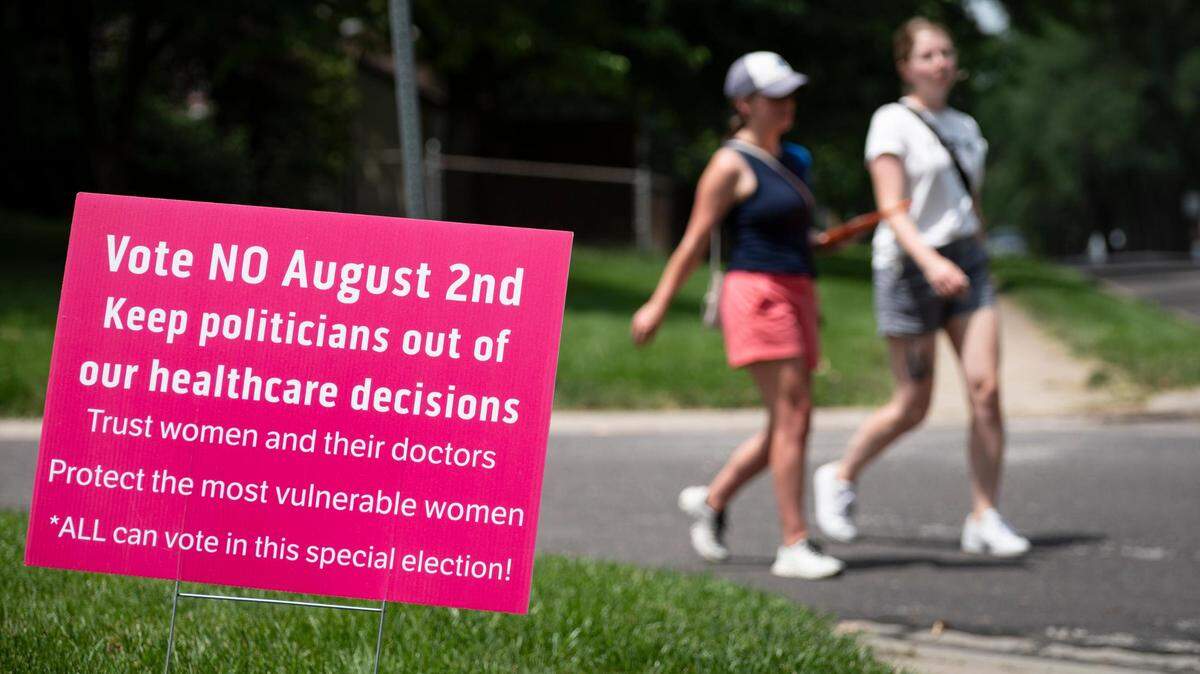
Asked about the attorney general’s race, Kansans for Constitutional Freedom, which opposes the amendment, stressed the importance of stopping the proposal. Ashley All, a spokesperson for the group, said if the amendment passes nothing will prevent politicians from banning abortion.
“We’ve seen it happen already in other states. It reinforces just how critical it is that we stop this constitutional amendment and protect Kansans’ freedom to make private medical decisions free from government interference,” All said in a statement.
Role in prosecutions uncertain
Exactly how much authority the Kansas attorney general would have to enforce a future abortion ban is uncertain. In Kansas, the attorney general must generally obtain permission from district attorneys and county attorneys to take on criminal cases, an arrangement that gives local prosecutors wide discretion over what cases to pursue.
But if state legislators ban abortion, they could authorize the Kansas Attorney General’s Office to prosecute violations on its own — an option Republicans may feel pressure to take given a perception that elected prosecutors in Democratic-leaning areas would be unwilling to charge crimes related to abortion.
In October 2020, Wyandotte County District Attorney Mark Dupree, a Democrat, signed on to a letter with dozens of other prosecutors across the country promising not prosecute women who obtain abortions or health care workers who provide them. Their commitment, the letter said, “would hold even if the protections of Roe v. Wade were to be eroded or overturned.”
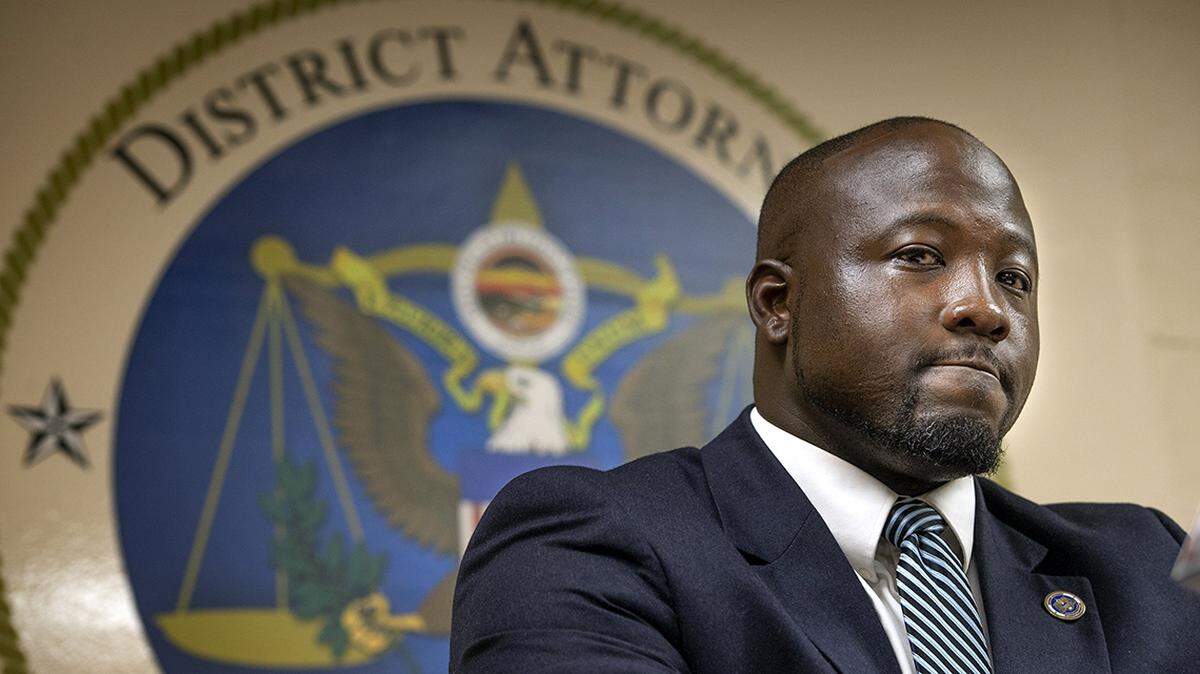
Last month, a spokesman for Dupree didn’t repeat the promise but said the office will evaluate decisions to prosecute on an individual basis.
The Republican attorney general candidates wouldn’t say this week whether they believe the attorney general should have dual jurisdiction to prosecute future criminal restrictions on abortion.
“My thought is it would be irresponsible for any credible candidate for attorney general to give you an opinion on whether we ought to have concurrent jurisdiction for a statute that no one has seen and hasn’t been written,” Mattivi said.
Warren came closer to suggesting she wants dual jurisdiction, but qualified her answer by referencing current abortion laws.
“We have laws for a reason — to ensure they are followed. Allowing individuals to avoid prosecution for their crimes is inexcusable,” Warren said in a statement. “I would work to ensure that each of our existing laws related to abortion is prosecuted.”
J.R. Claeys, Kobach’s campaign consultant at Axiom Strategies, said Kobach is committed to “restoring Kansas pro-life laws under the Value Them Both Amendment.” Claeys is also a Republican state senator from Salina.
Kansas has previous experience with what happens when an attorney general’s desire to prosecute runs into a local prosecutor’s opposition.
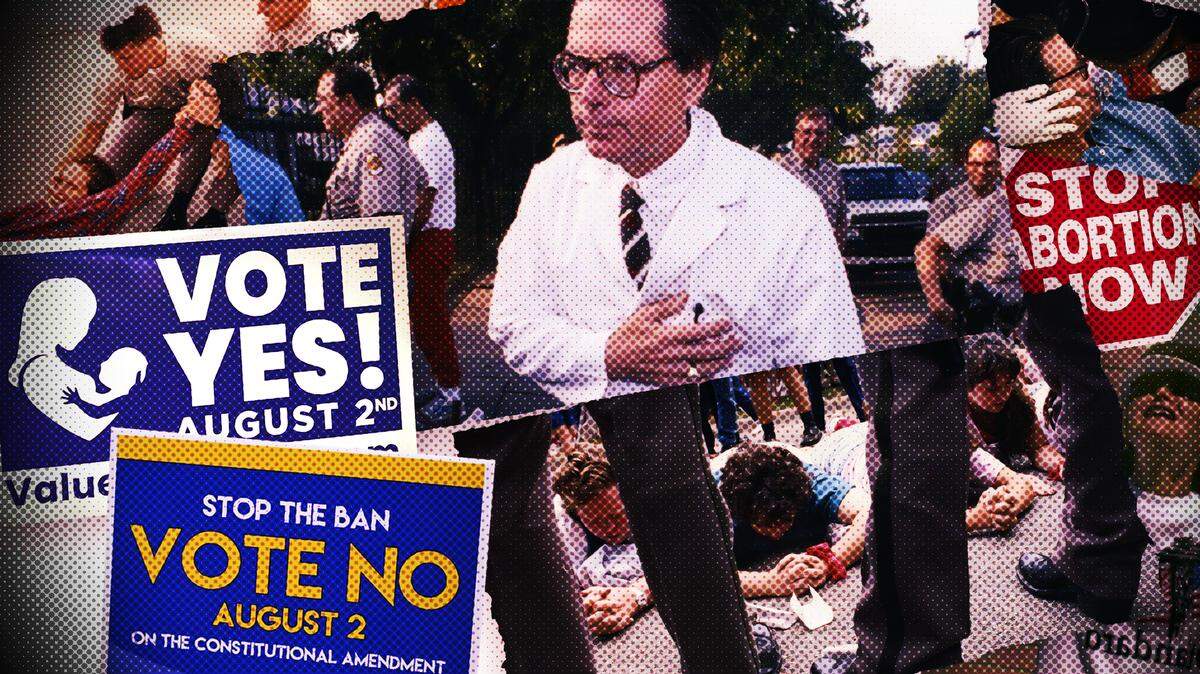
In 2006, Republican Attorney General Phill Kline charged George Tiller, a Wichita doctor who performed abortions, with dozens of misdemeanors related to allegations about abortions performed on minors. A Sedgwick County judge threw out the charges after Sedgwick County District Attorney Nola Foulston said she wasn’t consulted.
Tiller was later charged by Democratic Attorney General Paul Morrison and found not guilty in March 2009. Tiller was murdered two months later.
Attorney general’s influence?
Even if the attorney general isn’t granted the power to prosecute abortion cases, he or she could still end up influencing local prosecutors, some of whom may look to the attorney general for cues about how to approach a new ban or near-total ban.
In Wisconsin, Attorney General Josh Kaul told the Associated Press he wouldn’t enforce or prosecute anyone for having an abortion. The state has an abortion ban on the books, but it’s been uneforceable since the Roe decision in 1973.
Leavenworth County Attorney Todd Thompson, a Republican, said the attorney general has no more sway over local prosecutorial decisions than anyone else.
“My position is more about prosecuting than politics,” Thompson said. “Their position on a political matter is not as relevant to me in my position and duties as a prosecutor.”
But Elizabeth Nash, principal policy associate on state issues at the Guttmacher Institute, a research organization supportive of abortion rights, said attorneys general have a power to “send a signal about the law itself.”
What that signal is will be up to voters.
“I think we’re going to see much more attention in elections on abortion than we have in a long time,” Nash said. “I just think across the board abortion is going to be an election issue in a way it just hasn’t been.”
The Star’s Katie Bernard contributed reporting.
This story was originally published June 10, 2022 at 5:00 AM.


.jpg)