What happens to crime where recreational marijuana is legal? Here’s what we know
READ MORE
Legalized recreational marijuana in Missouri
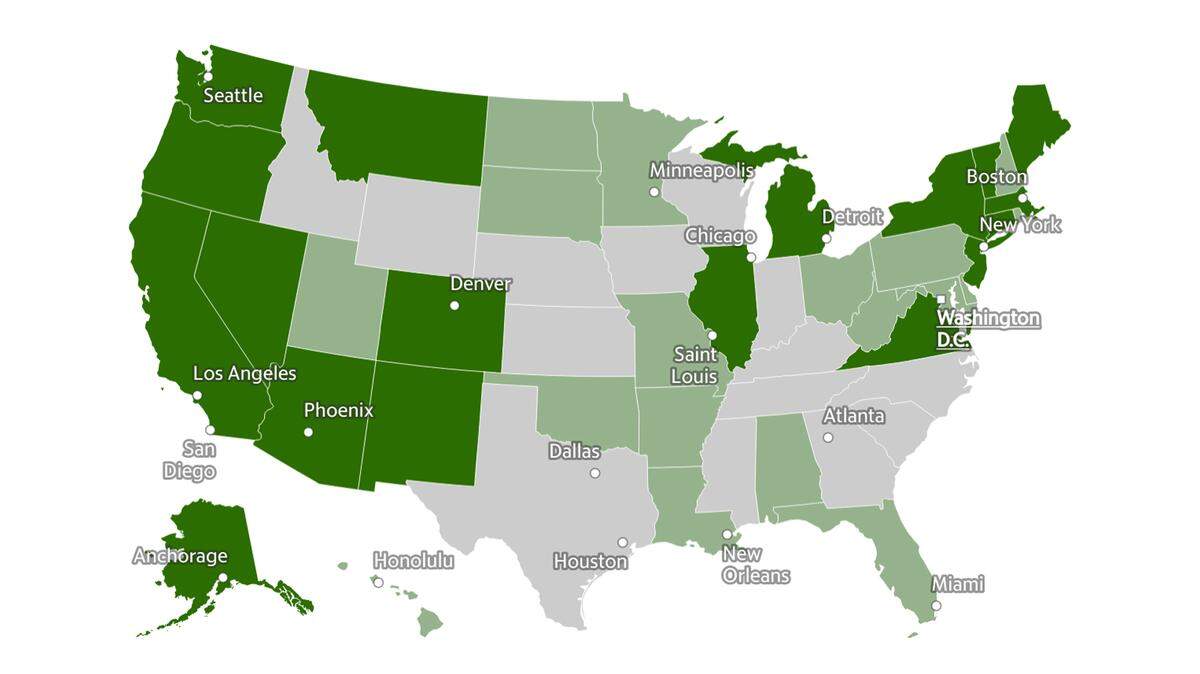
Voters in Missouri will decide in November whether to legalize adult recreational marijuana use, paving the way for Missouri to potentially become the 20th state to legalize and tax the drug.
Expand All
While national polls show increasing support for legalization of recreational marijuana, opposition remains strong among Missouri law enforcement and medical groups.
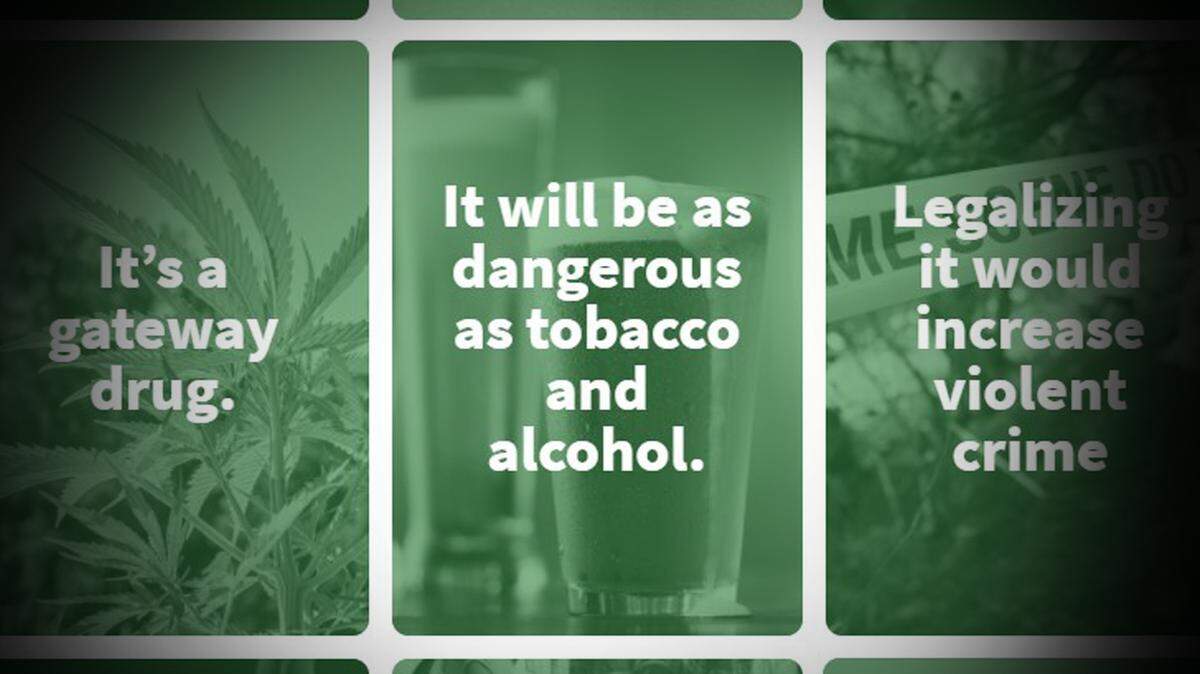
One of those voices is Kansas City Police Chief Rick Smith. In a 2019 blog post, Smith linked 10 of the city’s homicides to marijuana-related motives, but did not provide details. He cited figures showing increases in property and violent crimes in Oregon, Colorado and Washington in the years following recreational legalization.
“There is nothing to prove the rise in violent crime was caused by legalized recreational marijuana in the states that have experienced it,” he wrote. “But the correlation is undeniable.”
Kansas City police declined to make Smith available for an interview.
His position puts him at odds with the primary prosecutor in his jurisdiction, Jackson County’s Jean Peters Baker. Since 2018 she has declined to file charges in most marijuana possession cases. But other Missouri prosecutors share Smith’s concerns.
“The evidence is increasingly showing that marijuana is not the harmless substance that the proponents of legalization suggest,” Dan Patterson, president of the Missouri Association of Prosecuting Attorneys, said. “It is in fact a dangerous drug.”
Do states that legalize recreational marijuana encounter spikes in crime? Most studies say no.
In 2018, researchers from Stockton University and Washington State University found “no statistically significant long-term effects” on property and violent crime in Washington state and Colorado after legalization. A 2020 study of Washington, funded by the U.S. Justice Department, reported no evidence of increase or decrease compared to states that did not legalize.
The Cato Institute, a libertarian think tank which supports legalization, reviewed state-level crime data from 2012 to 2020 and found no significant signs of increase or decrease after legalization. Most state rates stayed the same, with a few experiencing increases or decreases.
University of Utah sociologists studying Oregon following legalization concluded in a 2020 study that recreational marijuana had “a crime-exacerbating effect.” But researchers urged further study given its inconsistency with the Washington and Colorado results.
One area where the data may support legalization critics is behind the wheel.
The rate of fatally injured drivers who tested positive for marijuana was on the rise prior to states legalizing recreational use, jumping from 8% to 18% between 2007 and 2016, according to the National Highway Traffic Safety Administration.
In Washington state, fatal crashes with a THC-positive driver doubled between 2012 and 2016, the years before and after voters approved legalization.
A 2018 study by the National Bureau of Economic Research found similar increases in Colorado and Washington compared to states that have not legalized marijuana. A report in the 2017 American Journal of Public Health reached the same conclusion in both states.
Jeff Howell, executive vice president of the Missouri State Medical Association, said the group generally opposes legalization until more research on the public health effects can be conducted.
“We’re generally opposed to anybody smoking anything at all,” he said. “When you combine that type of behavior with other types of things like driving, then it becomes a public health issue.”
This story was originally published September 26, 2021 at 5:00 AM.