How is KCPD spending your money? Too much, some city leaders say, on petty drug cases
READ MORE
How is KCPD spending your money?
Some Kansas City leaders want to know how the KCPD spends taxpayer money as debate continues over whether police should pursue some low-level drug cases.
Expand All
How is KCPD spending your money? Too much, some city leaders say, on petty drug cases
Do you have questions or concerns about KC police spending? Here’s who you can contact
Interactive: A look at the Kansas City Police Department’s budget
By the numbers: Here’s how Kansas City police enforce drug laws in Jackson County
Caught with marijuana? Here’s what can happen in Kansas City’s various jurisdictions
If City Hall and the Kansas City Police Department are in a battle over control of the force and how it spends its money, one side says it’s not a fair fight.
Mayor Quinton Lucas, City Council members and activists say they don’t know how the department spends its $271 million budget, most of which it receives from the city, because the KCPD won’t say.
“One of the ways in which our community has been frustrated, again, in terms of accountability and transparency is to obtain a sense of exactly line-item expenditures of the KCPD,” Vernon Howard, president of the Southern Christian Leadership Conference of Greater Kansas City, said at a July meeting of a new group whose aim is to reduce crime.
And in emails obtained by The Star, Councilwoman Andrea Bough sought answers about the KCPD’s budget in late September. She received a response from the department’s budget unit that only prompted more questions.
“You are right to be confused — this is nonsense,” City Manager Brian Platt replied to Bough in an email.
One of the biggest questions: In a department that repeatedly asks for more money to hire officers, why are there fewer officers on staff than what is listed in the budget?
Another: If most citizens and city leaders think the homicide rate is Kansas City’s most significant crime problem, why isn’t more of its $40 million investigations budget devoted to violent crimes?
And why does the KCPD focus on minor drug cases that it knows are not likely to succeed in court? That question has been raised the most publicly after comments made by prosecutors.
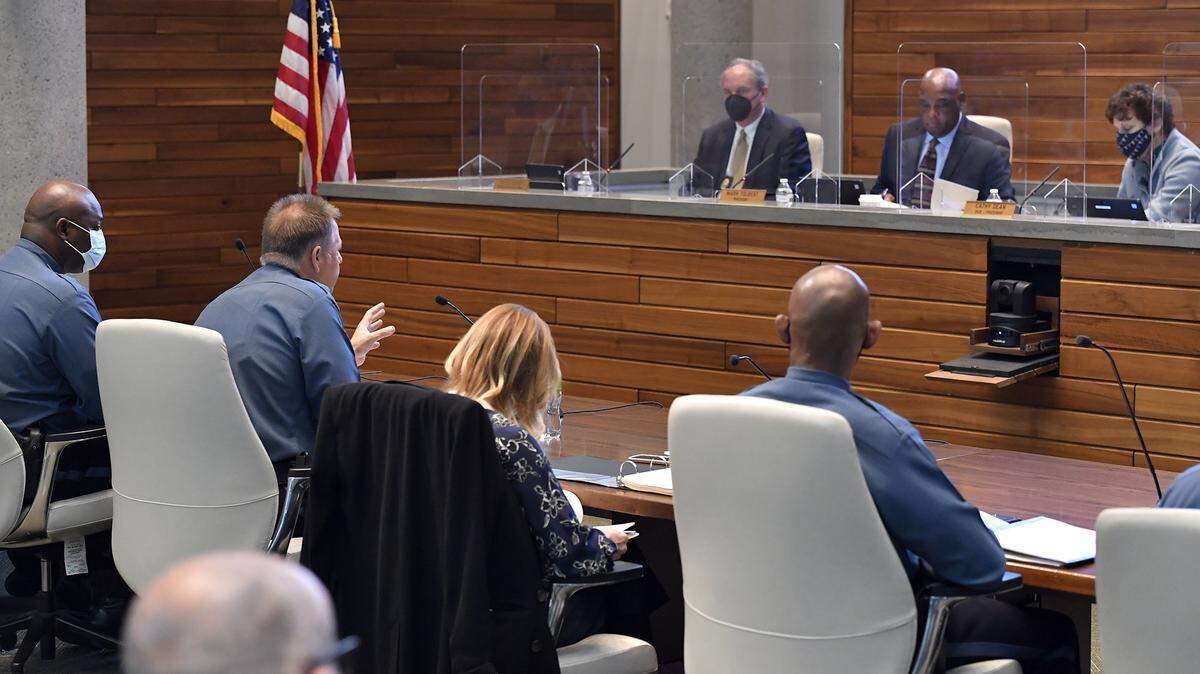
“Just to be frank, our outcomes on low-level drug cases, which is most of our cases, are poor,” Dan Nelson, Jackson County’s chief deputy prosecutor, told the same group to which Howard spoke, now named the KC Community Safety Partnership. “This is despite putting more prosecutors on drug cases in those units because of the volume than any other unit.”
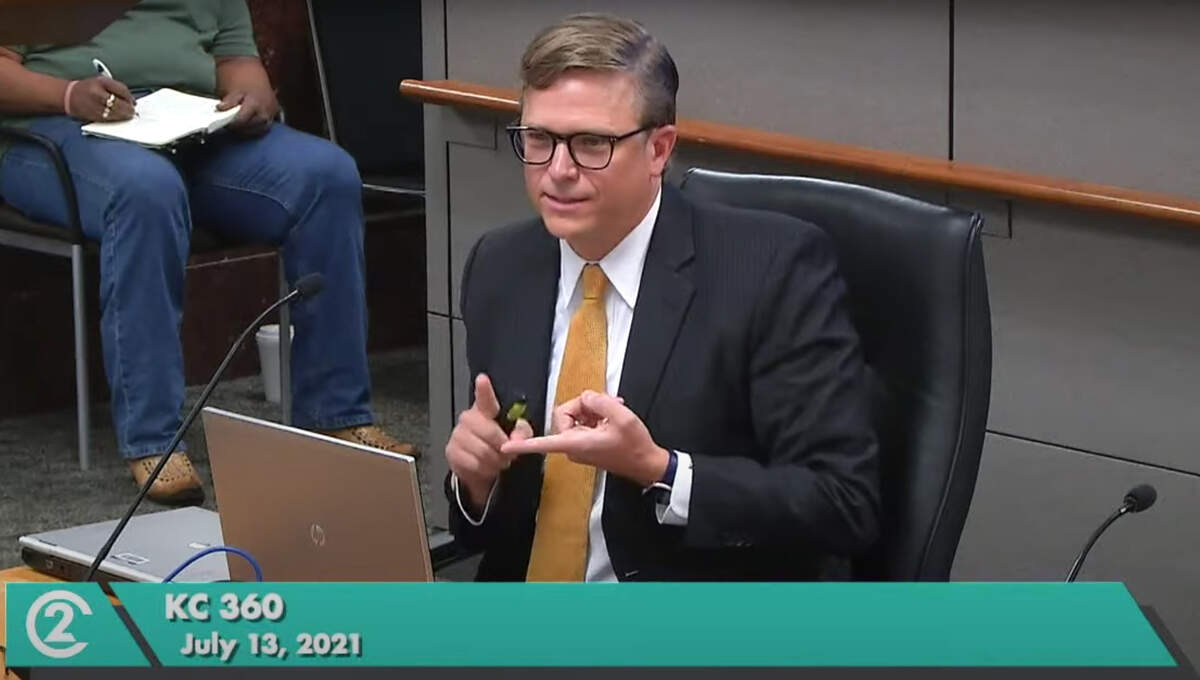
In May, Lucas introduced ordinances that earmarked about 18% of the funds the department receives from the city, or $42.3 million, for a fund that the Board of Police Commissioners, which oversees the force, and City Hall leadership would decide how to spend.
Lucas’ goal was to seek more accountability from the KCPD and give the city more oversight of its spending. Critics of the City Council’s plan, including four members who represent Northland districts, have tried to portray the measure as “defunding the police.”
The measure, which passed, drew the ire of KCPD leadership, its union and conservative politicians who have warned of recriminations to Kansas City. A recall effort of Councilman Eric Bunch, one of the nine council members who voted in favor of Lucas’ proposal, was started by pro-police activists upset with his position. That effort ultimately failed.
The police board sued the city over the move. KCPD’s budget manager said the funding reallocation would force layoffs and cause other cuts in critical police services, a claim city leaders refuted.
The KCPD says it isn’t hiding anything and is focused on using its available resources to make “Kansas City as safe as possible.”
Asked for a breakdown of how much the KCPD spends on each unit, Sgt. Jake Becchina, a police spokesman, provided its appropriated budget — a 243-page document that was voted on and adopted by the City Council. In an email, Becchina said “nothing other” than that budget “exists to track or document funding.”
“It is posted on our website in its entirety for anyone to access,” he wrote. “I struggle to see how this shows a lack of transparency.”
It shows, for example, that more than $69 million goes to the Patrol Bureau, which includes officers who respond to calls for service.
But Councilwoman Katheryn Shields, chairwoman of the city’s finance committee who has raised questions about the KCPD’s budget since the late 1980s, told The Star she does not believe the KCPD necessarily follows that budget — though the department says it does.
“Yes, that’s what we appropriated for them,” Shields said. “How did they actually spend it? That’s the issue.”
While the force is a city department and gets the bulk of its funding from city taxpayers, it is overseen by the police board, a highly unusual governance structure. Four of its five members are appointed by Missouri’s governor; the mayor is also guaranteed a seat.
Missouri took control of the KCPD in 1939, but city leaders and community activists say it’s time to put the department back under the control of the City Council, which appropriates money to the department but has little say over how it is spent.
Staffing questions
The KCPD’s financial records show the department budgeted for 1,413 law enforcement officers for the fiscal year that started in May. That’s the same number the KCPD budgeted the year before, and 10 more than it budgeted for in the 2019-20 fiscal year.
But the number of actual sworn officers over that time has always been below the budgeted personnel level. There were 1,310 sworn officers on staff in May 2020, the highest level in the past five years, according to police data. In May 2021, there were 1,253.
In May, Police Chief Rick Smith implored residents to call their council members and suggest that portions of the $97 million in federal American Rescue Plan money that Kansas City received be earmarked for police funding. In response, some council members questioned where the KCPD money was actually going if the staffing was below budgeted levels, often by 100 or more positions.
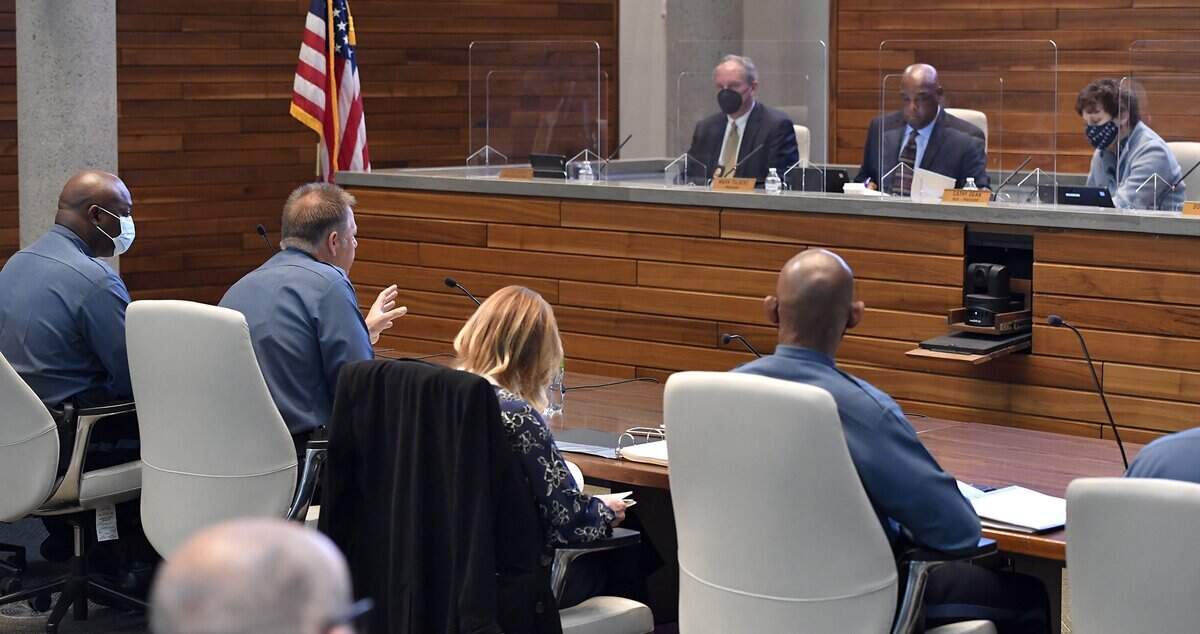
Smith also wrote in a blog post that a hiring freeze at the KCPD was causing staffing issues. He predicted attrition, which has “risen steadily” since 2011, would lead to the KCPD having 1,151 sworn officers by April 2022, the fewest since 1993.
“We are down 116 officers and do not have the budget to replace them,” Smith wrote.
In September, Smith told KCMO Talk Radio the force was below 1,200 officers and that the “deficit keeps growing” as more are expected to leave by the end of the year. With salary savings, he said, the KCPD started an academy class of about 35 but that staffing is the lowest it has been in years.
During one committee meeting, Councilman Lee Barnes said he was concerned the City Council has tried to fund up to 1,400 officers for several years but that “we have never gotten to the point where we have had that many officers.”
“So where’s that money going?” Barnes asked. “As far as I’m concerned, there’s a gap between what we think we’re paying for ... and what’s actually happening at the department.”
In an email, Becchina said the normal rate of attrition from employees leaving and retiring has remained, but because there had not been an academy class for a year and a half to backfill those positions, the “total number of officers has gone down.” The KCPD has said that because of funding cuts, it had not been able to bring on a new academy class since February 2020.
In an interview, Lucas said he has never seen the KCPD match the number of officers promised. City officials are asked to pass the department’s budget and simply trust it with the funds. There is “an incredible lack of clarity” in how taxpayer money is spent, he said.
Given the KCPD’s structure, Lucas does not think there is a way for city officials to get real answers about the department’s spending or its budget adjustments. The online appropriated budget, he added, answers “absolutely none” of his own questions.
“So, we just basically shrug our shoulders and hope for the best,” the mayor said.
Focusing on drugs
Prosecutors have been critical of how much time and money the KCPD spends on drug cases, including interdiction, in which dealers take dope from one part of the country to another as they pass through Kansas City.
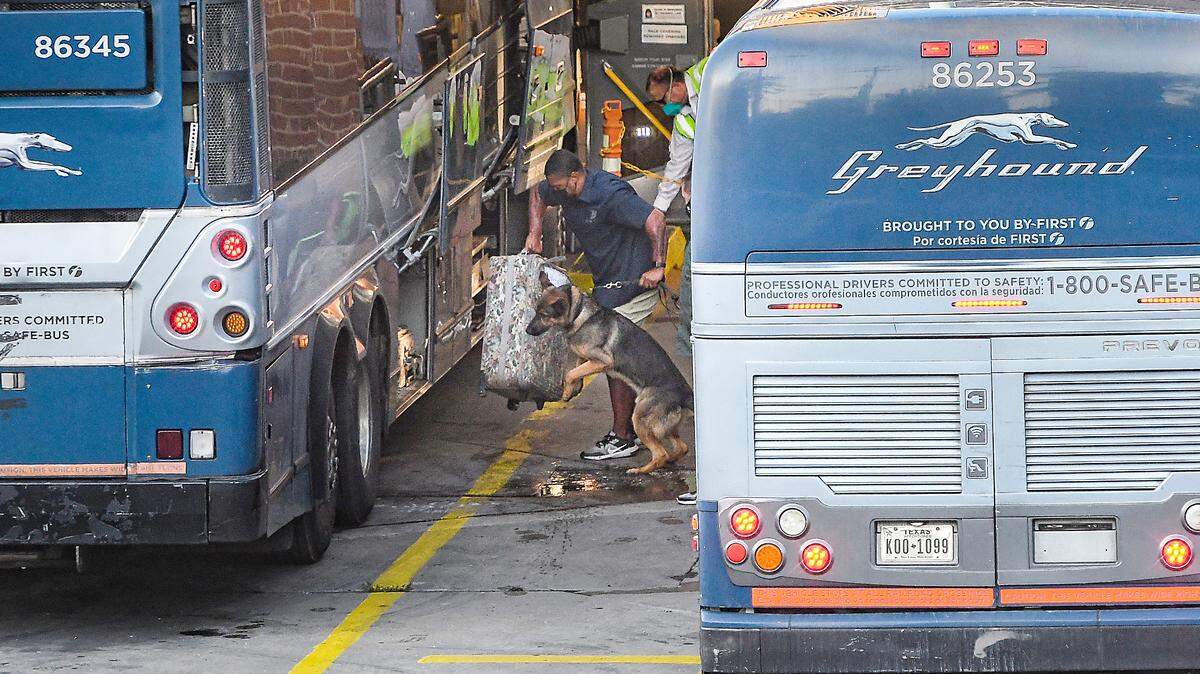
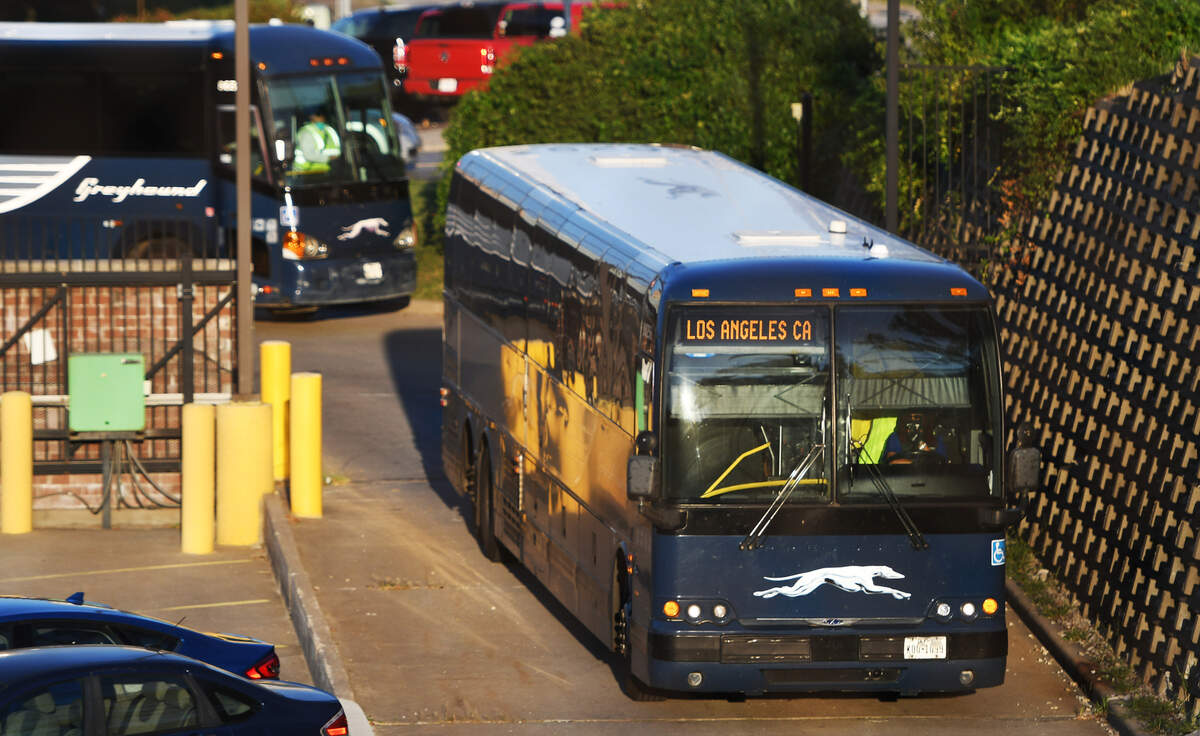
In August 2019, for example, detectives kept an eye out for a bus arriving from Los Angeles at the Greyhound station at East 11th Street and Troost Avenue. For years, detectives have searched for suspected drug traffickers at the terminal east of downtown. On this day, the bus also made a stop in Denver — two cities that police say are sources for illegal narcotics.
A detective got on board with a drug-sniffing dog. Another detective noticed a 20-year-old man get off the bus with a suitcase. When approached, the man — who was from Ohio and had no ties to Kansas City — claimed it wasn’t his but that it was in his way as he got off the bus, so he took it with him. The detective asked whether a canine could sniff it.
“Do whatever you need to do,” he replied, according to court records.
The dog picked up a scent of drugs, and the man was arrested. Police found bags of marijuana, weighing 10 pounds, in the suitcase. Jackson County prosecutors charged the man with a felony count of delivering a controlled substance, estimating he had $24,000 worth of weed on him.
Data from Jackson County prosecutors suggest that such drug cases, and many more broadly, are not an efficient use of law enforcement resources.
From 2017 to 2020, the KCPD referred 1,000 to 1,400 cases each year in which drugs were the top charge. Those numbers dwarf all other referred cases, such as for assault, homicide and sexual assault.
A data analyst in the prosecutor’s office scraped information from drug cases over the four-year period and found only 8% of possession cases involved a weapon, a sign Jackson County prosecutors took to indicate that a vast majority of drug cases did not intersect with violence.
Of all drug defendants, about 75% had no known link to guns or violence in Missouri.
“Since the launch of the ‘war on drugs’ in 1972 ... there’s an assumption in federal law that where you find drugs, you will find violence,” Nelson said at the July meeting.
In some other cities, like Milwaukee, police require a tie to violence to open a drug case. Nelson said when he and KCPD commanders visited Milwaukee police in 2019, a captain there was told the KCPD had about 130 employees working in narcotics, while at the time, there were 12 detectives on the squad handling 6,000 assaults — including hundreds of non-fatal shootings.
“Wow,” the captain responded, according to Nelson. “You are still chasing the kilo fairy.”
Kansas City has since doubled the size of its assault squad to 24 detectives. As of May, there were 39 homicide detectives.
“Both of these are the largest allocation of budgeted staffing in those units there has ever been, so to answer the question of why don’t we spend more on violent crimes, we did and we do, just last year,” Becchina said.
The Wisconsin captain said police can get hooked on drug cases because of federal grants that accompany them. Nelson acknowledged it’s hard to turn down money but said it would be great to see resources continue to shift to dealing with violence.
The group also visited the police department in Tampa, Florida, which has gone from one of the country’s most dangerous cities to one of its safest within 20 years, Nelson said. Tampa police leadership said they do not have time to open drug cases unless a suspect has an “articulable violence nexus.” Their guidelines are flexible, though, considering Tampa is experiencing an overdose epidemic.
At the July meeting, with Chief Smith in attendance, Nelson argued that prosecutors had so little success with low-level drug cases, particularly ones with no known ties to violence or neighborhood disruption, that police should stop referring them for felony charges.
Nelson’s comments came as the KCPD — which refers drug cases to Jackson County prosecutors more than any other type of crime — weighs whether to align its policies with a new one at Prosecutor Jean Peters Baker’s office: charge only those drug suspects with ties to violence or ones who cause community concern, such as when a dealer moves to a street that quickly becomes dangerous.
“These cases are not being valued, so why are we still spending all this money and bringing (them) in?” asked Nelson, who described police as submitting drug cases they know are dead on arrival and won’t result in charges. “Resources can go to something else, like violence.”
Prosecutors say drug cases are expensive. They have also described the harmful effects of focusing on low-level drug cases as significant.
There are “disturbing” racial disparities, Baker has said. In what are referred to as buy bust cases, in which undercover KCPD detectives buy drugs before a dealer is arrested, for example, about 80% of defendants in 2019 were Black — more than double the percentage of their population in the city.
Nelson also said residents at community meetings in parts of the city will say, “While you’re in our neighborhoods, you arrest our kids and charge them with weed possession felonies.”
“That’s a true statement that doesn’t happen in the North Kansas City School District,” Nelson said. “That doesn’t happen in other places in Kansas City.”
Moreover, prosecutors’ data showed most defendants at Greyhound or Amtrak stations consented to searches, which they believed was a sign that interdiction cases usually were not picking up people carrying for serious drug cartels. Jackson County prosecutors now refer those cases to the U.S. Attorney’s Office, which prosecutes “more significant” seizures.
Stakeouts of places like the bus station are part of a narcotics task force funded by grants. This year, it received more than $500,000 in one grant meant to increase the number of drug-related arrests and to seize drugs at transportation centers.
When the time came for the man to stand trial months after he was nabbed at the bus station, the Jackson County Prosecutor’s Office assigned Theresa Crayon, its top assistant prosecutor, who usually handles tough murder trials, to the case. But prosecutors couldn’t find 12 jurors who could be impartial. The judge declared a mistrial.
“She was unable to seat the panel for 10 pounds of weed because the jury said, ‘We can’t follow the law,’” Nelson said. The jury, he added, told them: “You want us to put this young man in prison for something we believe will be legal while he’s there? You could just give him a fine.”
In and out of jail
Dr. Marvia Jones, violence prevention and policy manager at the Kansas City Health Department, said the prosecutors’ data was “overwhelming” because it made her think about the churn of residents coming in and out of jails and prisons. That disruption can affect “social connectedness” in a community, which is one of the highest predictors of violent crime, she said.
“We talk about violence and it’s almost like we’re chasing our tail, in a sense,” Jones said.
At that July meeting, Howard asked Smith why the KCPD was resisting the prosecutors’ drug policy change.
“We’re still going through this and looking at it,” Smith replied. “We haven’t set on a policy yet.”
Later asked whether the KCPD should work interdiction cases, Lucas told The Star he was not sure they should be a priority compared to “actually fighting violent crime” in Kansas City.
Asked why the KCPD is involved in interdiction cases, Becchina said the KCPD’s enforcement is guided by laws enacted by elected officials. He said the KCPD is sure residents of other communities, where drug possessors are taking narcotics, are “very thankful for the times it does not end up on their streets to be part of the narcotics trade.”
“The same as Kansas City is thankful if another police agency prevents large amounts of narcotics from being distributed in our community,” Becchina said. “It all contributes to safer communities.”
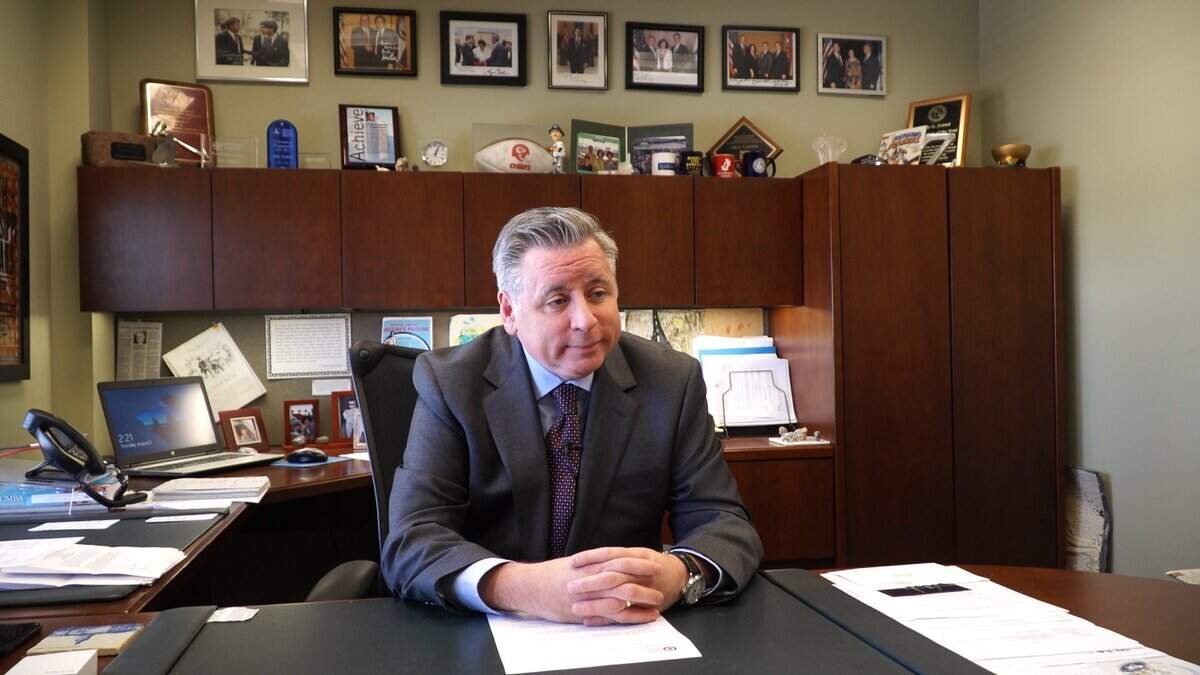
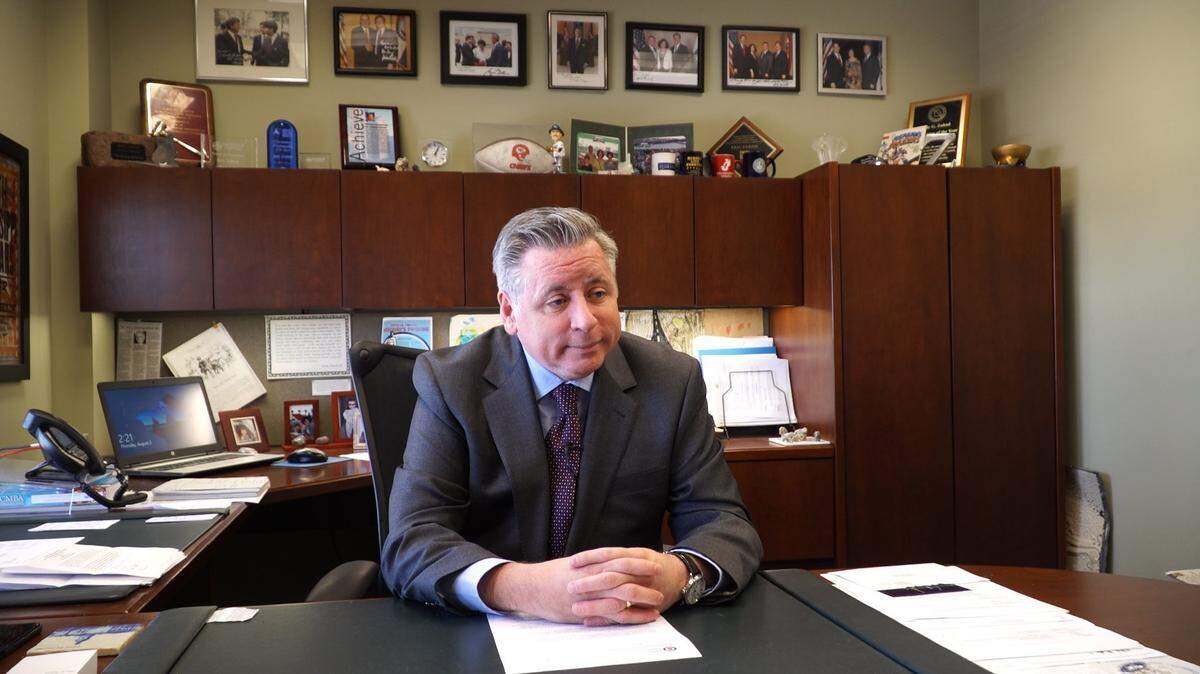
Platte County Prosecutor Eric Zahnd and Clay County Prosecutor Daniel White defend the KCPD’s efforts and argue murder is tied to drugs — though they used a different standard than Baker did.
Zahnd cited the case of Jordan Wilson, who carried out a fatal shooting during a marijuana deal. Wilson had previously been charged with possession of weed, but it was before Platte County created its drug treatment court.
“If Wilson had received treatment, would things have been different?” Zahnd asked, saying he feared people would not get into treatment if the KCPD stopped referring drug cases.
Councilwoman Melissa Robinson, who represents the East Side, has raised the same concern. She wondered whether that would be an “unintended consequence.”
Baker said residents don’t have to be charged with a felony to get into treatment in Jackson County. Prosecutors, she said, are working on a way to get people directly to treatment.
As for the police chief, two months after Nelson’s comments, the KCPD said Smith was still evaluating the “best options for the citizens of Kansas City within the scope” of local, state and federal laws. The police board, a spokesman said, could also enact a drug investigations policy.
This story was originally published October 3, 2021 at 5:00 AM.