Tornadoes are more deadly at night. Here’s how Kansas City can be alert next time
READ MORE
What to know after Kansas City-area tornadoes
The small storms that swept through the metro area early Wednesday morning caused some damage and power outages. Get updates here and advice on what to do now.
Expand All
Did you sleep through the overnight tornadoes that swept through the Kansas City metropolitan area?
If severe weather sirens didn’t awaken you from your slumber early Wednesday morning, that’s OK — they weren’t meant to, according to Marshall Shepherd, director of the atmospheric sciences program at the University of Georgia in Athens.
Outdoor emergency sirens “are not designed to be heard in your home,” Shepherd said. “That is a misguided perception.”
Some residents were shaken from their sleep by thunder and pounding rain. Others were alerted to severe weather by apps on their mobile devices. Some simply woke after the storms had passed.
Many asked: Where were the sirens and alerts?
To prepare for the next severe weather episode, residents must improve their weather awareness skills, Shepherd said.
He added: Develop a night plan and pay attention to the local news or forecast from the National Weather Service, which indicated earlier Tuesday that severe weather was imminent in the Kansas City area.
Don’t disable the wireless emergency alert system on mobile devices and download a reliable weather app.
Kansas City’s AlertKC is a text and notification system that could help keep residents abreast of severe weather reported in the area.
In Johnson County, residents receive the same alerts through the NotifyJoCo service.
The services are intended to alert residents of severe weather, so they may plan accordingly, officials said.
Storms don’t usually appear out of nowhere, Shepherd said. Get used to being weather-aware before going to bed, he suggested. “We often brush our teeth before bed or have a snack,” Shepherd said. “Add checking weather.”
Having access to weather radios is a good idea, too. Much like smoke detectors, municipalities must find a way to provide weather radios for folks struggling to make ends meet.
In a 2018 essay that appeared on Forbes magazine’s website, Shepherd pointed to strategies to prepare for nocturnal storms made by University of Oklahoma meteorology professor Howard Bluestein, which included:
▪ Place cars under shelters or in garages to prevent damage from hail or falling branches.
▪ Ensure that electronics plugged into walls are protected from power surges (or just unplug them).
▪ Have an evacuation plan if residing near areas prone to flooding.
▪ Have a NOAA weather radio with an active alarm sound or a cellphone with alerting capacity.
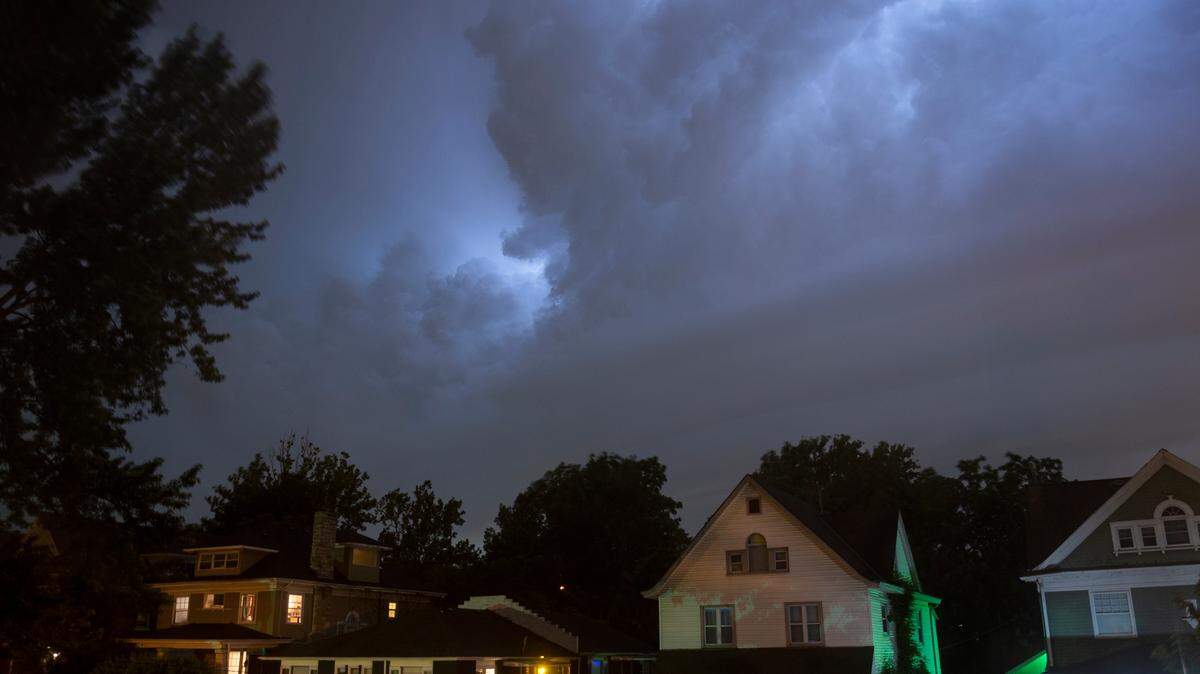
Tornadoes are more deadly at night than during the day and are 2.5 times more likely to kill, studies show.
On Wednesday, a tornado was reported in Leawood about 1:25 a.m. and moved east, according to a tweet from the National Weather Service. A tornado warning was issued for Kearney and Excelsior Springs around the same time.
Wind speed was clocked at 75 mph in some areas, according to scanner traffic, which also reported a tornado touching down at Interstate 35 and Missouri Highway 92 in Kearney. The severe weather threat was over by about 2 a.m., according to the National Weather Service.
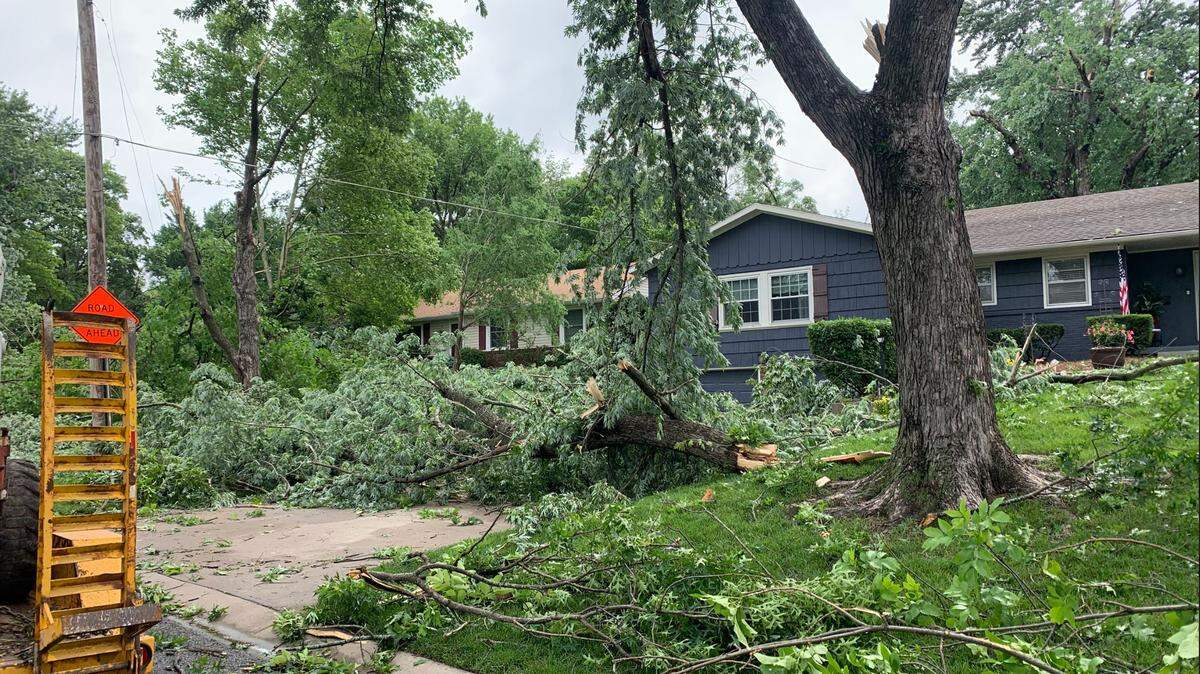
Cleanup in Kansas City, Johnson County and other areas continued into Wednesday.
Still, some residents said they didn’t have time to react to the severe weather warnings. We should all take this time to prepare for the next tornado by formulating a weather-awareness plan.
This story was originally published June 8, 2022 at 12:41 PM.