Did tornadoes come out of nowhere last night? A Kansas City meteorologist explains
READ MORE
What to know after Kansas City-area tornadoes
The small storms that swept through the metro area early Wednesday morning caused some damage and power outages. Get updates here and advice on what to do now.
Expand All
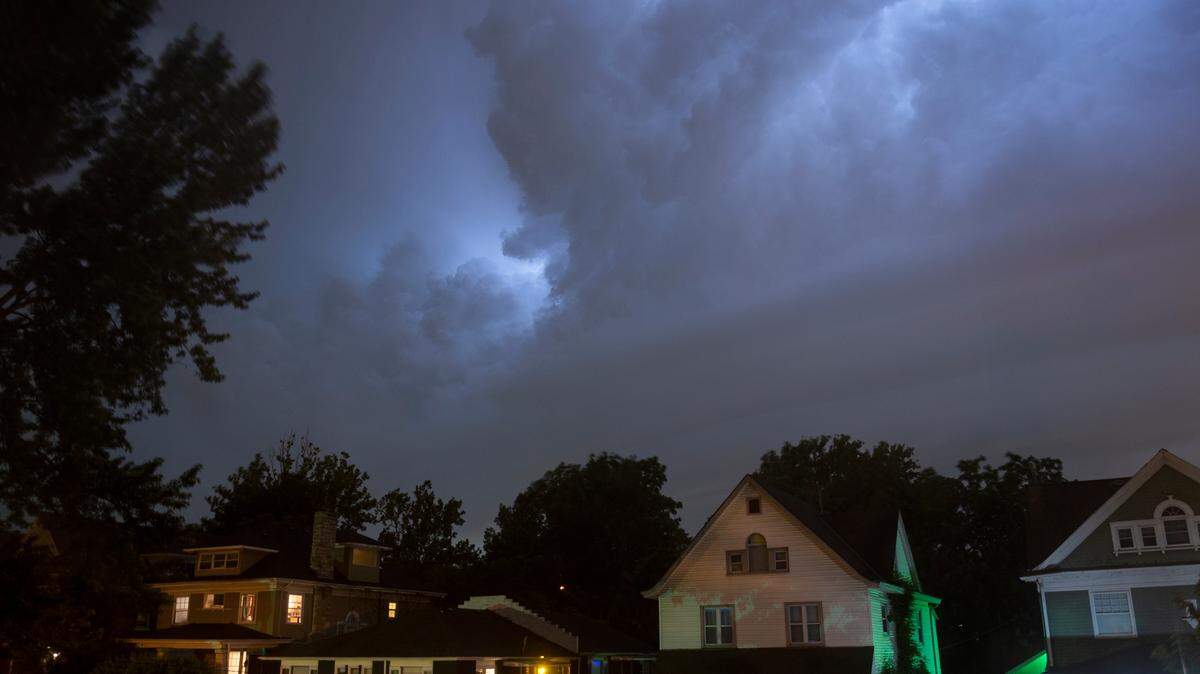
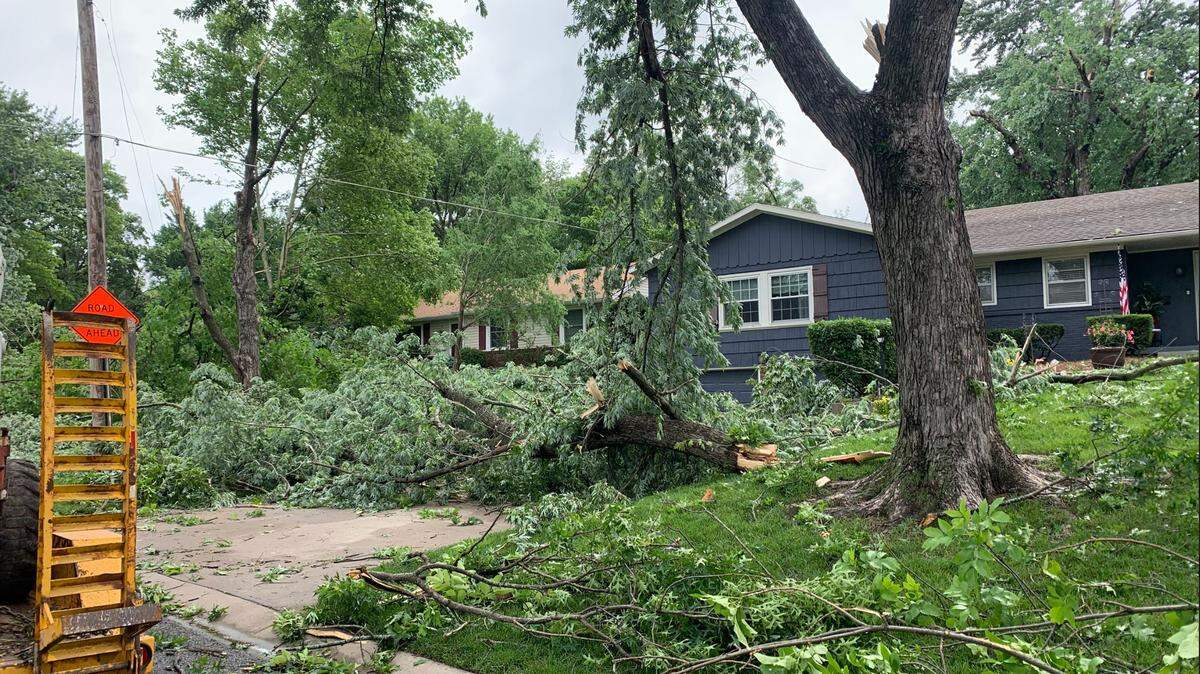
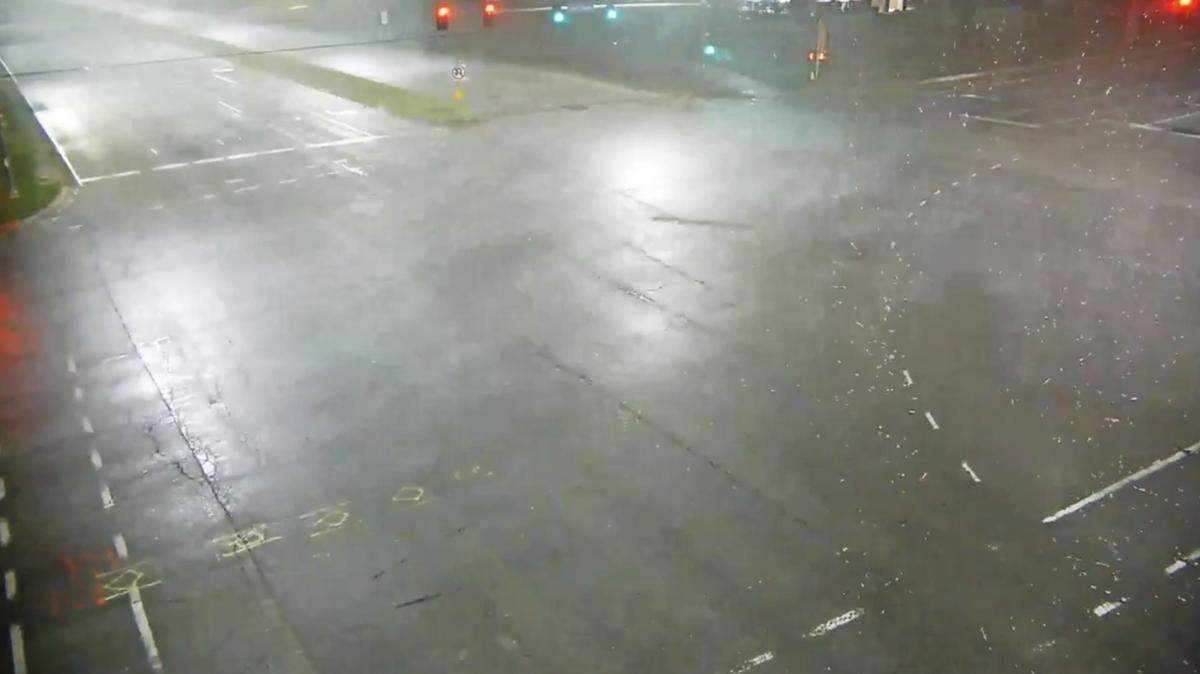
Multiple small tornadoes and a severe thunderstorm hit the Kansas City metro area last night, causing damage to trees, power lines and property. Some areas of the city lost power and heard sirens in the early hours of Wednesday morning.
Local officials are still investigating the extent of the damage, but many residents are wondering: What really happened last night?
The Star spoke with a meteorologist at the National Weather Service, who explained some key characteristics of the storm that moved through the metro last night, and why some didn’t seem to hear about it until the last second.
What kind of storm hit Kansas City?
Meteorologist Julie Adolphson, who leads the Kansas City office of the National Weather Service, says that the metro experienced what experts call a “quasi-linear convective system,” which is a storm that forms along a long line and can create small tornadoes on its edge.
“They’ll form and they’ll do some damage… but as far as the range of tornadoes and the damage that they cause, these types of tornadoes with this type of storm are usually brief and usually not as significantly damaging,” she said.
That’s not to say that last night’s storm wasn’t severe—just that the tornadoes it created were not the most severe type.
Adolphson said that the damage evident around the metro was likely caused by tornado activity in some places and strong winds in others. Most areas of the city only saw the latter.
“If you were in a place where that brief tornado impacted you, it’s significant,” she said. “But there’s lots of damage outside of that line… that other damage is likely caused by straight-line winds.”
She added that winds from this kind of storm typically reach around 60-80 miles per hour. That’s strong enough to do damage to trees and some infrastructure, but not severe enough to level buildings or cause widespread destruction.
Why was there so little warning before the tornadoes hit?
These kinds of tornadoes from “quasi-linear” storms form quickly on the edge of the storm front, and their short-lived nature makes them difficult to predict in advance.
“These types of tornadoes are generally brief, they’re difficult to see because there’s a lot of rain going on… and it can be very difficult to get adequate time in advance to [warn] people,” Adolphson told The Star. “They literally can form anywhere on a line that can be as long as a hundred miles north to south.”
She added that many weather stations record storm data every four minutes—but this kind of tornado can form, touch down and dissipate all within that brief window of time.
What is a ‘spin-up’ tornado?
This term has been flying around Wednesday morning, but Adolphson says not to worry about it too much. This is just a colloquial term that meteorologists use to describe the short-lived, relatively mild tornadoes that can form on the edge of a storm.
How many tornadoes touched down in Kansas City overnight?
At this time, we don’t know for sure. Meteorologists from the National Weather Service are on the ground right now surveying the damage and using wind-speed data to reconstruct last night’s events.
Preliminary information released by the NWS rated one tornado an EF1, meaning it was relatively weak in terms of wind speed and destruction. Its wind speeds reached up to 100 mph and its track was around 14 miles long.
Adolphson told us that the NWS is expected to release an official report this afternoon that will share the total number of tornadoes recorded, where they touched down around the metro and how severe they were. We’ll update this story once that report is released.
Do you have more questions about severe weather in Kansas City? Ask the Service Journalism team at kcq@kcstar.com
This story was originally published June 8, 2022 at 11:53 AM.
.jpg)