
Everyone knows Kansas City has a trash problem. But are lidded garbage bins the fix?
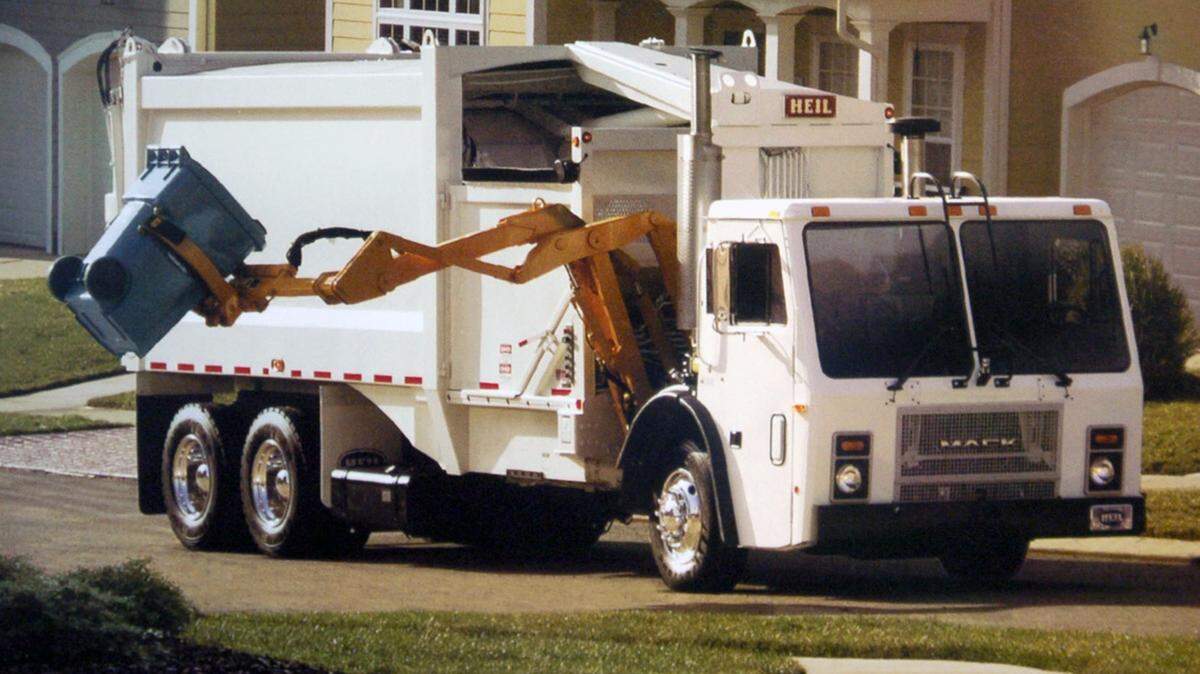
Kansas City has a major trash problem: Blowing litter on streets and highways. Dangerous illegal dumping. Sporadic bulky item pickup.
Concern about this essential public service is high. Only one-third of Kansas Citians were happy with the “cleanliness of city streets and public areas” in a 2020 survey, far less than the 55% average in large cities. And 4 out of 5 residents were dissatisfied with the proliferation of illegal dumping sites.
The recent decision to use only city workers for trash collection has likely improved this picture, but it has been expensive. This year, Kansas City taxpayers will spend more than $42 million to pick up more than 85,000 tons of non-recycled garbage from homes, duplexes and small apartments.
It’s against this backdrop that the full City Council will meet Thursday to discuss an escalation in the city’s war against trash. Six council members have offered an ordinance allocating $17 million to purchase trash receptacle carts and recycling bins for use throughout the city.
This discussion is welcome — and overdue. At the same time, we urge extreme caution: Seventeen million dollars is a lot of money, and it’s only the beginning. By some estimates, taxpayers will have to shell out $54 million over the next 10 years to maintain the lidded trash receptacle program.
That spending might be worthwhile if it dramatically reduced trash and littering in Kansas City. It isn’t immediately clear that would be the case. Lidded trash bins can be effective when they’re used properly, but that doesn’t always happen. They would not affect illegal dumping or highway littering, or address the need for more bulky item pickup.
Mayor Quinton Lucas is skeptical. “There is too much trash in many parts of the city,” he said, but “just putting something in a bin doesn’t mean we’re going to clean (it) up,” particularly in the poorer parts of the city, where illegal dumping is rampant.
Rather than spend $17 million all at once, the City Council might consider a phased-in approach, buying lidded trash carts for specific neighborhoods as part of an overall test of trash reduction strategies. At the end of such a test period, City Hall would have a better idea how residents responded to the carts.
Such a program should be linked with other important reforms: aggressive investigation of illegal dumping and rapid clean-up of trash sites, litter mediation, improved recycling promotion. This so-called “holistic” approach would address all types of garbage and trash enforcement.
A test would provide a better cost estimate, too.
There are plenty of neighborhoods that would be happy to participate. According to the 2020 residents’ survey, dissatisfaction with trash services is highest in Kansas City’s poorest areas and with Black residents. A targeted test program on the East Side sounds like a good place to begin.
The bins should be provided to those residents free of charge. Lucas says he’ll offer a proposal allowing others to rent the carts, which would dramatically reduce the cost to taxpayers.
There is a broader issue here. Supporters of the $17 million ordinance say some of the money — $6.2 million — would come from the broad federal COVID-19 relief program known as the American Rescue Plan. It’s a way, they say, to lower costs to local taxpayers.
But COVID money won’t last forever. The City Council must pay much more attention to accumulating ongoing expenses, particularly since it may soon be forced to spend more on the police department.
A decision to buy a covered trash bin for virtually every resident is a major policy decision that should be considered carefully, especially for its long-term impact. The council must pay close attention before committing to such a program.
Fixing Kansas City’s trash problem will be expensive no matter what the council decides in the weeks ahead. Kansas Citians will likely support that spending — they’re as tired of trash as anyone — but they’ll want to make sure the trash problem is fixed.
The City Council should pursue a program that does that before signing the check.