Going green in Kansas City: here are five ways to fight climate change from your home
READ MORE
Climate change in Kansas City
The effects of climate change, including more extreme weather, are being felt across the Kansas City region. Here’s what’s being done and how you can help.
Expand All
It’s easy to feel overwhelmed by the magnitude of the climate crisis. Our new Service Journalism team has heard from readers who want to do something about it here in Kansas City and are looking for places to start.
We talked to local activists and experts about how you can live a more sustainable life—and even save some money while you’re at it.
Here are five easy things you can do at home. We’ll also share stories in the coming days about ways you can plug into other climate justice work happening in the city.
1. Compost your food waste
Food waste that ends up compressed in a landfill is a huge source of methane, a potent greenhouse gas that’s even worse for the planet than excess CO2. Luckily, it’s easy to turn your unwanted food scraps and lawn clippings back into rich, organic soil. Whether you’re an eco-enthusiast or a total novice, support is available in Kansas City to make composting clean, easy and fun.
Curbside composting services:
Compost Collective KC: Food waste, food soiled paper and lawn clippings
Food Cycle KC: Food waste and food soiled paper, no lawn clippings, Kansas only
Compost Connection: Lawn waste including wood only
Drop-off composting services:
KC Can Compost: five drop-off locations, monthly fee with unlimited drop-offs
Compost Collective Bin Swap: 12 drop-off locations, pay per drop-off
Urbavore Urban Farm: Free compost drop-off, food waste only
Missouri Organic Recycling: Lawn waste only
“There are a lot of things that we can do [for the planet] that are very achievable that don’t take government intervention or total systematic changes,” said Dan Heryer, co-owner of Urbavore Urban Farm and a managing partner of Compost Collective KC. “Compost is one of those things.”
2. Reduce plastic consumption
While you may be noticing a slow shift away from gas-powered vehicles and machinery, the fossil fuel industry is stronger than ever in one particular sector: the creation of plastics. Plastic-based materials take hundreds of years to degrade, meaning every plastic item you’ve ever owned still exists somewhere on the planet.
“That’s really our next big crisis: the plastics that are overwhelming the world,” says Bob Grove, president of the Climate Council of Greater Kansas City. His group hosts workshops to help city residents reduce their environmental footprint in ways including removing plastic from their lives.
Here are a few ways you can easily make the switch to more sustainable materials:
Buy clothing made to last rather than “fast fashion” that will fall apart quickly.
Use reusable containers made of sturdy materials like cloth, glass and metal.
Avoid wearing fabrics made from plastics like polyester, nylon and acrylic.
Invest in a reusable water bottle and encourage others to do the same.
Shop from companies that have committed to eliminating wasteful plastic packaging.
3. Improve your energy efficiency
The cost of utilities like electricity and natural gas can add up quickly—and you may be paying more than you need to. Energy-saving appliances, better insulation and other home improvements can help you waste less energy while saving money.
“People have a lot of ability to change how their utility works,” said James Owen, president of the nonprofit group Renew Missouri. His group helped advocate for a new Evergy program called PAYS (Pay As You Save), which allows homeowners to reduce their energy bill by enlisting the utility company itself to make efficiency improvements. The cost of these improvements is applied to future utility bills, but the total bill must still be lower than what you were paying before. You can learn more about the program on Evergy’s website.
“I think that is a massive opportunity for Kansas City,” Owen said. “The energy efficiency improvements have to reduce your bill. I’ve been trying to get a utility to try it in Missouri for six years, and all of them are doing it now. It’s great.”
4. Plant native plants
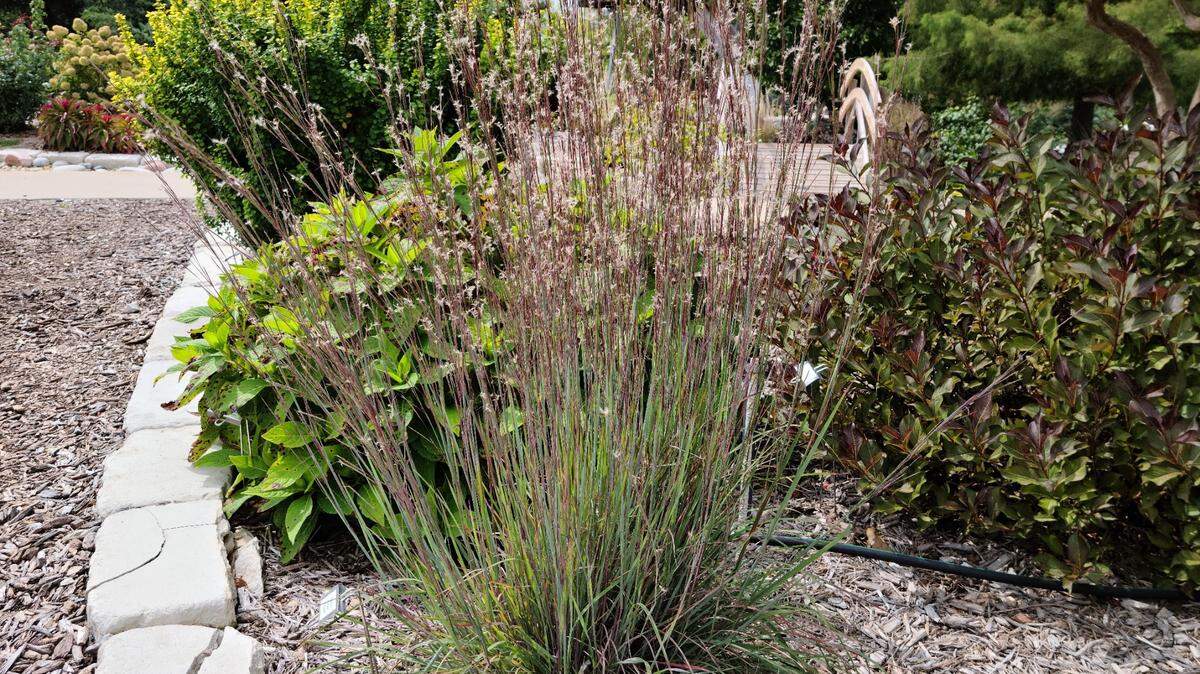
You don’t need to be a master gardener to plant something beautiful. Whether you’re working with a window box or a sprawling backyard, native plants help natural ecosystems thrive. Deep Roots is a local organization that educates the public about the benefits of native plants, which include:
Their deep roots trap more carbon than non-native plants do.
They attract more pollinators and native insects to keep the local ecosystem thriving.
Their roots help to prevent flooding by slowing down rainwater and filtering out pollutants.
These resilient plants thrive without the need for any chemicals or constant tending.
“When I teach people to plant, or when my organization does, I know that we’re having a positive impact,” says Stacia Stelk, Deep Roots’ executive director. You can learn more about native plants and other eco-friendly landscaping tips from Deep Roots’ webinars.
5. Cultivate resilience
The challenges facing our planet are too big for any one person to handle alone. But many people feel as though they’re carrying the mental weight of the climate crisis without any support. That’s why Kansas City’s Sami Aaron founded The Resilient Activist, a group aimed at addressing climate anxiety and grief.
“I really encourage people to… step into some sort of holistic practice, whether it’s yoga, meditation, tai chi, anything that connects mind, body and spirit, so they can find the way to separate their activism from their reaction to their activism,” said Aaron. Her organization hosts meditation classes, mindfulness workshops and discussion groups for activists dealing with the mental toll of environmental injustices.
“When people think they’re alone… it’s demoralizing,” she said. “We really recommend that people be in community on a regular basis so they have that support.”
This story is from The Star’s new Service Journalism team. We’re here to share information that makes it easier to navigate local challenges and participate in the Kansas City community. Have a question for us? Fill out the form below or email us at kcq@kcstar.com.
This story was originally published November 30, 2021 at 5:00 AM.
.jpg)