This Kansas tribe is using climate-friendly farming to bring tofu to a store near you
READ MORE
Regenerative agriculture
In Kansas and Missouri, farmers are using regenerative agriculture to do better business and mitigate climate change.
Expand All
A few years ago, the Iowa Tribe of Kansas and Nebraska, which farms a stretch of land in northeast Kansas, was hurting.
It was spending more and more money on pesticides, and staple crops like corn and soybeans were not bringing in enough revenue for the tribe, which has about 5,000 members worldwide and a reservation outside of White Cloud.
The chemicals were also harming the reservation’s land, air and water sources. The tribe’s executive committee considered leasing all of the land out.
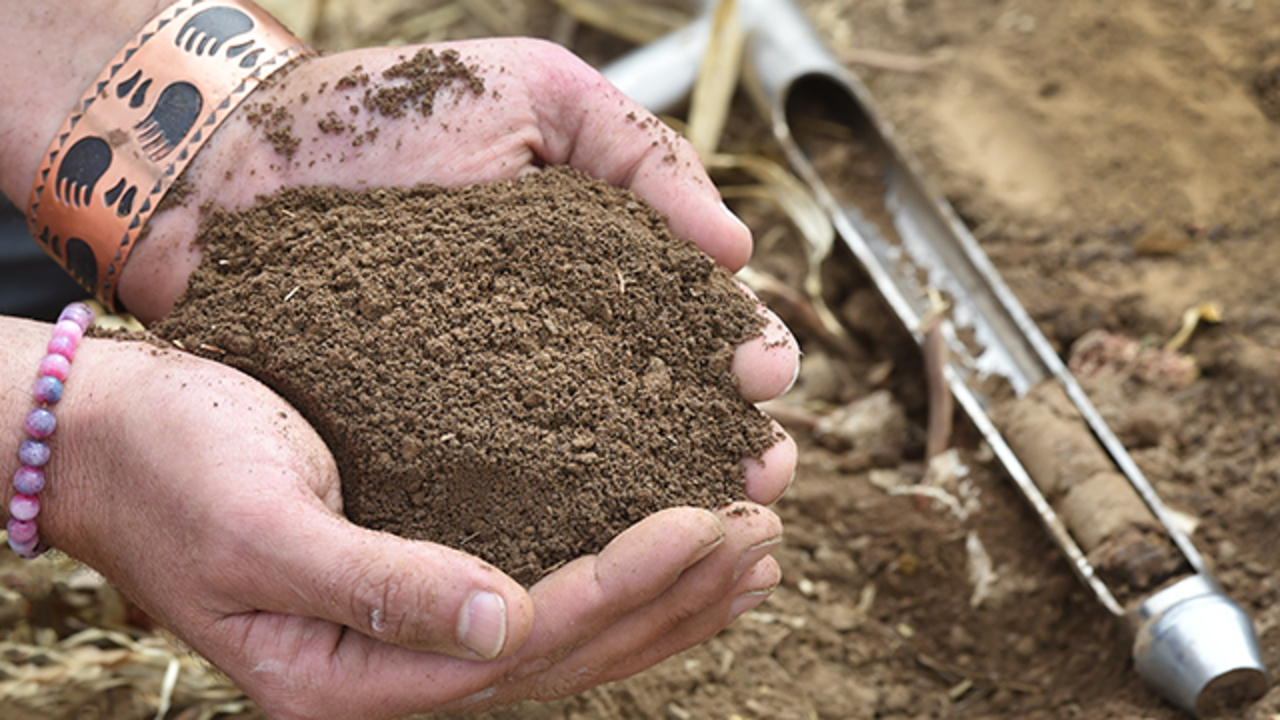
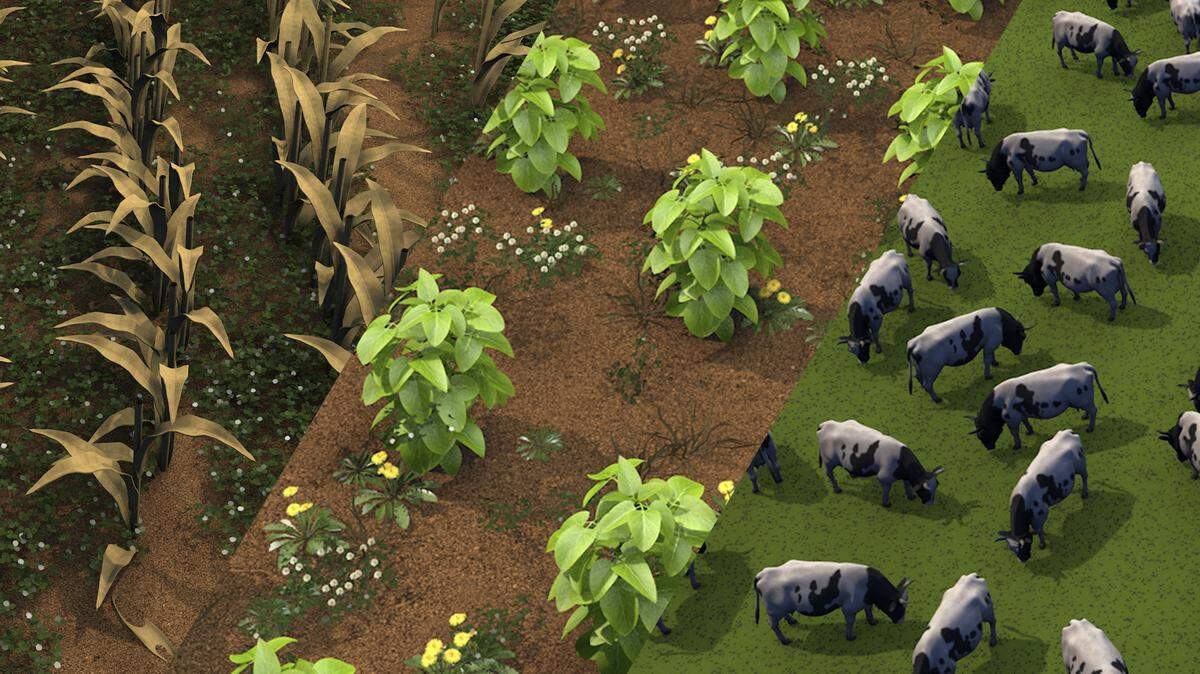
But instead, tribal leaders began looking to regenerative agriculture, which is centered on improving soil health. Common practices include reducing tilling, planting cover crops, diversifying plants and rotating livestock on grazing land.
It’s through those methods that their farming business is making a comeback. Last month, the tribe delivered its first batch of soy, regeneratively grown, to Central Soyfoods in Lawrence.
There, it’s made into tofu and distributed to grocery stores: the Merc Co+op in Lawrence and Kansas City, Kansas, Kroger stores, Natural Grocers, Nature’s Own and Whole Foods.
It is also sold to restaurants, including Zen Zero and Ramen Bowls in Lawrence, and Blue Bird Bistro, The Fix and The Mixx in Kansas City.
Central Foods owner Martin Naigaard touted the protein content of the soybeans from White Cloud.
“I’ve gone through a couple different vendors over the last couple of years and they’re hands-down the best,” he said.
“Our company wants to reduce our environmental impact as much as we possibly can and we thought that finding a regeneratively grown soybean would be the first step in that process for us.”
Experts say regenerative agriculture produces superior crops but can also benefit the environment, even helping mitigate climate change through carbon sequestration, while also increasing crop yields and supporting rural communities.
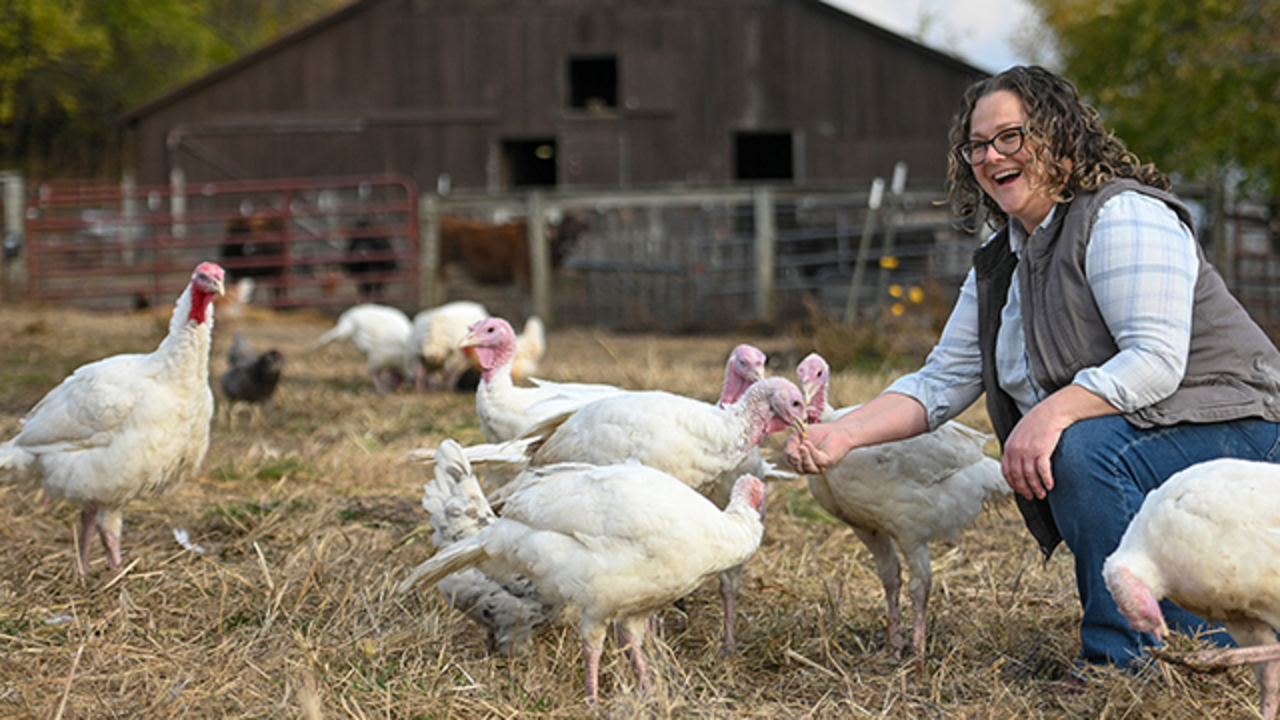
The tribe hopes to be 100% regenerative next year across all of their operations which includes cattle, eggs, hemp, and fruits and vegetables, said Timothy Rhodd, the tribe’s chairman.
“In Native American cultures, we are taught to look seven generations ahead,” Rhodd said. “That’s what we’re trying to do is create a system that is fully functional for when we’re dead and gone, future generations have land that is healthy and able to grow the food that they need.”
A leader’s vision
Rhodd grew up on the reservation and distinctly remembers sitting in a tribal member’s house as a young child, who encouraged him to one day leave for something more prosperous.
He chose to stay.
A few years ago, when the tribe’s farm was struggling, Rhodd helped start the transition to regenerative farming including using cover crops, interplanting crops and rotating livestock to different paddocks. Doing so has helped improve soil quality, which they analyze using a method called the Haney Test.
Regenerative practices work with nature — not against her, Rhodd said.
The changes have brought a new vitality to the community. So far, they have been able to reduce pesticide use and seen an increase in biodiversity. They’ve increased bee production from two hives to 80, an orchard has been re-established and the tribe has received a USDA grant that will help market their beef to distribute in Kansas and Nebraska.
“Tim is a visionary,” said Elyse Towey, the tribe’s treasurer, who is looking into re-introducing buffalo to the area.
One day in September, Rhodd gazed up as four eagles flew high above the land, their distinctive white tails flitting against the blue sky. As he made his way to a nearby chicken coop, he explained that the coop will eventually be rotated to a different area, giving the land its on time to rest and renew. He also said he is concerned about the health challenges faced by Native Americans including high rates of diabetes, heart disease and cancer.
In addition to environmental benefits, regenerative agriculture, he said, can provide more nutrient-dense food. Some of the produce they raise is used at a daycare and meal site on the reservation as well as the tribe’s casino.
“Our ultimate goal is to start with the health of the soil and our end goal is human health,” Rhodd said.
Regenerative hemp
One of the tribe’s biggest successes so far has been in hemp production.
The Iowa Tribe was the first in Kansas to receive an industrial hemp license and the fourth tribe in the U.S.
Last year, a team embarked on planting and harvesting — all by hand — its first hemp crop on 12 acres of land on the reservation. They also had to establish a lab where THC levels could be tested and begin developing products including CBD oil, hemp bricks that can be used for building and Soje hemp cigarettes. The word “soje” means smoke in Ioway, the tribe’s native language. The three cigarette blends — original, mint and floral — contain CBD and no tobacco or nicotine.
Artees Vannett oversees economic development with the tribe. He said Soje was a way to incorporate Native traditions like smoking with what was being grown on the reservation.
“Tribes have used various medicinal herbs for smoking for millennia,” he said. “When you bring smoke into your lungs and then you blow that out, you’re blowing the smoke into the sky so the Creator can partake in that as well.”
While tobacco is also sacred in Native American cultures, hemp cigarettes are a healthier alternative, he said. They can be purchased at some 7-Elevens and online.
The expansion into hemp is providing eight jobs on the reservation.
This year, about 30,000 plants were seeded in April, planted in June and July, and harvested in the early fall.
James Lunsford, a farm supervisor, said he’s been surprised to see how well the crop has done without the use of chemicals and that regenerative practices are “making a huge difference.”
Out in the field, bright green, fragrant hemp plants are interspersed with heirloom watermelons. A diversity of plants helps enrich the soil and keeps living roots in the ground. In between the rows, native prairie grasses have been left to grow wild. Other patches of the field are covered with straw, which helps locks in moisture and microbes, keeping the soil active.
Vannett said they have noticed an increase in beneficial insects and lower rates of disease. He hopes that eventually hemp, with its deep roots, also improves water infiltration and carbon sequestration.
“The tribe only has this land,” Vannett said. “This is their reservation. We have to do all that we can to protect it for the next seven generations and that’s really the greatest mission for us is to really restore the landscape.”
This story was originally published December 1, 2021 at 5:00 AM.