Want to fight climate change? Buy turkeys, beer and veggies grown with this new method
READ MORE
Regenerative agriculture
In Kansas and Missouri, farmers are using regenerative agriculture to do better business and mitigate climate change.
Expand All
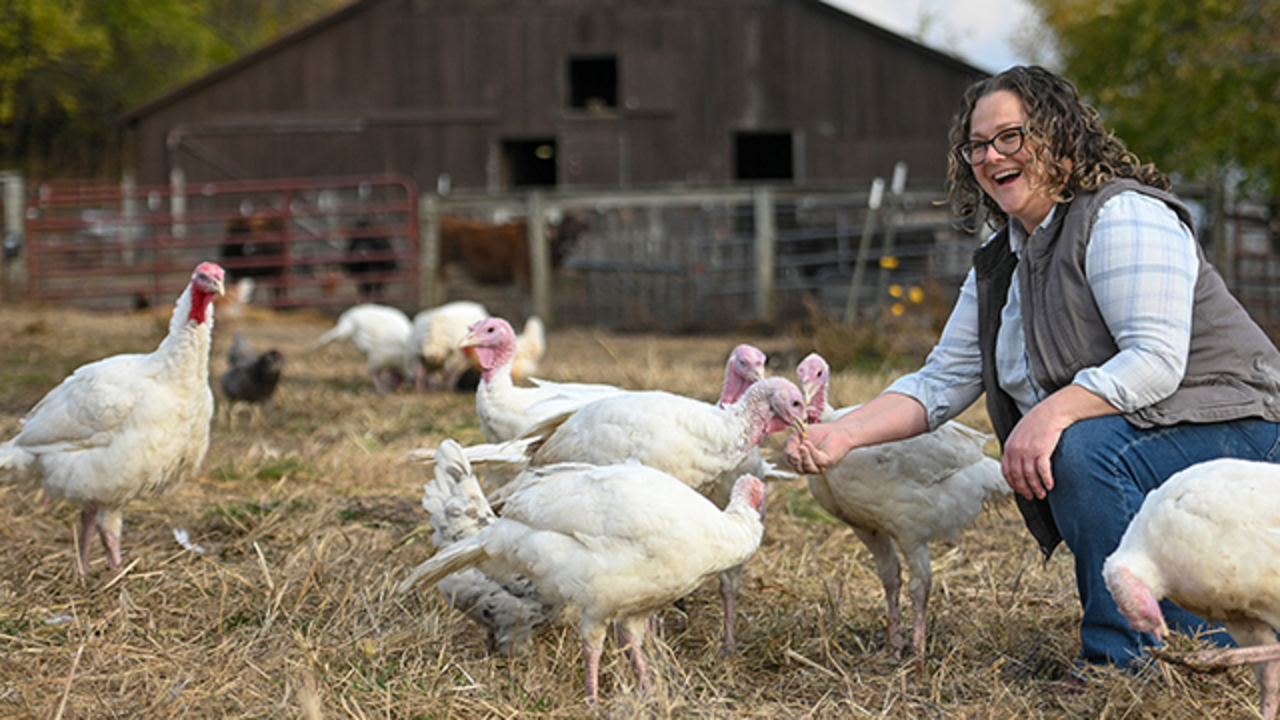
At about 100 homes around the Kansas City area this Thanksgiving, the turkey on the table wasn’t just a meal.
It helped fight climate change.
Those birds came from Moxie Farms, about 30 minutes north of Kansas City. It’s one of a growing number of farms across Missouri and Kansas that have adopted regenerative agriculture, a practice designed to improve soil and counteract climate change.
“In regenerative agriculture, it is the soil that is the backdrop for everything that you do,” said Jennifer Vahldick, who established Moxie Farms 17 years ago. “And so feeding the soil and having as much positive impact that you can on that space, is very important.”
The turkeys she raised this year were distributed as part of the farm’s community-supported agriculture program, or CSA. But more and more, shoppers around the Kansas City area can find regenerative products, from beer to tofu, on store shelves.
As the impact of climate change continues to be felt locally and globally — from rising temperatures to devastating droughts, as well as the existential threat felt by many — such products are one more way consumers can vote with their dollar.
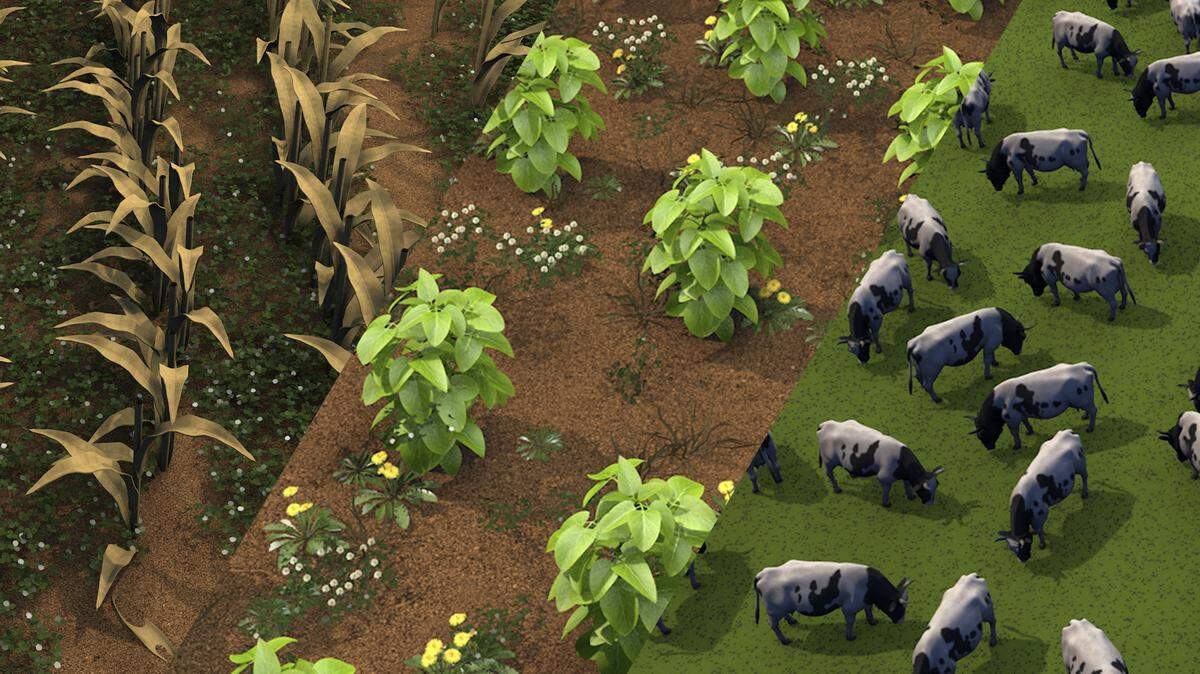
Regenerative agriculture includes methods like rotating grazing areas, diversifying crops and reducing or eliminating tilling. Those practices result in better soil and more roots in the ground which in turn helps sequester more carbon from the atmosphere.
While it may sound like too simple a solution, researchers say it can make a difference on a large scale. And it’s growing across Missouri and Kansas.
Cover crops are used on about 1 million acres in Missouri, more than doubling since 2012, according to Rob Myers, faculty director at the Center for Regenerative Agriculture, which was launched earlier this year at the University of Missouri.
Across the state line, Kansas has the highest number of no-till acres of any state.
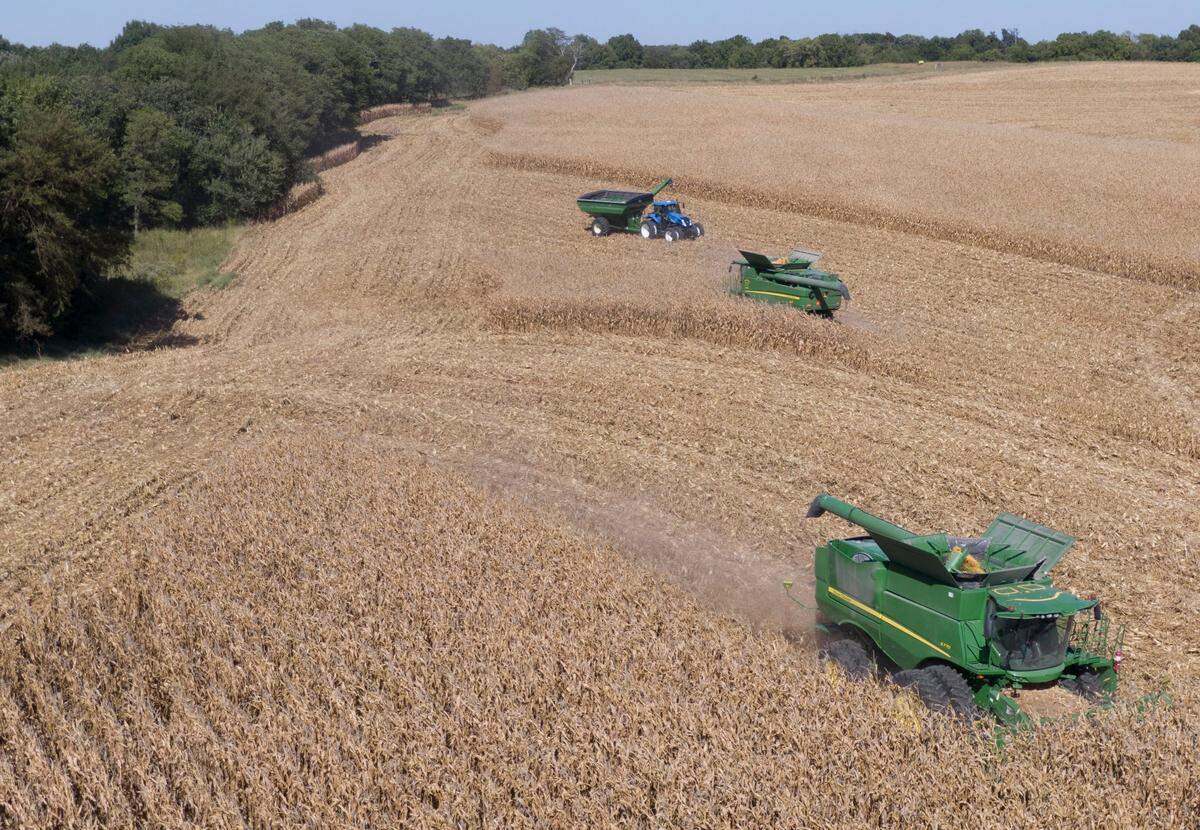
Even large companies have come on board with regenerative practices. General Mills has supported farmer training in Kansas on soil health management so they can improve the grains used in cereal, crackers and bread, said Candy Thomas, a soil health specialist with the National Resources Conservation Service, which is part of the U.S. Department of Agriculture.
Regenerative agriculture, Thomas said, is “one of the most fundamental, biggest changes that landowners as a whole can make across their farmscape and see some really huge benefits.”
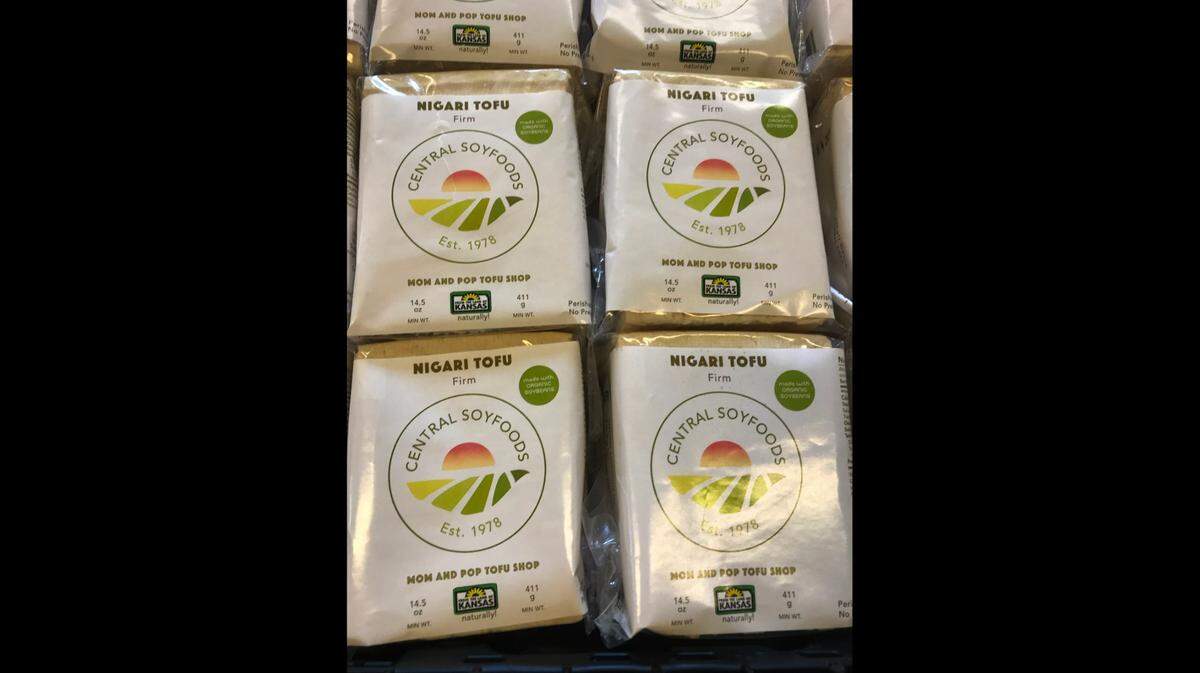
For people visiting local farmer’s markets and grocery stores, there are a growing number of options including produce sold at the KC Farm School at Gibbs Road in Kansas City, Kansas. There’s also soy grown on the Iowa Tribe’s reservation near White Cloud, Kansas, which is made into tofu by Central Soyfoods in Lawrence. It’s now distributed to several grocery store chains as well as restaurants in Lawrence and Kansas City. And there’s cereal and beer made from a special grain developed by The Land Institute in Salina.
Shane New is a farmer in Holton, Kansas, who owns 1,100 acres and raises beef, pork, lamb and honey. His adult children help run the farm’s direct business on Facebook and participate in the farmer’s market in downtown Topeka.
He’s also a partner with Understanding Ag. The organization is in the process of developing a certification process similar to the now common organic certified label. New said they hope to make an announcement on the certification’s launch in the next six months.
“We want to be the gold standard, “ he said.
“We want a consumer to know that if it’s coming from a regenerative operation, not only are they buying a very wholesome product, but they’re also helping influence water quality, they’re also helping influence air quality, they’re also helping influence good habitats for wildlife.”
‘Treat the land well’
Vahldick, who was born in Kansas City, never expected to become a farmer.
When her mother became ill several years ago, Vahldick began searching for nutrient-dense food that would help improve her mom’s diet.
“I tried to start sourcing foods in the Kansas City area that were homegrown,” she said.
She found few options. So Vahldick set off, intending to buy one dairy cow to ease her into learning more about homesteading. She brought home eight.
Through “a lot of trial and error” she started Moxie Farms, which now sprawls across 60 acres, tucked into a secluded edge of Smithville Lake.
Vahldick, her husband Matt and their five children who range in age from 6 to 24, run the farm.
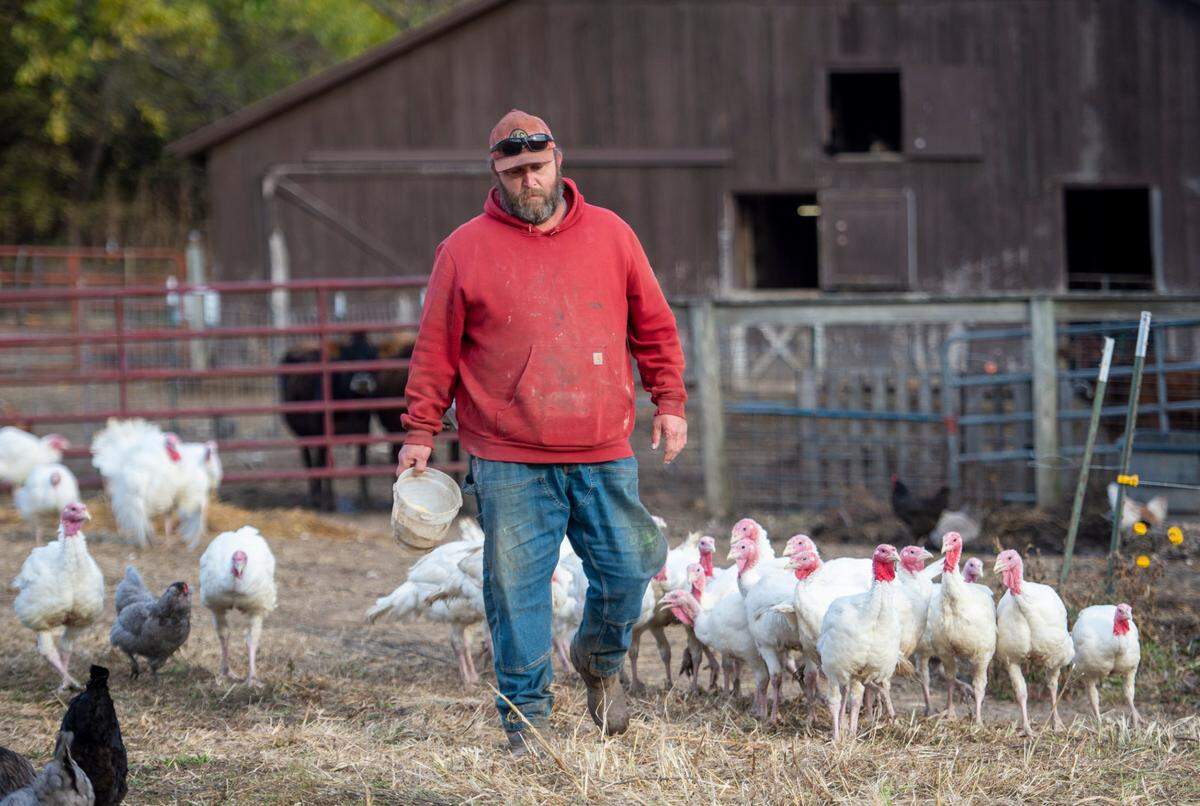
This year they raised about 100 turkeys ahead of the Thanksgiving holiday.
The turkeys grazed on specific sections of pastureland, a tenet of regenerative farming known as adaptive or rotational grazing. That gives other areas of the farm time to rest and renew. Land is subdivided based on acreage and the number of animals as well as other factors such as rainfall. They graze for an allotted amount of time and then are rotated to a different plot.
“We treat the land well,” Vahldick said. “And that is important to us because we want to be good stewards of the land. It’s just something that we’re passionate about.”
On the farm, they have diverse livestock and vegetables, feed excess vegetables back to livestock and compost animal manure.
“These systems, they feed each other, they support each other,” Vahldick said.
“And as we’re doing these things, we are creating an end product for the consumer that is a nutrient dense food. So this system takes us from being kind stewards of the land and walks us all the way up through the secondhand product, which is actually the food.”
Many regeneratively grown products are sold through direct marketing. Moxie Farms runs a year-round CSA where subscribers regularly receive a variety of fresh, local food.
What is regenerative agriculture?
Regenerative agriculture is thought of as a set of available practices.
“Regenerative agriculture means different things to different people,” said Myers, with the Center for Regenerative Agriculture. “But one of the common elements is improving soil health.”
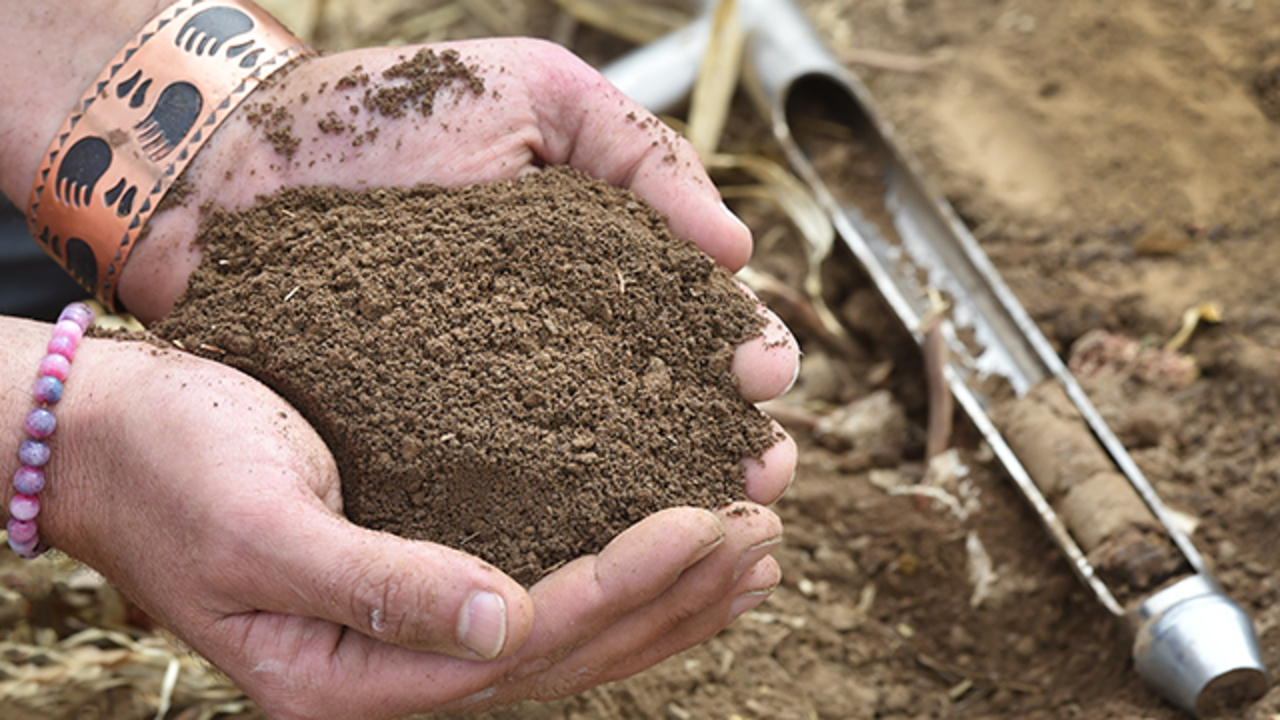
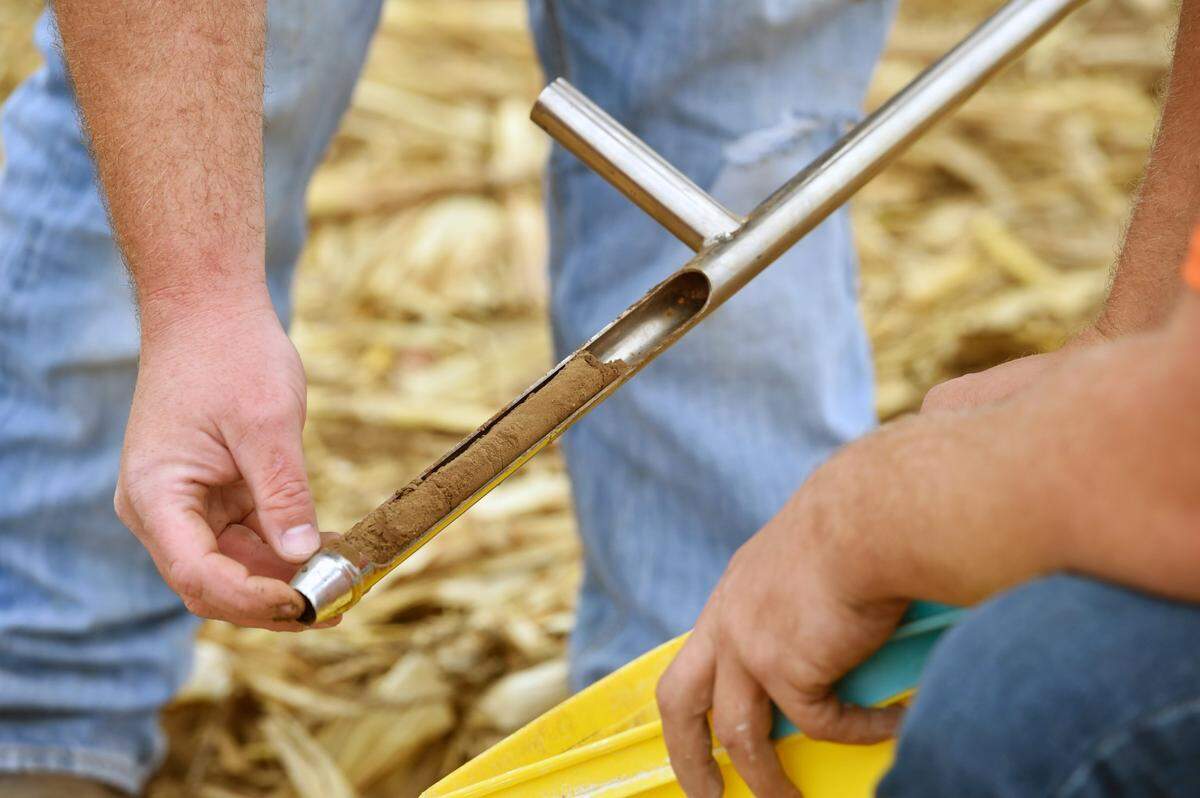
One way to do that is through cover crops. Instead of being harvested, cover crops are planted to cover the soil which helps the ground become richer, slows erosion and sequesters carbon.
The primary way regenerative practices can fight the climate crisis is through carbon sequestration. Plants and soil microbes naturally capture carbon. More plants, through cover crops, and healthier soil, leads to more sequestration. And when tilling is reduced, the ground is disturbed less, leaving more carbon in the ground instead of being released back into the air.
The 20 million acres of cover crops in the U.S. eliminates the equivalent of carbon dioxide emitted by 12.8 million vehicles, initial research has shown, Myers said.
Although it takes about three years for farmers to break even on something like cover crops, Myers said he’s seen positive results. Once soil health improves, yields go up and the need for fertilizer — and the expense that goes along with it — goes down. That helps mitigate climate change because nitrogen, one of the most common elements in fertilizer, is energy intensive to make. Its use also leads to the release of nitrous oxide, a greenhouse gas, into the atmosphere.
While more research is needed to see what works best — some cover crops may be more effective based on their biology and geographic factors — Myers said switching to regenerative farming should be a priority.
“I don’t think we should hold off on doing the practices while we get more data on the exact amount of carbon because we know we’re making progress and it’s worth doing,” he said.
Those efforts may be bolstered by the Build Back Better Act going through Congress which includes $5 billion for farmers who establish cover crops over the next five years.
In addition to regenerative agriculture’s economic and environmental benefits, Myers said there are wider implications including sustaining rural communities and building a stabler food supply.
Gaining momentum
Early adopters of regenerative agriculture once felt like outcasts for turning away from “traditional” farming that relied on things like tilling and heavy pesticide use. Many farmers still remain resistant.
But a network of farmers that have embraced regenerative practices is growing throughout Kansas and Missouri.
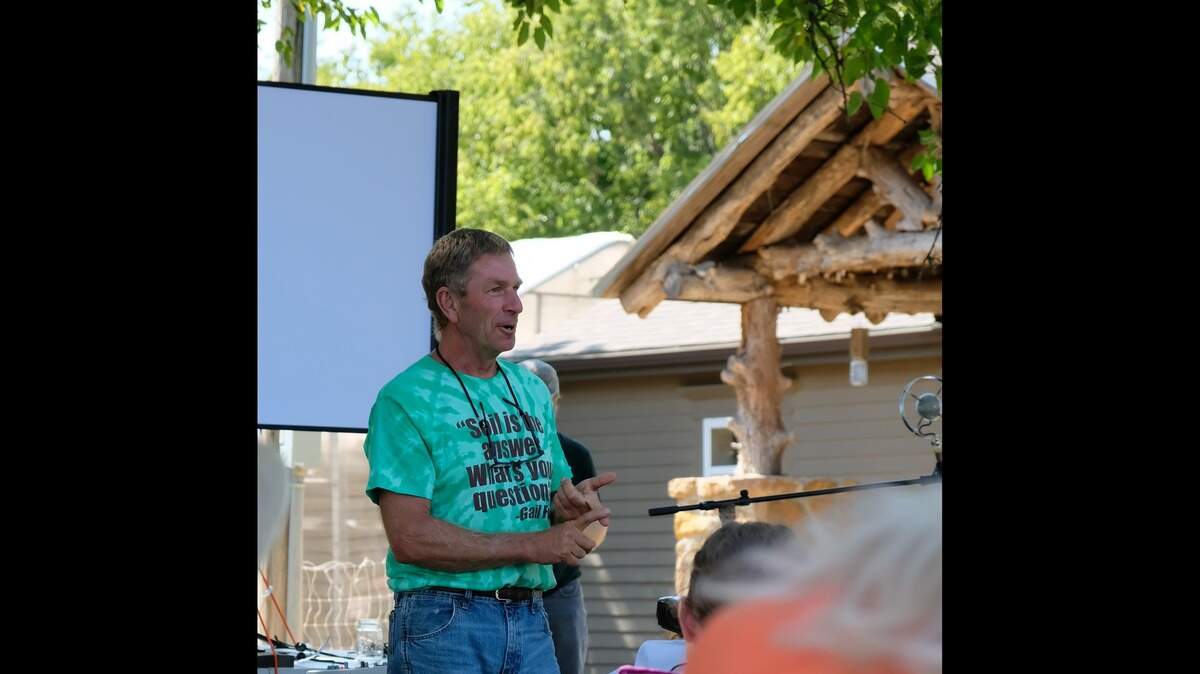
For the past 10 years, Gail Fuller has organized a field school that has promoted regenerative farming. Once a self-described “fringe group,” the two-day course this year in Severy, Kansas, drew more than 100 farmers, ranchers and researchers.
One year ago, Jess Gnad co-founded Great Plains Regeneration. Based in Kansas, the organization’s goal is “to highlight that healthy soil can create healthy plants, healthy animals and healthy people,” she said.
And Kansas has the highest number of no-till acres of any state, according to DeAnn Presley, a professor of soil science at Kansas State University.
On the Missouri side, the Center for Regenerative Agriculture is engaged in research and providing educational programs for farmers.
“There are literally hundreds of (farmers) in Missouri that have been making these changes,” Myers said.
“We have a lot more fields to keep improving on, but there’s really good momentum.”
In southwest Missouri, Ray Archuleta has become a leading voice in the field.
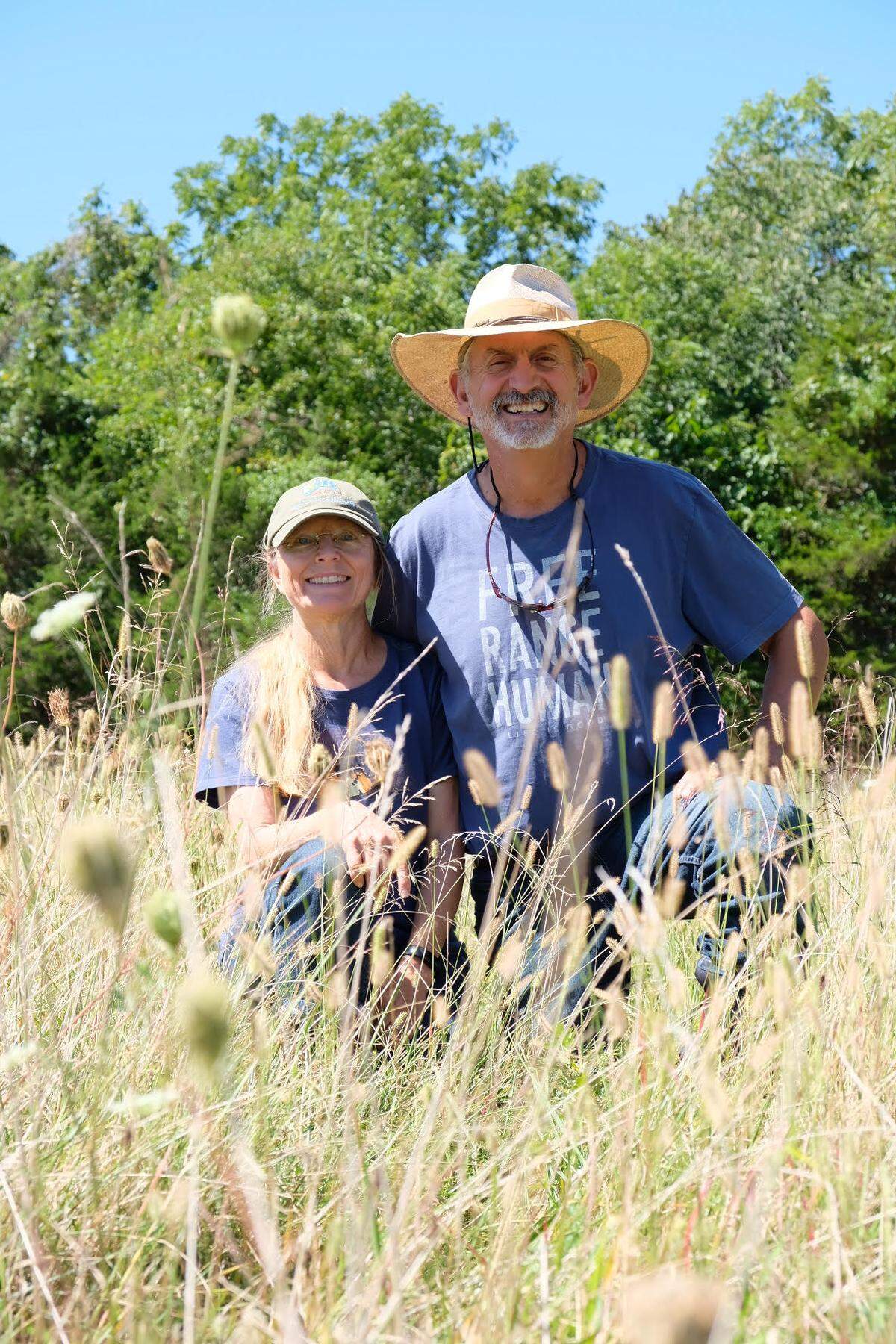
Last year, he was in “Kiss the Ground,” a documentary on regenerative agriculture that also featured actor Woody Harrelson. The film is available on Netflix.
“Regenerative is renewal,” Archuleta said. “It’s a renewal system.”
For 30 years, Archuleta worked for the National Resources Conservation Service which spent billions trying to address agricultural problems. He watched as farmers went bankrupt and decades of overgrazing, tilling and pesticide use left natural systems polluted, land prone to erosion and the ground bare to absorb more heat from the sun.
“Why is nothing getting fixed?” he found himself asking around 2005 during an “epiphany” which led him to regenerative agriculture.
In many ways, the concept behind regenerative agriculture is simple: to mimic nature — its patterns, principals and architecture.
“Regenerative agriculture, it really is a journey,” he said.
It’s brought him to a 55-acre farm of his own which he operates with his wife Sonja. On a sunny August day, they rotated a herd of sheep to a different section of land.
“Now that’s beauty there,” Archuleta said as he gazed at the ewes munching on native plants and grasses that had had 46 days to grow before being grazed on.
General Mills
Drawn to wheat production in Kansas, General Mills has hosted soil health academies in partnership with the Kansas Department of Health and Environment. At least 150 Kansas farmers have attended and two dozen farmers around Hutchinson and Cheney Lake, in south-central Kansas, have become part of their regenerative program, said Steve Rosenzweig, a senior soil specialist at the company.
Regenerative practices are expanding through companies like General Mills, which in 2019 committed to advancing one million acres to regenerative agriculture by 2030.
Products such as Pillsbury Cinnamon Rolls, which is owned by General Mills, use wheat from across the region, including regeneratively grown crops.
Rosenzweig said bringing consumers along on the regenerative journey will take some time. For one, more data is needed to be able to clearly communicate the impact. Certification could be beneficial, but some consumers are already feeling “label fatigue,” he said.
“It might just be more important to talk about the story,” he said. “There’s so many different ways into regenerative ag because it helps improve farmers’ economic resilience, and rural communities, which might resonate with some consumers, or the biodiversity story, which might resonate with others.”
Cascadian Farm, a subsidiary of General Mills, is also using Kernza in some of its cereals.
The grain was developed by The Land Institute in Salina. Because it’s a perennial, it does not have be planted every year which reduces tilling between crops. And having a root in the ground year-round holds the soil in place, resulting in less erosion, said Tessa Peters, the institute’s director of crop stewardship.
Fifteen farmers in Kansas are raising Kernza and nationally, it’s grown on about 6,000 acres.
The grain is used by companies including Patagonia Provisions and Columbia County Bread and Granola.
“They could never bring it to market if it doesn’t taste good,” Peters said. “In my opinion, it has a really nutty, delicious flavor that is appealing and makes it a viable commercial product.”
Brewing climate-friendly beer
While Understanding Ag continues to develop its certification process, some local products have already been branded as regenerative.
In partnership with Great Plains Regeneration, Willcott Brewing Company in Holton released a limited batch of beer called Farmer Eve earlier this fall. Six-packs were sold at retailers in Topeka, Lawrence and Holton, and it was on draft at the company’s tap room in Holton. Its label touts that wheat grown in Pretty Prairie, Kansas, was raised using regenerative practices.
Owner Sean Willcott said he does not consider himself a “treehugger.” But the principles behind regenerative agriculture drew him to the cause.
“The core concepts of taking carbon out of the atmosphere and putting into the soil, that just makes good common sense when we can do it in agricultural country,” he said.
Now sold out of the 310 gallons they made, Willcott said he is exploring opportunities for a new beer that will be 100% regenerative.
And there are other beers available including Crank Case, an IPA that’s made with Kernza.
Farmers market
The food sold at the weekly farmers market at the KC Farm School at Gibbs Road is not branded as regenerative, but most of it is.
Over the past few years, the farm has been converting its urban fields to regenerative practices like no-till, cover crops and interplanting.
The market runs from May to November, selling produce grown on the 14-acre farm, located just off of Interstate 635 in Kansas City, Kansas. While prices are listed, purchases are made on a “pay as you’re able” structure. Buyers can also use SNAP benefits.
“All of us have things we’re worried about, but something we can all get around is feeding our families and feeding our families food that doesn’t just taste good, but is good for them, that helps their bodies thrive,” said farm director Lydia Nebel.
The five-employee farm has switched to regenerative practices in recent years, and they’ve already seen positive results like less pest and disease problems.
“There’s all of these ways that farmers are trying to respond to these customers’ requests for more information and more transparency,” Nebel said. “That’s something really different when you know where your food is coming from.”
The organization also views regenerative agriculture through a holistic lens. That includes educational programming for area youth and supporting initiatives related to equity and inclusiveness.
“If we’re caring for the soil, but not for the people, then it’s not really regenerative,” said Nebel.
This story was originally published December 1, 2021 at 5:00 AM.