Missouri judge upholds Marcellus Williams’ conviction, death sentence despite lack of DNA
READ MORE
Death penalty in Missouri
Missouri executed four people in 2023. Amber McLaughlin, Michael Tisius, Johnny Johnson and Leonard Taylor, who maintained that he was innocent, all died by lethal injection. The state is one of five in the country that carried out executions last year.
Expand All
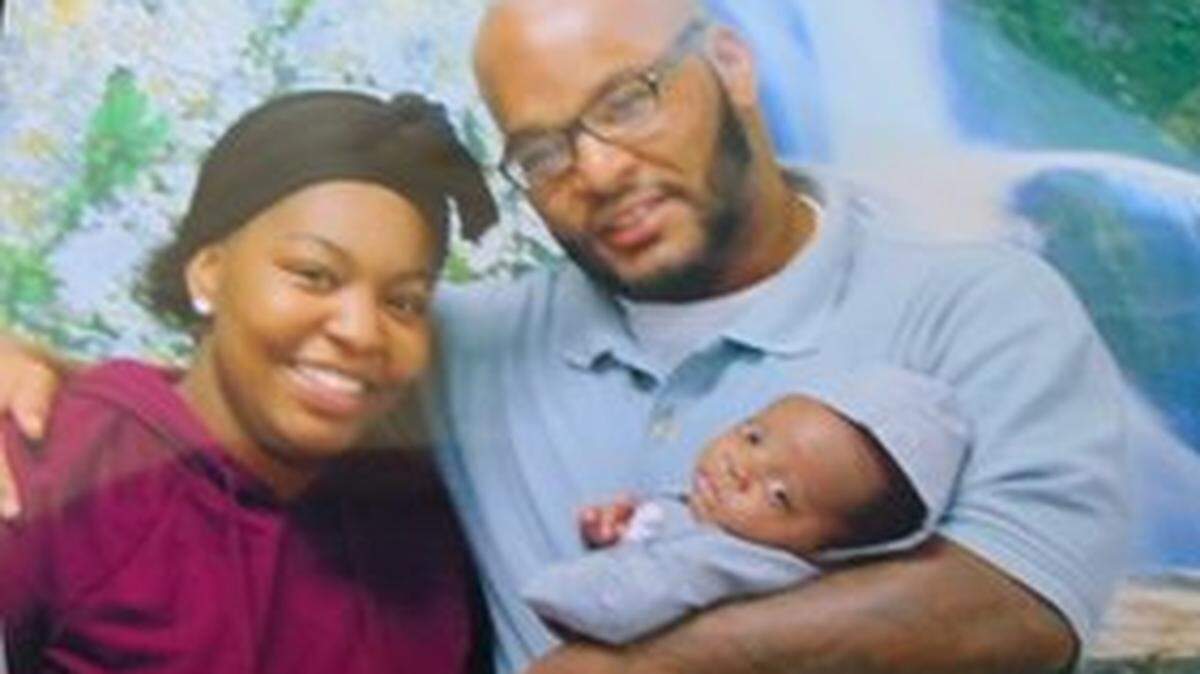
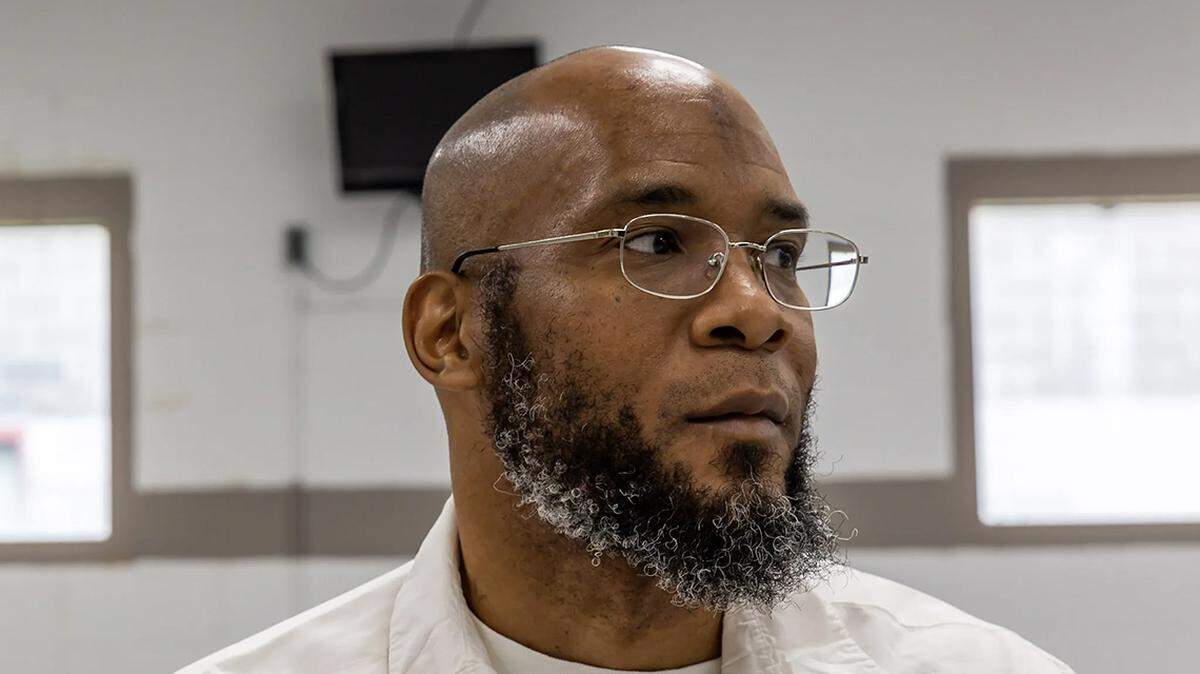
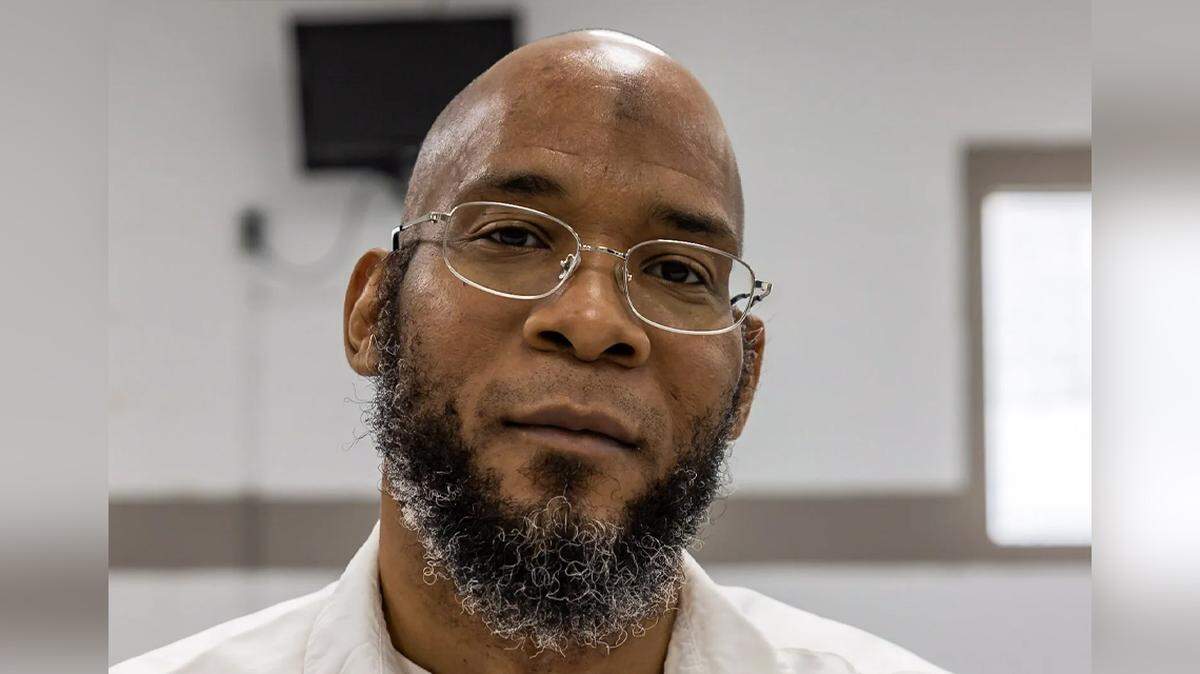
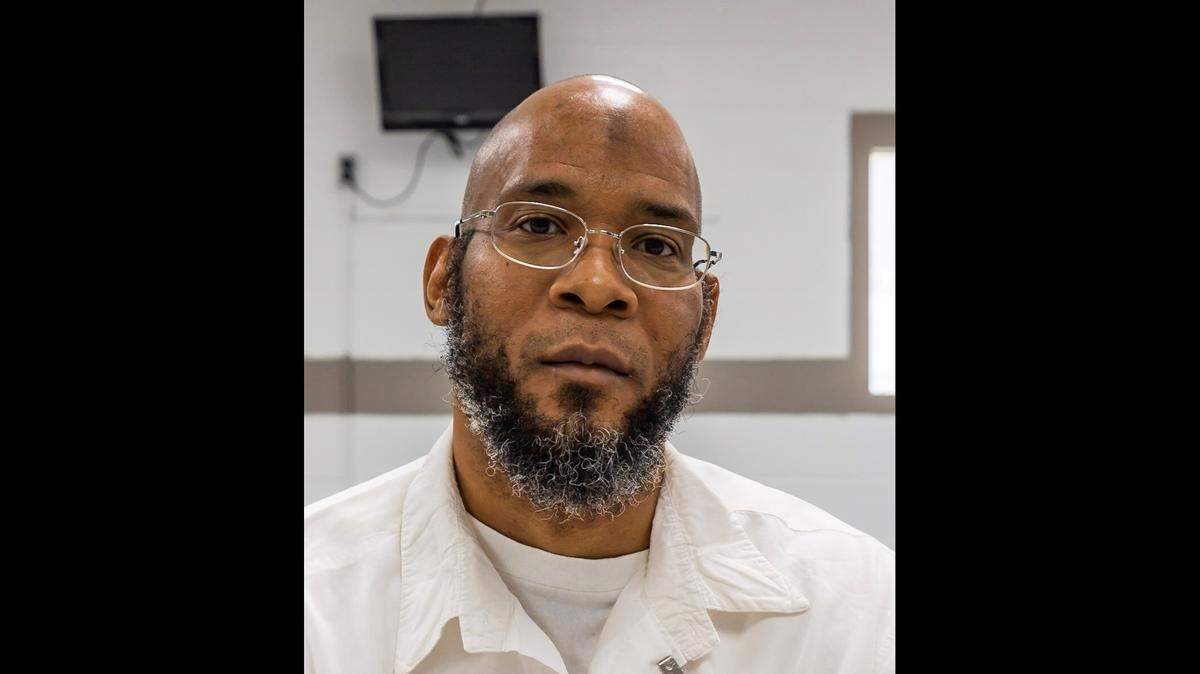
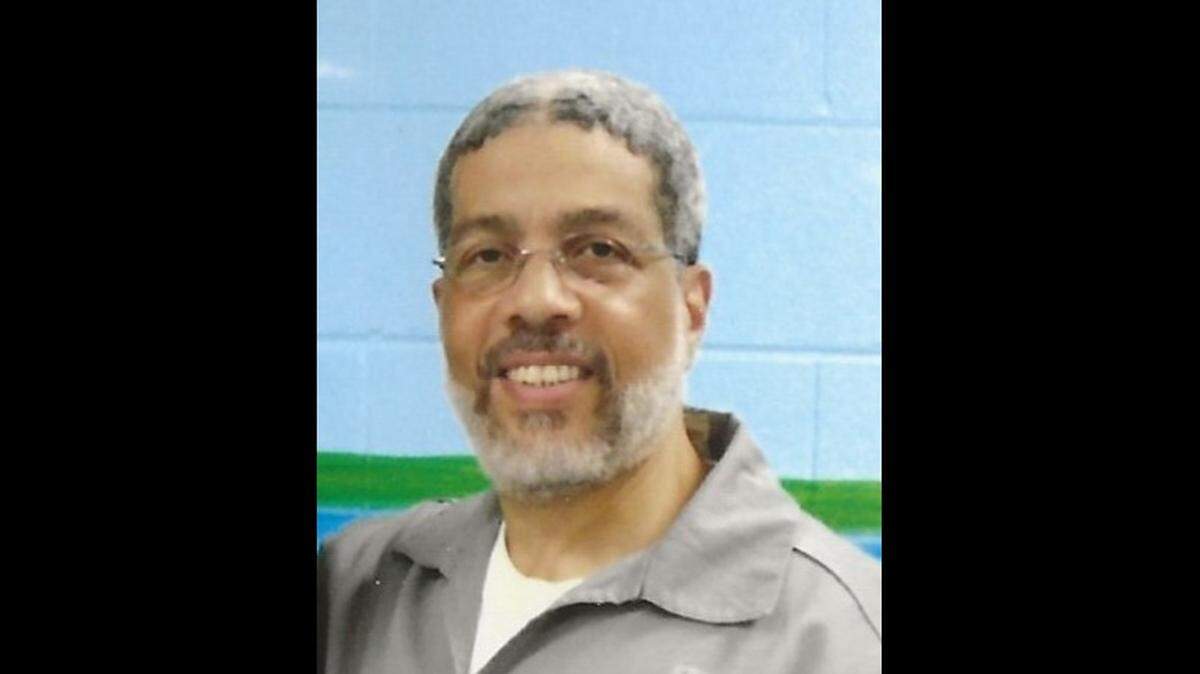
A judge upheld the murder conviction of Marcellus Williams, who is scheduled to be executed by the state of Missouri later this month.
The crucial ruling was Williams’ most likely chance at avoiding death by lethal injection on Sept. 24. It followed an unprecedented legal battle under a 2021 Missouri law, allowing prosecutors to intervene on Williams’ behalf to try to overturn his conviction and sentence.
In January, St. Louis County Prosecutor Wesley Bell filed a motion to vacate Williams’ conviction, setting off a flurry of developments in his case which culminated during two court hearings last month.
Tricia Rojo Bushnell, an attorney for Williams, said in a statement Thursday that a prosecutor’s decision to move to vacate a conviction is not done lightly.
“Prosecuting Attorney Bell filed a motion because there is overwhelming evidence that Marcellus Williams’ trial was constitutionally unfair, including revelations that the State contaminated the most critical evidence in the case — the murder weapon.
“We will continue pursuing every possible option to prevent Mr. Williams’ wrongful execution. There is still time for the courts or Governor Parson to ensure that Missouri does not commit the irreparable injustice of executing an innocent person,” Bushnell said.
Williams, 55, was found guilty in the 1998 murder of Felicia Gayle in St. Louis County. He was convicted primarily on the word of two witnesses, who have since died. No forensic evidence linked Williams to the crime.
Williams previously faced execution dates in January 2015 and August 2017. Those were halted to conduct further investigation and DNA testing.
During the Aug. 21 hearing, prosecutors announced that new testing results showed two investigators were likely contributors to DNA evidence on the murder weapon. The contaminated evidence muddled Williams’ case, and he agreed to plead no contest and be re-sentenced to life without parole.
But the Missouri Attorney General’s Office opposed the deal and filed to the Missouri Supreme Court, which struck it down.
A full evidentiary hearing took place a week later before St. Louis County Circuit Judge Bruce Hilton, who had to find “clear and convincing” evidence of innocence or constitutional errors to overturn the conviction.
Hilton issued a 24-page judgment Thursday morning. He wrote that he considered more than 12,000 pages of documents and heard testimony from six witnesses called by Williams’ legal team. One of those witnesses was Keith Larner, a prosecutor during Williams’ 2001 trial, who touched the murder weapon without gloves multiple times. Forensic evidence on the knife was consistent with Larner’s DNA profile, who testified that he had not heard of touch DNA in 2001.
Hilton concluded that “Larner had a good faith basis and reasons for handling the knife without gloves.”
The new DNA results, he said, weakened Williams’ case.
In light of the DNA report, Hilton wrote that Williams “cannot demonstrate that the genetic material on the knife handle can form a basis for ‘a clear and convincing showing’ of Williams’ innocence.”
He also found that the destruction of fingerprints by police from the crime scene was not done in bad faith.
Other claims, including that Williams received ineffective assistance of counsel during his trial and that potential Black jurors were improperly struck from the pool, were also rejected. Hilton said many of those points had been previously raised in appeals and were “nothing more than re-packaged arguments.”
Bell, the St. Louis County prosecutor, said in a statement that he was “immensely disappointed in today’s ruling” and that evidence in the case “is compromised.”
“I believe that those who are convicted of committing crimes should be brought to justice,” he said. “And, for something as consequential as the death penalty, the evidence must prove the defendant to be guilty without a shadow of a doubt.”
Gayle’s family has said they want the case to be finalized, but do not want to see the death penalty carried out.
This story was originally published September 12, 2024 at 9:31 AM.




.jpeg)

.jpeg)