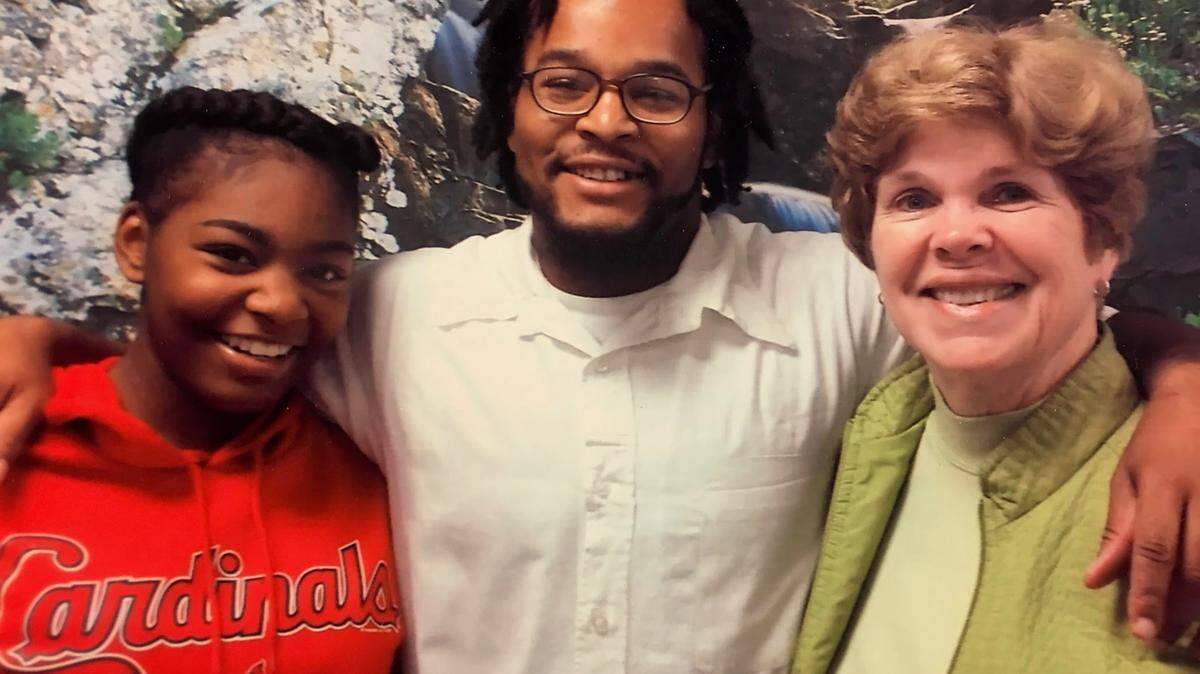
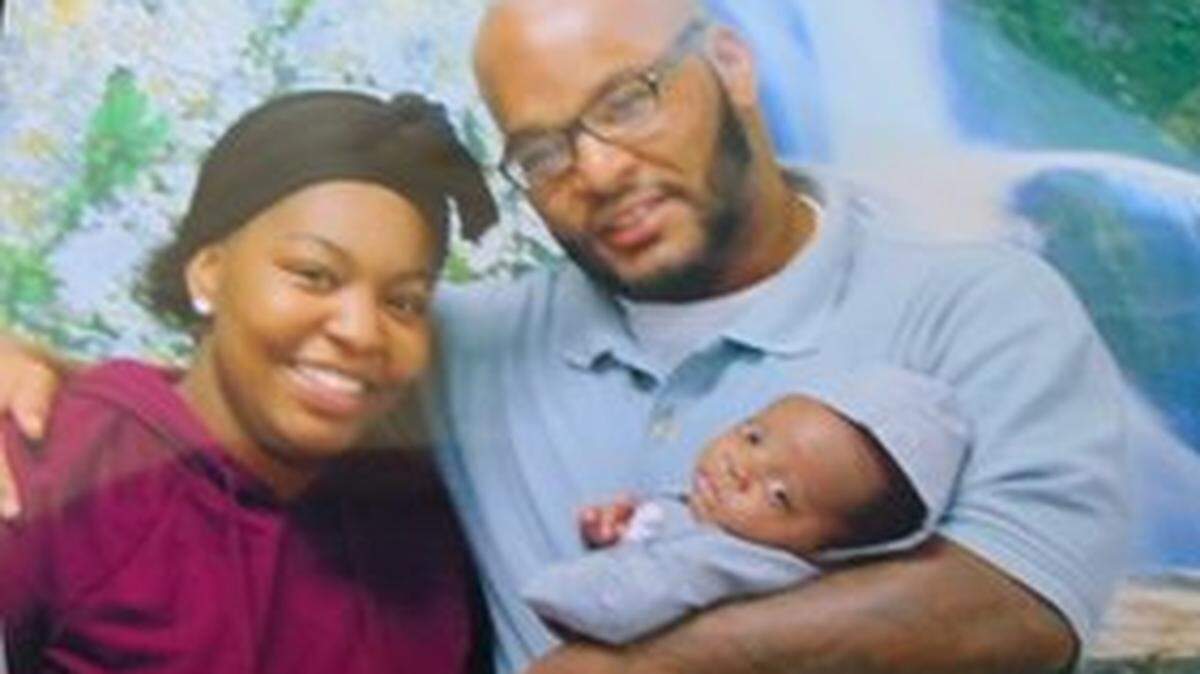
Leonard Taylor is scheduled for execution Feb. 7 in Missouri. He says he’s innocent
READ MORE
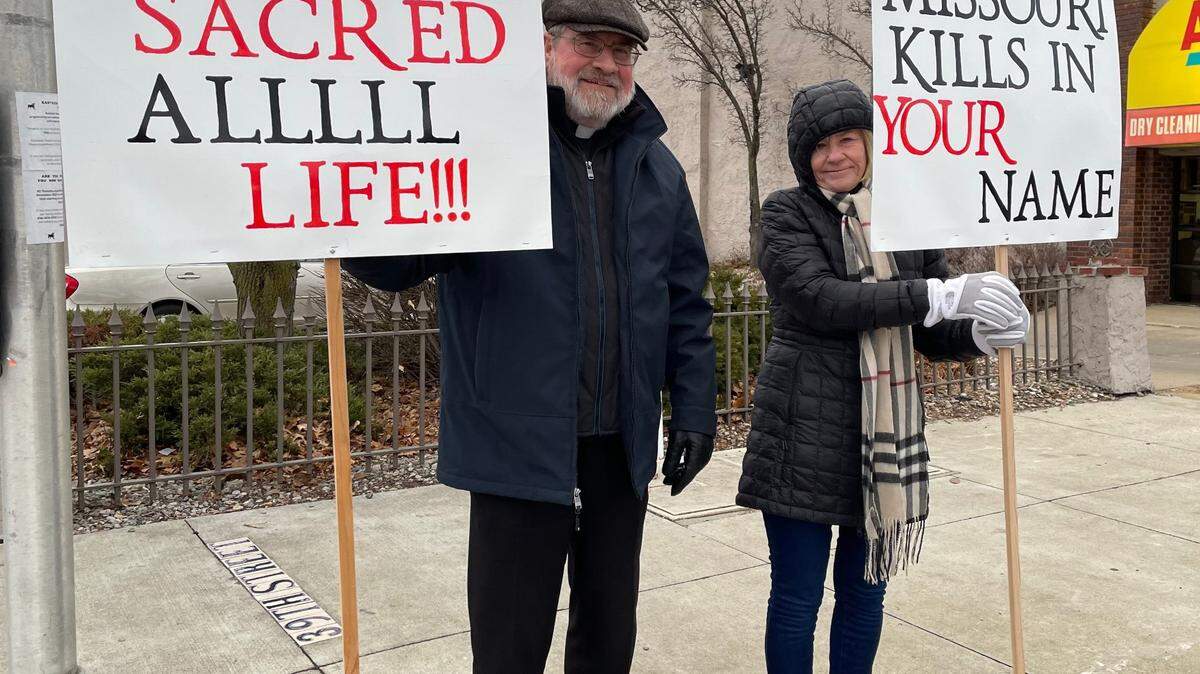
Death penalty in Missouri
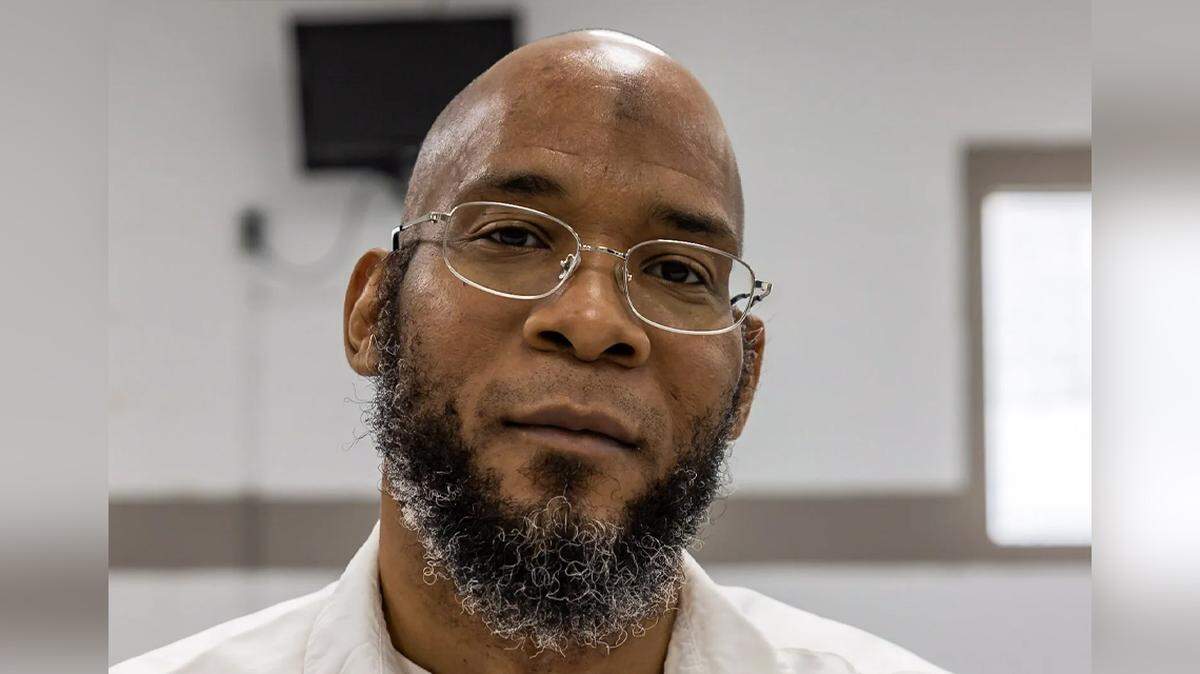
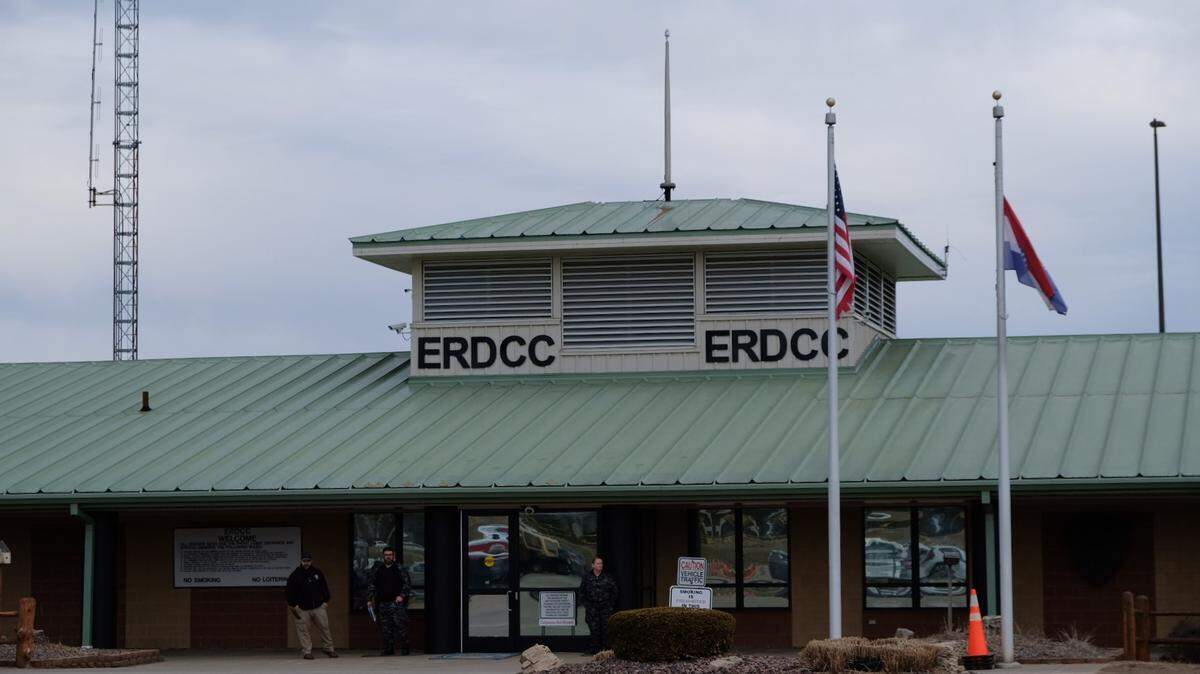
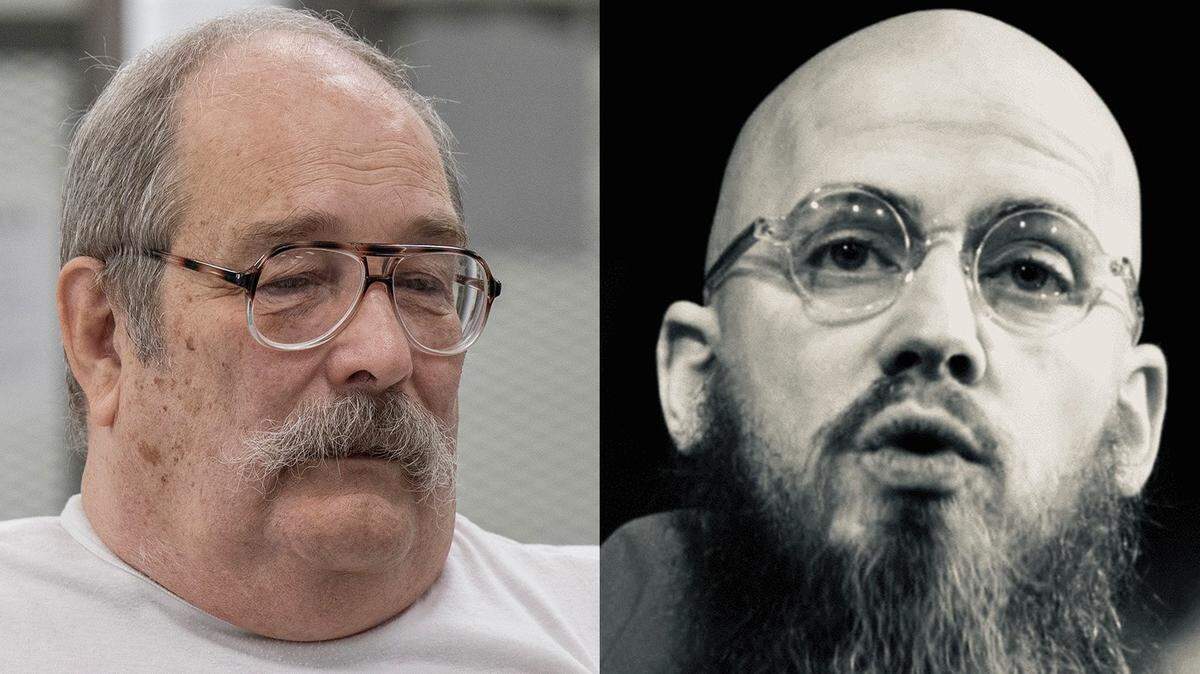
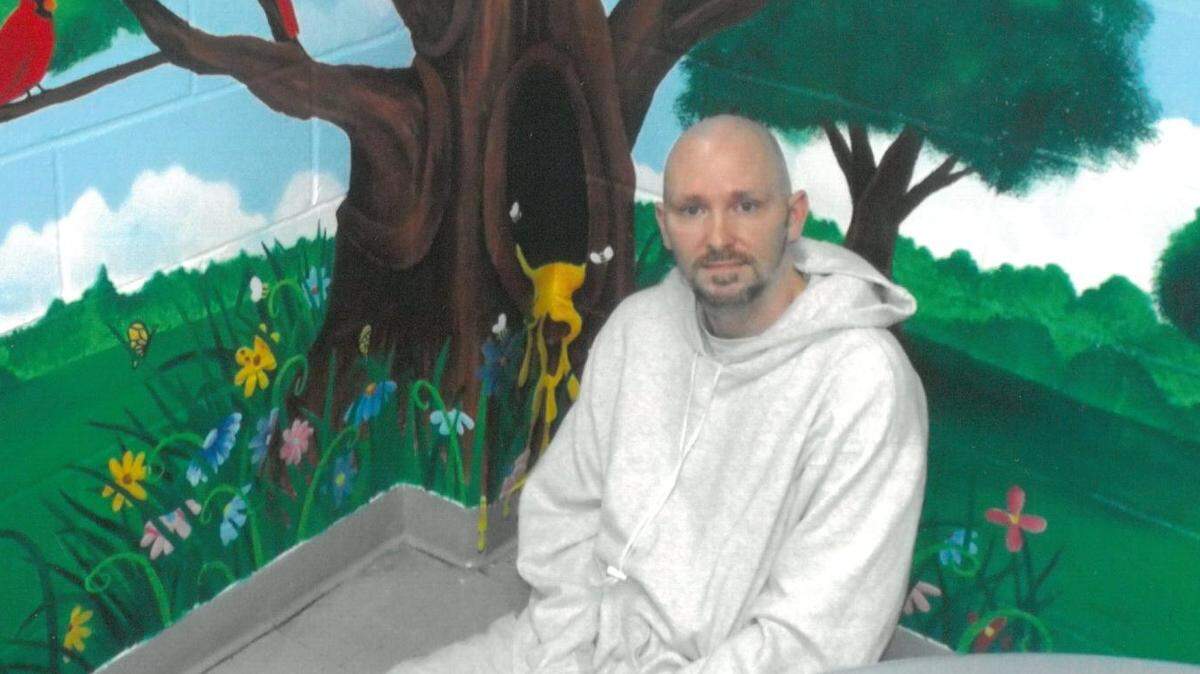
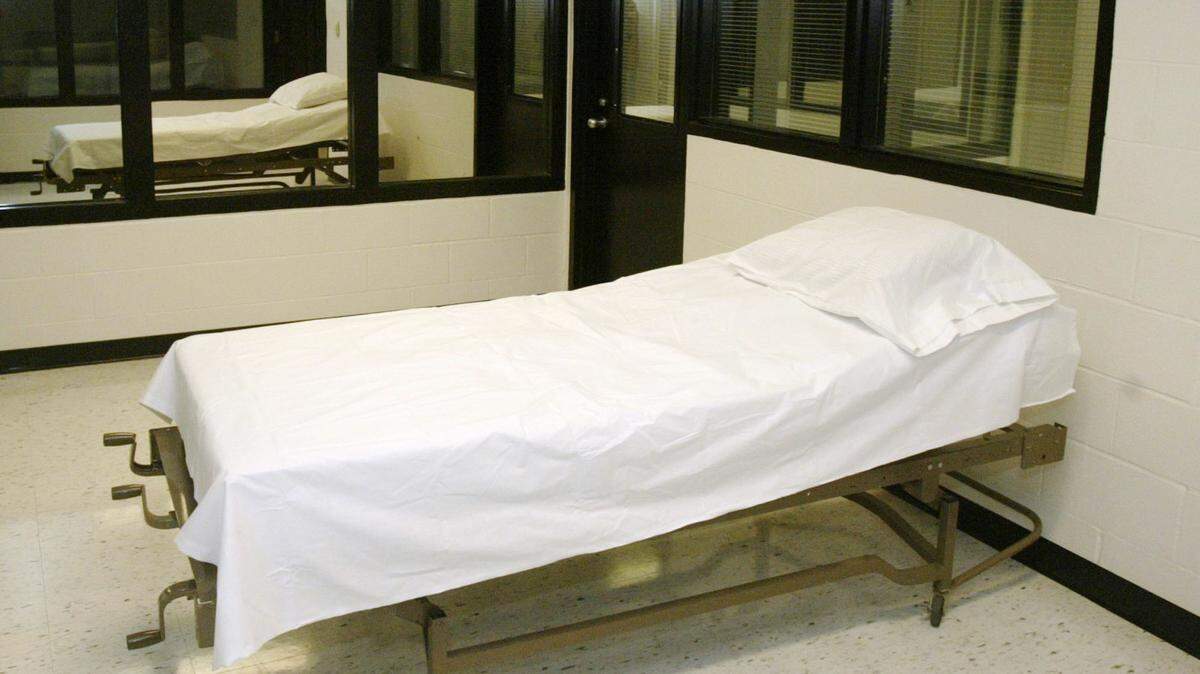
Missouri executed four people in 2023. Amber McLaughlin, Michael Tisius, Johnny Johnson and Leonard Taylor, who maintained that he was innocent, all died by lethal injection. The state is one of five in the country that carried out executions last year.
Expand All
In the past six weeks, Missouri has executed two death row prisoners. Both admitted they had committed murder.
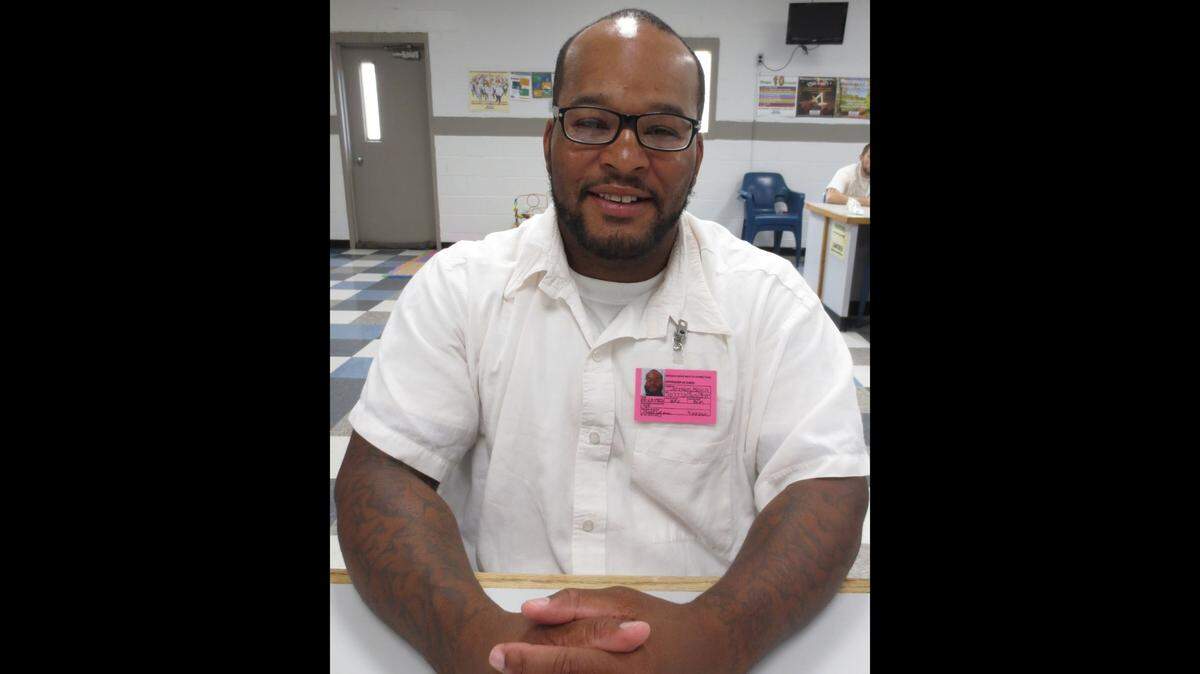
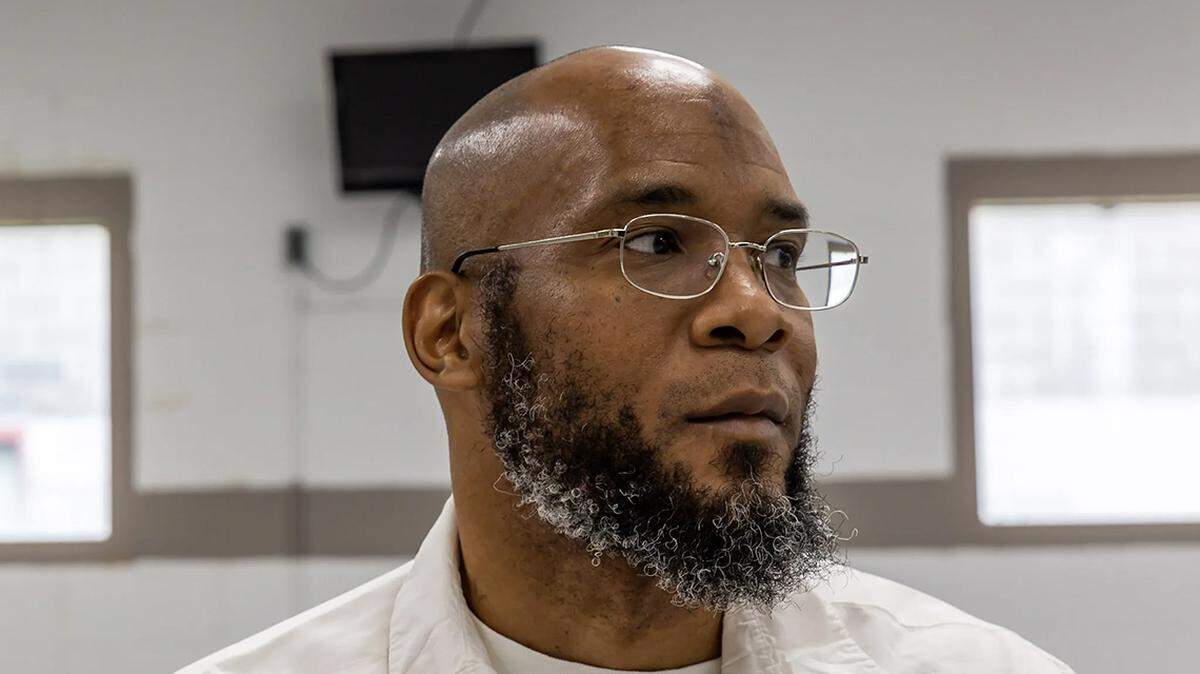
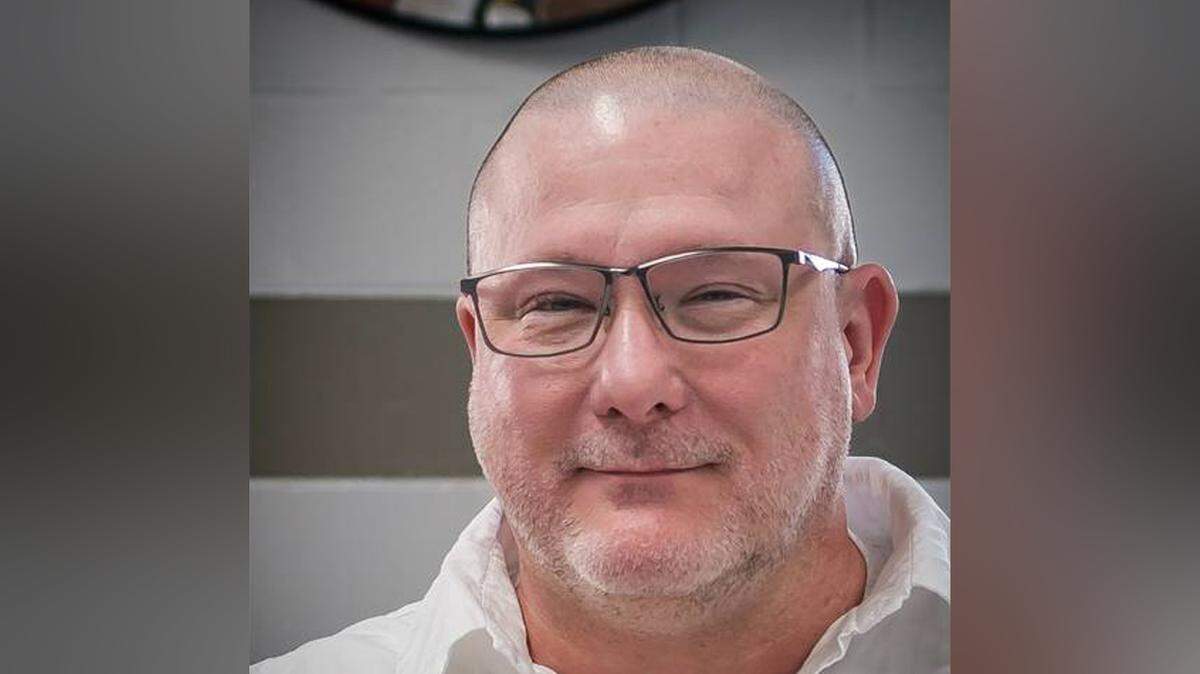
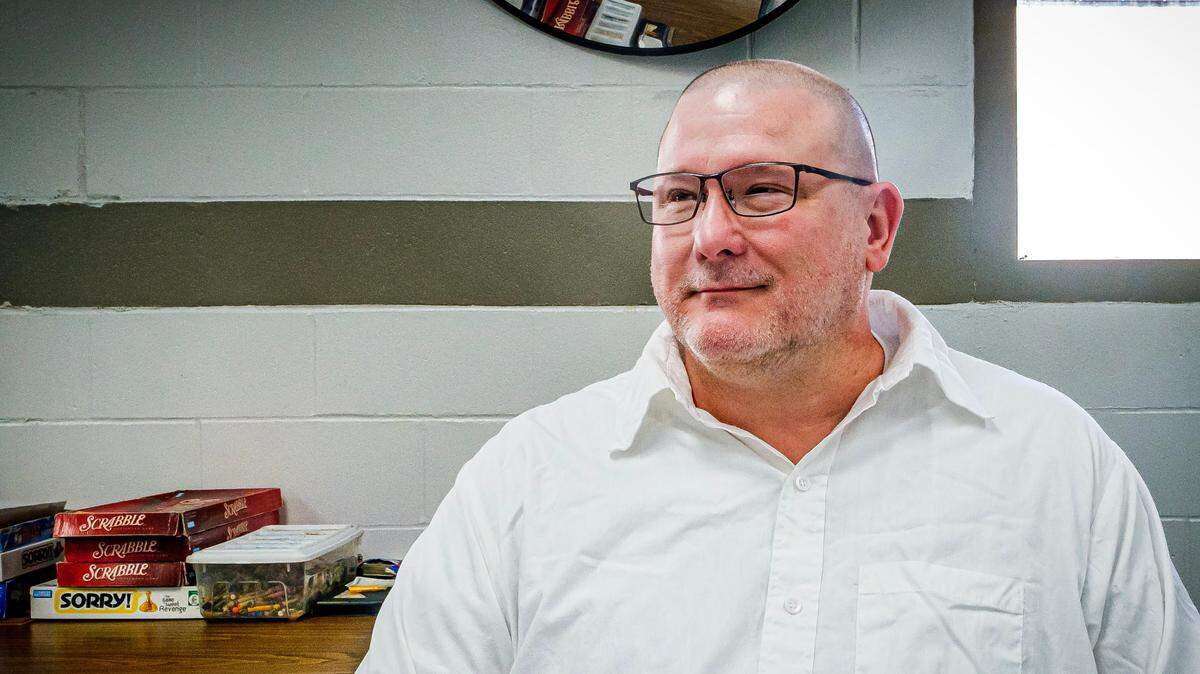
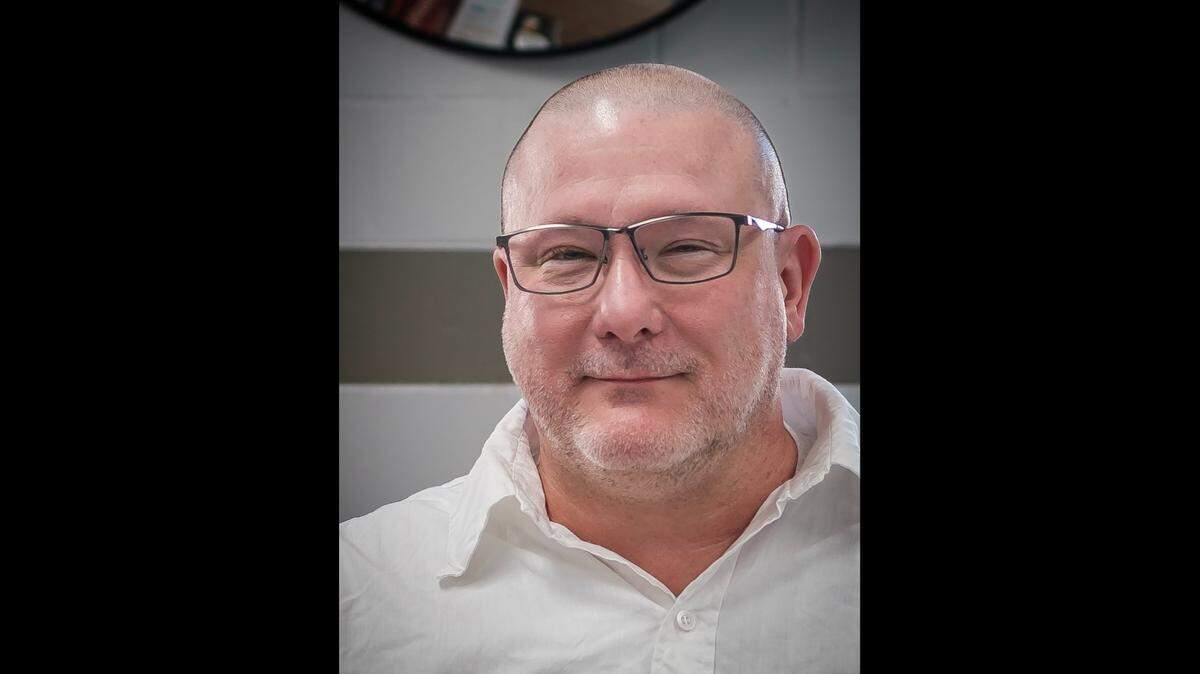
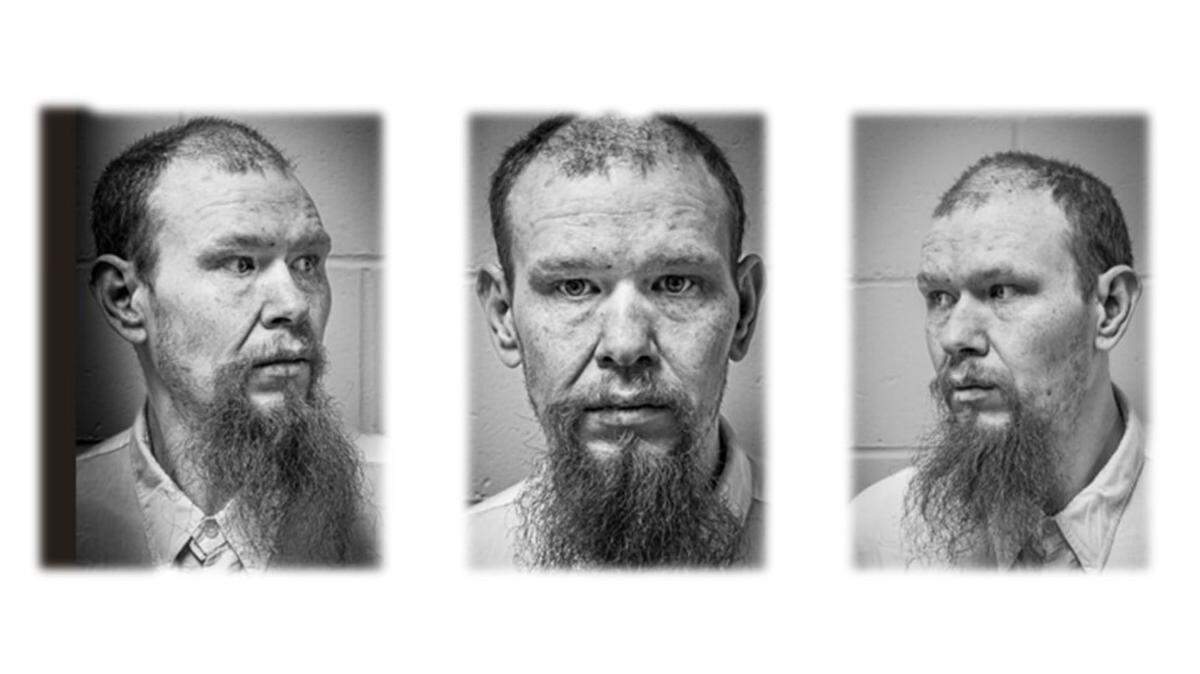
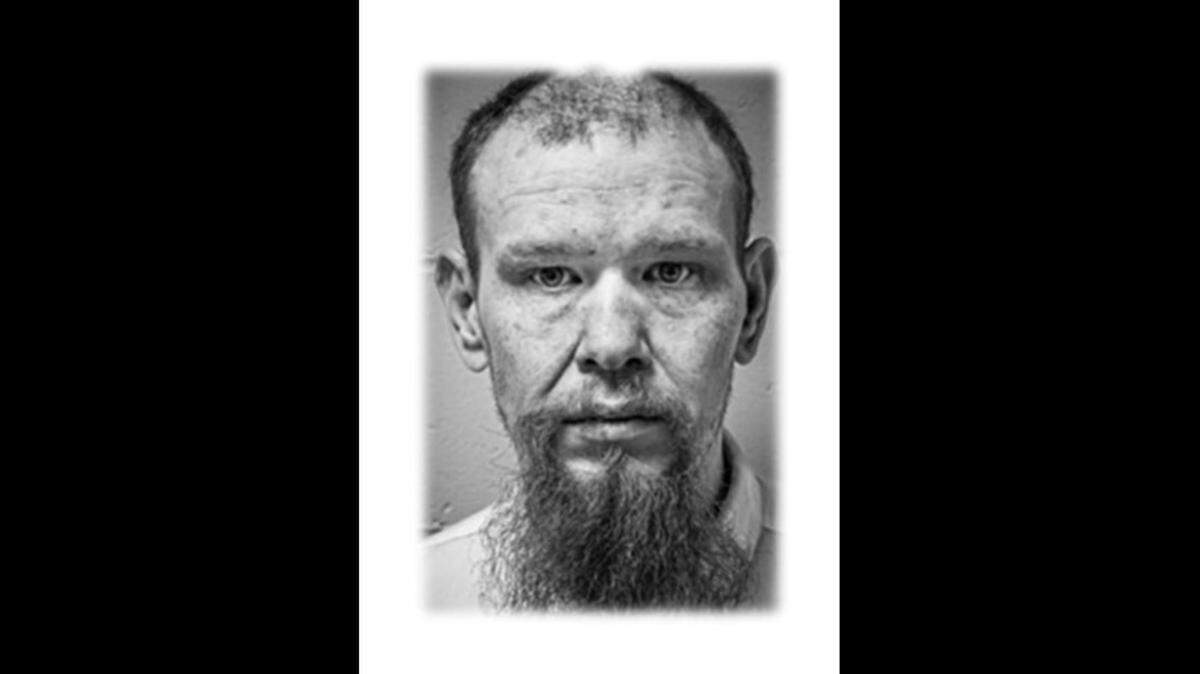
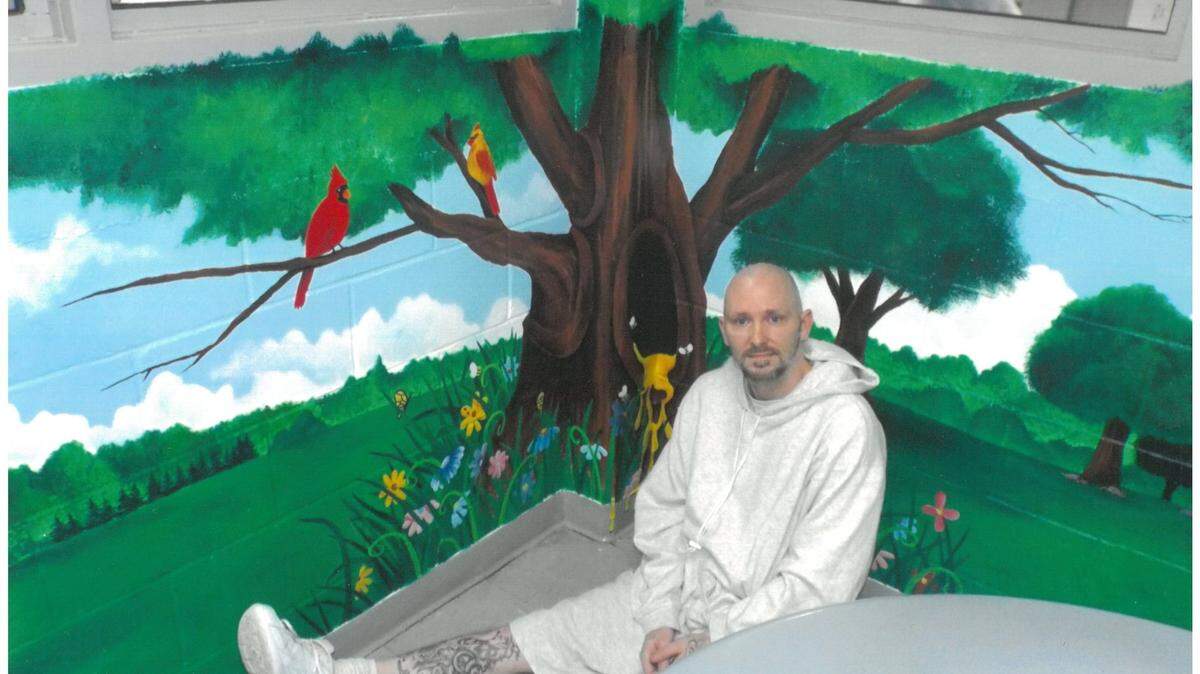
Leonard “Raheem” Taylor is scheduled to die by lethal injection on Feb. 7. The 58 year old claims he is innocent in the 2004 quadruple murder of his girlfriend and her three young children.
On Friday, attorneys for Taylor filed a renewed request asking the St. Louis County Prosecutor’s Office to review his case. They argue that Taylor had “an airtight alibi” and allege prosecutors engaged in misconduct during the 2008 trial.
In an email last week, Taylor said he “was unreasonably targeted, falsely accused, wrongfully indicted, unjustly convicted, and cruelly sentenced to die.”
Authorities ignored the facts, he said, “just to get a conviction. All they wanted was SOMEBODY to heap these crimes on. Even if it was the wrong SOMEBODY.”
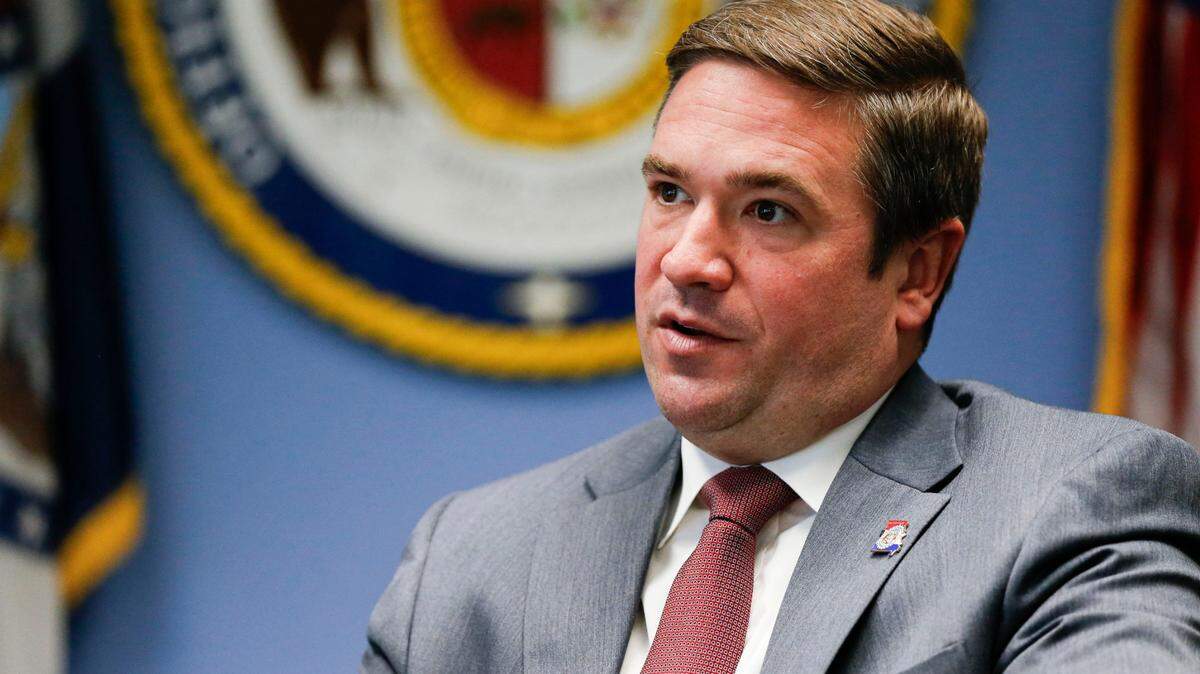
Chris King, a spokesman for the prosecutor’s office, said Monday that the case is under review.
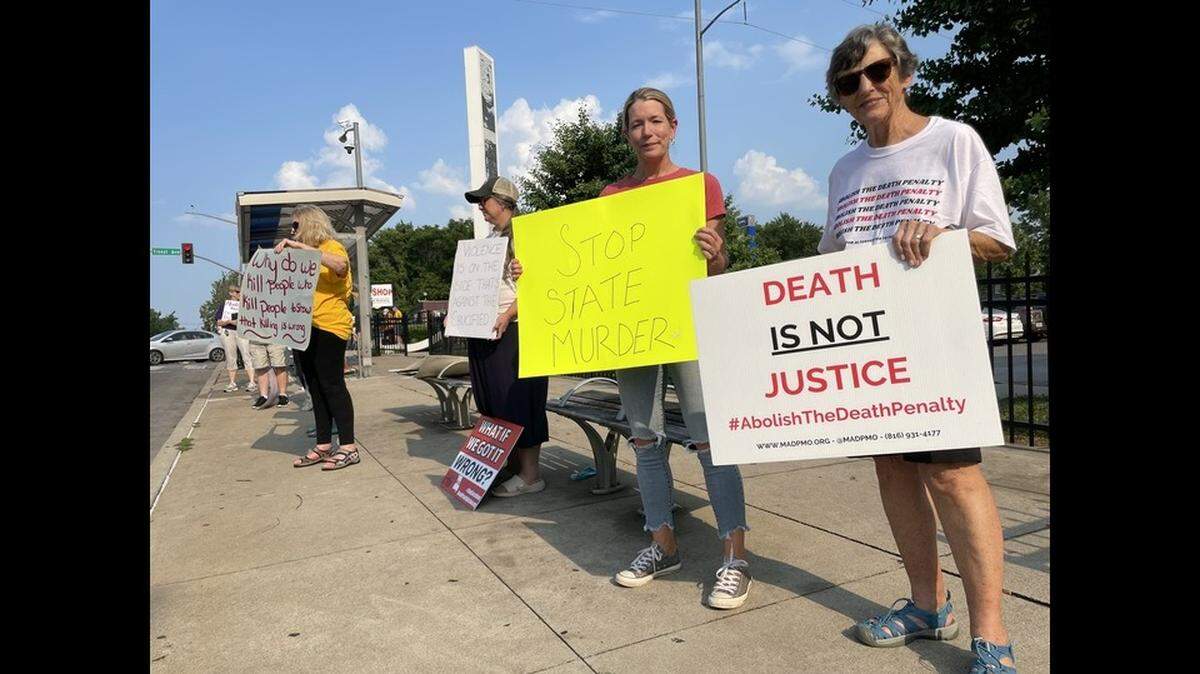
Michelle Smith, co-director of Missourians for Alternatives to the Death Penalty, said in a statement that she hopes the prosecutor’s office will act quickly.
Taylor’s case
On Dec. 3, 2004, Angela Rowe and her three children Alexus Conley, 10, Acqreya Conley, 6, and Tyrese Conley, 5, were found shot to death in their St. Louis area home.
A medical examiner conducted an autopsy and concluded the homicides had taken place two to three days before the bodies were found.
Taylor had flown from St. Louis to Los Angeles on Nov. 26, 2004, the day after Thanksgiving.
“After the authorities learned of Leonard’s airtight alibi, the shenanigans began,” his attorneys said.
During the trial, the medical examiner told jurors the murders could have taken place two to three weeks before the bodies were discovered. He explained that the temperature in the house had been in the 50s, which led to the time frame changing.
This information, Taylor argues, was not disclosed to his defense attorney prior to being presented in court and therefore they did not have a chance to get a second expert opinion on the time of death.
A neighbor, Rowe’s sister and two aunts of the children also told police they had seen or spoken to Rowe on Nov. 27, 28 or 29, 2004.
Newly obtained evidence shows Taylor met his 13 year old daughter for the first time in California the weekend after Thanksgiving. In a court exhibit, Deja Taylor, now in her early 30s, said during their visit Taylor called Rowe and she spoke to her on the phone.
The prosecutor’s case relied on a police interview with Perry Taylor, Leonard Taylor’s brother, who said Leonard Taylor told him he had killed Rowe and the kids before leaving for LA. Perry Taylor recanted his statement at trial. Leonard Taylor’s attorneys said Perry Taylor’s initial statement to police was “induced by threats of imprisonment and coercion.” Perry Taylor died in 2015.
Prosecutors also said Charter phone records showed no calls were made to or from Rowe’s home phone after Nov. 24, 2004. But Taylor’s attorneys said other carriers’ numbers showed there were calls and that Charter had a disclaimer saying their records may not be complete.
No motive for murder
Taylor was “admittedly a career criminal,” his attorneys said, who sold drugs and engaged in fraud. But, they said, he did not have a motive for the murder and there were alternative suspects who were not properly investigated.
They have also requested ballistics evidence be submitted to the National Integrated Ballistics Information Network of the Bureau of Alcohol, Tobacco, Firearms and Explosives. The murder weapon was never recovered.
In 2021, a Missouri law went into effect allowing prosecutors to file a motion to intervene in cases of wrongful or erroneous convictions. Kent Gipson, one of Taylor’s attorneys, said they submitted his case to St. Louis County prosecutors in the conviction incident and review unit shortly after the law took effect, but have not received an answer. Due to the upcoming execution date, Taylor’s case was submitted again.
Taylor’s case, as well as the past two executions, were prosecuted in St. Louis County.
“They were very aggressive about going for the death penalty in cases that, in my opinion, were not that aggravated on the scheme of things and cases like this, where the evidence does not foreclose all doubt about guilt, and that’s looking at it charitably,” Gipson said. “So I’m hopeful that the new regime in St. Louis County will live up to the promises that Wesley Bell made in his campaign, that he’s going to do something about wrongful convictions and I think we’ve shown more than enough evidence to get a new hearing under the new law.”
Bell was elected in 2018 on a progressive platform.
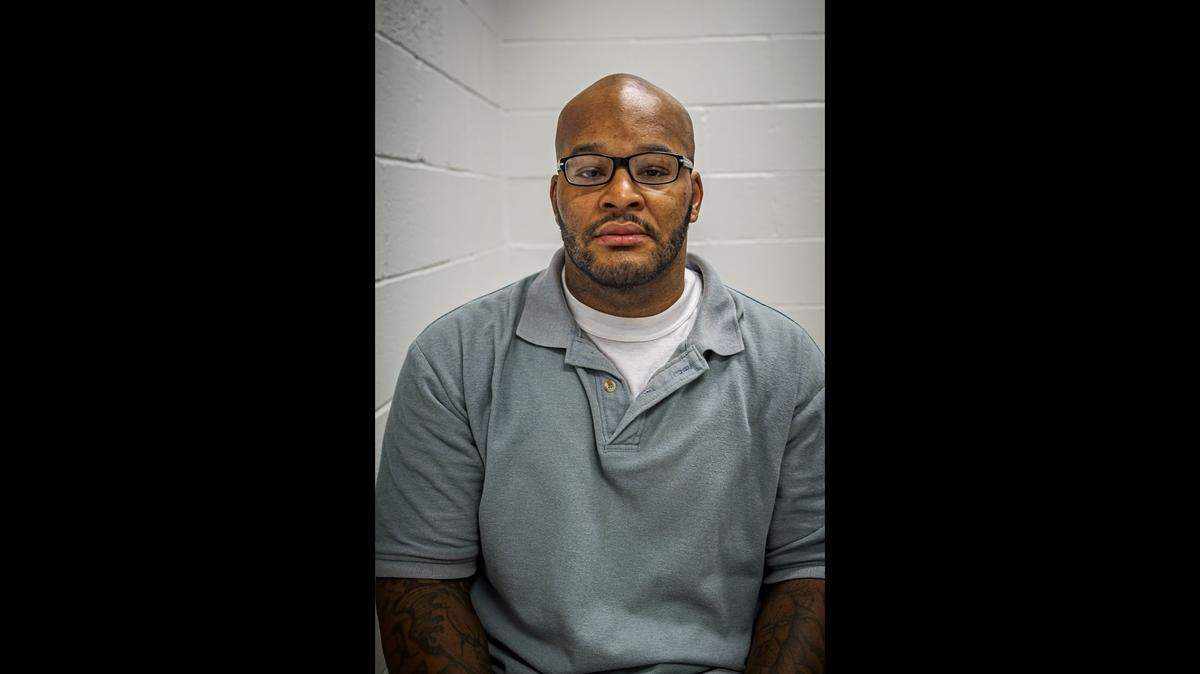
Last year, the St. Louis County Prosecutor’s Office said they had a conflict of interest in a request to review Kevin Johnson’s case. The court appointed a special prosecutor who argued Johnson’s murder trial had been “infected” by racism and that his case deserved a hearing. The Missouri Supreme Court and the U.S. Supreme Court declined to stay the execution and he died Nov. 29.
Eighteen people including Taylor are on death row in Missouri.
This story was originally published January 9, 2023 at 5:16 PM.


.jpeg)
.jpeg)