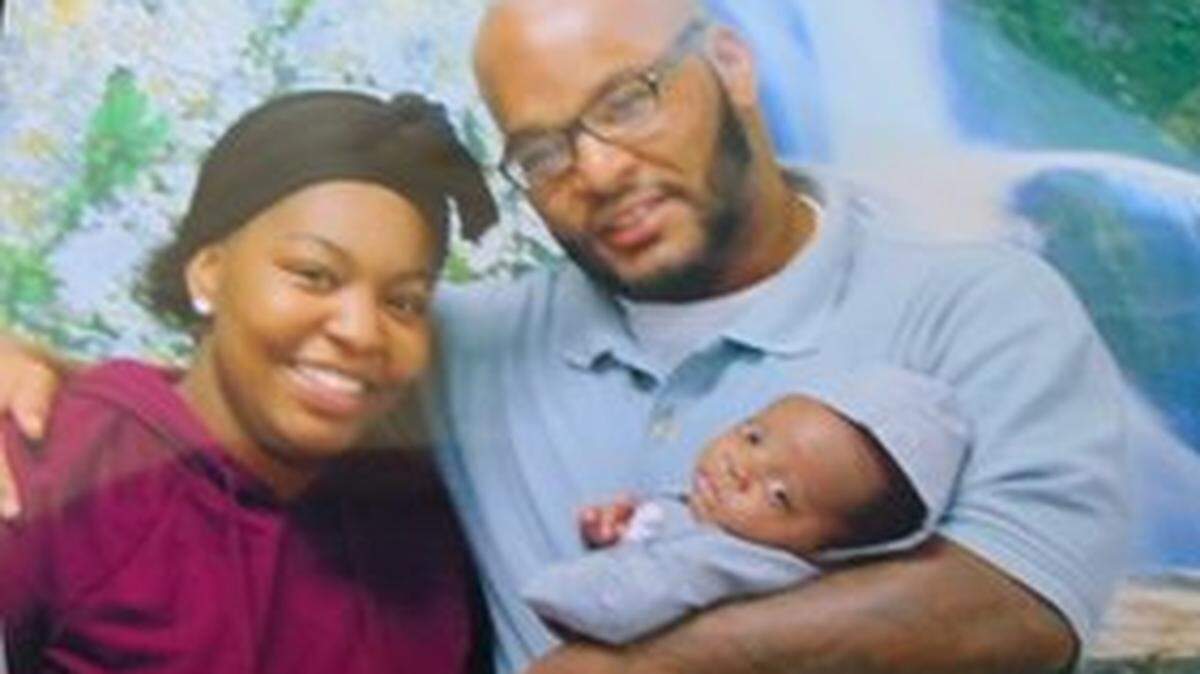
‘I didn’t do this’: Missouri man on death row despite ‘powerful’ DNA evidence speaks out
READ MORE
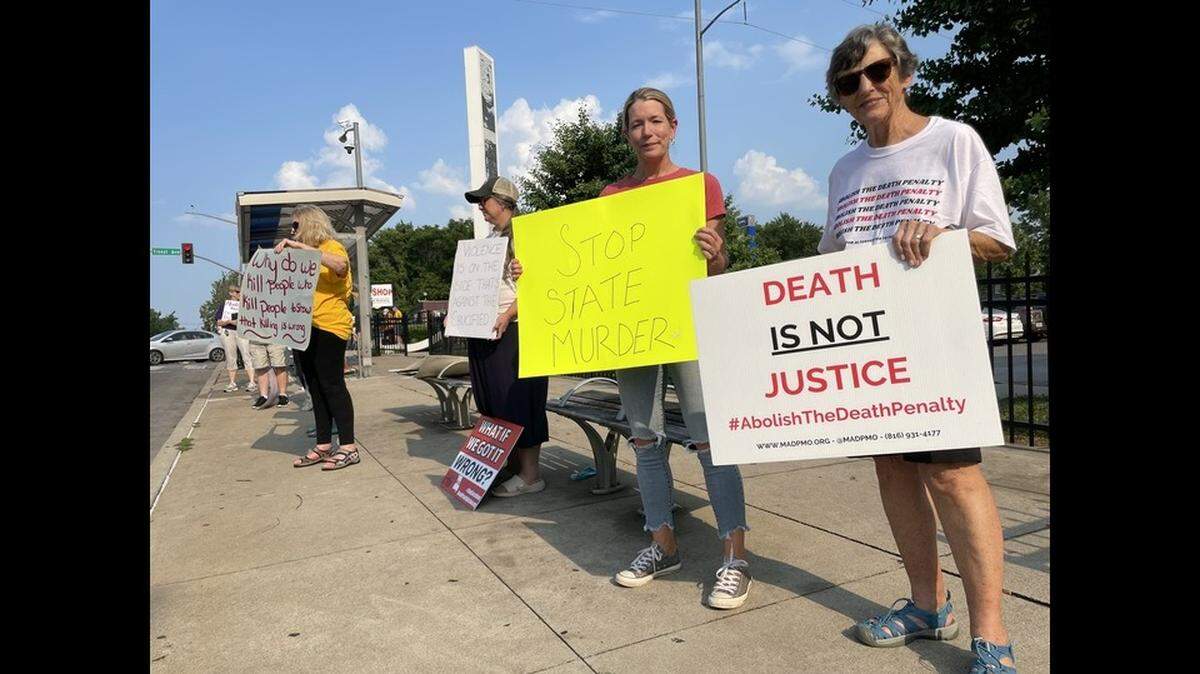
Death penalty in Missouri
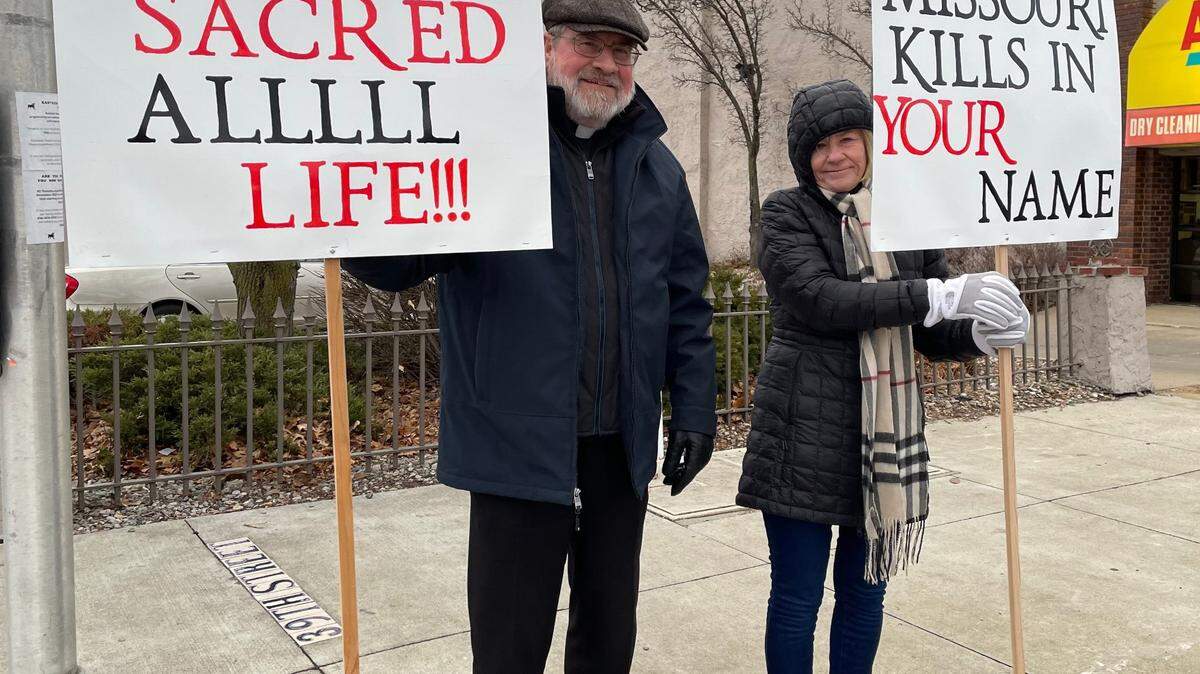
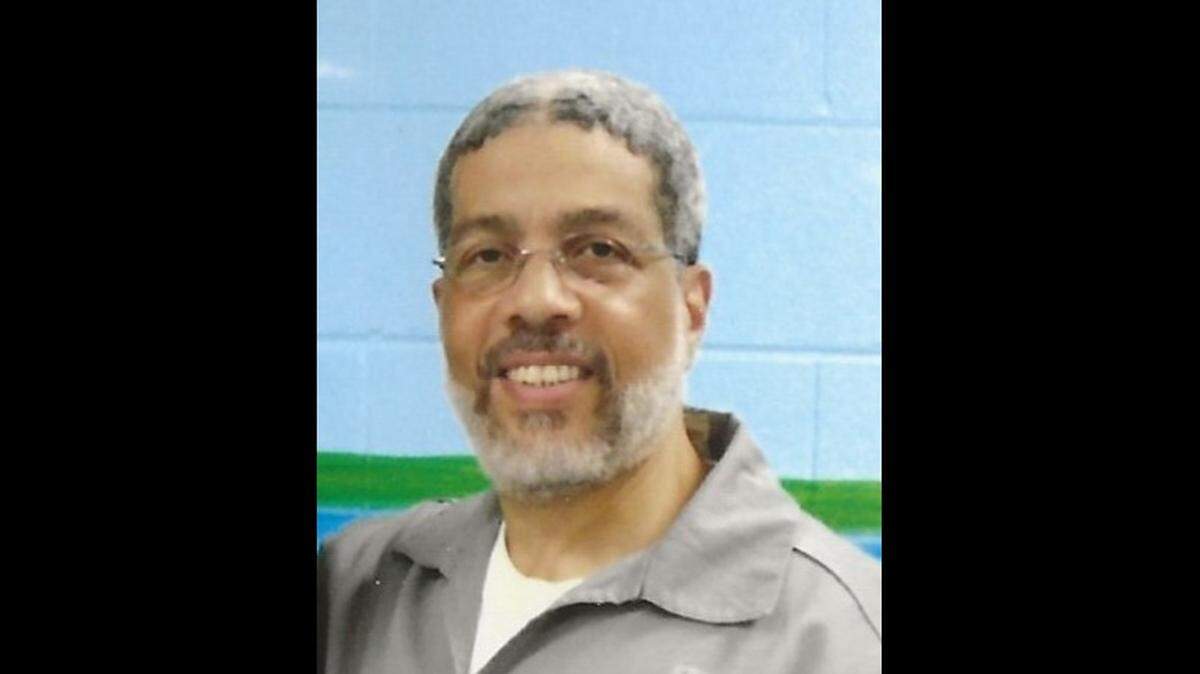
Missouri executed four people in 2023. Amber McLaughlin, Michael Tisius, Johnny Johnson and Leonard Taylor, who maintained that he was innocent, all died by lethal injection. The state is one of five in the country that carried out executions last year.
Expand All
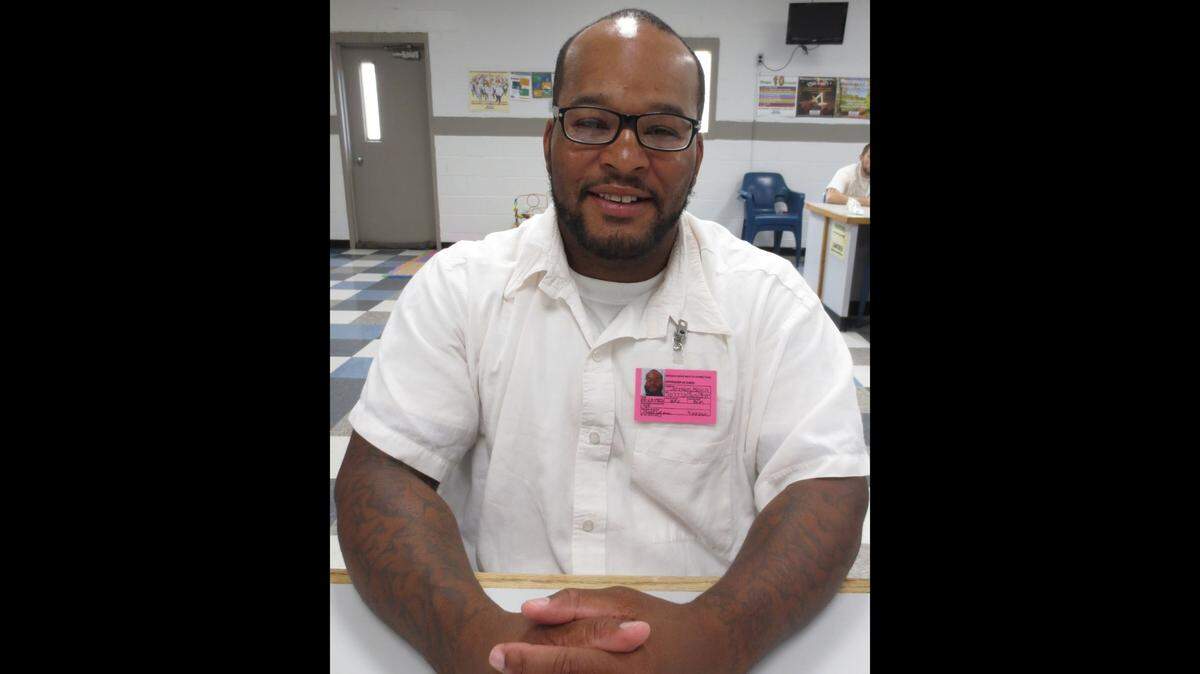
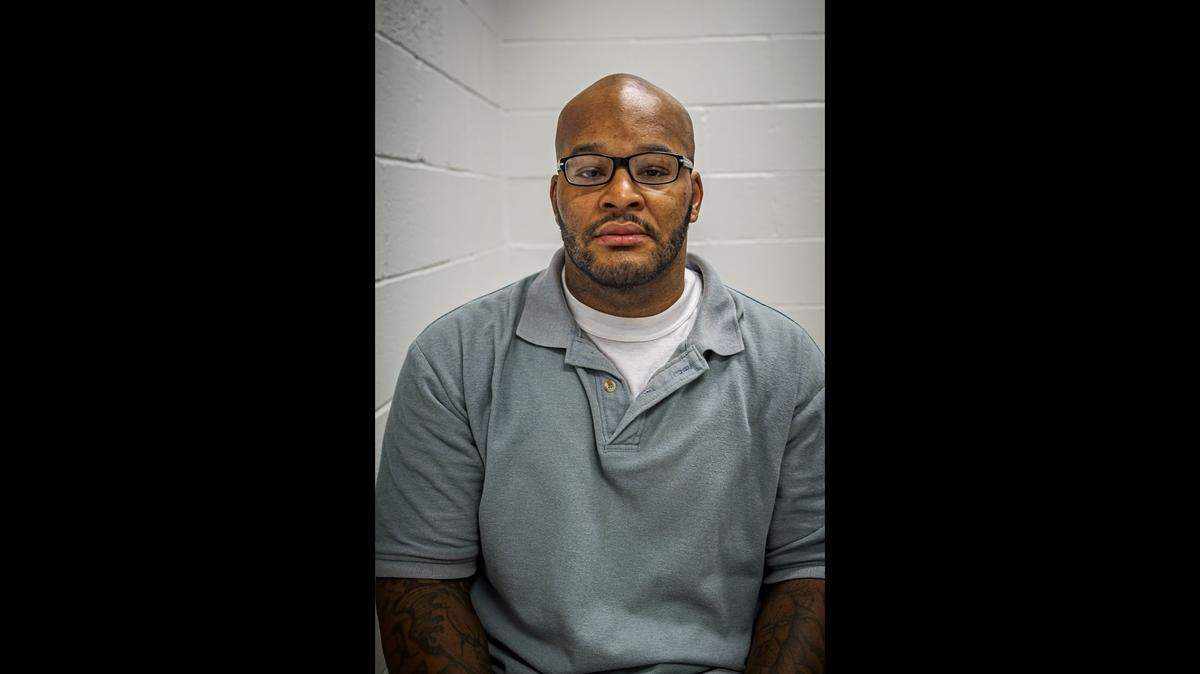
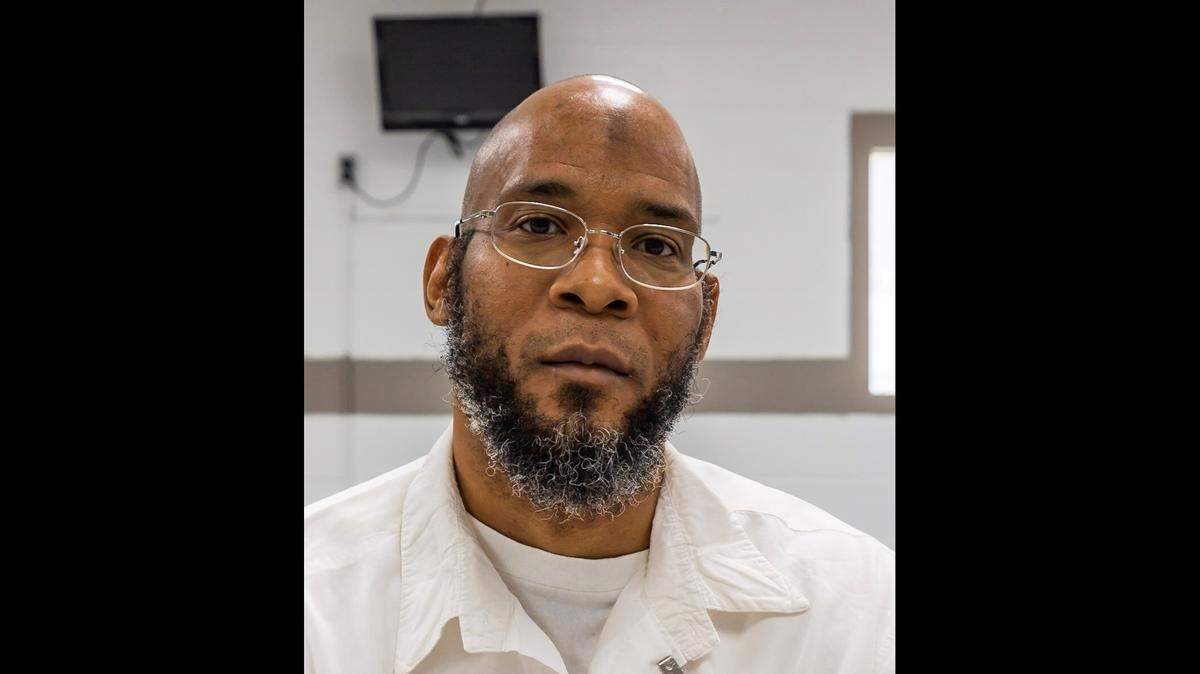
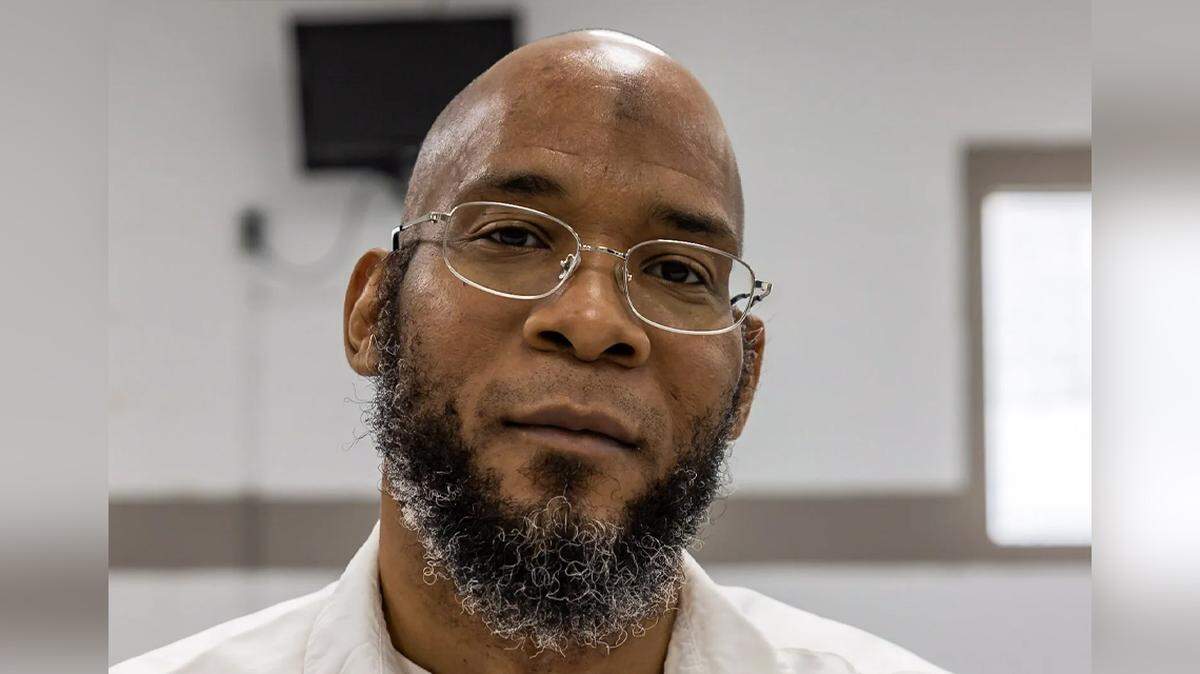
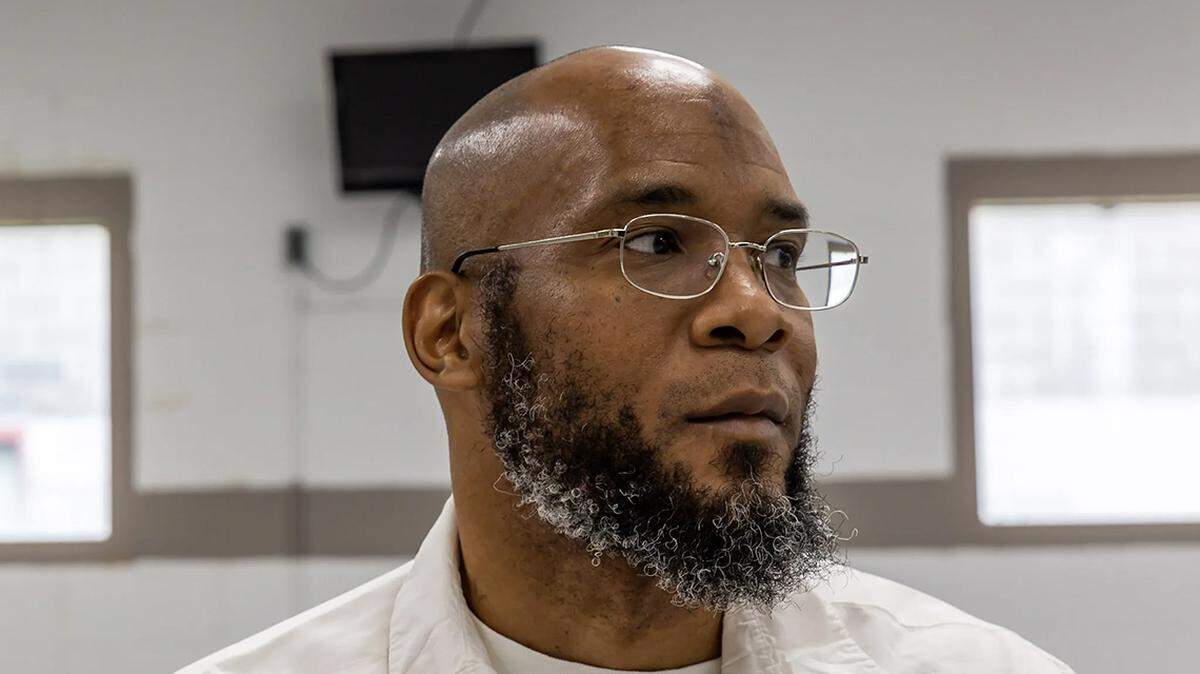
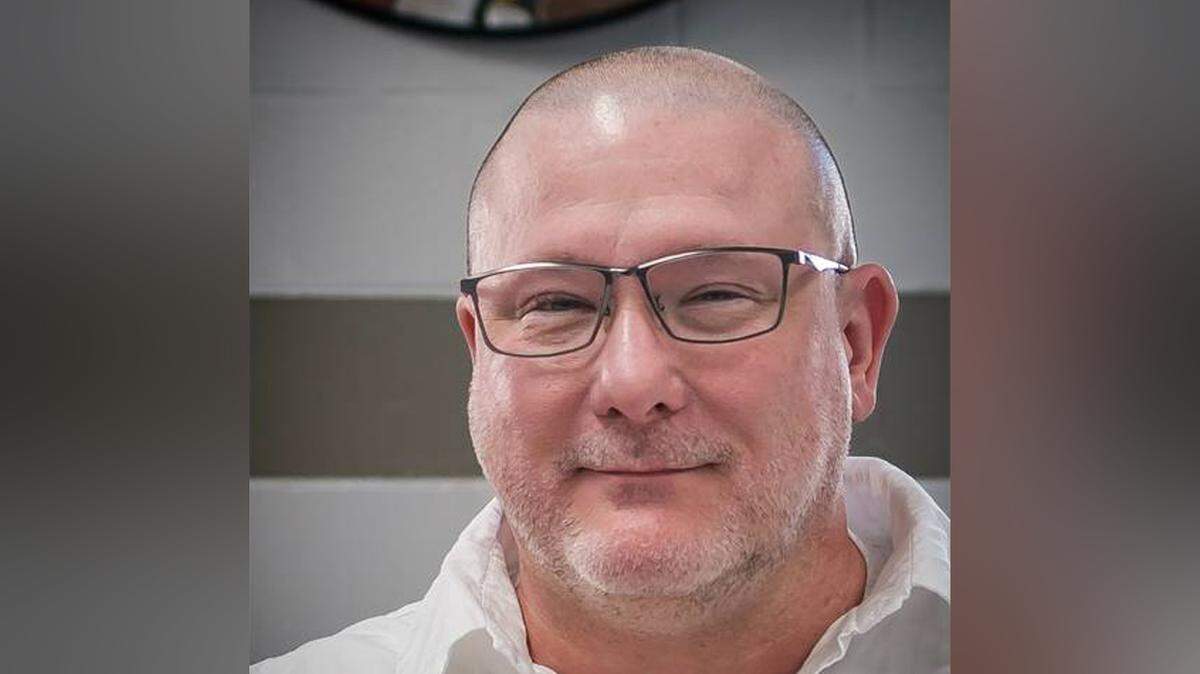
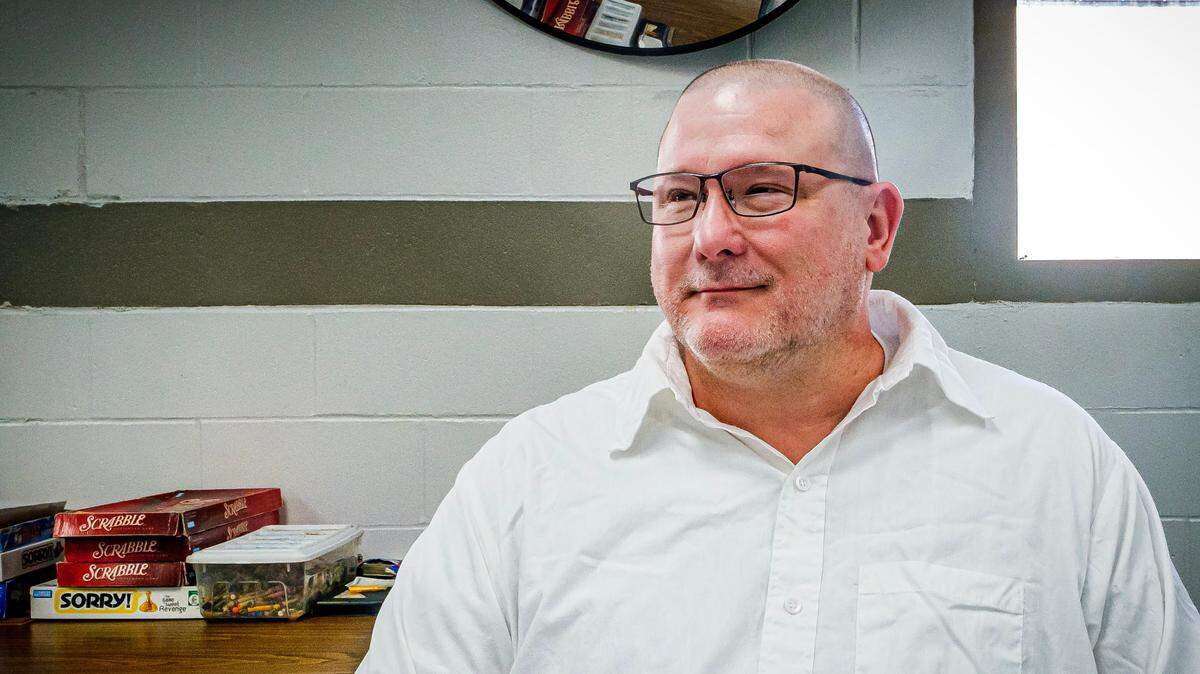
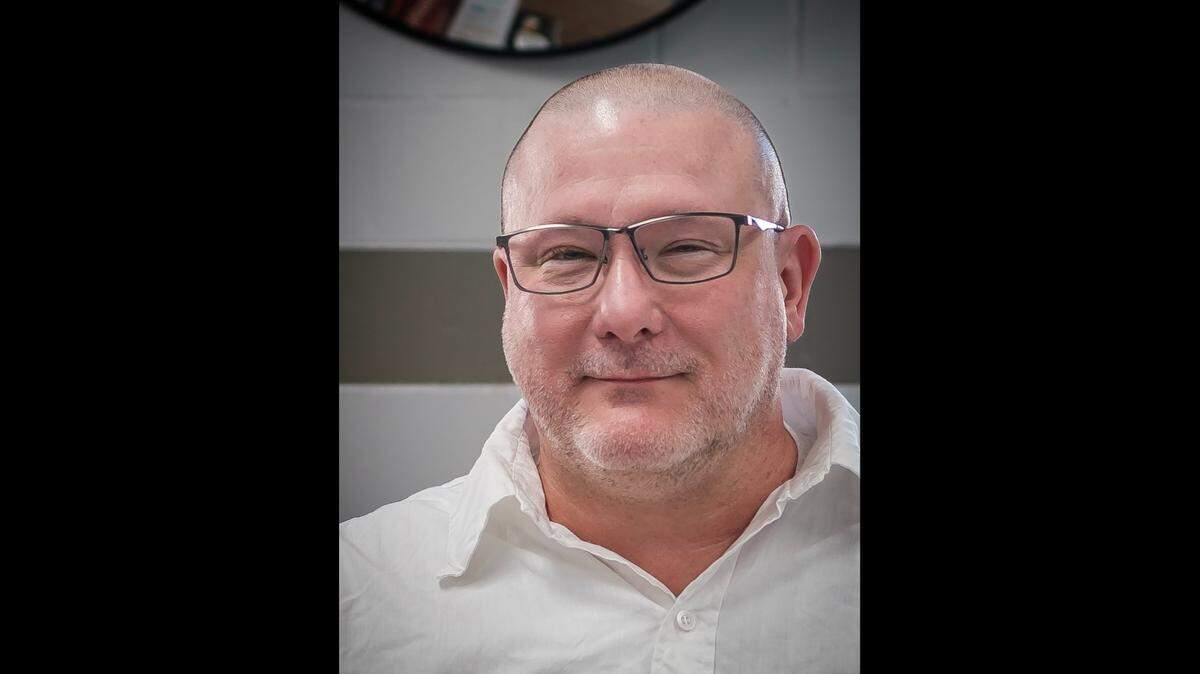
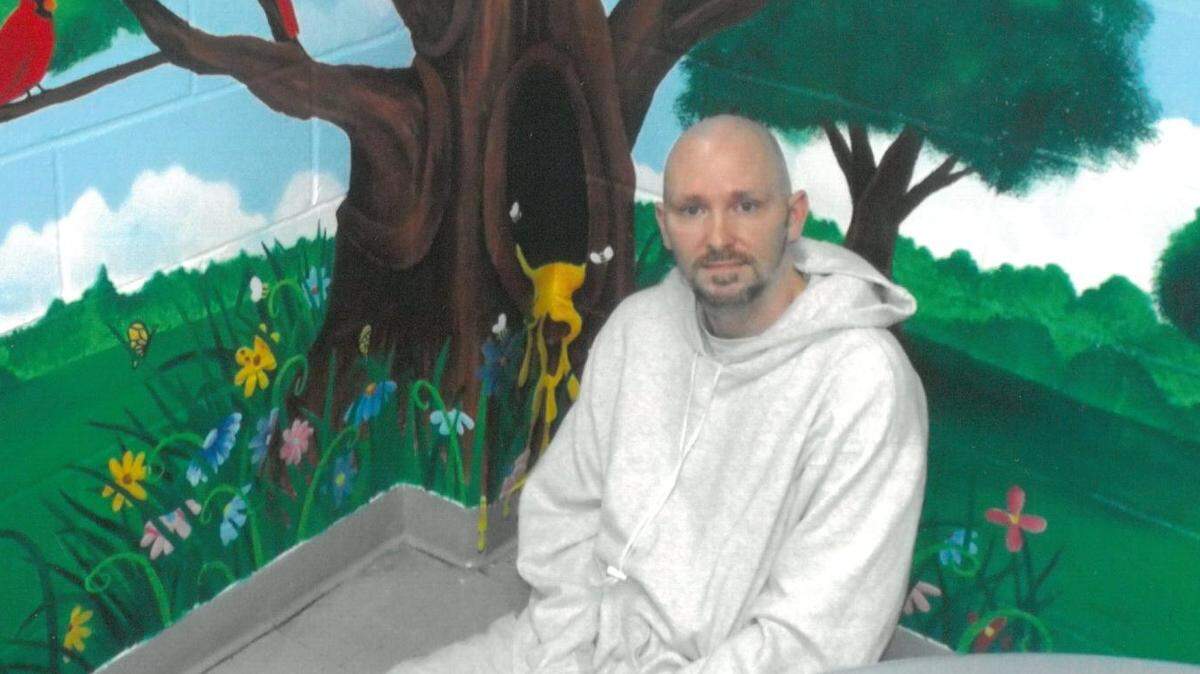
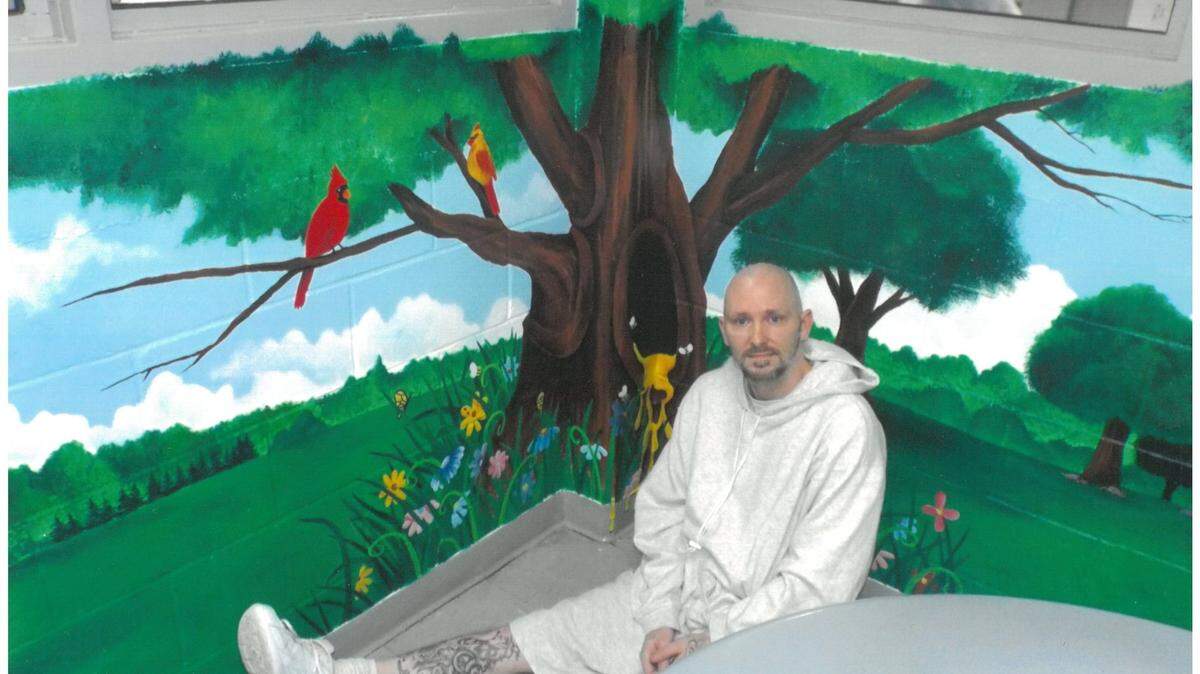
Marcellus “Khaliifah” Williams knows the state of Missouri wants to kill him.
Three months after Gov. Mike Parson lifted a stay of execution, Williams said he is “waiting in limbo” to see if or when the Missouri Supreme Court will set a date.
“I’m not bitter,” the 54 year old said, speaking by phone from Potosi Correctional Center in a rare interview. “I understand that that is how the game goes.”
A St. Louis County jury found Williams guilty in the 1998 murder of Felicia Gayle, who had been a reporter with the St. Louis Dispatch, and recommended a death sentence. Williams faced his first execution date in 2015, but the state Supreme Court paused it to conduct DNA testing that was not available at the time of the homicide. Then former Gov. Eric Greitens halted his 2017 execution date after testing showed Williams was not a match with the DNA found on the murder weapon.
A board made up of retired judges began investigating his case.
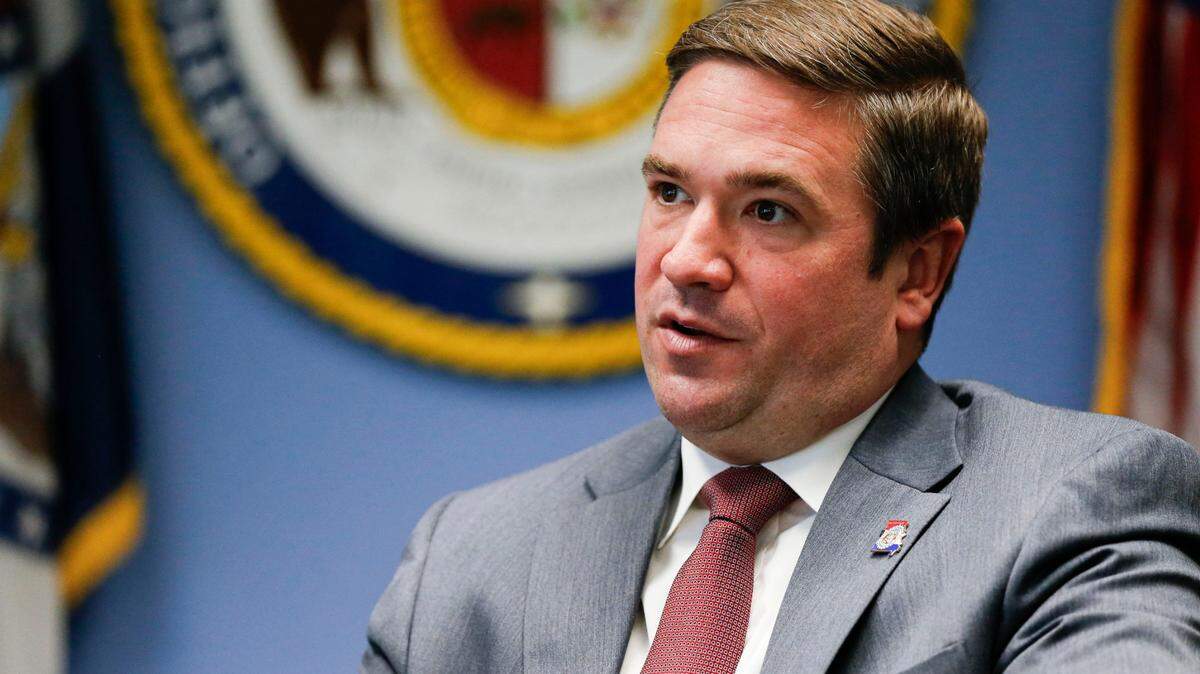
But in June, Parson lifted the stay and dissolved the board. The Missouri Attorney General’s Office immediately requested the Missouri Supreme Court set an execution date.
Williams’ legal team filed a lawsuit in late August contending that going forward with an execution would violate his constitutional rights to due process.
‘I didn’t do this’
Williams was born in South Bend, Indiana, and moved to St. Louis with his mom and two older brothers around the time he started kindergarten.
His family was close-knit, and his grandfather was a positive role model who he “always looked up to.”
But Williams said he “grew up basically like a typical misguided youth.”
He spent time on the streets of inner city St. Louis, which landed him in juvenile detention several times.
As an adult, he was locked up for a robbery in downtown St. Louis. Toward the beginning of that 20-year sentence, Williams was charged in Gayle’s murder.
“I was like, ‘No, I didn’t do this though.’ I wasn’t really worried about it,” he said of initially being charged.
Though he had been entangled in the criminal justice system for some time, he said, “You still have this naivete right there that you’re not really recognizing who you’re up against.”
A St. Louis County jury convicted Williams on June 19, 2001, and recommended the death penalty.
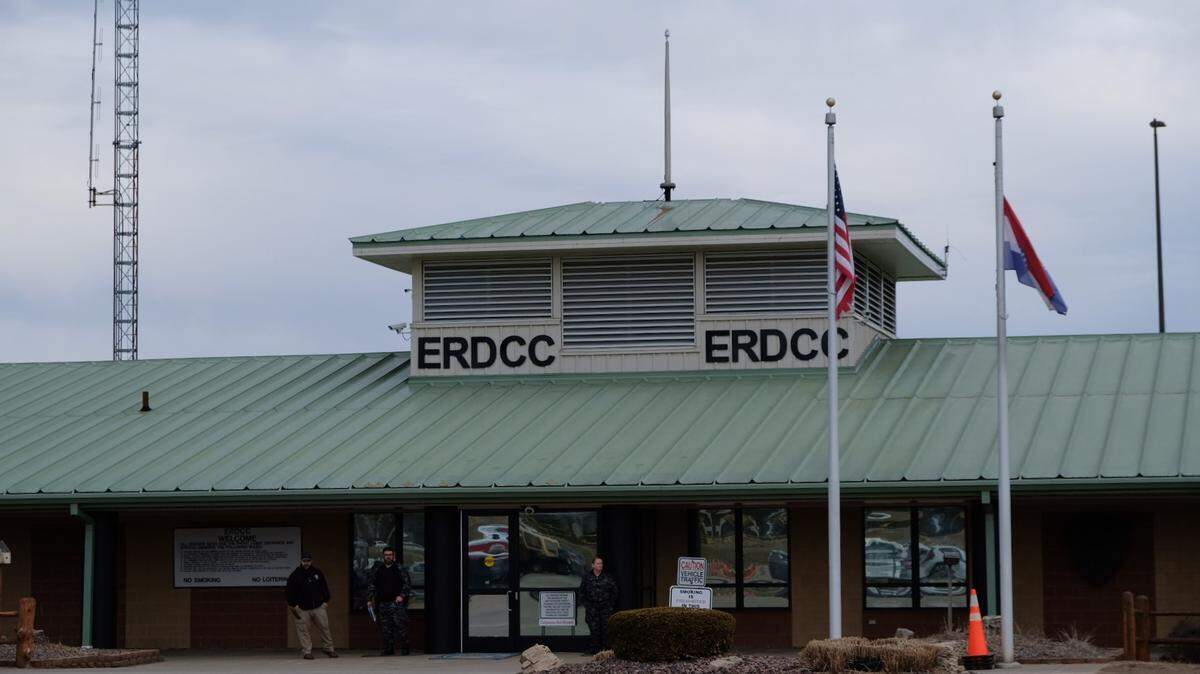
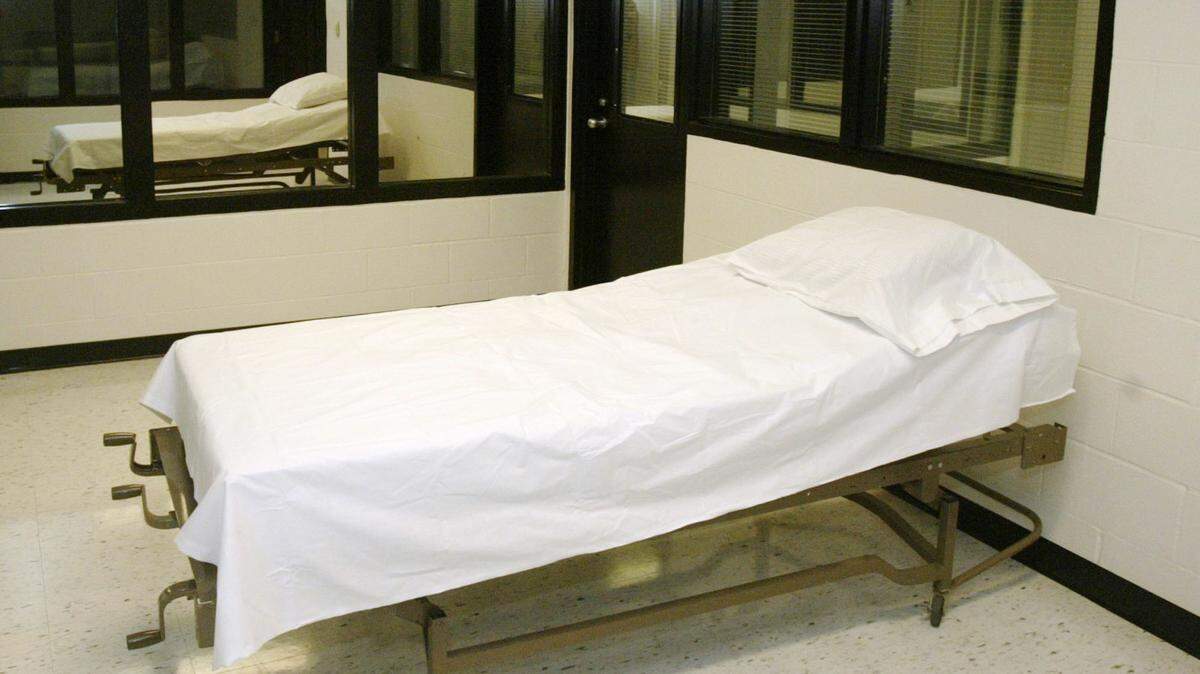
Just hours before his Aug. 22, 2017, scheduled execution, Williams was waiting at the prison in Bonne Terre, where lethal injections are carried out. The devout Muslim was “at peace,” he said. “We believe as Muslims that no matter whether a person can comprehend it or not, we believe that all situations are decreed by Allah. He has wisdom and justice behind it, whether you can really understand it or not.”
Williams was eating a honey bun and drinking coffee, preparing himself to make a last prayer, when he saw on a TV playing CNN that Greitens had issued a stay.
“I’m very appreciative of that,” Williams said.
Greitens appointed a board of inquiry tasked with making a recommendation on the case. At hand were fundamental questions about Williams’ guilt or innocence: his DNA, it had been discovered, was not on the knife that killed Gayle.
Parson lifts stay
The board of inquiry continued to convene after Greitens resigned amid several scandals.
But on June 29, Parson disbanded the board and lifted the stay.
“We could stall and delay for another six years, deferring justice, leaving a victim’s family in limbo, and solving nothing,” Parson said in a statement then. “This administration won’t do that. Withdrawing the order allows the process to proceed within the judicial system, and, once the due process of law has been exhausted, everyone will receive certainty.”
Attorneys for Williams allege that the board had not issued a final report or recommendation even though it was statutorily required to do so before being dissolved.
In addition to the DNA evidence supporting Williams’ innocence, hairs at the scene were not a match, and bloody footprints were inconsistent with Williams’ shoes and shoe size, his attorneys said.
In a reply, the Missouri Attorney General’s Office argued that, “Williams has completed the ordinary course of review for his conviction and death sentence,” and that the governor has discretion to create or dissolve boards of inquiry.
The office did not respond to a request for comment Friday.
Williams said he does not know if Parson “fully or carefully examined the facts and evidence in my case.”
“In regards to the governor and the attorney general, Missouri has set up certain laws so they have used the laws that allow them to do so,” Williams said. “Those things must be respected, and the only thing you can do is try to use what you can to counter those things.”
But Williams recognizes that America’s justice system has deep flaws. The offices of public defenders, like the one he was represented by at trial, are not funded at the same level as prosecutors offices so it’s “not really an even hand,” he said. As for the death penalty, “ultimately, it’s not really a deterrent,” Williams said, pointing to current crime rates.
For now, Williams waits for the legal process to play out. In addition to the lawsuit, his attorneys have filed an application with the St. Louis County Prosecutor’s Office conviction and incident review unit. His case is under review, the office said Friday.
Kent Gipson, an attorney for Williams, said he was optimistic about that avenue.
The laws and makeup of the courts make exonerations difficult in Missouri, Gibson said, but “as innocence cases go, ones involving DNA are the easiest to prove.”
Tricia Rojo Bushnell, executive director of the Midwest Innocence Project, which filed the civil suit in August to stop an execution date from being set, said the forensic evidence in Williams’ case “is incredibly powerful.”
“There is nothing that connects him to that crime scene,” she said.
Williams said he spends time talking to family members, including his aunts, uncles and son, and reading nonfiction. He recently finished a book about the global supply chain and is currently reading a book about the history of how medical researchers experimented on Black people.
He is also the imam at the prison and devotes much of his time to studying the Quran and Arabic.
“Without Islam, it’s like I don’t know where I would be,” he said, saying that it has had a rejuvenating effect on his heart and mindset.
“I just take right now day for day,” Williams said.
Missouri is one of five states that have carried out capital sentences in 2023, according to the Death Penalty Information Center. The state has killed four people by lethal injection this year, including Leonard “Raheem” Taylor, who claimed he was innocent.
This story was originally published October 3, 2023 at 6:00 AM.


.jpeg)
.jpeg)