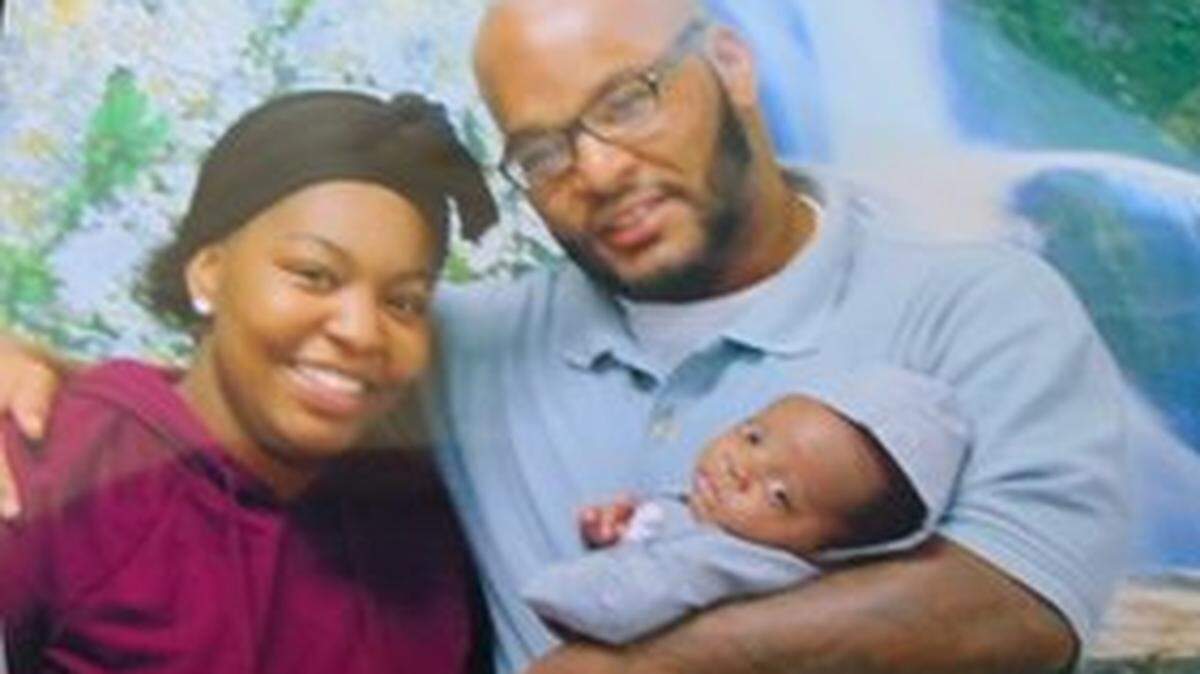
Experts raise issues with DNA, witnesses in Marcellus Williams’ MO death penalty hearing
READ MORE
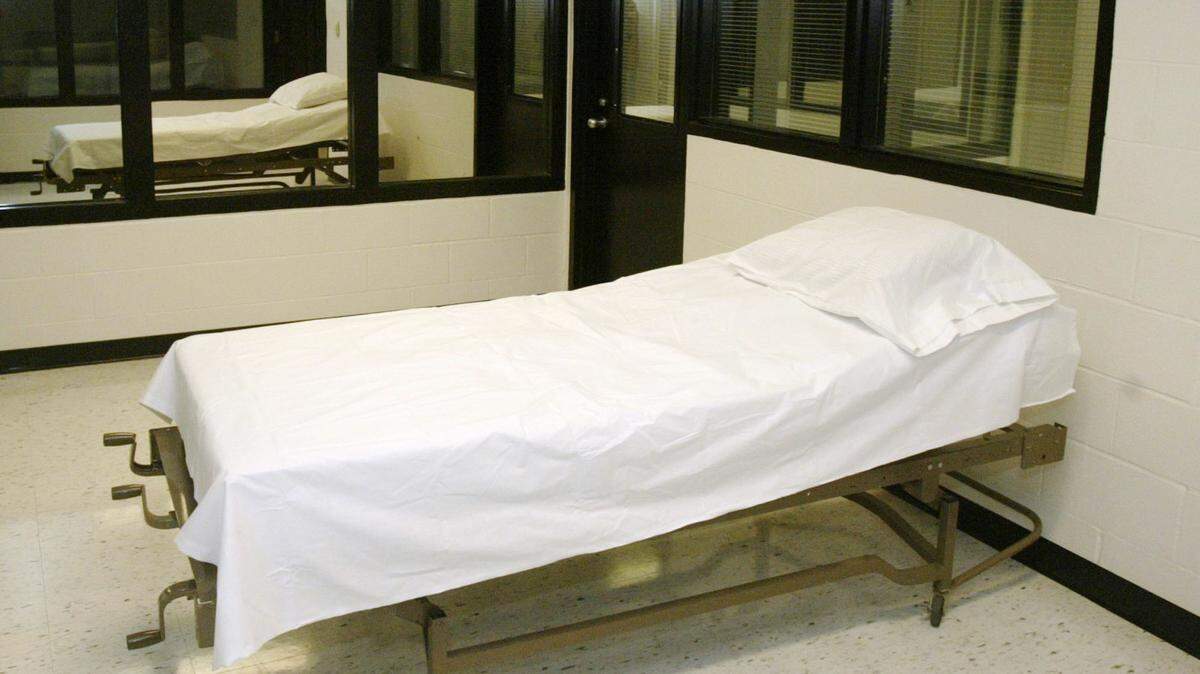
Death penalty in Missouri
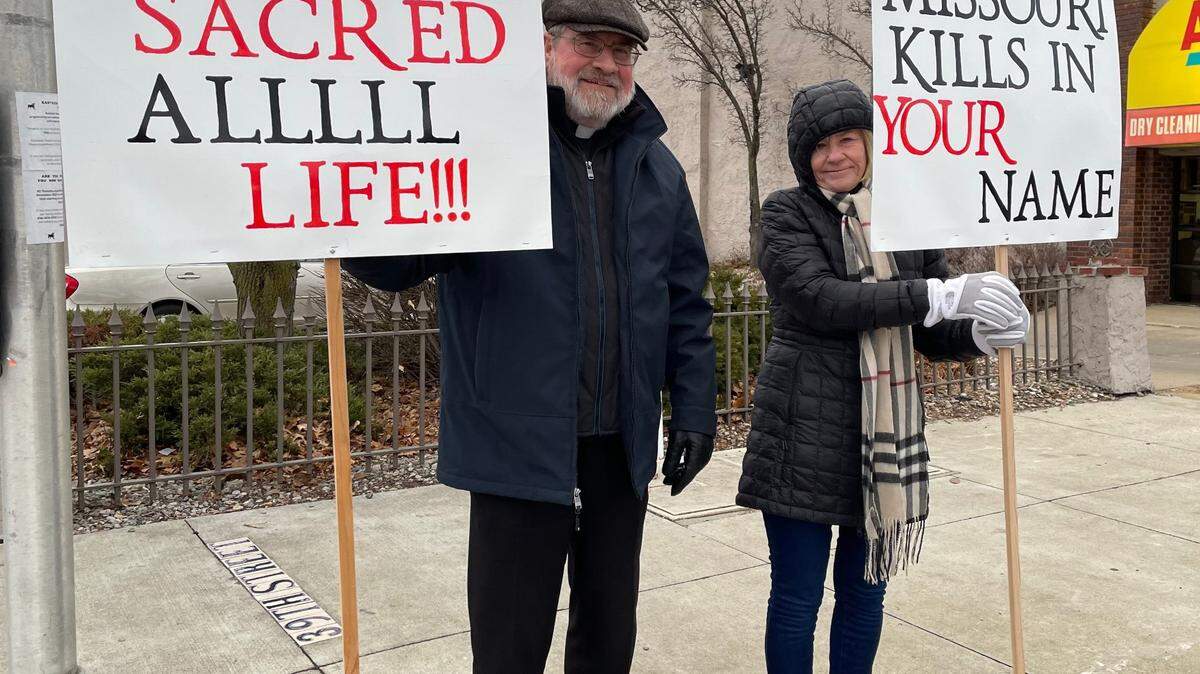
Missouri executed four people in 2023. Amber McLaughlin, Michael Tisius, Johnny Johnson and Leonard Taylor, who maintained that he was innocent, all died by lethal injection. The state is one of five in the country that carried out executions last year.
Expand All
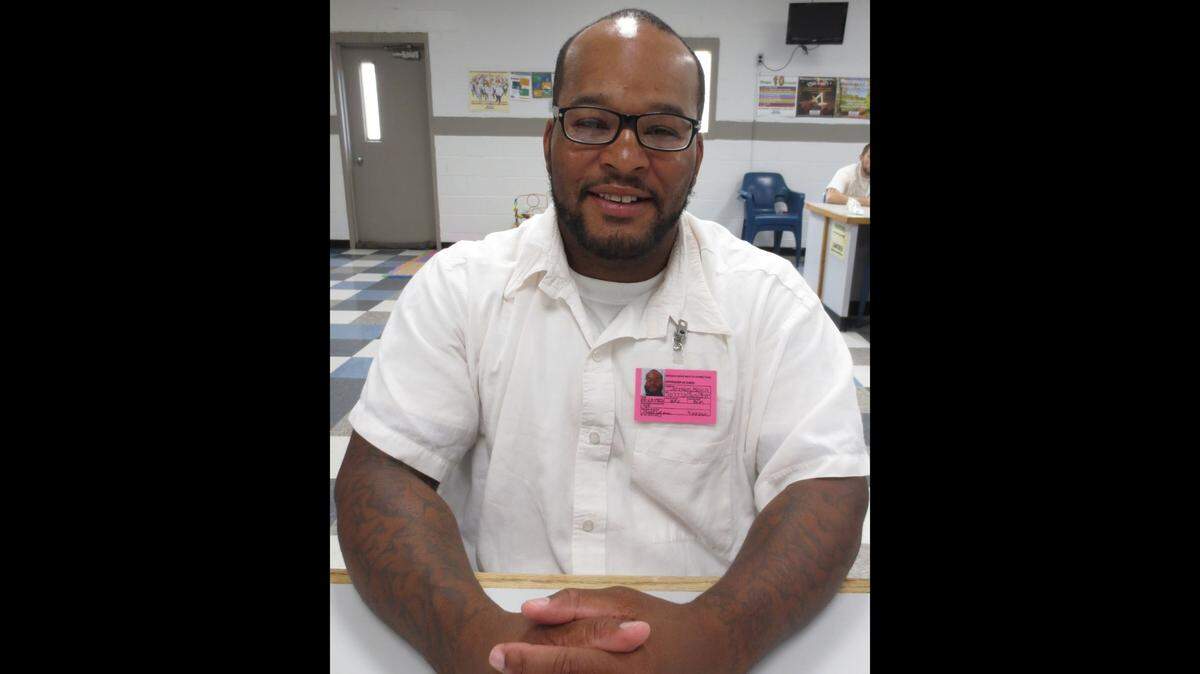
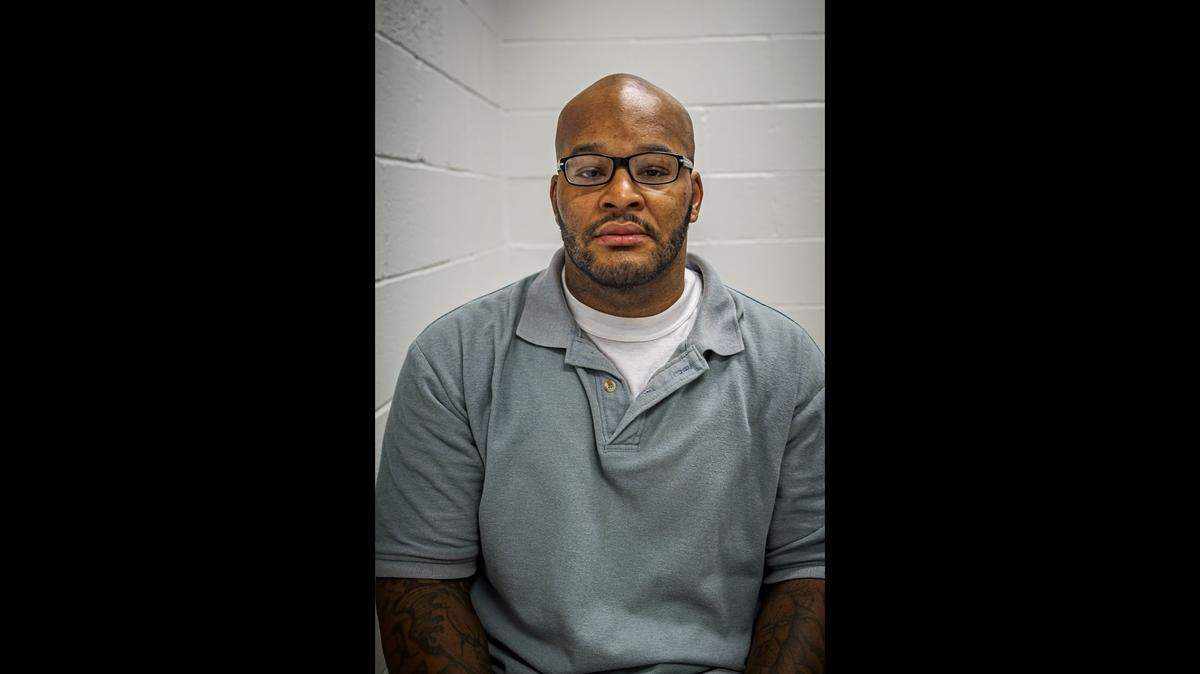
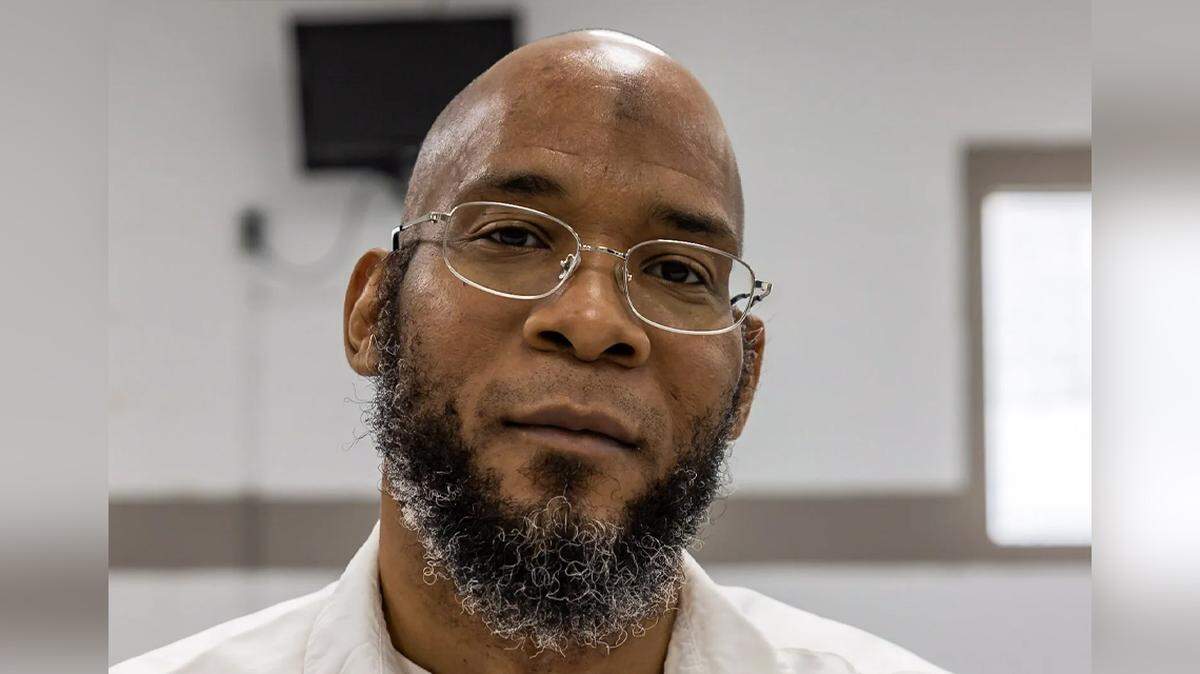
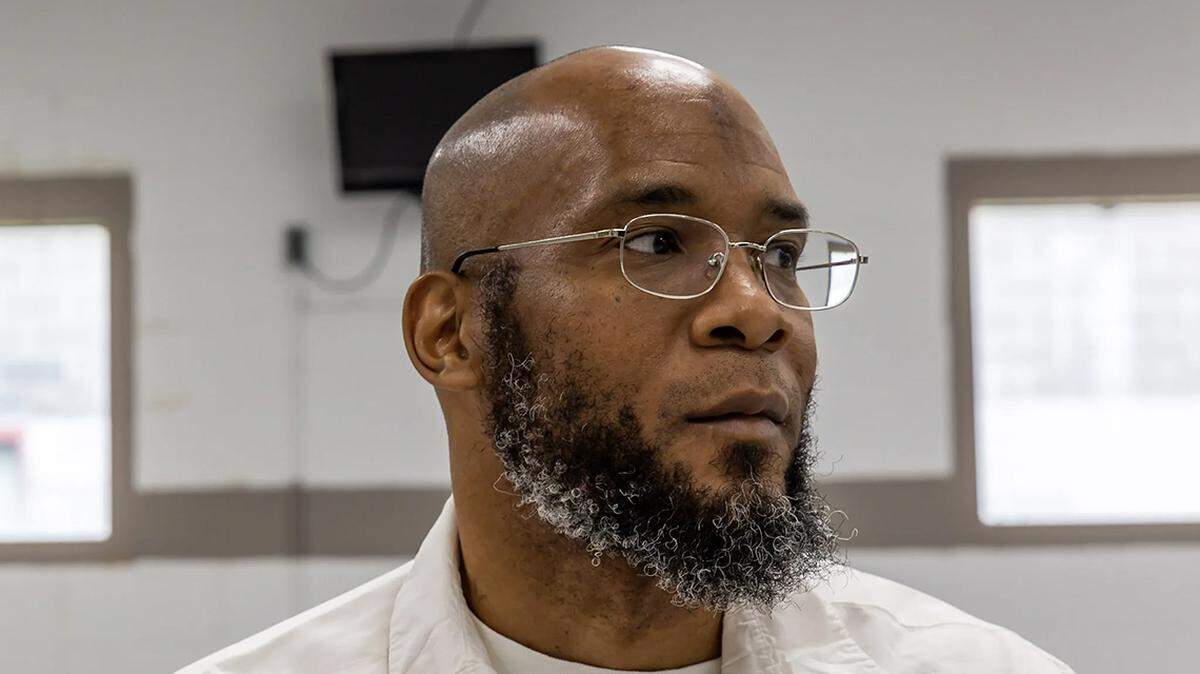
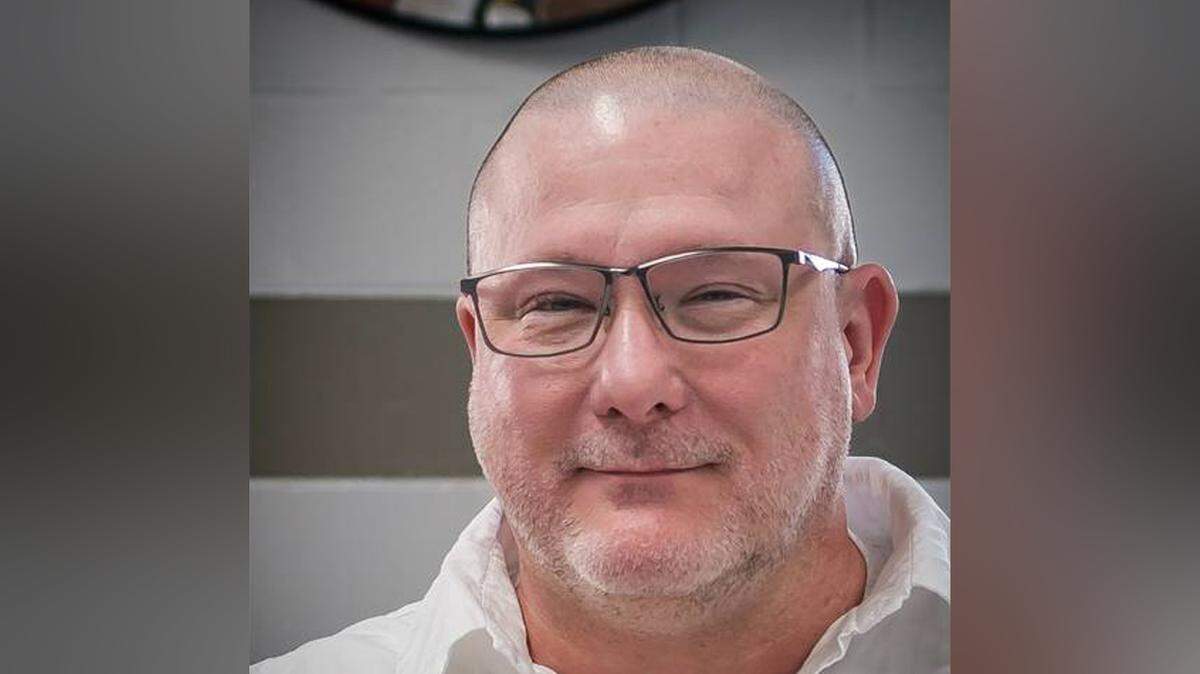
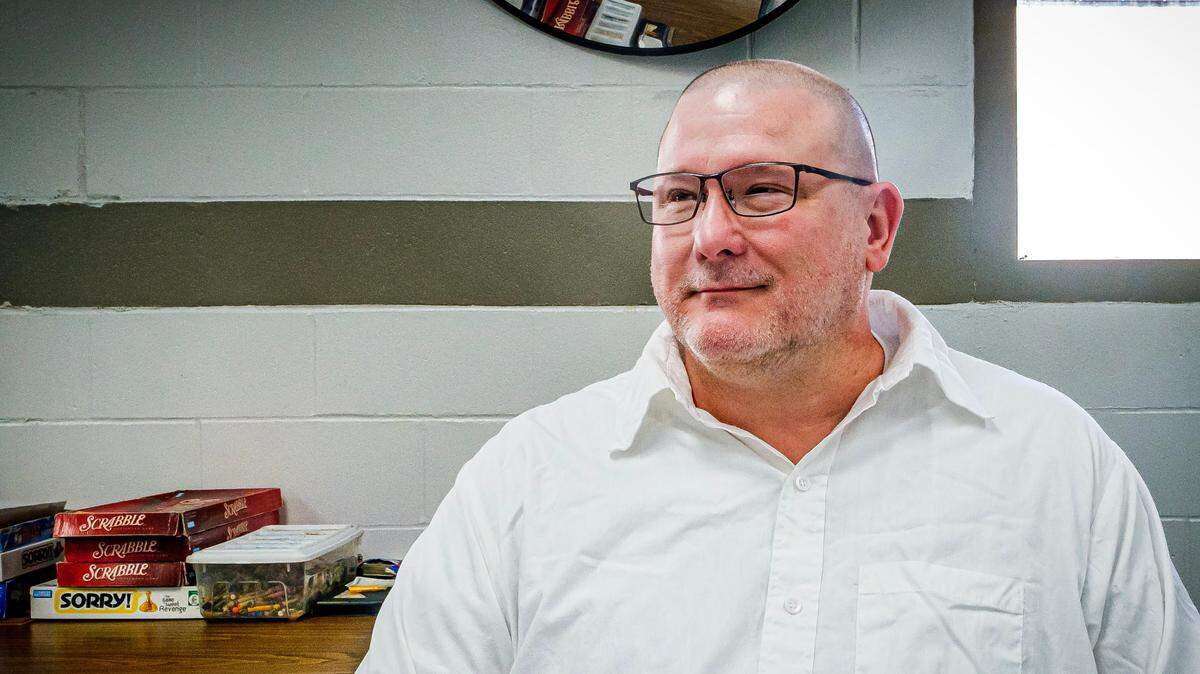
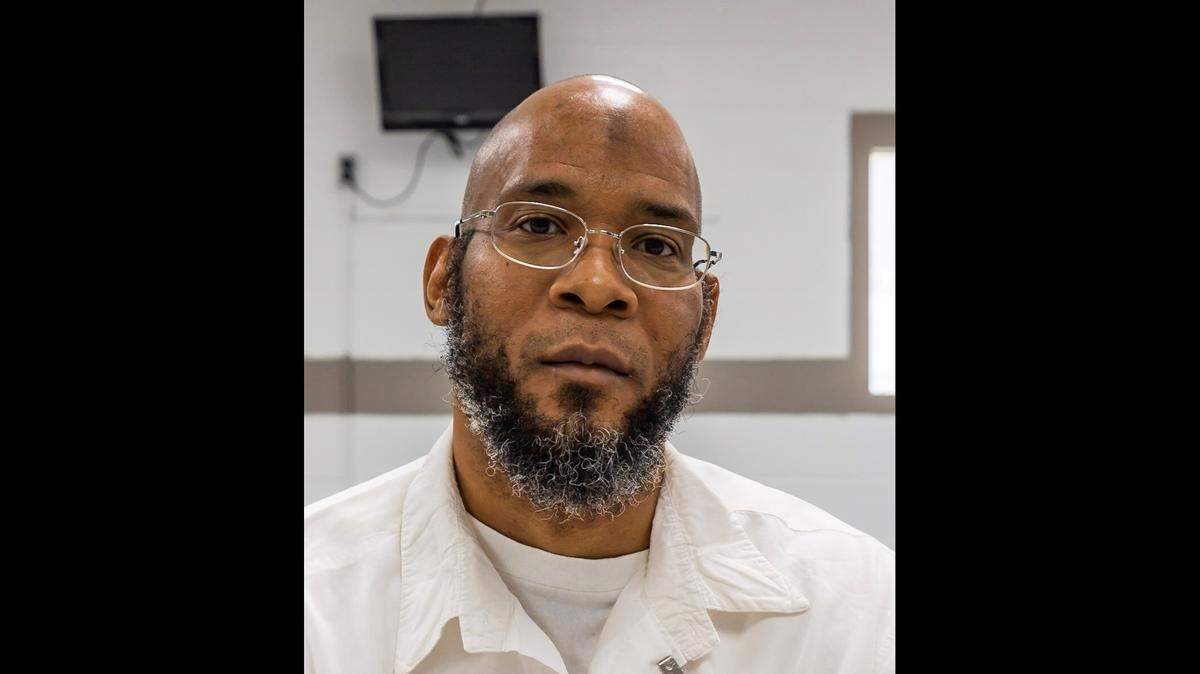
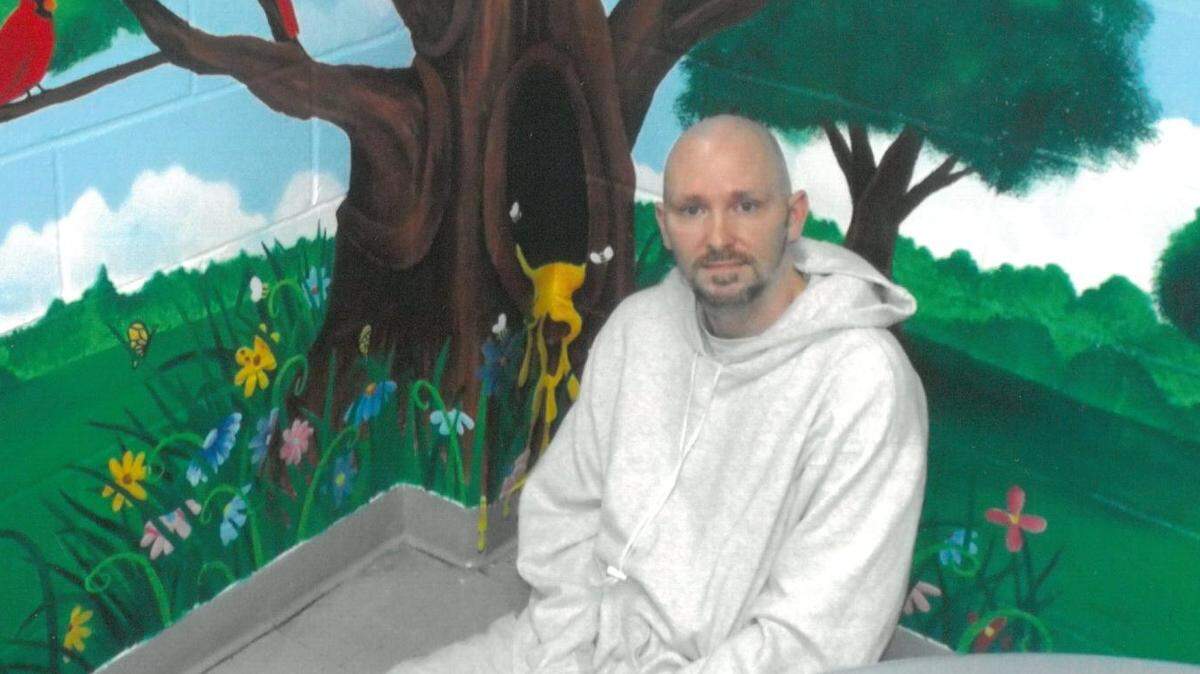
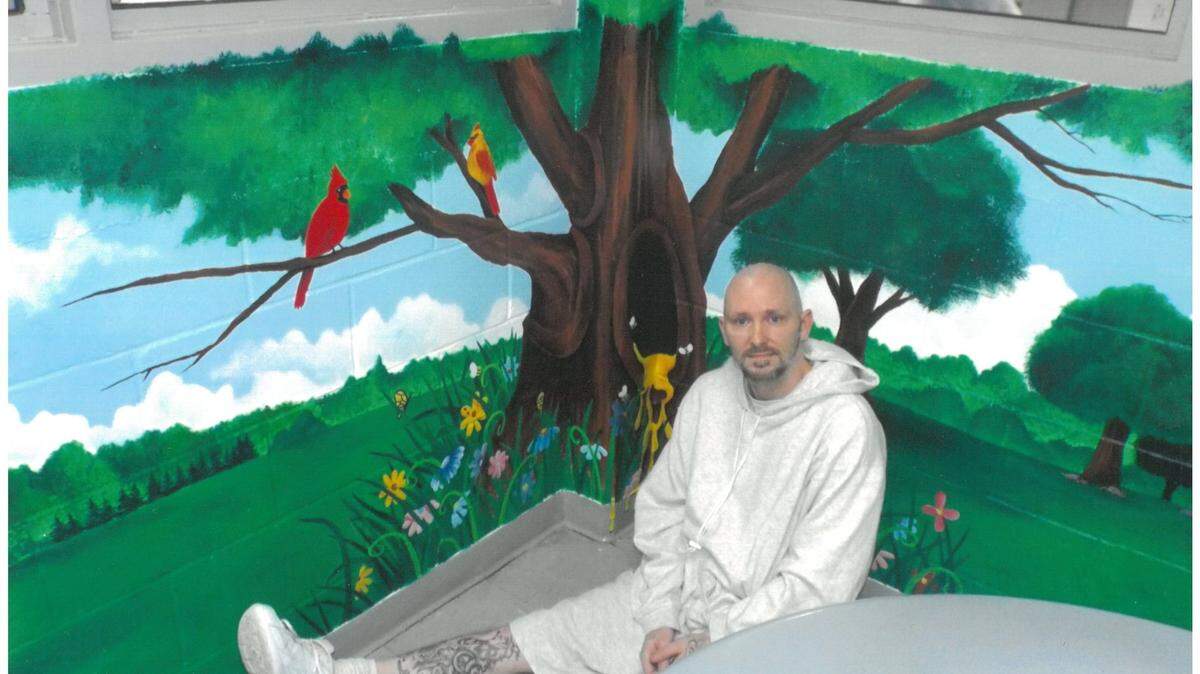
Marcellus Williams has been waiting years for the evidence that challenges his conviction and death sentence to be fully presented in a Missouri court.
With less than a month until his scheduled execution, a DNA expert on Wednesday reiterated that Williams’ DNA was not found on the murder weapon.
“He cannot be a source,” expert Charlotte Word testified.
Williams, 55, sat with his attorneys before St. Louis County Circuit Judge Bruce Hilton during the long-awaited evidentiary hearing Wednesday. Daniel Picus, who was married to the victim at the time of her death, listened to testimony from the front row of the courtroom.
Williams’ team of attorneys brought experts to the stand who raised concerns about his initial trial, including the way DNA evidence was handled, the veracity of witnesses and alleged infringements on his rights during the trial.
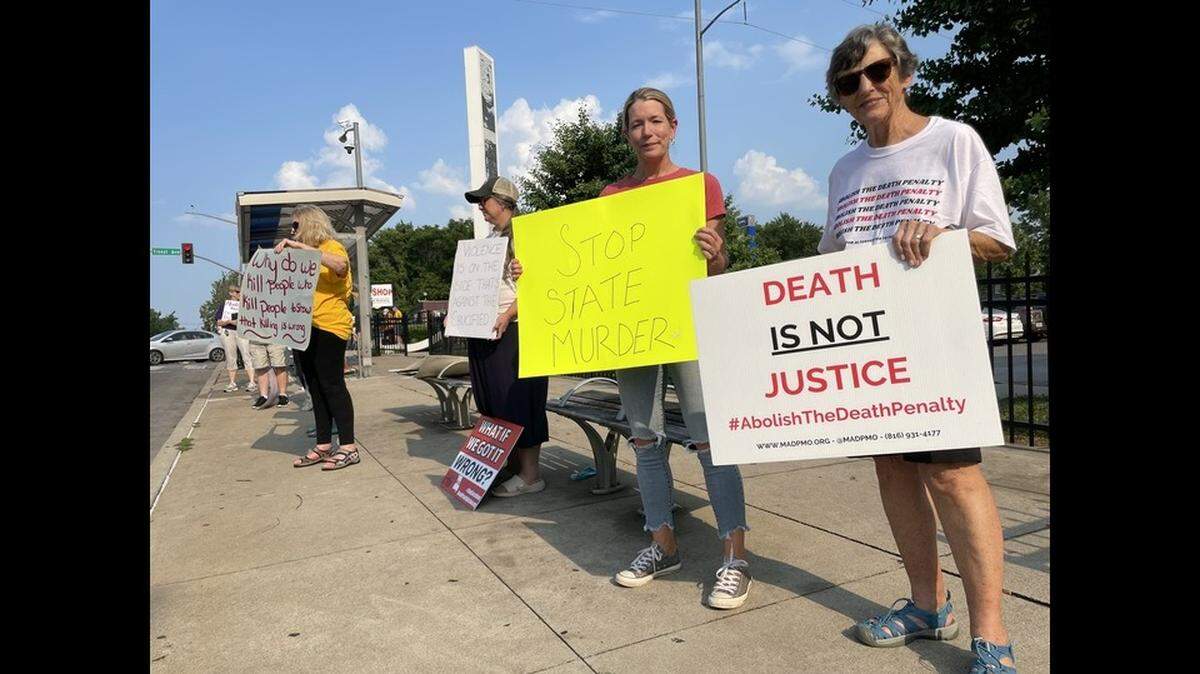
The hearing had first been scheduled for Aug. 21. Dozens of Williams’ supporters, including some of his family members, gathered in the courtroom that morning. In an unexpected twist, the judge later announced that the parties had reached a consent judgment, including a plea deal.
When court was called into session that afternoon, an attorney for the St. Louis County Prosecutor’s Office said that DNA evidence on the murder weapon had been compromised.
Williams has never been forensically linked to the 1998 murder of Felicia Gayle.
But attorney Matthew Jacober said a new round of testing showed two investigators were likely contributors to DNA on the knife, meaning the evidence had been contaminated. DNA had likely been removed and added as the weapon was handled during the investigation and trial, apparently without gloves.
Jacober announced that Williams had agreed to plead no contest with a new sentence of life without parole, instead of the death penalty. Williams was to be formally resentenced the next day, Aug. 22.
Gayle’s family supports a life without parole sentence and does not want the execution to be carried out.
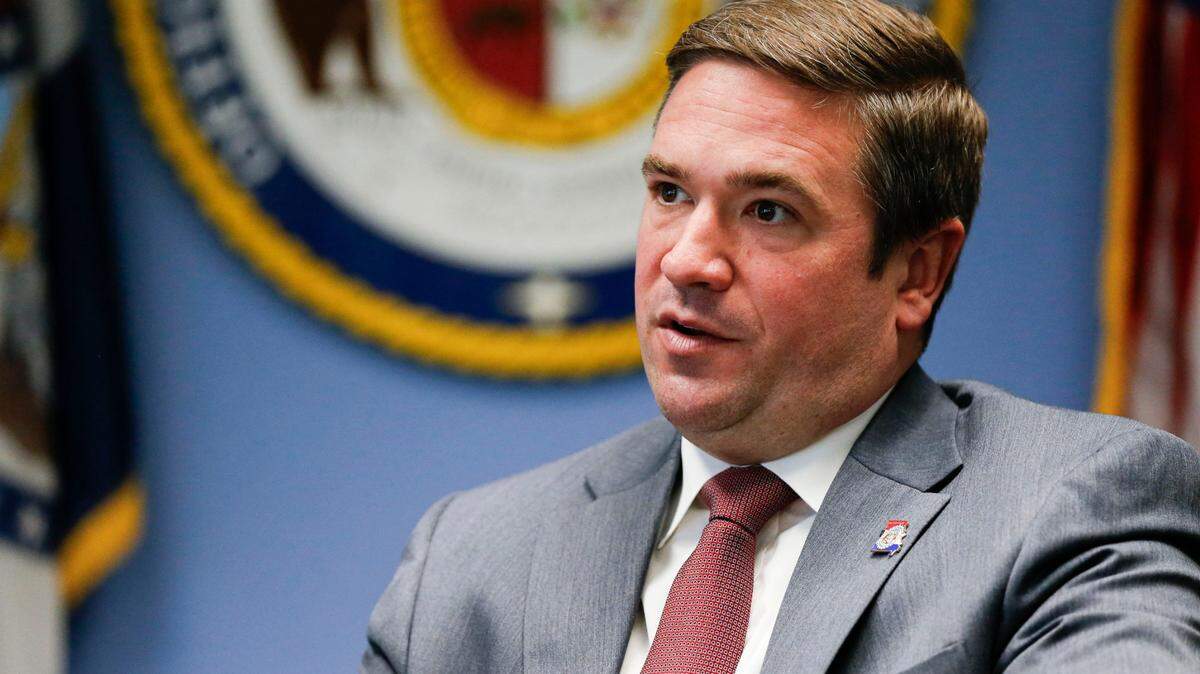
The Missouri Attorney General’s Office opposed the deal and filed a challenge. The Missouri Supreme Court halted the proceedings, and Judge Hilton scheduled Wednesday’s evidentiary hearing instead.
Experts testify Wednesday
Williams was convicted in August 2001 on the word of two witnesses, who have since died. Henry Cole and Laura Asaro said Williams had told them he had murdered Gayle.
David Thompson, an expert on forensic interviewing testified Wednesday, saying he had reviewed statements they made. Thompson concluded the two had incentives to point to Williams, including a monetary award. Some of their assertions conflicted with each other or with the evidence. Other information was already known to the public through news reports at the time.
St. Louis County Associate Circuit Judge Joseph Green was an attorney on Williams’ original trial. He said another high profile death penalty case took a lot of his focus around the time of Williams’ case.
“I don’t believe he got our best,” Green said.
Several documents, he also said, were never turned over to the defense, including forensic evidence, Missouri Department of Correction records and Cole’s medical records, which connected to his credibility, memory and mental health.
The Attorney General’s Office raised several objections throughout the proceedings Wednesday morning.
Word, the DNA expert, said she has testified in more than 300 cases, mostly for prosecutors. She said evidence should be handled with gloves and that evidence that isn’t properly preserved could damage an exoneration case.
Third execution date
Williams previously faced execution dates in January 2015 and August 2017. Those were halted to conduct DNA testing and further investigation.
After issuing the second stay, former Missouri Gov. Eric Greitens appointed a board of inquiry to look into the case.
In June 2023, Gov. Mike Parson lifted the stay and dissolved the board with little explanation. It’s unclear if the board made a recommendation in Williams’ case or not.
A law unique to Missouri allowed St. Louis County prosecutors to intervene on Williams’ behalf. They filed a motion in January to vacate his conviction. The Missouri Attorney General’s Office, which has been hostile toward claims of wrongful conviction across the state, opposed the motion.
Williams’ conviction is the first death penalty case to be tested under the new law. Hilton said the statute created “uncharted waters.”
Despite the prosecutors’ pending case, the Missouri Supreme Court issued the third execution warrant in June.
Last month, the Missouri Attorney General’s Office filed to stop the Aug. 21 evidentiary hearing, but that was overruled by the Missouri Supreme Court.
Last week, when the plea deal was announced, the attorney general’s office argued in favor of holding the evidentiary hearing, saying the judge could not accept the consent judgment including the plea deal without the hearing.
This story was originally published August 28, 2024 at 2:06 PM.


.jpeg)
.jpeg)