Why there is a glimmer of hope for Democrats in Missouri gerrymandering rulings
When the Missouri Supreme Court on Tuesday upheld the state’s gerrymandered congressional map, the seismic rulings immediately handed Republicans and the Trump administration a major win in their monthslong push to oust Kansas City’s Democratic congressman.
But a little-noticed line in one of the rulings has now offered Democrats a glimmer of hope. That line, tucked in the second of two rulings released by the court, could still clear a path for Democratic U.S. Rep. Emanuel Cleaver to win reelection in November.
The two rulings have sparked chaos and confusion in Kansas City and across Missouri. Republicans have claimed the rulings solidified that their new gerrymandered congressional map, signed into law last year, was in effect and would be used in the 2026 elections. But that’s not exactly what the state’s highest court ruled.
Tuesday’s Supreme Court decisions marked the latest revelation tied to the map, which carves Kansas City voters into three Republican-leaning districts. Republican lawmakers approved the map under pressure from the Trump administration, forcing Kansas City into a national redistricting frenzy amid a bitter fight over U.S. House seats.
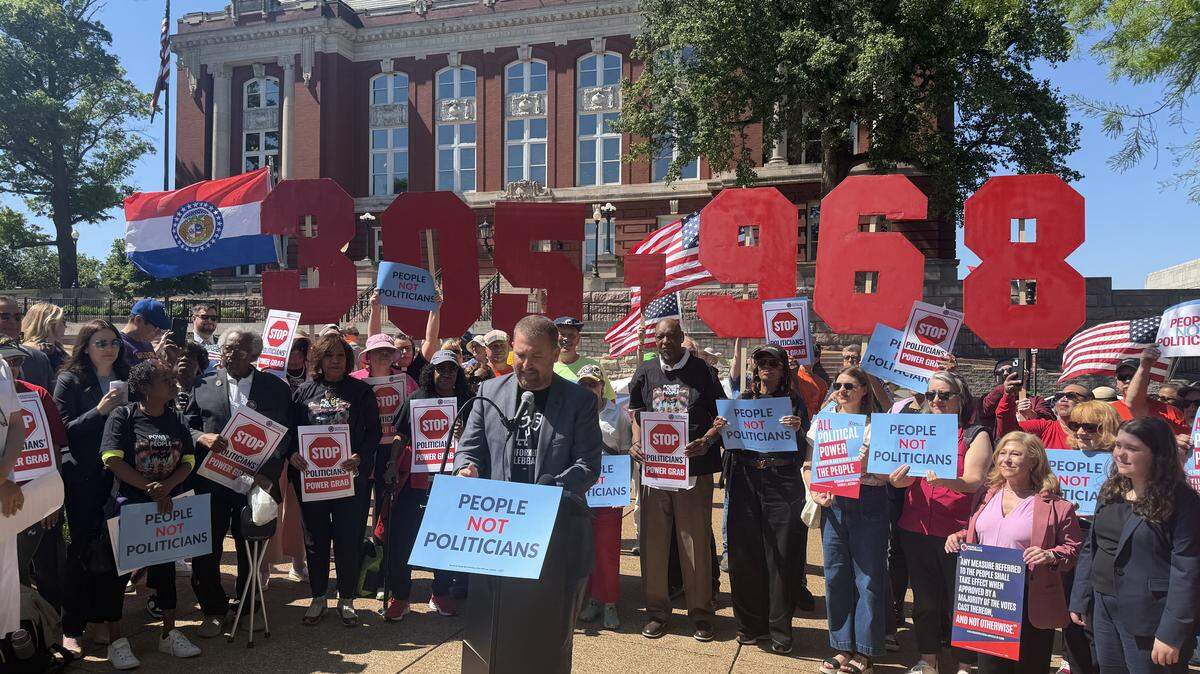
The second ruling centered on a referendum campaign, called People Not Politicians, that turned in more than 305,000 signatures to force a statewide vote on the map. Despite that signature turn-in, Republican state officials argued the new map was still in effect, defying decades of precedent.
The state’s highest court on Tuesday found that the signature turn-in did not immediately block the map. However, the court’s seven judges also ruled that it was “impossible to say” whether the map is in effect until Republican Secretary of State Denny Hoskins certifies the referendum for the ballot.
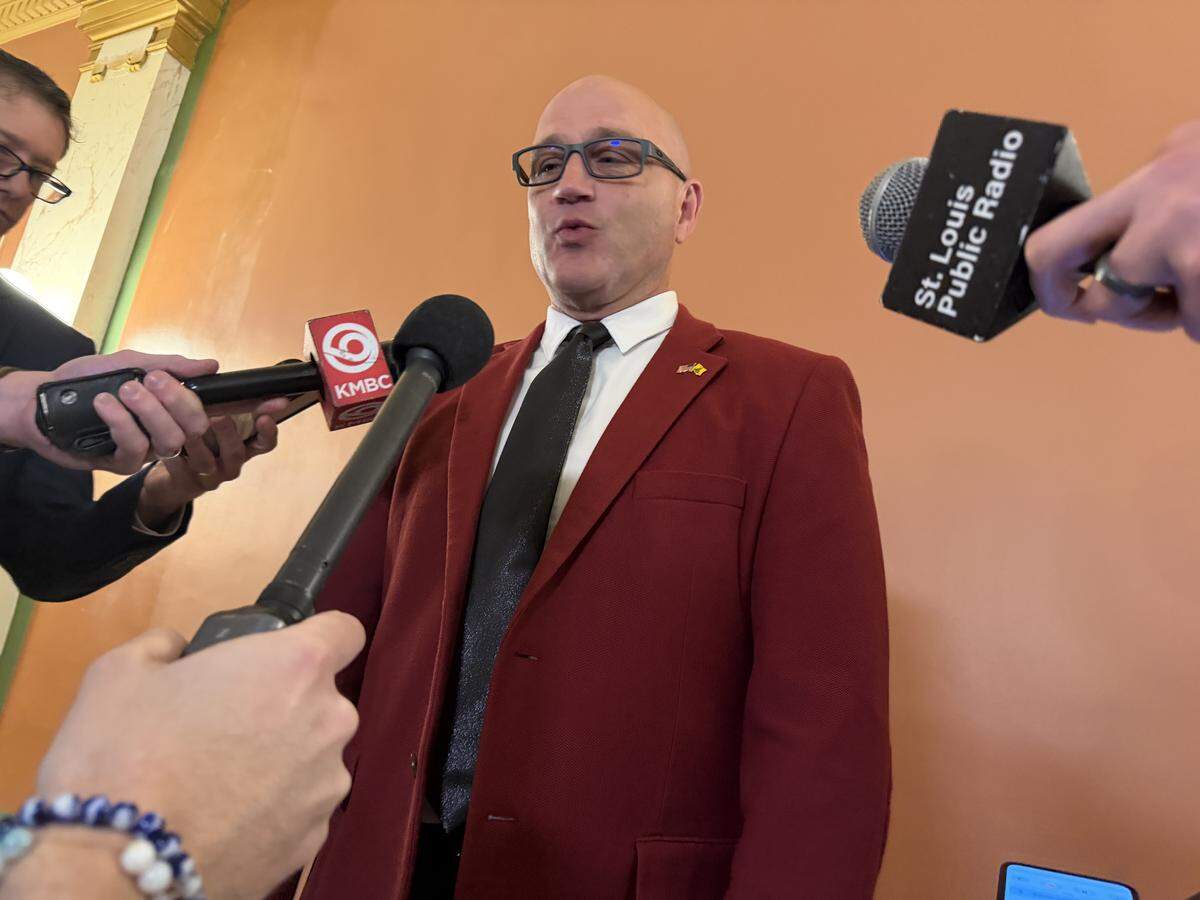
Hoskins, the state’s top election official and staunch supporter of the gerrymandered map, has until Aug. 4 — the same day as the August primary elections — to determine whether the campaign collected enough signatures to reach the Nov. 3 ballot.
If Hoskins determines that the campaign has enough signatures, the map would then be retroactively suspended back to Dec. 9, the day the campaign filed its initial paperwork, the court found. In other words, the new, gerrymandered map would be blocked — and has been blocked — until Missourians have a chance to vote on it in November.
That stark acknowledgment creates several chaotic and dueling scenarios, including the possibility that one map could be used in August and another one in November. It could also open the door for a post-election challenge if the gerrymandered map is blocked but used in the August primaries.
A social media account for Missouri Senate Democrats emphasized the chaos in a series of social media posts throughout Tuesday and Wednesday.
“Yesterday, the Missouri Supreme Court said ‘it is impossible to say’ if the GOP’s gerrymandered map is in effect, it probably won’t be later, and at that point, it means it never was,” the post said.
For some Democrats, the ruling also ushered in a rare moment of hope amid the protracted redistricting fight.
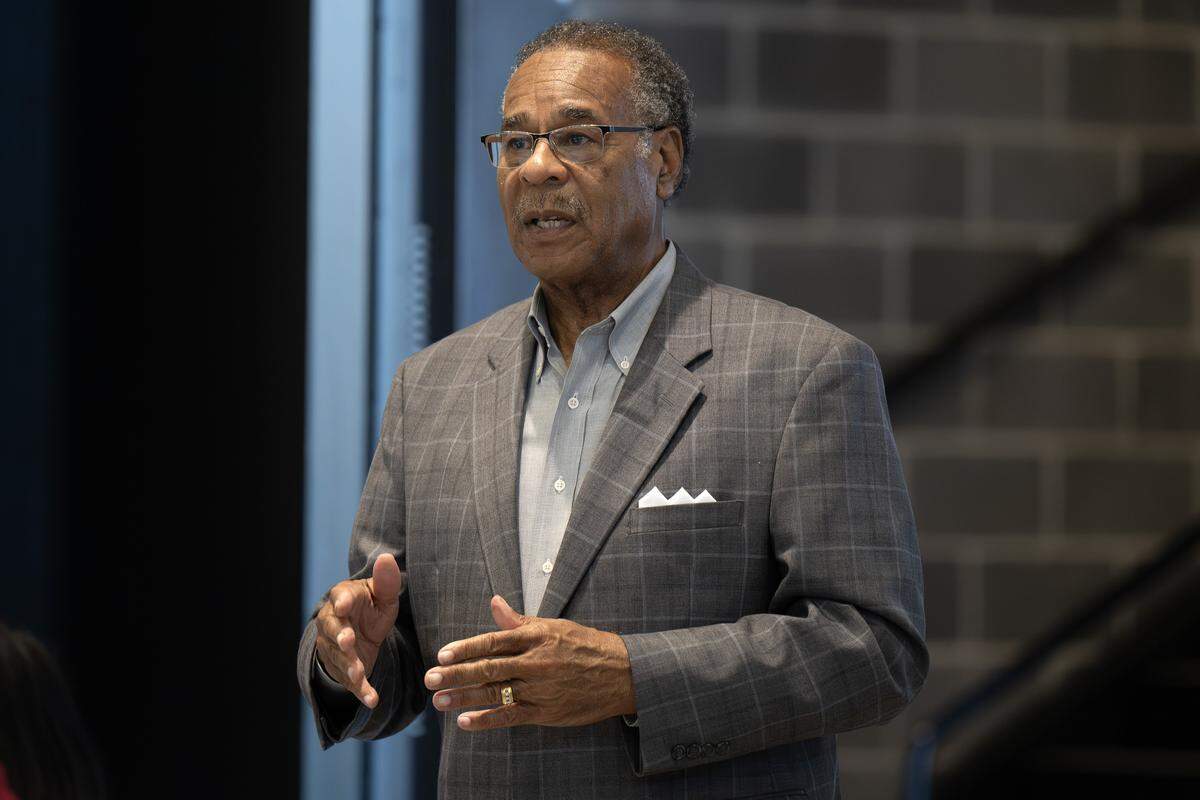
“There is a clear path to victory for my re-election, as has been reflected in the more than 305,000 Missourians who joined the citizens’ led referendum petition, which I am confident will receive a certificate of sufficiency,” Cleaver said in a statement Tuesday evening.
Pressure is now mounting on Hoskins to immediately certify the referendum for the ballot as he faces accusations of slow-walking his certification. Data posted on the Secretary of State’s Office website has confirmed that the campaign collected more than enough valid signatures to qualify for the ballot.
“I think the secretary is intentionally trying to create chaos by intentionally delaying the certification decision,” said Chuck Hatfield, an attorney for the referendum campaign.
But Hoskins, who has repeatedly championed the new map, told reporters on Tuesday he planned to complete his certification process “by Aug. 4.” He then went a step further and said he had questions about the legality of the referendum, a remarkable suggestion that he could decide the referendum is insufficient for the ballot even though the campaign collected enough signatures.
“I do question whether there can be a referendum process on (congressional redistricting),” Hoskins said.
As all eyes turn to Hoskins, whatever he decides is virtually certain to spark another raft of lawsuits that could determine whether the gerrymandered map is used in the August and November elections. For now, map opponents are urging him to do his job and decide whether the referendum can reach the ballot.
“The secretary has the ability to declare sufficient or insufficient People Not Politicians’ signatures today,” said Hatfield. “That would alleviate a lot of the questions and ambiguity that we have.”
This story was originally published May 13, 2026 at 1:13 PM.