Top Missouri court to decide on Kansas City’s gerrymandered map. What’s at stake?
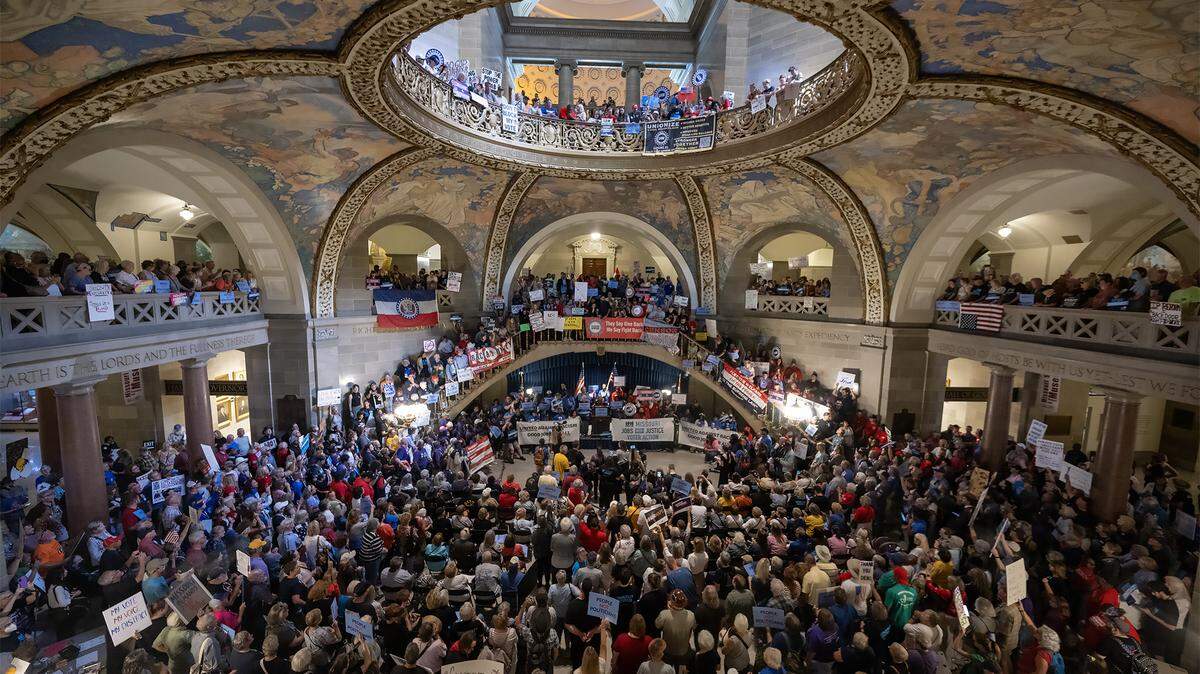
At long last, the fate of Missouri’s gerrymandered congressional map is coming into view.
The Missouri Supreme Court on Tuesday morning will hear arguments in a trio of cases that will effectively decide whether the Republican-backed map, which slices through Kansas City, can be used in the 2026 midterm election.
The stakes are extraordinarily high for both Kansas City and nationally. Decisions in any of the three cases could clear a path for Republicans to unseat U.S. Rep. Emanuel Cleaver, Kansas City’s longtime Democratic congressman, or strike a major blow to President Donald Trump.
“This is going to be a really big deal,” said Chuck Hatfield, a prominent attorney involved in a slew of redistricting fights. “These three cases are the end of this story.”
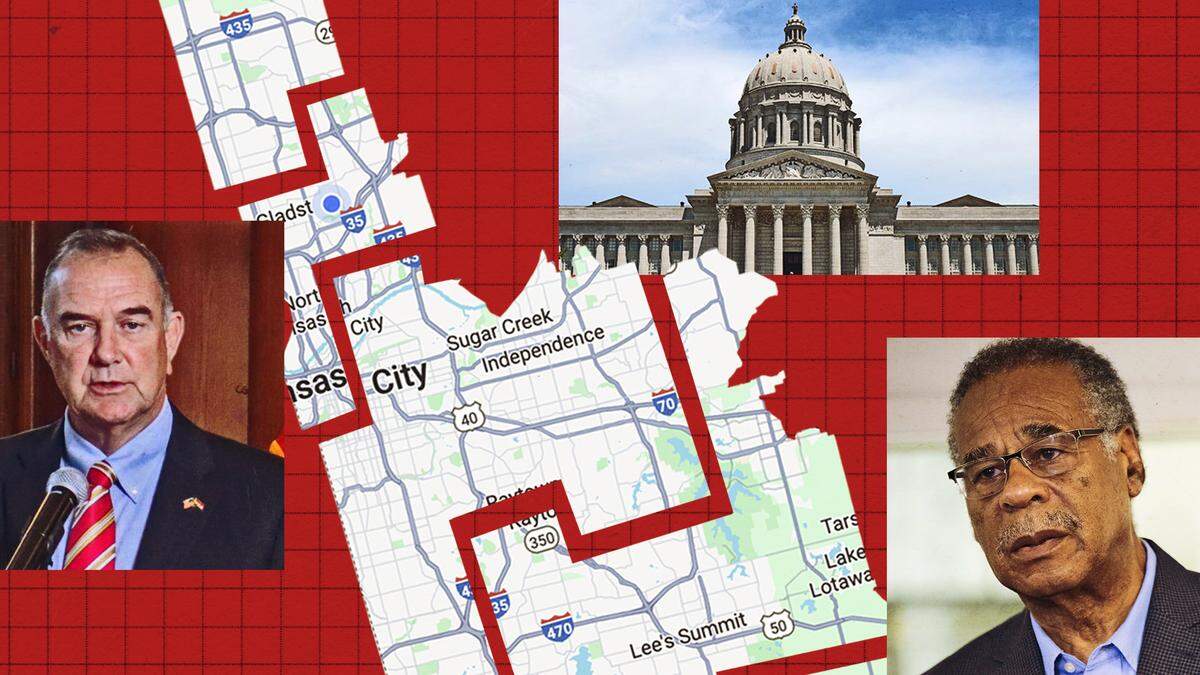
Each case takes aim at the congressional map lawmakers approved last summer under pressure from Trump, who leaned on state lawmakers across the country to redraw their maps to ensure GOP control of Congress. The unprecedented effort thrust Kansas City’s 5th Congressional District into a nationwide redistricting frenzy.
The looming court decisions will once again force Kansas City and Missouri onto the national stage amid a broader partisan fight for U.S. House seats ahead of the November elections. Critics of gerrymandering have cast the moment as a major test of democracy in American politics.
Tuesday’s arguments begin at 9 a.m. in Jefferson City. The judges face a ticking clock as local election clerks prepare to finalize ballots for the August primaries by May 26 and decisions in the three cases are likely to come quickly.
Slicing Kansas City
The new map, signed into law by Republican Gov. Mike Kehoe last summer, split Kansas City voters into three Republican-leaning districts. The new boundaries carved more than 70,000 minority residents out of Cleaver’s district and used Troost Avenue, Kansas City’s historic racial dividing line, to split up the districts.
It marked an overt example of partisan gerrymandering, a term used to describe the practice of redrawing electoral district boundaries to favor one party over another.
Under the map, Cleaver would be forced to campaign in a district that stretches east from Troost Avenue to the rural cities and towns spread across central Missouri. It combines the voters in eastern Jackson County with voters in places hours away, like Jefferson City, Maries County and Osage County.
Striking down the map
The first two cases, which will be argued together, deal with the map’s boundaries. The pair of lawsuits, brought on behalf of the ACLU of Missouri and the National Redistricting Foundation, argue that the new map illegally splits up Kansas City, with its own industries, city plans and shared identities, in violation of the Missouri Constitution.
Those arguments will also weigh a claim from the ACLU that the map includes a crucial error that placed more than 870 Kansas City residents in two separate districts at the same time.
Rulings in the first two cases will center on whether the map itself is legal or if it should be struck down, decisions that could have major implications for the 2026 election. Rulings against the map could revert Kansas City’s congressional district back to the boundaries lawmakers approved in 2022, easing a path for Cleaver to win a 12th term in Congress.
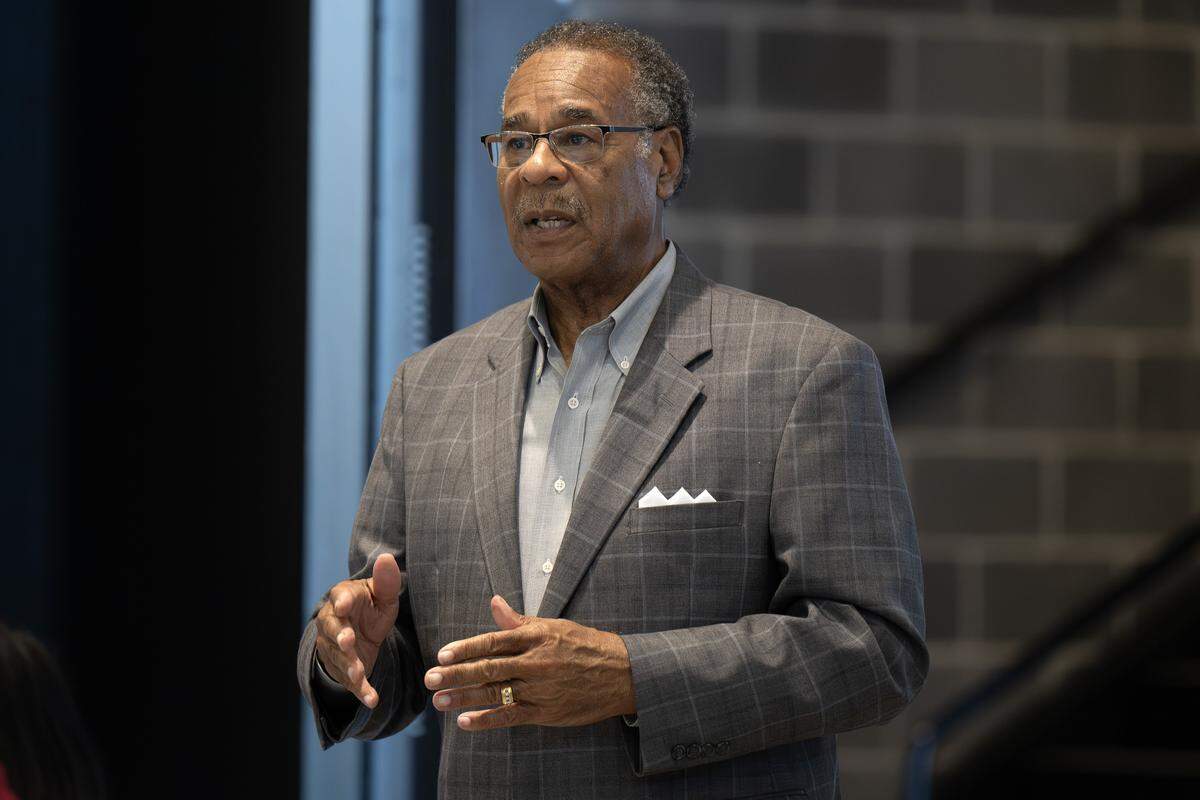
A spokesperson for Cleaver did not immediately respond to a request for comment ahead of Tuesday’s arguments.
Five Republicans have filed to run under the new map’s boundaries. One of those candidates, Taylor Burks, a former Boone County clerk, said he was confident the map would be in effect for the upcoming elections and pointed to the tight deadline ahead of the August primaries.
“Calendar-wise, it would be massive chaos if the Supreme Court strikes down the map at this stage,” Burks told The Star. “I launched my campaign expecting that these maps would withstand … I don’t see how they get struck down at this point.”
Another candidate, state Sen. Rick Brattin from Harrisonville, went a step further and invoked a legal argument touted by conservatives that only state lawmakers have the power to redraw map lines. He called the series of legal battles “a politically motivated attempt to block Missouri’s American First agenda” and said he was confident the map would be upheld.
“The constitution is crystal clear: the legislature has the sole authority to redistrict,” Brattin said in a statement.
Blocking the map
The third case would also have seismic ramifications on which map is used in the upcoming elections.
Arguments in that case, which are also slated for Tuesday, will focus on a campaign seeking to strike the map down at the ballot box through a quirk in Missouri law called the referendum that allows citizens to challenge most laws passed by state lawmakers.
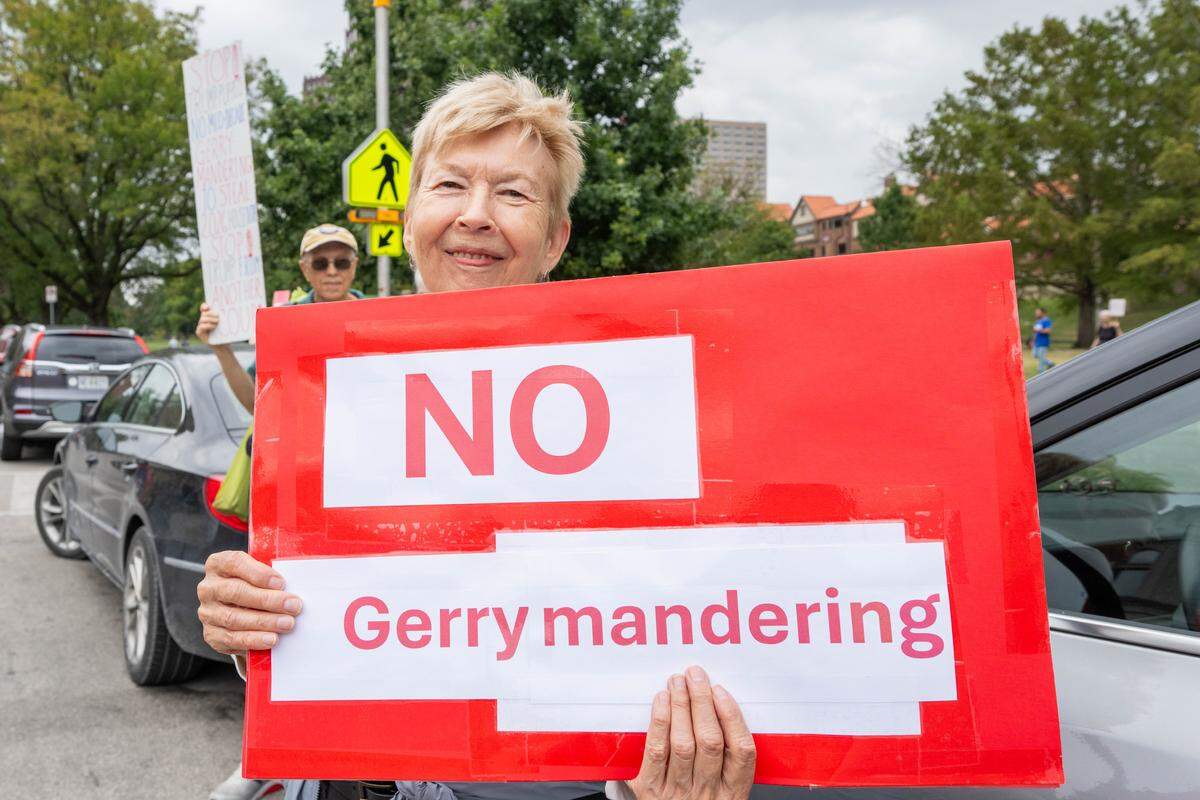
After racing across the state to collect signatures, that campaign, called People Not Politicians, last year turned in more than 300,000 signatures to force a statewide vote on the map in November. Despite the signature turn-in, Missouri officials enacted the map in defiance of decades of precedent.
The Supreme Court will decide whether the map should be blocked before Missourians have a chance to vote on it, effectively deciding if the map will be in effect for the 2026 election. A ruling against the lawsuit would also significantly weaken the state’s referendum process.
Ahead of the marathon day of legal arguments, Richard Von Glahn, the director of the referendum campaign, cast the looming Supreme Court decisions as a pivotal moment in Missouri history.
“This entire thing is about voters saying our democracy should prioritize us — not politicians and politicians are saying the opposite,” he said. “What’s at stake is who our democracy belongs to.”
This story was originally published May 10, 2026 at 5:00 AM.