Another Kansas City area city bans controversial conversion therapy for LGBTQ youth
READ MORE
Conversion therapy in Kansas City
Twenty states and more than 100 U.S. cities have banned conversion therapy. LGBTQ advocates in Missouri and Kansas are campaigning to get it banned across the Kansas City area.
Expand All
Independence is now the fifth city in the Kansas City metro to ban the controversial practice of conversion therapy on LGBTQ minors.
All six Independence City Council members voted to ban the practice at a meeting Monday night. Mayor Eileen Weir, who had championed the ban, gave the ordinance an enthusiastic “yes!”
Earlier this year, the council had rejected two previous proposals over wording issues.
Often done with religious intention, conversion therapy is designed to change a person’s sexual orientation and gender identity. It is denounced by the medical community because it can create depression and has been linked to suicide.
News of the vote traveled quickly among national LGBTQ allies.
“It is heartening to see overwhelming support for LGBTQ youth in Independence. Thanks to the work of community advocates and the support of Mayor Weir, LGBTQ youth are protected from the dangerous and discredited practice of conversion therapy,” Troy Stevenson, senior advocacy campaign manager for The Trevor Project, said in a statement to The Star. The California-based nonprofit works on suicide prevention in the LGBTQ community,
“Research from The Trevor Project consistently demonstrates that this so-called ‘therapy’ is associated with greater suicide risk and we hope the City Council’s bold action will encourage statewide leaders to follow suit in enacting protections.”
Stevenson said that over the last year The Trevor Project responded to more than 3,400 requests for help from LGBTQ youth in crisis in Missouri. “As troubling as that is, that’s less than 10% of the number of Missouri’s LGBTQ youth who we estimate seriously consider suicide each year,” Stevenson said.
Before Monday’s vote, Lisa Wright, president of the Kansas City chapter of PFLAG, a national, family-based support group for the LGBTQ community, told council members she was glad they were considering a ban.
“Without a law to ban dangerous and discredited practices to convert or change a person’s sexual orientation, or gender identity, well-meaning but misinformed parents and caregivers of LGBTQ youth have been enrolling their children in junk science therapies,” said Wright.
When LGBTQ youth are rejected “by family members or faith, and community leaders, “their health and well-being pay a serious price,” said Wright. “When you reject an LGBTQ person, they can experience depression, anxiety, stress, or worse, and conversion therapy is rejecting LGBTQ youth for who they are.”
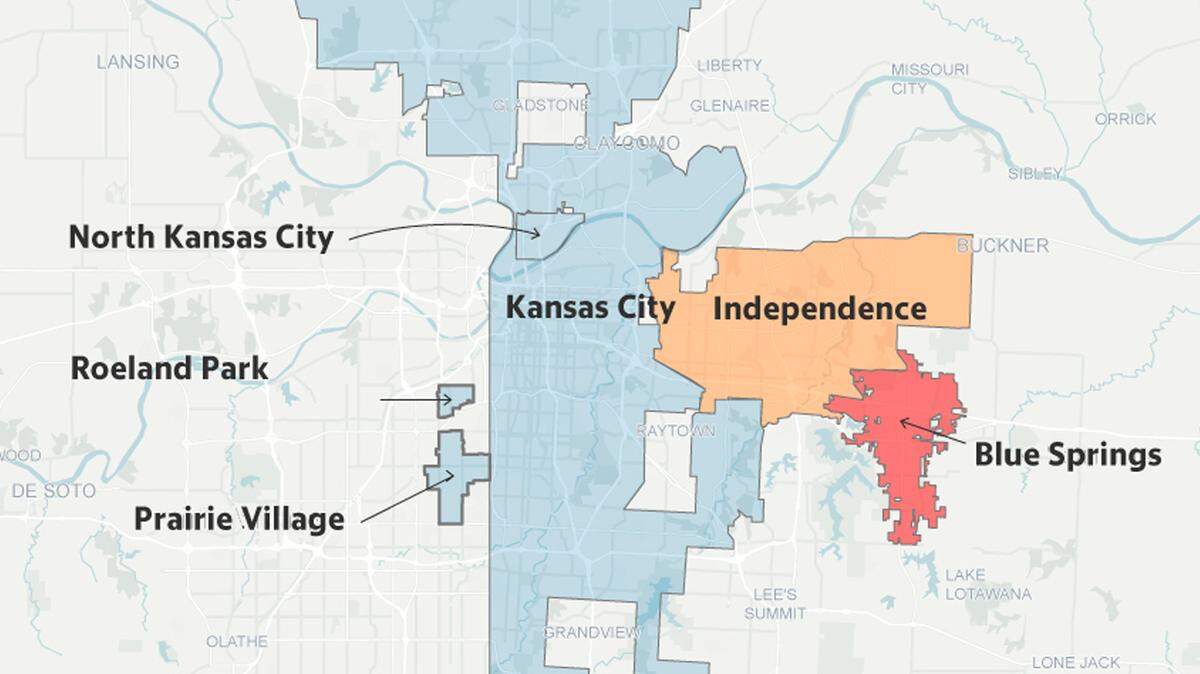
Independence joins Kansas City, North Kansas City, Prairie Village and Roeland Park in banning the practice. Blue Springs officials are being lobbied by members of the local LGBTQ community and their allies but so far have shown little interest. And members of the advocacy group Equality Kansas are working to plan which city they’d like to lobby next.
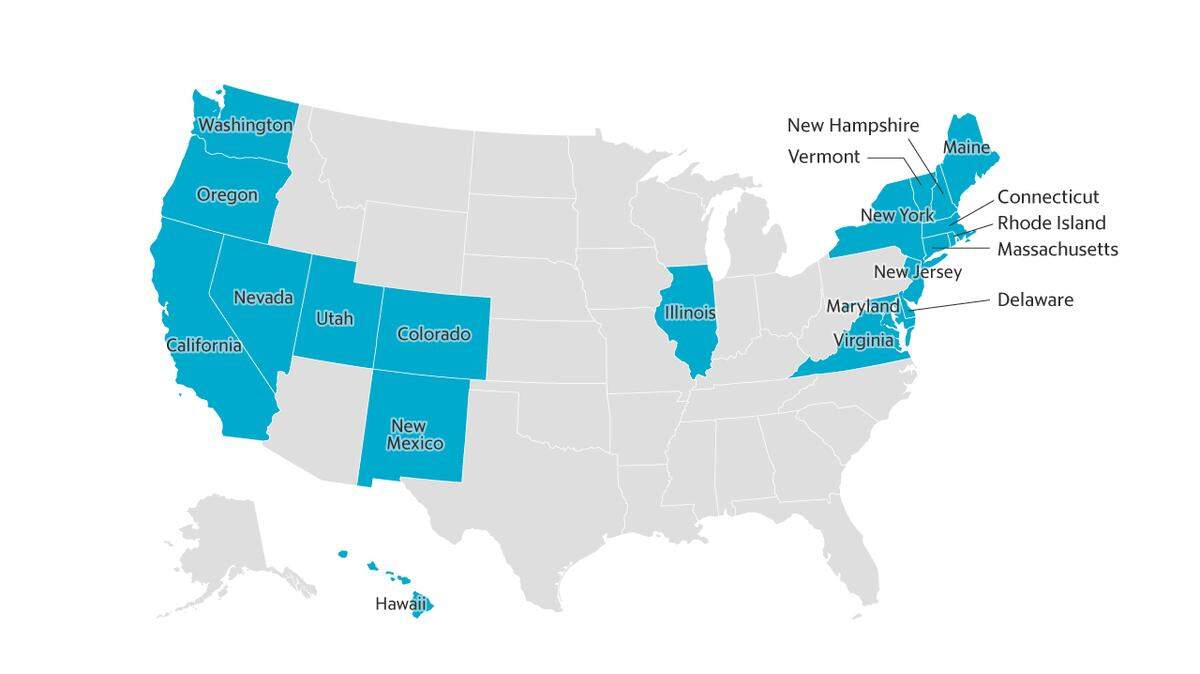
Twenty states and more than 100 U.S. cities have banned it, according to the National Center for Lesbian Rights’ Born Perfect campaign, a global movement to end the practice. The states of Kansas and Missouri have not banned it.
Though city and state governments across the country are banning conversion therapy, they don’t regulate a vast majority of the practice: when it is done by religious counselors and lay ministers.
For the most part, ordinances pertain only to licensed mental health therapists, not unlicensed religious practitioners.
The Independence ordinance, for instance, affects any licensed medical or mental health professional including licensed professional counselors, psychologists and clinical social workers and certified school counselors. Punishment is a fine of up to $500.
Ordinances passed in the Kansas City area over the past two years don’t bar religious leaders from speaking with youths about their sexuality or gender identity, a carve-out supported by advocacy groups such as Equality Kansas campaigning to outlaw the practice.
“Religious beliefs — things that happen inside the confines of a church or a place of worship — we just have to be very cognizant of that and not overstep the governmental boundaries,” Weir told The Star in October.
“That definitely came into play during COVID and the public health orders. When we were making rules about businesses, we excluded churches, just as an example. We’re not going to tell people what they can and can’t do in church. That’s up to the church to decide.”
Before voting, Independence council member Brice Stewart asked City Prosecutor Mitch Langford if churches would be exempt. “It depends on what they’re doing,” Langford said. “If they are acting in the capacity of a provider as defined by the ordinance, then they can be prosecuted.
“If they’re not acting as a provider, there is a definition in there talking about the pastoral capacity that they can certainly communicate with someone who is struggling with … their situation … as long as they’re not actively trying to convert them.”
Langford said prosecuting a case under the new ordinance would be “extremely difficult because it’s going to depend on the testimony of a minor with the parents present as to what was communicated in the meetings with the provider.
“It’s going to be very subjective.”
As difficult as the cases might be to prosecute at the city level, Langford said, “it’s a good ordinance to have because you’re not going to get the state of Missouri to pass anything like this anytime soon, so it’s going to be up to municipalities.
“And it’s a very powerful message to send regarding our stance as a city. I wish the state would do it. They’re not going to. It’s up to the municipalities.”
This story was originally published November 15, 2021 at 7:33 PM.
.jpg)