‘Really difficult’: Most conversion therapy is immune from local bans. Here’s why
READ MORE
Conversion therapy in Kansas City
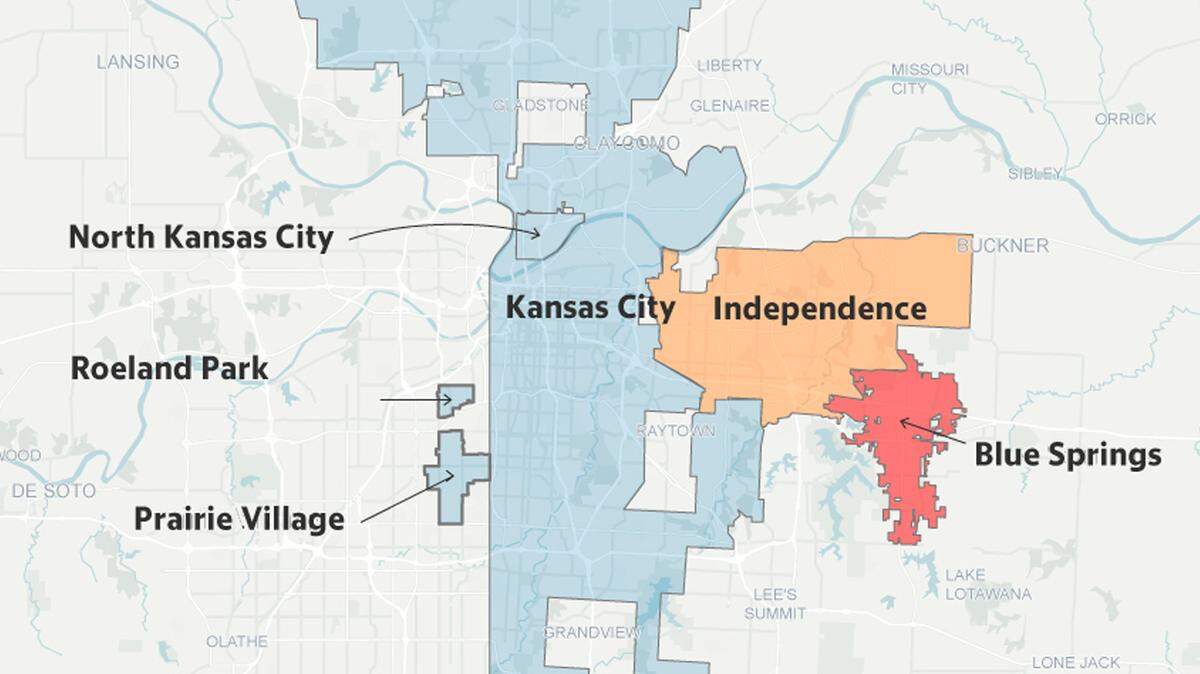
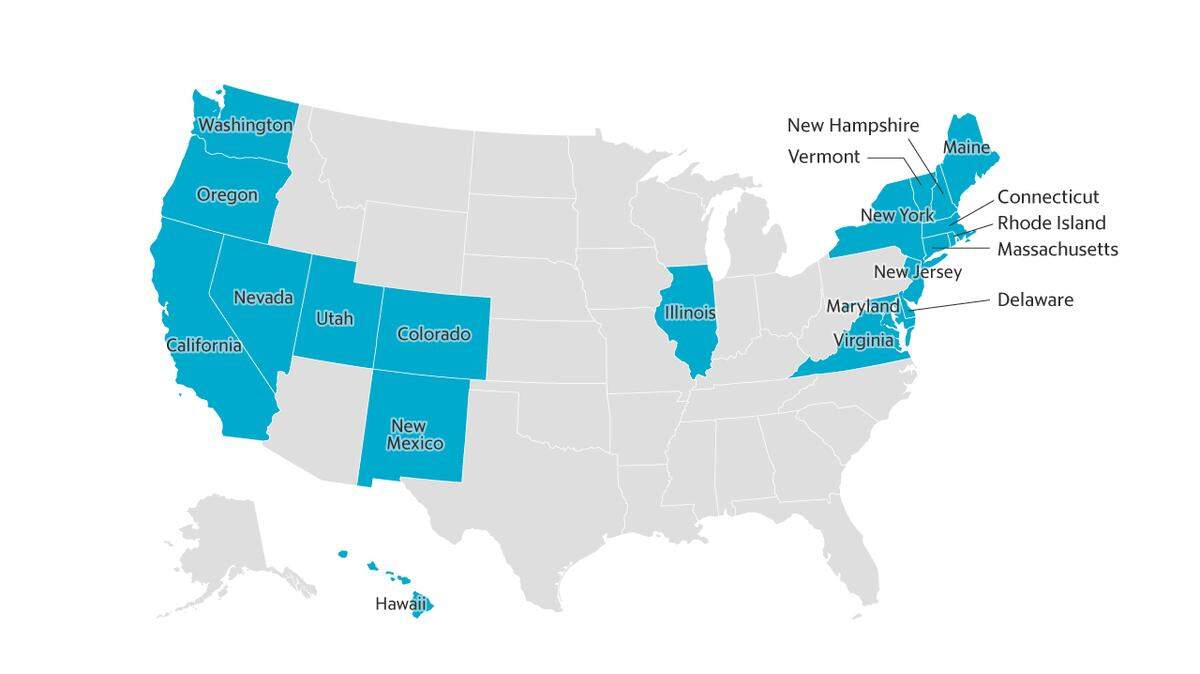
Twenty states and more than 100 U.S. cities have banned conversion therapy. LGBTQ advocates in Missouri and Kansas are campaigning to get it banned across the Kansas City area.
Expand All
Though city and state governments across the country are banning conversion therapy, they don’t regulate a vast majority of the practice: when it is done by religious counselors and lay ministers.
For the most part, ordinances pertain only to licensed mental health therapists, not unlicensed religious practitioners who are said to be the primary providers of the therapy.
Advocates campaigning for the bans exempt religious practitioners to avoid possible First Amendment challenges. But they still worry about LGBTQ youths undergoing the therapy from religious advisers.
“Frankly, it’s fairly easy to say licensed psychologists can’t promise that they’re going to be able to heal your sexuality or identity, because that’s been reputed by all major psychological associations,” said the Rev. Brandan Robertson in Washington, D.C., who is working to get the practice banned around the world.
“But it’s really difficult to say pastors, or pastoral counselors, can’t live out their religious conviction and offer ‘healing’ to people. And I think that’s where this conversation really keeps getting caught up everywhere around the world.”
The Williams Institute at the UCLA School of Law estimates that while 16,000 LGBTQ youths ages 13 to 17 will receive conversion therapy from a licensed therapist before they turn 18, as many as 57,000 others will receive it from a religious or spiritual adviser.
“Religious beliefs — things that happen inside the confines of a church or a place of worship — we just have to be very cognizant of that and not overstep the governmental boundaries,” said Independence Mayor Eileen Weir, who plans to vote for a ban when it comes up a third time there.
“That definitely came into play during COVID and the public health orders. When we were making rules about businesses, we excluded churches, just as an example. We’re not going to tell people what they can and can’t do in church. That’s up to the church to decide.”
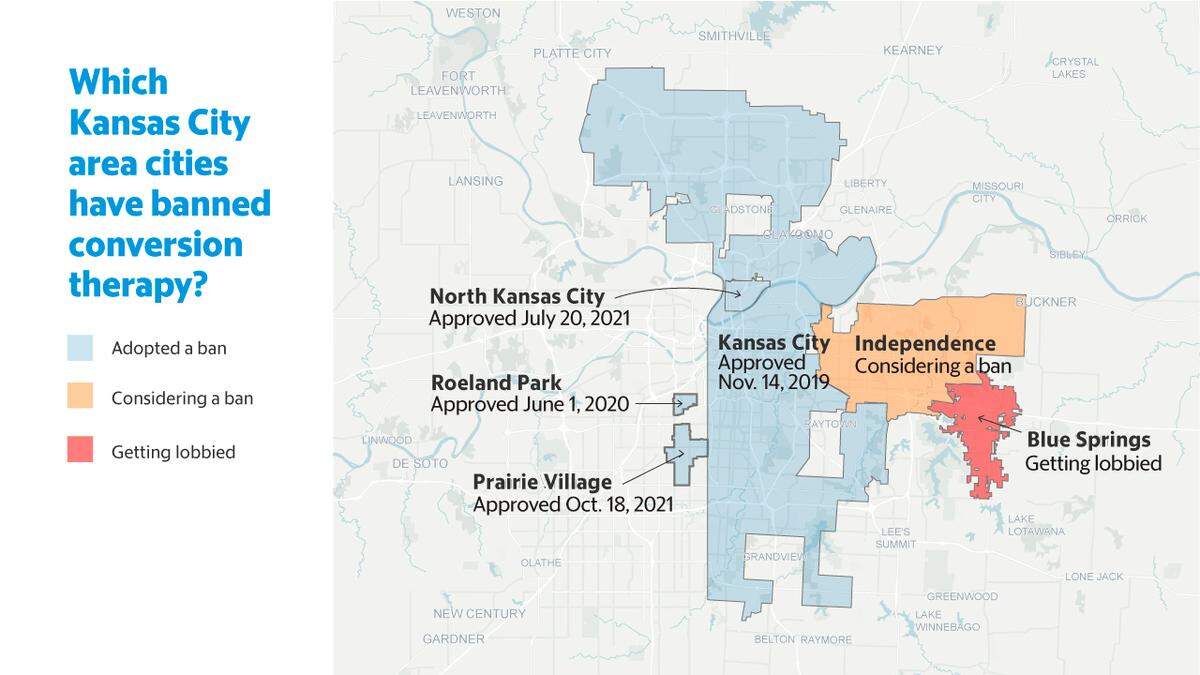
Ordinances passed in the Kansas City area over the past two years don’t bar religious leaders from speaking with youths about their sexuality or gender identity, a carve-out supported by advocacy groups such as Equality Kansas campaigning to outlaw the practice.
Many of the new laws look like the one adopted by Kansas City in November 2019. It applies only to minors and only to licensed medical or mental health professionals, including counselors, psychologists and therapists.
“I do think that in some sense, there’s not going to be a legal or political intervention when it comes to the religious aspects,” said Robertson, who is gay and went through conversion therapy himself.
“I think what needs to happen (is) … universal bans on the clinical practice of conversion therapy. Any therapist that has a license from any permit or state organization should be prohibited from offering this practice. And then the rest is going to come down to immense social pressure.”
Robertson said that when he was working at a church in San Diego, he discovered that the largest church in town had a conversion therapy group “under the guise of pastoral prayer.”
He sat down with the church’s pastor and offered two options.
“We are going to take out billboards outside of your church, and we’re going to take out ads and make a story for the local news and tell people that this is what you’re doing,” he said.
“Or you need to stop doing this. And lo and behold, a couple of months later, that group disappeared from their website. Now I don’t know if that means it actually went away, but I think there need to be moments where allies and advocates in communities, if you find out this is happening, you use the public pressure to highlight the danger of this, and I think that’s going to be the most effective way to ensure this practice is decreased if not ban it altogether.”
This story was originally published November 7, 2021 at 5:00 AM.
.jpg)